
Spliff, joint, and blunt – we explain the difference
Joint, spliff, and blunt differ in composition, history, and risk profile. We explain the differences in light of scientific research and Polish law.
Key information
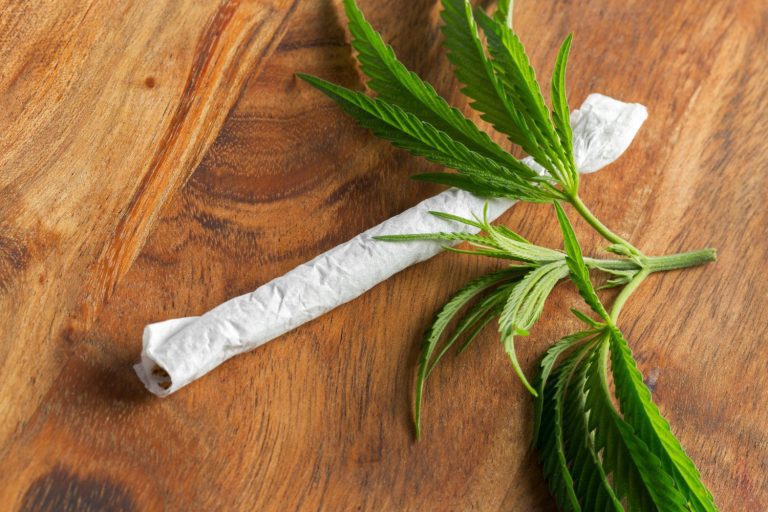
- Joint is a roll containing only dried cannabis flowers in thin paper, usually with a paper filter (crutch). The burning time ranges from 5 to 15 minutes.
- Spliff combines cannabis with tobacco in one roll. A popular form in Europe and the Caribbean. According to a study Hindocha et al. (2015) as much as 80.7% of cannabis smokers in Europe mix it with tobacco.
- Blunt (blant) is cannabis wrapped in a tobacco product: a tobacco leaf or a cut cigar paper. It burns for 30-60 minutes, is thicker, and contains even 1-3 g of cannabis.
- The addition of tobacco increases exposure to nicotine and carbonyls. A study Earleywine and Smucker Barnwell (2007) showed more respiratory ailments in people mixing cannabis with tobacco.
- In Poland, possession of cannabis other than industrial hemp with THC remains illegal under the Act of July 29, 2005, on counteracting drug addiction. CBD products with less than 0.3% THC are allowed.
If you search for the terms "joint", "spliff", and "blunt", you will find them used interchangeably in descriptions on popular online forums. This is a mistake that leads to serious misunderstandings, especially in cultural and health contexts. Each of these rolls has a distinct history, different composition, a different place in global cannabis culture, and a different risk profile. This article clarifies the concepts, draws on scientific research in pulmonology and toxicology, and shows the Polish legal context. You will also learn what the study says about the three forms of smoking the study by Hindocha et al. (2015), which examined 33,687 people from nine countries.
What are the differences between joint, spliff, and blunt? A short answer
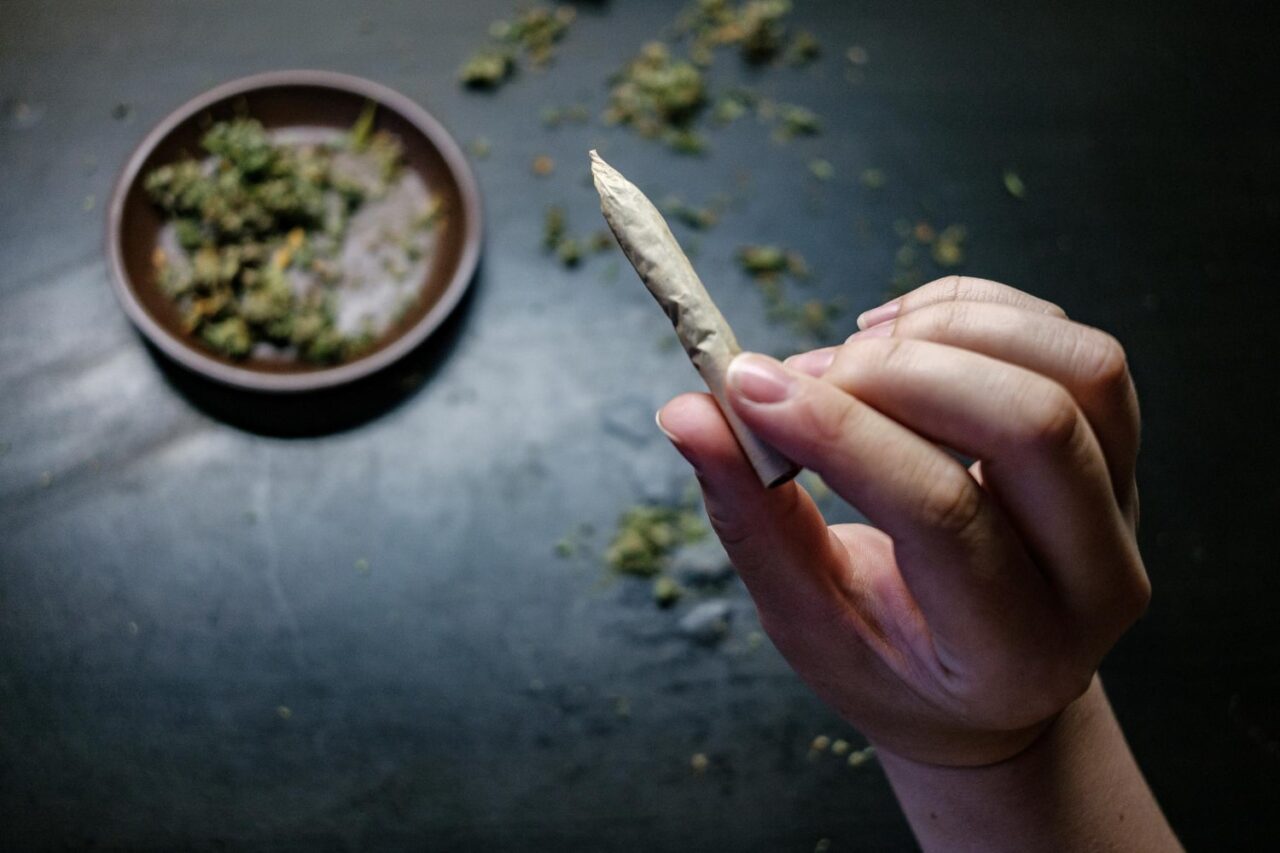
The three forms differ solely in composition and wrapping material. Joint is 100% cannabis flower in rice paper, hemp paper, or cellulose. Spliff mixes cannabis with tobacco in the same paper. Blunt uses a tobacco product as a wrapper, most often a cut cigar paper or specially produced blunt wrap.
From the perspective of combustion chemistry, the differences matter. A joint delivers only pyrolysis products of the cannabis plant material. A spliff adds nicotine, carbon monoxide from cigarette tobacco, and carbonyls to the inhaled smoke. A blunt is the most burdensome for the respiratory system because the tobacco wrapper burns slower, is denser, and generates a larger volume of tarry condensation.
In our observation of the Polish coffeeshop and cannabis accessory market, the sale of blunt wraps accounts for less than 5% of the turnover in the paper section. In comparison, in American stores on the East Coast, this share exceeds 30%. The Polish market remains dominated by thin rolling papers in king size slim format.
smoking accessories category
Comparison table at a glance
| Feature | Joint | Spliff | Blunt / blant |
|---|---|---|---|
| Composition | 100% cannabis flower | Cannabis + tobacco | Cannabis in a tobacco product |
| Wrapper | Rice paper, hemp, cellulose | Paper as in a joint | Tobacco leaf, blunt wrap |
| Burn time | 5-15 minutes | 5-20 minutes | 30-60 minutes |
| Typical weight of cannabis | 0.3-1 g | 0.2-0.7 g + tobacco | 1-3 g |
| Region of origin | USA 1960s | Caribbean, Europe | Brooklyn, hip-hop scene |
| Nicotine in smoke | None | Yes (from tobacco cut) | Yes (from tobacco leaf) |
A joint contains only cannabis flower rolled in thin paper and typically burns for 5-15 minutes, while a blunt wrapped in a tobacco product burns for 30-60 minutes with a weight of cannabis reaching 1-3 g. A spliff combines cannabis with tobacco in one paper. According to Hindocha et al. (2015) mixing with tobacco dominates in Europe.
Where did the joint come from? The history of the American roll
The first documented mentions of the joint date back to the 1870s in Mexico, where workers mixed cannabis with tobacco in thin papers. The term "joint" in the sense of a marijuana roll became popular in American English in the 1930s. However, the joint gained full cultural popularity in the 1960s alongside the hippie movement, the Woodstock festival in 1969, and the growing rock music scene.
Unlike the European smoking tradition, where tobacco was a natural filler, American smokers favored pure flower. This was due to several factors. First, the prices of marijuana in the States allowed for the luxury of smoking just the herb. Second, countercultural culture treated the "pure" joint as a manifesto against the mass tobacco market.
The modern joint, anatomy, and accessories
A classic joint consists of three elements: cannabis flower (usually 0.3-1 g), paper with a weight of 12-20 g/m², and a crutch, which is a paper filter rolled into a spiral. The crutch serves three functions: it maintains the shape of the roll, blocks small particles from entering the mouth, and allows the joint to be smoked to the end without burning fingers.
Papers differ in material. The most popular types are rice paper (thin, neutral taste), hemp paper (slightly nutty flavor, slower burning), and cellulose (transparent, tasteless). The king size slim format, measuring 110 mm in length and 44 mm in width, dominates the European accessories market. The smaller 1¼ format (78 mm) is preferred in North America.
beginner's guide
Where does the spliff come from? Caribbean roots and European adaptation
The word "spliff" comes from Jamaican patois and came into use around the mid-20th century in Rastafarian communities. In Caribbean tradition, a spliff meant a large roll of cannabis and tobacco, smoked in a ritual or social context. From there, the term made its way to the UK along with the wave of migration in the 1950s and 1960s and gained popularity through reggae music.
In continental Europe, the spliff became the dominant form of smoking cannabis for a mundane reason. Retail prices of marijuana on the black market were (and remain) high. Mixing with tobacco allows for a longer roll, facilitates rolling loose material (e.g., crumbled hash), and regulates the burning temperature. According to Hindocha et al. (2015), who studied 33,687 people from nine countries as part of the Global Drug Survey, 90.9% of respondents from Europe reported mixing cannabis with tobacco, 80.7% from the UK, and only 16.4% from the USA and 51.6% from Canada.
Why do Europeans mix cannabis with tobacco?
The reasons are economic, technological, and cultural. Tobacco lowers the unit cost of a roll. It makes the herb burn more evenly, eliminating the "canoe effect," which is an uneven burn running along one side of the paper. In countries with a strong tradition of tobacco smoking (Germany, Netherlands, Poland, UK), the presence of tobacco in a roll does not raise cultural objections, even though it introduces significant health risks associated with nicotine.
The European spliff model has one underrated side effect: it reinforces nicotine addiction among those who "only smoke weed." In Hindocha's study, co-smoking cannabis and tobacco significantly correlated with lower motivation to quit tobacco. It's a paradox: people convinced they are not cigarette smokers receive doses of nicotine comparable to half a cigarette with every spliff.
Mixing cannabis with tobacco in one roll (spliff) was reported by 90.9% of respondents from Europe in a multicenter study Hindocha et al. (2015) involving 33,687 people from nine countries. In comparison, in the USA, this rate was only 16.4%, reflecting different regional traditions of cannabis smoking.
What is a blunt and how did Brooklyn change the smoking culture?
The blunt was born in New York in the 1980s when New York smokers began cutting cheap Phillies Blunt cigars, emptying them of cigar tobacco, and filling them with cannabis flower. The term "blunt" comes directly from the name of this brand. In Poland, the word has been adapted to "blant," although both versions coexist. According to the report from the CDC regarding cigars and cigarillos the increase in sales of cheap cigars in the USA in the 1990s was closely related to the popularity of blunts.
The blunt spread thanks to the East Coast hip-hop scene in the USA. Uncle Cypress Hill, Method Man, Redman, Snoop Dogg in numerous tracks from the 1990s cemented the blunt as a symbol of lifestyle, status, and urban identity. This cultural message reached Europe with a delay of 10-15 years, which is why in Poland, the blant remains a niche form, known mainly in rap-loving circles.
What are modern blunts made of?
Modern blunts are rarely made from cut cigars. Cannabis accessory manufacturers offer ready-made blunt wraps, which are sheets made from tobacco leaves, natural 'leaf wraps', or thicker hemp papers that mimic the texture of tobacco leaves. Brands like Juicy Jay's, King Palm, Twisted Hemp, and Hempire have dominated the segment.
King Palm introduced innovation in the form of pre-formed cones made from cordia palm leaf, marketed as safer because they contain no tobacco or nicotine. This is a compromise for those who value slow-burning blunts but want to avoid tobacco additives. However, remember that burning the leaf of any plant generates PM2.5 particles and carbonyls, so "tobacco-free" does not mean "risk-free."
How do differences in burning affect experiences and risks?
The burning rate determines exposure to pyrolysis products. A 1¼ joint with 0.5 g of cannabis typically burns for 8-12 minutes. A spliff of the same length, but with 30-50% tobacco added, burns for 10-15 minutes. A blunt with 1.5 g of flower wrapped in a tobacco wrapper burns for 35-50 minutes. This is a threefold difference in the exposure time of the respiratory tract to warm smoke.
From a study Pomahacova et al. (2009) on the analysis of cannabis smoke condensate, it follows that carbon monoxide, tar, and acetaldehyde are produced in significant amounts regardless of the form of administration, but their proportions change depending on the wrapper material and the temperature of the ember. The slower burning of a blunt means a higher ember temperature and greater concentration of carbonyls in one puff.
Inhalation pattern, step by step
Blunt smokers typically inhale deeper and hold the smoke in their lungs longer. The reason is simple: the larger diameter of the wrap requires a stronger pull to maintain the ember. A joint burns with a gentler pull, so the depth of inhalation is less. A spliff behaves in between, although the presence of tobacco (which speeds up nicotine absorption) leads some to shorten the retention of smoke in the lungs.
A 1¼ joint with 0.5 g of cannabis burns for 8-12 minutes. A blunt with 1.5 g of flower in a tobacco wrapper burns for 35-50 minutes. According to Pomahacova et al. (2009) slower burning increases the concentration of carbonyls in a unit of smoke, which raises the risk of respiratory irritation during a long session.
What are the health aspects of smoking a joint, spliff, and blunt?
Smoking any plant substance generates tar, carbon monoxide, formaldehyde, benzo[a]pyrene, and PM2.5 particles. A study by Tashkin et al. (2002) published in Chest compared tobacco and cannabis smoke, indicating that both types of smoke contain similar groups of carcinogenic substances. The differences relate to the amount of material burned daily and the inhalation pattern.
The most significant differential risks between the three forms boil down to three vectors: nicotine in the spliff and blunt wrapper, greater volume of tarry condensate in the blunt, and deeper inhalation in the blunt. Earleywine and Smucker Barnwell (2007) in a study of 6883 individuals, they found that those using cannabis vaporizers reported respiratory symptoms less frequently than smokers, and in both groups, smokers mixing cannabis with tobacco had the most complaints.
Nicotine and cross-addiction
Spliff and blunt introduce doses of nicotine into the bloodstream capable of sustaining addiction. A standard cigarette delivers 1-2 mg of nicotine to the body. A spliff with 0.3 g of tobacco can deliver 0.3-0.6 mg of nicotine with a typical inhalation pattern. A blunt with a tobacco leaf wrapper delivers 0.5-1 mg, equivalent to half a cigarette.
In conversations with customers at the cannabis store, we regularly encounter individuals who, after years of smoking spliffs, try to "switch to pure joints" and experience unexpected nicotine withdrawal syndrome, even though they never considered themselves cigarette smokers. This is a very common scenario that illustrates how deeply nicotine can "hide" in the spliff ritual.
Tar from the tobacco leaf in a blunt
The tobacco leaf used for blunt wrappers is denser than paper and burned at a lower temperature. This means greater tar production per gram of material. Additionally, the wrapper undergoes fermentation and is often flavored (e.g., vanilla, fruits, honey). Flavorings introduce additional carbonyls into the smoke, including diacetyl, inhalation of which at high concentrations is associated with a disease known as "popcorn lung" (bronchiolitis obliterans).
Papers vs tobacco wrappers, how to choose wisely?
The choice of wrapper affects flavor, burning time, intensity of pull, and exposure to byproducts. According to the European ECHA database on paper additives, a standard rolling paper weighs 12-20 g/m² and generates minimal additional smoke compared to cannabis material when burned. In comparison, a blunt wrap made from tobacco leaf weighs 50-80 g/m² and introduces significant additional mass of burned material.
Classification of papers
- Rice (Mascotte, Rizla Silver, OCB Slim) – thin, neutral taste, burn quickly.
- Hemp (RAW, OCB Organic Hemp) – slightly nutty flavor, medium burn rate, natural fibers.
- Flax (Smoking) – very thin, long-lasting moisture resistance.
- Pure cellulose (Aleda, Glass) – transparent, tasteless, suitable for terpene tasting.
Classification of blunt wraps
- Fermented tobacco leaf (Backwoods, Dutch Master) – classic blunt, highest nicotine concentration.
- Blunt wraps from homogenized tobacco leaf (Juicy Jay’s, Hempire) – flavored, uniform structure.
- Palm leaf wraps (King Palm) – tobacco-free, but still requires burning plant material.
- Hemp wraps mimicking blunt (Kingpin Hemp, Real Leaf) – a compromise between rolling paper and classic blunt.
What tools are essential for rolling the perfect joint?
Three basic tools determine the quality of the roll: a grinder, paper, and crutch (filter/tip). A good four-chamber grinder with a kief screen costs 80-200 PLN and lasts for years. Cheaper plastic alternatives with two chambers for 10-20 PLN work occasionally but do not provide uniform grinding.
Grinders, kief, and uniform grinding
Uniformly ground herb burns evenly, without the canoe effect. Four-chamber grinders with a bottom screen allow collecting kief (fine trichome powder) as a bonus concentrate. Material matters. Aircraft-grade aluminum models (CNC) are lightweight and durable. Titanium coating on the teeth extends lifespan. Wooden grinders look stylish but dull faster.
Crutches, paper filters, and active filters
A standard crutch is a strip of cardboard 5×20 mm rolled into a spiral. More advanced filters include:
- Ceramic filters – reusable, easy to clean.
- Activated carbon filters (Purize) – retains some tar and carbonyls, making the taste milder.
- Glass filters – do not affect the taste, require gentle handling.
accessory shopping guide
How has culture influenced the popularity of joint, spliff, and blunt?
The three forms of smoking reflect three distinct cultural traditions. The joint originated in the American counterculture of the 1960s. The spliff was brought by the Jamaican reggae scene and the Caribbean diaspora. The blunt was born on the streets of Brooklyn and spread by the East Coast hip-hop scene in the USA. Each form carries symbolic baggage, which partially explains why some smokers remain loyal to one form throughout their lives.
Reggae, Rastafarians, and spliff
In Rastafarian tradition, smoking ganja has a spiritual dimension. A spliff smoked in a group during reasoning (meditative conversation) is a communal act. Caribbean spliffs were large, shared, and smoked slowly. Bob Marley popularized the image of the spliff on the covers of the albums Catch a Fire (1973) and Rastaman Vibration (1976). Jamaican culture brought the idea of smoking as a ritual, not just recreation, to global cannabis culture.
Hip-hop, Snoop, and blunt as a symbol
The blunt entered the mainstream with the Cypress Hill album (1991) and the single 'Hits from the Bong'. Snoop Dogg, Method Man, and Redman made smoking blunts a recurring theme in their music videos. The year 1996 brought the collaborative album Method Man & Redman 'Blackout!', which ultimately solidified the blunt as a part of hip-hop culture. The Phillies Blunt brand saw a sales increase of over 100% year-on-year in the 90s.
Dutch coffeeshop and hybridization
In the Dutch coffeeshop model, operating since 1976 under a policy of tolerance, the dominant form is the spliff (joint with tobacco). This is due to the European smoking tradition and the fact that Amsterdam coffeeshops historically also sold hashish, which requires mixing with tobacco. The Bulldog coffeeshop, opened in 1975, was the first to offer the preroll "dutch joint" in the classic spliff formula.
The joint gained popularity in the USA in the 1960s alongside the hippie counterculture, the spliff was brought by the Caribbean diaspora and reggae music of the 1970s, and the blunt was born on the streets of Brooklyn in the 1980s thanks to cheap Phillies Blunt cigars. Each form reflects a distinct regional tradition of cannabis smoking, which is confirmed by the geographical diversity from the study Hindocha et al. (2015).
How do dosage and potency affect the intensity of experiences?
The intensity of the effect depends on three variables: the THC content in the herb, the mass of material in the roll, and the density of packing. A joint with 0.5 g of herb containing 18% THC theoretically contains 90 mg of THC, but after pyrolytic losses (50-70% according to smoke analyses), 27-45 mg reaches the body. A blunt with 2 g of the same herb can deliver 100-180 mg of THC, which for an occasional user poses a risk of a strong effect accompanied by anxiety and tachycardia.
Size, packing density, and pull
The size of the roll is not just a matter of aesthetics. A larger roll holds more material but requires a stronger pull, which increases the depth of inhalation and shortens the time between puffs. A tightly packed roll burns slower but delivers a bigger "hit" in a single puff. A loosely packed roll burns faster and often requires "touching up" with a side flame to maintain an even ember.
In the accessories department, the most common question from beginner users is how to pack a joint so that it burns evenly. From our observations, the most common mistake is packing the end closer to the crutch too tightly (90% strength) and packing the end with the ember too loosely (40% strength). The optimal ratio is packing 65-70% uniformly along the entire length, with a slight looseness at the end to be lit.
Tolerance and overdose risk
Occasional users (smoking less than once a week) feel strong effects with just 5-10 mg of THC delivered to the bloodstream. Regular users (daily) need 20-50 mg for a comparable effect. A blunt with 2 g of herb smoked solo is a dose significantly exceeding the discomfort threshold for an occasional user. Hence the recommendation to smoke blunts in groups and with breaks between puffs.
What is the legal status of joint, spliff, and blunt in Poland?
In Poland, possession of cannabis other than industrial hemp remains a crime under the Act of July 29, 2005, on counteracting drug addiction. Article 62 provides for a penalty of up to 3 years of imprisonment for possession, and in the case of a significant amount, up to 10 years. Article 62a gives the prosecutor the option to dismiss the proceedings when the amount is insignificant and the act concerns personal use, but this is a discretionary decision of the prosecutor.
Industrial hemp varieties with THC content below 0.3% in the dry mass of flowers and leaves are legal. CBD and CBG products sold as collectibles or aromatherapy items fall into this category if the laboratory-confirmed THC content does not exceed the threshold. After January 1, 2023, the Polish THC limit was raised from 0.2% to 0.3% and harmonized with EU regulations.
CBD as a legal alternative
According to the critical review of CBD conducted by the WHO Expert Committee on Drug Dependence (ECDD, 2018) cannabidiol does not exhibit addictive potential or psychoactive effects comparable to THC. The WHO recommended that CBD not be subject to control under international conventions on psychoactive substances. This provides a scientific justification for the legal market of CBD products in Poland.
CBD and CBG products are available in Polish cannabis stores in various formats: whole flower, ground flower, prerolls (ready-made rolls). The cannabinoid profile of CBD/CBG strains provides a relaxing effect without psychoactive effects. This allows experiencing the ritual of smoking, the taste, and the aroma of cannabis within the law.
Possession of cannabis with THC remains illegal in Poland under Act of July 29, 2005, on counteracting drug addiction (Journal of Laws 2005 No. 179 item 1485), with a penalty of up to 3 years of imprisonment. CBD/CBG products with less than 0.3% THC are legal. WHO ECDD (2018) confirmed the lack of addictive potential of CBD.
What CBD products are suitable as a legal alternative for smoking?
The Polish CBD market offers a full range of formats: sublingual oils, smoking or vaporizing herbs, capsules, cosmetics. According to the 2023 Brightfield Group report, the global CBD market exceeded $8 billion, and the Polish segment is growing by 25-30% annually. For those seeking an alternative to illegal forms of smoking cannabis with THC, CBD herbs and prerolls are the closest experiential substitute.
CBD oils as a base for daily use
Sublingual oils allow for precise dosing of cannabidiol without smoking. Two typical concentrations are 5% and 10%. SOOL CBD 5% (76 PLN for 10 ml) provides 500 mg of cannabidiol in the bottle, which is 5 mg per typical drop. SOOL CBD 10% (99 PLN for 10 ml) doubles the dose, delivering 1000 mg in the package. Oils are suitable for those who want to avoid exposure of the respiratory tract to smoke.
Cannova CBG 15% as a premium option
Cannova CBG 15% (240 PLN) represents a newer trend of products with cannabigerol. CBG is a chemical precursor to CBD and other cannabinoids. Its effect profile is subtler than CBD, focusing on concentration and alertness. The price reflects lower yields of plants in CBG production. The 10 ml format delivers 1500 mg of CBG.
CBD herbs for smoking and vaporizing
Mars CBD Herb 9% (59 PLN) is an example of Polish hemp flower from selective extraction. The 9% CBD content and below 0.3% THC allow for the ritual of smoking within the law. The herb is suitable for rolling joints (without tobacco to maintain health profile), for packing a pipe, or for vaporizing at 180-200°C.
Recommended CBD products as a legal alternative
- SOOL CBD 5% – 76 PLN, 500 mg of cannabidiol in 10 ml.
- SOOL CBD 10% – 99 PLN, 1000 mg of cannabidiol in 10 ml.
- Cannova CBG 15% – 240 PLN, 1500 mg of cannabigerol in 10 ml.
- Mars Dry CBD 9% – 59 PLN, hemp flower for smoking and vaporizing.
Frequently Asked Questions
Is a spliff stronger than a joint?
No. A spliff is weaker when considering the entire roll because it contains less cannabis (tobacco fills the volume). Subjectively, it may seem stronger because nicotine from tobacco induces a short-term stimulation, "head rush," and dizziness. This is a nicotine effect, not a THC effect. A joint with 0.5 g of herb contains more THC than a spliff with 0.3 g of herb and 0.3 g of tobacco.
Is a blunt more dangerous than a joint?
Yes, in terms of respiratory exposure. A blunt contains 3-5 times more burned plant material, burns 3-4 times longer, and the tobacco wrapper adds nicotine and carbonyls. According to Earleywine and Smucker Barnwell (2007) people smoking cannabis with tobacco report the most respiratory ailments. A blunt combines both risk factors: greater volume of smoke and the presence of tobacco.
Why do Americans smoke joints without tobacco, while Europeans use spliffs?
It's a combination of economics, availability, and tradition. In the USA, marijuana has historically been cheaper and more accessible, so there was no economic sense in mixing with spliff. Europe had a strong tradition of tobacco smoking and a costly black cannabis market. According to Hindocha et al. (2015) 90.9% of Europeans report mixing with tobacco, while only 16.4% of Americans do. The difference is dramatic.
Can I legally make a joint from CBD herb?
Yes, if the herb comes from industrial hemp with THC content below 0.3%. The Polish market offers several strains of CBD and CBG herb sold as collectibles or aromatherapy products. The act of smoking a substance not covered by the drug addiction prevention act or tobacco law is not punishable. However, remember that smoking anything is harmful to the lungs.
What exactly does the word "blant" mean in Polish?
Blant is the Polish adaptation of the English "blunt." In Polish cannabis slang, both words function interchangeably. The term comes from the brand of cheap cigars Phillies Blunt, popular in Brooklyn in the 1980s, which smokers emptied of cigar tobacco and filled with cannabis flower. The spelling "blunt" is phonetically correct, while "blant" reflects the pronunciation typical of Polish phonetics.
Does nicotine from a spliff really cause addiction?
Yes. Even if someone does not smoke cigarettes separately, regular exposure to nicotine in spliffs leads to pharmacological addiction. A standard spliff delivers 0.3-0.6 mg of nicotine, and a person smoking 3-5 spliffs daily receives the equivalent of 5-10 cigarettes weekly. This is enough to sustain addiction, as confirmed by Hindocha et al. (2015), indicating lower motivation among spliff smokers to quit tobacco.
What is a crutch and is it necessary?
A crutch (in Polish 'tip' or filter) is a piece of cardboard 5×20 mm rolled into a spiral and inserted at the end of a joint. It serves three functions: it maintains the shape of the joint, blocks particles from entering the mouth, and allows the joint to be smoked to the end without burning. It is not absolutely necessary, but a joint without a crutch burns faster, leaves more residue ('roach'), and is less hygienic when smoked in a group.
What is the best way for safer cannabis consumption?
According to Earleywine and Smucker Barnwell (2007) Vaporization generates significantly fewer pyrolysis products than smoking. A vaporizer heats the herb to 180-220°C, releasing cannabinoids and terpenes without burning. For those preferring oral routes, CBD oils completely bypass the lungs. A third option is dry herbs for brewing like tea, although bioavailability is low without fat.
Are flavored papers harmful?
Flavored papers and wrappers introduce additional compounds into the smoke, including aldehydes and ketones. Diacetyl, used in some buttery flavors, is linked to bronchiolitis obliterans ("popcorn lung"). The safest choice is unflavored papers made from natural fibers (rice, hemp, flax). Flavors should be treated as an additional risk factor, not as a neutral additive.
Does smoking CBD get you "high"?
No. According to the critical review by WHO ECDD (2018) cannabidiol does not exhibit psychoactive effects comparable to THC. CBD provides a feeling of physical relaxation, reduction of muscle tension, and some calmness, but without altering perception, euphoria, or cognitive function impairment. This allows for the use of CBD without affecting driving ability (note that in Poland, any presence of THC in the body is a legal risk).
Summary and practical recommendations
Joint, spliff, and blunt are three forms of smoking cannabis that differ in composition, culture, and risk profile. The joint provides the purest cannabis experience without nicotine. The spliff introduces nicotine and is the most economically efficient, but carries the risk of cross-addiction. The blunt combines the largest volume of smoke with additional exposure to the tobacco wrapper, making it the most burdensome form for the respiratory system.
From a public health perspective, if you decide to smoke cannabis, a joint without tobacco is the lesser evil compared to a spliff or blunt. A better choice is vaporization, which eliminates most pyrolysis products. The safest form remains sublingual CBD oils, which completely bypass the respiratory tract. Remember the Polish legal context: possession of cannabis with THC remains a crime, and the legal alternative is CBD and CBG herbs below 0.3% THC.
Disclaimer: This article is for informational and educational purposes and does not encourage breaking the law or engaging in health-harming actions. In Poland, possession of cannabis other than industrial hemp with THC content is illegal under the Act of July 29, 2005, on counteracting drug addiction. Smoking any substance is harmful to the lungs. CBD herbs are legal provided they contain less than 0.3% THC. If you have problems with nicotine or cannabis addiction, consult a doctor or addiction therapy specialist.
Author: Michał Waluk, editorial team at u Bucha. Updated: April 25, 2026.