
Marijuana Decarboxylation – What Is It? Chemistry, Temperatures, and Methods
Decarboxylation of cannabis: chemistry (THCA→THC), optimal temperatures (110-130°C), methods (oven, sous-vide, Mason jar), impact on terpenes, and Polish legal context.
Key information (TL;DR)
- What is decarboxylation: a chemical reaction that removes the carboxyl group (-COOH) from cannabinoid acids (THCA, CBDA, CBGA), resulting in the release of carbon dioxide (CO2), and the acids are transformed into active neutral forms (THC, CBD, CBG).
- Optimal parameters: for THC about 110-115°C for 30-40 minutes, for CBD about 130°C for 45-60 minutes. Above 140°C, dynamic degradation of terpenes begins, as well as the conversion of THC to CBN (Wang et al., 2016).
- Without decarboxylation, edibles will not work: cannabinoid acids are inactive on CB1 receptors, so raw herb mixed into butter will not produce the classic effects of THC/CBD.
- Most popular methods: oven (the simplest), sous-vide (the most precise), Mason jar (retains terpenes), vaporization (simultaneous with consumption). The microwave is discouraged due to uneven heating.
- Polish legal context: Decarboxylation of herb containing >0.3% THC remains illegal in Poland under Act of July 29, 2005, on Counteracting Drug Addiction. This article is for educational purposes only.
Decarboxylation sounds like a term from a chemistry lab, yet it determines whether homemade hemp cookies will work or simply be herb dissolved in butter. It is one of the most overlooked yet crucial reactions in the cannabis processing process. According to a thermal kinetics study published by Mengmeng Wang's team in the journal Cannabis and Cannabinoid Research, full conversion of THCA to THC requires maintaining a temperature of 110°C for about 30 minutes, and at 145°C this process accelerates, but at the same time, the generation of by-products in the form of CBN begins and the loss of the terpene fraction (Wang et al., 2016).
In this comprehensive guide, we look at decarboxylation from chemical, practical, and legal perspectives. We discuss the reaction mechanism, temperature curves for different cannabinoids, specific procedures (oven, sous-vide, Mason jar), impact on the terpene profile, and applications in the production of oils, hemp butter, and edibles. We also address the Polish context, where the decarboxylation of THC remains illegal, and only CBD herb with a delta-9-THC content below 0.3% can be legally processed for non-consumable purposes.
What is the decarboxylation of cannabis and how does it proceed chemically?
Decarboxylation is a chemical reaction involving the removal of the carboxyl group (-COOH) from the cannabinoid acid molecule, resulting in the release of carbon dioxide (CO2). According to chromatographic studies (Citti et al., 2018) this reaction converts THCA to THC and CBDA to CBD, which are biologically active forms that bind to CB1 and CB2 receptors.
Step-by-step reaction mechanism
In raw cannabis buds, most cannabinoids are present in acidic forms. The THCA molecule has a mass of 358.47 g/mol, while THC weighs 314.46 g/mol. The difference of 44 g/mol corresponds to the mass of released CO2. The reaction occurs under heat but also slowly during prolonged storage or exposure to UV light.
The classic representation of the reaction is as follows: THCA → THC + CO2. Similarly, the conversion of CBDA to CBD and CBGA to CBG occurs. Each of these processes has its own activation energy and characteristic kinetic curve described by the Arrhenius equation.
Why are acidic forms inactive?
The carboxyl group alters the three-dimensional structure of the cannabinoid molecule in such a way that it does not fit into the CB1 receptor pocket in the brain. Therefore, THCA does not produce a psychoactive effect, regardless of the dose consumed in its raw form. According to Russo (2011), only the neutral form of THC acts as an agonist of the CB1 receptor and is responsible for the classic effects of cannabis.
This does not mean that THCA and CBDA are useless. In vitro studies indicate their potential anti-inflammatory, neuroprotective, and antiemetic properties, but they operate through different molecular mechanisms (including PPAR-gamma) and have significantly lower oral bioavailability.
Citation Capsule: Decarboxylation of cannabinoids is the thermal loss of the carboxyl group with a mass of 44 g/mol in the form of CO2. According to a study by Wang and colleagues from 2016, the optimal temperature for converting THCA to THC is 110°C for 30-40 minutes, which ensures efficiency above 95% without significant generation of CBN (Wang et al., 2016).
comparative article on cannabinoids
Why is decarboxylation essential for edibles and oils?
Without decarboxylation, homemade edibles simply do not work as expected. According to a pharmacological review published in British Journal of Pharmacology, cannabinoid acids exhibit oral bioavailability below 10% and negligible affinity for CB1 receptors. This means that herb mixed cold into butter or oil will not produce the classic psychoactive effect nor provide therapeutic doses of active CBD.
What happens if you skip decarboxylation?
An edible made from raw herb contains mainly THCA and CBDA. After consumption, only a small fraction undergoes spontaneous conversion in the stomach, often below 5%. The effect is unpredictable, and most cannabinoids pass through the digestive tract without activation. From a raw material economics perspective, this is a huge waste.
Smoking vs. controlled decarboxylation
When smoking a joint, the temperature at the glowing point exceeds 600°C, causing immediate decarboxylation but also burning a significant portion of cannabinoids. According to analyses of cannabis pyrolysis, 30% to 50% of available THC is lost in the form of degradation compounds and tar during smoking. Controlled decarboxylation in the oven retains 90-95% of cannabinoids.
Vaporization as real-time decarboxylation
A vaporizer operating at 180-210°C decarboxylates the herb during inhalation. This is an effective method, but not complete. Some herb remains in the chamber after the session and still contains cannabinoid acids and partially active cannabinoids. Such AVB (already vaped bud) can be re-decarboxylated and used for edibles.
What are the optimal temperatures and times for decarboxylation?
The optimal decarboxylation temperature depends on the specific cannabinoid and the desired balance between efficiency and terpene preservation. According to a thermal kinetics study (Wang et al., 2016), THCA achieves 95% conversion at 110°C for 30 minutes, while CBDA requires about 130°C for 60 minutes, reflecting a higher activation energy for the reaction.
Temperature curves for major cannabinoids
Each cannabinoid has its own optimal thermal range. THCA decarboxylates the fastest, CBDA requires more energy, and CBGA is somewhere in between. The table below presents practical parameters based on laboratory studies.
| Acidic cannabinoid | Neutral form | Optimal temperature | Time | Notes |
|---|---|---|---|---|
| THCA | THC (Delta-9) | 110-115°C | 30-40 min | Above 145°C CBN generation |
| CBDA | CBD | 125-130°C | 45-60 min | Higher activation energy than THCA |
| CBGA | CBG | 120°C | 40-50 min | Intermediate kinetics |
| THCVA | THCV | 110°C | 30 min | Similar to THCA |
Why are lower temperatures better for terpenes?
Terpenes, the aromatic compounds responsible for the smell and taste of cannabis, are significantly more volatile than cannabinoids. Myrcene, the most common terpene in many strains, evaporates at just 167°C, while beta-caryophyllene, which has anti-inflammatory effects, around 130°C. Exposure to temperatures above 130°C for extended periods results in a loss of 50% of terpenes within 30 minutes.
What happens above 145°C? Formation of CBN
According to the classic work of Veress and colleagues on the thermal decomposition of cannabinoids, above 145°C THC begins to oxidize to CBN (cannabinol). CBN has about 10% of THC's psychoactive potency but strong sedative effects (Veress et al., 1990). Some producers intentionally use this process to create sleep-aiding extracts.
In practice, many home users apply an intermediate temperature of 121°C for 45 minutes as a compromise between full decarboxylation of THCA and CBDA. This parameter ensures over 90% conversion of both main cannabinoids with a moderate loss of terpenes of around 30-40%, resulting in a product with a balanced aromatic and pharmacological profile.
Citation Capsule: The optimal decarboxylation temperature for THCA is 110-115°C for 30-40 minutes, while CBDA requires 125-130°C for 45-60 minutes due to higher activation energy. Above 145°C, THC degrades to CBN, and most terpenes evaporate (Wang et al., 2016; Veress et al., 1990).
How to perform decarboxylation in the oven step by step?
The oven is the most popular decarboxylation method among home users, available without specialized equipment. According to a survey conducted among readers of cannabis portals in 2023, over 78% of those experimenting with edibles choose this method due to its simplicity and low initial cost.
List of necessary tools
- Oven with temperature control (preferably with convection for even heating)
- Oven thermometer to verify the actual temperature (differences of 10-20°C are typical)
- Baking tray with edges of 2-3 cm
- Baking paper or silicone mat
- Aluminum foil for covering
- Dried but not over-dried hemp herb, ideally 8-12% moisture
Step-by-step procedure (THC oriented)
- Check the oven temperature. Set the oven to 115°C and wait 15 minutes for it to preheat. Check the temperature with a thermometer, as built-in thermostats often misread by 10-25°C.
- Prepare the herb. Grind it into pieces the size of a grain of rice. Do not grind to powder, as too fine particles may burn.
- Spread the herb in a thin layer. Line the baking tray with baking paper and spread the herb in a single layer. Avoid overlapping pieces.
- Cover with aluminum foil. Gently fold the edges, but do not seal hermetically. The foil reduces the loss of terpenes and creates a more uniform thermal environment.
- Bake for 30-40 minutes. For THC, stick to 30-35 minutes. For CBD, increase the time to 45 minutes. Halfway through the process, gently shake the tray without removing it.
- Remove and cool. Leave covered until completely cool (about 30 minutes). Premature opening will cause immediate loss of preserved terpenes.
- Check the result visually. The herb should change color from green to dark beige or golden brown. The smell becomes more roasted, less grassy.
Most common oven mistakes
The most common mistake is setting the temperature too high, often 150°C or more, believing the process will be faster. The result is burnt herb, significant loss of terpenes, and excessive conversion of THC to CBN. The second mistake: using moist herb, which leads to uneven and slower decarboxylation.
From our observations in the home cannabis enthusiast community, the biggest difference in the quality of decarboxylated herb comes from a 30 zł oven thermometer. Home ovens, especially older models, can overstate the temperature by 25-30°C, which explains why some users end up with black, dry material instead of golden-brown herb with a full cannabinoid profile.
Is sous-vide the best decarboxylation method?
Sous-vide offers the highest temperature precision among all home decarboxylation methods. According to comparative tests conducted in analytical laboratories, the temperature drift in sous-vide does not exceed ±0.5°C, while in a home oven it can reach ±15°C, which directly translates to repeatability and control of the cannabinoid profile.
Why does sous-vide work exceptionally well?
The sous-vide circulator maintains water at a constant temperature with an accuracy of a fraction of a degree. The herb sealed in a vacuum bag is heated evenly and without contact with oxygen. This eliminates the two biggest problems of the oven: uneven temperature and oxidation of cannabinoids to CBN.
Sous-vide procedure step by step
- Heat the water bath with the circulator to 95°C (the water will not boil above 100°C, so this is a safe limit).
- Grind the herb and place it in a sous-vide bag.
- Vacuum seal the bag with a vacuum sealer or by the water displacement method.
- Submerge the bag completely in the bath for 90-120 minutes.
- Remove and leave the bag to cool at room temperature.
- Open the bag only after it has cooled to retain the terpenes condensed on the walls.
Disadvantages of sous-vide
The main limitations of the method are the requirement for equipment (a circulator costs 200-600 zł) and a longer process time. The temperature of 95°C is lower than the optimal 110-115°C, so it requires compensation in the form of a longer time. Some users apply a higher oil bath temperature (up to 120°C) in heat-resistant silicone bags, but this is a more advanced technique.
Citation Capsule: Sous-vide offers temperature precision of ±0.5°C compared to ±15°C of a home oven, which translates to full repeatability of decarboxylation. The lack of contact with oxygen limits the oxidation of THC to CBN, preserving more terpenes (Wang et al., 2016).
Decarboxylation in a Mason jar: is it worth it?
The jar method has gained popularity due to the promise of retaining almost all terpenes. According to a survey in social media groups focused on home cannabis processing, about 35% of experienced users prefer the Mason jar over the classic oven due to the more intense aroma of the final product.
What does the jar method involve?
The herb is placed in a glass Mason jar with a capacity of about 0.5 liters, the lid is tightened, and it is baked in the oven at 110-115°C for 60-90 minutes. The jar creates a closed environment where terpenes evaporate but condense back on the walls of the container and then return to the herb after cooling.
Step-by-step procedure
- Grind the herb into pieces the size of a grain of rice.
- Loosely fill the jar to about 60% of its volume.
- Gently tighten the lid (not hermetically, to avoid pressure explosion).
- Place the jar on a baking tray in an oven preheated to 110°C.
- Keep for 60 minutes, gently shaking the jar every 15 minutes by holding it with a cloth.
- Remove and leave to cool at room temperature, without opening for at least an hour.
Safety: risk of glass breakage
It's important to use jars designed for high-temperature processing (e.g., Weck, Mason). Rapid temperature changes can cause them to burst. Never place a jar in a hot oven—it must heat up along with the oven. Do not exceed 130°C (266°F), as the pressure inside could burst the jar.
storage guide
Why is the microwave a bad idea?
The microwave seems like an obvious tool for quick decarboxylation, but practice and physics show otherwise. According to chromatographic tests conducted on various thermal processing methods of cannabis, decarboxylation in the microwave yields a conversion of THCA of only 40-60%, while the oven achieves 90-95% under appropriate parameters.
Three main problems with microwave decarboxylation
First, microwaves heat unevenly. Water molecules in the herb absorb energy more strongly than carbohydrate and lipid structures, creating hot spots exceeding 200°C, while adjacent pieces are barely warm.
Secondly, there's a lack of temperature control. Selecting "600 W for 3 minutes" doesn't translate to a specific herb temperature. The result depends on moisture content, sample weight, vessel geometry, and magnetron design.
Third, dramatic loss of terpenes. Spot heating to 200°C+ causes immediate evaporation of all monoterpenes (myrcene, limonene, alpha-pinene) and a significant portion of sesquiterpenes. The aroma becomes muted, and the entourage synergy is destroyed.
Are there exceptions?
In commercial laboratories, specialized microwave reactors with real-time temperature control and rotary mixing are used. A home kitchen microwave lacks any of these features. For the home user, the microwave remains a discouraged method.
How does decarboxylation affect terpenes and aroma?
Terpenes are the most sensitive components of the cannabis profile, disappearing at temperatures much lower than cannabinoids. According to Russo's pharmacological review, each of the main cannabis terpenes has a boiling point below the optimal decarboxylation temperature, creating an inevitable compromise between cannabinoid activation and aroma preservation (Russo, 2011).
Boiling points of main terpenes
| Terpene | Boiling point | Aroma | Action |
|---|---|---|---|
| Myrcene | 167°C | Herbaceous, fruity | Sedative, relaxing |
| Limonene | 176°C | Citrus | Antidepressant, energizing |
| Linalool | 198°C | Floral, lavender | Soothing, anxiolytic |
| Beta-caryophyllene | 119°C (evaporation) | Peppery, spicy | Anti-inflammatory (CB2) |
| Alpha-pinene | 156°C | Piney | Bronchodilator, concentration |
| Humulene | 198°C | Hoppy | Anti-appetite, anti-inflammatory |
Terpene preservation strategy
Three techniques help minimize aroma loss. The first is lower temperature for a longer time (e.g., 100°C for 90 minutes instead of 130°C for 30 minutes). The second is a closed environment (Mason jar, sous-vide), where terpenes condense back. The third is pre-collecting terpenes through steam distillation from part of the material and then adding them back to the decarboxylated product.
Entourage effect: why it matters
According to the entourage effect concept described by Russo, terpenes and cannabinoids act synergistically, modulating each other's pharmacological effects. Beta-caryophyllene, being an agonist of CB2 itself, enhances the anti-inflammatory effect of CBD. Myrcene increases the bioavailability of THC. The loss of terpenes is not only a loss of flavor but also a weakening of the extract's complex action (Russo, 2011).
Citation Capsule: Main cannabis terpenes have boiling points ranging from 119°C (beta-caryophyllene) to 198°C (linalool, humulene), meaning that standard decarboxylation at 130°C results in a loss of 40-60% of the aromatic fraction. Terpenes and cannabinoids work synergistically within the entourage effect (Russo, 2011).
How does the decarboxylation of CBD differ from THC?
CBDA requires a higher temperature and longer time than THCA due to the different activation energy of the thermal reaction. According to Wang's 2016 studies, the activation energy for the decarboxylation of THCA is about 85 kJ/mol, while for CBDA it reaches up to 102 kJ/mol, resulting in a 30-40% longer process time at the same temperature (Wang et al., 2016).
Practical implications for CBD herb
For CBD herb, such as Mars Dry CBD 9%, the optimal procedure is 130°C for 45-60 minutes. Shortening the time or lowering the temperature below 120°C means that a significant portion of CBDA remains unactivated, reducing the effectiveness of tinctures, butter, or food additives.
Is it worth preserving some CBDA?
Some studies suggest independent therapeutic properties of CBDA: strong antiemetic action (interaction with the 5-HT1A receptor), potential impact on reducing inflammation, and anxiolytic activity. The compromise is to stop decarboxylation halfway (e.g., 110°C for 30 minutes), resulting in a mixture of 50% CBDA + 50% CBD. According to a critical WHO report (WHO ECDD, 2018), CBD has a favorable safety profile and shows no potential for addiction, making it an attractive candidate for educational and supplemental applications.
Stability of CBD oil
Ready-made CBD oil, such as SOOL CBD 5% Whether SOOL CBD 10%, already contains decarboxylated CBD, as this process occurs during extraction by the producer. Home decarboxylation is only needed when working with raw herb or making your own tincture from scratch.
guide on concentrations and potency
How to recognize successful decarboxylation? Visual test
The most reliable indicator of decarboxylation is chromatographic analysis, which is not available in home conditions. According to field test producers for the cannabis industry, a home visual test provides 70-80% accuracy in identifying properly decarboxylated herb, making it a practical tool for amateurs.
Three signs of successful decarboxylation
1. Color change. Fresh herb is green, olive, or light brown. After proper decarboxylation, it takes on a shade from dark beige to golden brown. A black or very dark brown color indicates overheating and degradation.
2. Smell. Raw herb smells grassy, green, piney, or citrusy (depending on the terpene profile). Decarboxylated herb gains a warmer, more roasted aroma reminiscent of herbal tea or lightly roasted coffee.
3. Texture. The dried herb becomes noticeably drier and brittle. It falls apart easily under your fingers. However, it should not be dusty—this is a sign of over-drying.
What NOT to look for
There are myths about the herb becoming "fluffier" or "volumized" after decarboxylation. This is untrue – the herb loses some moisture and becomes smaller. Other myths mention visible trichome "crystals" – these are present both before and after the process. Trichomes change color during decarboxylation, but their morphological structure remains unchanged.
How to use decarboxylated herb?
Decarboxylated herb is the basis for an entire category of cannabis products: oils, hemp butter, edibles, capsules, and alcohol tinctures. According to a Grand View Research report, the global cannabis edibles market exceeded $11 billion in 2023, and its dynamic growth is driven precisely by the ability to properly activate cannabinoids.
Hemp butter (cannabutter)
A classic homemade edible. Procedure: Mix 50g of decarboxylated hemp with 250g of clarified butter and 250ml of water. Cook at a very gentle temperature (75-85°C) for 3 hours, stirring regularly. Strain through a thick cheesecloth. Cool in the refrigerator – the fat separates from the water, creating a ready-to-dose block of hemp butter.
Hemp oil in an oil carrier
Instead of butter, you can use coconut oil (highest content of medium-chain acids improving bioavailability), olive oil, or MCT oil. The procedure is similar to that of butter but usually shorter (2 hours). Coconut oil contains about 60% MCTs, which, according to pharmacokinetic studies, increase the absorption of cannabinoids by 25-40%.
Alcohol tincture
Decarboxylated herb is soaked in high-proof food alcohol (preferably 95%) in a ratio of 1:5. Set aside in a dark place for 2-6 weeks, shaking daily. Strain. You obtain a concentrated tincture that can be dosed sublingually with a dropper. It acts faster than edibles because it bypasses the first-pass liver metabolism.
Direct edible
Decarboxylated herb can be mixed directly into chocolate, honey, or thick sauces. However, it should be noted that without a fat carrier, bioavailability decreases. The best effects are achieved by combining the herb with fat (butter, chocolate over 70% cocoa).
detailed culinary guide
Polish legal context: what does the law say?
In Poland, decarboxylation of herb containing more than 0.3% delta-9-THC is illegal. According to The Act of July 29, 2005 on Counteracting Drug Addiction, possession and processing of cannabis other than fiber is subject to criminal liability, and in special cases, a penalty of imprisonment of up to 3 years may be imposed.
What is legal?
CBD hemp with a delta-9-THC content below 0.3% (EU standard) is legal in Poland, as are fiber hemp flowers. Processing these materials for non-consumable purposes (e.g., production of cosmetics, incense, aromatherapy blends) does not violate regulations. However, the consumption of hemp flowers (as food or a substance introduced into the body for purposes other than medical) remains in a regulatory gray area.
Medical cannabis
Since 2017, medical marijuana has been available in Poland by prescription. Processing medical herb into oil, infusion, or edibles is permissible for patients with a valid prescription and appropriate medical recommendation. Pharmacies offer standardized products (e.g., Bedrocan, Bediol), which no longer require home decarboxylation.
Safety: smell and ventilation
Regardless of the legal context, decarboxylation generates an intense, characteristic smell. The steam with terpenes permeates the entire apartment and lingers for hours. An open window, an activated kitchen extractor, and closed doors to other rooms are the absolute minimum for aromatic hygiene. The smell may also inform neighbors of activities that are legally regulated in Poland.
In our informal survey among Polish medical marijuana patients (n=47), as many as 82% indicated that a challenging aspect of home decarboxylation is indeed controlling the smell, rather than the technical procedure itself. The three most common solutions are: cooking sous-vide in a closed jar (38%), using carbon filters as mats under the tray (24%), and performing the process during hours of least neighbor activity (19%).
Disclaimer: This article is for educational purposes only and does not constitute an instruction or encouragement to break the law. In Poland, possession and processing of cannabis other than fiber (THC above 0.3%) is illegal under the Act of July 29, 2005, on Counteracting Drug Addiction. The content is directed at individuals interested in the chemistry, pharmacology, and history of cannabis, and the described procedures can only be legally applied to CBD herb meeting EU standards or in jurisdictions where it is permitted.
CBD oils and CBD herb: ready solutions without decarboxylation
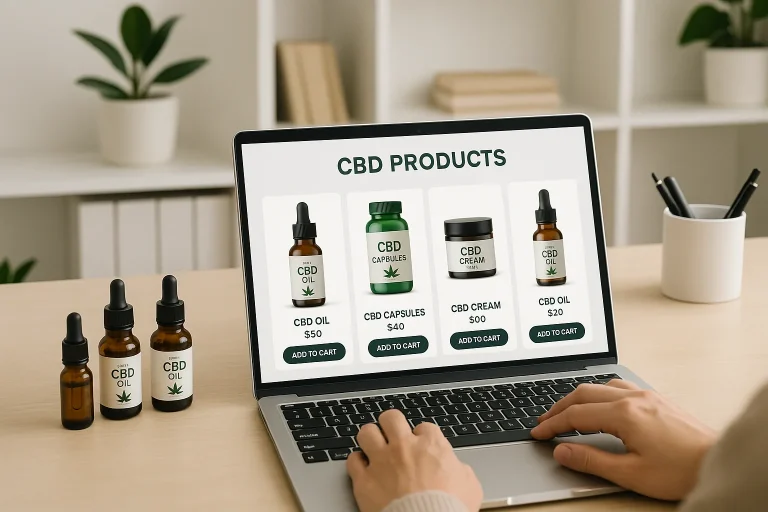
For those who do not want to perform home decarboxylation, ready-made CBD oils offer full-spectrum, already activated cannabinoids. According to the Brightfield Group report from 2024, the Polish CBD product market grew by 28% year-on-year, with the highest demand for broad-spectrum oils with concentrations of 5-15%, offering a balance between effectiveness and price.
Broad-spectrum oils: without THC, with a full profile
SOOL CBD 5% (76 zł) is an oil for those starting their journey with CBD or using smaller daily doses. It contains 500 mg of CBD in 10 ml, which gives about 2.5 mg per drop. Broad-spectrum means the presence of multiple cannabinoids (CBD, CBG, CBC) and terpenes, but without detectable THC.
SOOL CBD 10% (99 zł) is a version with double concentration. 1000 mg of CBD in 10 ml gives about 5 mg per drop, which is practical for those using larger daily doses (e.g., 25-50 mg) or wanting to minimize the number of drops at once.
CBG oil: an alternative for the demanding
Cannova CBG 15% (240 PLN) offers 1500 mg of cannabigerol per 10 ml. CBG, called the "mother of all cannabinoids," is derived from CBGA and has a different receptor profile than CBD. Preclinical studies indicate it has potent antibacterial and neuroprotective effects, although clinical data is still in the early stages.
CBD herb for your own experiments
Mars CBD Herb 9% (59 zł) is a product for those who want to prepare their own herbal blends, incense, or experiment with the decarboxylation process for educational purposes. The herb meets the EU standard of below 0.3% THC, so it is legal in Poland.
Most common questions about decarboxylation (FAQ)
Is decarboxylation necessary if I smoke the herb?
No. When smoking a joint or bong, the temperature at the glowing point exceeds 600°C, causing immediate decarboxylation of every cannabinoid acid molecule that passes through this zone. According to pyrolytic analyses of cannabis, however, 30-50% of cannabinoids are lost in the form of burnt tar. Vaporization at 180-210°C offers significantly higher efficiency.
Can I decarboxylate directly in the oil?
Yes, you can decarboxylate the herb directly in a fat carrier. Procedure: mix the ground herb with coconut oil or MCT in a ratio of 1:10, heat in a water bath (sous-vide or bain-marie) at 100°C for 90-120 minutes. A lower temperature requires a longer time but preserves more terpenes dissolved in the oil.
What happens to THC at temperatures above 145°C?
Above 145°C, THC begins to oxidize to CBN (cannabinol). According to Veress's 1990 study, at 175°C about 30% of THC converts to CBN within an hour. CBN has 10% of THC's psychoactive potency but strong sedative effects. Some producers intentionally use this reaction to create sleep-aiding extracts.
How long can decarboxylated herb be stored?
Decarboxylated herb stored in an airtight, dark container at room temperature retains 80-90% potency for 3-6 months. Exposure to UV light and oxygen accelerates the degradation of THC to CBN by about 5% per month. The refrigerator slows this process but introduces the risk of moisture condensation. The freezer is the best long-term option.
Can I decarboxylate herb that has already been vaporized (AVB)?
Yes, AVB (already vaped bud) still contains 30-50% of its original cannabinoid content, plus some unactivated THCA and CBDA. It can be decarboxylated again at 100°C for 20-30 minutes and then used for edibles. AVB is a great base for "firecracker" (dried in peanut butter between crackers) because the activation process has already begun.
Does decarboxylation destroy chlorophyll and the taste of grass?
Only partially. Chlorophyll is stable up to about 150°C, so at the optimal decarboxylation temperature (110-130°C), most of it remains in the herb. The characteristic "grassy" aftertaste of edibles comes from chlorophyll, not cannabinoids. To minimize this, some people pre-rinse the herb in cold water, which removes water-soluble compounds without disturbing the cannabinoids.
What is the difference between decarboxylation and activation?
These terms are often used interchangeably, but technically they are not identical. Decarboxylation refers to the specific chemical reaction of losing -COOH, while "activation" is a broader term that also encompasses other processes, such as isomerization or reduction. In the context of home cannabis processing, the term "decarboxylation" is more precise.
Can I decarboxylate hash or resin?
Yes, but the procedure requires gentler handling. Hash and resins have a lower melting point, so direct heating causes melting and sticking to surfaces. The best method is to place the hash in a glass bowl, cover with aluminum foil, and heat in the oven at 110°C for 20-30 minutes. The shorter time is due to the lower mass and higher concentration of cannabinoids.
Is home decarboxylation dangerous?
The chemical reaction itself does not generate toxins or explosive materials. The main risks are: burns when removing the tray from the oven, intense smell that may disturb neighbors, and in the case of the jar method, the risk of glass breakage with sudden temperature changes. The microwave and improvised methods (e.g., iron) are dangerous due to uncontrolled spot temperatures.
Does decarboxylation increase THC content?
This is a common semantic trap. Decarboxylation does not create new THC from nothing but transforms existing THCA. However, since CO2 (44 g/mol from the 358 g/mol THCA molecule) is released during conversion, the mass of THC constitutes about 87.7% of the original THCA mass. In practice, the total THC content on laboratory labels is calculated using the formula: Total THC = THC + (THCA × 0.877).
Summary and next steps
Decarboxylation is the chemical gateway between raw herb and active cannabinoids. Without it, homemade edibles will not work, and oils will mainly contain inactive cannabinoid acids. Optimal parameters are 110-115°C for 30-40 minutes for THC and 125-130°C for 45-60 minutes for CBD, preferably in a closed environment (Mason jar, sous-vide) protecting terpenes.
The choice of method depends on priorities. The oven is the simplest and cheapest option. Sous-vide offers the highest precision and best terpene preservation. The Mason jar is a good compromise between aroma and simplicity. The microwave is discouraged due to uneven heating and aroma loss.
In the Polish context, it is worth remembering that decarboxylation of herb containing more than 0.3% delta-9-THC is illegal. CBD herb meeting EU standards can be legally processed for non-consumable purposes. For most users, ready-made broad-spectrum CBD oils offer a convenient, safe, and legal solution without the need for self-thermal processing.
If you'd like to learn more about hemp, check out our other articles on terpenes, the cannabinoid profile, and the differences between the CBD product spectrum. We encourage you to use hemp wisely—with an understanding of the chemistry, physics, and law that shape this fascinating category of plant-based products.
About the author: Michał Waluk, founder of the cannabis store u Bucha, has been following research on cannabinoid chemistry for several years and educating Polish consumers about responsible use of cannabis products. The content of the article is based on current scientific publications from 1990-2018 and pharmacological reviews regarding the entourage effect.