
Hibiscus: properties for hypertension, weight loss, and skin
Hibiscus properties – anthocyanins, organic acids. Blood pressure: -7.6 mmHg (Hopkins 2013). Weight loss, lipid profile, skin. Interactions with antihypertensive drugs. Guide 2026.
Hibiscus is not just a beautiful flower in the garden - the sour-red tea from dried calyces of Hibiscus sabdariffa has documented hypotensive effects comparable to moderate doses of medications. A meta-analysis from 2013 showed a reduction in systolic blood pressure of over 7 mmHg with regular consumption. This is not a marginal effect - in borderline hypertension it may be sufficient to avoid pharmacotherapy. But this is why it requires attention when combined with blood pressure medications. This article discusses all the properties of hibiscus - from hypotensive to cosmetic - with a reliable review of the evidence.
KEY INFORMATION
• Hopkins et al. (Journal of Nutrition, 2013) in a meta-analysis of 5 RCTs showed a reduction in systolic blood pressure of 7.58 mmHg and diastolic by 3.53 mmHg with regular consumption of hibiscus tea - the effect was stronger in individuals with hypertension.
• Hypotensive mechanism: ACE inhibition by anthocyanins (delphinidin-3-O-sambubioside), diuretic action of organic acids, and vasodilation of the vascular endothelium.
• Hibiscus contains up to 1700 mg of vitamin C per 100 g of dry mass - one of the richer plant sources of this vitamin.
• Important: interactions with antihypertensive medications - when undergoing hypertension pharmacotherapy, monitor blood pressure and consult a doctor.
What is hibiscus and which species have confirmed health benefits?
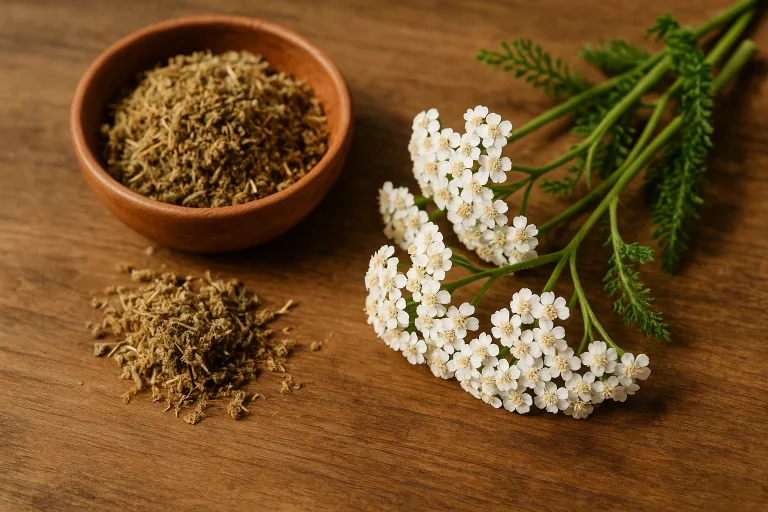
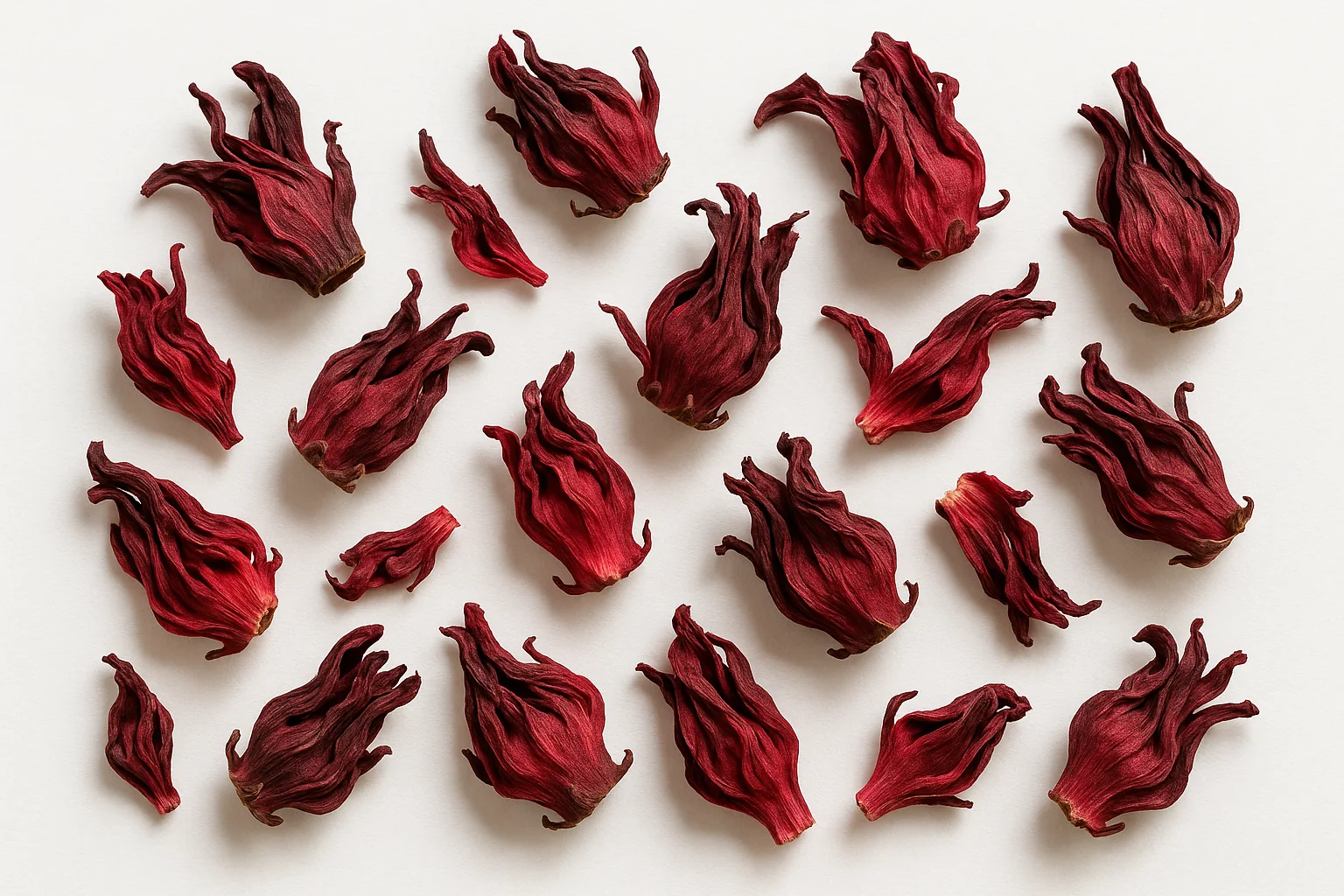
Hibiscus is a genus with over 200 species, but the medicinal action primarily concerns Hibiscus sabdariffa L. - sour hibiscus, also known as kenaf, roselle, or karkadé (the Arabic name for the popular tea). In Poland, 'hibiscus' for tea almost always refers to Hibiscus sabdariffa - dried flower calyces (calyxes) in a burgundy-red shade. Hibiscus rosa-sinensis (Chinese hibiscus) is a popular houseplant - its medicinal properties are entirely different.
Hibiscus sabdariffa originates from tropical Africa and South Asia; cultivated in Egypt, Sudan, Mexico, and Thailand. In Arab countries, karkadé tea has been a traditional daily beverage for centuries, while in Mexico, "agua de Jamaica" is a popular cooling drink. In Poland, hibiscus has gained popularity mainly as a sour component of fruit tea blends.
Hibiscus for hypertension - the strongest effect among herbal teas
The hypotensive effect of hibiscus is the best-documented effect of this plant. Hopkins et al. (Journal of Nutrition, 2013) They conducted a meta-analysis of 5 randomized controlled trials with a total of 390 participants. Result: consumption of hibiscus tea significantly reduced systolic blood pressure by 7.58 mmHg (95% CI: -9.69 to -5.47) and diastolic by 3.53 mmHg vs placebo. The effect was stronger in individuals with existing hypertension than in normotensives.
How does this translate to clinical risk? A reduction in systolic blood pressure of 7-8 mmHg corresponds to an estimated reduction in stroke risk of about 14% and coronary artery disease risk of about 9% (according to epidemiological models). This is a clinically significant reduction, comparable to small doses of first-line antihypertensive medications (e.g., hydrochlorothiazide 12.5 mg/d).
The hypotensive mechanism of hibiscus works through several pathways simultaneously. Delphinidin-3-O-sambubioside (the main anthocyanin in hibiscus) inhibits the ACE (angiotensin-converting enzyme) - the same enzyme blocked by popular medications like lisinopril, ramipril, and enalapril. Hibiscus acid and hydroxycitric acid act diuretically, reducing sodium and water retention in the body. Anthocyanins also stimulate nitric oxide synthase (eNOS) in the vascular endothelium, causing active dilation of arteries and improving their elasticity.
Hibiskus a witamina C i antyoksydanty - dlaczego jest tak bogaty?
Hibiscus sabdariffa belongs to plants with exceptionally high vitamin C and antioxidant content. Dried calyces contain 1200-1700 mg of vitamin C per 100 g of dry mass - this value is several times higher than in kiwi (93 mg/100g) or red pepper (190 mg/100g). With a standard serving of tea (2 teaspoons ~4 g of dried calyces), you provide 48-68 mg of vitamin C - about 60-85% of the daily requirement.
Hibiscus anthocyanins - delphinidin-3-O-sambubioside and cyanidin-3-O-sambubioside - are stronger antioxidants than resveratrol from red wine and vitamin C itself. In the DPPH study (measuring radical neutralization capacity), hibiscus extract performed better than extracts from blueberries, pomegranates, and green tea. The deep red color of the hot infusion comes precisely from these anthocyanins - the more intense the color, the higher the concentration of active ingredients.
Quercetin and kaempferol (flavonoids from hibiscus) have anti-inflammatory effects by inhibiting COX-1 and COX-2. Protocatechuic acid (phenolic) exhibits hepatoprotective effects and may support liver regeneration after toxic damage. Chlorogenic acid - the same as in coffee - improves insulin sensitivity.
Hibiskus a profil lipidowy i cholesterol
Beyond blood pressure, hibiscus also affects lipid metabolism. Mozaffari-Khosravi et al. (Journal of Alternative and Complementary Medicine, 2009) In a study with 53 patients with type 2 diabetes, it was shown that hibiscus tea significantly reduced LDL cholesterol by 8% and triglycerides by 14.4% vs black tea over 30 days. HDL (good cholesterol) increased by 16.7%.
Mechanism: hibiscus anthocyanins inhibit HMG-CoA reductase - the same enzyme blocked by statins. The effect is significantly weaker than that of pharmaceutical statins, but clinically complementary. For individuals with mild hyperlipidemia who do not want or cannot use statins, hibiscus may provide support in the diet. It does not replace statins in high cardiovascular risk.
Hibiskus na odchudzanie - realne efekty czy mit?
Hibiscus is promoted as a herb supporting weight loss - and it has biological bases for this, although the effects are moderate and will not replace a caloric deficit. Chang et al. (Food and Chemical Toxicology, 2014) They conducted a 12-week randomized study with 36 participants with obesity. Hibiscus extract vs placebo: reduction in body weight (-1.2 kg), BMI (-0.5 units), abdominal fat (-2.1 cm waist circumference), and WHR index. Modest but statistically significant effects.
Metabolic mechanisms of hibiscus: first, inhibition of amylase and pancreatic lipase - these enzymes break down carbohydrates and fats; blocking them reduces calorie absorption from meals. Second, diuretic action reducing water retention - this may explain part of the rapid weight loss observed at the beginning of supplementation. Third, improvement of insulin sensitivity through modulation of AMPK (a metabolic pathway regulating fat burning). Fourth, modulation of gut microbiota - hibiscus anthocyanins selectively stimulate Akkermansia muciniphila bacteria associated with better glucose metabolism.
Our observations: Hibiscus is an exceptionally tasty tea with health effects - this combination makes regular consumption significantly higher than with many other herbal supplements. People who drink 2-3 cups daily naturally replace sweetened beverages and coffee with it, which in itself reduces sugar and calorie intake. The metabolic effects observed in studies may partly result from this replacement, rather than solely from the direct action of phytochemicals. This is a good argument for drinking hibiscus instead of cola or sweetened juice - not for taking it in capsules as a 'fat burner'.
Hibiscus and skin - antioxidants and 'plant botox'
Cosmetic marketing refers to hibiscus extract as 'natural botox' or 'plant botox' - this is an exaggeration, but the mechanism is real. Anthocyanins and hibiscus acid inhibit elastase and collagenase - enzymes that break down elastin and collagen in the skin. This enzymatic inhibition slows down the physical aging of the skin (loss of elasticity and formation of wrinkles). The effect is weaker than that of retinoids or hyaluronic acid, but safer and without irritation.
Vitamin C from hibiscus (up to 1700 mg/100 g of dry mass) supports collagen synthesis internally and acts as an antioxidant. AHA (alpha-hydroxy acids) naturally present in hibiscus acts as a gentle skin exfoliant. Hibiscus extracts are increasingly becoming ingredients in anti-aging creams, toners, and masks.
For cosmetic use (cream or DIY toner from hibiscus infusion): apply after cleansing, avoid the eye area, use sunscreen in the morning - acids may increase sensitivity to UV at higher concentrations. Hibiscus infusion (strongly brewed, 2 tablespoons of dried calyces per cup of water) cooled can be used directly as a skin toner.
How to brew hibiscus - temperature, time, and forms of consumption
Hibiscus tea is easy to prepare, but a few details affect the taste, color, and content of active ingredients.
Brewing hot: 1-2 teaspoons of dried hibiscus calyces (about 3-5 g) per cup (200 ml) of water at a temperature of 90-95°C. Brew covered for 5-10 minutes. A shorter time (5 min) gives a milder, more acidic taste. A longer time (10 min) provides a deeper, more intense flavor and higher concentration of anthocyanins. You can sweeten with honey or add ginger - the flavors complement each other.
Zimna infuzja (cold brew): 2-3 tablespoons of dried hibiscus calyces per liter of cold water. Macerate overnight (8-12 hours) in the refrigerator. Cold infusion extracts more organic acids with lower tannin extraction - the taste is milder and less bitter. Cold brew hibiscus is a great calorie-free summer drink, rich in vitamin C.
Koncentrat hibiskusa: 100 g of dried calyces + 1 liter of water, boiled for 15 minutes. Strain and store in the refrigerator for up to 2 weeks. Dilute 1:5-1:10 for drinking. The concentrate is practical for regular therapeutic consumption (3 cups a day) - it saves time.
Capsules/powder: Standardized extract in capsules provides a predictable dose of anthocyanins - useful for therapeutic purposes (hypertension, lipids), where standardization is important. Powder from dried calyces can be added to smoothies and yogurt.
Hibiscus interactions with medications - key warnings
Hibiscus is an active phytopharmaceutical and interacts with several classes of drugs:
Leki hipotensyjne: The most significant interaction. Hibiscus lowers blood pressure by inhibiting ACE and has a diuretic effect. With antihypertensive medications (ACE inhibitors, sartans, beta-blockers, thiazide diuretics), there may be excessive blood pressure reduction (hypotension). Symptoms: dizziness, fainting, feeling of 'the ground shifting under your feet'. Monitor your blood pressure regularly if combining hibiscus with antihypertensive therapy.
Diuretics: Additive diuretic effect may increase electrolyte loss (mainly potassium). With loop diuretics (furosemide) or thiazides - risk of hypokalemia.
Statyny i CYP3A4: Hibiscus acid may affect CYP3A4, an enzyme that metabolizes many medications. With statins metabolized by CYP3A4 (atorvastatin, simvastatin) - potential changes in drug concentration. This is not a well-documented interaction for tea consumption, but it is worth mentioning to your doctor.
Hibiscus and diabetes and insulin resistance
Hibiscus exhibits multifaceted effects on glucose metabolism, making it an interesting botanical supplement for prediabetes and insulin resistance. Several mechanisms are well described: inhibition of α-glucosidase (an enzyme that breaks down starches in the intestine) reduces the absorption rate of carbohydrates, which mitigates the glycemic peak after meals. This is the same mechanism as acarbose - a drug used for type 2 diabetes, but hibiscus acts more weakly.
Gurrola-Díaz et al. (Phytomedicine, 2010) They demonstrated in a pilot clinical study with 53 patients with metabolic syndrome that hibiscus extract reduced fasting glycemia and improved insulin profile over 1 month. The molecular mechanism involves activation of AMPK (AMP-activated kinase) - the so-called "metabolic switch" - which improves insulin sensitivity through insulin-independent pathways. This is preliminary data requiring confirmation in larger, longer RCTs, but the direction is promising.
For individuals with insulin resistance or prediabetes: unsweetened hibiscus tea before main meals (or as a substitute for sweetened beverages) can be a valuable component of a therapeutic diet - by simultaneously acting on glycemia, lipids, and blood pressure, it addresses all components of metabolic syndrome. When using antidiabetic medications (metformin, sulfonylureas), monitor glycemia, as the additive effect may lead to hypoglycemia.
Check out yerba mate as another plant-based beverage with metabolic effects
Frequently Asked Questions
Does hibiscus really lower blood pressure?
Yes - Hopkins et al. (Journal of Nutrition, 2013) in a meta-analysis of 5 RCTs showed that hibiscus tea reduced systolic blood pressure by 7.58 mmHg and diastolic by 3.53 mmHg vs placebo. Mechanism: ACE inhibition by anthocyanins, diuretic effect of organic acids, and vasodilation through eNOS stimulation.
How to drink hibiscus tea for hypertension?
In clinical studies, 3 cups (750 ml) of infusion were used daily for 4-6 weeks. Recipe: 1-2 teaspoons of dried hibiscus calyces per cup of water at 90°C, brewed for 5-10 minutes. Hypotensive effects require regularity - daily consumption for at least 4 weeks.
What are the properties of hibiscus for the skin?
Anthocyanins and hibiscus acid inhibit elastase and collagenase - enzymes that degrade skin elastin and collagen. Vitamin C (up to 1700 mg/100 g) supports collagen synthesis. Natural AHAs have exfoliating effects. Hibiscus extract in cosmetics improves skin elasticity and density with regular use.
Czy hibiskus pomaga przy odchudzaniu?
Yes, in moderation. Chang et al. (Food and Chemical Toxicology, 2014) showed a reduction in body weight (-1.2 kg) and waist circumference (-2.1 cm) after 12 weeks vs placebo. Mechanisms: inhibition of amylase and lipase (lower absorption), diuretic, modulation of microbiota.
What are the interactions of hibiscus with medications?
The most important and serious interaction: antihypertensive medications (beta-blockers, ACE inhibitors like lisinopril or ramipril, calcium channel blockers, thiazide diuretics) - risk of too low blood pressure when combined, especially in heat or dehydration. Monitor blood pressure regularly. With diuretics: additive electrolyte loss. With statins metabolized by CYP3A4: potential changes in concentration - consult with a pharmacist.
Does hibiscus have a diuretic effect?
Yes - hibiscus acid and hydroxycitric acid act moderately diuretic, increasing sodium and water excretion without excessive flushing of electrolytes like potassium. This partly accounts for the hypotensive effect and reduction of leg swelling. In cases of kidney disease, kidney stones, or when using diuretic medications - medical consultation before regular use is mandatory.
This article is for informational and educational purposes and does not constitute medical advice. Before starting to use cannabis or CBD for therapeutic purposes, consult a doctor, especially if you are taking other medications, are pregnant, or breastfeeding.
Author: Michał Waluk · Published: 2026-05-04 · Updated: 2026-05-04