
Hemp and Its History – From Prehistory to Legalization 2026
The history of hemp: from 12,000 years of cultivation in China, through antiquity, Islam, Europe, and 20th-century prohibition, to legalization in Germany and Poland 2024-2026.
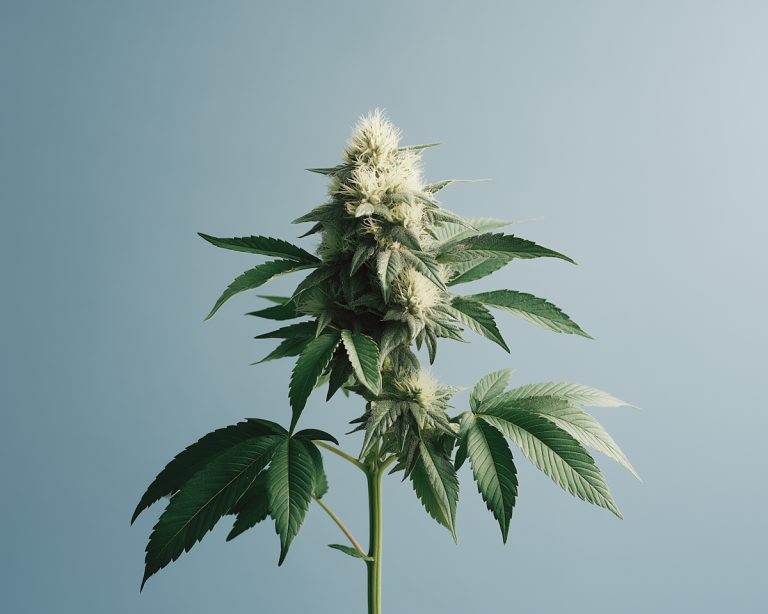
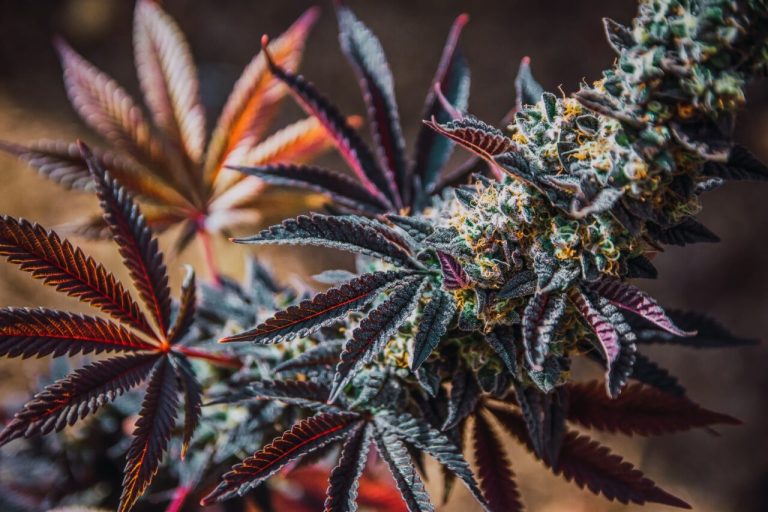
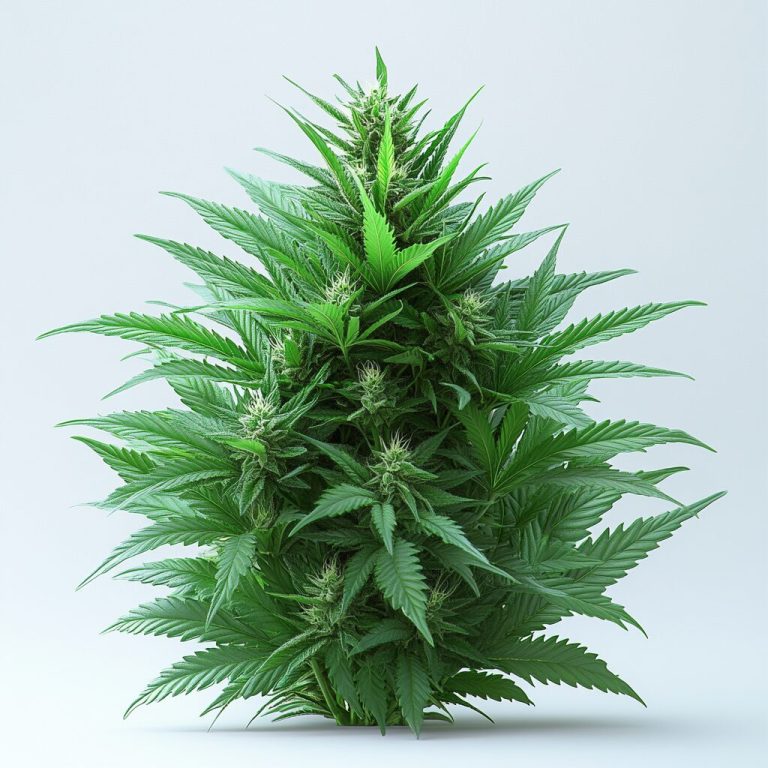
Hemp (Cannabis sativa L.) is one of the oldest cultivated plants known to humanity. Archaeologists have discovered hemp fiber imprints on pottery dating back 10,000 years from Neolithic sites in China and Taiwan (Vegetation History and Archaeobotany, 2019). This means that our relationship with this plant is older than most civilizations and has lasted longer than the documented history of wheat in some regions of the world.
The history of hemp is a tale of food, clothing, ropes, medicine, rituals, trade wars, and geopolitics. The same plant clothed Roman legionnaires, powered Columbus's caravels, provided paper for the Declaration of Independence of the USA, and became a symbol of the counterculture of the 1960s. Then, for several decades, it was the number one public enemy of the drug policy in the Western world.
In this guide, we reconstruct the chronology from prehistoric China 10,000 years ago to the German Cannabisgesetz of April 2024 and the Polish medical program of 2017. We draw on peer-reviewed publications, UN archives, USDA, and the Library of Congress, as well as archaeobotanical analyses. The goal is to organize the facts and show how drug policy has shaped science, while science gradually corrects policy.
KEY INFORMATION
– Hemp is one of the first domesticated plants: archaeological traces of cultivation in China date back 10,000-12,000 years (Vegetation History and Archaeobotany, 2019).
– THC was isolated by Raphael Mechoulam in 1964; CBD was discovered by Roger Adams as early as 1940.
– American prohibition began in 1937 with the Marijuana Tax Act; it had economic and political roots.
– Germany legalized the possession of recreational hemp on April 1, 2024, becoming the first major EU country to do so.
– In Poland, medical marijuana has been available since 2017; CBD remains legal with THC below 0.3%.
When and where did hemp cultivation begin?
The oldest evidence of hemp cultivation comes from Neolithic China, dating back 10,000-12,000 years. Imprints of hemp cords were found on pottery from Taiwan dated to 8000 B.C.E., and hemp seeds in cultural layers of the Yangshao culture from 6000 years ago (Vegetation History and Archaeobotany, 2019). Cannabis sativa is one of the first utilitarian plants known to humans.
The geographical origin of hemp is located in Central Asia, on the steppes between the Caspian Sea and western China. Genetic analyses from 2021 indicate a single domestication of Cannabis sativa around 12,000 years ago, with a later split into fiber and narcotic lines (Science Advances, 2021). This moment coincides with the beginning of the Holocene and the first agricultural revolution.
The Chinese utilized hemp in various ways. The fibers provided materials for clothing and ropes, seeds were food and a source of oil, and the flowers entered the pharmacopoeia. Emperor Shen Nung describes hemp as a remedy for 100 ailments, from malaria to rheumatism to constipation, in the medical treatise Pen Ts'ao Ching (circa 2737 BC). This document is cited in modern literature as the oldest evidence of hemp herbal medicine.
At the same time, in other parts of Asia, hemp independently entered the culture. In India, it is mentioned in the Atharvaveda (circa 1500 BC) as one of the five sacred plants. In Mesopotamia, according to Assyrian tablets from the 7th century BC, hemp ("azallu", "qunnabu") served as incense in temples and a remedy for depression (PMC, Cannabis and Cannabinoid Research, 2007).
Archaeological evidence from the Pamir Mountains
In 2019, a team led by Hong Yang Jiang published a chemical analysis of wooden incense burners from the shaman's grave at the Jirzankal cemetery in the Pamir Mountains. The findings were 2500 years old and dated to the Iron Age. Mass spectrometry detected high concentrations of CBN, a degradation product of THC (Science Advances, 2019). This is the oldest chemically confirmed evidence of ritual cannabis smoking.
The date is significant, but so is the chemical composition. Wild hemp has very low concentrations of THC. The samples found suggest that contemporary users selected plants with high THC, possibly sourcing them from mountain populations with naturally elevated chemotypes. This is the earliest known evidence of conscious hemp cultivation for psychoactive content.
Neolithic imprints of hemp cords
Archaeobotanist Li Hui-Lin in a classic study from 1974 collected data on fragments of hemp cords and fabrics from the Neolithic Yangshao culture. The imprints were found on pottery shards dating back 6000 years. At that time, hemp was the main textile fiber in China, predating silk and being much older than cotton in the region.
For someone buying a hemp-blend t-shirt today, realizing this continuity, 10,000 years of the same fiber, is disarming. Practices that we consider 'new eco trends' are in many cases a return to technologies from millennia ago.
The oldest archaeological evidence of hemp cultivation comes from Neolithic China, dating back 10,000-12,000 years, making Cannabis sativa one of the first domesticated plants. Chemical analyses from the grave in the Pamir Mountains confirm ritual cannabis smoking as early as 2500 years ago (Science Advances, 2019).
educational article 'CBD, properties, what it is'
How did hemp conquer the ancient world?
Hemp spread from Central Asia across Eurasia over several millennia. Herodotus in the 5th century B.C.E. describes the Scythians inhaling cannabis vapors in ceremonial tents. In ancient China, India, Egypt, Persia, Greece, and Rome, hemp served simultaneously as food, medicine, fiber, and ritual (PMC, 2007). The globalization of hemp preceded the Silk Road by centuries.
The Scythians, Iranian nomads ruling the steppes from the Danube to the Altai, acted as cultural vectors. Herodotus in his Histories (Book IV) describes a Scythian mourning ritual: in a closed tent, stones were heated, cannabis flower clusters were thrown on them, and participants inhaled the smoke, uttering ecstatic cries. Archaeological confirmation came in 1929 with the discoveries of Sergei Rudenko in Pazyryk.
In the Pazyryk burial mounds (Altai, circa 500 B.C.E.), sets for smoking cannabis were found: copper vessels, fire-starting sticks, and bundles of hemp. The find confirmed the accuracy of Herodotus's accounts and documented the presence of hemp culture on the Eurasian steppe as early as 2500 years ago.
In India, hemp has become intertwined with religion. Shiva is referred to as "Lord of Bhang" (a traditional hemp-based drink made with milk and spices). The Holi festival is still associated with the consumption of bhang. The ritual role of hemp in Hinduism has never been suppressed and has survived British colonization, although the 1894 report of the Indian Hemp Drugs Commission recommended preserving cultural practices, deeming them socially harmless.
Egypt and the Middle East
In Egypt, we know of hemp from several sources. The Ebers Papyrus (circa 1550 BC) mentions "shemshemet", recognized as hemp, used against eye inflammations. In 1992, Balabanova's team from the University of Munich detected THC in the mummy of Ramses II (Nature, 1993). This sparked lively discussion about transoceanic trade routes or independent cultivation in North Africa.
In Mesopotamian cultures, hemp functioned as medicine and incense. Cuneiform tablets from the library of Ashurbanipal (7th century B.C.E.) contain recipes with azallu (hemp) for depression, joint pain, and impotence. It is no coincidence that Mesopotamia was a bridge between Chinese trade routes and the Mediterranean.
Greece and Rome
The Greeks primarily knew hemp as fiber. Herodotus describes hemp as "growing wild and cultivated", with fiber "little inferior to linen". Dioscorides in De Materia Medica (1st century AD) classifies "cannabis" medically, pointing to the pain-relieving effects of the seeds and the psychoactive properties of the flowers.
In Rome, hemp was a key maritime material. The Roman fleet used hemp ropes and sails, and the cultivation of hemp was widespread in the provinces. Galen (2nd century AD) describes the custom of serving hemp seeds for dessert, which "increases thirst and joy." The Romans were likely aware of the psychoactive properties of hemp, but did not make it a ritual, unlike the Scythians.
Ancient testimonies from Eastern Europe
Early medieval Slavs routinely used hemp. Palynological studies from Poland and Rus show a massive presence of hemp pollen in layers from the 6th to 11th centuries. Nestor the Chronicler mentions hemp as a standard raw material. In Poland, hemp cultivation was common until the 19th century, as evidenced by place names: Konopiska, Konopnica, Konopat.
Polish toponymy has preserved traces of the economic role of hemp, which is no longer visible on the everyday map. Dozens of villages named after hemp document the density of cultivation before industrialization. This silent archive shows that for most of Poland's history, hemp was a primary fiber before being supplanted by cotton.
What role did hemp play in the Islamic Golden Age?
In the Islamic world, hemp, known as "hashish" (from Arabic "dry grass"), became the main psychoactive substance after the alcohol ban in the 7th century. Medieval Arab scholars, such as Ibn Sina (Avicenna, 980-1037), included hemp in their pharmacopoeias. The medical writings of al-Badri and al-Ukbari document the clinical and social uses of hashish (PMC, 2007).
Avicenna in The Canon of Medicine (circa 1025) describes hemp as a remedy for migraines, indigestion, and inflammations. The Canon was a required textbook in Europe until the 17th century. It was from Arabic translations that scholastic physicians in the West received systematic knowledge about hemp. Without Islamic medics, the European cannabis pharmacopoeia would be much poorer.
The role of hashish in Arab society is intriguing. Al-Badri (15th century) in his treatise "The Racha of High Spirits in the History of Herbs" describes users from various strata: scholars, craftsmen, poets. The ban on hashish was proclaimed several times, but it never became as permanent as the ban on alcohol. Hemp survived in Egypt, Syria, Persia, and the Maghreb as an integral part of culture.
The myth of the "assassins" and hashish is a 19th-century fabrication. Marco Polo in the 13th century relayed the legend of the Old Man of the Mountains, who was said to use hashish. No Arabic source confirms this. It was only French Orientalists, such as Silvestre de Sacy (1809), who popularized this etymology, providing a pretext to associate hemp with violence. Among contemporary Arabists, this thesis is widely rejected.
Hemp paper and the transmission of knowledge
Paper, invented in China in 105 C.E., was originally produced from hemp fiber. The technology reached the Arab world in the 8th century (the Battle of Talas, 751). The first Arab paper mills in Samarkand and Baghdad processed hemp and flax. Hemp paper enabled an explosion of Islamic science: medical, mathematical, and astronomical codes circulated cheaper than parchment.
It was not until the 13th-14th centuries that paper reached Europe. The oldest European paper mills (Spain, Italy, France) used hemp for the next 500 years. It was only the transition to wood pulp in the 19th century that ended the dominance of hemp paper. The invention of the Gutenberg press and the Bible of 1455 were printed on hemp-flax paper.
Ibn al-Baytar and hemp pharmacology
Ibn al-Baytar (1197-1248), an Andalusian pharmacologist, cataloged 1400 medicinal substances in his Book of Simple Medicines, including hemp. He described varied effects depending on the dose and preparation: seeds as food, leaves as an antiemetic, flower clusters as a psychotropic medicine. His systematic approach was five centuries ahead of European pharmacology.
Arab science on cannabis was more advanced than European science until the 19th century. Europe regained knowledge about the clinical applications of cannabis only in 1839 when William O'Shaughnessy brought the Indian strain from India and published his observations. Between Ibn al-Baytar and O'Shaughnessy, there was a 600-year cultural gap.
Why were hemp strategic to Europe?
From the 14th to the 19th century, hemp was a strategic raw material in Europe, comparable today to oil. Sails, ropes, fishing nets, and naval fabrics were made from hemp fibers. The British fleet in the 18th century consumed 100,000 tons of hemp ropes annually, and a first-class ship required about 80 tons of ropes (Journal of Industrial Hemp, 2003). Without hemp, there would be no age of great geographical discoveries.
Henry VIII in 1533 issued a decree requiring English farmers to allocate 1/4 acre of hemp for every 60 acres of arable land. Similar mandates were issued in the Commonwealth of Both Nations, in France, and Spain. States competed for the availability of hemp because whoever controlled the ropes controlled naval power.
In the 18th century, Russia became the main supplier of hemp for the British fleet. Napoleon's continental blockade (1806-1814) cut England off from Russian hemp. This was one of the less obvious factors that pushed England to seek colonial sources of fiber and accelerated research into cotton as a substitute. Hemp policy changed the map of the world.
In Poland, hemp cultivation peaked in the 16th-18th centuries. Gdańsk was the main export port for hemp in the Baltic. Hemp was a significant item in the trade balance of the Commonwealth alongside grain, timber, and tar. Polish peasants cultivated hemp in almost every village until the 19th century, and hemp fabrics were everyday clothing.
Hemp in colonial America
In the British colonies of North America, hemp cultivation was an economic obligation. In 1619, the Jamestown colony in Virginia issued a mandate to cultivate hemp under penalty of fine. Similar laws were enacted in Maryland, Connecticut, and Massachusetts. Hemp was so valuable that in some colonies, taxes and debts could be paid with it.
The Founding Fathers of the United States cultivated hemp. George Washington in his 1765 diary writes about sowing hemp at Mount Vernon and the problem of separating male from female hemp (which suggests an awareness of the differences in chemotypes). Thomas Jefferson conducted experiments on fiber processing. The Declaration of Independence (1776) is traditionally said to be "printed on hemp paper," although the original was written on parchment.
Hemp was also used as currency. In Virginia during the 17th and 18th centuries, hemp flower functioned as a means of payment, similar to tobacco. This was justified by the constant demand and limited supply of coinage in the colonies. This "hemp currency" faded with the development of the banking system in the USA in the 19th century.
Industrial ropes and sails
A first-class ship of the Royal Navy in the 18th century carried over 20 miles of ropes, all made of hemp. The sails weighed several tons in total, also made from hemp sailcloth (canvas, from "cannabis"). The supplies of the Spanish, French, and Dutch fleets were similar. The global trading fleet was literally "held together" by hemp.
It was not until the end of the 19th century that substitutes emerged. Sisal from the Yucatán, jute from India, and later synthetics reduced the demand for hemp. At the same time, colonial cottons supplanted hemp as a textile fiber. Finding a textile substitute took Europe 500 years, and the withdrawal from hemp for shipbuilding another 100.
Poland and hemp in folk medicine
In Polish villages, hemp was a common home remedy. Hemp seeds were cooked with milk as a soup for the weak and nursing mothers. A macerate of flower clusters was used for toothaches and rheumatism. Hemp oil served as a basic fat in some regions before rapeseed oil became widespread. Stefan Falimirz in his herbal "On Herbs and Their Powers" (1534) describes "hemp" medicinally according to the Dioscoridean tradition.
My grandmother from eastern Poland remembered that in the 1930s, hemp grew behind the barn in almost every household. A wall of giant plants, 3-4 meters high, marked the boundaries of fields. A generation earlier, this was the standard, and in another 20 years, after agricultural reforms and central planning, hemp disappeared.
From the 14th to the 19th century, hemp was a strategic raw material in Europe: the British fleet consumed 100,000 tons of hemp ropes annually, and a first-class ship required 80 tons of ropes (Journal of Industrial Hemp, 2003). States waged wars for control over hemp supplies.
pillar „CBD Oils, everything you want to know”
How did the 19th century discover hemp pharmacology?
In 1839, Irish doctor William Brooke O'Shaughnessy published a pioneering paper on Indian hemp in the Transactions of the Medical and Physical Society of Bengal. He described its anticonvulsant, analgesic, and antiemetic applications. Upon returning to England in 1842, he introduced Cannabis indica into the British pharmacopoeia (PMC, British Journal of Pharmacology, 2011). This was the moment of the birth of modern cannabis medicine in the West.
19th-century Western medicine embraced hemp enthusiastically. Preparations "Cannabis Americana" and "Cannabis Indica" appeared in the pharmacopoeia of the USA (1851-1942) and the UK (1842-1932). Sir John Russell Reynolds, personal physician to Queen Victoria, wrote in The Lancet in 1890 about hemp as "one of the most valuable medicines." Victoria reportedly used hemp extract for menstrual pains.
In America, companies like Parke-Davis, Eli Lilly, and Squibb produced hemp tinctures. Pharmacies sold them for migraines, insomnia, menstruation, and neurosis. Pharmaceutical catalogs from 1900 contain dozens of hemp preparations. Original bottles of "Cannabis Indica Tincture" can still be found at auctions, as a testament to this legal era of pharmacology.
A limitation of contemporary medicine was the instability of preparations. Extracts varied in potency depending on the batch, and doctors did not know which compounds were responsible for the effect. The development of chemistry for isolation coincided with the onset of prohibition, delaying systematic research by decades. It was not until the 1960s that a chemical breakthrough occurred.
Roger Adams and the discovery of CBD (1940)
Roger Adams, a chemist at the University of Illinois, isolated and described the structure of CBD (cannabidiol) between 1939 and 1942. He worked with extracts of "American wild hemp" and "Minnesota hemp." In 1940, he published the first correct structure of CBD, and in 1942 the structure of cannabinol (CBN). Adams' work laid the foundation for all subsequent cannabinoid research (Journal of the American Chemical Society, 1940).
Historical irony: Adams published his discoveries just after the passage of the Marihuana Tax Act (1937), which criminalized hemp in the USA. Further research required DEA licenses and became significantly more difficult. Had the USA not implemented prohibition, the development of cannabinoid medicine would have accelerated by 30-50 years.
Raphael Mechoulam and THC (1964)
In 1964, Raphael Mechoulam from Hebrew University in Jerusalem and Yechiel Gaoni isolated THC (delta-9-tetrahydrocannabinol) and described its complete structure (Journal of the American Chemical Society, 1964). The isolation was the first complete chemical description of the psychoactive component of hemp. Mechoulam obtained hashish for experiments legally from the Israeli police.
Mechoulam (1930-2023) is referred to as the father of modern cannabinoid science. After isolating THC, his team described anandamide (1992), the first endogenous cannabinoid, and 2-AG (1995). These discoveries defined the endocannabinoid system as one of the most important regulatory systems in mammals.
Raphael Mechoulam passed away on March 9, 2023, at the age of 92. He continued active research until the end of his life. His last work, published posthumously, concerned methylated cannabidiol acids as more stable analogs of CBD. His heirs continue the research program in Jerusalem.
Discovery of CB1 and CB2 receptors
In 1988, Allyn Howlett and William Devane from Saint Louis University identified the cannabinoid receptor in rat brains. In 1990, the CB1 receptor gene was cloned. In 1993, Sean Munro from Cambridge described the CB2 receptor, primarily in peripheral tissues (Nature, 1993). These discoveries opened the era of molecular ECS research.
The identification of receptors raised the question: what endogenous substances activate them? In 1992, Mechoulam's team isolated anandamide, the first endocannabinoid. The word "anandamide" comes from the Sanskrit "ananda," meaning bliss. The body produces its own hemp, and plant phytocannabinoids mimic their action. This observation reversed the logic of the debate about hemp: it is not hemp that is foreign to humans, but it fits into the existing regulatory system.
Why did the 20th century introduce prohibition?
The prohibition of hemp in the 20th century had economic, political, and racial roots. In 1937, the USA passed the Marihuana Tax Act, effectively ending the legal cultivation of hemp. The UN conventions of 1961 and 1971 extended the ban globally (UNODC, Single Convention on Narcotic Drugs, 1961). The result was 80 years of research gaps and criminal repression of millions of people.
Harry Anslinger, the first head of the Federal Bureau of Narcotics (1930-1962), was the main architect of American prohibition. After the repeal of alcohol prohibition in 1933, his agency needed a new mission. Anslinger launched a media campaign against "marijuana," using the Spanish term to emphasize the foreignness of the plant and associate it with Mexican immigrants.
The campaign was deliberately racist. In his congressional testimonies, Anslinger spoke of "marijuana causing blacks and Latinos to look into the eyes of white women." The film Reefer Madness (1936) portrayed cannabis as a substance leading to madness, murder, and suicide. The American Medical Association (AMA) officially opposed the legislation but was ignored by Congress.
Economic motivations were equally important. Andrew Mellon, the Secretary of the Treasury, was Anslinger's father-in-law and a major shareholder in DuPont. In 1937, DuPont introduced nylon, a synthetic substitute for hemp fibers. Destroying hemp competition was directly beneficial for DuPont. The newspaper medium of William Randolph Hearst, who owned vast forest lands designated for pulp, also supported prohibition for competitive reasons.
Hemp for Victory (1942-1945)
Ironically, just 5 years after the criminalization of hemp, the USA desperately needed it. After the Japanese attack on the Philippines (1942), America lost access to Asian Manila (abaca fiber) used for sailor ropes. The USDA launched the Hemp for Victory program, distributing 400,000 pounds of seeds and licenses for cultivation. An instructional film was produced, and cultivation was promoted in the Midwest.
Between 1942 and 1945, over 150,000 acres of hemp were cultivated in the USA. After the war, the program was shut down, and the film "Hemp for Victory" was removed from archives until the 1980s when pro-hemp activists proved its existence by filing a FOIA request. The U.S. government formally denied the existence of the film, which was part of the narrative of "hemp as a dangerous drug."
UN conventions of 1961 and 1971
The Single Convention on Narcotic Drugs (1961) classified hemp in Schedule IV, a category with the strictest restrictions, alongside heroin. The decision was political, not scientific; the US delegation lobbied for a restrictive classification. The convention obligated signatory states to criminalize the cultivation, production, and possession of hemp (UNODC, 1961).
Poland signed the convention in 1966. The 1985 Drug Prevention Act and the later 2005 act included these commitments. A similar fate befell other socialist countries. Hemp ceased to be an ordinary utility plant and became a "drug."
It was not until December 2020 that the UN Commission on Narcotic Drugs (CND) removed hemp from Schedule IV of the 1961 convention. This was a groundbreaking decision, paving the way for global medical research. Hemp remains in Schedule I, but no longer as a substance "without medical value" (UNODC, CND Vote, 2020).
Prohibition in Poland and Eastern countries
In the Polish People's Republic, hemp was not formally punished as severely as in the USA, but cultivation and use were restricted. The 1951 Act regulated the cultivation of fiber hemp for industrial purposes (ropes, fabrics, oil) but prohibited the extraction of psychoactive substances. Recreational use appeared in Poland en masse only in the 1970s with the hippie counterculture.
The 1985 Drug Prevention Act and the newer 2005 act prohibit the possession of marijuana. Throughout the 1990s and 2000s, enforcement was strict, with thousands of convictions each year for small amounts. Since 2011, a prosecutor can dismiss a case for "minimal social harm," but the legal situation remains repressive towards recreational users.
The most paradoxical period of prohibition coincided with the explosion of research on the ECS. Between 1988 and 1995, while Howlett, Mechoulam, and Munro were discovering the molecular mechanisms of cannabis action, millions of people were imprisoned for possessing the same substance. Science proved safety and therapeutic roles, while the law punished. This schizophrenia continues to this day.
How did the thaw and legalization movement begin?
The thaw began from the bottom up. In 1996, California became the first in the world to legalize medical marijuana through Proposition 215. By 2024, 38 US states allowed medical use, and 24 states legalized recreational use. In Europe, pioneers are the Netherlands (tolerance for coffeeshops since 1976) and Portugal (decriminalization of all drugs since 2001). In 2023, the global medical marijuana market reached $27 billion (Grand View Research, 2024).
California's Proposition 215 was groundbreaking because it showed that direct democracy could break away from federal policy. For the next 20 years, the conflict between federal law (DEA treating cannabis as Schedule I) and state law created regulatory chaos. It was only the Cole memorandum (2013) from the Department of Justice that announced "non-enforcement" of state programs, opening the commercial market.
In Europe, the process was slower. The Netherlands has tolerated coffeeshops since 1976 under the "gedoogbeleid" (tolerance policy), but formal legalization did not occur. Portugal decriminalized the possession of all drugs in personal amounts in 2001, which reduced HIV infection rates and overdoses by dozens of percent (Drug Policy Alliance, 2018). This is an experiment showing that decriminalization does not increase consumption.
Uruguay was the first national state to legalize recreational marijuana (December 2013). Canada did the same in October 2018, becoming the first G7 country in this category. Data from Statistics Canada after 5 years show stable consumption, without a sharp increase and without a public health crisis (Statistics Canada, 2023).
Farm Bill 2018 and the CBD revolution
The Agricultural Improvement Act of December 2018 (Farm Bill) legalized the cultivation of industrial hemp in the USA with THC below 0.3%. The law legally separated "hemp" from "marijuana" and opened the way for CBD products. The American CBD market grew from $600 million (2018) to $6.9 billion (2023), with a forecast of $13 billion by 2027 (Brightfield Group, 2024).
For the European Union, a similar function is served by the Kanavape ruling (November 2020) of the Court of Justice of the EU, which ruled that member states cannot prohibit the import of CBD from other EU countries (CJEU, C-663/18, 2020). EU law directly opened the Polish CBD market, and subsequent regulations from the Commission confirmed that hemp with THC up to 0.3% is not a drug.
Germany 2024: a breakthrough in the EU
On April 1, 2024, the German Cannabisgesetz (CanG) came into effect. Adult citizens can possess up to 25 grams of marijuana, grow 3 plants at home, and join "Cannabis Social Clubs" with up to 500 members (Bundesministerium für Gesundheit, 2024). Germany is the first major EU country with comprehensive recreational legalization.
The impact of German legalization on Europe is significant. Malta and Luxembourg previously introduced limited legalization (2021, 2023), but the German market encompasses 84 million consumers. Estimates from the federal government suggest €3-4 billion in annual revenue after the market fully matures, with 200,000 consumers already registered in clubs in the first half of 2024.
The German model differs from the American one. There is no commercial distribution to stores; only "non-profit organizations" in the form of social clubs are allowed. This is an experiment with a cooperative model aimed at minimizing the commercial risks of excessive advertising and marketing to youth.
Decriminalization in Portugal, the Netherlands, and the Czech Republic
Portugal has treated drug possession as an administrative offense, not a crime, since 2001. Users are directed to addiction prevention commissions, not criminal courts. HIV rates among injection users dropped by 78% over 15 years (Drug Policy Alliance, 2018). The Portuguese experiment is cited globally as evidence that decriminalization works.
Since 2010, the Czech Republic has had "legally defined" amounts for personal use (10 g of marijuana, 5 g of hashish), possession of which is an offense. The government of Petr Fiala announced full market regulation in 2023, but the process has stalled in coalition negotiations. The Netherlands, on the other hand, launched a pilot regulated cultivation for coffeeshops in 10 cities in 2024.
Germany legalized the possession and home cultivation of hemp on April 1, 2024, becoming the first major EU country. Adults can possess 25 g, grow 3 plants, and join clubs with up to 500 members (Bundesministerium für Gesundheit, 2024).
What is the history of hemp in Poland?
Poland has a centuries-old tradition of hemp cultivation. From the Middle Ages to the 19th century, hemp was on par with flax and oats in Polish farming. The 20th century brought a drastic decline in cultivation: from 40,000 hectares in 1950 to 140 hectares in 2000 (Ministry of Agriculture, 2023). The year 2017 opened the era of medical marijuana, and 2024 marks the first wholesale national cultivation of medical hemp.
In medieval Poland, hemp was a common crop. Place names with the root "konop-" document the density of cultivation: Konopiska, Konopnica, Konopat, Konopielnica. Hemp provided fiber for ropes, canvas, fishing nets, and edible oil (hemp seeds). In a peasant's cottage, hemp functioned from cradle to grave: it was used to make diapers, clothing, bedding, and shrouds.
Poland exported hemp through Gdańsk. The Commonwealth of Both Nations in the 16th-17th centuries was one of the main suppliers of hemp for the Dutch, British, and Danish fleets. Records from the Gdańsk port show thousands of tons of hemp shipped annually. The expansion of Baltic hemp weakened only in the 18th century with the development of Russian ports and political changes.
In the interwar period, hemp cultivation in Poland remained at several tens of thousands of hectares. Factories in Odolanów, Jarosław, and other cities processed hemp into ropes, bags, fabrics, and oil. World War II and then the industrialization of the PRL changed the landscape. Central planning favored cotton imported from the USSR and synthetics.
PRL and fiber hemp
In the PRL, hemp was legal as a fiber crop. The Institute of Natural Fibers in Poznań (formerly the Institute of Bast Fiber Industry) conducted research on Polish varieties. Registered varieties such as Białobrzeskie, Bialystok, and others had low THC and high fiber yield. In the 1970s, the area fluctuated around 20,000 hectares.
The 1985 Anti-Narcotics Act tightened regulations around hemp, introducing a distinction between fiber (allowed) and narcotic (prohibited). THC content control became mandatory. Farmers had to obtain permits and report their cultivation. This was the first time a Polish peasant needed paperwork approval for hemp.
Transformation and oblivion (1990-2010)
The 1990s were a disaster for Polish hemp. The textile industry collapsed, and the import of cheap cotton from Asia killed the domestic market. Hemp cultivation fell from 4000 hectares (1990) to 140 hectares (2000). The Institute of Natural Fibers survived but mainly maintained variety banks for scientific purposes.
In 2005, purchasing cannabis seeds for legal cultivation required certificates from the municipality, registration with the voivode, and a special permit. The bureaucratic barriers were so high that farmers gave up. I saw older farmers shrugging their shoulders: „Grandma grew it without papers, and now the police check certificates.”
Medical marijuana since 2017
On November 1, 2017, an amendment to the anti-narcotics law came into effect, introducing the possibility of using medical marijuana. The first prescriptions were issued in 2019 when supplies (mainly from Canada and the Netherlands) became available. In 2023, the National Health Fund registered over 150,000 patients using medical cannabis in Poland.
Indications include: chronic pain resistant to other medications, spasticity in multiple sclerosis, nausea after chemotherapy, resistant childhood epilepsy (Epidiolex), Tourette syndrome. The decision to prescribe cannabis is made by a doctor authorized to prescribe narcotic drugs. Prescriptions are filled by selected pharmacies, mainly in large cities.
In 2022, domestic cultivation of medical hemp was permitted, reserved for licensed entities. The first Polish companies (Canopy Growth Polska, Nerio) began producing flower clusters that meet GMP standards. By 2024, several Polish varieties received registration as pharmaceutical raw materials.
The CBD market in Poland
CBD in Poland is legal based on the general status of fiber hemp (THC below 0.3%). The market started around 2017-2018 and is growing dynamically. Estimates from Fakty Konopne indicate a value of €130 million in 2024, with a forecast of €200 million in 2028. Poland is one of the largest CBD markets in Central Europe (Hemp Facts, 2024).
A limitation remains the status of Novel Food. Since 2019, the European Commission has treated CBD as "novel food" requiring EFSA authorization. The procedure is not completed, so producers sell CBD mainly as cosmetics or products "for collector's purposes." This limits marketing communication (ban on health claims) but does not prohibit sales.
an article on combining CBD with antidepressants
What are the contemporary uses of hemp?
Contemporary hemp is a multi-industry raw material: textiles, building materials, biofuels, food, cosmetics, and medicines. The global value of the industrial hemp market reached $4.7 billion in 2023, with a forecast of $26 billion by 2030 (Grand View Research, 2024). In addition, there is the medical marijuana market ($18 billion) and the recreational market ($9 billion). Hemp is returning as a full-scale economy.
The list of hemp-based industries is long. Construction (hempcrete, hemp insulation). Textiles (clothing, bags, ropes). Food (seeds, oil, hemp protein). Cosmetics (creams, ointments, massages). Bioplastics (biopolymers from hemp cellulose). Biofuels (ethanol, biodiesel). Pharmacy (CBD, THC, CBG, CBN as medicines and supplements). Paper (archival quality). Sails and ropes (returning in the luxury sailing segment).
The climatic advantages of hemp are well documented. 1 hectare of hemp absorbs 9-15 tons of CO2 annually, more than a pine forest in the same period (Journal of Cleaner Production, 2020). Hemp grows quickly (90-120 days), requires no pesticides, and can remediate contaminated soils (phytoremediation of heavy metals). This makes it attractive for EU climate policy.
Hempcrete (a mixture of hemp stalks, lime, and water) is a building material with excellent thermal insulation properties and a negative carbon balance. The first commercial hempcrete buildings in Europe were built in the 1990s in France. Poland has several pilot houses made of hempcrete (mainly in Lower Silesia). The technology will not replace concrete globally but occupies a niche in green building.
Hemp as food and supplements
Hemp seeds (hemp seed) have a unique nutritional profile: 30-35% complete protein, 30% fat with an optimal omega-3/omega-6 ratio, 25% fiber. Hemp protein contains all 9 essential amino acids, including high amounts of arginine. Hemp oil, pressed from the seeds, is edible and retains the fatty acid profile when properly cold-pressed.
Hemp supplements are a growing segment. In Poland, the standard is CBD oils at 5%, 10%, 15% in various concentrations. Offers for CBG, CBN, CBC are expanding. Gummies, capsules, pastes, concentrates, and terpene blends are entering the consumer arsenal. The market is price-diverse, ranging from 40 PLN for a small starter oil to 500 PLN and more for premium concentrates.
Medical marijuana and clinical programs
The global medical marijuana market reached $18 billion in 2023 and is growing at 20% annually. Leading indications include chronic pain, epilepsy, multiple sclerosis, Tourette syndrome, PTSD, and palliative care. Canada, Germany, Israel, and Australia are pioneers in patient access, with hundreds of thousands of registered patients.
In Poland, the number of patients is growing exponentially. In 2019, the NFZ registered about 1,000 patients, and by 2024, over 150,000. This indicates that the Polish medical system is in a phase of rapid maturation. Access bottlenecks remain: a limited number of authorized doctors, high prices (500-1500 PLN monthly), and psychological barriers (stigma).
Cosmetics and skincare
CBD and hemp oil have become standard ingredients in premium cosmetics. The anti-inflammatory, antioxidant, and moisturizing properties of hemp are documented in dozens of in vitro studies. Creams, ointments, balms, soaps, and toothpaste with CBD are hitting the shelves of retail chains. Hemp-based dermocosmetics represent a $1.5 billion global segment (2023).
Luxury brands have joined the trend. Kiehl's, Origins, The Body Shop offer lines with hemp. In Poland, local brands (Ziaja, Hemppol, Miya) are developing hemp lines. External use carries minimal risk, as CBD does not penetrate the bloodstream through the skin in significant amounts. This is a category with low regulatory risk and high marketing potential.
What does the future hold for hemp and drug policy?
The future of hemp is shaped by three trends: global UN reclassification, the development of ECS pharmacology, and climate transformation. The hemp market (medical, recreational, and industrial) could reach $130 billion by 2030 (Grand View Research, 2024). At the same time, changing social perceptions open doors to research that was unimaginable in the scientific system 30 years ago.
In 2020, the UN removed hemp from Schedule IV. This is a signal to member states that classification may liberalize. The International Court of Human Rights is considering complaints regarding punishment for possession, and several countries (Malta, Luxembourg, Germany) are consciously outpacing the slower international consensus. Pressure to change the 1961 convention is increasing.
Scientifically, ECS proves to be a regulatory system of fundamental importance. Research on FAAH inhibitors (the enzyme that degrades anandamide), allosteric receptors CB, minority phytocannabinoids, and cannabinoid nanotechnology is multiplying the research portfolio. By 2030, 5-10 new cannabinoid drugs approved by the FDA and EMA can be expected.
Climate and sustainability favor hemp as a raw material. The EU's Green Deal policy encourages low-emission and multifunctional crops. Hemp meets the criteria: CO2 sequestration, no pesticides, phytoremediation, and a multitude of product applications. EU legislation is likely to increase subsidies for hemp cultivation as a component of climate strategies in the coming years.
Regulatory trends in Europe 2025-2030
Several EU countries are working on expanding medical programs and limited legalization. The Czech Republic is announcing a regulated market by 2026. The Netherlands is expanding the pilot of "closed chain" coffeeshops. France launched a medical program in 2021 with 3,000 patients in a pilot phase. Italy has had a medical program since 2007 that is expanding.
Poland, in light of these trends, appears to be a maturing state. Expansion of medical indications, greater pharmacy availability, and price reductions are expected directions. Full recreational legalization is not a majority topic in the Polish parliament, but medical programs and CBD have been continuously developing since 2017.
The development of ECS science and minority cannabinoids
Minor cannabinoids (CBG, CBN, CBC, THCV, CBDV) are a new wave of research. Each has a unique receptor profile and potential clinical applications. THCV as a potential treatment for type 2 diabetes, CBDV in epilepsy, CBG in inflammatory bowel diseases, CBN in sleep disorders – these are hypotheses currently being verified in phase II-III clinical trials.
Hemp terpenes (myrcene, pinene, linalool, caryophyllene) are also entering pharmacological research. The concept of the entourage effect is likely to be verified through controlled studies within a decade. If the hypothesis is confirmed, it will signify the end of the "single molecule" paradigm in cannabis medicine.
Sustainable agriculture and the circular economy
Hemp fits into the concept of the circular economy. From one plant, you can obtain: fiber for textiles, biomass for hempcrete, seeds for food, flower clusters for CBD, and roots as green fertilizer. Zero waste, full utilization of biomass. This is a model promoted by the European Commission in the Farm to Fork strategy.
Historical irony: we are returning to what grandma did in the Polish countryside before 1950. Full utilization of the plant, no waste, a variety of products. What we call „sustainable development” was simply the economic norm in the 19th-century Polish countryside. Cannabis symbolizes this return to pre-industrial practices, packed into modern technologies.
The global hemp market (medical, recreational, and industrial) could reach $130 billion by 2030 (Grand View Research, 2024). Hemp is returning as a full-scale economic sector after 80 years of prohibition, driven by climate policy, ECS pharmacology, and global regulatory reconfiguration.
Frequently Asked Questions
When did hemp cultivation begin?
The oldest archaeological evidence of hemp cultivation comes from China and Taiwan, dating back 10,000-12,000 years. Imprints of hemp cords were found on pottery from the Neolithic period. Hemp is one of the first domesticated utilitarian plants alongside wheat and barley (Vegetation History and Archaeobotany, 2019). Genetic analyses indicate a single domestication of Cannabis sativa around 12,000 years ago.
Why were hemp deemed illegal?
The prohibition of hemp in the USA began in 1937 with the Marihuana Tax Act. The reasons were economic (competition for cotton and nylon from DuPont), political (Harry Anslinger's campaign), and racial (associating hemp with Mexican and African American users). The decision influenced global drug policy through the UN conventions of 1961 and 1971 (UNODC, 1961).
Who discovered CBD and THC?
CBD was isolated in 1940 by Roger Adams at the University of Illinois. THC was isolated and chemically described by Raphael Mechoulam from Hebrew University in 1964 (Journal of the American Chemical Society, 1964). Mechoulam is referred to as the father of modern cannabinoid science; he passed away on March 9, 2023, at the age of 92, actively conducting research until the end of his life.
When were hemp legalized in Poland?
CBD and fiber hemp (THC below 0.3%) are legal in Poland based on the Anti-Narcotics Act of 2005. Medical marijuana with THC was permitted in November 2017, and the first prescriptions were issued in 2019. In 2022, domestic cultivation of medical hemp was allowed. By 2024, over 150,000 patients are using medical marijuana in Poland.
How did hemp get to Europe?
Hemp reached Europe from Central Asia around 2800-2500 B.C.E. through the migration of Indo-European peoples. The Scythians spread cultivation in Eastern Europe, as confirmed by Herodotus in the 5th century B.C.E. Archaeological finds from the Pazyryk burial mounds document ceremonial cannabis smoking around 500 B.C.E. In the Middle Ages, hemp became a strategic maritime crop throughout Europe (Journal of Industrial Hemp, 2003).
What was the Hemp for Victory campaign?
Hemp for Victory was an American government program from 1942 encouraging farmers to cultivate hemp during World War II. After losing access to Philippine Manila, the USDA distributed 400,000 pounds of seeds and licenses. An instructional film was produced, and over 150,000 acres of hemp were cultivated for sailor ropes. After the war, the program was closed, and the film was removed from official archives for decades.
When was the endocannabinoid system discovered?
The CB1 receptor was identified by Allyn Howlett in 1988. Anandamide, the first endocannabinoid, was isolated by Mechoulam's team in 1992. The CB2 receptor was described by Sean Munro in 1993 (Nature, 1993). The discovery of the endocannabinoid system (ECS) revolutionized neuroscience, showing that the body produces its own endogenous analogs of THC.
How old is the oldest found cannabis flower?
The oldest chemically identified cannabis flower comes from a shaman's grave in the Pamir Mountains in China and is about 2500 years old. Chemical analysis from 2019 confirmed traces of THC and CBN, proving ritual cannabis smoking in the Iron Age (Science Advances, 2019). The find also suggests conscious selection of high-THC plants as early as 2500 years ago.
Summary: hemp as a civilizational continuity
The history of hemp is 12,000 years of almost uninterrupted human relationship with the plant. From Neolithic China through India, Egypt, Greece, Rome, the Islamic Golden Age, medieval Europe, colonial America, 19th-century pharmacy, 20th-century prohibition to 21st-century scientific rehabilitation, hemp has been simultaneously food, clothing, medicine, and a spiritual tool. The prohibition of the 20th century was an anomaly against the backdrop of millennia of social acceptance, and contemporary legalization restores the continuity interrupted by the politics of the 1930s.
Scientifically, the discovery of the ECS in the 1990s shifted hemp from the category of "illegal plant" to "key to understanding mammalian physiology." Raphael Mechoulam, Roger Adams, Allyn Howlett, Sean Munro are names that have entered the history of pharmacology alongside Fleming, Pasteur, and Ehrlich. The endocannabinoid system has proven to be no less fundamental than the nervous or hormonal systems.
Economically and climatically, hemp is returning as a raw material of the future. It absorbs CO2, requires no pesticides, and provides textiles, building materials, food, and medicines from one plant. Poland, with its traditional role in European hemp cultivation, has a unique opportunity to rebuild the sector it dominated in previous centuries.
For the consumer, this means increasing availability of high-quality products: CBD oils, full-spectrum flowers, cosmetics, and supplements. Awareness of origin, certificates of analysis (COA), and reliable communication from the producer is crucial. Look for Polish brands, as domestic hemp production is growing and has solid traditions spanning centuries. guide to choosing a hemp store
This article is informational and educational in nature and does not constitute medical advice. Before starting to use hemp or CBD for therapeutic purposes, consult with a doctor, especially if you are taking other medications, are pregnant, or breastfeeding. The historical and regulatory information gathered in the text is based on published peer-reviewed sources, state archives, and official communications from institutions; the legal status changes, so always verify current regulations in Poland and the country of residence.
Author: Michał Waluk, Editor of the Bucha blog
Publication date: September 27, 2025
Last update: April 23, 2026