
Popular Questions About Medical Marijuana. For Patients and Beyond.
A comprehensive guide to the 20 most common questions about medical marijuana in Poland: from Rpw prescriptions, through THC and CBD, to interactions, prices, and driving.
Key information
- Medical marijuana has been available in Poland exclusively by prescription since November 2017, following the amendment of the Act on Counteracting Drug Addiction of July 29, 2005 (ISAP).
- NASEM 2017 found moderate to strong evidence of the effectiveness of cannabinoids in three indications: chronic pain in adults, spasticity in MS, and nausea after chemotherapy (US, 2017).
- There is a strict prohibition on driving after using THC, and a positive blood test is classified as a misdemeanor or crime under Article 178a of the Penal Code.
- CBD as a monosubstance has a good safety profile according to WHO, but it affects liver enzymes CYP3A4 and CYP2C9, so combining it with other medications requires consultation (Brown & Winterstein, 2019).
- About 9% of adult cannabis users develop cannabis use disorder (CUD), and among medical patients, the risk is lower but still real (NIDA, 2020).
Medical marijuana in Poland is still a new topic, although the law allowing the fulfillment of Rpw prescriptions came into effect over eight years ago. According to data from the Supreme Pharmaceutical Chamber, over 600,000 prescriptions are filled annually by the end of 2024, and the number of patients is growing month by month. This guide answers the 20 most common questions that patients, their relatives, and the curious ask in offices, pharmacies, and helplines. The text does not replace medical consultation. It serves as a map of concepts, regulations, and practical tips that will facilitate conversations with specialists and informed decision-making.
What is medical marijuana?
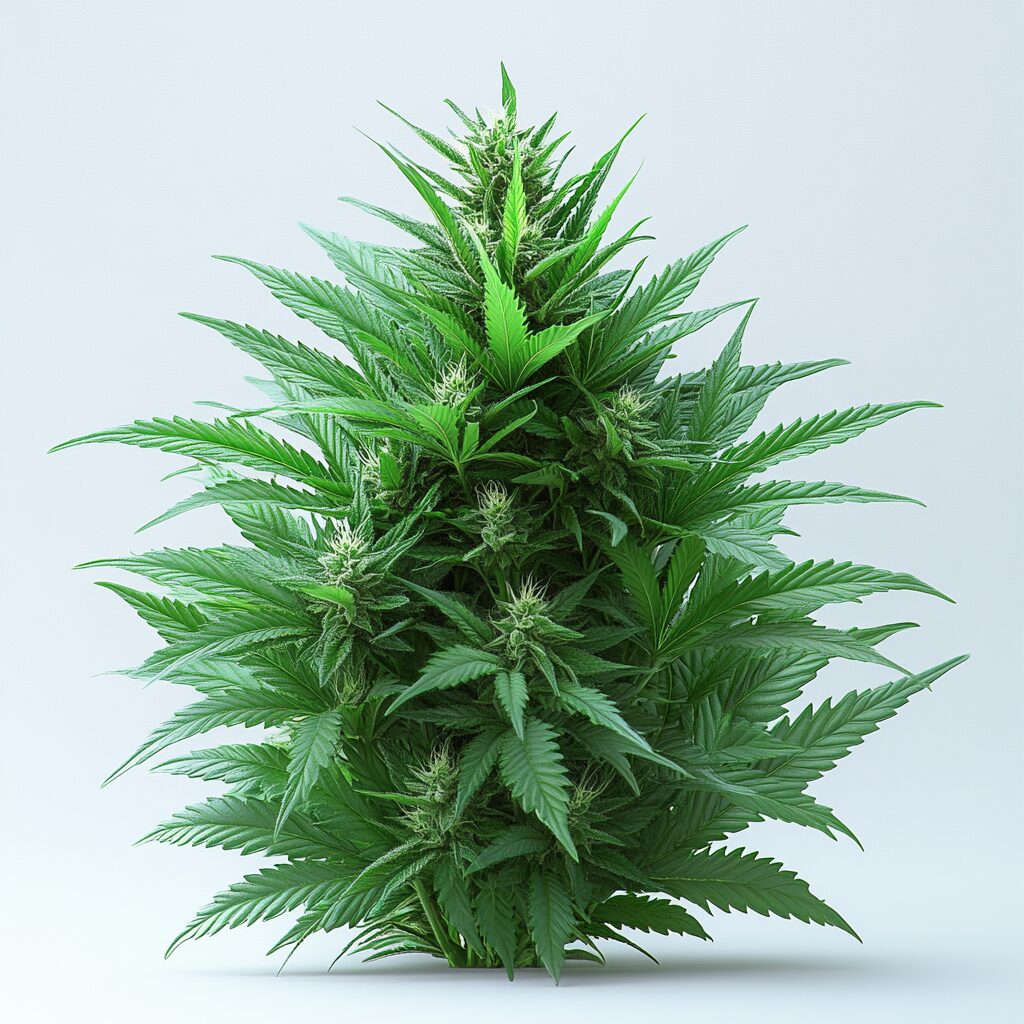
Medical marijuana is a pharmaceutical raw material derived from Cannabis sativa or Cannabis indica plants, standardized for THC and CBD content, and produced according to GMP requirements. According to the NASEM report from 2017, there are over 10,000 publications evaluating the effects of cannabinoids in medical therapy (US, 2017).
The term "medical marijuana" primarily refers to the dried flower of cannabis but also includes oil extracts, capsules, and sublingual sprays such as Sativex. All these forms share one thing: they are medications, not dietary supplements. A doctor prescribes them with a specific indication, dosage, and administration schedule.
In the pharmacy, the patient receives a product manufactured in a laboratory, most often in the Netherlands, Canada, Germany, or Australia. The content of active substances is measured with an accuracy of tenths of a percent. This distinguishes pharmaceutical raw material from material from the black market, where THC content can vary dramatically and contain unidentified contaminants.
What cannabinoids can we find in the raw material?
The two most important are tetrahydrocannabinol (THC), responsible for psychoactive and analgesic effects, and cannabidiol (CBD), which has anti-inflammatory and anxiolytic properties. The plant also contains CBG, CBC, CBN, and over 100 other cannabinoids, most of which are still being studied. Terpenes modify the effect profile within the so-called entourage effect.
Medical marijuana is a standardized pharmaceutical preparation containing THC and CBD, available in Poland exclusively by prescription since November 1, 2017. According to the NASEM 2017 report, over 10,000 scientific papers analyzing the therapeutic effects of cannabinoids in various clinical indications have been published so far.
What is the difference between medical and recreational marijuana?
The difference lies in the purpose, quality control, and dosing. Medical marijuana is standardized to an accuracy of 0.1% THC content, has a written dosing instruction, and comes from certified GMP cultivation. Recreational marijuana, which remains illegal in Poland, has an unknown composition, lacks control, and carries the risk of contamination with pesticides or heavy metals.
In clinical practice, patients receive doses starting from 50 to 100 mg of dried material for vaporization, which usually corresponds to 5-15 mg of THC. This is significantly less than the typical dose used recreationally. The goal is not to achieve a high but to alleviate symptoms, most often pain, spasticity, or nausea.
The second key element is the administration schedule. Medical patients have a plan: time of day, dose, route of administration, and monitoring of effects. The attending physician assesses effectiveness every few weeks and adjusts the therapy. Recreational users act intuitively, without supervision.
Who produces medical raw material?
The most commonly found raw materials in Polish pharmacies come from companies such as Aurora, Tilray, Spectrum Therapeutics, Bedrocan, Cantourage, and Demecan. Each batch has an analytical certificate showing the content of cannabinoids, terpenes, and test results for mold, bacteria, and pesticides. The pharmacy keeps documentation that the patient can view upon request.
Is medical marijuana a cure-all?
No. Despite media enthusiasm, clinical studies confirm real effectiveness only in selected indications. A meta-analysis by Whiting et al. published in JAMA in 2015 included 79 randomized studies and 6462 patients, finding moderate quality evidence only for chronic pain and spasticity in MS (Whiting et al., JAMA, 2015).
The internet is full of testimonies about miraculous healings from cancer, depression, autism, or Alzheimer's disease. Most of these stories are anecdotes, unverified by studies with a control group. This does not mean they are false. It means that evidence-based medicine cannot yet answer in what percentage of cases the effect is replicated in other patients.
In the practice of Polish cannabis medicine, the most common indications remain neuropathic pain, cancer pain, spasticity, drug-resistant epilepsy in children, and chemotherapy-induced nausea. Each of these indications has its place in the guidelines of European medical societies.
Which indications have the strongest evidence?
NASEM 2017 lists three areas where the quality of evidence is "substantial" or "conclusive": chronic pain in adults, nausea and vomiting after chemotherapy, and spasticity in multiple sclerosis. Moderate evidence pertains to sleep disorders, including sleep in the course of sleep apnea syndrome, fibromyalgia, and chronic pain from other causes.
According to NASEM 2017, cannabinoids have strong evidence of effectiveness in three indications: chronic pain in adults, spasticity in MS, and nausea after chemotherapy. Other indications, including depression, anxiety, and eating disorders, have only limited or insufficient evidence in controlled studies.
Who can obtain a prescription for medical marijuana?
In Poland, any doctor with the right to practice can issue an Rpw prescription for cannabis raw material, regardless of specialization. This is a liberal regulation in Europe, where specialization in oncology, neurology, or palliative care is often required. According to NIA data, in 2024, over 8,000 doctors in Poland issued at least one Rpw prescription for cannabis raw material.
In practice, most patients go to offices specialized in cannabis medicine, as many family doctors or specialists still do not feel comfortable with this therapy. A private consultation usually costs 200-400 PLN and includes an interview, indication selection, initial dose determination, and monitoring planning.
Our observations indicate that patients with chronic pain after failure of standard pharmacotherapy, individuals with cancer during chemotherapy, and patients with multiple sclerosis most often receive prescriptions. Doctors usually require medical documentation confirming the diagnosis and previous treatment attempts.
Is the patient's desire enough?
No. The doctor must have a medical justification documented. A patient's request for "medical marijuana for stress" usually ends in refusal or a proposal for alternative treatment. A doctor issuing a prescription without indication risks disciplinary action, and in extreme cases, criminal consequences.
What indications does Polish law recognize?
Polish law does not define a rigid list of indications for medical marijuana. According to Article 33a of the Act on Counteracting Drug Addiction of July 29, 2005, pharmaceutical raw material can be used for therapeutic purposes when "previous treatment has not been effective or cannot be applied" (ISAP, 2005 Act).
This opens a wide field for clinical decision-making, but also places responsibility on the attending physician. The most commonly encountered indications in Polish prescriptions are neuropathic pain, pain associated with cancer, spasticity in MS, drug-resistant epilepsy, anorexia in oncological therapy, nausea and vomiting after chemotherapy, and symptoms associated with Tourette's syndrome.
In our analysis based on publicly available pharmacy reports for 2024, about 65% of prescriptions concerned pain indications, 12% spasticity and neurological symptoms, 8% oncological supportive indications, and the remaining 15% included other conditions such as anxiety, insomnia, and PTSD.
What about mental illnesses?
Here the situation is complex. Some psychiatrists issue prescriptions for PTSD or chronic anxiety resistant to standard pharmacotherapy. However, NASEM 2017 finds insufficient evidence for schizophrenia, primary psychoses, and bipolar disorders. In these cases, cannabinoids may even worsen the patient's condition.
How does THC affect the body?
THC, or delta-9-tetrahydrocannabinol, primarily acts through agonism of CB1 receptors in the brain and CB2 in the peripheral immune system. According to pharmacological studies, after inhalation, the effect begins within 5-10 minutes and lasts 2-4 hours, while after oral administration, the delay is 30-90 minutes, and the effect lasts 6-8 hours.
In the central nervous system, THC modulates the release of neurotransmitters, which translates into changes in pain perception, mood, appetite, and memory. It also has a relaxing effect on muscles, reduces nausea, and stimulates appetite. This explains why it is used in the therapy of wasting diseases such as AIDS or advanced cancer.
The side effects of THC are dose-dependent. Low doses, around 2-5 mg, usually provide a mild anxiolytic and analgesic effect. Higher doses, above 10-15 mg in individuals without tolerance, can induce heightened anxiety, palpitations, dry mouth, and concentration disturbances. Therefore, therapy always starts with the minimum dose.
What happens in the brain after inhalation?
THC binds to CB1 receptors in the hippocampus, prefrontal cortex, and basal ganglia. The hippocampus is responsible for short-term memory, which is why patients may have difficulty remembering new information while under the drug's influence. The prefrontal cortex modifies attention and decision-making, which translates into reduced response ability in situations requiring quick assessment.
THC acts through agonism of cannabinoid CB1 receptors in the central nervous system, modifying pain perception, mood, and appetite. After inhalation, the effect begins within 5-10 minutes and lasts 2-4 hours. Side effects are dose-dependent and increase above 10-15 mg of a single dose in individuals without tolerance.
What is CBD and how is it different from THC?
CBD, or cannabidiol, is the second main plant cannabinoid that does not produce a psychoactive effect. According to a critical review by WHO ECDD from 2018, CBD has a "well-tolerated safety profile" and does not exhibit addictive potential comparable to THC (WHO ECDD, 2018).
From a chemical standpoint, both compounds are nearly identical. They differ only in the arrangement of double bonds in the ring, which changes their affinity for receptors. CBD does not strongly activate CB1 receptors, which is why it does not produce a high. Instead, it acts on serotonin 5-HT1A receptors, vanilloid TRPV1, and adenosine receptors, explaining its anxiolytic and anti-inflammatory effects.
In Poland, CBD derived from hemp is legal as an ingredient in dietary supplements, cosmetics, or e-liquids, provided that the product contains less than 0.3% THC. This regulation is favorable for consumers, although paradoxically it complicates the registration of pharmaceutical preparations with CBD as prescription medications.
Does CBD have side effects?
A review by Iffland and Grotenhermen from 2017, covering over 130 publications, indicated that the most common side effects of CBD are drowsiness, diarrhea, changes in appetite, and elevated liver enzymes at high doses (Iffland & Grotenhermen, 2017). At typical supplemental doses of 10-50 mg daily, the safety profile is very good.
Is medical marijuana addictive?
Yes, but the risk is moderate. According to DSM-5 classification, cannabis use disorder (CUD) develops in about 9% of all adult users and about 17% of those who started using before the age of 18. Among medical patients using low doses under supervision, the percentage is lower but not zero.
Cannabis addiction is primarily psychological. Withdrawal symptoms such as irritability, insomnia, decreased appetite, and anxiety occur in some individuals after prolonged use and usually resolve within 1-2 weeks. This is a significantly milder picture than in the case of alcohol, opioids, or benzodiazepines.
The paradox is that for many patients with chronic pain, medical marijuana proves to be a safer alternative to opioids. Population studies from U.S. states where medical marijuana has been legalized suggest a 25% decrease in mortality due to opioid overdose. This does not eliminate the risk of addiction but shifts the balance of benefits and harms.
When do we talk about clinical addiction?
The diagnosis of CUD requires meeting at least two criteria out of eleven within 12 months. These include loss of control, increasing tolerance, continued use despite harm, and withdrawal symptoms. A patient taking medication as prescribed by a doctor usually does not meet these criteria, even if they use the product daily for years.
What side effects are most common?
The side effects of medical marijuana are divided into acute, occurring within hours of dosing, and chronic, associated with long-term use. According to a meta-analysis by Whiting et al. in JAMA from 2015, the most common adverse effects are dizziness (15%), dry mouth (13%), nausea (11%), and drowsiness and confusion (around 8%) (Whiting et al., JAMA, 2015).
Most of these symptoms are mild and resolve spontaneously after dose adjustment. The principle of "start low, go slow," meaning start with a small dose and increase gradually, is the gold standard of therapy. Patients who ignore this are more likely to discontinue treatment due to unpleasant experiences.
Less frequently, but more seriously, tachycardia, orthostatic drops in blood pressure, increased anxiety, and in extreme cases, psychotic episodes may occur. The latter mainly concern individuals with a family predisposition to psychoses or schizophrenia. For this group, THC remains contraindicated.
What to do in case of unpleasant symptoms?
First of all, do not panic. THC does not cause lethal overdose in the pharmacological sense, as CB1 receptors are not present in the brainstem responsible for breathing. Secondly, one should lie down in a calm place, drink water, and wait. Most acute symptoms resolve within 1-3 hours after the peak effect.
Can I drive after using medical marijuana?
No. In Poland, there is a strict prohibition on driving after using THC, regardless of whether the medication was prescribed legally. According to Article 178a of the Penal Code, driving under the influence of a psychoactive substance constitutes a crime punishable by up to 2 years of imprisonment and loss of driving rights for a period of 3 to 15 years.
Poland has not introduced a threshold for THC concentration permissible in a driver's blood, unlike some countries such as Germany, where a threshold of 3.5 ng/ml applies. As a result, even trace amounts of THC in a patient's body can lead to conviction. Doctors conducting cannabis therapy are obliged to inform the patient of this restriction in writing.
THC can be detected in the blood for 1-3 days after occasional use, and in regular patients, even up to 30 days. This means that a person treated daily, for example, for neuropathic pain, practically has no time window in which they could legally drive.
Does CBD also exclude driving?
CBD alone without THC does not cause psychoactive changes and is not on the list of controlled substances. However, many CBD products on the market contain trace amounts of THC, up to 0.3%. A patient using high doses of CBD oils could theoretically test positive. It is safer to choose products with a "THC free" certification.
In Poland, there is a strict prohibition on driving after using THC regardless of the source, including in the case of a legal prescription. Article 178a of the Penal Code provides for a penalty of up to 2 years of imprisonment and loss of driving rights for 3-15 years. THC can be detected for up to 30 days in regular patients.
Can I work while using medical marijuana?
In principle, yes, although with significant exceptions. Polish labor law does not prohibit the employment of a person treated with medical marijuana, but some professions require THC testing, such as pilots, train drivers, professional drivers, heavy machinery operators, and uniformed service officers. A positive result usually means loss of job or suspension from duties.
In office work or positions that do not require quick reactions or operating machinery, a patient can perform duties without obstacles, as long as dosing does not affect their performance. Many patients use evening therapy, so the peak effect of THC occurs during sleep hours, allowing them to function normally during the day.
Patient experiences show that employers in creative, IT, or administrative sectors rarely inquire about treatment methods as long as the work is performed correctly. The situation is different in healthcare, where internal regulations often exclude working under the influence of psychoactive substances, even those prescribed by a doctor.
Do I have to inform my employer?
In most cases, there is no such obligation. Diagnosis and treatment remain protected by medical confidentiality. However, if the job is subject to regular medical examinations with tests for psychoactive substances, it is advisable to inform the occupational health doctor about taking a legal prescription. This will facilitate the interpretation of results.
Can I combine medical marijuana with other medications?
Only after consulting a doctor. Cannabinoids, especially CBD, are strong inhibitors of liver enzymes CYP3A4 and CYP2C9, which metabolize over 50% of all prescription medications. According to a review by Brown and Winterstein published in 2019 in the Journal of Clinical Medicine, doses of CBD above 20 mg/kg daily significantly alter the concentrations of warfarin, clobazam, valproic acid, and many antidepressants (Brown & Winterstein, 2019).
The most serious interactions concern anticoagulants, antiepileptics, immunosuppressants, and some anticancer drugs. A patient taking warfarin must have their INR regularly monitored after adding cannabinoids. A patient with epilepsy, to whom CBD is added to clobazam, requires blood drug concentration measurement.
THC combined with benzodiazepines, opioids, and alcohol increases central nervous system depression. This raises the risk of excessive sedation, respiratory disturbances, and falls, especially in older individuals. Combining these substances requires exceptional caution and reduced doses.
Which medications require special attention?
The list begins with: warfarin and new anticoagulants (apixaban, rivaroxaban), clobazam, valproic acid, phenytoin, tacrolimus, cyclosporine, some statins (atorvastatin, simvastatin), proton pump inhibitors, and methadone. Each of these medications may have altered blood concentrations after the introduction of cannabinoids.
Price, reimbursement, and availability in Polish pharmacies
Medical marijuana in Poland is not reimbursed by the National Health Fund. The patient pays the full price out of pocket. According to average rates in 2025, 1 gram of dried material costs between 50 and 80 PLN, and typical monthly therapy with a dose of 1-2 g daily ranges from 1,500 to 5,000 PLN.
The cheapest strains come from large production companies such as Aurora or Tilray and have a THC content in the range of 18-22%. More expensive are raw materials with a specific terpene profile or with an organic certification. Pharmacies regularly change their assortment, as the availability of specific strains depends on the import schedule.
Before filling a prescription, it is worth calling several pharmacies, as prices for the same raw material can differ by up to 30%. An online service, www.kanabinoidy24.pl, monitors availability and prices in real time. Such a comparison can save several hundred zlotys monthly.
Do all pharmacies fill Rpw prescriptions?
No. The prescription for dispensing in pharmacies with a license for controlled substances (Rpw) is fulfilled only by facilities that meet the requirements for storing psychotropic substances. In larger cities, this is usually 5-15 pharmacies, while in smaller towns, often only one or none. A doctor can indicate the nearest facility at the patient's request.
For those preferring CBD without a prescription as support for daily comfort, high-quality products available online will suffice.
SOOL CBD Oil 5% (76 PLN) – gentle introduction to CBD
SOOL CBD Oil 10% (99 PLN) – classic concentration for daily supplementation
Cannova CBG Oil 15% (240 PLN) – high concentration of cannabigerol
Mars CBD Flower 9% (59 PLN) – hemp flower for vaporization
Can children use medical marijuana?
Yes, in selected indications. The best-documented pediatric use is the Epidiolex preparation (pure CBD) in drug-resistant epilepsy from Dravet and Lennox-Gastaut syndromes. A study by Devinsky et al. published in the New England Journal of Medicine in 2017 showed a 39% reduction in seizure frequency in the CBD group compared to 13% in the placebo group (Devinsky et al., NEJM, 2017).
Epidiolex was registered by the FDA in 2018 and by the EMA in 2019 as a medication for drug-resistant childhood epilepsy. In Poland, it is available for targeted import, which requires a procedure in the Ministry of Health. The price of monthly therapy ranges from several to several tens of thousands of zlotys depending on the child's weight.
Outside of epilepsy, pediatric indications are rare and controversial. THC in children under 18 years of age may affect brain development, so its use is limited to exceptional situations, such as terminal cancer with severe pain. The decision always rests with a team of specialists, most often an oncologist and a pediatric neurologist.
What about autism and ADHD?
Despite popular stories about miraculous effects of CBD in children on the autism spectrum, the quality of scientific evidence is low. Most available studies are small open trials without a control group. Polish pediatric societies do not recommend routine use of cannabinoids in these indications. Parents considering this therapy should seek a center conducting clinical trials.
Can seniors use medical marijuana?
Yes, but with exceptional caution. Patients over 65 years of age are an increasingly large group of medical marijuana users. According to a study published in JAMA Internal Medicine in 2020, the number of individuals in this age group using cannabis for medical purposes increased in the U.S. by over 75% in five years.
Benefits for seniors include treatment of chronic pain, insomnia, tremors in Parkinson's disease, and anxiety disorders after the loss of loved ones. A key advantage is reduced dependence on opioids and benzodiazepines, which increase the risk of falls, confusion, and cognitive disorders in older individuals.
Challenges include increased sensitivity to the psychoactive effects of THC, the risk of orthostatic drops in blood pressure, interactions with numerous chronically taken medications, and effects on memory and concentration. In seniors, initial doses should be two to three times smaller than in younger adults.
Which strains work well for older individuals?
Strains with a dominance of CBD and low THC are most often recommended, for example, in a ratio of 10:1 or 20:1. This profile provides analgesic and anti-inflammatory effects with minimal psychoactivity. The method of administration also matters; oral oils or capsules are safer than vaporization, which requires motor coordination.
How to properly store cannabis products?
Dried material, oils, and cannabinoid capsules require protection from light, heat, moisture, and oxygen. Under typical home conditions, it is recommended to store them in an airtight, dark container at a temperature of 15-20°C. Dark glass jars and special containers with a humidor stabilizing humidity at 58-62% work well.
Improper storage leads to the degradation of THC to CBN, or cannabinol, which has mainly sedative effects. After a year in improper conditions, THC content can drop by 30-50%, resulting in a loss of medication effectiveness. Conversely, too humid an environment promotes mold growth.
A key safety principle is to store out of reach of children and pets. Oils in dropper bottles can be mistaken by children for sweet syrups, and dried material in bags with attractive labels attracts curiosity. Cannabinoid poisoning in children requires hospitalization and observation.
Does dried material lose potency in the fridge?
The fridge is not recommended for long-term storage. Temperature changes when opening the door cause moisture condensation, which promotes mold growth. It is better to choose a closet in a room with a stable temperature, away from heaters and windows. Oils can be kept in the fridge, but they should be brought to room temperature before use.
Will drug tests detect medical marijuana?
Yes. Standard drug tests do not distinguish THC from medical marijuana from substances used recreationally. A urine strip test detects THC metabolites (THC-COOH) for 3-7 days after occasional use, and in regular patients, even 30-45 days. A blood test shows active THC only for 24-72 hours, but in police practice, it is used more often than urine tests.
Having a current Rpw prescription does not exempt one from criminal liability for driving under the influence of THC, as explained above. However, it constitutes a mitigating circumstance in civil proceedings, for example, concerning insurance or employee liability. It is always advisable to carry a copy of the prescription.
Hair tests are the most sensitive and can show THC use even up to 90 days back. In practice, they are mainly used in court proceedings, pre-employment tests in certain professions, and checks at sporting events. For most medical patients, they are not significant in daily life.
Is there a way to speed up elimination?
Unfortunately not. THC is a lipophilic substance, stored in fat tissue and gradually released into the blood. Drinking water, sauna, or intense exercise may minimally shorten the elimination time, but they will not remove the substance faster. Home "detox" methods advertised online are usually ineffective, and some may harm health.
Standard urine tests detect THC metabolites for 30-45 days in regular medical patients, and hair tests for up to 90 days. Having an Rpw prescription does not exempt one from criminal liability for driving, but it constitutes a mitigating circumstance in civil matters. The patient should always carry a copy of the document.
What to do if the doctor prescribed too little or too much?
First, schedule a follow-up appointment rather than adjusting the dosage on your own. An insufficient dose means that the symptom is not well controlled, and seeking additional quantities from other sources, such as the black market, is illegal and dangerous. The doctor may increase the single dose or recommend more frequent use.
A high dose manifests as drowsiness
, disorientation, palpitations, dry mouth, and sometimes increased anxiety. In such a situation, it is advisable to stop taking it for 1-2 days, assess symptoms without the medication, and then resume therapy from a lower dose. However, it is always important to inform the attending physician about any ailments.
The Rpw prescription is valid for 30 days from the date of issuance, and another can be obtained during a follow-up visit. Many doctors offer online consultations, especially if the patient is stable and does not require a physical examination. This is a convenient solution but requires discipline in documenting symptoms and treatment effects.
Can I change the strain without consultation?
It is better not to. Each strain has its cannabinoid and terpene profile, and even the same percentage of THC can act differently when combined with different terpenes. Changing the strain should be conscious and established with the doctor, preferably with a symptom diary kept for 2-3 weeks after the change.
Patient smoking tobacco vs. non-smoker – what are the differences?
Patients who smoke tobacco constitute a special group. According to GIS data from 2023, about 21% of adult Poles smoke cigarettes daily, which translates to an increased risk of respiratory diseases. Adding smoking cannabis to tobacco smoking exacerbates lung damage, particularly bronchitis and increased mucus production.
Therefore, patients who smoke tobacco are more often advised to vaporize dried material, which heats the plant material to a temperature of 180-220°C without combustion. The vapor contains cannabinoids but significantly fewer harmful substances such as carbon monoxide, tar, and polycyclic aromatic hydrocarbons. Other options include oral oils and capsules, completely bypassing the respiratory tract.
In non-smoking patients, the doctor has greater freedom in choosing the route of administration. For this group, smoking dried material in joints remains a historical option, but vaporization and oral administration are usually preferred due to dosing precision. Non-smokers typically experience a stronger effect from a smaller dose, as they have lower metabolic tolerance.
How to quit smoking tobacco with the help of medical marijuana?
Some studies suggest that CBD may alleviate nicotine withdrawal symptoms, including anxiety and irritability. This is an area of early research, far from standard recommendations. Patients who want to quit smoking during therapy with medical marijuana should discuss combining nicotine replacement therapy (NRT), varenicline, or bupropion with non-smoking cannabis.
What about traveling abroad with medical marijuana?
This is a complicated issue, as each country has its own regulations. According to the Schengen Convention of 1990, a patient transporting psychotropic substances by prescription must have a medical certificate, but each member state has its own quantity limits and documentation requirements. In practice, transporting THC across borders, even with a certificate, can be risky.
Germany, the Czech Republic, the Netherlands, Italy, and Spain have a liberal approach and accept the Polish Schengen Article 75 form with a medical apostille. Poland, Hungary, Slovakia, and the Baltic states are stricter. Outside the European Union, caution is even greater, as many countries, including popular tourist destinations, treat possession of THC as a serious crime.
Practical advice: do not attempt to transport medical marijuana on vacation if it can be avoided. It is better to plan a break in therapy or temporarily switch to other medications. If travel is necessary, contact the embassy of the destination country at least 4-6 weeks before departure and obtain written information about the required documents.
What about flights within Poland?
Domestic flights do not require special formalities, but it is advisable to transport the medication in carry-on luggage with the original pharmacy packaging and a copy of the prescription. Luggage scanners may detect packages with medical labels and raise interest from authorities. A calm conversation and presentation of documents usually resolves the situation without problems.
Polish helplines and patient support
Several organizations supporting medical marijuana patients operate in Poland. The most well-known is the Pain Relief Foundation, which runs a helpline for oncology and chronically ill patients. Another active organization is the Association of Medical Marijuana Patients, offering legal and medical advice as well as online support groups.
Pharmaceutical information by phone at 22 53 10 700 will help answer questions about the availability of specific preparations in pharmacies and drug interactions. Consultations are free and conducted by qualified pharmacists during working hours. This is often a quicker route than trying to reach a doctor.
For those struggling with cannabis addiction, regardless of the source, the Orange Line helpline 800 14 00 68 is available from 2:00 PM to 8:00 PM from Monday to Saturday. Consultants provide anonymous conversations, guidance, and direct individuals to the nearest addiction treatment centers.
Where to find reliable information online?
Recommended sources include the official websites of the Office for Registration of Medicinal Products (urpl.gov.pl), the National Health Fund (nfz.gov.pl), the Polish Society of Cannabis Medicine, and the Medonet portal in the medical marijuana section. Avoid forums and social media groups as the sole source of knowledge. Anecdotes can be misleading, and advice from unqualified individuals can be dangerous.
Frequently Asked Questions
Is medical marijuana legal in Poland?
Yes. Since November 1, 2017, medical marijuana has been available in Polish pharmacies by Rpw prescription. The legal basis is the amendment to the Act on Counteracting Drug Addiction of July 29, 2005. Any doctor with the right to practice can issue a prescription, regardless of specialization. The patient pays the full price out of pocket, as the NFZ does not reimburse these preparations.
How much does a monthly medical marijuana therapy cost?
According to prices from 2025, 1 gram of dried material costs 50-80 PLN. A typical monthly therapy with a dose of 1-2 g daily ranges from 1,500 to 5,000 PLN. The price depends on the strain, manufacturer, and the margin of the specific pharmacy. It is worth comparing prices before filling a prescription, as differences between pharmacies can reach 30%. Sublingual oils are more expensive than dried material when calculated per dose of THC.
Will CBD without a prescription help as much as medical marijuana?
Not necessarily. CBD has anti-inflammatory, anxiolytic, and sleep-supporting effects, confirmed in the WHO ECDD review from 2018. However, it lacks the strong analgesic effect provided by THC. Patients with chronic pain, spasticity, or oncological nausea usually require a preparation with THC. CBD without a prescription is a good choice for mild everyday ailments.
Can I grow cannabis for medicinal purposes?
No. In Poland, growing cannabis for medicinal purposes is illegal, even with a current Rpw prescription. Cultivation requires a license, which is not issued to private individuals. The only legal sources of raw material are pharmacies fulfilling prescriptions for imported preparations. Violating this regulation is punishable by up to 3 years of imprisonment.
How long can medical marijuana be used?
The duration of therapy depends on the indication and the patient's response. In chronic pain and chronic progressive diseases such as MS, treatment can last for years. In transitional states, such as during chemotherapy, therapy is limited to a few months. The decision to extend treatment is made by the doctor based on regular assessments of effectiveness and tolerance.
Can CBD cause a positive drug test?
Very rarely, but it is possible. Most CBD preparations on the market contain trace amounts of THC, up to 0.3% according to Polish regulations. Very high doses of oils, above 1000 mg daily, may lead to detectable levels of THC metabolites in some individuals. It is safer to choose products with a "THC free" certification, meaning CBD isolates completely devoid of THC.
Summary and what next
Medical marijuana in Poland is an evolving field of medicine with real evidence-based support for selected indications, but it is also surrounded by myths and excessive expectations. The strongest evidence pertains to chronic pain, spasticity in MS, and nausea after chemotherapy, areas confirmed by both NASEM 2017 and Whiting et al. in JAMA from 2015. Other indications require individual assessment and caution.
The key pillars of safe therapy use are consultation with a doctor, awareness of interactions with other medications, prohibition of driving after THC, and patience in selecting the appropriate dose. A well-informed patient avoids disappointments, unnecessary side effects, and legal troubles. If you are considering medical marijuana, start with a consultation in a specialized office and discussion with the doctor managing your current treatment.
Always remember: medical marijuana in Poland requires an Rpw prescription, it should not be combined with other medications without consultation, CBD below 0.3% THC remains legal without a prescription as a supplement, do not discontinue other medications for cannabis on your own, and there is a strict prohibition on driving after THC.
Author: Michał Waluk, CBD and cannabinoid expert, cannabis shop u Bucha. The text is informative and does not replace medical consultation.