
Why the FDA refused to register MDMA therapy in 2024 - and what it means for research
Why the FDA refused to register MDMA therapy in 2024: reliable research-based answers. Education at u Bucha.
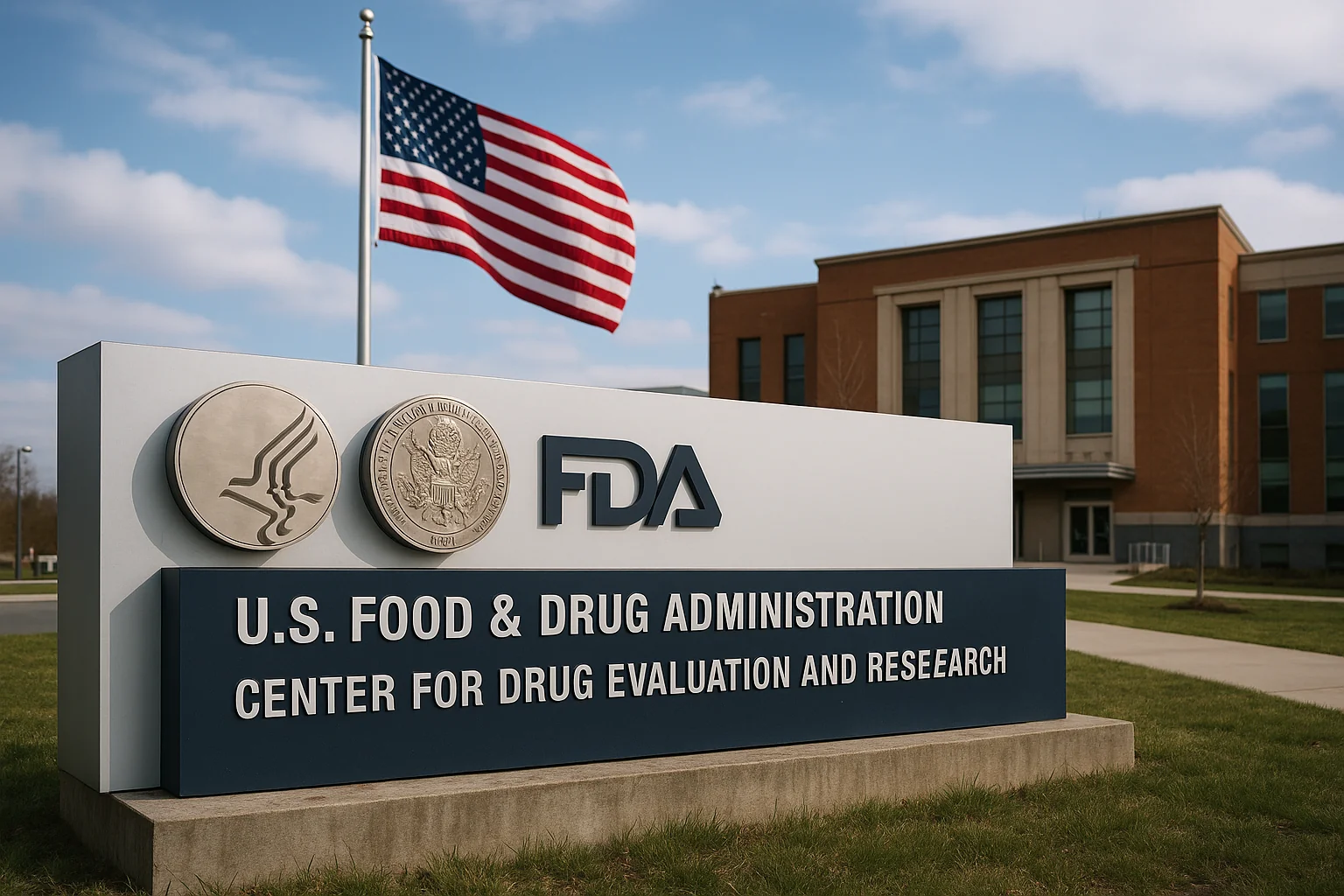
In August 2024, the Food and Drug Administration (FDA) refused to register MDMA-assisted therapy for PTSD - ending a decade of work by the MAPS organization and Lykos Therapeutics. The decision surprised some in the research community, but it was signaled by the critical vote of the FDA Advisory Committee as early as June 2024. What went wrong and what does it mean for the future of psychedelic therapy?
KEY INFORMATION
• The FDA issued a refusal in August 2024 - the Advisory Committee voted 9:2 against registration as early as June 2024 (Yazar-Klosinski et al., J Psychopharmacol, 2025).
• Main objections: lack of blind trial, potential assessment errors, and incidents of boundary violations in research centers.
• Phase 3 study results (67% remission after MDMA vs 32% placebo) remain published and have not been fundamentally challenged.
• Australia approved MDMA for PTSD therapy in 2023 as the first in the world - the FDA refusal is not a global verdict.
What is Lykos Therapeutics and what was its connection to MAPS?
MAPS (Multidisciplinary Association for Psychedelic Studies) is a non-profit organization founded by Rick Doblin in 1986, which has funded and conducted research on MDMA-assisted PTSD therapy for decades. In 2014, MAPS established MAPS PBC (Public Benefit Corporation) as a commercial arm responsible for the registration application to the FDA. In 2023, MAPS PBC changed its name to Lykos Therapeutics, separating commercial activities from the research mission of the parent organization.
This structure had both advantages and disadvantages. On one hand, it allowed for significant commercial funding. On the other hand, critics pointed out that researchers working for MAPS were ideologically invested in the success of the psychedelic project, which could affect the objectivity of the assessment of therapeutic session outcomes.
What specific objections did the FDA Advisory Committee raise?
The FDA Advisory Committee (Psychopharmacologic Drugs Advisory Committee combined with the Drug Safety and Risk Management Advisory Committee) met on June 4, 2024, and voted 9:2 against the recommendation for registration. The meeting minutes indicated four categories of objections (Yazar-Klosinski et al., J Psychopharmacol, 2025).
The first concern was functional unblinding. In psychedelic research, a classic double-blind trial is structurally impossible - participants know whether they are experiencing the effects of MDMA. Studies have shown that 80-90% of participants accurately guessed their group assignment. The problem is that a participant's knowledge of their group membership may have distorted their self-assessment of outcomes - a person knowing they received "the real drug" might rate themselves better regardless of actual improvement.
The second concern: lack of objective biomarkers. The main measure of efficacy (CAPS-5) relies on a clinical interview in which the therapist assesses the severity of PTSD symptoms. When the therapist is strongly convinced of the efficacy of MDMA, they may unconsciously "inflate" the improvement. The committee pointed out the lack of independent, objective assessment of outcomes by a third party unrelated to the study.
It is worth noting that the issue of functional unblinding is not specific to MDMA - it applies to all actively acting psychoactive substances and psychotherapy. In ketamine (Spravato) studies, the FDA accepted a similar methodology. The difference may have been the scale of therapeutic incidents, which in the case of MDMA-MAPS were documented and publicly highlighted before the application was submitted.
What about incidents of boundary violations?
As early as 2022, investigative media (Stat News, Vice) published reports about at least two therapists participating in MAPS studies who engaged in unethical behavior towards participants during MDMA sessions. One of the documented cases involved physical and emotional boundary violations against a session participant - the therapist was a prominent representative of the psychedelic movement in the USA.
These incidents did not automatically disqualify the registration application, but the FDA Committee considered them a signal of systemic risk. MDMA lowers defensiveness and increases suggestibility - which is a desired therapeutic effect, but at the same time makes participants vulnerable to abuse by unscrupulous therapists. The committee questioned whether the oversight measures proposed by Lykos were sufficient to manage this risk in the context of broad clinical practice.
Table: Timeline of Key MDMA-FDA Events 2017-2024
The following summary shows the path from breakthrough status to denial of registration.
| Year | Event | Significance |
|---|---|---|
| 2017 | FDA nadaje MDMA status „Breakthrough Therapy” | Accelerated review pathway - evidence of preliminary data credibility |
| 2021 | Phase 3 results (MAPP1) in Nature Medicine | 67% PTSD remission after MDMA vs 32% placebo |
| 2022 | Publications on therapeutic incidents (Stat News) | Undermining trust in the safety of the protocol |
| 2023 | Australia (TGA) approves MDMA for PTSD | First national therapy approval in the world |
| June 2024 | FDA Advisory Committee votes 9:2 against | Strong signal preceding denial |
| August 2024 | FDA issues Complete Response Letter (denial) | Request for a new clinical trial |
What does this mean for the broader field of psychedelic research?
The FDA's rejection of MDMA did not close the door for other substances. Psilocybin for treatment-resistant depression is being studied by Compass Pathways (phase 3 COMP360 study - results expected 2025-2026) and the USONA Institute. Ketamine (esketamine/Spravato) has been an approved antidepressant since 2019. Ibogaine - an experimental substance being studied, among others, in veterans with addictions - is undergoing clinical trials at several centers.
The lesson for other research sponsors is clear: the FDA expects a methodology that minimizes the risk of functional unblinding, includes independent outcome assessment, and has a solid safety management plan for participants. Companies conducting psilocybin research are drawing lessons from the MDMA-MAPS process and designing their studies with these caveats in mind.
What does the path to reapplication look like?
The Complete Response Letter from the FDA is not a verdict - it is a list of requirements to be met before resubmitting the application. Lykos Therapeutics has several options. The first is to conduct a new phase 3 study with improved methodology: greater independence in outcome assessment, a stronger focus on objective biomarkers, and a rigorous monitoring system for therapists. The second is to appeal the decision through formal dispute resolution - rarely effective, but available.
The FDA Advisory Committee did not indicate that the results were false - it stated that it could not fully trust them due to methodological flaws. This is a subtle but important distinction. The new study does not need to prove something new - it must demonstrate the same results already established, in a manner that the FDA will consider methodologically credible. Australian data from clinical practice (since July 2023) will be the first 'real-world' data that can supplement the application and show the safety profile of the therapy outside the strict conditions of the clinical protocol (Kisely et al., Aust NZ J Psychiatry, 2023).
We noted in our analysis of the researchers' environmental responses that many scientists - including proponents of psychedelic therapy - privately acknowledged that the FDA's rejection was predictable and, in some sense, 'deserved' methodologically. The strong identification of the research organization with the therapeutic success of the project was a tension that needed to be resolved - and the FDA resolved it by demanding an independent study.
Frequently Asked Questions
When exactly did the FDA deny the registration of MDMA therapy?
The FDA issued an official denial (Complete Response Letter) in August 2024 in response to Lykos Therapeutics' application. The Advisory Committee recommended rejecting the application on June 4, 2024, voting 9:2 against registration (Yazar-Klosinski et al., J Psychopharmacol, 2025).
What were the main objections of the FDA to the MAPS studies?
Three main issues: inability to maintain double-blind conditions (functional unblinding), potential assessment errors by involved therapists, and incidents of ethical boundary violations at several research centers. Details discussed in the scientific literature (Yazar-Klosinski et al., J Psychopharmacol, 2025).
Does the FDA's denial mean that MDMA-assisted therapy does not work?
No. Phase 3 results (67% PTSD remission after MDMA vs 32% placebo) remain published in Nature Medicine (2021) And they were not challenged on the merits. The refusal concerned the methodology and safety of the process, not the denial of efficacy.
Has Australia approved MDMA-assisted therapy?
Yes. The Australian TGA approved MDMA for PTSD therapy and psilocybin for treatment-resistant depression in February 2023, effective from July 1, 2023. Australia is the first country in the world to have such regulatory approval for these substances. The regulatory context is discussed in more detail in the article about the consequences of the FDA decision for patients.
When can MDMA-assisted therapy obtain FDA registration?
Experts estimate the earliest timeline as 2028-2030 if Lykos conducts a new clinical study according to FDA requirements. A phase 3 study lasts 3-5 years, and the FDA review takes an additional 6-12 months. Alternatively, other companies or academic organizations may submit their own registration applications through a separate pathway.
How does the FDA refusal affect psilocybin research?
It does not directly affect - it is a separate substance and a separate registration pathway. Compass Pathways and the USONA Institute continue phase 3 studies of psilocybin in treatment-resistant depression independently of the MDMA-Lykos case. The rejection may prompt these companies to exercise even greater methodological rigor, which could ultimately benefit the quality of the data.
What is a Complete Response Letter from the FDA?
A Complete Response Letter (CRL) is an official FDA document informing the manufacturer that the registration application cannot be approved in its current form. The CRL specifies particular deficiencies and requirements that must be met before resubmitting the application. It is not a definitive rejection - the manufacturer can respond and reapply after meeting the requirements.
What methodological gaps did the FDA Advisory Committee identify?
Functional unblinding (80-90% of participants accurately guessed their group), lack of objective biomarkers beyond self-assessment, clear differences in therapist enthusiasm between groups, and incidents of boundary violations by therapists in at least two research centers - all these factors collectively determined the Committee's vote of 9:2 against registration.
This article is for informational and educational purposes and does not replace consultation with a doctor. If you are pregnant, breastfeeding, taking medications, or have chronic conditions, consult the use of supplements or herbs with a specialist.
Author: Michał Waluk · Published: 2026-05-04 · Updated: 2026-05-04