

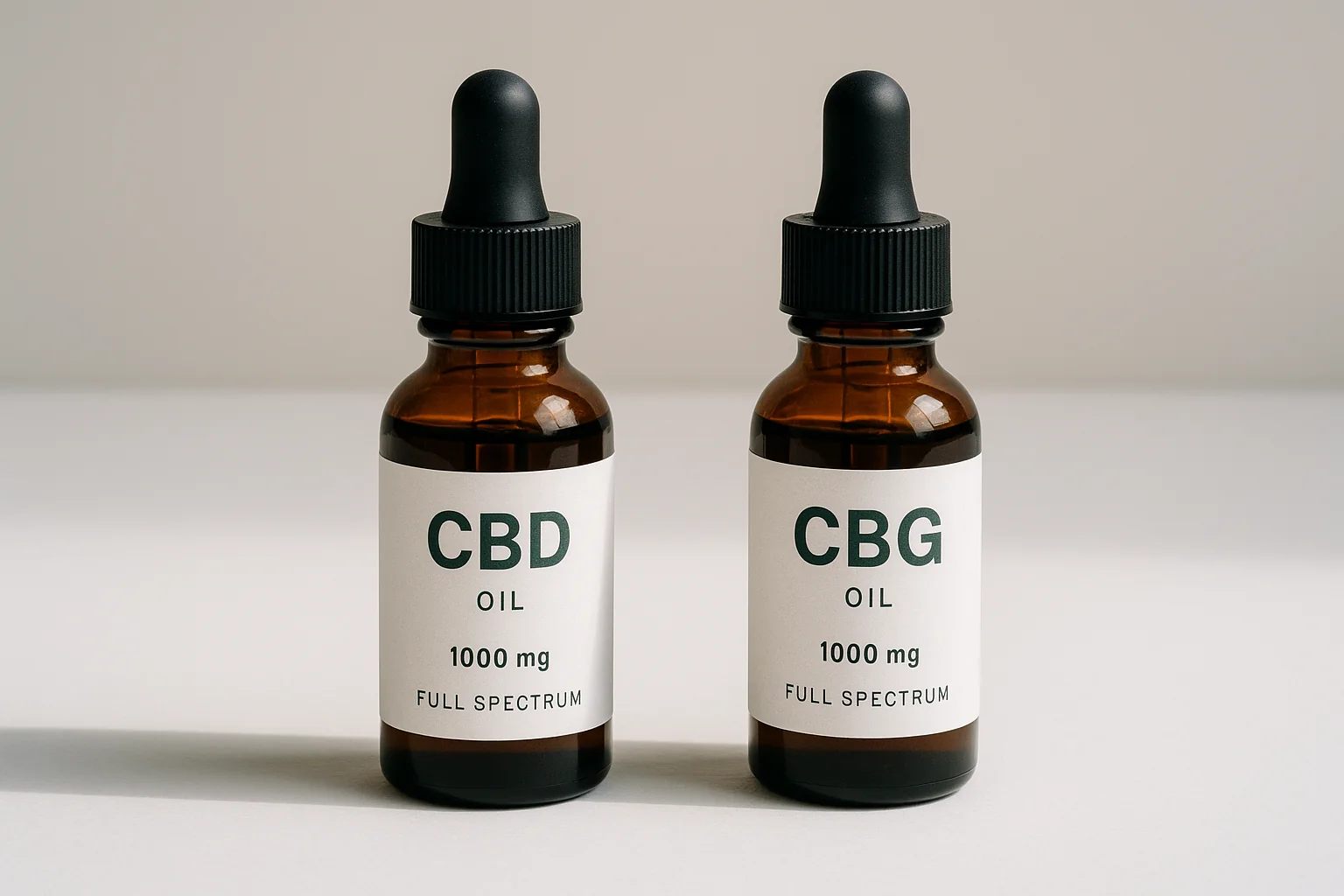

CBG properties and effects: how does it differ from CBD and who is it better for
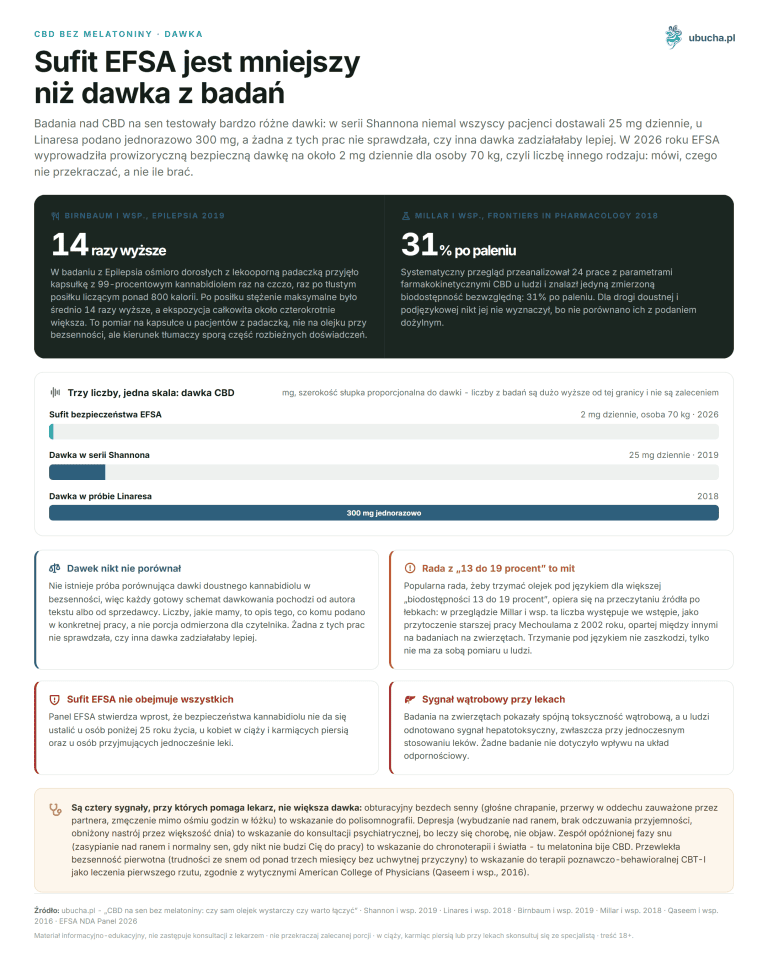
CBG is a precursor to CBD and THC. Check how it really acts on alpha-2 and 5-HT1A receptors, what studies have shown about the intestines and MRSA, and how it differs from CBD.
CBG, or cannabigerol, is sometimes called the mother of all cannabinoids because its acidic form gives rise to the other compounds of this family in the cannabis plant. For years, it was a trace component in cannabis products until breeders developed strains that retain it in larger amounts. For several years now, it has been sold as a separate supplement, and product descriptions attribute stimulating effects and support for focus during the day to it, in contrast to the supposedly calming CBD. Available scientific works say otherwise, and in the case of the mechanism, quite the opposite. This article compares what is truly known about cannabigerol from research with what can be read on the label and shows where the line between the two lies.
KEY INFORMATION
• CBG is a biochemical precursor of the most numerous cannabinoids of the cannabis plant (Nachnani, Raup-Konsavage, Vrana, Journal of Pharmacology and Experimental Therapeutics, 2021).
• In pharmacological studies, CBG proved to be a strong agonist of alpha-2 adrenergic receptors, not their blocker (Cascio i wsp., British Journal of Pharmacology, 2010). This reverses the popular explanation of the stimulating effect.
• In a survey among 127 individuals using products with a predominance of CBG, the most frequently indicated reasons were anxiety (51.2%), chronic pain (40.9%), depression (33.1%), and insomnia (30.7%). Concentration is not on this list (Russo i wsp., Cannabis and Cannabinoid Research, 2022).
• The strongest data pertains to animal models and cell cultures: colitis, Huntington's disease, colorectal cancer, and MRSA infections.
• There is virtually no research on CBG involving humans, and the available pharmacological review explicitly warns of the gap between sales promises and the state of knowledge.
What is CBG and where does it come from in the cannabis plant?
CBG is a plant cannabinoid, whose acidic form, CBGA, is a precursor compound for other cannabinoids in cannabis. The plant's enzymes convert CBGA into acids, which after decarboxylation become CBD, THC, and CBC. Therefore, in a mature plant, little cannabigerol remains: the more efficiently the conversion works, the less starting material remains unchanged.
The pharmacological review published in Journal of Pharmacology and Experimental Therapeutics describes CBG as a parent molecule for the most numerous phytocannabinoids and at the same time as a compound studied incomparably less than CBD. The authors note that CBG was marketed as a dietary supplement before studies could confirm its purported effects. This discrepancy is stated directly in their text and is worth keeping in mind when reading product descriptions.
The breeding consequence is simple. Since CBGA is consumed for other cannabinoids, high CBG content is provided by strains with limited conversion or a harvest conducted earlier, before the transformation can take place. Hence, a separate category of strains described as high-CBG, from which isolates and extracts with a predominance of cannabigerol are produced. The mechanism of cannabinoid formation from a single precursor is discussed more broadly in the entry about THCA and its differences from THC, and the third branch of the same pathway is addressed in the text about kannabichromenie.
How does CBG work and how does it differ from CBD?
CBG has a different molecular target profile than CBD, and this is a real difference between these compounds. It was most fully described by the study by the Cascio team, published in British Journal of Pharmacology. The authors examined whether cannabigerol stimulates or blocks G protein-coupled receptors and obtained a picture that deviates from what is repeated in sales texts.
In mouse brain membranes, CBG behaved like a strong agonist of the alpha-2 adrenergic receptor, with a half-maximal effect concentration of 0.2 nanomoles. Against the serotonin receptor 5-HT1A, it acted conversely, as an antagonist. At a concentration of 10 micromoles, it proved to be a competitive antagonist of the CB1 receptor, showing significant affinity for both CB1 and CB2. Kolejna praca It also contributed to blocking the TRPM8 channel and inhibiting the reuptake of endocannabinoids.
The comparison with CBD thus appears differently than suggested by the popular division into calming and stimulating cannabinoids. A review from 2021 summarizes CBG's position as intermediate between THC and CBD at cannabinoid receptors, and its distinguishing feature is recognized as its interaction with alpha-2 and 5-HT1A.
| Molecular target | Co robi CBG | Source |
|---|---|---|
| Receptor alfa-2 adrenergiczny | Agonist, EC50 0.2 nM (mouse brain membranes) | Cascio 2010 |
| 5-HT1A Receptor | Antagonista, pozorne KB 51,9 nM | Cascio 2010 |
| Receptor CB1 | Antagonista kompetycyjny przy 10 µM; istotne powinowactwo | Cascio 2010 |
| Receptor CB2 | Significant affinity in binding assay | Cascio 2010 |
| TRPM8 channel | Silne blokowanie | Borrelli 2014 |
| Endocannabinoid reuptake | Hamowanie | Borrelli 2014 |
Does CBG really support concentration?
There is no study that shows this, and the most frequently repeated explanation of the mechanism is reversed. Advertising texts explain the alleged stimulating effect by stating that CBG blocks alpha-2 receptors and thereby increases norepinephrine release. The work of the Cascio team shows something contrary: cannabigerol pobudza. Drugs that work in the same way, such as clonidine or guanfacine, lower sympathetic tone and can be sedative.
Drugi argument daje ankieta opublikowana w Cannabis and Cannabinoid Research. It included 127 individuals from the USA who used products containing over 50% CBG over six months. When asked about their reasons for using them, they indicated anxiety (51.2%), chronic pain (40.9%), depression (33.1%), as well as insomnia and sleep disorders (30.7%). Concentration or focus do not appear on this list at all. Among the side effects, 15% of respondents reported drowsiness, which also does not fit the picture of a stimulating agent.
The same survey shows why user opinions can be easily overinterpreted. Effectiveness was rated very highly, with 73% to 80% of respondents considering products with a predominance of CBG to be better than the medications previously used for their condition. However, these are declarations collected online, without a control group and without measuring anything. The authors conclude that CBG requires randomized studies, not that it replaces them.
What have studies shown about CBG in neurodegenerative diseases?
The best-documented direction is Huntington's disease, and these are studies on mice. The Valdeolivas team described w Neurotherapeutics two models at once. In animals poisoned with 3-nitropropionic acid, cannabigerol proved to be clearly neuroprotective: it improved motor deficits, protected striatal neurons, suppressed reactive microgliosis, and raised the lowered level of antioxidant defense.
In the genetic model R6/2, the effect was significantly weaker, though still statistically significant: the improvement concerned maintaining balance on a rotating cylinder. Gene expression analysis showed that some of the disrupted genes in these mice returned closer to normal after CBG, and the aggregation of mutated huntingtin in the striatum decreased slightly but significantly. The authors cautiously formulate the conclusion as opening a direction for research, not as a ready therapy.
The 2021 review mentions, alongside Huntington's disease, also Parkinson's disease and multiple sclerosis as areas where CBG may have therapeutic potential. However, there is a difference from what is sometimes written about cannabigerol online: its attributed effects in amyotrophic lateral sclerosis are not confirmed by any work found in medical databases. All results described in this section come from animal studies.
Does CBG have antibacterial effects?
Yes, and this is an area where cannabigerol is particularly interesting. Farha's team published w ACS Infectious Diseases a study showing that cannabinoids inhibit methicillin-resistant Staphylococcus aureus, or MRSA. The effect does not stop at inhibiting growth: the compounds studied blocked biofilm formation and also destroyed already formed biofilm and stationary phase cells, which usually survive antibiotic therapy.
The mechanism was established separately for CBG. Cannabigerol attacks the cytoplasmic membrane of Gram-positive bacteria, thus acting physically on the cell structure rather than through a single enzymatic pathway. The effectiveness was also confirmed in a living organism, in a mouse model of systemic infection caused by MRSA. Against Gram-negative bacteria, whose outer membrane normally serves as a barrier, CBG acted after its disruption, striking at the inner membrane.
The authors also checked combinations with antibiotics. Cannabinoids administered together with polymyxin B fought multidrug-resistant Gram-negative pathogens, opening a direction for combination therapy. However, it should be noted that this is a laboratory and mouse study, not a clinical study. None of these observations translate to the use of CBG in human infections and do not replace antibiotics.
What is known about CBG, the intestines, and cancer cells?
Two studies by Borrelle's team from Naples focus on the colon and were both conducted on animal models and cell cultures. The first, published w Biochemical Pharmacology, investigated colitis induced in mice by dinitrobenzenesulfonic acid. Cannabigerol reduced the mass-to-length ratio of the colon, myeloperoxidase activity, and the expression of inducible nitric oxide synthase, increased superoxide dismutase activity, and normalized disturbed levels of interleukin 1-beta, interleukin 10, and gamma interferon.
Druga praca, z Carcinogenesis, examined anticancer effects. In colorectal cancer cells, CBG triggered apoptosis, increased the production of reactive oxygen species, and limited cell growth. The effect depended on blocking the TRPM8 channel: in cells with silenced TRPM8, it was weaker, and other blockers of this channel mimicked it. In a living organism, cannabigerol inhibited the growth of tumors transplanted into mice and the development of chemically induced colon cancer.
None of these results should be interpreted as a basis for using CBG in inflammatory bowel disease or cancer. There are simply no studies involving humans for either indication, and the authors of both studies speak of a premise for further research. A broader discussion of the same issue of discrepancies between laboratory data and clinical practice is described in the entry about konopiach a chorobach nowotworowych.
Does CBG lower intraocular pressure and is it safe?
The ophthalmic thread is based on two studies by Colasanti from the 1980s and 1990s, both conducted on cats. Their most important result is often overlooked: after a single administration of drops, the decrease in intraocular pressure was only slight. A significant effect, in the range of 4-7 mm Hg, appeared only with chronic administration via an osmotic pump (Colasanti, Journal of Ocular Pharmacology, 1990). Neither THC nor CBG changed the rate of aqueous humor production, while both increased its outflow two to three times.
An earlier study with Experimental Eye Research compared cannabigerol with cannabinol and showed a favorable result for CBG in terms of tolerance. Cannabinol caused conjunctival hyperemia and changes in the electrical activity of the brain in rats, while cannabigerol did not cause either. This is the only safety premise that can be drawn from these studies, and it pertains to animals.
Almost nothing is known about the safety of CBG in humans. The 2021 review devotes a separate section to potential toxicological hazards and emphasizes that for an unregulated molecule sold as a supplement, there should be significantly more data. A survey among 127 users noted that 44% reported no adverse effects, and among those reported: dry mouth (16.5%), drowsiness (15%), increased appetite (11.8%), and dry eyes (8.7%). If you are taking prescription medications, discuss the decision to use a product with CBG with your doctor, as there is no data on interactions.
Frequently Asked Questions
What is CBG and how does it work?
CBG is a plant cannabinoid, a precursor to the other cannabinoids of cannabis. In pharmacological studies, it behaved as a strong agonist of alpha-2 adrenergic receptors, an antagonist of the 5-HT1A receptor, and a competitive antagonist of CB1, showing affinity for both CB1 and CB2. It also blocks the TRPM8 channel.
How does CBG differ from CBD?
They differ in molecular targets. A 2021 review places CBG on cannabinoid receptors between THC and CBD, and its distinguishing feature is its interaction with alpha-2 adrenergic and 5-HT1A receptors. CBD is much better studied, especially in humans.
Does CBG stimulate and improve concentration?
There is no study that has demonstrated this. The popular explanation of the mechanism is reversed: CBG stimulates alpha-2 receptors, not blocks them. In a survey of 127 users, concentration did not appear among the reasons for use, while drowsiness was reported by 15% of respondents.
Is CBG psychoactive?
Cannabigerol does not cause intoxication and is not listed in the Polish register of controlled substances, in which the term cannabigerol does not appear even once. In pharmacological studies, it acted on the CB1 receptor as an antagonist, which is the opposite of the intoxication caused by THC.
What have studies on CBG really shown?
The strongest results come from animal models and cell cultures: neuroprotection in Huntington's disease in mice, alleviation of intestinal inflammation in mice, inhibition of colorectal cancer development, and action against MRSA. There are practically no studies involving humans.
Can CBG be combined with CBD?
In full-spectrum products, both compounds occur together naturally, and no dangerous interactions between them have been described. However, there are no studies that define beneficial ratios or confirm the superiority of the combination over a single ingredient. When it comes to prescription medications, discuss the decision with your doctor.
Products with cannabigerol available in the u Bucha store can be found in the category oils.
This article is for informational and educational purposes only and does not constitute medical advice. Before starting to use hemp or CBD for therapeutic purposes, consult your doctor, especially if you are taking other medications, are pregnant, or breastfeeding.
Author: Michał Waluk · Opublikowano: 2026-06-02 · Aktualizacja: 2026-08-11