
What is CBD Herb? The 2026 Encyclopedic Guide
What is CBD flower? Dried inflorescences of Cannabis sativa L., 5-20% CBD, THC ≤0.3%. The CBD market in Poland is worth 130 million euros (Fakty Konopne, 2024).
The Polish CBD product market reached a value of 130 million euros in 2024, with forecasts indicating 200 million euros by 2028 (Hemp Facts, 2024). CBD flower, or dried inflorescences of hemp Cannabis sativa L., is the most natural form of this cannabinoid on the market. It is a product surrounded by many myths, and the truth is simpler than it seems.
A brief definition? CBD flower consists of selected female inflorescences of industrial hemp with THC content below 0.3% and CBD content ranging from 5-20%. It does not intoxicate, does not cause addiction, but requires a conscious choice: strain, cultivation method, curing, and analysis certificate. In this guide, we break down CBD flower into its components, from the biology of the plant to real methods of use.
You will learn how flower is produced from seeds to packaging, which strains dominate in Poland, how it differs from CBD oil, how to legally vaporize, and what to pay attention to when purchasing. All data is based on sources from PubMed, Nature, Cannabis and Cannabinoid Research, and Project CBD. This is not a promotional article. It is an encyclopedic knowledge base about CBD flower in 2026.
KEY INFORMATION
– CBD flower is dried flower buds of Cannabis sativa L. with a CBD content of 5-20% and THC below 0.3%.
– The production process includes cultivation, harvesting, drying for 7-14 days, curing for 2-4 weeks, and trimming.
– Vaporization at 160-200°C provides a bioavailability of 30-40% and preserves the full terpene profile (PMC, Frontiers in Pharmacology, 2020).
– Popular strains in Poland: Santhica 27/70 (CBG), Finola (CBD), Futura 75, Northwest, Pineapple Express, White Widow CBD.
– The CBD market in Poland is worth 130 million euros in 2024, with a forecast of 200 million euros in 2028 (Fakty Konopne, 2024).
comparative article on cannabinoids
What exactly is CBD flower?
CBD flower is dried, selected female inflorescences of industrial hemp species Cannabis sativa L., derived from fiber strains with THC content below 0.3%. The typical cannabidiol content is 5-20% of the dry weight of the flower, and alongside CBD, there are CBG, CBC, CBN in trace amounts up to 2% (Cannabis and Cannabinoid Research, 2021).
The definition of "dried flower" sounds simple, but it has several layers. The first layer is botany. Cannabis sativa L. is a species that includes both industrial hemp (from which legal CBD flower is produced) and THC-rich varieties used recreationally. The second layer is law. The Polish THC limit of 0.3% sets the boundary between a legal product and a controlled substance.
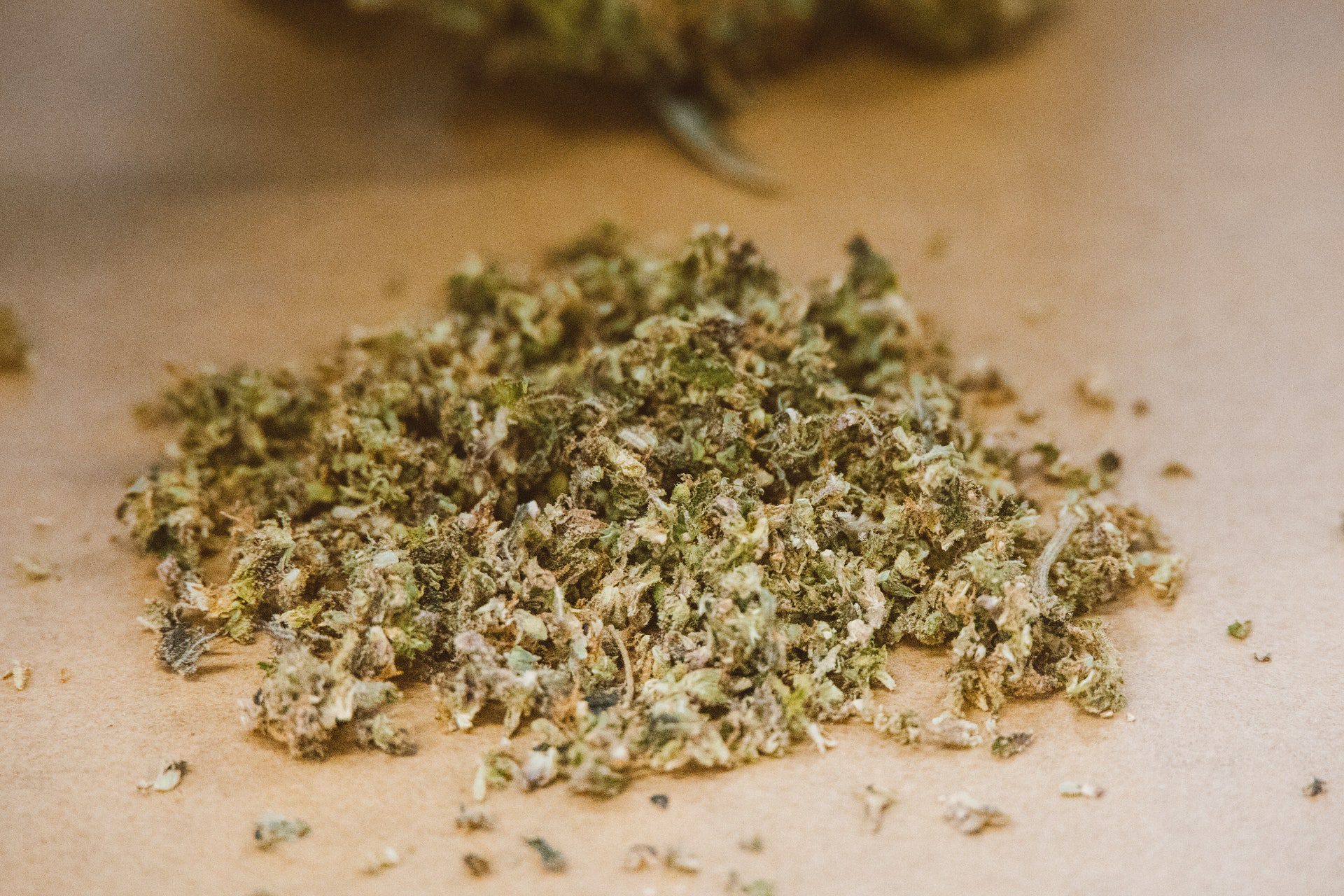
The third layer is chemistry. Hemp flowers produce cannabinoids in trichome glands, small protrusions on the surface of the flower. Trichomes contain resin rich in CBD, CBG, terpenes, and flavonoids. The more trichomes, the "stronger" and more aromatic the dry product. Hence, good dry products look as if they are covered with silvery frost.
The fourth layer is the process. From raw flower to packaged flower, the path goes through cultivation, harvesting, drying, curing, trimming, and packaging. Each stage affects the final quality. Therefore, flower priced at 150 PLN for 5 g and flower priced at 30 PLN for 5 g are completely different products, even if the same percentage of CBD is listed on the label.
How does Cannabis sativa L. differ from marijuana?
Botanically, all cultivated hemp today belongs to the species Cannabis sativa L. The old division into Sativa and Indica referred more to the growth habit and geographical origin than to formal taxonomy. In market practice, "sativa" strains have a taller stem and a longer flowering cycle, while "indica" strains are stockier and flower faster.
The key difference lies in cannabinoid content. Fiber hemp is selected for low THC and high CBD or high fiber content. Drug hemp has been selected for decades for high THC and psychoactive characteristics. The same plant, two breeding directions, two completely different end products.
The chemical composition of CBD herb
Typical CBD flower contains: 5-20% CBD, 0.1-0.3% THC, 0.1-2% CBG, trace amounts of CBC and CBN, 1-3% terpenes, flavonoids, chlorophyll, fatty acids. Together they create a phytochemical matrix that provides the entourage effect, described by Russo and Mechoulam in 2011 (PMC, British Journal of Pharmacology, 2011).
Importantly, in freshly harvested flowers, cannabinoids mainly occur in their acidic form. CBD is then CBDA, and THC is THCA. Both forms are non-psychoactive. Only decarboxylation, or heating at 105-110°C, converts the acids into active forms of CBD and THC. Vaporization automatically decarboxylates the flower during use.
CBD flower is dried inflorescences of Cannabis sativa L. with CBD content of 5-20%, THC below 0.3%, and a full profile of terpenes and flavonoids. The phytochemical matrix supports the entourage effect, which enhances the action of individual cannabinoids (Cannabis and Cannabinoid Research, 2021).
How is CBD flower produced? From cultivation to packaging
The production of CBD flower is a five-stage process: cultivation, harvesting, drying for 7-14 days, curing for 2-4 weeks, trimming, and packaging. Each stage affects the aroma, cannabinoid content, and product durability. Good plantations in Europe with controlled indoor cultivation achieve 10-15% CBD in mature flowers of Cannabis sativa L. (Frontiers in Plant Science, 2020).
The first stage, cultivation, lasts 12-18 weeks. Plants grow from seeds or clones of CBD-dominant strains. In indoor cultivation, the grower controls temperature (21-26°C), humidity (40-60% RH), light (18/6 in the vegetative phase, 12/12 in the flowering phase), and soil or hydroponic nutrient composition. Outdoor relies on the natural cycle of sunlight and seasonal weather.
The second stage, harvesting, is the moment of peak trichome maturity. The grower observes trichomes under a 30x magnifying glass or USB microscope. When most trichome heads change color from clear to milky (some turn amber), it is time to cut. Harvesting too early means lower CBD content. Harvesting too late leads to cannabinoid degradation into CBN.
The third stage, drying, lasts 7-14 days under controlled conditions (18-21°C, 50-60% RH, dark, light air flow). Inflorescences are hung upside down or spread out on nets. Drying too quickly gives a harsh, hay-grassy aroma. Drying too slowly promotes mold. Properly dried flowers have a brittle central stem and flexible outer flowers.
What is curing and why does it take 2-4 weeks?
Curing is a controlled fermentation process conducted in glass jars for 2-4 weeks. In a jar sealed at 55-62% relative humidity, the plant's enzymes break down chlorophyll, degrade residual simple sugars, and refine the terpene profile. Without curing, the flower smells like "grass". After curing, it gains a full, fruity-herbal bouquet.
Professional curing uses Boveda packs or Integra packs, which maintain stable humidity. The jar is opened once a day for the first 7 days (called burping) to release accumulated carbon dioxide and exchange air. After 14 days, burping every 3-4 days is sufficient. After 4 weeks, the flower is ready for packaging and sale.
Trimming and packaging
Trimming is the process of cutting the leaves that shield the flower cluster. Producers use "wet trimming" (immediately after harvest) or "dry trimming" (after drying). Both methods have their supporters. Wet trimming results in more aesthetically pleasing, cleaner flowers. Dry trimming better preserves trichomes, but the process is labor-intensive.
Packaging is done in glass jars, aluminum cans with internal coating, or light- and oxygen-resistant foil. Good packages have a humidity-regulating sachet of 58-62% RH, curing date, and batch code. Transparent packaging shortens shelf life because UV light degrades cannabinoids and terpenes.
Bucha data Q1 2026: In our CBD dry product category, about 68% of customers choose products after a 3-week curing, and 22% after a 4-week curing. Only 10% prefer freshly dried products without full curing, usually due to lower prices. This is a clear signal that the Polish consumer has matured and understands the difference in aroma between "young" and refined dry products.
How is CBD flower structured from a chemical perspective?
CBD flower contains over 400 different chemical compounds, of which 113 are cannabinoids, about 200 are terpenes, and 20-30 are flavonoids (PMC, Frontiers in Pharmacology, 2020). The main cannabinoid is cannabidiol (CBD), alongside CBG, CBC, and CBN in trace amounts. Terpenes are responsible for aroma, and flavonoids provide antioxidant action.
Cannabinoids and their acidic precursors constitute 10-25% of the dry weight of the flower. Volatile terpenes make up 1-3% of the mass, but their role is disproportionately important. Terpenes modulate the action of cannabinoids and create the entourage effect. Flavonoids (quercetin, apigenin, canaflavins specific to hemp) constitute less than 1%, but add antioxidant synergy.
Interestingly, the flower also contains chlorophyll (green pigment), omega-3 and omega-6 fatty acids, plant sterols, waxes, lignins, and minimal amounts of alkaloids. This complexity means that full-spectrum and broad-spectrum extracts act differently than CBD isolates. The difference is not magical, but biochemical.
Cannabinoid Profile
CBD (cannabidiol) is the main cannabinoid in the flower. It has anti-inflammatory, anxiolytic, and neuroprotective effects by modulating the 5-HT1A, TRPV1 receptors and inhibiting the FAAH enzyme. In fresh flower, it appears as CBDA, cannabidiolic acid, which becomes CBD after decarboxylation. The WHO has assessed CBD as a well-tolerated substance at doses up to 1500 mg per day (WHO, 2018).
CBG (cannabigerol) is the "mother of cannabinoids". In a mature flower, it typically occurs in amounts of 0.1-1%, and in CBG-dominant strains (Santhica) even 5-15%. THC in legal dry products is a maximum of 0.3%, which is not enough to induce psychoactivity. CBN is formed from the oxidation of THC and dominates in older, longer-stored dry products.
Terpene profile
The most important terpenes in CBD flower are: myrcene (earthy-fruity aroma, sedative effect), limonene (citrusy, mood enhancer), beta-caryophyllene (spicy, activates CB2), linalool (floral-lavender, calming), pinene (pine, improves concentration), humulene (hoppy). The terpene profile determines the aroma and subjective sensations.
Typical outdoor dry products from the Mediterranean region have a dominance of myrcene and limonene. Indoor dry products from controlled European cultivation often have enriched beta-caryophyllene. "Sativa-dominant" strains are richer in limonene and pinene. "Indica-dominant" strains dominate in myrcene and linalool. Hence, different strains provide different sensations despite similar CBD content.
Cannabis-specific flavonoids
Hemp produces a group of unique flavonoids called canaflavins (canafavins A, B, C). Canafavins A have shown in vitro anti-inflammatory effects 30 times stronger than aspirin (PubMed, 2019). Canafavins are only present in full-spectrum flower, not in CBD isolates. This is one of the arguments for choosing flower over pure CBD.
CBD flower contains about 113 cannabinoids, 200 terpenes, and 20-30 flavonoids, including cannabis-specific canaflavins (PMC, Frontiers in Pharmacology, 2020). Together they create a phytochemical matrix that provides a stronger entourage effect than individual cannabinoids.
CBD dry product vs. marijuana – the key difference
CBD flower and marijuana are two different things, although visually the flowers are almost identical. CBD flower contains up to 0.3% THC and comes from industrial hemp legal in the EU. Marijuana contains 5-30% THC and is a controlled substance in Poland, except for medical treatment by prescription (Dz.U. 2005 nr 179 poz. 1485).
At the genetic level, the difference is decades of selective breeding. Industrial hemp has been selected for low THC (legally up to 0.3%) and high fiber or CBD content. Drug hemp has been bred for generations for maximum THC. The same starting plant, two completely different products after 200 years of crossing.
At the experiential level, the difference is also clear. Vaporizing CBD dry product provides a feeling of physical relaxation, reduced tension, without altering perception. Marijuana with 20% THC induces euphoria, changes in time perception, and heightened emotions. CBD dry product does not "get you high", does not alter consciousness, and does not impair driving in a psychoactive sense.
Risk of drug test
Legal flower with THC below 0.3% can still yield a positive result in a drug test. Tests detect THC metabolites in urine, saliva, or blood, without differentiating between THC from industrial hemp and drug hemp. Regularly vaporizing 1-2 g of flower daily for a week can raise THC metabolite levels above the detection threshold (PMC, 2020).
For professional drivers, athletes, and those subjected to workplace testing, we recommend CBD isolate instead of flower. Isolate is pure CBD without trace THC. Alternatives are broad-spectrum products excluding THC. If tests are significant, always read the label and certificate of analysis (COA) before purchasing.
Legal status in Poland in 2026
CBD flower from industrial hemp Cannabis sativa L. is legal in Poland if the THC content does not exceed 0.3%. The legal framework is defined by the 2005 Act on Counteracting Drug Addiction with later amendments. The limit was raised from 0.2% to 0.3% in 2021, aligning Polish law with the standard of most EU countries.
Sales occur as a collectible product, cosmetic, or raw material. CBD flower is not registered as a dietary supplement or medicine, as the Novel Food procedure in EFSA has been ongoing since 2019. Producers can declare composition, origin, and terpene profile, but cannot assign specific medical indications to the flower.
What strains of CBD flower are available in Poland?
The Polish market offers several main strains of CBD flower, including European certified fiber strains (Finola, Futura 75, Santhica 27/70, Tygra, Białobrzeskie) and commercial hybrids like Northwest, Pineapple Express, White Widow CBD, and Amnesia CBD. The CBD content usually ranges from 3-15%, and the curing process is determined by the producer.
Fiber strains come from the EU register and are allowed for cultivation in Poland. Finola is a Finnish strain with 3-5% CBD and a short growth cycle, popular in outdoor cultivation. Futura 75 is a French strain with 4-7% CBD. Santhica 27 and 70 are strains dominant in CBG (up to 5%), with very low THC. Tygra and Białobrzeskie are Polish fiber lines.
Commercial CBD-dominant hybrids are crosses of European fiber strains with drug lines, selected for high CBD and low THC. Pineapple Express CBD, White Widow CBD, Amnesia CBD have CBD content of 8-15%. These lines require cultivation in regulated conditions, as the risk of exceeding the THC limit is greater than in typical fiber strains.
Santhica 27 and 70: CBG-dominant strains
Santhica 27 and Santhica 70 are French fiber strains selected for high CBG content, not CBD. CBG content reaches 3-5%, while CBD remains low (1-2%). THC in certified seeds is below 0.1%. Flowers from Santhica have a specific, herbal-musky aroma and are valued by those seeking a CBG profile.
On the Polish market, Santhica flowers are rarer than classic CBD strains but available in specialized hemp shops. They are mainly used in a mix formula (Santhica + CBD-dominant strain) for a complementary effect. The price is usually 10-20% higher than the CBD equivalent due to specialized selection.
Finola and Futura 75: classic CBD strains
Finola was developed in Finland in the 1990s as a fiber strain with a shortened growing period. CBD 3-5%, THC below 0.2%, cycle 3-4 months. It performs well in Polish climatic conditions and is the basis for many commercial cultivations in Poland. The aroma is mild, herbal-citrusy.
Futura 75 comes from France. CBD 4-7%, THC below 0.2%, cycle 4-5 months. It has more developed inflorescences than Finola, a taller stem, and a richer terpene profile. It is used for both fiber production and CBD flower. Flower from Futura usually has a more intense aroma and higher CBD content than Finola.
Commercial lines: Northwest, Pineapple Express, White Widow CBD
These strains are crosses of European fiber hemp with American or Dutch genetics selected for high CBD. Northwest has 6-9% CBD, earthy-pine aroma with coffee notes. Pineapple Express CBD provides 8-12% CBD, tropical-fruity aroma with a dominance of limonene. White Widow CBD has 10-15% CBD, classic aroma, earthy-musty.
The "Babci Marysi" line includes commercial strains Midwest, Northwest, Pineapple Express, and others, available in packages of 3-5 g. It is a popular brand in Poland, known for consistent quality and stable terpene profiles. The price is usually 15-20 PLN per gram, placing them in the mid-market segment.
How to use CBD flower? Methods and temperatures
The most common method of using CBD flower is vaporization at 160-200°C, which provides a bioavailability of 30-40% and preserves the full terpene profile (PMC, Frontiers in Pharmacology, 2020). Alternatives include tea infusions with added fat, homemade oil extracts, infused butters, and baked goods after prior decarboxylation.
It is crucial to understand that flower in its raw form does not contain active CBD, only the acid CBDA. Activation (decarboxylation) occurs under the influence of heat. Vaporization, smoking, and cooking at high temperatures automatically decarboxylate. For infusions or homemade extracts, it is advisable to decarboxylate the flower beforehand in the oven.
Dosing starts with small portions. A typical vaporization session is 0.1-0.3 g of flower with 5-10% CBD, which provides 5-30 mg of CBD. This range covers the needs of most beginner and moderate users. The effect is felt after 5-15 minutes and lasts 2-3 hours. It is not advisable to exceed 1 g per day without a clear need.
Vaporization – the gold standard
A vaporizer is a device that heats the flower to a temperature of 160-210°C without combustion. Vapor rich in cannabinoids and terpenes is produced, without smoke and tar compounds from pyrolysis. Inhaled bioavailability reaches 30-40%, and the effect appears in 5-15 minutes. This is the healthiest and most effective method of using CBD flower.
Optimal temperatures vary depending on the purpose. 160-170°C releases only the lightest terpenes (aroma dominates). 180-190°C provides a balanced mix of terpenes and cannabinoids. 200-210°C maximizes the release of CBD and CBG, but volatile terpenes degrade. Many vaporizers offer temperature profiles, meaning gradual heating during the session.
A flower vaporizer costs from 150 PLN (basic convection models) to 1500 PLN (flagship models like Mighty+, Volcano, Arizer, Dynavap). Investing in equipment pays off within a few months, as the bioavailability of vaporization is 4-6 times higher than smoking. Less flower, same effect.
Infusions from CBD flower
A tea infusion from CBD flower requires the addition of fat, as cannabinoids are lipophilic and poorly soluble in water. Basic recipe: 0.5 g of decarboxylated flower poured with 250 ml of hot water with a teaspoon of coconut oil or plant milk. Steep for 10-15 minutes under cover.
Oral bioavailability of flower in an infusion is low, 6-10%, and the effect appears in 30-90 minutes. The advantage is the absence of inhalation, gentleness on the lungs, and the possibility of drinking before sleep. The downside is slower action and higher dosing costs (more flower is needed for the same effect). For those avoiding vaporization, an infusion is a reasonable alternative.
Homemade extracts, oils, and butters
You can prepare homemade hemp oil from CBD flower. Basic method: 10 g of decarboxylated flower poured with 250 ml of coconut oil or olive oil. Cook in a water bath at 70-80°C for 2-4 hours. Strain through cheesecloth. The finished oil contains about 80% cannabinoids from the raw material. Store in a glass jar in the refrigerator.
Cannabutter is used in baking. 20 g of decarboxylated flower plus 250 g of butter cooked at 70-80°C for 2-3 hours. Homemade gummies can be made from this butter by adding gelatin and flavors. Be cautious with dosing: when preparing your own products, it's easy to make a mistake, and the effect appears with a delay of 60-120 minutes.
From the Bucha editorial office: Over the last 24 months, we have observed a growing share of infusions among customers aged 50+. Older individuals often do not want to vaporize, and infusions provide them with an acceptable form of using dry product. At the same time, we notice that convection vaporizers priced at 300-500 PLN are increasingly sold as a "health investment", rather than a toy for enthusiasts.
CBD dry product vs. CBD oil – which form is better?
CBD flower and CBD oil are two different matrices with different advantages. Flower provides inhaled effects in 5-15 minutes with a bioavailability of 30-40% and a full terpene profile. Oil acts sublingually in 15-45 minutes with a bioavailability of 13-19% and precise dosing with drops (PMC, Frontiers in Pharmacology, 2020).
The choice depends on the goal. If you need quick relief from tension (stress before a presentation, difficulty falling asleep), CBD flower in a vaporizer will work faster. For daily supplementation with precise dosing of milligrams of CBD, oil will be more practical. In our store, about 54% of customers choose oils, 38% flowers, and 8% other forms.
The price per milligram of cannabinoid also plays a role. A 9% dry product for 59 PLN / 5 g provides about 450 mg of CBD for 59 PLN, which is 0.13 PLN per mg. A 10% oil for 99 PLN / 10 ml provides 1000 mg of CBD for 99 PLN, which is 0.10 PLN per mg. The dry product is only slightly more expensive, but requires a vaporizer (one-time cost of 150-500 PLN). Oil is "plug and play" without additional equipment.
Who should choose flower, and who should choose oil?
CBD flower is chosen by: vaporization enthusiasts, those who value a full terpene profile, users seeking quick effects, customers not subjected to drug tests, fans of ceremonial cannabis use (infusions, baked goods). Inhaled bioavailability and the entourage effect are the greatest advantages of flower.
CBD oil is chosen by: those who value precise dosing, beginners without a vaporizer, professional drivers (isolates without THC), seniors preferring oral forms, and individuals with lung issues. Dosing with drops provides repeatability that flower does not offer. For many customers, oil is a daily solution, while flower is an occasional product.
Can both forms be combined?
Yes, and this is a common practice. Advanced users use oil for daily base supplementation (20-40 mg CBD) and dry product as a "fast-acting supplement" during moments of increased tension. Both products provide the same cannabinoid, and combining them does not cause antagonism. However, one must be careful with the total dose to avoid exceeding the optimal "zone".
How to choose good CBD flower? Quality criteria
Good CBD flower meets five criteria: a current certificate of analysis (COA) from an independent laboratory, humidity of 55-62% RH, freshness below 12 months from harvest, documented cultivation method, and terpene profile declared on the label. According to a Project CBD survey from 2023, only about 40% of CBD products on the European market have full COA publicly available (Project CBD, 2023).
The certificate of analysis (COA) is fundamental. The document from the laboratory should include: cannabinoid profile (CBD, THC, CBG, CBC, CBN in percentages), terpene profile (top 5-10 terpenes), tests for pesticides, heavy metals (lead, cadmium, arsenic, mercury), mycotoxins, bacteria (E. coli, Salmonella), and the date of analysis. Lack of COA is a red flag.
The cultivation method (indoor, outdoor, greenhouse, organic) affects quality. Indoor provides the greatest control over conditions and often the densest flowers, but at higher costs. Organic outdoor is cheaper and more environmentally sustainable, but dependent on weather. Greenhouse is a compromise. Conscious shops provide the method on the label.
How to read a certificate of analysis (COA)?
The first section of the COA is the cannabinoid profile in percentages of dry weight. Look for CBD (main compound), THC (must be below 0.3%), CBG, CBC, CBN. The second section is terpenes, often expressed in mg/g or percentages. A terpene profile above 2% indicates well-cured flower with full aroma.
The third section is tests for contaminants. Pesticides, heavy metals, mycotoxins (aflatoxins B1, B2, G1, G2), and microbiology should be "not detected" or below EU thresholds. The fourth section contains laboratory data (name, ISO 17025 accreditation, date, signature). A COA without these elements is unreliable.
Freshness and humidity
The optimal humidity of flower is 55-62% RH (relative humidity inside the package). Below 55%, flowers become dry and brittle, terpenes evaporate, and aroma weakens. Above 65%, the risk of mold increases. Good packages have a humidor sachet (Boveda, Integra) that maintains stable humidity.
Freshness is measured in months from the date of harvest or curing. Ideally 2-12 months. After 12 months, terpenes degrade (loss of 20-40%), while CBD remains stable for 2 years under good conditions. After 2 years, CBD gradually converts to CBN, changing the action profile (more sedative).
Indoor, outdoor, organic
Indoor: CBD 10-15%, dense flowers, rich terpene profile, high price (80-150 PLN for 5 g). Controlled conditions, the cleanest product. Outdoor: CBD 5-10%, looser flowers, lower price (40-80 PLN for 5 g). Aroma depends on the season and cultivation area. Organic: additional certifications (EU Organic, USDA Organic), no synthetic pesticides, often 20-30% more expensive.
Greenhouse is the "golden mean". Flower clusters benefit from natural light but are protected from variable weather. CBD 7-12%, moderate price (50-100 PLN for 5 g), good terpene profile. Many European farms are transitioning to greenhouse as the optimal method.
Unique observation: Based on our data from Q1 2026, the highest customer satisfaction comes from greenhouse dry products with a full COA, 3-4 weeks of curing, and CBD content of 8-12%. Fewer people buy indoor dry products with 15% CBD because the price is off-putting, and the difference in sensation compared to greenhouse 12% is subtle. For most customers, the "optimum" is greenhouse 9-12%, not flagship indoor 15%+.
How to store CBD flower so it doesn't lose its properties?
Properly stored CBD flower retains potency and aroma for 12-24 months. The three main enemies are: light (UV degrades cannabinoids and terpenes), temperature above 25°C (accelerates degradation), and oxygen (oxidizes THC into CBN). Storing in a glass jar with a 62% humidor sachet in a cool, dark place is the industry standard.
A glass jar with a tight lid (screw or snap-on) is the best long-term packaging. Glass is chemically neutral, does not absorb odors, and is easy to clean. Avoid plastic bags. Plastic can react with terpenes and release microplastics into the flower. Metal cans are acceptable if they have an internal coating to prevent corrosion.
The optimal temperature is 15-20°C. The refrigerator (4-8°C) is not ideal, as the temperature difference with each opening leads to condensation and mold risk. The freezer (-18°C) is acceptable for very long storage (6+ months), but trichomes become brittle and may fall off the flower.
Humidor sachets and humidity control
Boveda or Integra packets maintain stable humidity in both directions. If the jar is too dry, the packet releases moisture. If it’s too humid, it absorbs moisture. The optimal values for the herb are 58-62% RH. Too low humidity (below 55%) causes the herb to crumble and lose terpenes. Too high humidity (above 65%) promotes mold.
A packet costs 3-10 PLN and lasts for 3-6 months. It is the cheapest investment in preserving the quality of the herb. Without a packet, the herb quickly dries out in typical home conditions (winter air humidity 20-30% RH). After drying, revival is possible (add an orange peel for 24 hours), but the terpenes will not return.
Common storage mistakes
Mistake 1: plastic zip bag. Plastic statically attracts trichomes, reacts with terpenes, and does not block light. Mistake 2: transparent jar on the windowsill. Sunlight through the window degrades CBD and terpenes within weeks. Mistake 3: grinding the entire package at once. Ground flower loses terpenes 3-5 times faster than whole inflorescences.
Mistake 4: frequently opening the jar. Each opening exchanges air and accelerates oxidation. Mistake 5: keeping flower next to coffee or spices. Aromas permeate the flower. A tight jar in a cupboard is the minimum, while a special container in a dark place is the optimum.
Potential benefits and risks of CBD flower
CBD exhibits anxiolytic, anti-inflammatory, and anticonvulsant properties at clinically confirmed levels (PMC, Frontiers in Pharmacology, 2020). In a 2023 study of 67 patients with anxiety, 52% of participants experienced significant improvement after 8 weeks of CBD supplementation at 25-50 mg daily (Medical Cannabis and Cannabinoids, 2023).
Important disclaimer: CBD flower is not registered as a medicine in Poland. Potential benefits described in the scientific literature pertain to cannabidiol as a molecule, usually in the form of isolate or standardized extract. Flower contains CBD, but also other cannabinoids, terpenes, and flavonoids that may modify the effect.
Risks are well documented. The most common side effects of CBD are dry mouth, drowsiness, changes in appetite, diarrhea (each below 15% of users). Interactions with drugs metabolized by cytochrome P450 (warfarin, statins, anticonvulsants, some antidepressants) require consultation with a doctor before starting supplementation (PMC, 2019).
Areas of clinical research
Generalized and social anxiety: a 2019 study showed that a dose of 300 mg of CBD daily reduces anxiety before public speaking. Insomnia: a 2023 survey of 103 patients indicated improved sleep in 66% after a month of supplementation (
Chronic pain: a 2020 review indicates CBD's action on TRPV1 and 5-HT1A receptors, but there is a lack of large RCTs confirming efficacy in chronic pain. Skin inflammatory conditions: topical CBD in acne and atopic dermatitis shows promising results in sebocyte studies. Neurodegeneration: studies on Parkinson's, multiple sclerosis, and Alzheimer's are preliminary.
When NOT to use CBD flower
Pregnant and breastfeeding women: insufficient safety data, it is recommended to avoid (WHO, 2018). Children: CBD supplementation in children only under medical supervision, usually in pharmaceutical forms (Epidiolex) in refractory epilepsy. Individuals with liver diseases: CBD inhibits CYP450 enzymes and may further burden the liver.
Individuals subjected to drug tests: trace THC in flower may accumulate and yield a positive result. Patients taking anticoagulants (warfarin): CBD may enhance the effect of warfarin. Individuals with cannabis allergies (rare): possible skin and respiratory reactions. In case of doubt, consultation with a doctor is mandatory.
The most common myths about CBD flower
Many misunderstandings have arisen around CBD flower. According to a Project CBD survey from 2023, about 41% of consumers have incorrect beliefs about the effects of CBD, and with flower, the share of myths is even higher due to the visual similarity to marijuana (Project CBD, 2023). It's time to clarify the most common misconceptions.
Myth 1: "CBD dry product gets you high like marijuana"
False. Legal CBD dry product contains less than 0.3% THC, which is not enough to induce psychoactivity. Even smoking an entire 5 g pack of 9% CBD dry product will not produce a "high", as the THC content is too low. The effect of CBD is a gentle relaxation and reduction of tension, without altering perception or inducing euphoria.
Myth 2: "The more CBD in dry product, the better"
False. The dose-effect curve for CBD has an inverted U shape. In a 2019 study on anxiety, the best effect was achieved at a dose of 300 mg, while higher doses (600, 900 mg) produced weaker effects. In practice, 9% CBD flower provides most users with what they need. Flowers with 15%+ are more expensive but not proportionately more effective.
Myth 3: "Smoking dry product is as effective as vaporization"
False. Smoking destroys some cannabinoids during combustion (pyrolysis) and produces smoke with tar compounds. The bioavailability of smoking is 15-25%, while vaporization is 30-40%. Additionally, vaporization does not release carcinogenic substances from pyrolysis. If you use flower regularly, a vaporizer is a health investment.
Myth 4: "CBD dry product is illegal in Poland"
False. CBD flower from industrial hemp Cannabis sativa L. with THC content below 0.3% is legal in Poland. It is sold as a collectible product, cosmetic, or raw material, as the Novel Food procedure for CBD in EFSA is still ongoing. The limit of 0.3% was raised from 0.2% in 2021, in line with most EU countries.
Myth 5: "CBD dry product cures everything"
False and potentially dangerous. CBD has promising potential in anxiety, insomnia, certain epilepsies, and inflammatory conditions, but it is not a panacea. It does not replace medications for depression, diabetes, hypertension, or cancer. Treat CBD flower as a lifestyle support, not a first-line medicine.
Myth 6: "CBD dry product is addictive"
False. The WHO in a 2018 review stated that CBD does not exhibit addictive potential (WHO, 2018). Unlike THC, which acts on CB1 in the reward system, CBD does not directly activate this receptor. One can stop using it without withdrawal symptoms.
The future of CBD flower in Poland
The Polish CBD market worth 130 million euros in 2024 is expected to grow to 200 million euros by 2028, with a CAGR of about 11% (Hemp Facts, 2024). Flower as a segment will grow slower than oils, as it requires additional equipment (vaporizer) and a more advanced user. But it is a segment with the highest unit margin and a strong base of returning customers.
Three trends will dominate. First, Novel Food status in EFSA. If CBD receives authorization as a new food, flower can be sold as a dietary supplement, not a collectible product. This will open distribution in pharmacies and health food stores. Second, the THC limit expansion to 0.3% will favor strain diversity.
Thirdly, consumer education. By 2026, the typical customer knows the difference between isolate and full spectrum, is aware of curing, and can read COA. Once they bought "dry product" without questions, now they compare terpene profiles and curing dates. This trend will continue to grow, and sellers without transparency will fall behind.
Expect also the emergence of new genetic lines. CBG-dominant, CBN-dominant, and highly aromatic hybrids will increase the diversity of the offer. Packaging in glass jars with automatic humidity control will become standard. Prices in the premium segment will remain in the range of 15-30 PLN per gram.
Summary: what is CBD flower and how to use it consciously?
CBD flower is dried female inflorescences of industrial hemp Cannabis sativa L. with CBD content of 5-20% and THC below 0.3%. The production process includes cultivation (12-18 weeks), harvesting at the moment of trichome maturity, drying for 7-14 days, curing for 2-4 weeks, and trimming. Each stage affects aroma, potency, and durability. A good package has a COA, freshness below 12 months, and humidity of 58-62% RH.
The most popular strains in Poland are Santhica 27/70 (CBG), Finola and Futura 75 (classic CBD fiber) and commercial lines like Northwest, Pineapple Express, White Widow CBD (CBD 8-15%). Prices range from 40 PLN for 5 g (outdoor) to 150 PLN for 5 g (premium indoor). The best method of use is vaporization at 160-200°C, with a bioavailability of 30-40% and preserved terpene profile.
CBD flower is not a medicine, but a lifestyle support. It may help with tension, sleep issues, and recovery, but does not replace medical therapy. Use responsibly, start with small doses, consult with a doctor when combining with other medications. Choose products with COA from trusted producers. Be aware of drug tests if you work in a profession subject to controls.
The market is growing, consumer education is increasing, and the offer is becoming more diverse. By 2026, Polish customers will have access to CBD flower comparable in quality to Western European products. The key to satisfaction is understanding the basics, reading labels, and consciously experimenting with strains. Flower is a piece of the cannabis puzzle worth getting to know from the inside.
Choosing equipment for flower
Frequently Asked Questions
What exactly is CBD flower and what is it made from?
CBD flower is dried female inflorescences of industrial hemp Cannabis sativa L. derived from fiber strains, in which THC content does not exceed 0.3%. It usually contains 5-20% cannabidiol (CBD) and trace amounts of CBG, CBC, and CBN, terpenes, and flavonoids (Cannabis and Cannabinoid Research, 2021).
Is CBD flower legal in Poland in 2026?
Yes. CBD flower from industrial hemp Cannabis sativa L. is legal in Poland if the THC content does not exceed 0.3% (Dz.U. 2005 Nr 179 poz. 1485 with later amendments.). The Polish CBD market reached 130 million euros in 2024 with a forecast of 200 million euros by 2028 (Fakty Konopne, 2024).
How does CBD flower differ from marijuana?
CBD flower contains a maximum of 0.3% THC and comes from industrial hemp. Marijuana consists of inflorescences of cannabis strains with THC content from 5% to over 30% and psychoactive effects (WHO, 2018). The legal and chemical difference is clear, despite the visual similarity of the flowers.
What strains of CBD flower are available in Poland?
The most popular strains are Santhica 27 and 70 (dominance of CBG), Finola (CBD 3-5%), Futura 75 (CBD 4-7%) and commercial lines like Northwest, Midwest, Pineapple Express, or White Widow CBD (5-10% CBD). In Poland, flowers with CBD content ranging from 3-15% are available (Cannabis and Cannabinoid Research, 2021).
How to best use CBD flower?
Vaporization at 160-200°C provides the highest bioavailability (about 30-40%) and preserves the terpene profile (PMC, Frontiers in Pharmacology, 2020). Alternatives include infusions with added fat, homemade extracts in oil or butter, and baked goods after decarboxylation at 105-110°C for 30-40 minutes.
How does CBD flower differ from CBD oil?
CBD flower acts inhaled in 5-15 minutes and retains a full spectrum of terpenes, but requires a vaporizer. CBD oil provides precise sublingual dosing with a bioavailability of 13-19% and effects in 15-45 minutes (PMC, Frontiers in Pharmacology, 2020). Flower can also be cheaper when calculated per milligram of cannabinoid.
What to pay attention to when choosing CBD flower?
Choose flowers with a certificate of analysis (COA) from an independent laboratory, confirmed cannabinoid and terpene profiles, humidity of 55-62% RH, and freshness below 12 months from harvest. Certificates should include tests for pesticides, heavy metals, and mycotoxins (Project CBD, 2023).
Can CBD flower yield a positive drug test result?
The risk exists, as tests detect THC and its metabolites. Flower with a legal limit of 0.3% THC regularly smoked or vaporized may accumulate in fatty tissue. Individuals subjected to controls (professional drivers, athletes) should consider isolates or broad-spectrum products (WHO, 2018).
This article is for informational and educational purposes and does not constitute medical advice. Before starting to use cannabis or CBD for therapeutic purposes, consult a doctor, especially if you are taking other medications, are pregnant, or breastfeeding.
Author: Michał Waluk, Editor of the Bucha blog
Publication date: April 23, 2026
Last update: April 23, 2026