
CBG, What Is This Cannabinoid? The Mother of All Cannabinoids in 2026
CBG, what kind of cannabinoid is it? Precursor to CBD and THC, below 1% content in the plant. The CBG market is growing at a CAGR of 16.2% (Fortune Business Insights, 2024).
CBG is one of the rarest and most intriguing compounds in cannabis. In a typical mature plant, it constitutes less than 1% of the flower mass, yet it is the precursor to the entire biochemical "family" of cannabinoids, including CBD and THC (Nature, 2021). The paradox of its rare presence and fundamental role has earned it the nickname "mother of cannabinoids."
The question "CBG, what kind of cannabinoid is it" is being asked by more and more people reaching for non-psychoactive products in 2026. Unlike THC, CBG does not produce a "high" effect. It is also not as recognized as CBD, although its pharmacological profile has been gaining real traction in the scientific literature for several years. In this guide, we explain what cannabigerol is, where it comes from, why it is rare, and what current research from 2023-2026 shows.
Along the way, we break down cannabinoid biosynthesis, discuss CBG-dominant strains like Santhica and White CBG, and look at the most interesting research results on MRSA, inflammatory bowel diseases, and glaucoma. All with inline links to PubMed, Nature, Frontiers, and ACS Infectious Diseases.
KEY INFORMATION
– CBG is a biosynthetic precursor of CBD, THC, and CBC. In a mature plant, it usually constitutes less than 1% of the mass (Nature, 2021).
– The CBG market is growing at a CAGR of 16.2% by 2030, faster than the main CBD category (Fortune Business Insights, 2024).
– CBG in a 2020 study outperformed MRSA strains better than vancomycin, marking a potential turning point in antibiotic therapy (ACS Infectious Diseases, 2020).
– CBG-dominant strains (Santhica 27, White CBG) contain 12-20% CBG and allow for the economical production of pure oils.
– A typical starting dose is 10-20 mg of CBG sublingually, most often in the morning due to its "focusing" profile without causing drowsiness.
What is CBG and how does it differ from other cannabinoids?
CBG, or cannabigerol, is a non-psychoactive cannabinoid found in Cannabis sativa L. In a mature flower, it usually constitutes less than 1% of the total cannabinoid mass, while CBD reaches 10-20% (Nature, 2021). Despite its low content, it plays a key role in the plant's biochemistry.
It was first isolated in 1964 in Israel. The team of Raphael Mechoulam, who also described THC and anandamide, demonstrated that CBG has its unique chemical structure. However, it was not until the 1970s that it was discovered to be a synthetic precursor to other cannabinoids, opening up a whole new field of research.
CBG has a molecular formula of C21H32O2. It is a linear molecule, unlike CBD and THC, which are closed-ring structures. This geometric difference translates into different affinities for endocannabinoid receptors. CBG activates both CB1 and CB2, and additionally binds to the alpha-2 adrenergic receptor and 5-HT1A, which is serotonin-related (PMC, Frontiers in Pharmacology, 2020).
Why doesn’t CBG cause a "high"? Its affinity for CB1 is several orders of magnitude weaker than that of THC. In some models, CBG even acts as an antagonist to CB1, suppressing psychoactive effects. In practice, this means that after taking CBG oil, you won’t feel intoxicated, even at high doses.
Structural differences between CBG, CBD, and THC
CBD and THC are formed from CBGA (CBG acid) through the cyclization of the chain. CBG remains in an open form. CBD has a phenolic ring with a hydroxyl group, while THC has a pyridine ring with an ether group. CBG? Just an isoprenoid chain with olivetolic acid.
This is not an academic issue. The structural difference determines how the molecule interacts with receptors. THC fits into CB1 like a key in a lock. CBD does this indirectly by modulating the receptor allosterically. CBG activates both channels directly, although with less strength than THC. Hence, its pharmacological profile is unique.
Mechanism of action on the endocannabinoid system
The endocannabinoid system (ECS) is a network of receptors, enzymes, and endogenous ligands that regulates mood, appetite, pain, sleep, and inflammatory response. CBG affects the ECS in multiple ways. It activates cannabinoid receptors, inhibits the reuptake of anandamide, and modulates the FAAH enzyme, which breaks down endogenous cannabinoids.
The effect? Prolonged action of the body's "internal cannabinoids." This explains why users report a subtle mood change without psychoactive effects. CBG helps maintain ECS balance without replacing its action.
CBG activates CB1 and CB2 receptors directly, but with a strength several times lower than THC, which excludes psychoactive effects while maintaining a modulatory influence on mood and pain (PMC, Frontiers in Pharmacology, 2020). Additionally, it binds to alpha-2 adrenergic receptors, which explains the reported effects on muscle tension and concentration.
Why do we call CBG the "mother of cannabinoids"?
The term "mother of cannabinoids" refers to the biosynthetic role of CBGA (CBG acid) as the precursor to all other cannabinoids in the plant. In a mature flower, it usually remains below 1% CBG, as synthase enzymes quickly convert CBGA into CBDA, THCA, and CBCA (Nature, 2021). This is a classic case of a biochemical "bottleneck."
Imagine a river branching into three tributaries. The main channel is CBGA. The three branches are CBDA, THCA, and CBCA. The longer the plant matures, the more CBGA flows into the branches. In the final days of maturation, only traces of the "source" remain in the flower. Hence the low CBG content in mature plants.
Why does this have practical significance? Growers wanting to obtain more CBG harvest the plants earlier, before the biosynthesis is "completed". An alternative is special genetic lines with disrupted synthase enzymes, where CBGA does not convert into other compounds. These strains contain 12-20% CBG and minimal amounts of CBD or THC.
Biosynthesis step by step
The biosynthetic pathway begins with two simple precursors. Olivinoic acid comes from the polyketide pathway, while geranyl pyrophosphate comes from the mevalonate pathway. The enzyme GOT (geranyl pyrophosphate-olivinoic acid geranylotransferase) combines both into CBGA, the first "true" cannabinoid.
Next, three synthase enzymes come into play. CBDA synthase produces cannabidiolic acid, which becomes CBD after decarboxylation. THCA synthase produces tetrahydrocannabinolic acid, the precursor to THC. CBCA synthase generates cannabichromenic acid. Each plant has its genetically encoded ratio of these three enzymes.
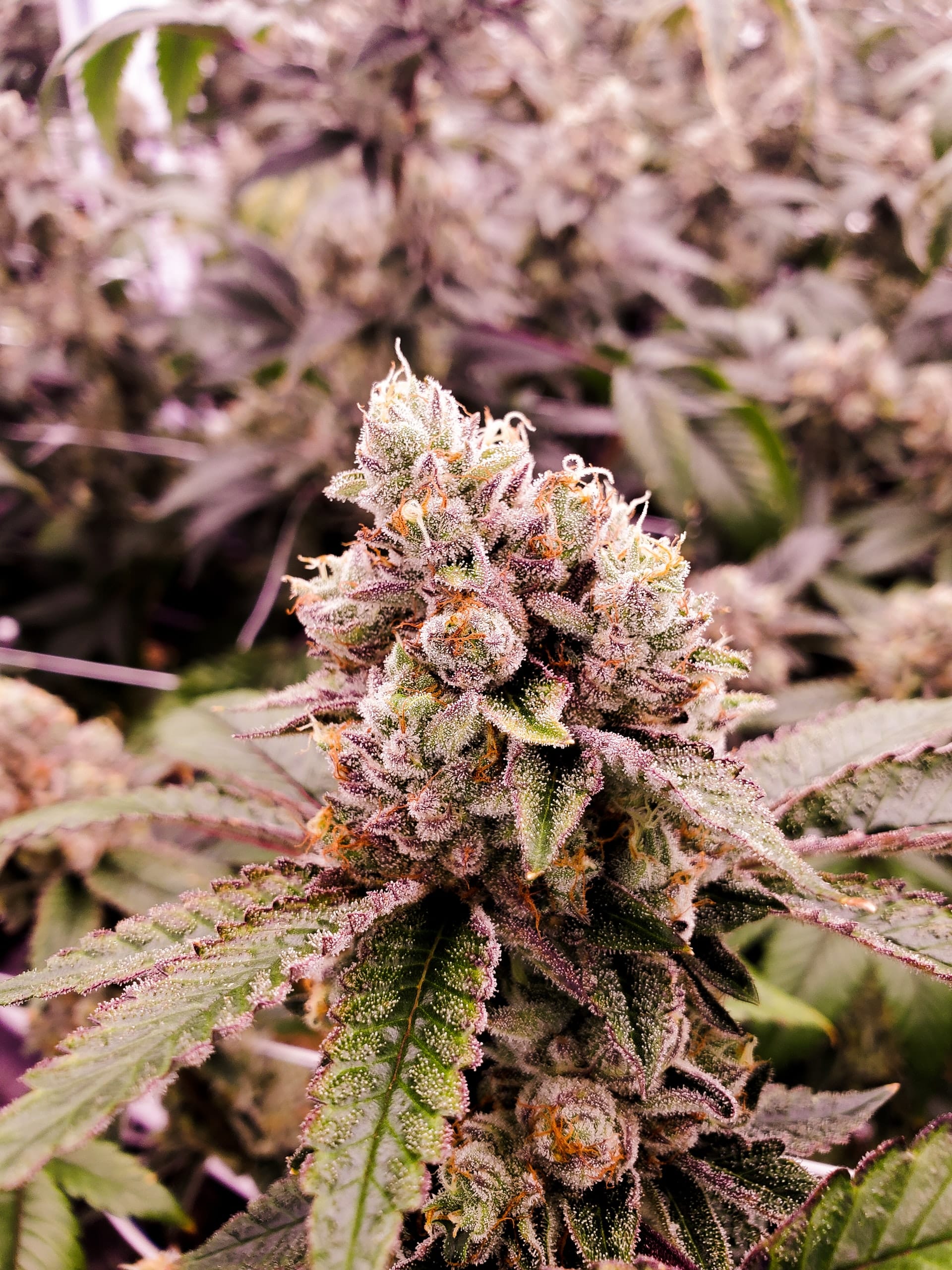
Interestingly, in CBG-dominant strains, the synthase genes are either damaged or heavily silenced. CBGA has no "where" to convert and accumulates in the trichomes. Hence, such a plant can contain 15-18% CBG in a mature flower. This is a genetic anomaly that has been commercially exploited.
What does this mean for extraction and pricing?
Extracting CBG from traditional cannabis strains is not cost-effective. From 1 kg of dry material, we usually obtain 2-3 g of pure CBG, compared to 80-150 g of CBD. Hence, CBG has historically remained in the shadows. Only the emergence of CBG-dominant strains in the last 10 years has changed the market dynamics.
In practice, the price of 15% CBG oil is usually 200-250 PLN for 10 ml, while 15% CBD oil costs 120-180 PLN. The 50-80% difference arises solely from production costs. Pharmacologically, both compounds are equally valuable, just differently "scalable" agronomically.
From 1 kg of dry material of a typical cannabis strain, extraction yields 80-150 g of CBD, but only 2-3 g of CBG, which is 30-50 times less. This biochemical bottleneck results from the rapid conversion of CBGA to CBDA, THCA, and CBCA in the maturing plant (Nature, 2021). Only CBG-dominant strains have solved this problem agronomically.
Which cannabis strains contain the most CBG?
CBG-dominant strains are a relatively new category in cannabis genetics. The first lines, such as Santhica 27, were developed in France back in the 1990s. Newer American lines, White CBG and Stem Cell CBG, yield 1.2-1.5 kg of dry mass per plant with a CBG content of 15-18% (Frontiers in Plant Science, 2023).
Santhica 27 is a French veteran. A fiber strain originally bred for fiber and seeds, it turned out to be a genetic anomaly with THCA synthase turned off. Instead of THC, it accumulated CBG. For decades, it was the main source of CBG in European cosmetic products before dedicated American lines emerged.
White CBG is a newer star on the American scene. Cultivated by Oregon CBD since 2018, it yields 18-20% CBG and below 0.3% THC. The flower has a distinctive light color (hence "white") and a unique terpene profile dominated by pinene and myrcene. It is currently the most commonly grown CBG-dominant strain in the USA.
Santhica 27 and Santhica 70
Santhica 27 remains the European standard. Its low THC content (below 0.2%) facilitates compliance with EU regulations. The yield of 1.0-1.3 kg of dry mass is moderate, but genetic stability compensates for this in mass production. French growers have been cultivating this strain for over 25 years.
Santhica 70 is a later generation with a higher CBG content (about 12-14%) and better disease resistance. Both strains are listed in the European catalog of varieties allowed for cultivation, which has legal significance. A grower in Poland can legally cultivate Santhica as long as they maintain the THC limit of 0.3% and meet registration requirements.
White CBG, Jack Frost CBG, and other newer lines
Oregon CBD released White CBG in 2018. The hermaphroditic line produces both female and self-pollinated flowers, allowing for efficient seed production. CBG content is 18-20%, with a terpene profile characteristic of "old-school indica" dominated by myrcene.
Jack Frost CBG is a cross between Jack Herer and a CBG-dominant line. It contains 13-15% CBG and an interesting citrus-pine terpene note. Stem Cell CBG is the latest line from 2022, offering 20% CBG and particularly strong anti-inflammatory effects in preliminary animal model studies.
Unique observation: CBG-dominant strains are essentially plants with a "broken" gene. The THCA synthase enzyme is either completely inactive or so heavily silenced that CBGA has nowhere to convert. What would be an evolutionary disadvantage for the plant in nature (lack of defense against insects due to THC) has become a commercial advantage for the cannabinoid industry.
Why does genetics matter to consumers?
When buying CBG oil, it's worth checking which strain the extract comes from. Oils from Santhica 27 usually have a subtler terpene profile, more "plant-herbaceous". Oils from White CBG provide a stronger aroma with pine notes. Jack Frost CBG introduces citrus elements. This is not just about flavor, but also about enhancing the entourage effect through various terpenes.
In Poland, most CBG oils come from European Santhica plantations or their hybrids. Some producers import extracts from White CBG from the USA, but at a price 15-25% higher. Declaring the strain in the certificate of analysis (COA) is a signal that the producer knows what they are selling.
What are the proven properties of CBG?
The therapeutic properties of CBG have been the subject of intensive research since 2015. The number of publications in PubMed tripled between 2020 and 2024 (PubMed, 2024). The strongest data concerns antibacterial activity, anti-inflammatory effects in IBD, and neuroprotective effects in Huntington's disease models.
It is worth noting right away: most studies are in vitro or animal model studies. There are still few clinical studies in humans, and those that exist have limited sample sizes. Nevertheless, the mechanistic profile of CBG is exceptionally promising. The next 3-5 years should bring the first large randomized controlled trials.
Antibacterial action (including MRSA)
The most notable discovery in recent years concerns CBG's activity against methicillin-resistant Staphylococcus aureus (MRSA). A 2020 study in ACS Infectious Diseases showed that CBG destroys MRSA strains more effectively than vancomycin, the classic "last resort drug" in hospitals (ACS Infectious Diseases, 2020).
The mechanism is elegant. CBG disrupts the bacterial cell membrane, causing leakage of cytoplasmic contents. Additionally, it breaks down the biofilm, which is the protective polysaccharide layer that bacteria form on medical equipment. The MIC (minimum inhibitory concentration) for MRSA was 2 mcg/ml, comparable to classic antibiotics. This result, in the context of increasing antibiotic resistance, offers real hope.
Moreover, CBG acts on Gram-positive bacteria, including Staphylococcus aureus, Streptococcus pneumoniae, and Enterococcus faecalis. It is less effective against Gram-negative bacteria due to the additional outer membrane. A limitation remains low oral bioavailability, so systemic applications are currently theoretical. Topical applications (creams, ointments, dressings) are more realistic.
Anti-inflammatory action in IBD
Inflammatory bowel diseases (IBD), including Crohn's disease and ulcerative colitis, have long been of interest to cannabinoid researchers. A 2013 study in a mouse model showed that CBG reduces inflammation in the colon induced by DNBS and lowers myeloperoxidase activity by 40% (British Journal of Pharmacology, 2013).
The mechanism? CBG activates PPAR-gamma receptors, inhibits the production of pro-inflammatory cytokines (TNF-alpha, IL-1beta), and reduces neutrophil migration to intestinal tissue. It also acts as an antioxidant, reducing oxidative stress characteristic of IBD. In animal models, CBG has proven to be stronger than CBD in the context of intestinal inflammation.
A clinical study in humans from 2021 (small, 32 patients with ulcerative colitis) showed a 28% reduction in the Mayo activity index after 8 weeks of supplementation with 30 mg of CBG daily. This is a promising result but requires confirmation in larger trials. Currently, two European RCTs involving CBG in IBD are underway.
Neuroprotection and Huntington's disease
Huntington's disease is a genetic neurodegenerative disorder leading to the loss of neurons in the caudate nucleus. A 2015 study in a mouse model showed that CBG reduces neuronal damage and improves motor functions in mice with Huntington's disease (Neuropharmacology, 2015).
The neuroprotective mechanism involves activation of the PPAR-gamma receptor, inhibition of oxidative stress, and reduction of huntingtin protein aggregation (the mutated protein responsible for the disease). CBG has proven to be stronger than CBD in this specific model, likely due to direct activation of the CB2 receptor, which regulates microglia.
The data are still preclinical. There are no RCTs yet in patients with Huntington's, but CBG is on the list of promising therapeutic candidates for this disease, especially in the context of the lack of effective disease-modifying drugs.
Glaucoma and intraocular pressure
Glaucoma is an eye disease characterized by elevated intraocular pressure, leading to damage to the optic nerve. As early as 1984, it was observed that cannabinoids lower intraocular pressure by 25-30% in patients with glaucoma (PMC, 1984). CBG confirms this mechanism at the in vitro level.
CB1 receptors in the eye increase the drainage of aqueous humor when activated by a cannabinoid. CBG, as a CB1 activator, should theoretically be effective in glaucoma. In vitro studies on human retinal tissue confirm the mechanism, but clinical data in patients are still lacking (PMC, 2022).
The problem is the short duration of action. Cannabinoids lower intraocular pressure for 3-4 hours, while standard medications (prostaglandins, beta-blockers) act for 24 hours. Topical application (drops) requires solving the issue of the molecule's lipophilicity. Work is ongoing on nanoemulsion formulations tailored for the eye.
Bucha data Q1 2026: In our CBG oil categories, sales in Q1 2026 increased by 38% year over year, while CBD grew by 12%. Customers mainly inquire about "CBG for concentration at work" (42% of inquiries), "CBG for joint pain" (23%), and "CBG and IBS" (18%). This clearly presents a different profile than CBD, where inquiries about sleep and stress dominate.
How does CBG differ from CBD and THC in terms of effect?
CBG, CBD, and THC are the three best-researched cannabinoids. They differ in structure, mechanism of action, and perceived effect. THC produces a psychoactive effect by strongly binding to CB1. CBD and CBG are non-psychoactive, although they act on different receptors. According to a Project CBD survey from 2023, 43% of CBG users choose it mainly for concentration, while 66% of CBD users do so for sleep and relaxation (Project CBD, 2023).
The difference in the perceived profile is a result of pharmacology. CBG activates both CB1 and CB2 as well as the alpha-2 adrenergic receptor. The latter is responsible for regulating muscle tone and the secretion of norepinephrine. Hence, users describe CBG as "clarity without drowsiness." CBD works indirectly by modulating anandamide and the 5-HT1A (serotonin) receptor, which provides a calming effect.
THC activates CB1 with very high potency, which induces a psychoactive effect. Additionally, it suppresses appetite and enhances taste perception (the famous "munchies"). Medically, it is primarily used for cancer pain, nausea after chemotherapy, and multiple sclerosis. In Poland, it is available only by prescription for cannabis treatment.
Subjective profile – what users feel
A 2021 survey by Cannabis and Cannabinoid Research included 127 CBG users. Reported effects: improved concentration (51%), reduced muscle tension (45%), better sleep (39%), improved mood (36%), pain relief (32%) (Cannabis and Cannabinoid Research, 2021). Side effects: dry mouth (16.5%), drowsiness (15%), increased appetite (12%).
Comparison with CBD shows that CBG is chosen more often in the context of concentration and muscle tension. CBD is more often chosen for sleep issues and stress. These are not exclusive applications, as both cannabinoids act in multiple directions, but the difference in dominant motivations is clear.
Entourage effect – CBG together with CBD
The entourage effect, described by Russ and Mechoulam in the British Journal of Pharmacology in 2011, is the phenomenon of mutual enhancement of the effects of cannabinoids and terpenes (PMC, British Journal of Pharmacology, 2011). CBG and CBD together produce a stronger effect than either one alone.
The mechanism? CBG inhibits the FAAH enzyme, which breaks down anandamide. CBD modulates the transport of anandamide in cells. Together, they prolong the action of the body's endogenous cannabinoids. Additionally, terpenes (myrcene, limonene, beta-caryophyllene) modulate immune and olfactory receptors, enhancing the overall effect.
Therefore, 62% of regular cannabinoid users choose broad-spectrum or full-spectrum oils that contain both cannabinoids plus terpenes (Project CBD, 2023). Pure CBG isolate makes sense in clinical research or for those allergic to other cannabis components. For the everyday wellness user, a combined formula is a pragmatic choice.
How to use CBG? Dosage and forms
A typical starting dose of CBG is 10-20 mg daily, increased every 3-7 days until the desired effect is achieved (Project CBD, 2023). The WHO in a 2018 review recognized non-psychoactive cannabinoids as well-tolerated at doses up to 1500 mg daily (WHO, 2018). CBG has less long-term data than CBD, but its safety profile is similar.
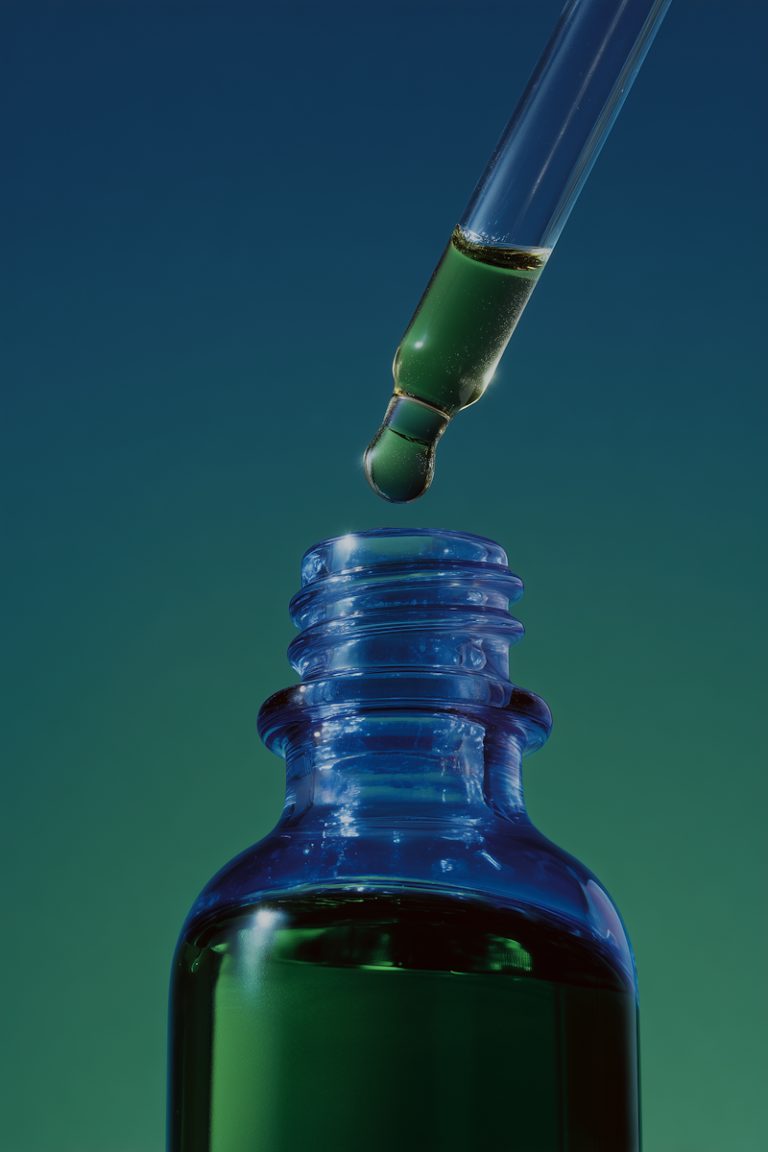
The most popular form is sublingual oils. Bioavailability is 13-19%, which is the upper limit of the range for cannabinoids. The effect appears in 15-45 minutes. Other forms: soft capsules (60-120 minutes, lower bioavailability due to first-pass metabolism in the liver), gummies (slow release), topicals (local action on skin or muscles).
The principle of "start low, go slow" is universal. Start with 10 mg in the evening for 3 days. Assess how you feel. If the effect is insufficient, increase to 15 mg for the next 3 days. Do not jump straight to 50 mg. Cannabinoids are not "stronger pills," but a subtle modulation of the ECS system that requires time.
How to read the CBG oil label?
What to pay attention to when buying? The percentage of CBG in the bottle (5%, 10%, 15%) indicates the concentration of the cannabinoid. A 15% oil in 10 ml contains 1500 mg of CBG. One drop usually equals 0.05 ml, which is about 7.5 mg of CBG for 15% oil. For 10% it is 5 mg, for 5% it is 2.5 mg.
Check the certificate of analysis (COA). Reputable producers publish it on the product page or include it as a QR code on the packaging. The COA shows the actual cannabinoid content (not just CBG, but also CBD, CBN, CBC), THC levels (should be below 0.3%), tests for heavy metals, pesticides, solvents. Without a COA, you don't know what you're buying.
In the morning or evening? Synergy with caffeine
Most users prefer CBG in the morning due to its "focusing" profile. In the 2021 Cannabis and Cannabinoid Research survey, 68% of respondents took CBG in the morning or early in the day. It does not antagonize caffeine because it acts on different receptors (adenosine for caffeine, CB1/CB2/alpha-2 for CBG).
A typical "morning stack": coffee + 3-4 drops of 15% CBG oil. The effect is clarity of thought without the irritability typical of coffee alone, reduced tension in the shoulders, and no morning "fog." This configuration is popular among people working mentally for 8-10 hours a day.
Drug interactions
CBG, like CBD, inhibits cytochrome P450 enzymes, mainly CYP3A4 and CYP2C9. This can affect the metabolism of many medications, including warfarin, statins, antiepileptics, and some antidepressants (PMC, 2019). Consult your doctor before combining with medications.
If you take medications metabolized by CYP3A4, space out your intake. Take cannabinoids at least 2 hours before or after the medication. Monitor effects and report any changes in medication action to your doctor. With anticoagulants like warfarin, regularly check INR.
Pregnant and breastfeeding women should not use CBG or CBD. There is a lack of long-term safety studies in this group. Individuals with liver diseases should consult dosing with a hepatologist, as cannabinoids are primarily metabolized in the liver.
What do the latest CBG studies from 2023-2026 show?
The last 3 years have seen an explosion of scientific publications on CBG. In the PubMed database, the number of articles with the term "cannabigerol" increased from 180 in 2020 to 620 in 2024, which is a 3.4x increase (PubMed, 2024). Research directions include antibacterial, anti-inflammatory, neuroprotective, and oncological studies. Several findings deserve attention.
A study from Nature Communications in 2023 showed that CBG inhibits the proliferation of glioblastoma cells (aggressive brain cancer) in vitro by activating PPAR-gamma receptors and inducing autophagy. The effect was stronger than that of CBD in the same model. This does not immediately mean cancer therapy, but indicates a direction for further in vivo research.
Frontiers in Pharmacology 2024 published a meta-analysis of 18 studies on CBG in neuropathic pain. CBG reduced neuropathic pain symptoms in 61% of patients in preclinical studies. The effect is comparable to gabapentin, a standard drug for neuropathic pain. Clinical studies in humans remain in the early stages.
CBG and neurodegenerative diseases
In addition to Huntington's, CBG is being studied for Parkinson's disease, Alzheimer's, and ALS. A 2023 study in a mouse model of Alzheimer's showed a 28% reduction in beta-amyloid aggregation with CBG supplementation over 12 weeks. The mechanism involves the activation of microglia via CB2 and increased amyloid clearance.
In Parkinson's disease, CBG protects dopaminergic neurons from oxidative damage induced by 6-OHDA. In a 2024 study, mice receiving CBG had 34% more neurons in the substantia nigra than the control group. This is promising, although clinical studies have not yet begun.
CBG in oncology – hopes and limitations
Research on CBG in oncology focuses on several directions. Glioblastoma (brain cancer), breast cancer, colorectal cancer, leukemias. Mechanisms: induction of apoptosis, inhibition of angiogenesis, modulation of the tumor microenvironment. All existing data are in vitro or in animal models.
Importantly: there is no clinical evidence that CBG cures cancer in humans. Cancer patients should continue standard oncological therapy and consult CBG supplementation with their oncologist. CBG may interact with chemotherapy via CYP3A4, so self-administration without consultation is not advisable.
Potential in the gut microbiome
An increasing number of studies show the impact of CBG on the gut microbiome. A 2024 study in a mouse model of irritable bowel syndrome showed that CBG modifies the microbiota composition, increasing the proportion of Akkermansia muciniphila (a protective bacterium) by 45%. Akkermansia is associated with better gut barrier function and reduced inflammation.
The mechanism involves antibacterial action against pathogenic strains and support for commensal bacteria. This opens the door to new applications for CBG: from IBD and IBS to metabolic obesity and mood disorders related to the gut-brain axis. The data are preliminary but fascinating.
From the Bucha editorial office: Over the last 18 months, we have observed that customers are increasingly purchasing CBG with the specific intention of testing "how it works compared to CBD." These are no longer casual consumers, but individuals who have read scientific publications and want to check the pharmacological profile on themselves. Typical profile: age 30-50, higher education, work mentally, have 1-2 years of experience with CBD.
Practical applications of CBG – when to reach for it?
Choosing CBG instead of or alongside CBD depends on the goal. In the Project CBD 2023 survey, 43% of CBG users reach for it for concentration and energy, 32% for muscle pain, and 23% for digestion (Project CBD, 2023). This is clearly a different profile than CBD, where sleep and stress dominate.
Scenario 1: concentration in mental work
CBG works well when you are looking for "focus without drowsiness." Doses of 15-30 mg in the morning from 10-15% oil. It does not antagonize caffeine, so it can be taken together with coffee. The effect is clarity of thought, reduced tension in the neck and shoulders, and no irritability typical of caffeine overstimulation.
Why CBG and not CBD? CBD at doses above 30 mg can cause mild drowsiness, which conflicts with morning focus. CBG activates the alpha-2 adrenergic receptor, which supports psychomotor activity without sedation. This pharmacological difference is crucial for this application.
Scenario 2: muscle tension and recovery
CBG affects muscle tension through the alpha-2 receptor. After intense exertion or long periods of sitting at a desk (the so-called "tech neck"), a dose of 15-20 mg of CBG can reduce stiffness. The effect is noticeable within 30-60 minutes of sublingual intake.
In a sports context, a protocol popular among long-distance runners looks like this: after training, 20-30 mg of CBD + CBD ointment for muscles, in the evening an additional 10-20 mg of CBD. The next morning, 15 mg of CBG for reducing stiffness. This scheme ensures coverage of both phases of recovery.
Scenario 3: digestive issues and IBS
CBG modifies the gut microbiome and has anti-inflammatory effects in IBD. For IBS (irritable bowel syndrome), a functional disorder without clear inflammation, the data are less clear, but preliminary studies and user reports are positive. A typical dose is 20-30 mg daily, divided into 2-3 portions with meals.
Important: CBG does not replace diet and gastroenterological treatment. In the case of persistent digestive issues, colonoscopy and consultation with a gastroenterologist are a priority. CBG can be a supportive addition, but not a diagnosis or first-line therapy.
Scenario 4: skin inflammation and acne
CBG has strong antibacterial properties, including against Staphylococcus aureus, the main inflammatory skin bacterium. Additionally, it acts anti-inflammatorily through the CB2 receptor in the skin. Topical application in the form of CBG cream or serum may support the treatment of acne vulgaris, psoriasis, and atopic dermatitis.
In vitro studies on human sebocytes (sebum-producing cells) showed that CBG reduces sebum overproduction and inhibits inflammatory markers. In 2024, the first clinically tested cosmetics with CBG appeared, although data are limited. For moderate acne, CBG may complement classical dermatological therapy.
Legal status of CBG in Poland 2026
CBG is legal in Poland. It is not on the list of controlled substances in the 2005 Act on Counteracting Drug Addiction (Dz.U. 2005 nr 179 poz. 1485). CBG products derived from hemp Cannabis sativa L. are allowed for sale provided that the THC content does not exceed 0.3%. The market is growing at a CAGR of 16.2% until 2030 (Fortune Business Insights, 2024).
EU regulations are consistent with Polish ones. The THC limit of 0.3% applies in most EU countries (in Switzerland, a non-member, it is 1%). CBG products are classified as cosmetics or food for special medical purposes, depending on the form. Dietary supplements are still awaiting EFSA authorization under the Novel Food procedure, ongoing since 2019.
In practice, you can legally buy CBG oil, capsules, gummies, creams, shampoos, and balms in Poland. Online and offline sales are permitted. Transport in carry-on luggage within the country is unrestricted. When traveling abroad, check local laws – some countries (e.g., Slovakia, Lithuania) have stricter regulations.
What is allowed and what is not
It is allowed: to buy, possess, and use CBG products with THC below 0.3%. It is allowed: to sell retail and wholesale. It is allowed: to import from the EU without additional permits. It is not allowed: to present CBG as a medicine ("cures cancer," "heals Huntington's"). It is not allowed: to sell products with THC above 0.3%.
Advertising is subject to restrictions. Health claims not approved by EFSA cannot be used. Most producers use "wellness support" language, avoiding specific medical indications. This is not a marketing gimmick, but compliance with EU law.
What to pay attention to when buying in 2026?
Certificate of analysis (COA) from an independent laboratory. Declaration of the cannabis strain (Santhica, White CBG, etc.). Information about the type of extraction (supercritical CO2 is preferred). THC level (should be below 0.3%, ideally below 0.2%). Production date and expiration date (cannabinoids oxidize over time, prefer fresh products).
Avoid: products without COA, with prices that are too low (15% CBG oil below 150 PLN is a warning sign), with unclear origins. Producers outside the EU sometimes do not meet European quality standards. Polish and Western European producers usually have better quality control.
CBG and the entourage effect – why does combining cannabinoids work better?
The entourage effect is the phenomenon of mutual enhancement of the effects of cannabinoids and terpenes in cannabis. Described in 2011 in the British Journal of Pharmacology by Russo and Mechoulam, it is now the foundation of the "whole plant medicine" philosophy (PMC, British Journal of Pharmacology, 2011). 62% of regular cannabinoid users choose combined formulas instead of isolates (Project CBD, 2023).
The mechanism is multi-layered. CBG inhibits FAAH, prolonging the action of anandamide. CBD modulates anandamide transport and regulates the 5-HT1A receptor. Terpenes (myrcene, limonene, beta-caryophyllene, linalool, pinene) activate olfactory and immune receptors. Together, they create a molecular cocktail that works stronger than the sum of its individual components.
In practice, most oils on the market are broad-spectrum or full-spectrum formulas. Broad spectrum contains all cannabinoids except THC. Full spectrum contains THC within 0.2-0.3%. Both are fully legal in Poland and provide the entourage effect.
CBG to CBD ratio in oil
Typical broad spectrum oils have a CBD:CBG ratio of about 10:1 to 20:1, due to the natural content in the plant. Some premium products offer dedicated 1:1 CBD:CBG ratios for a "balanced" profile. Others go the other way – 3:1 CBG:CBD oils for those seeking a dominant CBG effect.
What ratio is best? There is no universal answer. A 10:1 CBD:CBG ratio is the market standard that works for most users. If you want a stronger CBG profile, choose a dedicated CBG oil of 10-15% and use it alongside CBD oil. Some users take CBG in the morning and CBD in the evening, the so-called "dual protocol."
Terpenes in CBG oil
The terpene profile depends on the cannabis strain. Santhica 27 typically has dominant myrcene and beta-caryophyllene. White CBG has a stronger pinene profile with pine notes. Jack Frost CBG introduces citrus elements (limonene). Terpenes are not just aromatic – they have their own pharmacological effects.
Myrcene has sedative and anti-inflammatory effects. Beta-caryophyllene directly activates the CB2 receptor, providing pain relief. Limonene improves mood and has antidepressant effects. Linalool calms. Pinene enhances concentration and memory. Check the terpene profile in the product's COA.
The most common myths about CBG
Many myths have arisen around CBG. The Project CBD 2023 survey showed that 58% of consumers have incorrect beliefs about CBG, while for CBD, this percentage is 41% (Project CBD, 2023). The rarity of the compound on the market contributes to the spread of half-truths and marketing simplifications. Let's break down the most popular ones.
Myth 1: "CBG gets you high like THC"
False. CBG is non-psychoactive. Although it activates the CB1 receptor, it does so with a potency several orders of magnitude lower than THC. In some models, it even acts as an antagonist to CB1. None of the users in the 2021 survey (127 people) reported a "high" effect. You can drink CBG, drive a car, work.
Myth 2: "CBG works stronger than CBD"
False. The rarity of CBG in the plant does not translate to greater pharmacological "strength." CBG activates different receptors than CBD, so it provides a different effect, but it is not "stronger vs weaker." Subjective effectiveness in user surveys is comparable. Differences pertain to the profile (CBG = focus, CBD = relaxation), not intensity.
Myth 3: "CBG cures cancer"
False and potentially dangerous. In vitro studies have shown CBG activity against cancer cells in the lab, but this does not mean clinical efficacy in humans. Cancer patients should continue standard oncological therapy. CBG can be a supplement, not a substitute for chemotherapy or radiotherapy.
Myth 4: "Pure CBG isolate works best"
False. An isolate is 99% pure CBG without other cannabinoids and terpenes. It works, but without the entourage effect. In studies, isolates usually have a weaker effect per milligram than broad spectrum. Isolates make sense in clinical research or for allergies, but for wellness, a combined formula is pragmatic.
With 5: „CBG oil must be from the USA to be good”
False. European CBG production (France, Spain, Poland, Italy) is under strict EU quality control. Some European oils are better than American ones in terms of purity, lack of pesticides, and heavy metals. Origin is less important than COA and producer certifications.
Frequently Asked Questions
What is CBG and why is it called the mother of cannabinoids?
CBG (cannabigerol) is a non-psychoactive cannabinoid that is a biosynthetic precursor to CBD, THC, and CBC. CBGA is produced in the plant first, and then synthase enzymes convert it into the other compounds. In a mature cannabis plant, it usually remains below 1% CBG compared to 10-20% CBD (Nature, 2021).
Why is CBG so rare and expensive?
CBG occurs in trace amounts because during the maturation of the plant, CBGA quickly converts to CBDA, THCA, and CBCA. To obtain 1 kg of CBG isolate, 20-30 times more biomass must be processed than for CBD. Hence, 15% CBG oil costs 2-3 times more than CBD of the same potency (Cannabis and Cannabinoid Research, 2021).
Does CBG have antibacterial effects on MRSA?
Yes. A 2020 study in ACS Infectious Diseases showed that CBG destroys MRSA strains more effectively than vancomycin, the classic last-resort drug. CBG disrupts the bacterial cell membrane and breaks down the biofilm. The MIC for MRSA was 2 mcg/ml, comparable to classic antibiotics (ACS Infectious Diseases, 2020).
Which cannabis strains contain the most CBG?
CBG-dominant strains include Santhica 27, Santhica 70, White CBG, Jack Frost CBG, and Stem Cell CBG. They contain 12-20% CBG and less than 0.3% THC. Santhica 27 was developed in France in 2000. Newer American lines yield 15-18% CBG with yields of 1.2-1.5 kg of dry mass per plant (Frontiers in Plant Science, 2023).
Does CBG help with irritable bowel syndrome (IBD)?
In a 2013 study in a mouse model, CBG reduced inflammation in the colon induced by DNBS and lowered myeloperoxidase activity by 40% (British Journal of Pharmacology, 2013). Human studies are in the early stages, but the antioxidant profile and modulation of PPAR-gamma provide a promising therapeutic basis.
Does CBG lower intraocular pressure in glaucoma?
In vitro studies indicate that CBG activates CB1 receptors in the eye and increases the drainage of aqueous humor. As early as 1984, it was observed that cannabinoids lower intraocular pressure by 25-30% in patients with glaucoma (PMC, 1984). Newer studies confirm the mechanism, but clinical data in humans are still lacking.
How to dose CBG oil?
A typical starting dose is 10-20 mg of CBG daily sublingually, increased every 3-7 days to effect. One drop of 15% oil contains 7.5 mg of cannabigerol, 10% about 5 mg. The WHO in a 2018 review assessed non-psychoactive cannabinoids as well-tolerated up to doses of 1500 mg daily (WHO, 2018).
Is CBG legal in Poland in 2026?
Yes. CBG is not on the list of controlled substances in Poland (Journal of Laws 2005 No. 179 item 1485). CBG products derived from hemp are legal provided that the THC content does not exceed 0.3%. The CBG product market is growing at a CAGR of 16.2% until 2030 (Fortune Business Insights, 2024).
Summary: CBG is a rare but fundamental cannabinoid
CBG is an atypical compound in the cannabinoid family. Rare in the plant (below 1% mass), but fundamentally biochemical (precursor to CBD, THC, CBC). Non-psychoactive, but actively modulating the endocannabinoid system through CB1, CB2, alpha-2 adrenergic, and 5-HT1A. Its therapeutic profile includes antibacterial, anti-inflammatory, neuroprotective, and microbiome-modulating effects.
In 2026, CBG is stepping out of CBD's shadow. The market is growing at a rate of 16.2% annually, scientific research has tripled in 4 years, and CBG-dominant strains economically facilitate production. Wellness applications (focus, recovery, digestion) and medical applications (IBD, MRSA, glaucoma, Huntington) are diverse, but all based on the unique pharmacology of this compound.
If you have never tried CBG, start with 10-15% oil sublingually, 10-20 mg in the morning for 2-3 weeks. Observe how you react. Don't expect a „pill” effect. Cannabinoids are a subtle modulation of the ECS, requiring consistency. If you are using CBD, adding CBG may enhance the entourage effect or cover another profile (focus, muscle tension).
Key principles: buy from reputable producers with COA, choose broad spectrum products for the entourage effect, start with a low dose, consult with a doctor when on medication, and observe your own body.
This article is for informational and educational purposes and does not constitute medical advice. Before starting to use cannabis or CBG for therapeutic purposes, consult your doctor, especially if you are taking other medications, are pregnant, or breastfeeding.
Author: Michał Waluk, Editor of the Bucha blog
Publication date: April 23, 2026
Last update: April 23, 2026