
What does CBD mean?
What does CBD mean?
Have you heard of cannabidiol, or CBD? It's becoming increasingly common in the media, on health forums, and in discussions about natural ways to support the body. But what exactly is CBD, what are its properties, where can you find it, and how can it help you or your loved ones? In this article, you'll learn about the comprehensive nature of cannabidiol, from its chemical structure and medical applications to practical tips for use. I invite you to read on, which will dispel your doubts and show why CBD is a topic worth exploring for both laypeople and experts.
What is Cannabidiol (CBD)? Basics and Chemistry
Cannabidiol, more commonly known as CBD, is one of dozens of cannabinoids found naturally in the Cannabis sativa plant. Unlike THC (tetrahydrocannabinol), CBD has no psychoactive effects, meaning it doesn't intoxicate or cause a "high." This property makes CBD legal and attractive to many people seeking health benefits without the side effects of traditional marijuana.
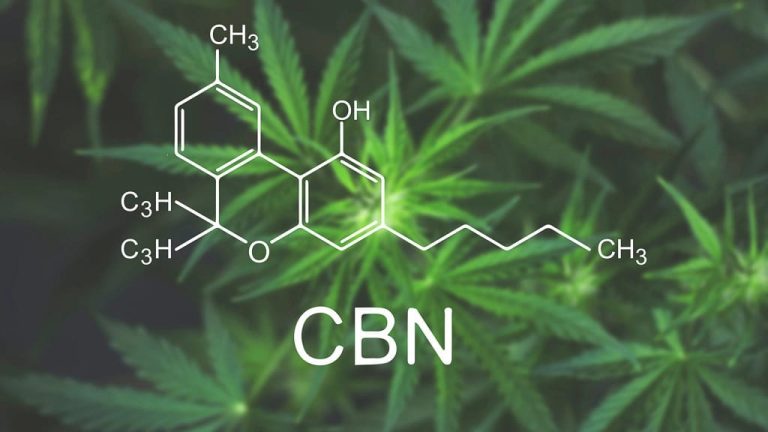
Chemically, CBD is a compound with the formula C21H30O2 and a molar mass of 314.46 g/mol. Its full systematic nomenclature (IUPAC) is: 2-[(1R,6R)-3-methyl-6-(prop-1-en-2-yl)cyclohex-2-enyl]-5-pentylbenzene-1,3-diol. Such a complicated notation lies behind a simple name that has become a symbol of the modern approach to natural medicine.
Why is CBD so special?
Biologically, CBD primarily targets the endocannabinoid system—a system of receptors in the human body responsible for regulating numerous processes, such as pain, mood, appetite, and sleep. CBD influences these receptors, modulating their function and supporting the body's natural balance.
Medical and Health Applications of Cannabidiol
In recent years, the number of CBD-related studies has been growing rapidly. While this field still requires further, deeper analysis, it is already known that cannabidiol has a wide range of potential therapeutic applications.
CBD and Pediatric Patients
One of the most well-known and researched uses of CBD is the treatment of drug-resistant epilepsy in children. Cannabidiol-based preparations, such as Epidiolex, have been approved in many countries for the treatment of rare and difficult-to-control forms of epilepsy, including Dravet syndrome and Lennox-Gastaut syndrome. CBD helps reduce the number of seizures and improve the quality of life of young patients, representing a major breakthrough in epilepsy medicine.
The effect of CBD on mental disorders
Cannabidiol is generating significant interest in the treatment of mental disorders such as anxiety, depression, and schizophrenia. Research suggests that CBD may have anxiolytic (anti-anxiety) and antidepressant effects by influencing neurotransmitters and regulating the body's stress response. Unlike many psychotropic medications, CBD has few side effects and is non-addictive, making it an attractive complement to conventional therapy.
CBD in the fight against insomnia
Sleep problems affect millions of people worldwide. Cannabidiol can support healthy sleep cycles by reducing anxiety and pain, which often cause insomnia. In studies, patients reported improved sleep quality and easier falling asleep after using CBD products. However, it's important to remember that effects may vary depending on the dose and individual response.
CBD and cancer – what does the research say?
While CBD is not a cure for cancer, laboratory and preclinical studies indicate that cannabidiol may have anticancer properties. It has anti-inflammatory and antioxidant properties, may inhibit the growth of cancer cells, and may support chemotherapy by reducing its side effects. This is an area of intense research that promises new possibilities for supportive therapies.
Practical Everyday Uses of CBD
Not only patients with serious medical conditions are benefiting from the benefits of cannabidiol. More and more people are turning to CBD for preventative purposes and for daily wellness.
Forms available on the market
- Oils and tinctures – the most popular form, easy to dose and apply under the tongue, which ensures rapid absorption.
- Capsules and tablets – convenient for people who prefer solid supplementation.
- Creams and ointments – applied topically to the skin, they help relieve inflammation and muscle pain.
- Food products – e.g. CBD-enriched gummies or drinks, which are becoming a hit in the healthy food segment.
How to use CBD safely?
While CBD is generally safe, there are a few tips to follow to use its potential wisely:
- Consultation with a doctor – especially if you are taking other medications or have chronic illnesses.
- Start with a low dose – this will allow you to assess the individual response of your body.
- Pay attention to the quality of products – choose proven, certified preparations with full composition and laboratory tests.
- Observe your body – monitor effects and possible adverse reactions.
Fun Facts and Trivia about Cannabidiol
- CBD is not addictive and is safe even with long-term use.
- Cannabidiol was discovered and isolated from cannabis in the 1940s, but natural medicine has been using it for centuries.
- CBD is legal in many countries as long as it does not contain more than trace amounts of THC.
- Experts emphasize the synergistic role of CBD with other cannabinoids and terpenes, which is called the "entourage" effect.
Comparison of Cannabidiol with Other Cannabinoids
| Cannabinoid | Effects | Psychotropic | Medical applications |
|---|---|---|---|
| Cannabidiol (CBD) | Anti-inflammatory, anxiolytic, analgesic | Lack | Epilepsy, anxiety, insomnia, inflammation |
| Tetrahydrocannabinol (THC) | Psychotropic, analgesic, appetite stimulant | High | Cramps, nausea, pain |
| Cannabigerol (CBG) | Anti-inflammatory, antibacterial | Lack | Support for the nervous system and skin |
Cannabidiol Frequently Asked Questions (FAQ)
Is CBD legal?
Yes, CBD is legal in most countries as long as the THC content does not exceed certain standards, usually below 0.2-0.31 TP3T. It's always worth checking local laws.
Can CBD cause side effects?
CBD is well-tolerated, but some people may experience reactions such as dry mouth, fatigue, or changes in appetite. It's important to use appropriate dosages and consult a doctor.
How long does it take for CBD to start working?
Effects following sublingual administration (oils, tinctures) typically occur within 15-30 minutes. Capsules or edibles may take longer, up to 2 hours.
Can I use CBD with other medications?
Cannabidiol may affect the metabolism of some medications, so it is important to consult with your doctor, especially if you take medications on a regular basis.
Summary – Why is it worth knowing Cannabidiol?
Cannabidiol is an incredibly versatile compound that opens the door to modern, natural therapy. Its anti-inflammatory, anti-anxiety, and neuroprotective properties make it a valuable support for both people with specific medical conditions and those seeking natural methods to improve their quality of life. It's important to remember that CBD isn't a miracle cure-all, but rather part of a comprehensive approach to health.
If you're curious about how CBD can impact your life, start with thorough education, choose high-quality products, and consult with experts. Only then can you fully utilize the potential of cannabidiol and enjoy its benefits.
I encourage you to further explore the topic and consciously use the benefits of nature!