
All About CBD – What Is It? The Complete Guide 2026
Everything about CBD in one place: definition, action, forms, doses, legality. The CBD market in Poland is growing by 12.3% annually (Fortune Business Insights, 2024).
Everything about CBD in one place, without marketing simplifications. The Polish CBD product market is estimated at around 130 million euros in 2024, with a forecast growth to 200 million euros by 2028 (Hemp Facts, 2024). Despite its growing popularity, many people still ask: what is CBD, how does it work in the body, and how to use it safely?
This guide is a roadmap for those who are just starting and need all the knowledge in one place. You will learn the definition of cannabidiol, its mechanism in the endocannabinoid system, product forms, dosing principles, legal status, and safe purchasing rules. Sources: PubMed, NCBI, Nature, WHO, FDA, Mayo Clinic, Project CBD, and Cannabis Facts.
If you are looking for a short answer, you will find it in each section. If you want in-depth knowledge, we link to specialized texts about the mechanism, properties, dosing, and specific applications. After 15 minutes of reading, you will know enough to consciously choose your first CBD product or evaluate a product you are already using.
KEY INFORMATION
– CBD (cannabidiol) is a non-psychoactive cannabinoid from hemp, does not produce a high, does not cause addiction (WHO, 2018).
– CBD modulates the endocannabinoid system (ECS), affecting sleep, stress, inflammation, and pain perception.
– In Poland, CBD products with THC content below 0.3% are legal (Dz.U. 2005/179/1485).
– A typical starting dose is 10-20 mg per day, increased every 3-7 days. Full effect after 2-4 weeks.
– The Polish CBD market is growing at a CAGR of 12.3% until 2030 (Fortune Business Insights, 2024).
cbd-wlasciwosci-co-to-jest-cbd
What is CBD? Definition of cannabidiol
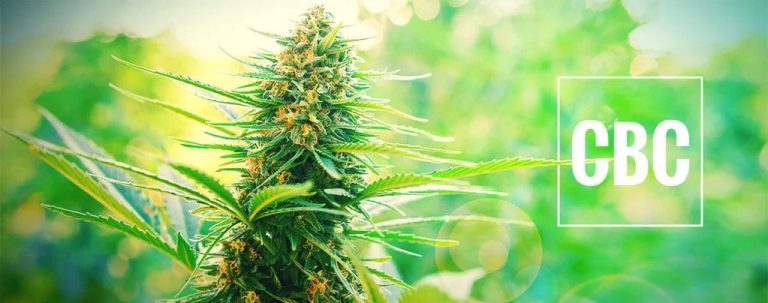
CBD, or cannabidiol, is one of over 120 identified cannabinoids naturally occurring in the Cannabis sativa L. plant. In mature industrial hemp flowers, it constitutes 10-20% of the mass, making it one of the two dominant cannabinoids alongside THC (Nature, 2021). Unlike THC, CBD is not psychoactive.
The molecular formula of cannabidiol is C21H30O2, with a molecular weight of 314.47 g/mol. The structure contains two rings, cyclohexene and phenolic, connected in a way that prevents strong binding to the CB1 receptor. This molecular geometry explains the lack of intoxicating effect. THC has the same molecular formula but a different spatial conformation.
CBD occurs in the plant mainly in its acidic form, as CBDA (cannabidiolic acid). Only under the influence of heat (vaporization, drying, extraction) does CBDA undergo decarboxylation to the active form of CBD. Therefore, fresh hemp flower has a different pharmacological profile than that which is vaporized or brewed.
Where does CBD come from?
Commercially, CBD is extracted from industrial hemp (Cannabis sativa L.), also known as fiber or industrial hemp. These are botanical varieties with naturally low THC content (below 0.3%) and high CBD content. The most popular extraction methods are supercritical CO2 extraction, ethanol extraction, and hydrocarbon solvent extraction.
CO2 extraction is considered the gold standard. It leaves no solvent residues, preserves the full spectrum of cannabinoids and terpenes, and can be precisely temperature and pressure controlled. Premium CBD oils in Poland are 80-90% products from CO2 extraction, which you can verify in the manufacturer's certificate of analysis (COA).
How is CBD different from THC?
CBD and THC have the same molecular formula C21H30O2, but different geometries. THC strongly activates the CB1 receptor in the central nervous system, causing a psychoactive effect. CBD acts indirectly, modulating receptor activity and the level of natural endocannabinoids in the body.
Practical consequences: CBD does not impair concentration, does not affect driving ability (at therapeutic doses), and does not induce euphoria or paranoia. It can be used in the morning and evening, at work and at home. THC, on the other hand, requires caution and is only allowed in trace amounts in commercial products in Poland (up to 0.3%).
cbd-a-thc-roznice-i-wlasciwosci
CBD (cannabidiol, C21H30O2) is a non-psychoactive cannabinoid that constitutes 10-20% of the mass of mature industrial hemp flowers. It does not directly activate the CB1 receptor, which is why it does not produce the intoxicating effect characteristic of THC (Nature, 2021).
How does CBD work in the human body?
CBD acts through the endocannabinoid system (ECS), described in 1992 by Mechoulam's team. The ECS is a regulatory system with CB1 receptors (mainly in the CNS) and CB2 (in immune cells), endogenous cannabinoids (anandamide, 2-AG), and degrading enzymes. It regulates sleep, appetite, mood, pain, and immune response (PMC, Frontiers in Pharmacology, 2020).
Unlike THC, CBD does not strongly bind to CB1 or CB2. Instead, it acts as an allosteric modulator. This means it changes how the receptor responds to the body's own endocannabinoids. The effect is subtler, "natural" support for the system, without blocking or aggressively stimulating the receptors.
The second mechanism of action of CBD is the inhibition of the FAAH enzyme (fatty acid amide hydrolase). FAAH breaks down anandamide, our "internal cannabinoid of happiness." By blocking FAAH, CBD raises the level of anandamide in the body. Hence the anxiolytic (anti-anxiety) effect and mood improvement in many users.
Interactions with non-cannabinoid receptors
CBD also interacts with receptors outside the endocannabinoid system. It activates the serotonin receptor 5-HT1A (proven anxiolytic effect), modulates TRPV1 receptors (pain perception), adenosine receptors (sleep and concentration), and PPAR-gamma receptors (glucose control and inflammatory processes).
This multifaceted action explains why CBD exhibits a wide range of effects. It is not a "one drop, one action" solution. Rather, it modulates several pathways simultaneously, restoring the body's homeostasis. The mechanism resembles tuning an orchestra more than flipping a single switch.
When will you feel the effects of CBD?
The first subtle effects often appear 15-45 minutes after sublingual intake. The full response of the body develops only after 2-4 weeks of regular use (Project CBD, 2023). It is not an "immediate remedy" like paracetamol. It is more akin to magnesium supplementation or adaptogens.
Why does the effect take time? Modulating the ECS requires stabilizing the levels of endocannabinoids, reducing receptor sensitivity, and restoring the balance of serotonin pathways. All of this takes time at the cellular level. The lack of an immediate effect is a feature, not a flaw. It signals that we are not aggressively manipulating receptors.
CBD modulates the endocannabinoid system indirectly, by inhibiting the FAAH enzyme and allosterically modulating CB1 and CB2 receptors. Additionally, it activates the serotonin receptor 5-HT1A and TRPV1 receptors responsible for pain perception (PMC, Frontiers in Pharmacology, 2020).
What are the main applications of CBD?
In a 2020 meta-analysis, CBD showed clinically significant effects in four areas: anxiety, sleep, inflammation, and seizures (PMC, Frontiers in Pharmacology, 2020). The FDA approved the drug Epidiolex (pure CBD) in 2018 for the treatment of Dravet syndrome and Lennox-Gastaut syndrome in children (FDA, 2018). Other applications have wellness support status.
CBD for stress and anxiety
In a clinical study from 2023 involving 67 patients with generalized anxiety, 52% of participants reported significant improvement after 8 weeks of supplementation with 25-50 mg of CBD daily (Medical Cannabis and Cannabinoids, 2023). The mechanism is explained by the activation of the 5-HT1A receptor, known for its role in mood regulation. A similar pathway is used by SSRI medications.
In a 2019 study on social anxiety, the best effect was achieved with a single dose of 300 mg before a public speaking event. Interestingly, higher doses (600 mg, 900 mg) yielded weaker effects. This is a typical "inverted U" curve for receptor modulators. Conclusion: more does not always mean better.
CBD for sleep and insomnia
In a retrospective study of 72 patients with sleep disorders, 66% reported improved sleep quality after just the first month of using CBD at doses of 25-50 mg in the evening (Medical Cannabis and Cannabinoids, 2023). The effect is partially indirect, through the reduction of pre-sleep anxiety and mental activity, not through direct sedative action.
Important practical note: CBD acts biphasically. Low doses (5-15 mg) may have a slightly stimulating effect. Higher doses (30-60 mg) have a calming effect. Therefore, for sleep, a single evening dose of 30-50 mg, 1-2 hours before bedtime, works best. Do not split this dose throughout the day.
cbd-na-sen-jak-dawkowac
CBD for pain and inflammation
CBD exhibits anti-inflammatory effects through CB2 and PPAR-gamma receptors and by inhibiting pro-inflammatory cytokines (TNF-alpha, IL-6). A 2020 review noted a reduction in CRP levels in patients with chronic inflammatory joint conditions. CBD ointments and balms act locally, penetrating through cannabinoid receptors present in the skin.
In a 2021 study on muscle recovery in athletes, topical application of CBD reduced delayed onset muscle soreness (DOMS) by 27% compared to placebo. This corresponds to the efficacy of topical diclofenac but without the gastrointestinal side effects typical of NSAIDs.
CBD for skin: acne and atopic dermatitis
CBD regulates the activity of sebocytes (oil-producing cells) and has antibacterial effects against Propionibacterium acnes. In a dermatological study from 2014, CBD inhibited excess sebum production without the drying effect typical of retinoids. This explains the effectiveness of CBD serums and creams in treating mild to moderate acne.
Atopic dermatitis (AD) and psoriasis also respond to CBD topically. Anti-inflammatory and skin barrier normalizing effects have been observed in several smaller clinical studies. CBD is a safe alternative or complement to topical steroids, especially for individuals with long-term care needs.
From the Bucha editorial office: We observe that the three most common reasons our customers turn to CBD are: sleep (41% of orders), stress and nervous tension (33%), recovery after training (17%). The remaining 9% is for skin care, digestive system support, and menstrual discomfort. Therefore, we most often recommend starting with a 5% broad spectrum oil in the evening.
What forms do CBD products come in?
The CBD market is divided into 6 main product categories: oils, capsules, gummies, cosmetics, flower, and vaporization products, as well as beverages. According to data from Fortune Business Insights (2024), oils account for 58% of the global CBD market, cosmetics 19%, gummies and capsules 14%, flower and vaporization 6%, and beverages 3%. Each form has a different therapeutic window and bioavailability.
CBD Oils (sublingual drops)
Oils are the "gold standard" of daily supplementation. The sublingual form provides a bioavailability of 13-19% and effects within 15-45 minutes (PMC, 2020). They allow for precise dosing from 2 mg to 50 mg per serving. Concentrations available on the market are usually 5%, 10%, 15%, 20%, and 30%.
Technique: hold the drops under your tongue for 60-90 seconds, then swallow. The blood vessels under the tongue absorb cannabinoids directly into circulation, partially bypassing first-pass metabolism in the liver. Therefore, the sublingual form provides higher bioavailability than capsules, which must pass through the digestive tract.
Capsules and jellies
Softgels and gummies offer convenience and a repeatable dose. Bioavailability is lower (6-10%), and effects appear in 60-120 minutes. This is due to first-pass metabolism in the liver, where P450 enzymes metabolize a significant portion of CBD before it reaches systemic circulation.
Gummies are popular among those who can't stand the herbal taste of oil. A typical serving is 10-25 mg of CBD per gummy. The effects last longer (4-8 hours) but are activated more slowly. This is a good way to "maintain" CBD levels throughout the day after previously establishing a dose with oil.
Hemp and vaporization
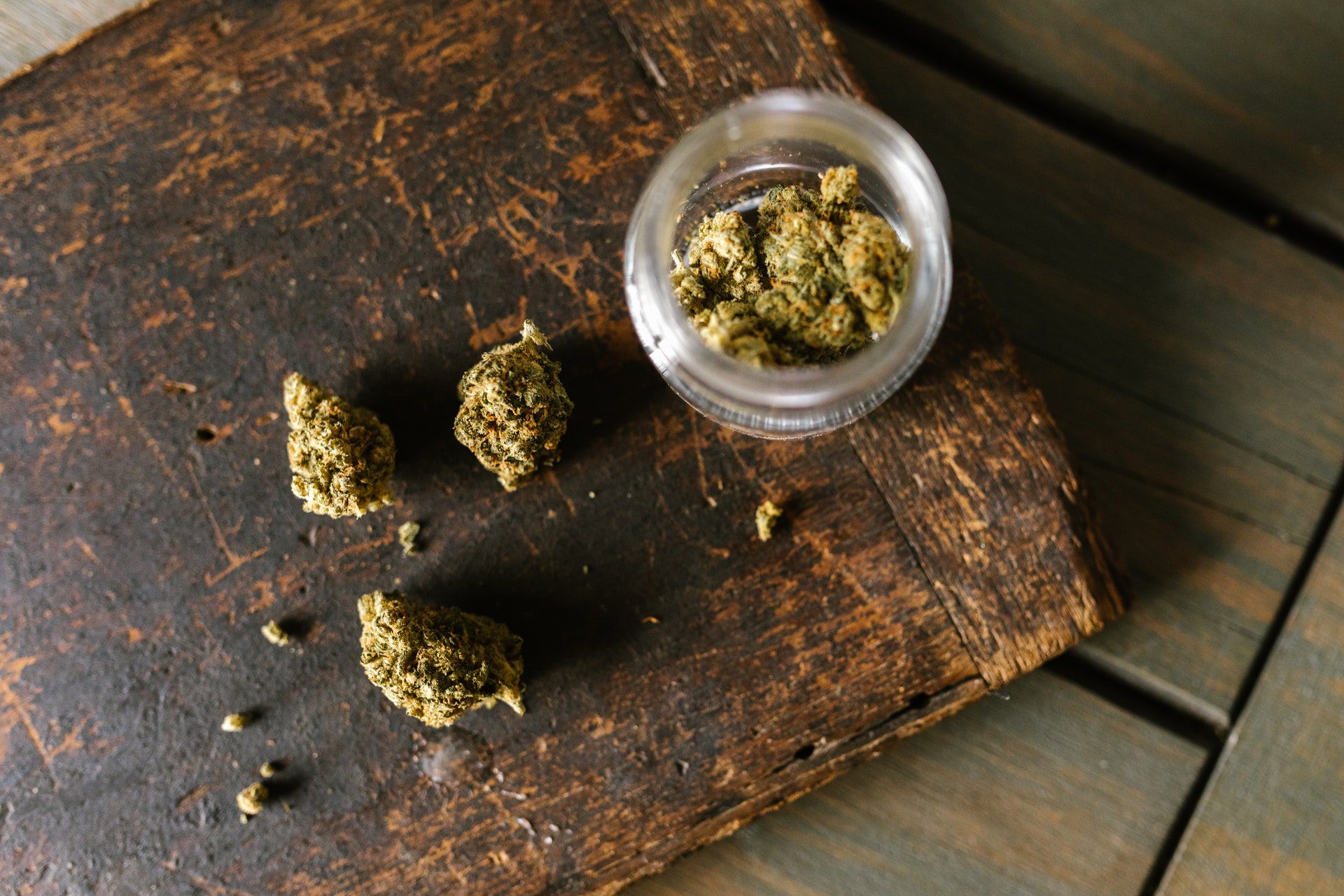
CBD hemp flower is the flower of fiber hemp with a CBD/CBDA content usually between 5-15%. Its main use is vaporization (heating to 160-210 degrees Celsius without combustion). Bioavailability reaches 31% (PMC, 2020), with effects appearing in 5-15 minutes, making this form the fastest.
CBD hemp flower is sold legally in Poland if the THC content does not exceed 0.3%. Products from the brand Konopny Buch, such as the Mars 9% CBD flower, are typical representatives of the segment. Vaporization provides a strong ambient effect due to the full matrix of cannabinoids and terpenes in the living biomass.
CBD cosmetics
Creams, serums, balms, and ointments act locally on cannabinoid receptors in the skin. Systemic bioavailability is minimal (below 1%), so there is no "whole body" effect. Typical uses: acne, atopic dermatitis, psoriasis, joint pain, muscle tension, healing minor wounds. This is a form of spot therapy.
Good CBD cosmetics have a specified concentration of CBD per milligram of product (e.g., 500 mg of CBD in 50 ml of cream). Avoid products without declared content, often referred to as "hemp oil" from seeds without significant amounts of cannabidiol. Check the manufacturer's COA just like with oils.
CBD Drinks and Shots
Hemp shots and functional drinks with CBD are the fastest-growing segment (CAGR 27% according to Fortune Business Insights, 2024). Portions usually contain 10-25 mg of CBD, often combined with adaptogens (ashwagandha, reishi) or stimulants (caffeine, L-theanine). Bioavailability is similar to capsules, but absorption is faster due to the liquid form.
How to properly dose CBD?
The WHO in its 2018 report assessed CBD as well-tolerated in humans at doses up to 1500 mg daily (WHO, 2018). However, the typical therapeutic dose is 10-80 mg per day, depending on the purpose. The "start low, go slow" principle is standard: begin with a minimum, gradually increase every 3-7 days until the desired effect is achieved (Project CBD, 2023).
Initial dosing
For those starting with CBD: 10 mg once daily for 3-5 days. Observe the effect on sleep, stress, mood. If you feel a subtle improvement, stay at this dose for another week. If not, increase to 15-20 mg. The full effect develops after 2-4 weeks of regular supplementation, not immediately.
Practical conversion: 5% oil contains 2.5 mg of CBD per drop, 10% oil contains 5 mg per drop, 15% oil contains 7.5 mg per drop. Thus, 4 drops of 5% oil = 4 drops of 10% oil / 2 = 10 mg of CBD. Counting drops is approximate; a graduated pipette is more precise.
Dosing for specific purposes
- Stress and anxiety: 25-50 mg daily, divided into 2 doses (morning and evening).
- Insomnia: 30-50 mg in the evening, 1-2 hours before sleep.
- Recovery after training: 20-30 mg orally + topical application on muscles.
- Chronic pain: 40-80 mg daily, in 2-3 doses.
- Skin inflammatory conditions: topical form 2-3 times a day + optional 15 mg orally.
- General wellness prevention: 10-20 mg daily, regularly.
When to take CBD – in the morning or evening?
CBD at doses above 30 mg often has a slight sedative effect, so it is preferred in the evening. At doses of 5-15 mg, it can be taken in the morning without the risk of drowsiness. Many people split their daily dose in half (morning and evening), which ensures stable blood levels throughout the day.
Important: take CBD with a meal containing fat. The presence of fats in the meal increases oral bioavailability by 3-5x in pharmacokinetic studies. CBD oils based on MCT already contain fat in the matrix, so the effect is less dependent on the meal, but still noticeable.
jak-dawkowac-cbd-kalkulator
Unique observation: A common mistake among beginners is "increasing the dose because it doesn't work". CBD has a dose-effect curve shaped like an inverted U. In the 2019 study on social anxiety, 300 mg produced better results than 600 mg and 900 mg. If 25 mg has not yielded results after 2 weeks, try 40 mg first, not 100 mg. Often, the effect appears after 3 weeks at the same dose.
Is CBD legal in Poland in 2026?
Yes, CBD is legal in Poland. Products containing CBD derived from Cannabis sativa L. with THC content below 0.3% comply with Polish law (Dz.U. 2005 nr 179 poz. 1485). Cannabidiol is not listed as a controlled substance. The CBD market in Poland reached 130 million euros in 2024 (Cannabis Facts, 2024).
THC limits and product status
The Polish THC limit in products from industrial hemp is 0.3% (for comparison: Switzerland 1%, USA federally 0.3%). All legal CBD oils, cosmetics, flowers, and gummies meet this limit. In practice, broad spectrum oils have 0% THC, while full spectrum has 0.1-0.2% THC, which is below the legal threshold.
CBD products in Poland are sold as cosmetics or "for collector's purposes". They are not registered as dietary supplements or medicines (except for Epidiolex). This is due to the EU status of cannabinoids as "novel food", which requires EFSA authorization. The procedure has been ongoing since 2019.
What is allowed and what is not?
It is legal: to buy, possess, use, transport in luggage within the country, sell online and in physical stores. It is legal: to vaporize CBD hemp flower. It is not legal: to advertise CBD as a medicine ("cures depression", "heals cancer"). It is not legal: to sell products with THC above 0.3%. It is not legal: to smoke cannabis with flowers (classified as THC regardless of content).
Advertising restrictions stem from EU regulations on health claims. Manufacturers use "wellness support" language, avoiding specific medical indications. This is not a marketing gimmick, but compliance with the law. If you see a store promising "cures" or "miraculous effects" – it’s a warning sign about the brand's low credibility.
Can CBD be transported by plane?
In Poland and EU countries: yes, in carry-on luggage, within the liquid limit of 100 ml per container. A COA confirming THC content below 0.3% is required. Outside the EU, check local regulations: e.g., Japan, Russia, Middle Eastern countries treat CBD restrictively or ban it entirely. In the USA, it is federally legal (Farm Bill 2018), but state regulations vary.
CBD in Poland is legal as a product from industrial hemp if the THC content does not exceed 0.3% (Dz.U. 2005 No. 179 item 1485 as amended). The CBD market is growing at a CAGR of 12.3% until 2030 (Fortune Business Insights, 2024), and in Poland, it reached 130 million euros in 2024 (Hemp Facts, 2024).
How to choose a good CBD product?
According to a Project CBD survey from 2023, 68% of cannabinoid consumers base their choice on three criteria: certificate of analysis (COA), type of extraction, type of extract (broad/full spectrum vs isolate) (Project CBD, 2023). A low price is not a good indicator, just as a high concentration is not – quality and batch consistency matter.
Certificate of Analysis (COA) – what to check?
COA (Certificate of Analysis) is a laboratory analysis of the product conducted by an accredited independent laboratory. It should include: content of main cannabinoids (CBD, THC, CBG, CBN, CBC), terpene profile, absence of heavy metals, absence of pesticides, absence of solvent residues, absence of mold and bacteria.
A good producer publishes a COA for each batch of product. The batch code from the label should be traceable in the COA database on the producer's website. If the producer does not publish a COA or only publishes a "standard" for the entire line, that is a warning sign. Without a COA, you have no guarantee that the declared CBD content is present in the bottle.
Broad spectrum, full spectrum, or isolate?
Broad spectrum contains all cannabinoids except THC. It has CBD, CBG, CBN, CBC, terpenes, but 0% THC. This is the most popular form (78% of orders at u Bucha in Q1 2026). Safe for professional drivers and athletes who fear THC detection in tests.
Full spectrum contains a complete extract with natural proportions, including trace THC up to 0.3%. Some researchers believe this form has the strongest entourage effect. The difference from broad spectrum is subtle for most users.
Isolate (99% pure CBD) is mainly used in clinical studies and in individuals with documented allergies to other cannabis components. In everyday use, isolates have a weaker effect per milligram than broad/full spectrum, precisely due to the lack of entourage effect. This is counterintuitive but confirmed by research.
Extraction method
Supercritical CO2 extraction is the gold standard. It leaves no solvent, preserves the full spectrum, and is temperature-controlled. Ethanol extraction is cheaper but requires solvent evaporation. Hydrocarbon extraction (butane, propane) yields the most concentrated extracts, but the risk of solvent residues is higher.
For daily use, choose CO2. It is a good compromise between purity, price, and cannabinoid profile. On the COA, you will see the declaration of the extraction method, and in the "residual solvents" field, it should be zero or "below the limit of detection."
Bucha data Q1 2026: In our category of oils, bestsellers are always broad spectrum products (78% of orders), less frequently full spectrum (10%) or isolates (12%). Polish customers prefer the configuration "broad, but without THC." 92% of customers check the COA before their first purchase. The most common initial concentration: 5% oil (64% of initial orders), then 10% (31%), less frequently 15% (5%).
Safety of CBD and side effects
The WHO in its 2018 report stated that CBD has a "good safety profile" and a "low potential for addiction" (WHO, 2018). In clinical studies, side effects occur in 5-10% of users and are mild. The most common are: dry mouth (11%), drowsiness (8%), changes in appetite (6%), mild diarrhea at high doses (4%) (Mayo Clinic, 2023).
Common side effects
Dry mouth results from the inhibition of saliva secretion by cannabinoid receptors in the salivary glands. Solution: drink water after taking CBD. Drowsiness mainly occurs at doses above 30 mg, which is why evening dosing is preferred at these doses. Changes in appetite can go both ways, but are usually subtle.
At very high doses (over 150 mg daily), some users report mild dizziness and lowered blood pressure. This is the effect of relaxing smooth muscle vessels. Caution is required for individuals with low baseline blood pressure. For those with hypertension, this effect may be desirable but should not replace medications.
Drug interactions
CBD inhibits cytochrome P450 enzymes, mainly CYP3A4 and CYP2C9 (PMC, 2019). CYP3A4 metabolizes about 50% of drugs on the market. Special caution is advised with: warfarin (anticoagulant), statins (for cholesterol), anticonvulsants (clobazam, valproate), some antidepressants (SSRIs, SNRIs), immunosuppressants.
Rule: separate CBD and medication by at least 2 hours. This does not eliminate interactions but reduces them. For drugs with a narrow therapeutic window (warfarin, methotrexate, cyclosporine), consultation with a doctor is mandatory. It is advisable to inform your doctor about using CBD before prescribing any new medication.
When not to use CBD?
Relative contraindications: pregnancy and breastfeeding (lack of safety studies), severe liver diseases (CBD metabolism occurs in the liver), allergy to cannabis components. Mayo Clinic recommends stopping CBD 2 weeks before a planned surgical procedure due to its potential impact on blood clotting and anesthetic metabolism (Mayo Clinic, 2023).
In children, only Epidiolex is approved for treatment-resistant childhood epilepsy, under strict medical supervision. Do not give CBD to pets without consulting a veterinarian. The metabolism of CBD in dogs and cats differs from that in humans, and doses must be adjusted to body weight and species.
cbd-a-leki-interakcje
How to start your CBD journey – a plan for beginners
In the 2023 Project CBD survey, 72% of new users reported wanting a "clear start plan," instead of searching for information in scattered sources (Project CBD, 2023). Below is a 6-week implementation scheme that can be tailored to individual needs. This is not a medical prescription, just a practical roadmap.
Weeks 1-2: start with 5% oil
Buy broad spectrum 5% CBD oil (500 mg in 10 ml). Start with 4 drops in the evening (10 mg CBD) for 5 days. Hold the drops under your tongue for 60-90 seconds, then swallow. After 5 days, increase to 6 drops in the evening (15 mg). Keep a journal: sleep quality (1-10), stress level (1-10), how you feel in the morning.
Weeks 3-4: dose calibration
Assess your body's response. If you see an improvement in sleep and less tension – stick to a dose of 15 mg. If the effect is subtle, increase to 8 drops in the evening (20 mg) or add 2 drops in the morning (5 mg). Split the dose if drowsiness occurs during the day. The full effect develops gradually; do not expect a revolution in a week.
Weeks 5-6: optimization
If 20-25 mg daily does not yield the expected effect, consider switching to 10% oil (to avoid taking 10-12 drops). If the effect is good, maintain the dose. Remember that the dose-effect curve is shaped like an inverted U. Sometimes 30 mg works better than 50 mg. Experiment cautiously and observe your body.
What to do if CBD "doesn't work"?
In the 2023 survey, about 23% of users reported no noticeable effect after 4 weeks. Reasons: too low a dose (30% of cases), too short a time (20%), expecting an "immediate miracle" (18%), poor product form (low COA, 15%), individual ECS pharmacogenetics (17%). Before giving up, try increasing the dose and give it 6 weeks.
Individual variability in response to CBD is significant. The density of cannabinoid receptors varies among individuals by as much as 10 times. Polymorphism of P450 enzymes affects metabolism. In about 5-10% of the population, CBD gives a weak response regardless of the dose. For these individuals, alternatives are CBG or CBDA.
cbd-wlasciwosci-co-to-jest-cbd
Frequently asked questions about CBD
What is CBD in simple terms?
CBD (cannabidiol) is a natural, non-psychoactive compound from hemp (Cannabis sativa L.). It constitutes 10-20% of the mass of mature industrial hemp flowers and does not produce an intoxicating effect. CBD modulates the endocannabinoid system, influencing sleep, mood, inflammation, and pain perception (PMC, Frontiers in Pharmacology, 2020).
Is CBD legal in Poland in 2026?
Yes. CBD derived from industrial hemp (Cannabis sativa L.) is legal in Poland if the THC content in the product does not exceed 0.3% (Dz.U. 2005 Nr 179 poz. 1485 with later amendments.). CBD is not listed as a controlled substance, and the market for CBD products is estimated at around 130 million euros in 2024 (Cannabis Facts, 2024).
How quickly does CBD work after ingestion?
The sublingual form (sublingual drops) works in 15-45 minutes. Capsules and gummies take 60-120 minutes. Vaporizing flower or oil provides effects in 5-15 minutes. The full effect of ECS modulation appears only after 2-4 weeks of regular use (Project CBD, 2023).
What are typical CBD doses for adults?
A typical starting dose is 10-20 mg of CBD daily. The WHO in its 2018 review assessed CBD as well-tolerated in humans at doses up to 1500 mg daily (WHO, 2018). For stress and sleep, effective doses are 25-50 mg, gradually increased every 3-7 days. The principle: start low, go slow.
Does CBD cause addiction or a high?
No. The WHO report from 2018 states that CBD has a low potential for addiction and does not produce psychoactive effects (WHO, 2018). CBD does not directly activate the CB1 receptor, which is responsible for the intoxicating effects of THC. The safety profile allows for long-term use without the risk of tolerance typical of opioids.
How to choose a good CBD oil?
Check the certificate of analysis (COA) for the specific batch of the product. Choose CO2 extraction. Prefer broad spectrum or full spectrum oil (the entourage effect provides 30-40% stronger action than isolate). A concentration of 5-10% CBD meets the needs of most beginner users (Project CBD, 2023).
Does CBD interact with medications?
Yes. CBD inhibits cytochrome P450 enzymes (mainly CYP3A4 and CYP2C9), which metabolize about 50% of drugs on the market (PMC, 2019). Caution is required with warfarin, statins, anticonvulsants, and some antidepressants. Consult a doctor or pharmacist before combining with medications.
Is CBD safe for children and during pregnancy?
CBD is not recommended during pregnancy or breastfeeding due to the lack of safety studies (Mayo Clinic, 2023). In children, the only approved use is Epidiolex for treatment-resistant childhood epilepsy (Dravet syndrome, Lennox-Gastaut syndrome), exclusively under medical supervision (FDA, 2018).
Summary: everything about CBD in one sentence
CBD is a non-psychoactive cannabinoid from hemp that modulates the endocannabinoid system and supports the body in returning to homeostasis. It is legal in Poland (THC below 0.3%), well-tolerated, with no potential for addiction (WHO, 2018). The most common applications are stress, sleep, recovery, inflammation, and skin care.
If you are starting – choose a broad spectrum 5% oil from CO2 extraction with a COA certificate. Start with 10-15 mg in the evening for 2 weeks. Gradually increase the dose, observe the reaction, and give your body at least 4 weeks for a full response. Consult with a doctor if you are taking medications metabolized by CYP3A4 or have chronic diseases.
The CBD market in Poland is growing steadily (CAGR 12.3% until 2030 according to Fortune Business Insights). Along with the market, the quality of products and consumer awareness are increasing. The key to success: informed choices, patient testing, and realistic expectations. CBD is not a magic pill, but a proven wellness tool for many people.
Do you have questions? Check out our detailed encyclopedia of CBD properties, dosing guide, or comparison of CBD with other cannabinoids. Each topic in this guide has an extension in a dedicated article. Use it as a roadmap to deeper knowledge.
cbd-wlasciwosci-co-to-jest-cbd
This article is for informational and educational purposes and does not constitute medical advice. Before starting to use cannabis or CBD for therapeutic purposes, consult a doctor, especially if you are taking other medications, are pregnant, or breastfeeding.
Author: Michał Waluk, Editor of the Bucha blog
Publication date: April 23, 2026
Last update: April 23, 2026