
Ways to Take Marijuana and CBD: 6 Methods, Bioavailability, and Duration 2026
Methods of consuming marijuana: comparison of 6 methods, smoking bioavailability 10-35%, edibles 4-12%, sublingual 13-19% (Huestis, 2007). Legal aspects in Poland.
KEY INFORMATION
- The bioavailability of smoking marijuana ranges from 10 to 35 percent depending on the technique and depth of inhalation, while edibles provide only 4-12 percent due to the first-pass effect through the liver (Huestis, Chemistry & Biodiversity, 2007).
- Vaporization at temperatures of 175-220 degrees Celsius releases cannabinoids without combustion and significantly reduces exposure to respiratory toxins (Lanz et al., PLOS ONE, 2016).
- Sublingual oils bypass the liver and achieve a bioavailability of 13-19 percent with an onset of action in 15-45 minutes, making them the most commonly recommended form to start with CBD.
- Edibles provide a delayed but longer effect (4-8 hours) because THC is metabolized in the liver to the stronger 11-OH-THC (Newmeyer et al., Drug and Alcohol Dependence, 2017).
- Topical creams work locally without psychoactive effects, and transdermal patches can deliver cannabinoids to the systemic circulation (Bruni et al., Molecules, 2018).
- In Poland, CBD with THC below 0.3% is legal, while marijuana with THC above 0.3% requires a Rp-w prescription according to the Act of July 29, 2005.
Important medical and legal information: This article is for educational and informational purposes only and does not replace consultation with a physician. In Poland, marijuana containing THC at concentrations higher than 0.3 percent is a controlled substance under the Act of July 29, 2005, on counteracting drug addiction. Medical marijuana is available only by Rp-w prescription issued by a doctor. CBD products with THC content below 0.3 percent are legal and sold as dietary supplements or cosmetics. The content of this article does not encourage breaking the law, self-dosing psychoactive substances, or discontinuing conventional treatment. Individuals with chronic diseases, those undergoing pharmacotherapy, pregnant or breastfeeding women, and those under 18 should consult a doctor before considering cannabis therapy. Each route of administration has a different pharmacokinetic profile, risks, and contraindications, which should be assessed by the attending physician.
Methods of consuming marijuana and cannabis products have evolved over thousands of years, but only the last two decades have provided reliable pharmacokinetic data that allow for objective comparisons of individual routes of administration. Bioavailability, or the percentage of the dose that actually reaches the bloodstream, varies between methods by as much as seven times. This means that the same dose of 20 mg of THC can provide the body with 0.8 mg (capsule on an empty stomach) or 7 mg (vaporization). In this pillar guide, we compare six main methods of consuming marijuana and CBD: smoking, vaporization, edibles, sublingual oils, tinctures, and topical products. The basis is peer-reviewed pharmacological publications (Huestis 2007, Newmeyer 2017, Lanz 2016, Bruni 2018, Lucas 2018, WHO ECDD 2018) and Polish legal regulations.
The article was prepared by Michał Waluk based on current pharmacological and clinical literature (Huestis, Chemistry & Biodiversity, 2007; Newmeyer et al., Drug and Alcohol Dependence, 2017; Lanz et al., PLOS ONE, 2016; Lucas et al., Harm Reduction Journal, 2018; Bruni et al., Molecules, 2018; WHO ECDD CBD Critical Review, 2018) and Polish legal acts (Act of July 29, 2005, on Counteracting Drug Addiction).
pillar on four methods of taking CBD
Short answer: what are the main ways to consume marijuana?
The six main ways to consume marijuana and CBD are smoking, vaporization, edibles, sublingual oils, tinctures, and topical products. Each method has a different pharmacokinetic profile, bioavailability ranging from a few to several dozen percent, and different onset and duration times (Huestis, Chemistry & Biodiversity, 2007).
The choice of route of administration is not a matter of taste. It is a pharmacological decision that determines whether the effect will appear in three minutes or in an hour and a half. It also decides whether it will last two hours or eight, and what percentage of the administered dose will be effectively utilized by the body. These differences have therapeutic and safety implications.
In recreational use, smoking still dominates, but in medical cannabis, the trend is clearly moving towards vaporization, sublingual oils, and oral forms with precise dosing. Patients with chronic pain increasingly combine routes of administration, as evidenced by survey studies by Lucas and colleagues from 2018.
Quick comparison of six methods
Smoking: effect 2-10 minutes, bioavailability 10-35 percent, duration 1-4 hours. Vaporization: 2-10 minutes, bioavailability comparable to or higher than smoking, duration 2-4 hours. Sublingual oils: 15-45 minutes, bioavailability 13-19 percent, duration 4-6 hours. Edibles and capsules: 30-120 minutes, bioavailability 4-12 percent, duration 4-8 hours. Topical creams: 20-40 minutes locally, no systemic effects. Transdermal patches: 30-60 minutes, effect lasting up to 24-72 hours.
Citation Capsule: The six main routes of cannabinoid administration differ in bioavailability by as much as seven times: smoking 10-35 percent, vaporization similar or higher, sublingual 13-19 percent, edibles 4-12 percent, topical practically zero systemically, transdermal patches a few percent of steady concentration (Huestis, Chemistry & Biodiversity, 2007; Newmeyer et al., Drug and Alcohol Dependence, 2017; Bruni et al., Molecules, 2018).
Smoking marijuana: joints, pipes, and bongs. How does pharmacokinetics work?
Smoking marijuana remains the most popular recreational route of cannabinoid administration. The bioavailability of THC after inhaling smoke ranges from 10 to 35 percent, with peak plasma concentration reached in the 6-10 minute after inhalation (Huestis, Chemistry & Biodiversity, 2007). This wide range results from differences in smoking technique.
Cannabinoids released during combustion reach the alveoli. Their enormous surface area (60-80 square meters) allows for rapid absorption into the bloodstream. Hence, smoking provides the fastest possible onset of action. The user feels the effect within 2-5 minutes, allowing for dynamic dose regulation through subsequent inhalations.
The short duration of action (1-4 hours) has both advantages and disadvantages. On one hand, it makes it easier to control overdosing. On the other hand, in chronic pain, this requires frequent repetition of sessions, which cumulatively increases exposure to smoke toxins. Therefore, smoking is not a preferred medical method.
What exactly do we inhale along with the smoke?
Smoke from marijuana is produced at temperatures of 600-900 degrees Celsius in the glowing tip of a joint. At this temperature, in addition to cannabinoids, over 100 additional chemical compounds are released. Among them are tar, benzopyrene, formaldehyde, acetaldehyde, carbon monoxide, hydrogen cyanide, and many carcinogens also present in tobacco smoke.
Burning also destroys some cannabinoids. Pyrolysis breaks down valuable compounds into byproducts of untested activity. Hence, 'low temperature smoking' techniques using glass pipes with large bowls aim to limit overheating of the flower, but never completely eliminate the pyrolytic problem.
Joint, pipe, or bong: practical differences
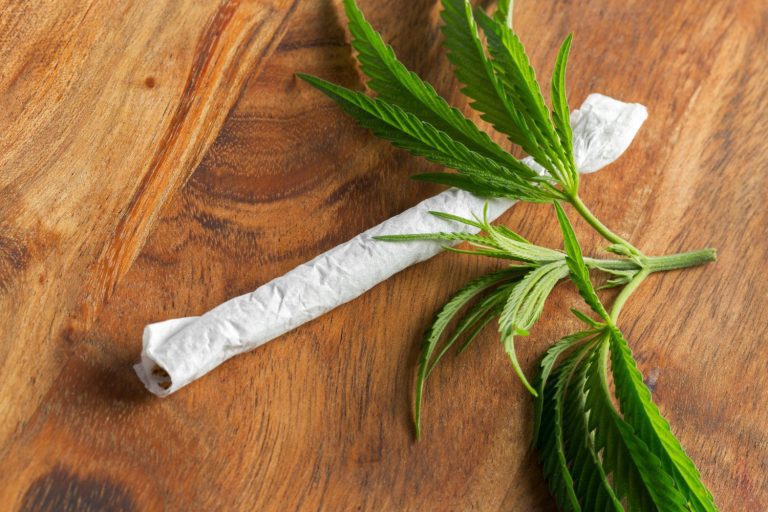
A joint (roll) is the simplest form in which the herb burns evenly with paper. A pipe allows for smoking without paper, eliminating paper from the process, but the combustion temperature remains high. A bong filters the smoke through water, cooling it and partially trapping solid particles, but does not remove water-soluble cannabinoids to any significant degree.
Purize XTRA Slim filters with activated carbon built into the roll reduce some of the tar toxins, although they do not eliminate the combustion problem. Wooden mouthpieces further cool the smoke before inhalation. These are compromises, not solutions, for those who prefer smoking for various reasons.
In our order database, we see that customers combining Purize filters with wooden mouthpieces more often return for a vaporizer within 6-12 months than customers buying only rolling papers. This suggests that awareness of tar risks translates into a gradual migration towards vaporization.
Why is smoking not a first-choice medical form?
Doctors prescribing medical marijuana in Poland primarily recommend vaporization, followed by oral forms (oils, capsules). Smoking tends to remain in the recreational space, although paradoxically, patients often turn to it for the immediate effect. From a pharmacological perspective, it makes no sense to expose the lungs to pyrolysis when there are equally fast and safer inhalation alternatives.
Citation Capsule: Smoking marijuana provides a rapid onset of action (2-10 minutes) and THC bioavailability in the range of 10-35 percent, but is associated with inhaling over a hundred combustion products, including tar carcinogens also present in tobacco smoke. Therefore, smoking is not a recommended form of administering medical marijuana (Huestis, Chemistry & Biodiversity, 2007).
Vaporizing herbs and concentrates: why fewer toxins than smoking?
Vaporization involves heating cannabis herb or concentrates to temperatures of 175-220 degrees Celsius, at which cannabinoids and terpenes transition to the gas phase without combustion. In vitro validation of the Volcano vaporizer at 210 degrees showed a significant reduction in tarry products and carbon monoxide compared to smoke (Lanz et al., PLOS ONE, 2016).
The mechanism is physically simple. THC vaporizes at around 157 degrees, CBD at about 160-180 degrees, and typical terpenes in the range of 100-220 degrees. Combustion of the herb begins only above 230 degrees. A vaporizer allows for precise stopping in the extraction window, bypassing the pyrolysis process responsible for toxins.
The vapor from the vaporizer contains cannabinoids in almost pure form, with minimal by-products. This is why vaporization is the first recommended inhalation form in medical marijuana therapy. The patient retains the rapid onset of action but without the burden of tar on the lungs.
Optimal temperature ranges
175-180 degrees Celsius is the 'mild' range, in which mainly terpenes and a small amount of cannabinoids are released. The effect is subtle, flavors are rich, experiences are more psychoactive at the level of consciousness. 185-200 degrees is the 'balance range', in which most THC and CBD are extracted while maintaining good aromatic qualities.
205-220 degrees is the 'strong range'. Here, the maximum amount of cannabinoids is released, including less volatile fractions. The effect is the strongest, but some terpenes degrade. Above 220 degrees, the risk of burning increases, which eliminates the main advantage of the method.
Herbs, concentrates, or vape pods?
Vaporizing cannabis herb (e.g., Mars CBD 9 percent) is the basic form. It requires a stationary or portable vaporizer with a chamber for the herb and good temperature. Concentrates (wax, shatter, rosin) contain higher concentrations of cannabinoids and require special dab chambers or inserts. Vape pods (e.g., Pinky VAPE Pod CBG) are ready cartridges with distillate, the most convenient to use.
In conversations with customers, I observe that those transitioning from smoking to vaporization most often start with a stationary vaporizer with a chamber for the herb. After 2-3 months, they reach precision in settings and begin experimenting with lower temperatures that provide a subtler effect and fuller terpene profile.
Disadvantages of vaporization
The first disadvantage is the cost of the device. A good stationary vaporizer costs 1500-3000 PLN. Portable models range from 400-1500 PLN. Cheaper devices often do not maintain a stable temperature, which spoils the experience and reduces effectiveness. The second disadvantage is the need for maintenance, cleaning the chamber, and replacing accessories.
The third disadvantage is that for some users, the psychoactive effect is less intense than when smoking, despite higher cannabinoid bioavailability. This is a paradox: better extraction but subtler experiences. The reason is the lack of interaction with smoke toxins, which also affect the central nervous system.
Citation Capsule: Vaporization at temperatures of 175-220 degrees Celsius allows for the extraction of cannabinoids and terpenes without combustion. In vitro validation of the Volcano vaporizer at 210 degrees showed a significant reduction in the level of tarry products and carbon monoxide compared to smoke from burning (Lanz et al., PLOS ONE, 2016). Therefore, vaporization is the preferred inhalation method in medical cannabis.
vaporizer selection guide
Edibles: why do they work slower, but longer and stronger?
Edibles are food products containing cannabinoids: cookies, gummies, chocolate, drinks, shots. The bioavailability of CBD and THC in oral form is only 4-12 percent, and the onset of action occurs only after 30-120 minutes after consumption (Newmeyer et al., Drug and Alcohol Dependence, 2017). Nevertheless, the effect lasts 4-8 hours.
Why do edibles work slower? The pharmacological route is long. First, cannabinoids must be released in the stomach and intestines. Then they are absorbed through the intestinal epithelium into the portal blood. From there, they go directly to the liver, where some are metabolized before they even reach systemic circulation. This is the famous 'first-pass effect'.
The liver converts THC into 11-hydroxy-THC (11-OH-THC), a metabolite that is more psychoactive and longer-lasting than the original molecule. Hence, the effect of edibles often seems 'stronger' despite lower bioavailability. Some users describe the experience as more 'heavy', 'body' rather than 'head', although this is subjective.
Types of edibles available in the Polish market
In Poland, only edibles with CBD (THC below 0.3 percent) are legally available. The most popular forms are functional gummies, hemp shots, adaptogenic chocolates, cookies, bars, and isotonic drinks. Each category has its advantages: gummies are convenient and precisely dosed, shots are faster, and chocolates are pleasant organoleptically.
Edibles with THC in the form of cookies or sweets are not legal in Poland and are not available in commercial circulation. Patients with medical marijuana receive it as herb or oil, and self-preparing cookies from medical herb is not a form recommended by Polish clinicians due to the difficulty of precise dosing.
Common mistakes with edibles
Mistake one: impatience. The user does not feel the effect after 30 minutes, so they take a second dose. After an hour, the double dose starts to take effect, resulting in a stronger, uncomfortable experience. Rule: after edibles, wait at least 2 hours before the next dose.
Mistake two: consuming on an empty stomach. Lipophilic cannabinoids require fat for absorption. An edible eaten with a fatty meal has a better pharmacokinetic profile than on an empty stomach, but the effect starts later (60-120 minutes instead of 30-60).
Mistake three: ignoring the content on the packaging. Manufacturers provide mg of cannabinoids per piece or per package. A 100g chocolate bar with 50 mg of CBD divided into 10 squares gives 5 mg per square. Without simple arithmetic, it is easy to overdose organoleptically.
Half-life of oral CBD and THC
The half-life of orally administered CBD is 18-32 hours with regular dosing. THC in oral form (as 11-OH-THC) has a half-life of 12-36 hours. This is significantly longer than with smoking or vaporization, where active concentration drops within a few hours. Hence, edibles are good for sleep and long nighttime effects.
Citation Capsule: Edibles with THC and CBD have a bioavailability of 4-12 percent and a delayed onset of action in 30-120 minutes, but the effect lasts 4-8 hours due to hepatic metabolism of THC to the stronger 11-hydroxy-THC. This makes them an optimal form for sleep support and long-lasting effects, despite low absorption (Newmeyer et al., Drug and Alcohol Dependence, 2017).
Sublingual CBD and THC oils: are they faster than edibles?
Yes, sublingual oils are clearly faster and better absorbed than edibles. The bioavailability of the sublingual method is 13-19 percent, and the onset of action occurs in 15-45 minutes with a peak at 60-90 minutes. This is because drops held under the tongue bypass the liver and are absorbed through the mucous membranes directly into the bloodstream.
Under the tongue is a dense network of blood vessels. CBD or THC molecules dissolved in a carrier oil (MCT, hemp, olive) penetrate through the thin mucous membrane directly into the internal jugular vein. From there, they go to the heart and systemic circulation. The first-pass effect through the liver is significantly reduced, which doubles the absorption compared to swallowing.
Sublingual oil combines the advantages of many methods. It provides a relatively quick onset (15-45 minutes), moderately long effect (4-6 hours), and precise dose control (one drop = known amount of mg). The absence of combustion, no need for equipment, and discreet use make this form the most commonly recommended starting method in CBD therapy.
How to properly apply oil sublingually?
Step one: measure the dose with a dropper. 5 percent CBD oil contains about 2.5 mg of CBD per drop. Start with 4-8 drops (10-20 mg). Step two: lift your tongue and place the drops under it, on the mucous membranes of the floor of the mouth. The upper surface of the tongue has significantly fewer vessels.
Step three: hold the oil for at least 60 seconds, optimally 90 seconds. During this time, do not drink, eat, or speak intensively. Step four: swallow the remaining amount. Some CBD will go through the sublingual route, some through the oral route. This two-step profile provides a quick onset plus longer maintenance of effect.
Tinctures and cannabis infusions: an alternative to oils?
A tincture is an alcohol extract from cannabis herb. Traditionally, it is obtained by macerating the herb in high-proof alcohol (usually 70-95 percent). After a few weeks, the alcohol extracts cannabinoids, terpenes, and flavonoids from the plant. The tincture is taken sublingually or added to drinks.
Cannabis infusions are the weakest pharmacologically. Herb poured with boiling water releases only a small portion of cannabinoids because THC and CBD are lipophilic and poorly soluble in water. For the infusion to make sense, fat (milk, butter) must be added or prepared as a decoction in milk with fat. Even then, bioavailability is very low.
CBD oils with varying concentrations
A concentration of 5 percent (500 mg in 10 ml) is a starting dose. 10 percent (1000 mg) for those with an established efficacy threshold. 15-30 percent for advanced users or in specific indications (epilepsy, severe pain). CBG, CBN, and CBC are also available in sublingual oil form as an emerging category of 'minor cannabinoids'.
Citation Capsule: Sublingual CBD and THC oils achieve a bioavailability of 13-19 percent with an onset of action in 15-45 minutes. Holding drops under the tongue for 60-90 seconds allows the mucous membranes to absorb the molecule before it reaches the stomach and liver, thus bypassing the first-pass effect responsible for the low absorption of edibles.
Topical creams, balms, and transdermal patches: what is the difference?
Topical CBD products are divided into two categories with completely different pharmacology. Classic creams and balms work exclusively locally, stopping in the epidermis and dermis. Transdermal patches utilize special carriers that penetrate the stratum corneum and can deliver cannabinoids to systemic circulation (Bruni et al., Molecules, 2018).
This distinction is critical in practice. A CBD cream for a painful knee will work locally, without effects on the central nervous system, without drowsiness, and without the risk of a positive THC test result. A transdermal patch, on the other hand, may induce a systemic effect similar to sublingual oil, although spread over time for up to 72 hours.
Cannabinoid creams work through CB2 receptors present in skin cells and keratinocytes. They affect local inflammation, itching, and microcirculation. Their popularity is growing in contact sports, physiotherapy, and cosmetic dermatology (atopic dermatitis, psoriasis, acne).
Composition of a typical CBD balm
A good CBD balm contains between 100 to 1000 mg of cannabidiol per 30-100 ml of product. The base usually consists of shea butter, cocoa butter, plant oils (jojoba, coconut), and anti-inflammatory additives (menthol, camphor, arnica, eucalyptus). The composition is significant not only therapeutically but also for penetration.
Penetration enhancers facilitate the deeper penetration of CBD. Menthol and terpenes naturally serve this function. Some balms also use liposomal technology, which increases local bioavailability by encapsulating cannabinoids in lipid vesicles.
Transdermal patches: long-acting technology
Transdermal patches are a significantly more advanced form than creams. They contain a polymer matrix with cannabinoids plus carriers that penetrate the stratum corneum. Once applied to the skin, cannabinoids penetrate through it in a controlled manner, providing a steady concentration in the blood for 24-72 hours.
Such products are still relatively niche and expensive. In Poland, the availability of transdermal patches with CBD is limited. Patches with THC practically do not exist in commercial circulation. This technology has great potential, especially in chronic pain and palliative care, where continuity of drug concentration is essential.
When to choose topical versus systemic?
Topical creams are the first choice for: musculoskeletal pain limited to one area, skin problems (eczema, acne, psoriasis), menstrual pain (on the lower abdomen), peripheral joint pain. Transdermal patches work well for pain requiring continuous coverage (neuropathies, cancer pain, fibromyalgia).
Systemic forms (sublingual, oral, inhalation) are chosen for sleep disorders, anxiety, stress, generalized pain, epilepsy, chronic diseases with an inflammatory component, and appetite support. These are general guidelines; the decision should always be consulted with a physician.
Citation Capsule: Topical creams and balms with CBD work locally on skin CB2 receptors without significant concentrations in the blood, eliminating psychoactive effects. Transdermal patches utilize carriers that penetrate the stratum corneum and deliver cannabinoids to systemic circulation with a duration of action of 24-72 hours (Bruni et al., Molecules, 2018).
Oral supplements: capsules, dissolvable tablets, and softgels
CBD capsules and tablets are a form of 'edibles without cooking'. They contain a precisely measured dose of cannabidiol (usually 10-50 mg per capsule) enclosed in a gelatin or plant-based shell. The pharmacokinetic profile is identical to edibles: onset 30-120 minutes, bioavailability 4-12 percent, effect 4-8 hours.
The main advantage of capsules is dosing precision. Unlike gummies or cookies, where the distribution of cannabinoids may be uneven, capsules provide a consistent dose. This is important in clinical therapy, scientific research, and for patients requiring pharmacological stability.
The second advantage is the lack of cannabis taste and smell. Some users have an aversion to the organoleptics of CBD oils. A capsule eliminates this problem. The third advantage: discretion. A capsule can be taken anywhere and does not visually differ from a typical dietary supplement or vitamin.
Dissolvable tablets: a hybrid of methods
A newer category is water-soluble tablets containing CBD in the form of nano-emulsions or water-soluble microcapsules. This technology theoretically increases oral bioavailability to 20-30 percent by bypassing the lipophilicity problem of cannabinoids. In practice, the data is promising but still limited to manufacturer studies.
Water-based CBD formulations (nano-emulsions) are an area where marketing often outpaces solid pharmacokinetic data. Independent studies indicate a 2-4 fold increase in bioavailability compared to classic oils, but it rarely reaches the claimed „30 percent”. Customers should read independent studies, not just marketing materials from manufacturers.
Oil capsules (softgels) versus pressed tablets
Softgels are gelatin capsules filled with MCT oil containing CBD. They have a very quick dissolution time in the stomach (5-15 minutes) and a better pharmacokinetic profile than pressed tablets, which dissolve in 20-40 minutes. The price of softgels is usually higher, but the practical difference in effect is limited at typical doses (10-30 mg CBD).
Comparison of methods: which way to choose for sleep, pain, and anxiety?
The choice of route of administration should be tailored to the therapeutic goal, pattern of complaints, and user preferences. A patient survey from 2018 involving over 2000 respondents indicated that patients with chronic pain most often combine several routes of administration, while those with anxiety prefer fast forms (Lucas et al., Harm Reduction Journal, 2018).
Each method has a window of utility. There is no one 'best' form of consuming marijuana or CBD. Instead, there is a method best suited to a specific clinical situation and specific user. Key decision parameters include: onset speed, duration, bioavailability, discretion, long-term cost, and safety profile.
For sleep and insomnia
Optimal forms: edibles (gummies, chocolate) or capsules taken 60-90 minutes before sleep. They act for 4-8 hours, covering the entire sleep cycle. An alternative is sublingual oil 30-45 minutes before sleep for those with difficulty falling asleep but longer sleep. Vaporization is less recommended in the evening due to its short action (2-4 hours).
For chronic pain
Standard protocol: sublingual oil twice daily as a systemic base plus topical cream or transdermal patch on a specific painful area. Edibles in the evening to improve sleep and reduce nighttime pain. Vaporization as a 'rescue' during exacerbations. Combining methods is clinically justified and often recommended.
For anxiety and panic attacks
The fastest forms: vaporization of CBD herb (effect in 5-10 minutes) or sublingual oil (15-30 minutes). Edibles are less practical due to delayed onset. Preventively, sublingual oil taken regularly twice a day works well for those with generalized anxiety. In acute attacks, inhalation or sublingual form as an emergency intervention.
For daily stress and recovery
Sublingual CBD oil 5-10 percent in the morning and evening is the most commonly recommended protocol. Doses of 10-30 mg of CBD daily are usually sufficient to achieve an adaptogenic effect after 2-4 weeks of regular use. Full stabilization of blood concentration occurs after 5-7 days of daily dosing.
For muscle pain after training
Topical balms and creams with CBD applied to muscles 1-3 times a day. They work locally without systemic effects, which is important for athletes avoiding effects on the central nervous system. Can be supplemented with sublingual oil in the evening for overall recovery support and improved sleep.
Citation Capsule: The choice of route of administration of cannabinoids should be tailored to the therapeutic goal: edibles and capsules for sleep, sublingual oils for prevention, vaporization for acute symptoms, topicals for local pain. Patients with chronic pain most often combine several methods simultaneously, which is clinically justified and supported by survey data (Lucas et al., Harm Reduction Journal, 2018).
Legal aspects in Poland: what does the Act of July 29, 2005, say?
In Poland, the issue of cannabis is regulated by the Act of July 29, 2005, on counteracting drug addiction. Marijuana containing THC at concentrations higher than 0.3 percent is classified as a narcotic and is subject to strict control. Products with CBD and other non-psychoactive cannabinoids, with THC content below 0.3 percent, are legal and available without a prescription.
Medical marijuana has been available in Poland since 2017 by Rp-w prescription (prescription with a supplement) issued by a doctor for patients eligible for cannabinoid therapy. The prescription is filled at pharmacies that have the status of pharmacies dispensing prescriptions for controlled substances. The patient receives a pharmaceutical raw material in the form of herb, oil, or another registered form.
The WHO Expert Committee on Drug Dependence (ECDD) in 2018 confirmed in a critical review that pure CBD has a favorable safety profile, shows no addictive potential, or psychoactive effects typical of THC (WHO ECDD CBD Critical Review, 2018). This is an important reference document for European regulators.
What is allowed, what is not allowed in Poland?
Allowed: to buy and possess CBD products with THC below 0.3 percent (oils, capsules, cosmetics, hemp flower for vaporization). They can be used privately, sold in stationary and online stores, transported within the country. It is also allowed for a patient with a Rp-w prescription for medical marijuana to purchase and use medical preparations according to the doctor's indications.
It is prohibited to possess recreational marijuana (THC above 0.3 percent) without a prescription, to cultivate cannabis for non-feed and non-fiber purposes without appropriate permits, to sell products with THC above 0.3 percent outside the pharmacy channel, and to drive under the influence of THC. Polish law does not distinguish 'amount for personal use' in a way that would exonerate.
Legal status of various forms
CBD flower for vaporization: legal with THC below 0.3 percent. CBD and CBG oils: legal, sold as dietary supplements or cosmetics. Edibles with CBD (gummies, chocolates, shots): legal, regulated by food regulations. CBD creams and balms: legal as cosmetics. CBD transdermal patches: legal but rarely available. Edibles with THC: illegal. Medical THC flower: only by Rp-w prescription.
Driving after CBD and THC
Pure CBD without THC does not affect the ability to drive and is not detectable in roadside tests. THC is detectable in saliva for up to 24-48 hours after use, in blood for up to 7 days, and in urine for up to 30 days in regular users. Polish traffic law prohibits driving under the influence of THC, regardless of the source (recreational or medical).
Patients on medical marijuana should discuss with their doctor the impact of treatment on psychomotor abilities and avoid driving during periods of peak THC action. Professional athletes must check current WADA lists, as THC remains a banned substance in competitions, while CBD has been off the banned list since 2018.
Citation Capsule: Polish law (Act of July 29, 2005, on counteracting drug addiction) allows for the trade and possession of cannabis products with THC below 0.3 percent. Marijuana with higher THC content is available only as medical marijuana by Rp-w prescription. The WHO ECDD confirmed in 2018 the favorable safety profile of pure CBD, without addictive potential (WHO ECDD CBD Critical Review, 2018).
Frequently Asked Questions (FAQ)
Is smoking marijuana really more harmful than vaporization?
Yes, in vitro validation of the Volcano vaporizer at 210 degrees showed a significant reduction in the level of tarry combustion products and carbon monoxide compared to smoke (Lanz et al., PLOS ONE, 2016). Burning herb at temperatures of 600-900 degrees generates over a hundred pyrolysis by-products, including carcinogens also present in tobacco smoke. Vaporization eliminates the combustion process, making it the preferred inhalation form in medical cannabis.
Why can edibles 'hit' harder, despite low bioavailability?
Edibles with THC undergo conversion in the liver to 11-hydroxy-THC (11-OH-THC), a metabolite that is more psychoactive and longer-lasting than the original THC molecule (Newmeyer et al., Drug and Alcohol Dependence, 2017). Therefore, despite low bioavailability (4-12 percent), the subjective effect of edibles is often more intense and longer. This is a trap for beginners who take a second dose without waiting for the full effect of the first.
Can sublingual oil be combined with vaporization?
Yes, combining methods is clinically justified and often recommended. A typical protocol is sublingual CBD oil as a preventive base twice a day plus vaporization of herb during moments of acute tension, pain, or stress. Combining does not significantly increase the risk of adverse effects but requires keeping a dosing journal and consulting with a physician during pharmacotherapy. Topical creams can be added pointwise without systemic interactions.
How many drops of 5% CBD oil should be taken sublingually?
One drop of 5 percent CBD oil contains about 2.5 mg of cannabidiol, so 4 drops equal 10 mg, and 8 drops equal 20 mg. The typical starting dose is 10-20 mg daily, increased every 3-7 days until the effect is achieved or up to a maximum of 50-70 mg daily. Hold the drops under the tongue for 60-90 seconds before swallowing. Full assessment of effectiveness requires a minimum of 2-4 weeks of regular use.
Are CBD oils legal for professional drivers?
Broad spectrum CBD oils (without THC) are legal and should not yield a positive result in roadside THC tests. Full spectrum oils contain trace amounts of THC (below 0.3 percent), which could theoretically accumulate with long-term regular use. Professional drivers should choose broad spectrum products or CBD isolates, having laboratory certificates confirming the absence of THC. Consultation with an employer and occupational medicine physician is advisable.
How long does medical marijuana work depending on the form?
Vaporized flower acts for 2-4 hours after inhalation, with effects appearing after 5-10 minutes (Huestis, Chemistry & Biodiversity, 2007). THC oil sublingually: 4-6 hours with onset in 15-45 minutes. THC capsules and oral preparations: 6-8 hours with delayed onset of 60-120 minutes. Transdermal patches: 24-72 hours of constant concentration. The choice of form depends on the pattern of ailments, daily schedule, and clinical indications.
Do CBD creams enter the bloodstream?
Classic CBD creams and balms work locally and do not reach significant concentrations in the bloodstream. Absorption stops at the level of the epidermis and dermis, where CBD interacts with skin CB2 receptors (Bruni et al., Molecules, 2018). Therefore, creams do not induce systemic effects such as drowsiness or central relaxation. Transdermal patches are a different category; their technology allows for penetrating the stratum corneum and delivering cannabinoids to systemic circulation.
What to choose for the first encounter with CBD?
For beginners, the most commonly recommended form is sublingual broad spectrum 5 percent CBD oil. It combines predictable bioavailability of 13-19 percent, relatively quick onset of action (15-45 minutes), simple dose control (one drop = 2.5 mg), and no need for equipment. After 2-4 weeks of regular use, other methods (vaporization, topical creams, capsules) can be considered depending on needs. Consultation with a physician before starting is advisable, especially in chronic pharmacotherapy.
Summary and practical recommendations
The six main routes of cannabinoid administration have different pharmacokinetic profiles that cannot be replaced by a single universal choice. Smoking and vaporization provide the fastest onset (2-10 minutes) and bioavailability up to 35 percent, but smoking burdens the lungs with combustion toxins. Vaporization at temperatures of 175-220 degrees eliminates pyrolysis and is therefore the preferred inhalation form in medicine.
Sublingual oils are the most commonly recommended starting form due to predictable bioavailability of 13-19 percent, quick onset (15-45 minutes), and simple dose control. Edibles and capsules are optimal for sleep and long-lasting effects (4-8 hours), although they are more difficult in precise dosing and slower in onset (30-120 minutes). Topical creams work locally without systemic effects, while transdermal patches deliver cannabinoids to the blood for 24-72 hours.
In Poland, products with CBD and other non-psychoactive cannabinoids (CBG, CBN, CBC) are legal with THC content below 0.3 percent. Medical marijuana with higher THC is available only by Rp-w prescription. The WHO ECDD confirmed in 2018 the favorable safety profile of CBD without addictive potential, which provides a scientific basis for legal trade in the European Union.
For individuals starting cannabis therapy, an optimal start is broad spectrum 5 percent CBD oil in sublingual form, e.g., SOOL CBD Oil 5 percent (76 PLN). Experienced users may consider a concentration of 10 percent (SOOL CBD 10 percent, 99 PLN), CBG oil 15 percent (Cannova, 240 PLN), or hemp flower for vaporization (Mars CBD 9 percent, 59 PLN). The choice of route of administration should always be tailored to the therapeutic goal, pattern of complaints, and consultation with a physician.
category CBD oils