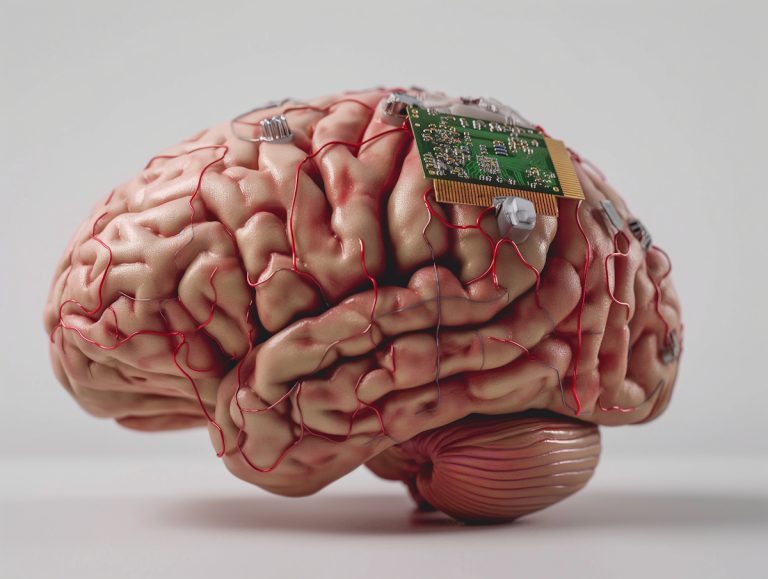

Does marijuana affect creativity? What do scientific studies say
Does marijuana really boost creativity? A review of studies by Schafer, Kowal, LaFrance, and Cuttler. Myth, placebo, or real effect of THC and CBD on divergent thinking.
The myth of the 'stoned genius' has been circulating in popular culture for decades. Steve Jobs, Carl Sagan, Bob Marley, Louis Armstrong. All publicly acknowledged that marijuana influenced their creative process. But do laboratory studies confirm this intuition, or rather expose it as a placebo effect? In recent years, psychologists and neurobiologists have been trying to separate the actual impact of THC on divergent thinking from the subjective feeling of being creative. The results are surprisingly ambiguous. Some studies show an increase in idea fluency after low doses, while others prove that we merely think we are more creative. Before you reach for a joint to 'spark' your muse, it's worth knowing the data.
Key findings
- Low doses of THC (5.5 mg) do not increase creativity in everyone, but may enhance divergent thinking in individuals with low baseline creativity (Kowal et al., Psychopharmacology, 2015).
- High doses of THC (22 mg) clearly reduce fluency and originality of ideas, regardless of the personality of the subject.
- Individuals under the influence of marijuana rate their own ideas as more creative, even though independent judges do not confirm this difference, a classic halo effect (Jordan et al., 2017).
- The personality trait Openness to Experience explains most of the reported 'creativity effect' better than THC itself.
- CBD does not have psychoactive effects and does not directly influence divergent thinking, but it may reduce anxiety that blocks creativity (WHO ECDD, 2018).
Disclaimer: this article is educational and based on peer-reviewed scientific research. We do not encourage the use of marijuana in violation of Polish law (Act of July 29, 2005 on Counteracting Drug Addiction). CBD is pharmacologically different from THC and is legal if the Δ9-THC content does not exceed 0.3%. In case of any health concerns, consult a doctor or pharmacist.
The short answer: myth, placebo, or real effect?
The most honest answer is: a bit of each. A meta-analysis of nine controlled studies from 1970 to 2017 shows that low doses of THC (up to 7 mg) may slightly increase divergent thinking test scores in some subjects, but the effect disappears or reverses at higher doses. Importantly, the subjective feeling of being creative increases much faster than the objective quality of ideas (LaFrance and Cuttler, 2017).
In other words, marijuana does not turn an average person into Picasso. However, it may temporarily loosen cognitive filters and help in making non-obvious associations if someone already has a tendency for that. In practice, the personality trait Openness to Experience and the user's expectations play a significant role. This is why two people smoking the same joint report radically different creative experiences.
The most interesting conclusion from the literature of the last decade is not the answer 'yes' or 'no', but the question of whether we are measuring the right things at all. Most psychometric tests were developed in the 1960s and measure abstract language abilities, not real artistic creativity in a recording studio at three in the morning.
Who is really concerned with this topic?
The issue of the impact of cannabis on creativity is most often raised by three groups. Artists and musicians seek arguments to justify their habits. Scientists try to separate myth from neurobiological mechanisms. Finally, drug policy, which has been balancing between demonization and romanticization of substances for decades. Each of these perspectives takes something different from the research.
What is creativity according to psychology?
Contemporary cognitive psychology defines creativity as the ability to generate ideas that meet two criteria: originality and usefulness. The classic model by J.P. Guilford from 1967 divides it into divergent thinking (divergent) and convergent thinking (convergent). This distinction is now the basis of almost every study on the pharmacology of creativity, and you will find it in every cognitive psychology textbook.
Divergent thinking is the ability to come up with many different answers to an open question. The classic Alternate Uses Task (AUT) asks the subject to list as many uses for a brick, paperclip, or newspaper as possible. It scores fluency (number of responses), flexibility (number of categories), originality (rarity), and elaboration (detail).
Convergent thinking works in the opposite way. Here, we seek one best answer from many possibilities. It is measured by the Remote Associates Task (RAT). Example: what word connects 'tower', 'control', 'clock tower'? The answer requires the convergence of different associations at one point.
Why is this difference crucial?
Because these two types of thinking engage different neural networks and, as it turns out, react differently to psychoactive substances. THC seems to promote divergence in some individuals while simultaneously reducing convergent efficiency, as confirmed by Tinklenberg's study from 1978. In other words, marijuana may help scatter the seeds of ideas but makes it harder to refine them later.
Can creativity be measured objectively?
Only partially. The AUT and RAT tests are standardized, but their ecological validity, meaning how well they predict real creativity outside the laboratory, is moderate. Correlations between AUT scores and artistic achievements in real life hover around r = 0.30, meaning that test results explain about 9% of the variance in actual creativity.
The classic Guilford model divides creativity into divergent thinking (generating many ideas) and convergent thinking (choosing the best). Standardized AUT and RAT tests have measured these dimensions since the 1960s, but their correlation with actual artistic creativity is only r ≈ 0.30, explaining about 9% of the variance.
What did classic studies from the 1970s and 1980s show?
The first rigorous study on the impact of marijuana on creativity was published by Tinklenberg in 1978. The team administered various doses of THC to 19 men and asked them to perform divergent and convergent thinking tests. The result? Low doses did not significantly change the results, while high doses lowered both fluency and convergent correctness. No evidence was found for the 'mythical' increase in creativity.
Block and Wittenborn went further in 1985. They studied 30 experienced cannabis users and 30 individuals from a control group using Guilford's tests. The results were surprising even to the authors. THC slightly increased the number of unusual associations but simultaneously decreased narrative coherence and the ability to evaluate one's own ideas. Participants 'produced' more but selected less effectively.
It is worth noting the methodological weakness of both early studies. The samples were small (below 50 people), gender-imbalanced (mostly men), and relied on self-reported assessments of creativity. Modern standards require double-blind procedures, independent judges evaluating ideas, and control over the personality traits of the subjects.
What did early mistakes teach us?
Three things. First, that dosage is everything. What stimulates at 2.5 mg of THC paralyzes at 15 mg. Second, that the self-assessment of 'being creative' by the user is extremely inflated compared to the assessment by external judges. Third, that without control over personality and tolerance, conclusions are worthless. These three lessons defined all subsequent studies.
What have modern studies (Schafer, Kowal, LaFrance) discovered?
The most important study of the last decade was conducted by Schafer and colleagues in 2012. They examined 160 individuals, dividing them into groups smoking 'high potency' and 'low potency'. After 60 minutes of inhalation, they performed AUT tests. The result? Only individuals with low baseline creativity (measured before the experiment) showed an increase in scores after THC; those with high baseline did not gain anything (Schafer et al., Consciousness and Cognition, 2012).
In other words, THC acts as a 'leveler' in the group. It raises those at the bottom but does not elevate those who are already creative even higher. This is a revolutionary conclusion, as it debunks the myth that marijuana makes a Picasso out of anyone who reaches for it. Only those who had blocked potential, for example due to cognitive rigidity or fear of judgment, benefit realistically.
Why was the Kowal et al. 2015 study groundbreaking?
Because it showed that even in experienced users, high doses of THC reduce creativity. A Dutch research group led by Mikael Kowal examined 54 regular cannabis consumers. They were divided into three groups: placebo, low dose THC (5.5 mg), and high dose (22 mg). All performed standard tests of verbal fluency and divergent thinking (Kowal et al., Psychopharmacology, 2015).
The results were clear. A low dose did not differ significantly from placebo. A high dose clearly worsened fluency (fewer ideas) and flexibility (fewer categories). The authors summarized: 'strong cannabis strains impair divergent thinking in regular users.' This is the first direct evidence that it is not about THC itself, but about its dosage.
What did the LaFrance and Cuttler 2017 study contribute?
Carrie Cuttler from Washington State University studied creativity in naturalistic rather than laboratory conditions. 412 cannabis users performed AUT tests both sober and under the influence of their usual dose. The result? Under the influence of cannabis, subjects did not create more or better ideas than when sober (LaFrance and Cuttler, Consciousness and Cognition, 2017).
Interestingly, cannabis users as a group exhibited higher creativity than abstainers. But this difference disappeared after controlling for the trait Openness to Experience. In other words, it is not marijuana that makes people creative, but creative people are more likely to reach for marijuana. Correlation, not causation.
Schafer (2012) showed that THC raises divergent thinking test scores only in individuals with low baseline creativity. Kowal (2015) proved that high doses (22 mg) reduce fluency and flexibility of thought. LaFrance and Cuttler (2017) showed that the observed higher creativity of users results from personality, not from the substance itself.
How does THC affect the prefrontal cortex and dopamine?
CB1 receptors of the endocannabinoid system are particularly densely distributed in the prefrontal cortex, the area responsible for planning, impulse control, and creative thinking. Bhattacharyya et al. (2009) showed in fMRI that THC reduces the activity of this cortex in healthy volunteers, while CBD has the opposite effect (Bhattacharyya et al., 2009).
The mechanism of action on creativity likely occurs through dopamine modulation. THC, by binding to CB1, indirectly increases dopamine release in the striatum and prefrontal cortex. And dopamine, as known from Akinola and Mendes' work on the 'inverted U', affects creativity according to the bell curve. Too little, no spark. Too much, chaotic thinking without selection.
What does this mean in practice?
Everyone has a different 'peak point' on this curve. Individuals with naturally low dopamine levels (for example, with greater cognitive rigidity) may benefit from a moderate dose of THC. Those with naturally high levels (for example, suffering from ADHD or with a schizotypal phenotype) may experience overload and a decline in executive functions. Hence the huge individual differences.
Why does CBD work differently than THC?
Because CBD does not directly activate the CB1 receptor. Instead, it has a modulatory effect, alleviating the effects of CB1 stimulation by THC. In the same study, Bhattacharyya showed that CBD sustains prefrontal cortex activity and improves executive functions. This is why CBD is often described as the 'antipsychotic' counterpart to THC, although in clinical terms it still requires further research.
From our observation of conversations with customers at the cannabis store, an interesting thing emerges. People buying CBD for creative work (graphic designers, copywriters, programmers) most often do not talk about 'stimulating creativity', but about 'removing blocks'. This aligns with the literature: CBD does not create ideas; rather, it alleviates the anxiety and tension that block those ideas.
Why do some gain while others lose?
The personality trait Openness to Experience explains 18-25% of the variance in responses to THC, according to meta-analyses from 2015-2020. Individuals with high Openness have greater cognitive flexibility and better tolerate altered states of consciousness. They respond to cannabis with an expansion of associations. Individuals with low Openness more often experience anxiety, paranoia, and chaotic thinking, which paralyzes creativity instead of stimulating it.
The second variable is dosage. Low doses (up to 7 mg of THC, which is less than one standard joint) promote 'loosening' of filters. Moderate doses (10-15 mg) begin to burden working memory. High doses (above 20 mg) almost always reduce cognitive performance in everyone, regardless of personality.
How does tolerance change the picture?
Regular users develop a tolerance to the psychoactive effects of THC, but not necessarily to cognitive effects. This is a paradox. An experienced consumer may feel "normal" at a dose that paralyzes a beginner, yet their creativity and working memory still suffer. In other words, a lack of subjective high does not mean a lack of objective impact on the brain.
What is the impact of context and expectations?
Huge. Classic placebo studies show that the mere belief "I’m smoking something that boosts creativity" increases the subjective sense of creativity by 30-40%, even if a placebo is actually administered. This is the expectation effect, well documented in cognitive pharmacology. In practice, this means that a large part of the "creative" experience with marijuana comes from our minds, not from THC.
The trait Openness to Experience explains 18-25% of individual variance in response to THC. Low doses (up to 7 mg) may loosen cognitive filters, while doses above 20 mg impair executive functions in almost everyone. Tolerance masks subjective effects but does not protect against objective deterioration of working memory.
Does the "halo effect" inflate user reports?
Yes, and significantly. A classic study by Jordan et al. from 2017 showed that individuals under the influence of marijuana rate their own ideas, jokes, and poems as significantly more creative than independent judges do. The difference averaged 20-30%, and in some tasks exceeded 40%. The classic halo effect (Jordan et al., 2017).
What's worse, subjects not only inflated their assessment of their own works but also of others' works in the group. In other words, in a setting where everyone is smoking, they mutually affirm the brilliance of ideas that would seem trivial when sober. This explains why at three in the morning, every joke seems funny, and every sketch looks revolutionary.
Where does this illusion of creativity come from?
From three sources. First, THC lowers the activity of the prefrontal cortex, which is responsible for self-criticism and analytical assessment. Second, dopamine in the reward system increases the subjective sense of an "aha moment" even with trivial associations. Third, expectations and culture ("marijuana boosts creativity") reinforce the interpretation of any experience as creative.
What do researchers recommend?
Separate creation from evaluation. If someone uses cannabis in creative work, it's best to generate ideas while high but return to them and select soberly, preferably the next day. This approach is also recommended by some well-known musicians and writers, who describe their creative process in interviews. Consistent selection is the difference between "creative chaos" and actual work.
What does this mean for artists, programmers, and creators?
For professionals, the data suggest several practical conclusions. First, marijuana is not a "shortcut" to creativity. Second, if you do use it, low doses may help in the idea generation phase (brainstorming, sketching, first draft), but not in the finishing phase (editing, production code, final composition). Third, regular use is likely to lower your baseline creativity over time.
Programmers and code
Writing code primarily requires convergent thinking, that is, precisely matching one correct syntax and logic to a problem. Here, marijuana clearly harms. Studies on working memory show that THC reduces its capacity by 15-25% at moderate doses. This means more syntax errors, poorer ability to keep the context of functions in mind, and slower debugging.
Musicians and visual artists
Here the situation is ambiguous. The phase of experimenting with sound, composition, or color palette can benefit from relaxed cognitive filters. The technical phase (mixing, mastering, retouching, perspective) requires precision, which THC does not support. Many well-known music producers openly talk about separating "studio sessions" (sometimes while high) from "mix sessions" (always sober).
Writers and copywriters
Writing is a mix of both modes. The first draft often benefits from divergence, while editing relies on convergence. Many writers describe the strategy "write high, edit sober," which data partially confirm. But beware of the halo effect; what seems brilliant at midnight often turns out to be a rambling cliché by nine in the morning.
The most practical lesson from the scientific literature: creativity is a two-phase process (generation + selection), and no substance can optimize both phases simultaneously. Professional creativity involves consciously switching between modes. Marijuana, like alcohol, coffee, or meditation, affects only one phase. Relying on it means neglecting the other.
Can CBD support creativity?
CBD does not have psychoactive effects and does not directly influence divergent or convergent thinking. The WHO in a critical review from 2018 stated that CBD is "well tolerated by humans and animals, does not exhibit addictive potential or intoxicating effects" (WHO ECDD, 2018). This makes it a substance of a completely different category than THC.
What can CBD actually do for creativity? Indirectly, by reducing anxiety and improving sleep quality. Anxiety is one of the biggest blocks to the creative process: it paralyzes, provokes self-criticism, and blocks free association. Studies on CBD in social anxiety show significant effects at doses of 300-600 mg. In retail practice, recreational doses are lower (15-50 mg daily), but many users report measurable improvement.
How to choose a CBD product for creative work?
The most common form is CBD oils with a concentration of 5-15%. Lower concentrations (up to 5%) are good for beginners and for gentle relaxation during the day. Higher concentrations (10-15%) work well in the evening or under stronger tension. The broad spectrum form (with the entire cannabinoid profile except THC) has an advantage over isolates due to the so-called entourage effect.
Does CBG work differently than CBD?
CBG, or cannabigerol, is the "mother of all cannabinoids" and has a pharmacological profile similar to CBD, but with a greater impact on serotonin neurotransmission. Some users describe the effect of CBG as more "clear" and less sedating than CBD, which theoretically could promote mental work during the day. There is currently a lack of scientific research on CBG and creativity.
In the store's offer, you will find among others SOOL Broad Spectrum CBD 5% 10ml (76 PLN, a good introduction), SOOL Broad Spectrum CBD 10% 10ml (99 PLN, classic concentration), Cannova CBG 15% 10ml (240 PLN, variant with cannabigerol) and Mars Dry CBD 9% (59 PLN, hemp flower for vaporization).
The WHO confirmed in 2018 that CBD is well tolerated, has no addictive potential, and does not show intoxicating effects. It does not directly increase creativity but may reduce anxiety (studies in social anxiety show effects at 300-600 mg), which is one of the main blocks to the creative process.
What do researchers answer to user questions?
In summary of the literature from 1970-2024, several consistent answers emerge to the most common user questions. Not all are comfortable for proponents of the "creative weed" myth, but all are data-driven. The following FAQ summarizes key findings.
Does smoking marijuana increase my creativity?
Most likely not, if you already have high baseline creativity. It may help if your creativity is blocked by anxiety, rigidity of thought, or low dopamine levels. Schafer (2012) showed that only individuals with low baselines gain, while the rest do not record significant changes in objective tests. The subjective sense of "being creative" increases in everyone, but this is a halo effect, not a real increase.
Does regular smoking permanently lower creativity?
Regular, heavy use of cannabis (daily, for years) is associated with measurable reductions in executive functions, working memory, and cognitive flexibility, all components of creativity. After a long period of abstinence (a few months), most of these deficits recover, but not for everyone. In individuals who started smoking during adolescence, changes may be partially permanent (Meier et al., 2012, Dunedin cohort).
Do microdoses of THC work better than "normal" doses?
Preliminary data suggest so. Microdoses of 1-2.5 mg THC may retain relaxing effects without strong cognitive impairment. This approach is popular in legal states in the USA but illegal in Poland. There is a lack of large, controlled studies on microdoses of THC and creativity. Importantly, CBD in low doses is a legal alternative with a mild profile.
Is there a difference between indica and sativa?
From a scientific point of view, the division into indica/sativa is overly simplistic. What matters is the cannabinoid profile (THC, CBD, CBG) and terpenes (limonene, myrcene, pinene, beta-caryophyllene). Strains rich in pinene and limonene are more often described as stimulating and conducive to "clear" thinking, while those rich in myrcene are described as sedating. However, there is a lack of controlled studies on terpenes and creativity.
Is it worth combining CBD with coffee for creative work?
From a biochemical perspective, coffee (caffeine) and CBD have complementary profiles: caffeine stimulates, CBD alleviates the accompanying anxiety and tremors. Many users describe such a combination as "stimulating calm." There is a lack of scientific research on this combination in the context of creativity, but anecdotal reports are positive. Remember that CBD can affect caffeine metabolism through CYP enzymes, which prolongs its effects in some individuals.
Can CBD help me before a performance or important presentation?
Possibly, if your main issue is performance anxiety. Studies on social anxiety (Bergamaschi et al., 2011) showed that a single dose of 600 mg CBD significantly reduces anxiety in individuals with social phobia before public speaking. Recreational doses are smaller, but many users report measurable help with 30-60 mg taken 1-2 hours before the event. However, consultation with a doctor is advisable, especially if you are taking other medications.
Is creativity "under the influence" really mine?
A philosophically interesting question. From a neurobiological perspective: yes, every idea that arises in your brain is yours, regardless of what substances modulate the brain. From the perspective of the creative process: the substance only changes the initial conditions; the material (memories, knowledge, experience) is yours. That’s why some artists say that cannabis does not create for them, but rather "reveals" what they already had in their minds.
Are there any safe alternatives to marijuana for creativity?
Yes, a few. The best-researched is mindfulness meditation, which increases cognitive flexibility and divergent thinking (effects comparable to a moderate dose of THC, without the risks). The second is aerobic exercise, which boosts BDNF and creativity for 1-2 hours post-workout. The third is a 20-minute nap, the famous "creative nap" of Salvador Dali. Among legal substances: CBD, coffee, and pure water. All these methods have solid scientific support.
Summary: what does science really teach us?
After more than five decades of research on cannabis and creativity, the conclusion is paradoxically simple. Marijuana is not a miraculous catalyst for creativity, but it is not its total enemy either. It works selectively, modulating dopamine and reducing prefrontal cortex control, which in some individuals, at certain doses, in certain phases of creative work, may help. In others, it harms.
Key variables are dosage (low vs. high), personality (high vs. low Openness), baseline creativity, tolerance, context, and expectations. The subjective feeling of creativity increases much faster than the objective quality of ideas (halo effect), meaning that many users think they are more creative than they actually are. Hence the importance of separating the generation phase from the selection phase.
Among legal alternatives, CBD is a safe choice for those who want to reduce anxiety and tension blocking creativity, without intoxicating effects. It will not magically increase creativity but may remove obstacles that stifle it. It is worth starting with low concentrations (5%) and observing the body's reaction, preferably keeping short notes on work quality on a given day.
If you are interested in the topic of CBD in mental work, check out the full offer of oils, flowers, and extracts available at u Bucha. All products have laboratory tests confirming purity and compliance with Polish law.