

Vegetable Casserole with Hemp Topping: Comfort Food

Vegetable casserole with a crunchy topping made from hulled hemp seeds. Step-by-step recipe, measured ingredients of seeds, and how much protein they really add.
The vegetable casserole tastes better than it looks on the ingredient list. Soft, caramelized vegetables, tomato sauce, and a crunchy crust are a classic comfort food that you can make with whatever is lying in the fridge. Replace regular breadcrumbs with a mix of hulled hemp seeds, and the topping will gain a nutty flavor, golden color, and a real portion of protein. You can adjust the vegetables to the season: in summer zucchini and bell pepper, in autumn pumpkin and sweet potatoes. The dish is ready in an hour and serves four portions, and leftovers can be reheated the next day without losing flavor. Below you will find a step-by-step recipe, measured ingredients of hulled hemp seeds, and an explanation of why the popular shortcut about “complete plant protein” requires clarification.
KEY INFORMATION
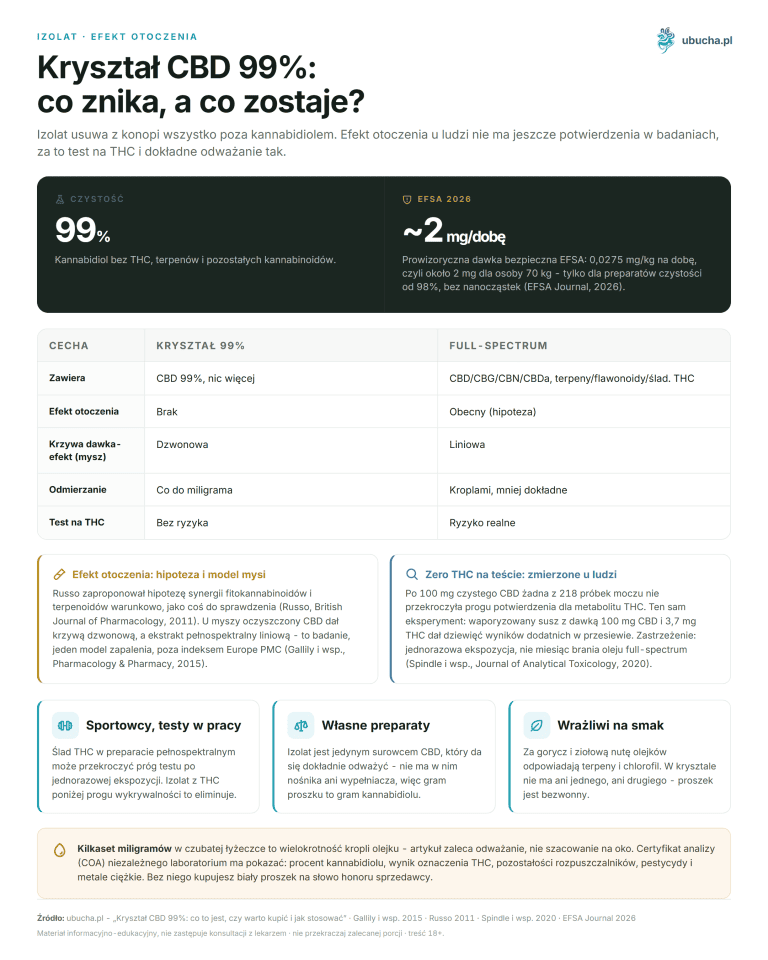
• One hundred grams of hulled hemp seeds contain 31.6 g of protein, 48.8 g of fat, and 700 mg of magnesium (USDA FoodData Central, record 170148).
• Four tablespoons of topping, or about 40 g, contribute approximately 13 g of protein and 280 mg of magnesium from this conversion.
• The PDCAAS of hulled hemp seeds is 63-66%, and the first limiting amino acid is lysine (House et al., 2010).
• Bake the topping under a layer of oil and breadcrumbs: fatty seeds brown faster than the breadcrumbs themselves.
What do hemp seeds bring to the topping?
Primarily protein and fat, along with a good amount of magnesium. One hundred grams of hulled hemp seeds contain 31.6 g of protein and 48.8 g of fat, so four tablespoons of topping, or about 40 g, provide approximately 13 g of protein. A classic topping made from breadcrumbs, cheese, and oil adds crunch and color but almost no nutritional value.
The numbers come from the USDA FoodData Central database, record 170148 for hulled hemp seeds. The same record states 700 mg of magnesium per 100 g, which is about 280 mg in the topping itself. An independent measurement by House et al. (Journal of Agricultural and Food Chemistry, 2010) on thirty commercial samples found hulled seeds to have 35.9% protein and 46.7% fat, for whole seeds 24.0% and 30.4%, and for the oil cake 40.7% and 10.2%. Both numbers describe the same product from different batches, and removing the hull increases both the protein content and its digestibility.
However, the popular shortcut requires clarification. Callaway (Euphytica, 2004) states that the proteins in hemp seeds contain nutritionally significant amounts of all essential amino acids, but presence is not the same as quality. House et al. report that the PDCAAS of hulled seeds is 63-66%, and lysine is the first limiting amino acid in all studied hemp products. Therefore, hemp seeds are a strong protein addition, not a complete protein in the sense that is said about an egg.
Does the hemp seed topping withstand baking?
Yes, if it is under a layer of oil and breadcrumbs, and the oven is set to 190 degrees. Hemp seeds are fatty, so they brown faster than the breadcrumbs themselves and can also become bitter sooner. You control this by sight, not by a timer: when the topping is golden, it is ready.
We did not find a measurement indicating how many fatty acids the hemp topping loses during baking, so we do not provide any temperature or time thresholds beyond what is visible in the dish. However, it is known what these fats consist of: hemp seed oil is over 80% polyunsaturated fatty acids (Callaway, Euphytica, 2004), and they oxidize the easiest of all. Caution with long baking comes from the structure of the fat, not from a specific number that someone measured just for casseroles.
We noticed a simple relationship in the kitchen: the hemp topping turns golden before the vegetables underneath soften. If your oven heats strongly from above, cover the dish with foil for the first twenty minutes and uncover it for the last fifteen. The topping will reach color exactly when the rest of the casserole is ready, instead of waiting for it while burnt. If you forget the foil, move the dish to a lower shelf.
What do you need for the casserole?
Four vegetables with a similar baking time, tomato sauce, and a topping made from four tablespoons of hulled hemp seeds mixed with breadcrumbs. The proportions are enough for four servings. Preparation takes 20 minutes, baking another 30-35 minutes.
- 2 zucchinis (about 400 g)
- 2 bell peppers in two colors
- 1 eggplant (about 300 g)
- 2 ripe tomatoes or 1 can (400 g) of chopped tomatoes
- 1 onion
- 3 cloves of garlic
- 4 tablespoons of hulled hemp seeds (about 40 g)
- 4 tablespoons of breadcrumbs or fine oat flakes
- 3 tablespoons of olive oil
- 100 g of grated mozzarella or yellow cheese (optional)
- 1 teaspoon of dried oregano
- 1 teaspoon of dried thyme
- salt and freshly ground black pepper
- fresh basil for serving
Choose vegetables that will cook at the same time. Zucchini, bell pepper, and eggplant soften similarly quickly, so they go into the dish together. Root vegetables, such as carrots or parsley, should be roasted separately for fifteen minutes before assembling the casserole, otherwise, they will remain hard under the soft top. Cheese is optional: without it, the dish remains vegan, and the topping will still brown from the oil. You can completely replace the breadcrumbs with finely ground oats.
How to prepare the casserole step by step?
In two stages: first, sauté the vegetables in a pan, then bake them under the topping. The initial sautéing evaporates the water, which would make the casserole watery instead of creamy. The whole process takes less than an hour, most of which is baking without your involvement.
- Preheat the oven to 190 degrees in top-bottom mode. Grease a baking dish measuring about 30 by 20 cm with a thin layer of oil and set aside.
- Cut zucchini and bell pepper into thick slices, and the eggplant into cubes with a side of two centimeters. In a large pan, heat 2 tablespoons of oil, add finely chopped onion with garlic, and sauté for 3 minutes. Add the vegetables and sauté on high heat for 6-8 minutes, stirring occasionally. They should soften slightly, but not cook through: the oven will finish the job.
- Mix chopped tomatoes with oregano and thyme, season with salt and pepper. Pour half of the sauce into the bottom of the dish, place the sautéed vegetables on top, and pour the rest over. If using cheese, sprinkle it over the vegetables before adding the topping.
- In a bowl, combine hulled hemp seeds, breadcrumbs, a tablespoon of oil, and a pinch of salt. Mix until the mixture starts to stick together in moist clumps. Evenly sprinkle it over the top.
- Place the dish in the preheated oven for 30-35 minutes, until the topping is golden and crispy. After removing, wait 5 minutes before serving, as the casserole needs to stabilize. Before serving, sprinkle with fresh basil.
What variations are worth trying?
Three: autumn with pumpkin, hearty with lentils, and gluten-free with oat flakes. The base of the recipe remains the same, only the vegetables or topping ingredient change. The hemp topping fits all of them, as its flavor is neutrally nutty and does not clash with the spices.
In autumn, replace zucchini and bell pepper with hokkaido pumpkin slices and diced sweet potatoes. Extend the baking time to 45 minutes, as pumpkin needs more time than zucchini. A pinch of cinnamon in the topping sounds strange, but tastes very good with pumpkin. We used the same flavor set in the recipe for barley risotto with pumpkin and hemp seeds.
The hearty version is made by adding 150 g of cooked green lentils to the tomato sauce. Lentils absorb the flavor of the tomatoes and herbs, and the casserole no longer needs a bread addition. The gluten-free version requires only one swap: instead of breadcrumbs, add finely ground gluten-free oats or chopped walnuts to the topping.
Hulled hemp seeds work well wherever a dish needs crunch or a nutty background. We also use them in marinades and grill additions and in cauliflower cream with curry.
Frequently Asked Questions
How much protein does the hemp seed topping add?
One hundred grams of hulled hemp seeds contain 31.6 g of protein (USDA FoodData Central, record 170148), so four tablespoons of topping, or about 40 g, contribute approximately 13 g of protein to the entire dish. The same record states 700 mg of magnesium per 100 g of seeds.
Are hemp seeds in the topping a complete protein?
Not in the sense that is said about an egg. The PDCAAS of hulled hemp seeds is 63-66%, and the first limiting amino acid is lysine (House et al., 2010). They are a good protein addition to a vegetable dish, not a one-to-one substitute for animal protein.
What vegetables are suitable for this casserole?
Best are those with a similar baking time: zucchini, bell pepper, and eggplant in summer, and pumpkin with sweet potatoes in autumn. Roast root vegetables separately for fifteen minutes before assembling the casserole, otherwise, they will remain hard under the soft top and dry out.
Is the casserole with hemp topping vegan?
Yes, if you omit the cheese, which is an optional ingredient in this recipe. The topping made from hemp seeds, breadcrumbs, and oil contains no animal ingredients. The gluten-free version additionally requires replacing breadcrumbs with gluten-free oats or chopped nuts.
Can the casserole be reheated?
Yes, store it in the refrigerator for up to three days and reheat in the oven at 160 degrees for 15 minutes. After reheating, the topping loses its crispness, so just before serving, you can sprinkle an additional tablespoon of raw hulled hemp seeds for texture.
If you are looking for ready-made food products, check out the food category in the u Bucha store.
This article is for informational and educational purposes and does not replace consultation with a doctor. If you are pregnant, breastfeeding, taking medications, or have chronic conditions, consult the use of supplements or herbs with a specialist.
Author: Michał Waluk · Published: 2026-06-08 · Updated: 2026-08-16