
CBD and Chronic Pain – What Does the Science Say, What Does the Marketing Say? A Comprehensive Guide
Have you ever wondered if CBD can actually help with chronic pain? In a world where the market for cannabis supplements and products is growing at a rapid pace, it's hard not to come across numerous advertisements promising the almost miraculous effects of cannabidiol. But does the science actually back up these promises? This article will help you cut through the maze of information, separate the facts from the myths, and understand how CBD actually works for chronic pain.
Chronic pain – a complex challenge for modern medicine
Chronic pain is a problem affecting millions of people worldwide. Defined as pain lasting longer than 3-6 months, chronic pain can stem from a variety of causes, from neuropathy and arthritis to post-traumatic pain and fibromyalgia. This type of pain often significantly reduces quality of life, leading to sleep problems, depression, and limitations in daily activities.
Despite numerous available treatments, chronic pain remains a medical challenge. Pain medications such as opioids, nonsteroidal anti-inflammatory drugs, and antidepressants have their limitations and side effects. This leads patients and doctors to seek alternative methods of pain relief—hence the growing interest in natural substances, including CBD.
CBD – what is it and how does it affect the body?
Cannabidiol, or CBD, is a chemical compound found in cannabis. It is non-intoxicating and lacks the psychoactive effects typical of THC. In recent years, CBD has gained immense popularity due to its potential therapeutic properties, which include anti-inflammatory, analgesic, and neuroprotective effects.
CBD's mechanism of action in the body is based on its interaction with the endocannabinoid system (ECS), which regulates numerous physiological processes, including pain, mood, appetite, and sleep. CBD affects CB1 and CB2 receptors, among others, modulating the body's response to pain and inflammation.
It is worth emphasizing, however, that CBD does not act like classic painkillers, and its effects can be subtle, depending on the dose, form of administration and the individual response of the body.
What does science say about CBD for chronic pain?
While numerous laboratory and animal studies have shown promising effects of CBD in relieving pain and inflammation, clinical evidence in humans remains limited and often inconclusive. Systematic reviews and meta-analyses indicate that CBD may have moderate analgesic effects, but as a standalone treatment, it is rarely a universal solution.
Clinical trials often use combinations of CBD and THC, which have been shown to have stronger analgesic effects. However, these preparations are regulated differently and may have side effects. With CBD alone, most positive results relate to reducing neuropathic and inflammatory pain, although this requires further, larger-scale studies involving larger numbers of patients.
CBD Marketing and Reality – What to Watch Out for?
The CBD market is incredibly dynamic, and advertisements often promise quick and dramatic results in treating chronic pain and other ailments. Many manufacturers use scientific terms and research to entice consumers to purchase their products. Unfortunately, these advertisements don't always convey CBD's true potency and limitations.
The most common marketing abuses include:
- CBD Promises to Completely Relieve Chronic Pain
- Presenting CBD as a supplement without any side effects and without the need for medical consultation
- Lack of clear information about dosage, type of extract and product quality
- Using incomplete or unconfirmed research to promote a product
That is why it is so important to approach advertisements and opinions with a grain of salt and rely on verified sources and medical consultations.
Production and quality of CBD products – the key to effectiveness
Not all CBD products are created equal. The quality of the extract, the presence of other cannabinoids, purity, and extraction method all play a crucial role in the potential therapeutic effects. Low-quality products may contain impurities, too little CBD, or even no real amount of cannabidiol.
When choosing a CBD supplement, it is worth paying attention to:
- Quality certificates and laboratory analyses confirming the composition
- Hemp source and cultivation method (organic, pesticide-free)
- CBD concentration and form of administration (oils, capsules, creams)
- Expert opinions and recommendations
Practical Applications of CBD for Chronic Pain
For people struggling with chronic pain, CBD can be one component of a comprehensive treatment plan. Here are some situations where CBD can provide real benefits:
Relief of neuropathic pain
Neuropathic pain, which results from nerve damage, is difficult to treat with traditional medications. Research suggests that CBD can modulate neural responses and reduce pain perception, which may provide relief from conditions like diabetic neuropathy and neuralgia.
Reduction of inflammation
CBD has anti-inflammatory properties that may support the treatment of inflammatory conditions such as rheumatoid arthritis and psoriatic arthritis. Reducing inflammation often leads to pain relief and improved function.
Improving sleep quality and reducing anxiety
Chronic pain often coexists with sleep problems and anxiety, which further exacerbate pain. CBD may promote relaxation, improve sleep quality, and have an anti-anxiety effect, which indirectly translates into better pain management.
CBD administration methods – how to find the best method?
The forms of CBD available on the market vary in their speed and intensity of action:
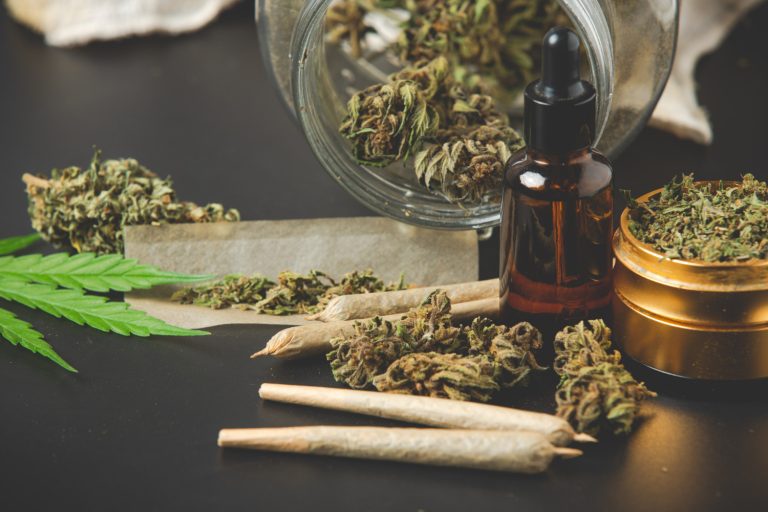
- Oils and tinctures – applied under the tongue, they provide quick results thanks to mucosal absorption.
- Capsules and tablets – convenient to use, but the effect appears later because CBD has to pass through the digestive system.
- Creams and ointments – local effect on joint or muscle pain, without general effects.
- Food and beverage products – less popular, but allow you to easily incorporate CBD into your daily diet.
CBD and Chronic Pain FAQs
Is CBD legal and safe?
In most countries, THC-free CBD is legal if it meets certain standards. CBD is considered safe, but it may interact with certain medications. It's recommended to consult a doctor before starting treatment.
What doses of CBD are effective for pain?
CBD dosage is individual and depends on body weight, type of pain, and method of administration. Typically, starting with low doses (e.g., 10-20 mg daily) and gradually increasing to observe the effects.
Is CBD addictive or causes side effects?
CBD is not addictive and has a relatively low side effect profile. Mild symptoms such as fatigue, dry mouth, or changes in appetite may occur, but these usually subside.
Can you combine CBD with painkillers?
CBD may affect the metabolism of some medications, so it is important to consult with your doctor to avoid unwanted interactions.
Potential Mistakes to Avoid When Using CBD for Pain
- Not consulting a doctor – self-medication can be risky, especially if you are taking other medications.
- Selection of low-quality products – lack of certificates and laboratory tests may result in no effects or harm.
- Unrealistic expectations – CBD is not a miracle drug, but a therapeutic support that requires patience.
- Inappropriate dosage – too low a dose may not bring any results, and too high a dose may cause unpleasant symptoms.
Summary – What to remember about CBD and chronic pain?
CBD is a fascinating substance with therapeutic potential, particularly in the area of chronic pain and inflammation relief. However, science has not yet conclusively proven that CBD is a cure-all for all pain conditions. Its effects are subtle, dependent on many factors, and work best as part of an integrated therapy.
It's important to approach the topic consciously, use high-quality products, and consult with specialists. This way, you can maximize the benefits of CBD while avoiding disappointment and risk.
An encouragement to reflection and action
If you struggle with chronic pain and are considering trying CBD, remember that the key lies in proper knowledge, careful product selection, and working with your doctor. Don't be fooled by marketing ploys; instead, rely on proven information and make informed decisions. Chronic pain is a difficult journey, but with the right support and tools—including CBD—you can increase your chances of improving your quality of life.
Research Perspectives on CBD and Chronic Pain
Current research on CBD is still in an intensive development phase. Numerous research teams around the world are focused on determining optimal dosages, long-term safety, and the specific mechanisms of action of cannabidiol for various types of chronic pain. Future clinical trials involving larger patient populations will be crucial to providing more precise recommendations for physicians and patients.
Additionally, there is growing interest in the synergistic effects of CBD with other cannabinoids and natural substances that may create the so-called entourage effect, potentially increasing the effectiveness of pain therapies.
Legal regulations and availability of CBD products in Poland
In Poland, CBD-containing products are legal provided they are THC-free or contain less than 0.21 TP3T. This allows you to purchase a wide range of CBD oils, capsules, and cosmetics. However, it's important to remember that dietary supplements are not medications and cannot replace professional therapy.
It's also worth noting that medical marijuana products containing both CBD and THC are available in Poland only by prescription and under strict medical supervision. This is an important distinction for patients seeking help with chronic pain.
How to talk to your doctor about CBD?
Being open and honest with your doctor about CBD use can significantly improve the effectiveness of your treatment. Before starting supplementation or therapy, it's important to discuss your current medications, dosages, and treatment goals. Your doctor can help you choose the appropriate form and dosage, and monitor any interactions or side effects.
If your doctor isn't up to date on CBD, it's worth encouraging them to review the latest guidelines and research to create a safe and effective treatment plan.
Recommendations for those considering CBD for chronic pain
- Examine the information carefully: use reliable scientific sources and expert opinions.
- Choose products with certificates: check laboratory analyses and opinions of other users.
- Start with low doses: observe your body's reaction and gradually adjust the amount of CBD.
- Consult your doctor regularly: keep him informed of progress and any changes.
- Be patient: The effect of CBD may appear gradually rather than immediately.
- Avoid products with unclear ingredients: Don't be tempted by cheap, unverified supplements.
CBD is a promising substance that can support the treatment of chronic pain, but it's not a panacea. The key to success is an informed approach, relying on reliable research, and collaborating with medical professionals. By investing time in education and carefully selecting products, you can find natural support that improves your quality of life in the fight against chronic pain.