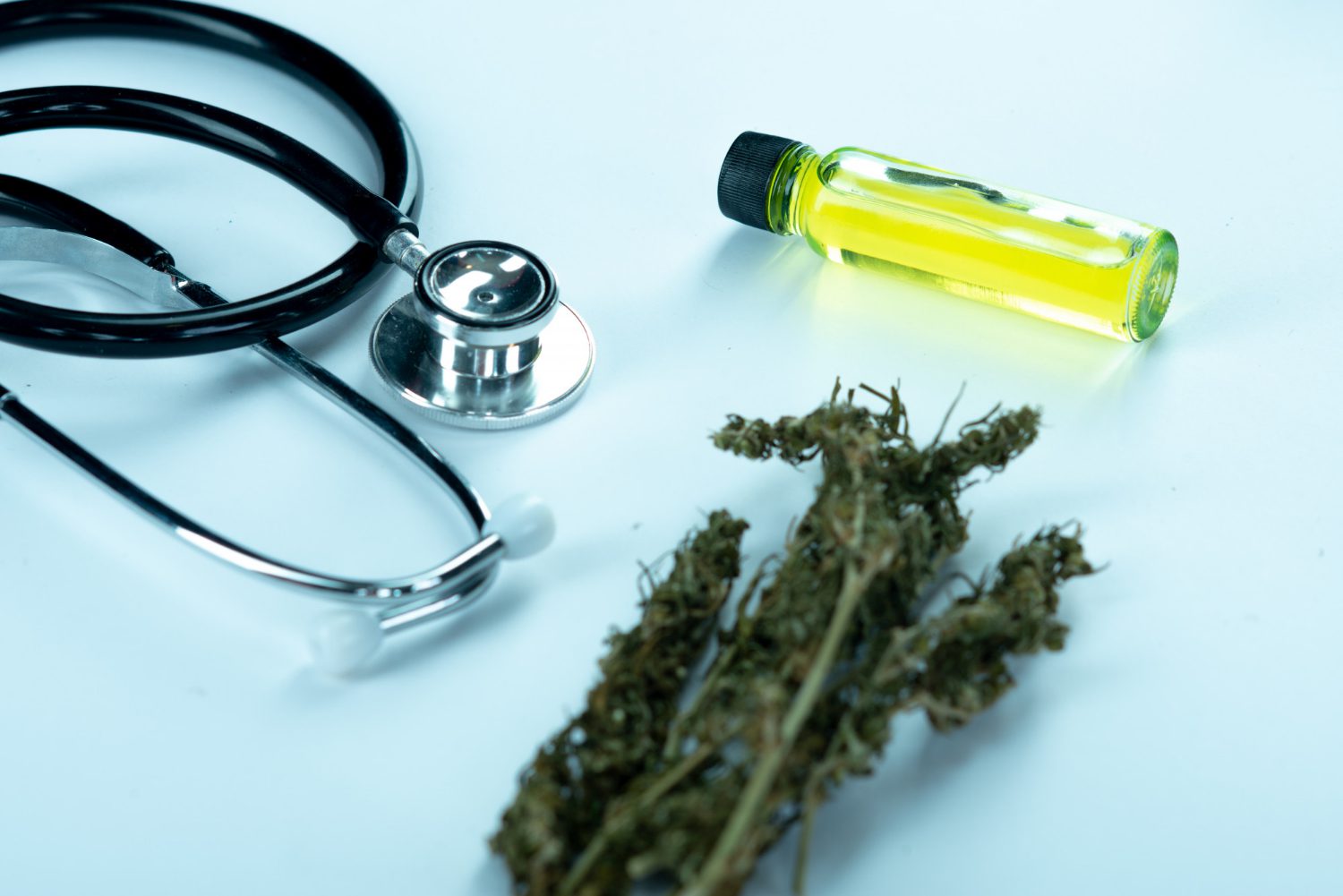

Cannabis and opioids in pain treatment: comparison of efficacy and safety 2026
Cannabis vs opioids in pain treatment 2026: U.S. states with legal marijuana report 25% fewer opioid deaths (Bachhuber, JAMA IM 2014). Full comparison.
The opioid crisis in 2026 remains one of the most serious public health disasters of our time. According to the Centers for Disease Control and Prevention, over 81,800 people died from opioid overdoses in the United States in 2022 (CDC, National Center for Health Statistics, 2024). This is ten times more than in 1999. The scale of the problem has forced a revision of pain therapy guidelines and opened the door for alternative approaches, including cannabinoids.
The question of "cannabis vs opioids" is not academic today. Doctors, health policymakers, and patients are seeking concrete answers: which substances are more effective for a given type of pain, which are safer for long-term use, how to combine them, and when to choose each. The Polish scene changed in 2017 when the act Journal of Laws 2017, item 1458 allowed medical marijuana for treatment. Since then, the number of patients has been rapidly increasing, and clinical practice is beginning to catch up with science.
In this article, we compare cannabinoids and opioids based on peer-reviewed studies from JAMA Internal Medicine, Journal of Pain, NEJM, BMJ Open, NIDA reports, and CDC data, as well as Polish data from the Ministry of Health. We discuss mechanisms of action, epidemiological data, the opioid-sparing effect, safety profiles, addiction risks, and legal status in Poland. The goal: to provide you with an honest, evidence-based picture, free from ideology and anti-opioid propaganda.
KEY FINDINGS
– States in the USA with legal medical marijuana report 24.8% fewer opioid-related deaths than states without this regulation (Bachhuber, JAMA Internal Medicine, 2014).
– 64% of patients with chronic pain reduced their opioid use after the introduction of medical marijuana (Boehnke, Journal of Pain, 2016).
– Cannabis does not cause respiratory depression, as CB1 receptors are not present in the brainstem, unlike opioid receptors (NIDA, 2024).
– Medical marijuana has been legal in Poland since November 1, 2017, based on the law Dz.U. 2017 poz. 1458, and by 2024, over 600,000 prescriptions have been issued (Ministry of Health, 2024).
– Opioids remain irreplaceable for acute, postoperative, and severe cancer pain, while cannabinoids are most effective for neuropathic and inflammatory pain.
– CBD without THC has anti-inflammatory properties and modulates pain signals through TRPV1, GPR55, and the endocannabinoid system.
What are opioids and how do they work on pain?
Opioids are a class of strong painkillers that act on mu, delta, and kappa opioid receptors, distributed in the central and peripheral nervous systems. According to a 2023 IQVIA report, the global prescription opioid market is worth over $25 billion annually (IQVIA Institute, 2023). Without opioids, modern anesthesiology, oncology, and surgery would be unimaginable, which is important to state clearly before further critical analysis.
Opioids are divided into three main groups. Natural (morphine, codeine) come directly from the opium poppy. Semi-synthetic (oxycodone, hydrocodone, heroin) are produced through chemical modification of morphine. Synthetic (fentanyl, tramadol, methadone) are fully chemically manufactured. Fentanyl is about 50 to 100 times stronger than morphine, making it life-saving in cancer cases but also deadly in improper doses.
The mechanism of analgesia is based on inhibiting the release of pain neurotransmitters (substance P, glutamate) and hyperpolarizing neurons. Mu receptors are responsible for most of the analgesic effect, but also for all the dangerous side effects: respiratory depression, constipation, sedation, and potential for addiction. It’s a "package" – strong analgesia cannot be separated from risk.
The scale of the opioid crisis: epidemiological data
The numbers are ruthless. CDC reports that between 1999 and 2022, over 727,000 people died in the U.S. from opioid overdoses (CDC, 2024). In 2022, the number of deaths was 81,806, of which 75,217 were related to synthetic opioids, mainly illegal fentanyl. The most significant increase was among the age group of 25-44 years.
The economic costs of the crisis are equally shocking. The Joint Economic Committee of the U.S. Congress estimated that in 2020 alone, the epidemic cost the American economy $1.5 trillion (JEC Congress, 2022). Poland, in comparison to the U.S., appears relatively calm. According to the 2024 EMCDDA report, Poland recorded about 250 opioid-related deaths in 2022, mainly among heroin-dependent individuals (EMCDDA, 2024).
The most common side effects of opioids
The list is long and serious. Respiratory depression is the most dangerous complication, with a direct mechanism of action on the respiratory center in the brainstem. Opioid-induced constipation (OIC) affects 40-95% of patients undergoing chronic treatment (PubMed, 2019). Drowsiness, nausea, skin itching, and urinary retention are typical. Opioid-induced hyperalgesia (OIH) is a paradoxical hypersensitivity to pain in individuals using high doses for a long time.
Tolerance develops quickly. After 2-4 weeks of regular use, a patient needs a higher dose for the same effect. This opens a spiral of escalation that leads to physical and psychological dependence. Vowles and colleagues in the journal Pain (2015) estimated that 8-12% of patients with chronic pain treated with opioids meet the criteria for opioid use disorder, and in high-risk groups, this percentage reaches 23-29%.
CDC recorded 81,806 deaths from opioid overdoses in the U.S. in 2022, of which 92% were related to synthetic opioids (CDC, National Center for Health Statistics, 2024). This is a tenfold increase compared to 1999 and the backdrop against which the discussion of alternative pain relief options has gained immense clinical and political significance.
What are cannabinoids and how do they modulate pain signals?
Cannabinoids are a group of over 100 compounds found in the cannabis plant (Cannabis sativa L.). The best-studied are THC (tetrahydrocannabinol) and CBD (cannabidiol). They act on the endocannabinoid system (ECS), a regulatory system discovered in the 1990s. According to a review in the British Journal of Pharmacology (2011), the ECS is one of the most widely distributed neuromodulatory systems in the body, present in the brain, spinal cord, intestines, and immune cells (Russo, BJP, 2011).
The CB1 receptor is primarily located in the central nervous system and is responsible for most of the psychoactive effects of THC. Crucially for safety, CB1 receptors are virtually absent in the brainstem, the area that regulates breathing. This is the biological basis for the fact that cannabinoids do not cause respiratory depression and do not kill through overdose, unlike opioids (NIDA, 2024).
The CB2 receptor predominates in the peripheral nervous system and immune cells. Activation of CB2 provides anti-inflammatory and analgesic effects without psychoactive effects. CBD does not strongly bind to either CB1 or CB2 but modulates their activity, inhibits the breakdown of endocannabinoids (anandamide), and acts through TRPV1, GPR55, and the 5-HT1A receptor (PMC, Frontiers in Pharmacology, 2020).
Pain-relieving mechanisms of cannabinoids
Cannabinoids modulate pain perception at several levels simultaneously. In the spinal cord, they inhibit the transmission of pain signals from afferent neurons. In the brain, they affect the affective perception of pain, i.e., the emotional response to suffering. Peripherally, they reduce inflammation and sensitization of pain receptors. Argueta and colleagues in Frontiers in Pharmacology (2020) described this multi-level modulation as one of the mechanisms by which cannabinoids are effective in neuropathic pain resistant to other therapies.
Interestingly, the endocannabinoid and opioid systems are interconnected. CB1 and mu receptors often coexist in the same neurons and mutually modulate their activity. This is the biochemical basis for the opioid-sparing effect, which we will return to in a separate section. THC and opioids synergistically enhance analgesia, as described by NEJM in 2019 in a review of pain pharmacology (NEJM, 2019).
CBD as a non-psychoactive pain modulator
CBD is particularly interesting from a pain therapy perspective, as it does not produce a "high" and has a favorable safety profile. Its analgesic effect results from: activation of the TRPV1 receptor (the same one activated by capsaicin from chili peppers), modulation of GPR55, inhibition of FAAH (the enzyme that breaks down anandamide), and strong anti-inflammatory action through NF-kB. The WHO assessed CBD in 2018 as a well-tolerated substance in humans at doses up to 1500 mg per day (WHO, 2018).
In neuropathic pain, CBD shows promising results. A Cochrane review from 2018, despite cautious conclusions regarding the strength of evidence, confirms that cannabinoids (including CBD) can reduce the intensity of neuropathic pain by 30% in a significant portion of patients (Cochrane, 2018). This effect is similar to gabapentin, but without the risk of addiction and with better tolerance in some patients.
The effectiveness of cannabinoids in pain – what do studies say?
The question of effectiveness requires distinguishing between types of pain. Whiting and colleagues in a groundbreaking meta-analysis in JAMA in 2015 analyzed 79 randomized studies involving 6462 patients. Cannabinoids significantly reduced chronic pain with an OR of 1.41 (95% CI 0.99-2.00) (Whiting, JAMA, 2015). This is a modest but clinically significant improvement, especially in patients resistant to standard treatment.
The National Academies of Sciences, Engineering, and Medicine in their monumental 2017 report stated that there is "conclusive or substantial evidence" for the effectiveness of cannabinoids in chronic pain in adults (US, 2017). This is the highest certainty category in the report scale and also includes treatment for spasticity in multiple sclerosis and chemotherapy-induced nausea.
The type of pain is crucial. Cannabinoids are most strongly recommended for neuropathic pain (diabetic, post-herpetic, in HIV neuropathy, after chemotherapy), pain associated with multiple sclerosis and fibromyalgia, and cancer pain as an adjunct therapy. In acute pain, e.g., postoperative pain, the evidence is weaker, and opioids remain the standard.
Neuropathic pain: where cannabinoids are effective
Neuropathic pain is notoriously difficult to treat. Standard opioids work less effectively here than in nociceptive pain, and first-line medications (gabapentin, pregabalin, amitriptyline) have numerous side effects. Here, cannabinoids have found their niche. A review by Mücke in the Cochrane Database (2018) based on 16 RCTs involving 1750 patients showed that herbal cannabis or oromucosal THC/CBD increased the chance of a 30% reduction in neuropathic pain by 21% (Cochrane Database, 2018).
Sativex (nabiximols), a preparation containing THC and CBD in a 1:1 ratio, is registered in many EU countries, including Poland, for the treatment of spasticity in MS. Studies also indicate effectiveness in cancer pain resistant to opioids. This suggests that cannabinoids do not replace opioids but cover other types of pain.
Cancer pain: adjunct therapy
In cancer pain, opioids remain the gold standard. But data from BMJ Open (2017) show that adding cannabinoids allows for a reduction in opioid doses in 39-44% of cancer patients without losing pain control (BMJ Open, 2017). This is significant for quality of life, as lower doses mean fewer constipation issues, less sedation, and less nausea.
The second area is nausea after chemotherapy. Dronabinol (synthetic THC) and nabilone have been registered for decades as antiemetic drugs in oncology. This is historical evidence that cannabinoids have found pharmacological acceptance where effectiveness was undeniable.
Fibromyalgia and myofascial pain
Fibromyalgia is a clinical challenge. An observational study from 2019 involving 367 patients with fibromyalgia showed that after 6 months of medical marijuana therapy, 81% reported "moderate" or "significant" improvement, and 22% discontinued opioids (Sagy, Journal of Clinical Medicine, 2019). This is an observational study, so without a control group, but the scale of the effect is significant.
Whiting's meta-analysis in JAMA (2015) based on 79 RCTs involving 6462 patients confirmed the effectiveness of cannabinoids in chronic pain (OR 1.41) (Whiting, JAMA, 2015). NASEM in 2017 classified this effectiveness as "conclusive or substantial" – the highest level of evidence certainty in the review by the National Academy of Sciences.
Opioid-sparing effect: do cannabis reduce opioid consumption?
This is one of the most promising areas of research. The term "opioid-sparing effect" refers to the ability of another substance (e.g., THC) to reduce the dose of opioids needed to achieve the same analgesic effect. Boehnke and colleagues in the Journal of Pain (2016) demonstrated a 64% reduction in opioid use after incorporating medical marijuana into therapy in a sample of 244 patients with chronic pain (Boehnke, Journal of Pain, 2016). 45% also reported an improvement in quality of life.
Bradford and Bradford in JAMA Internal Medicine (2018) analyzed the Medicare Part D database and found that U.S. states with legal medical marijuana had 14.4% fewer opioid prescriptions than states without this regulation (Bradford, JAMA Internal Medicine, 2018). These are population data based on actual prescriptions, not surveys.
The mechanism is well documented pharmacologically. THC and opioids synergistically activate mu receptors. Activation of CB1 enhances the action of mu agonists at the postsynaptic level. NEJM (2019) describes this as an "additive or synergistic interaction," allowing for a reduction in opioid dosage by 25-50% while maintaining pain control. This significantly reduces the risk of respiratory depression, constipation, and tolerance.
Bachhuber 2014: groundbreaking population analysis
Bachhuber and colleagues in JAMA Internal Medicine in 2014 conducted a mortality analysis in U.S. states between 1999 and 2010. States with legal medical marijuana reported 24.8% fewer opioid deaths than states without this regulation (95% CI: -37.5% to -9.5%) (Bachhuber, JAMA Internal Medicine, 2014). Importantly, the effect increased over time since legalization – the longer the law was in effect, the greater the reduction in mortality.
Bachhuber's conclusions sparked a storm. Critics pointed out the limitations of the ecological (observational) study, but subsequent analyses essentially confirmed the direction of the effect. Powell and colleagues in the Journal of Health Economics (2018) supplemented the picture, indicating that the reduction in opioid deaths was strongest in states where dispensaries (legal shops) operated (Journal of Health Economics, 2018).
Boehnke 2016: individual patient level
Bachhuber showed a population trend, Boehnke – a mechanism at the individual level. In a study published in the Journal of Pain (2016) involving 244 patients, Boehnke et al. found that 64% reduced their opioid use after medical marijuana, and 45% reported better quality of life (Boehnke, Journal of Pain, 2016). The number of reported side effects (all) decreased by 39%.
Replications of the study in other populations yielded similar results. Vigil and colleagues in PLOS One (2017) in a sample of 244 patients noted that 84% of patients enrolled in the medical marijuana program chose it instead of opioids or reduced their opioid doses (PLOS One, 2017). This is consistent with the pharmacological mechanism and clinically logical.
What do later critical studies say?
The scientific debate continues. Shover and colleagues in PNAS (2019) noted that the effect from Bachhuber's study reversed after 2010, when illegal opioids, mainly fentanyl, entered the picture (Shover, PNAS, 2019). This is an important clarification: legal medical marijuana is not a panacea for fentanyl from the black market, and mainly affects deaths related to prescription opioids.
Despite this criticism, the scientific consensus in 2026 is as follows: cannabinoids reduce the demand for opioids in chronic pain, reduce deaths related to prescription opioids, but do not solve the problem of illegal fentanyl. These are two different crises requiring different tools.
Safety profile: which group is safer?
Here, the advantage of cannabinoids is indisputable. NIDA states that there has not been a single documented death due to cannabinoid overdose in the history of medicine (NIDA, 2024). The reason is pharmacological: CB1 receptors are not present in the respiratory center of the brainstem. Therefore, THC cannot stop breathing, regardless of the dose. Opioids, on the other hand, have mu receptors in the brainstem that are the direct cause of thousands of deaths annually.
This does not mean that cannabinoids are without risk. High doses of THC can cause tachycardia, panic anxiety, acute psychosis in predisposed individuals, and injuries due to impaired coordination. Long-term smoking of cannabis flowers harms the lungs (CHS – cannabinoid hyperemesis syndrome in a few users). However, each of these reactions is reversible and not life-threatening at typical therapeutic doses.
Opioids, in addition to respiratory depression, have a long list of problems. Chronic constipation (OIC) leading to bowel obstruction. Hyperalgesia paradoxically exacerbating pain. Decreased libido and hypogonadism after long-term use. Hyperkinetic withdrawal syndromes. Vowles in Pain (2015) estimates that 21-29% of patients using opioids long-term show misuse, and 8-12% develop full-blown use disorder (Vowles, Pain, 2015).
Comparison table: cannabinoids vs opioids
| Aspect | Opioids | Cannabinoids (THC/CBD) |
|---|---|---|
| Effectiveness in acute pain | Very high (gold standard) | Moderate, limited data |
| Effectiveness in neuropathic pain | Moderate, often insufficient | High (Cochrane 2018, 21% NNT) |
| Effectiveness in cancer pain | High (gold standard) | High as an adjunct |
| Risk of overdose death | 81,800 deaths/year in the U.S. (CDC 2024) | No documented deaths (NIDA) |
| Respiratory depression | Yes (main cause of death) | No (CB1 absent in the brainstem) |
| Risk of addiction | 8-29% in various groups (Vowles 2015) | ~9% (NIDA) |
| Tolerance | Rapid, significant | Slow, limited |
| Withdrawal syndrome | Severe, potentially dangerous | Mild, self-limiting |
| Constipation | Very common (40-95%) | None; CBD regulates motility |
| Anti-inflammatory effect | None | Yes (especially CBD) |
| Legal status in Poland 2026 | Prescription Rpw, strict control | Med. marijuana: prescription; CBD: over-the-counter (THC<0.3%) |
Addiction risk: numbers in context
NIDA states that about 9% of recreational cannabis users develop cannabis use disorder (CUD), and among teenagers, this percentage rises to 17% (NIDA, 2024). For prescription opioids, 8-12% of patients treated chronically meet the criteria for use disorder, and in high-risk groups, 23-29% (Vowles, Pain, 2015).
The numbers may seem similar, but the nature of addiction is extremely different. Withdrawal from opioids can be dangerous (severe withdrawal syndrome, risk of relapse, mental crisis). Withdrawal from cannabis causes discomfort: irritability, sleep problems, decreased appetite for 1-2 weeks. There is no risk of death from cannabis withdrawal.
Unique observation: By mentioning "addiction" to opioids and cannabis in the same sentence, we introduce a false equivalence. Opioid withdrawal syndrome can cause rhabdomyolysis, heart rhythm disturbances, and hospitalization. Cannabis withdrawal syndrome resembles a cold. These two categories of risk are qualitatively different, although epidemiological statistics may look similar.
Cannabis and the opioid crisis in the U.S. and Europe
The scale of the opioid crisis in the U.S. is unprecedented in peacetime. According to the CDC, between 1999 and 2022, over 727,000 people died in the U.S. due to opioids (CDC, 2024). This is more than the number of casualties in the Vietnam, Iraq, and Afghanistan wars combined. Three waves of the crisis: the first (1999-2010) with prescription opioids, the second (since 2010) with heroin, the third (since 2013) with synthetic fentanyl.
The public health response has been slow. The CDC guidelines from 2016 limited opioid prescriptions, but the side effect was the suffering of patients with legitimate chronic pain. Part of the solution, though not the entirety, has been to open access to alternatives, including medical marijuana. New York State officially added "opioid addiction" as an indication for medical marijuana in 2017.
Europe looks different. EMCDDA reports significantly lower opioid mortality: about 6,300 deaths annually in the EU (EMCDDA, 2024). Poland records about 250 deaths annually, mainly among heroin-dependent individuals. The smaller scale results from more restrictive prescribing of prescription opioids (Polish doctors are traditionally cautious with strong opioids) and a different pharmaceutical culture.
Poland 2017+: medical marijuana enters the clinic
The law of July 7, 2017 (Dz.U. 2017 poz. 1458) allowed medical marijuana for treatment in Poland as of November 1, 2017 (ISAP, Journal of Laws 2017 item 1458). Any physician can prescribe it after exhausting standard treatment methods. The indications are not enumerated, and the decision is up to the attending physician.
The adoption scale is growing rapidly. According to reports from the Ministry of Health, in 2022, approximately 200,000 prescriptions for medical marijuana were issued in Poland, in 2023 – 400,000, and in 2024 – over 600,000. The annual dynamics are around 30-50%. The most common indications: chronic pain (54%), spasticity in MS (12%), cancer pain (9%), peripheral neuropathy (8%), others (17%).
Barriers and challenges of the Polish system
Despite dynamic development, the system still has gaps. Medical marijuana is not reimbursed, so the monthly cost of therapy for a patient ranges from 800 to 2500 PLN, depending on the dose. This is an economic barrier that excludes many patients. The second problem is the shortage of trained doctors. Although the law allows any doctor to prescribe it, in practice, there are only a few hundred specialists in medical marijuana in Poland.
The third challenge is pharmacy policy. Some pharmacies refuse to fill prescriptions or have them in limited availability. This complicates the continuity of therapy. Finally, patient education: many people still confuse medical marijuana with recreational use, creating stigma and a psychological barrier.
CBD as a pain modulator: what should you know?
CBD (cannabidiol) deserves a separate analysis because it acts differently than THC and has a particularly favorable safety profile. The WHO stated in 2018 that "CBD does not exhibit potential for abuse or dependence and is not associated with harmful effects on public health" (WHO, 2018). The maximum studied doses reach 1500 mg daily in adults without serious side effects.
The pain-relieving mechanism of CBD includes: activation of TRPV1 (the vanilloid receptor responsible for the perception of inflammatory pain), modulation of GPR55 (a receptor associated with neuropathic pain), inhibition of FAAH (prolonging the action of endogenous anandamides), interaction with the 5-HT1A receptor (anxiolytic effect), and strong anti-inflammatory action through NF-kB and cytokines.
In clinical practice, CBD does not replace opioids or Sativex but serves as an adjunct. Argueta and colleagues in Frontiers in Pharmacology (2020) described CBD as particularly effective in chronic pain with an inflammatory component, in mild to moderate neuropathic pain, and in pain related to stress and dysregulation of the autonomic system.
CBD in inflammatory and muscular pain
The anti-inflammatory action of CBD is one of the best-documented. A review by Atalay and colleagues in Antioxidants (2020) described that CBD reduces oxidative stress, inhibits the release of TNF-alpha, IL-6, IL-1beta, and modulates macrophage activity (Atalay, Antioxidants, 2020). This makes CBD a promising tool in inflammatory joint diseases (RA, AS), inflammatory bowel conditions, and myofascial pain.
In muscle pain after exercise (DOMS), a study by Isenmann and colleagues from 2021 showed a 27% reduction in pain after a dose of 60 mg of CBD taken orally (Isenmann, Nutrients, 2021). This effect is smaller than NSAIDs, but without effects on the stomach and kidneys, making CBD interesting for those with chronic medication use.
Dosing CBD in pain therapy
Typical doses of CBD in pain are 20-50 mg daily sublingually, divided into 2-3 doses. In neuropathic and chronic resistant pain, 50-100 mg daily. The dose-effect profile is non-monotonic: increasing the dose above 100 mg often does not yield a proportional effect. The optimal dose is individual and requires 2-4 weeks of titration.
The sublingual form is standard. CBD oil held under the tongue for 60-90 seconds achieves a bioavailability of 13-19%. Capsules and edibles have a bioavailability of 6-15% (first-pass effect through the liver). Topicals are effective locally (RA, post-herpetic neuralgia) but do not significantly enter the bloodstream.
Limitations and controversies of cannabinoid therapy
An honest assessment requires pointing out limitations. Firstly: not all types of pain respond to cannabinoids. Acute pain after major surgical procedures, myocardial pain, labor pain – here opioids and other classic medications work better and faster. Cannabinoids are slower, less predictable, and not suitable for pain requiring rapid, strong, and short-term control.
Secondly: evidence data is still uneven. Many "urban legends" about treating cancer, epilepsy, or Alzheimer's disease with cannabinoids lack solid RCT foundations. It is necessary to distinguish approved indications (spasticity in MS, Dravet/Lennox-Gastaut epilepsy, nausea after chemotherapy, chronic pain) from speculative applications.
Third: the quality of products. The cannabis market is full of products with unknown compositions, falsified THC content, and without certificates of analysis (COA). This complicates precise dosing and increases the risk of adverse effects. When choosing CBD oil or medical marijuana, check laboratory certificates for each batch.
Contraindications and caution
Cannabinoids are not for everyone. Contraindications include: pregnancy and breastfeeding (THC passes through the placenta and into breast milk), serious heart diseases (THC increases heart rate and hemodynamic load), history of psychosis or schizophrenia (risk of exacerbation), severe mental disorders, age under 18 (except for approved pediatric indications).
Drug interactions are significant. Cannabinoids inhibit cytochrome P450 enzymes (especially CYP3A4 and CYP2C9). This alters the metabolism of warfarin, statins, some antiepileptic drugs, heart medications (amiodarone), and some antidepressants (PMC, Brown, 2019). Pharmacological consultation is necessary for patients with multiple diseases.
From the Bucha editorial office: In our category of oils, we observe that patients with chronic pain most often start with 5% CBD oil for "testing". After 2-3 weeks, about 60% switch to 10% or add a product with minor cannabinoids. Customers who also have a prescription for medical marijuana use CBD oil as "gentle daily support" during working hours when they do not want the psychoactive effect of THC. This is a clear consumer pattern over the last 18 months.
Controversies around clinical guidelines
Medical societies differ in opinions. The International Association for the Study of Pain (IASP) in 2021 expressed caution regarding the routine use of cannabinoids in chronic pain, pointing to limited strength of evidence. The European Pain Federation (EFIC) in 2018 took a more open stance, allowing cannabinoids as a third-line therapy in neuropathic pain.
The Polish Pain Research Society has not yet issued official guidelines regarding medical marijuana for chronic pain. Currently, the decision lies with the attending physician, based on the general principles of the "WHO analgesic ladder" expanded with cannabinoids. This leaves a wide scope for individualizing therapy, but also for uneven clinical practice.
Practical scenarios: how to combine cannabinoids and opioids?
In chronic pain, where the patient is already using opioids, the most common scenario is to add cannabinoids for the opioid-sparing effect. Boehnke (2016) shows that 64% of patients reduce their opioid dose after introducing medical marijuana. Clinical practice suggests a gradual reduction of the opioid by 10-25% every 2-4 weeks under pain control, while simultaneously dosing THC/CBD.
In neuropathic pain (diabetic, post-herpetic, in MS), cannabinoids can be first or second-line therapy. Sativex (THC:CBD 1:1) is registered for spasticity in MS. In diabetic pain, CBD 50-100 mg daily + gabapentin or pregabalin is a promising combination, though still requiring more RCT.
In cancer pain, cannabinoids complement rather than replace. Patients with opioid-resistant pain (so-called morphine-resistant pain) sometimes respond to the addition of THC/CBD. Benefits include reduced opioid doses, less constipation, better appetite, and better sleep. Risks include pharmacokinetic interactions and potential changes in consciousness in weakened patients.
What to avoid when combining
First rule: do not combine without a doctor's supervision. Sedation adds up, so the combination of strong opioids (oxycodone, morphine) with high doses of THC can cause excessive drowsiness, confusion, and risk of falls. Second rule: monitor withdrawal symptoms from opioids. The reduction of the opioid dose must be gradual, even after adding cannabinoids.
Third rule: be cautious with fentanyl and methadone. These two opioids have a narrow therapeutic index and are particularly sensitive to changes in liver metabolism. Cannabinoids inhibit CYP3A4, a key enzyme in fentanyl metabolism, so blood levels may rise. This requires pharmacological supervision.
Frequently Asked Questions
Can cannabis replace opioids in pain treatment?
In most cases, they do not replace but complement. A meta-analysis in the Journal of Pain (Boehnke, 2016) showed that patients with chronic pain using medical marijuana reduced their opioid consumption by 64%. Cannabis works best in neuropathic and chronic pain, while opioids remain irreplaceable in acute and severe cancer pain (Boehnke, Journal of Pain, 2016).
Does the legalization of medical marijuana actually reduce opioid deaths?
Yes, epidemiological data confirm this. Bachhuber and colleagues in JAMA Internal Medicine (2014) found that U.S. states with legal medical marijuana had 24.8% fewer opioid deaths than states without this regulation (Bachhuber, JAMA IM, 2014). Bradford's analysis in JAMA Internal Medicine (2018) showed a 14.4% decrease in opioid prescriptions in states with legal medical marijuana.
What is the safety profile of cannabinoids compared to opioids?
Cannabis has an incomparably more favorable profile. CDC states that in 2022, the U.S. recorded over 81,800 deaths due to opioids (CDC, 2024). In the history of medicine, there has not been a single documented death due to cannabinoid overdose (NIDA, 2024). CB1 receptors are not present in the brainstem responsible for breathing, so cannabinoids do not cause respiratory depression.
What is the opioid-sparing effect of cannabinoids?
It is the ability of cannabis to reduce the dose of opioids needed to achieve the same analgesic effect. In the Boehnke study (Journal of Pain, 2016), 64% of patients with chronic pain reduced their opioid consumption after introducing medical marijuana. NEJM (2019) and BMJ Open (2017) confirm the synergistic action of THC and opioids on mu receptors, allowing for dose reductions without loss of analgesia.
Is medical marijuana legal in Poland in 2026?
Yes. Medical marijuana has been available in Poland by prescription since November 1, 2017, based on the law of July 7, 2017 (Dz.U. 2017 poz. 1458). Any physician can prescribe it after exhausting standard treatment methods. According to the Ministry of Health report in 2024, over 600,000 prescriptions for medical marijuana have been issued in Poland, and this number is growing annually by about 30%.
What is the potential for cannabis addiction compared to opioids?
The difference is significant. NIDA states that the risk of developing cannabis use disorder (CUD) is about 9% among recreational users (NIDA, 2024), while prescription opioid addiction affects 8-12% of patients treated chronically, and in high-risk groups, up to 23-29% (Vowles, Pain, 2015). Importantly, withdrawing from cannabinoids rarely poses a life threat, unlike the severe withdrawal syndrome of opioids.
Can THC-free CBD alleviate pain?
Yes, although the mechanism is different than with THC. CBD acts on TRPV1, GPR55 receptors, and indirectly on the endocannabinoid system, exhibiting anti-inflammatory and pain-modulating properties. In studies by Argueta (Frontiers in Pharmacology, 2020), the effectiveness of CBD in inflammatory and neuropathic pain was confirmed, particularly as an adjunct to standard therapy. CBD does not produce a psychoactive effect.
Can cannabis interact with opioids?
Yes, but the interaction is most often therapeutically beneficial. THC and opioids synergistically activate mu receptors, enhancing analgesia at lower doses (NEJM, 2019). However, caution is needed regarding the sedative effect – combining requires medical consultation. Cannabinoids inhibit the enzymes CYP3A4 and CYP2D6, which may affect the metabolism of some opioids (oxycodone, fentanyl), so pharmacological supervision is necessary.
Summary: effective and safe pain treatment in 2026
Cannabis and opioids are two pillars of modern pain therapy, each with its own profile of efficacy, safety, and indications. Opioids remain irreplaceable in acute, postoperative, and severe cancer pain. Their speed of action, strength of analgesia, and pharmacological predictability are unmatched. But the price of this effectiveness is the risk of respiratory depression, addiction, hyperalgesia, and overdose deaths.
Cannabinoids offer a complementary strategy, especially in chronic, neuropathic pain and as part of opioid-sparing therapy. Epidemiological data (Bachhuber 2014, Bradford 2018), clinical data (Boehnke 2016, Whiting 2015), and mechanistic data (NEJM 2019, NASEM 2017) create a coherent picture: legal medical marijuana reduces opioid consumption and deaths in chronic pain, although it does not solve the problem of illegal fentanyl from the black market.
In Poland, the legal framework has existed since November 1, 2017 (Dz.U. 2017 poz. 1458), and clinical practice is developing dynamically. CBD as an over-the-counter product (with THC content below 0.3%) serves as a mild, daily modulator of inflammatory and neuropathic pain, available to any adult. The choice of specific therapy remains an individual decision for the patient and the doctor, based on the type of pain, comorbidities, medications, and preferences.
The most important conclusion from 2026: the discussion of "cannabis or opioids" should give way to the question of "when which and how to combine them". Pain medicine today is more nuanced than ever, and the patient has more tools in the therapeutic arsenal. An informed choice, based on scientific evidence and medical supervision, is the best path to effective and safe pain control.
This article is for informational and educational purposes and does not constitute medical advice. The decision to include medical marijuana, opioids, or CBD in pain therapy should be made by the attending physician after an individual assessment of the patient. Do not discontinue any prescribed medications on your own. If in doubt, consult your family doctor, neurologist, anesthesiologist, or pain medicine specialist.
Author: Michał Waluk, Editor of the Bucha blog
Publication date: April 26, 2026
Last update: April 26, 2026
Next update: April 26, 2027