


Konopie w perfumerii - terpeny konopne jako nuty zapachowe
Konopie w perfumerii — co to, jak dziala i na co. Zrozumialy przewodnik u Bucha.
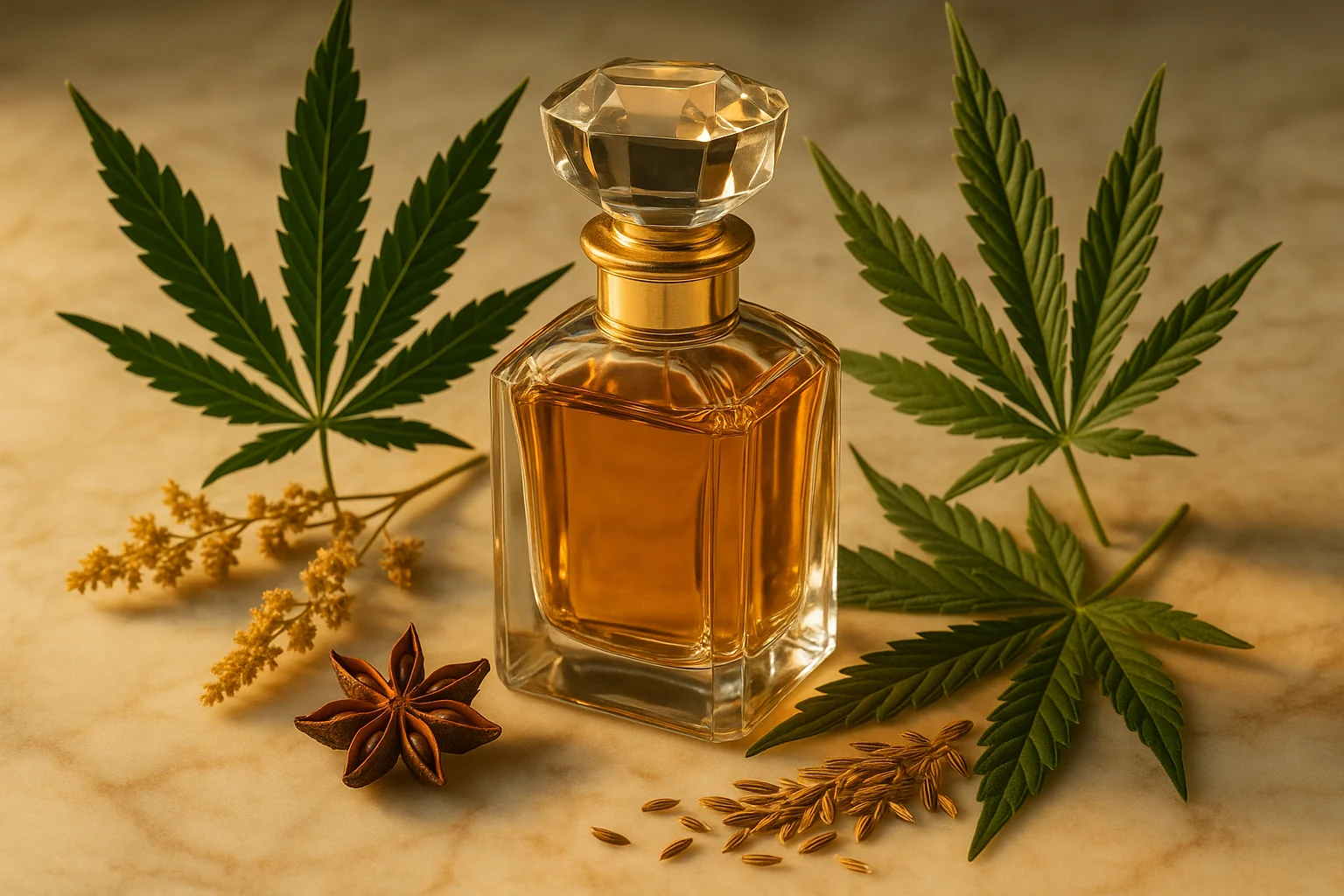
The smell of cannabis - resinous, earthy, with a detectable note of root and freshness of the forest - has appeared in niche and avant-garde perfumery compositions for years. It is not about cannabidiol or THC, but something more subtle: the terpene profile of cannabis, which fragrance creators have discovered as a unique aromatic material. Cannabis has found its place alongside vetiver, patchouli, or musk - as deep, controversial, and fascinating notes. This article explains where the smell of cannabis comes from, how cannabis terpenes function in perfumery, and which brands have turned to this material.
KEY INFORMATION
• The smell of cannabis comes from terpenes produced by the resin glands of the plant - the same ones that produce cannabinoids, but terpenes are a distinct class of compounds.
• The most important cannabis terpenes in perfumery: myrcene (earthy), linalool (floral), limonene (citrusy), beta-caryophyllene (spicy-peppery), pinene (woody).
• Perfumes with cannabis notes are fully legal in Poland - terpenes are aromatic substances, not cannabinoids.
• Cannabis in perfumery appears as heart or base notes - adding depth, earthiness, and resinous qualities.
• The niche perfume segment with cannabis has been dynamically growing since 2018, when CBD entered the cosmetic mainstream.
The biology of the cannabis smell - where does this aroma come from
The cannabis plant (Cannabis sativa L.) produces terpenes in trichomes - microscopic resin glands covering the flowers and leaves. These same glands produce cannabinoids, but terpenes and cannabinoids are two different classes of compounds. Terpenes are aromatic compounds - scent substances. Cannabinoids are psychoactive or pharmacologically active compounds without significant scent.
Each cannabis strain has a unique terpene profile, which explains why different strains smell so different: one strain distinctly citrusy, another like a pine forest, yet another like leather and earth after rain. In nature, terpenes serve the plant as a defense against pests and pathogens and as attractants for pollinating insects. For humans, they have become a valuable aromatic material.
The terpene composition of cannabis is rich: over 150 different terpenes have been identified in various strains. In perfumery, those that dominate the profile and have a distinct, complex aroma are particularly significant. Here are the most important ones from a perfumery perspective.
The terpene profile of cannabis - a guide for scent enthusiasts
| Terpene | Aroma | Perfume notes | Other plants with this terpene |
|---|---|---|---|
| Myrcene | Earthy, balsamic, slightly fruity | Base/heart | Hops, mango, thyme |
| Linalool | Floral, lavender, slightly woody | Heart/head | Lavender, coriander, rose |
| Limonene | Citrusy, fresh, slightly sweet | Head/heart | Citrus peels, fennel, rosemary |
| Beta-caryophyllene | Spicy-peppery, woody, slightly sharp | Heart/base | Black pepper, cloves, rosemary |
| Alpha-pinene | Forest, resinous, fresh coniferous | Head/heart | Pine, rosemary, sage |
| Terpinolene | Floral-herbaceous, slightly fruity | Head | Apple, lily, marjoram |
| Ocimene | Green, sweet, slightly metallic | Head/heart | Basil, mango, peppermint |
| Humulene | Earthy-spicy, woody, slightly bitter | Base | Hops, sage, cloves |
Reading the chart: 'head' notes are the first scent impression after application (they evaporate quickly), 'heart' notes are the middle, lasting character of the scent, 'base' notes are deeper, longer-lasting accords. Myrcene and humulene as base notes give cannabis scents that characteristic depth and longevity that distinguish them from light, floral compositions.
Hemp in niche and mainstream perfumes
The niche segment of perfumery has been a pioneer in incorporating cannabis notes. Avant-garde perfume houses - always eager to explore unexpected materials - have recognized the potential in cannabis terpenes: a provocative, recognizable aroma, but complex enough to build a full composition around.
Etat Libre d'Orange with the collection 'Cannabis Dandy' is one of the more well-known examples - a brand known for perfumes that transcend conventions created a composition where myrcene and cannabis resin meet jasmine and white musk. The effect: sensual, somewhat transgressive, far from the stereotypical image of cannabis.
In Japan, Shiseido experimented with 'green accords' inspired by cannabis leaves in their artistic compositions. In Italy, niche creators from Florence and Milan introduced cannabis accords into lines related to Mediterranean themes - here, cannabis symbolizes craftsmanship and the history of the region.
The mainstream is starting to catch up. More and more mass-market cosmetic brands are introducing 'hemp-scented' care products - balms, shower gels, hair cosmetics with the soul of cannabis aroma. This is not the scent of CBD - it is the scent of cannabis terpene as a fragrance component, often synthetically recreated as 'hemp accord.'
The history of hemp as a fragrance raw material
Cannabis has accompanied humans for over 10,000 years - as fiber, food, medicine, and ritual tool. In ancient times, the aromatic properties of cannabis were known and valued. The Egyptians used cannabis resin in the mummification process and in ritual incense. Ancient Persia and India used cannabis incense in temples. In Europe, cannabis was primarily a fiber plant for centuries - which overshadowed its aromatic dimension.
The renaissance of cannabis scent in perfumery occurred in the 1990s when niche fragrance creators began to explore materials outside the canon of classic French perfumery. Tobacco, leather, oak moss, tarred wood - these raw, "dangerous" notes started to enter luxury bottles. Cannabis fell into the same category: a recognizable, controversial, yet fascinating aroma. The CBD boom from 2016 to 2019 encouraged mass brands to explore the "hemp aesthetic" - and perfumers gained a new tool for creating fragrances that fit into the wellness and nature narrative.
Today, segmentation is clear. Niche artistic perfumery treats cannabis as a material in itself - raw, authentic, with a history. Mass cosmetic brands use "hemp accord" as a signal of naturalness and eco-friendliness - even if the compound itself is synthetic. It's important for consumers to know this difference: an artistic perfume with natural hemp extract offers a different experience than a body lotion with a synthetic "hemp-inspired" accord.
How to independently discover cannabis terpenes - an olfactory exercise
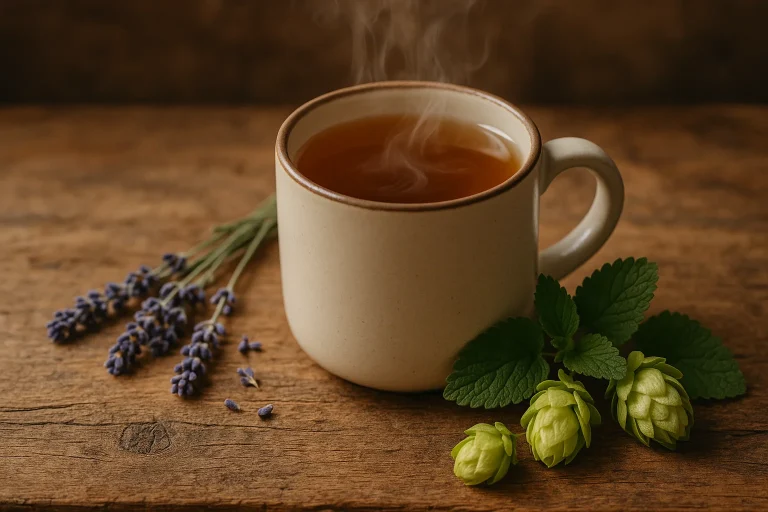
If you want to calibrate your senses to cannabis notes on your own, you can do so without access to expensive perfumes. Each of the key cannabis terpenes has its natural "counterparts" in available products. Myrcene - smell fresh hops flowers or mango peel. Linalool - regular pharmacy lavender. Limonene - fresh lime or orange peel. Beta-caryophyllene - black pepper straight from the grinder or dried cloves. Alpha-pinene - a fresh sprig of pine or rosemary. When you encounter a perfume with a cannabis note, these scents become a reference point - you can feel which terpene dominates the composition.
Another exercise: buy a small amount of hemp seed flower (legal hemp, legal product) from a herbal shop or cannabis store. Smell it carefully, several times, at different times of the day. Write down associative words: what does it remind you of? Forest? Earth after rain? Roots? Citrus? Hay? These notes build your personal olfactory dictionary for the cannabis aroma - and help you recognize it in perfumes. This technique is used by perfumery students in all fragrance schools around the world.
How to detect cannabis in perfumes - a guide to the olfactory experience
You can recognize cannabis in perfumes by several characteristic features: an earthy, slightly damp note reminiscent of freshly cut grass or a forest after rain, a resinous and slightly balsamic undertone, a possible spicy or slightly peppery accent (beta-caryophyllene), and with citrus varieties - a green-citrus undertone (limonene with the greenness of leaves).
Cannabis rarely dominates in perfumes as the first, most noticeable note - it's too heavy and earthy for the role of the "head". More often, it plays a compositional role: an anchor that holds lighter floral or citrus notes, giving them depth and longevity that they wouldn't achieve on their own. Perfumers refer to cannabis terpenes as the "earth under the garden" - you can't see it, but everything grows because of it.
Frequently Asked Questions
What are cannabis terpenes and where does the scent of cannabis come from?
Terpenes are organic aromatic compounds produced by the trichomes (resin glands) of cannabis. The scent of cannabis arises from a unique combination of terpenes: myrcene (earthy, balsamic), linalool (floral), limonene (citrus), beta-caryophyllene (spicy-peppery), and pinene (woody). Each strain has a different profile - hence the variety of cannabis aromas, from fresh citrus to deeply resinous.
Are cannabis perfumes legal in Poland?
Yes, perfumes and cosmetics with cannabis terpenes or hemp extract are fully legal in Poland. Terpenes are aromatic substances - they are not cannabinoids. Cannabis perfumes are cosmetic products subject to EU cosmetic law (Regulation 1223/2009), not regulations concerning narcotic cannabis.
What do cannabis scents smell like in perfumery?
Cannabis brings to perfumes: earthy and resinous notes (myrcene, beta-caryophyllene), slightly spicy or peppery (beta-caryophyllene, humulene), green and grassy (ocimene, terpinolene), with possible citrus (limonene) or floral (linalool) undertones. In perfumery compositions, they serve as heart or base notes - providing depth, earthiness, and longevity.
Are cannabis terpenes in perfumes natural or synthetic?
Both variants are used: natural terpenes from hemp extract (more expensive, more complex) and synthetic counterparts (cheaper, more consistent). The label "hemp accord" or "cannabis accord" usually indicates a synthetic blend mimicking the terpene profile of cannabis - a standard in the perfumery industry for maintaining batch consistency.
How do cannabis terpenes blend with other scent notes?
Cannabis terpenes blend well with: sandalwood and cedar (deepening earthy warmth), musk (enhancing the sensual base), vetiver and patchouli (earthiness to earthiness - intense depth), lavender (cannabis linalool harmonizes with lavender linalool), bergamot (citrus). Less successful combinations: overly sweet vanilla or fruity notes contrast with the raw earthiness of cannabis.
This article is for informational and educational purposes and does not replace consultation with a doctor. If you are pregnant, breastfeeding, taking medications, or have chronic conditions, consult the use of supplements or herbs with a specialist.
Author: Michał Waluk · Published: 2026-05-04 · Updated: 2026-05-04