
Gastrofaza - dlaczego po konopiach mamy wilczy apetyt (FAQ)
Gastrofaza: odpowiedzi na najczestsze pytania i co mowia badania. u Bucha.
After a session with cannabis, suddenly every snack tastes better than usual, and the fridge seems unpleasantly empty. Anglophones call this "munchies", while in Polish internet, the term "gastro phase" has become established. Although it sounds humorous, the mechanism behind this phenomenon is fascinating from a scientific perspective and well-known to neurologists. THC does not simply "stimulate appetite" - it does so by surprisingly hijacking one of the main hunger regulation systems in the brain. Here is the full answer to the most common questions.
KEY INFORMATION
• Gastro phase is the result of activating CB1 receptors in the hypothalamus by THC - paradoxically activating neurons that normally suppress appetite (Sinika et al., Nature Neuroscience, 2015).
• CBD does not induce gastro phase - lack of strong activation of CB1 receptors in the hunger center.
• Po wdychaniu THC gastrofaza trwa 1-2 godz., po jadalnych do 5 godzin.
• The appetite-stimulating effect has clinical applications: dronabinol (synthetic THC) is used in cachexia after chemotherapy.
What is gastrofaza and where did this name come from?
The word "gastro phase" is a Polish adaptation of the English slang "munchies" - a colloquial term for the intense craving that occurs under the influence of cannabis with THC. The phenomenon itself is as old as the use of marijuana, and mentions of appetite stimulation by cannabis appear in Ayurvedic medical texts and Arabic treatises from the 9th-13th centuries. Modern science only explained the mechanism in the 21st century, when researchers EMCDDA and NIH began systematically studying the endocannabinoid system.
The term "gastro phase" suggests that it is a separate "phase" of the cannabis session - after euphoria and relaxation comes the eating phase. In reality, it is not a temporal phase, but a neurobiological effect that can occur both during and after the other psychoactive effects have subsided. The intensity varies greatly: for some users, appetite increases moderately, while for others, the proportions become concerning - it is hard to stop eating even when we logically know we are full.
How does THC take control of the hunger center?
For years, it was assumed that THC simply "stimulates" hunger neurons in the hypothalamus. A groundbreaking study published in Nature Neuroscience by Sinika and colleagues in 2015 overturned this model (Sinika et al., Nature Neuroscience, 2015). They discovered that THC activates Pro-opiomelanocortin (POMC) neurons in the arcuate nucleus of the hypothalamus - the same neurons that normally signal satiety and suppress appetite. Under the influence of THC, these same neurons produce and release beta-endorphins, which… stimulate appetite. This is a neurobiological paradox: the substance "turns on" the satiety system, which then acts contrary to what it should.
At the same time, THC enhances the dopamine signal in the reward system, particularly in the nucleus accumbens. This makes eating under the influence of THC not only desirable but also more intensely pleasurable - the taste and aroma of food are perceived more vividly. The CB1 receptor in taste buds and nasal epithelium increases sensitivity to taste and olfactory stimuli (Yoshida et al., Cell, 2010). That's why even ordinary crackers taste better after marijuana - it's not imagination, but neurochemistry.
| Mechanism | Location | Effect |
|---|---|---|
| Activation of POMC neurons | Arcuate nucleus of the hypothalamus | Paradoxical stimulation of appetite (reverse effect) |
| Enhancement of dopamine signal | Nucleus accumbens (reward system) | Eating becomes more intensely pleasurable |
| CB1 on taste/smell receptors | Taste buds, nasal epithelium | Stronger perception of taste and aroma |
| Inhibition of ghrelin neurons NPY | Hypothalamus | Prolonged feeling of hunger despite calorie intake |
Does CBD also cause the munchies?
No. CBD (cannabidiol) does not induce the munchies because it does not strongly activate the CB1 receptors in the hypothalamus responsible for appetite stimulation by THC. CBD acts on CB1 receptors as a negative allosteric modulator - it changes the shape of the receptor so that THC binds to it less effectively, but it does not produce the munchies effect itself. Moreover, studies on animal models suggest that CBD may have a moderate appetite-suppressing effect by activating the GPR55 receptor and blocking the CB2 receptor in adipocytes.
CBD flower, CBD oils, CBD capsules, or CBD gummies do not cause munchies - this is an exclusive effect of THC. Those reaching for CBD products for relaxation or due to aroma need not fear uncontrolled hunger. This is an important practical difference, especially for those who are on a diet or consciously control their calorie intake.
How to wisely manage the munchies - practical tips
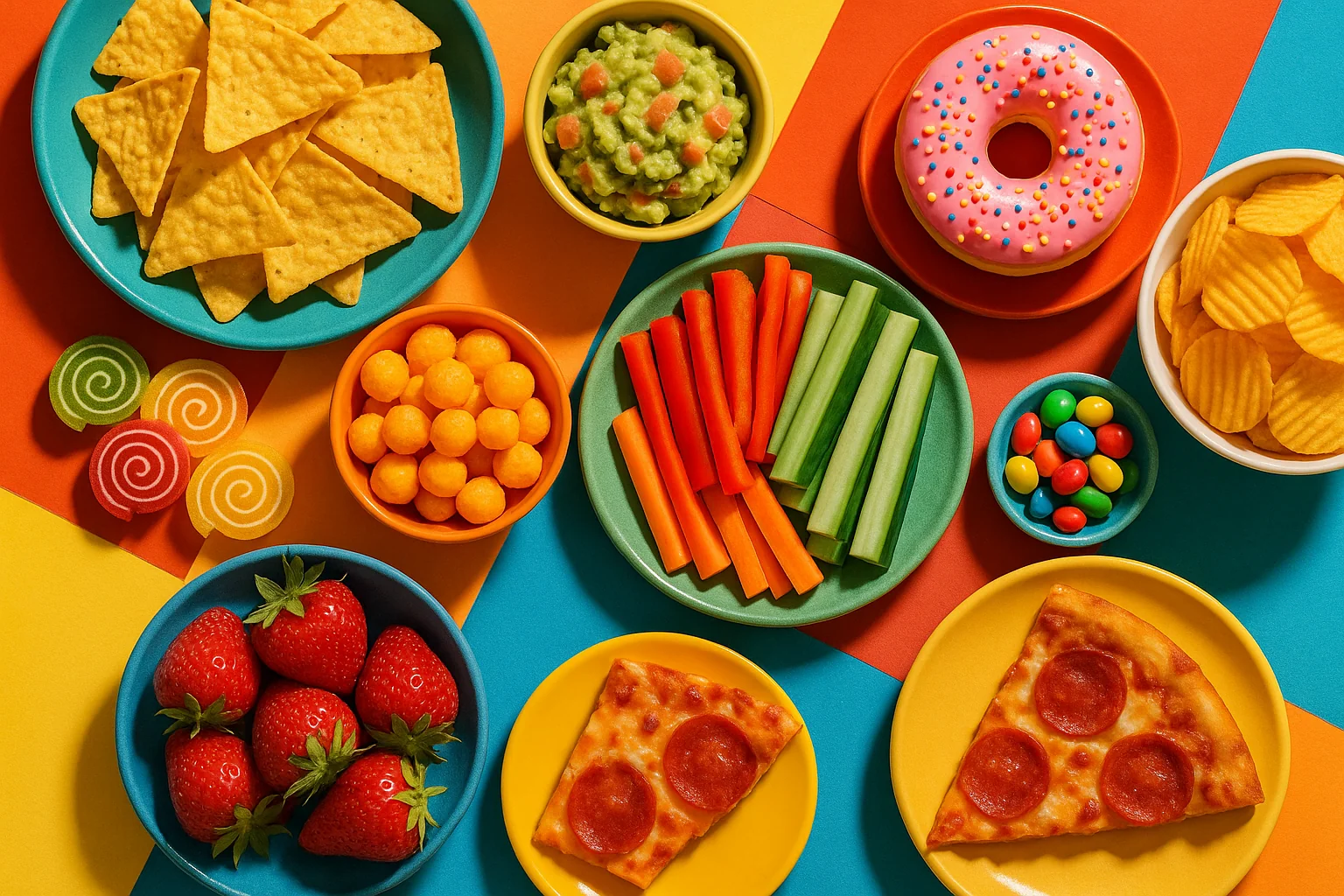
The munchies do not have to mean unhealthy overeating. The key is planning ahead - if you know you will be using cannabis with THC, prepare healthy snacks in advance. Fruits, vegetable sticks, nuts, hummus, or whole grain crackers satisfy the munchies with significantly lower calorie load than chips or sweets. The brain under the influence of THC focuses on tastiness, so good quality food is actually satisfying.
We observe that many people asking us about CBD products have exactly the opposite experience - they reach for CBD flower partly because it does not induce munchies, yet still provides a sense of relaxation and aromatic ritual. This is a practical decision for those who value control over their appetite.
Hydration is another key element - thirst can be mistaken for hunger by the brain, which is amplified under the influence of THC. A glass of water or herbal tea before reaching for another snack often reduces the impulse. If you care about mindful eating during the munchies phase, eat slowly and with focus - THC will make the food taste better anyway, so you won't lose out on the intensity of the experience.
Munchies and diet and healthy eating habits - what do studies show?
One of the less obvious aspects of the munchies is its impact on the quality of food consumed. A study published in Health Economics (2018) by David and Kaiser analyzed grocery shopping data in the USA after the legalization of marijuana and showed a significant increase in the sales of chips, cookies, and sweets - categories of highly processed food. The effect was the opposite for fruits and vegetables, whose sales did not increase proportionally. Conclusions: the munchies carry the risk of increased consumption of empty calories - and this effect translates to the population scale.
Can the munchies actually serve a purpose? In a clinical context - yes. People with cancer cachexia, anorexia of neurological origin, or chronic lack of appetite after chemotherapy need the appetite-stimulating effect that THC reliably provides. Dronabinol (synthetic THC) is a registered drug in the USA for cachexia related to AIDS - its mechanism of action is identical to the natural effect of the munchies. In this context, 'munchies' cease to be a drawback and become a therapeutic mechanism.
For recreational users, the most effective strategy remains planning meals in advance. Studies on impulse control show that dietary decisions made ahead of time (when we are sober and thinking logically) are more lasting than attempts to control during a munchies episode. Practically: buy healthy snacks before starting a session, remove unhealthy food from reach or hide it. The brain under the influence of THC is less likely to seek out things it does not see immediately. Simple environmental modifications work better than willpower during the munchies.
Frequently Asked Questions
What is the munchies?
The munchies (eng. 'munchies') is an intense appetite that occurs after consuming cannabis with THC. Neurologically, it is the effect of activating CB1 receptors in the hypothalamus - THC paradoxically activates satiety neurons (POMC), which under its influence release substances that stimulate appetite, according to research. Sinika et al., Nature Neuroscience, 2015.
Why does THC induce ravenous hunger?
THC activates CB1 receptors in the arcuate nucleus of the hypothalamus, inhibiting satiety signals while simultaneously stimulating the reward system with dopamine. It also enhances the perception of taste and smell through CB1 receptors in taste buds. The result is a feeling of hunger and increased pleasure from consuming food, even with a full stomach (Yoshida et al., Cell, 2010).
Does CBD also induce the munchies?
No - CBD does not trigger the munchies. CBD does not strongly activate the CB1 receptors in the hypothalamus responsible for appetite stimulation by THC. Studies even suggest that CBD may have a moderate appetite-reducing effect through the GPR55 receptor. CBD flower, CBD oils, or other THC-free products do not cause munchies.
How to avoid overeating during the munchies?
Prepare healthy snacks in advance - fruits, vegetable sticks, nuts, hummus. Hydrate before eating. Limit access to highly processed foods. Eat slowly and mindfully. Chewing gum or herbal tea can reduce the impulse to reach for more snacks.
How long do the munchies last?
The gastro phase after inhaling THC (vaporization) usually lasts 1-2 hours, synchronously with the peak of psychoactive effects. After THC edibles, where effects are slower and longer, appetite may persist for 3-5 hours. The duration depends on the dose of THC, the form of consumption, and individual metabolism.
Can THC help people with a lack of appetite?
Yes - the appetite-stimulating effect of THC has clinical applications. Dronabinol (synthetic THC) is used in the USA for cachexia caused by AIDS and nausea after chemotherapy. Studies indicate that the orexigenic effect of ghrelin is partially mediated by the activation of CB1 receptors in the endocannabinoid system (Kola et al., PLoS ONE, 2008), which explains the mechanism of appetite stimulation by THC. In Poland, access requires a prescription from a specialist.
This article is informational and educational in nature. It contains internal links to products available in the u Bucha store. Prices and specifications may change - please check the current data on the product page before purchasing.
Author: Michał Waluk · Published: 2026-05-04 · Updated: 2026-05-04