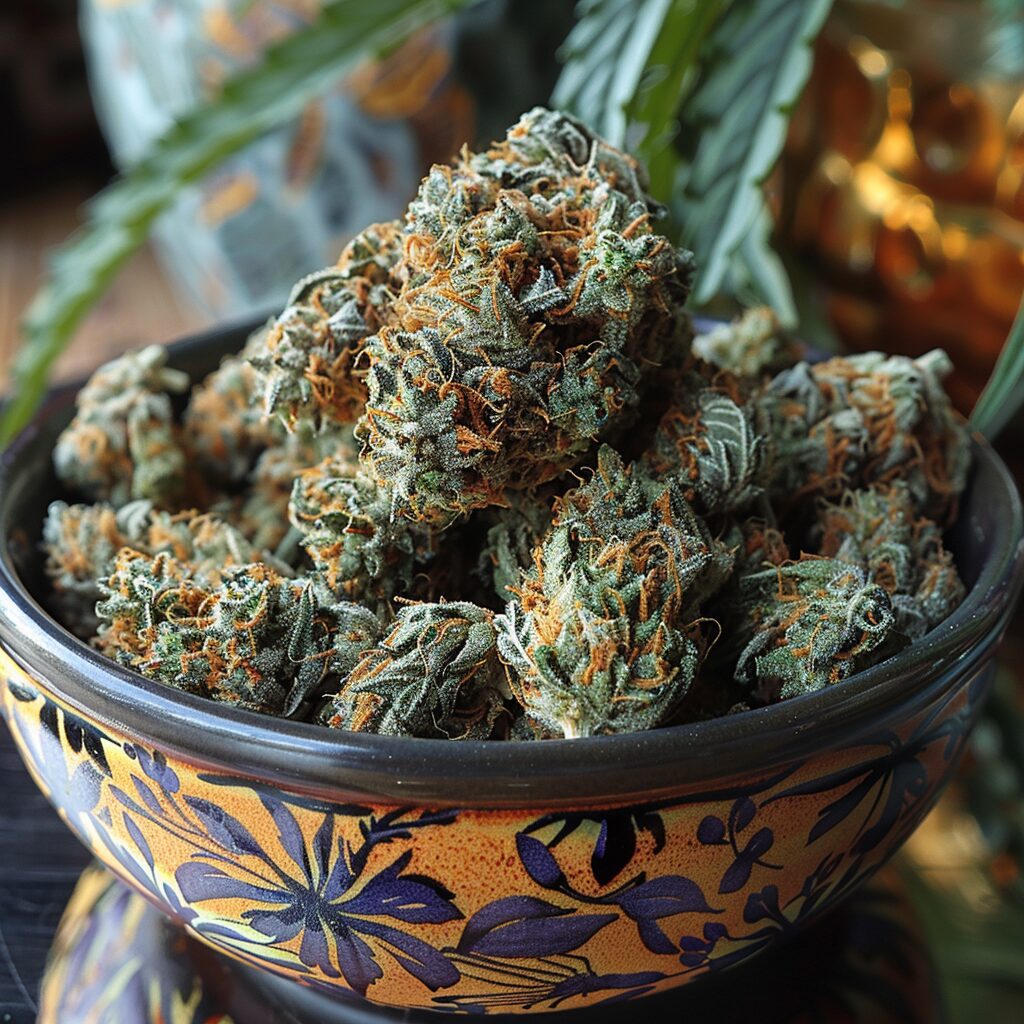

Increased appetite after marijuana, where does the gastrointestinal tract come from?
Increased appetite after marijuana, where does the gastrointestinal tract come from?
People who consume or smoke marijuana may experience what's known as a "gastro" phase. This increased appetite after marijuana use is a well-documented effect that THC causes on our endocannabinoid system and brain. What exactly happens to our bodies that makes us feel such a strong craving and the need to experiment with food after using cannabis?
After consuming marijuana, cravings for salty snacks, high-calorie, fatty, aromatic, and well-seasoned foods increase. Some people prefer sweets like ice cream, candy bars, or muffins, while others prefer a combination of all these flavors, which can cause a taste dissonance.
What is the effect of this?
Gastrofaza has become a permanent fixture in marijuana culture. It has gained such a strong presence that some establishments offer so-called comfort food, serving unusual ice cream flavors, creative versions of pizza, and fries with various toppings and cheeses.
All of this is designed to provide consumers with access to extraordinary nutritional cravings. Moreover, many of these dishes were created as a result of marijuana consumption and a sudden burst of inspiration, which later gained a much wider following.
Marijuana cravings are the result of THC
Let's take a look at it from a biological and physiological perspective. Tetrahydrocannabinol (THC) is the psychoactive ingredient in marijuana. Its effects are based on its influence on our cannabinoid receptors in the brain – CB1 receptors. They are part of the endocannabinoid system, which plays a very important role in regulating appetite, although it also has several other important functions, such as improving concentration and mood.
In addition THC increases ghrelin levels, one of the hormones responsible for the feeling of hunger, and neuropeptide Y, which stimulates appetite, e.g. for carbohydrates. It is also important The effect of THC on the hippocampus and nucleus accumbens, because that is where the areas involved in feeling reward, pleasure and satisfaction associated with eating are located.
These are not the only factors that increase appetite after using marijuana. THC affects the senses – taste and smell, which significantly enhances the appeal of meals. Stress-reducing is also important, especially for people who experience reduced appetite as a result of stress – Marijuana reduces stress levels, so it reduces the appetite suppressant.
What is worth knowing about gastroparesis in medicine?
Some researchers believe that marijuana cravings are an evolutionary factor that was thought to act during periods of reduced food variety – increasing appetite for foods that were seemingly less appealing, but still allowed survival.
Today it's intensified Marijuana cravings are a desired effect in many medicinal marijuana therapies. for patients whose illnesses cause decreased appetite (cancer, HIV/AIDS). This is intended to help maintain weight and provide the exhausted body with nourishment. Currently, research on marijuana consumption and the gastrointestinal effect is also being conducted towards the treatment of eating disorders.
Sources:
Cannabinoids and appetite: food craving and food pleasure, International Review of Psychiatry, 2009 Apr;21(2):163-71.
Endogenous cannabinoids and appetite, Nutrition Research Reviews, 2001 Jun;14(1):65-86.
Should gastroenterologists prescribe cannabis? The highs, the lows and the unknowns, World Journal of Clinical Cases, 2023 Jun 26;11(18):4210-4230.