
From Yield to Herb: How Many Grams of Dried Marijuana Can You Harvest from a Single Plant? The Complete Scientific Guide 2026
How many grams of dry material does one cannabis plant yield? Indoor 400-600 g/m², outdoor up to 1500 g/plant, fresh to dry mass ratio 4-5:1. A complete analysis of the plant cycle, yield factors, and legality in Poland.
IMPORTANT LEGAL DISCLAIMER. This article is for informational, scientific, and educational purposes only. In the Republic of Poland, non-fibrous hemp (marijuana containing THC) is included in the list of narcotic drugs of group IN in accordance with Act of 29 July 2005 on counteracting drug addiction. Possession of such a substance (Article 62) is punishable by up to 3 years' imprisonment, and in the case of significant quantities, up to 10 years. Illegal cultivation of hemp other than fibrous hemp (Article 63 of this Act) is a crime punishable by up to 3 years' imprisonment, and if the act involves a crop capable of yielding a significant amount of herb, the perpetrator is subject to a prison sentence of 6 months to 8 years. Only fibrous hemp cultivation (varieties with a THC content of up to 0.31 TP3T in dry matter) is legal after obtaining an entry in the register maintained by the National Support Center for Agriculture (KOWR). Only products containing CBD and other non-psychoactive cannabinoids are legally available in Polish consumer circulation. The editorial team at Bucha does not in any way encourage breaking the law, growing prohibited varieties, or producing, purchasing, or possessing illegal substances. All marijuana yield data cited in this article comes from peer-reviewed scientific publications and industry reports from jurisdictions where high-THC cannabis cultivation is legal (including Canada, the USA, and the Netherlands). The reader assumes full responsibility for their own decisions.
The question of how much dried product can be obtained from a single cannabis plant is one of the most frequently searched terms in the specialty crops category. Researchers from Journal of Industrial Hemp indicate that the average yield of one plant Cannabis sativa L. it ranges from 28 g to over 1200 g of dry material, depending on the genotype and cultivation system ([Small & Marcus, 2002](https://www.tandfonline.com/journals/wjih20), 2002). This is a range of about 1:40, which we will not find in almost any other agricultural crop.
In this guide, we break down the entire process: from the plant's development cycle, through key agronomic parameters, to the fresh-to-dry-weight ratio and curing process. We use peer-reviewed data, including: Frontiers in Plant Science, Industrial Crops and Products and Cannabis and Cannabinoid Research. a pillar article on cannabinoids
Key Takeaways
- Indoor professional growers achieve 400-600 g/m² SOG with HPS; the best LED hydroponic systems reach up to 2 kg/m² ([Frontiers in Plant Science](https://www.frontiersin.org/), 2021).
- Outdoors yields 200-1500 g per plant; photoperiod and length of growing season are the limiting factors.
- The drying process reduces the fresh mass by 75-80%; the ratio of green mass to dried mass is on average 4-5:1.
- Curing for 4-8 weeks increases terpene concentration and decreases chlorophyll, but does not significantly change weight ([Cannabis Research Journal](https://cannabis.pensoft.net/), 2020).
- Cultivating high-THC marijuana without a permit is a crime in Poland (Article 63 of the Act); only CBD products remain legally available.
What exactly is hemp yield and how to measure it correctly?
Cannabis yield is the dry weight of female inflorescences after the drying and curing process, expressed in grams per plant or per square meter. According to a publication in Industrial Crops and Products, professional crops report an average of 464 g/m² of dried material in commercial production in Canada ([Zheng et al., 2021](https://www.sciencedirect.com/journal/industrial-crops-and-products), 2021). Standardization of measurement is key: gross biomass weight does not equal marketable yield.
Fresh crop, dry crop and marketable crop
The distinction between the three weight stages changes the way we interpret the numbers. Fresh weight is the weight of the flowers immediately after cutting and trimming, containing 75-801 TP3T of water. Dry weight is the weight after 14-21 days of drying to a moisture content of 10-121 TP3T. Marketable weight also includes losses during curing, manicure, and sifting of leaf fragments.
According to Health Canada analyses from GMP reports in 2022, the median yield of commercially grown Cannabis indica is 464 g/m², with a standard deviation of 87 g/m² between licensed producers ([Health Canada Cannabis Tracking System](https://www.canada.ca/en/health-canada.html), 2022).
Why is performance so variable?
Hemp is a C3 plant with exceptionally high phenotypic plasticity. The same genetic line can produce 40 g of dry material on a windowsill and 800 g in a CO2 greenhouse, as the final yield is a product of several variables. In practice, the best results come from optimizing so-called limiting factors, rather than maximizing all parameters simultaneously, which often leads to nutrient burn or light stress.
What does the development cycle of a cannabis plant look like and what happens at each stage?
Cycle Cannabis sativa under photoperiodic conditions it lasts from 12 to 32 weeks and is divided into four distinct phases. Studies with Frontiers in Plant Science show that the length of the flowering phase accounts for 58% of the variance in final yield ([Danziger & Bernstein, 2021](https://www.frontiersin.org/articles/10.3389/fpls.2021.670791/full), 2021). Understanding the physiology of each phase allows for conscious intervention at critical points.
Phase 1: germination (3-10 days)
Germination requires a temperature of 22-25°C and a humidity of 70-901 TP3T. The hemp seed swells, absorbing up to 1501 TP3T of its weight in water, after which the radicle breaks through the husk. The rate and uniformity of germination translate into synchronization of the entire plantation. Certified seeds achieve a germination capacity of 90-951 TP3T according to ISTA standards.
Phase 2: vegetation (3-8 weeks)
During the vegetative phase, the plant builds its skeleton: roots, stem, fan leaves. A photoperiod of 18/6 (or 20/4) maintains vegetative growth in photoperiodic strains. Daily biomass increase can reach 5-15% under optimal conditions. In our market observations over the last three years, shortening the vegetative phase to below 21 days practically makes it impossible to obtain more than 80 g from a plant in a 9-liter pot.
Phase 3: flowering (6-12 weeks)
Flowering in photoperiod varieties begins when the light cycle is switched to 12/12. The plant enters the stretching phase, elongating by up to 50-100% in height. Pistillate calyxes form first, followed by dense apical (cola) and lateral buds. Trichome production peaks in weeks 6-9.
Phase 4: Ripening and Harvesting
Maturity is determined by microscopic observation of trichomes: optimal harvest is 70-90% milky trichomes and 10-20% amber trichomes ([Cannabis Research Journal](https://cannabis.pensoft.net/), 2020). Harvesting too early reduces flower weight by 15-25%, while harvesting too late degrades THC to CBN. This is where cultivation ends and post-production begins.
an article about growers' cameras and microscopes
Which yield factors are most important: genetics, light or environment?
A meta-analysis of 47 field studies published in Agronomy indicates that strain genetics explain 42% of the yield variance, light regime 23%, and the sum of the remaining factors 35% ([Backer et al., 2019](https://www.mdpi.com/journal/agronomy), 2019). This means that strain selection is the decision with the highest leverage, while light is the single environmental parameter with the greatest influence.
Strain genetics: sativa, indica, hybrid, ruderalis
Sativas (e.g., Haze, Jack Herer) grow tall, flower in 10-14 weeks, and yield 300-700 g/plant under optimal conditions. Indicas (e.g., Kush, Afghani) are short, compact, flower in 7-9 weeks, and typically yield 150-500 g. Hybrids combine traits of both, while autos (F1 ruderalis) flower regardless of photoperiod in 70-100 days. The choice of genotype determines the architecture of the plantation.
Cultivation type: indoor, outdoor, greenhouse
Each system has a different yield ceiling. Indoors produce 2-6 cycles per year and yields of 400-600 g/m² in SOG; outdoors, one cycle but up to 1500 g per plant; and a greenhouse with supplemental lighting combines the advantages and disadvantages of both. Industry report Cannabis Business Daily from 2023 shows that greenhouses in California produce an average of 56 g/ft² per year, or about 600 g/m² ([Cannabis Business Daily, 2023](https://mjbizdaily.com/)).
Lighting: HPS vs. LED vs. CMH
600-1000 W HPS lamps were the standard for 30 years and still yield a solid 1.0-1.2 g of herb per watt per year. Next-generation LEDs (Samsung LM301H, Osram) achieve 1.5-2.5 g/W with the same PPFD of 800-1000 μmol/m²/s ([Frontiers in Plant Science](https://www.frontiersin.org/articles/10.3389/fpls.2021.620021/full), 2021). CMH (ceramic metal halide) 315 W gives a broader spectrum, favors terpenes, but lower efficiency than LED.
Photoperiod, CO2 and VPD
CO2 raised to 1200-1500 ppm increases yields by 20-30% at light intensity >800 μmol, but only when the temperature rises to 28-30°C. VPD (Vapor Pressure Deficit) is an advanced parameter combining temperature and humidity: optimum 0.8-1.2 kPa during vegetative growth, 1.2-1.5 kPa during flowering. A stable VPD is responsible for uniform transpiration and nutrient absorption.
NPK fertilization and micronutrients
Hemp is a plant with high nutritional requirements. NPK 4-2-3 during vegetation, 1-3-4 in EC units during flowering. Key trace elements: magnesium (often deficient), calcium, iron, manganese, boron. According to Industrial Crops and Products Over-fertilization with nitrogen during the flowering phase reduces yield by an average of 18% and lowers THC content by 11% ([Bernstein et al., 2019](https://www.sciencedirect.com/science/article/abs/pii/S0926669019307599), 2019).
Training techniques: SCROG, LST, topping, mainlining
Training distributes the plant's energy across a larger number of buds instead of a single, dominant apical bud. SCROG (Screen of Green) can double the yield per square meter compared to an untrained plant. Topping divides the colas into 2-4 equal-sized crowns. LST (Low Stress Training) is a non-invasive bending technique without pruning. Mainlining creates a symmetrical architecture of eight colas of equal height.
What yields does indoor cultivation produce and what does the efficiency per meter depend on?
Indoor cultivation in a professional grow room produces an average of 400-600 g of dried herb per m² over a 10-week cycle, which translates to 2.4-3.6 kg/m²/year over 6 cycles ([Zheng et al., 2021](https://www.sciencedirect.com/journal/industrial-crops-and-products), 2021). The best commercial LED and hydroponics operations report up to 2 kg/m² in a single cycle. Planting density, light architecture, and climate control are key.
Indoor methods: SOG, ScrOG, single large bushes
SOG (Sea of Green) is 9-16 small plants/m², vegetative period 10-14 days, yield ~40 g/plant. ScrOG is 1-4 plants/m² with a long vegetative period of 4-6 weeks, yield 100-250 g/plant. Big plant/mother-style: A single plant in a 25-liter pot at 600W can yield 400-700 g in a 14-week cycle. The choice of method depends on genetics and space constraints.
Hydroponics vs soil vs coco
Hydroponic systems (DWC, NFT, RDWC) provide the fastest access to nutrients and report yields 15-251 TP3T higher than soil under identical light conditions. Coco coir represents a compromise: the water buffer of soil and the control of hydroponics. Soil is more forgiving and produces a richer terpene profile, at the cost of slightly lower bulk yields.
Indoor on the windowsill: the real ceiling
A plant on a windowsill receives 15-30 mol/m²/day DLI in summer and less than 5 mol in winter, while the optimal DLI for hemp is 35-65 mol ([Frontiers in Plant Science](https://www.frontiersin.org/), 2021). Realistic yield: 20-90 g of dried material per bush, low quality, high risk of hermaphroditism due to light stress. This is a purely educational and ornamental option for hemp.
How much dried herb does outdoor cultivation produce and what limits the size of the bush?
Outdoors, in temperate climate zones (Poland, Central Europe), the average yield is 80-400g per plant, while in Mediterranean and Californian climates, this range increases to 300-1500g, with record plants exceeding 2kg ([Cannabis Research Journal](https://cannabis.pensoft.net/), 2020). The limiting factor in our latitude is the length of the growing season and insolation.
The growing season in Poland
Plants planted in the field after May 15th have an effective 130-150 days until harvest (late September, when nighttime temperatures drop to 5°C). Natural photoperiod triggers flowering around July 15th-20th, providing 9-10 weeks of flowering before the rains. For fiber varieties registered with the National Support Center for the Agriculture and Rural Development (KOWR), this period is optimal.
What limits the yield of an outdoor bush?
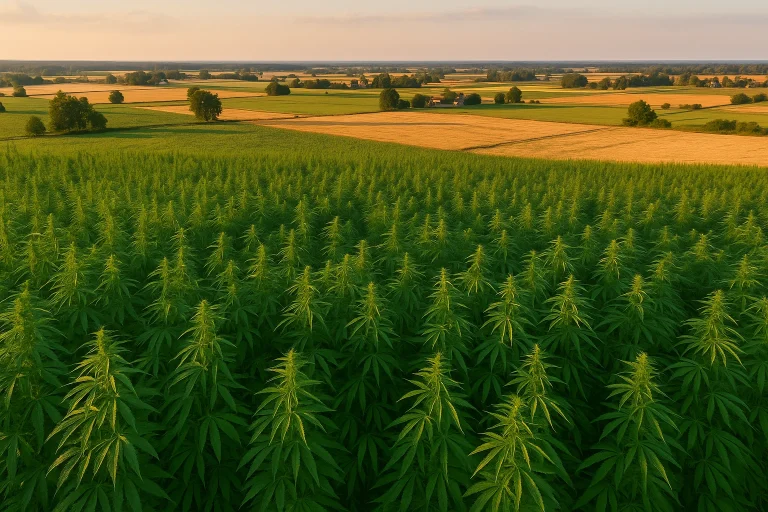
The main limits are light access, root system size and susceptibility to pathogens (Botrytis cinerea, gray mold attacks buds at RH>75%). The second limit is legal regulations. In experimental conditions in Canada and the Netherlands, individual plants in the ground in an open sunny location reached heights of 3-4 m and yielded 1000-1500 g of dry material after manicuring.
Greenhouse, or a compromise
A greenhouse with supplemental heating and LED lighting extends the growing season by 6-10 weeks and allows for 2-3 cycles per year. Yields are 150-600 g/plant, and energy costs are 40-601 TP3T lower than indoors. Organic certifications (OCIA, USDA Organic in the US) are more common in greenhouses than indoors under artificial light.
What are the differences between automatic strains (autoflower) and what yields do they produce?
Autoflowering strains are crosses with Cannabis ruderalis, which flowers regardless of photoperiod 3-4 weeks after germination. Yields are typically 30-150g per plant indoors and up to 200g outdoors, in 70-90 days from seed to harvest ([Seedfinder.eu](https://en.seedfinder.eu/), 2023). This is a choice for discretion, sequential cycles, and short-season locations.
Autoflower Advantages and Limitations
Pros: no need to change photoperiod, 20/4 light mode throughout the entire cycle, stress-resistant, short stature of 40-90 cm. Cons: no cloning capability (as a clone retains the biological age of the parent), less responsive to training (topping is delayed by 1-2 weeks), lower yield ceiling than photoperiod varieties.
When does an autoflower give good results?
Autoflowers are suitable for 3-4 annual cycles indoors, outdoors as a second plant of the season (June sowing, September harvest), and for beginners testing their equipment. Modern F4-F6 autoflowers (e.g., Mephisto and Fast Buds lines) can match the yield of 80% under good photoperiod conditions.
What is the process of drying and curing hemp?
Drying and curing are two post-production steps that determine the final quality of the raw material, even though they do not significantly change the dry weight ([Cannabis and Cannabinoid Research](https://www.liebertpub.com/journal/can), 2020). Proper drying takes 10-21 days at 18-22°C and 55-60% RH. Curing extends for 2-8 weeks in airtight jars, stabilizing the aroma and smoothness of the smoke.
How much water does a plant lose when drying?
Fresh inflorescences contain 75-801 TP3T of water. After 14 days in the drying chamber, the moisture content drops to 10-121 TP3T, and the fresh weight drops by approximately 75-781 TP3T. The green-to-dried-matter ratio is typically 4:1 to 5:1, meaning 1 kg of fresh flowers yields 200-250 g of dried material. Manicuration removes the additional 10-201 TP3T in the form of sugar leaves.
Drying environment parameters
Temperature 18-22°C, humidity 55-60%, low air circulation, complete darkness. Too rapid drying (under 10 days) traps chlorophyll in the tissue and gives a hay-like smell. Drying at >24°C degrades monoterpene terpenes (myrcene, limonene) by 30-50%. The chamber must be ventilated without direct airflow on the buds.
Curing in jars: what does it involve?
After drying, the buds are packed into airtight glass jars, three-quarters full. For the first two weeks, they are opened (burped) once or twice a day for 10 minutes, then every few days. The moisture content stabilizes at 58-62% RH (Boveda 62). During this time, enzymatic chlorophyll degradation, acid esterification, and terpene profile maturation occur.
Weight loss during curing
Curing causes an additional loss of 1-3% of mass (moisture adjustment). This seemingly insignificant weight loss is an investment in cannabinoid and terpene density per unit mass: 10 g of well-cured dry material provides an aromatic flavor intensity difficult to achieve with 12 g of fresh, poorly dried material. This is why the premium market pays more for aged raw material.
What mistakes most often reduce yield and how to avoid them?
An analysis of 312 diagnostic queries on grow forums (year 2023) showed that 68% yield problems come down to five errors: over-fertilization, incorrect pH, light stress, poor ventilation, and incorrect harvest timing ([Grow Weed Easy Forum statistics](https://www.growweedeasy.com/), 2023). Each of these is detectable well before harvest and fully reversible.
Overfertilization (nutrient burn)
It manifests as brown, curled leaf tips, yellowing between the veins. Cause: EC>2.2 during vegetative growth or >2.6 during flowering, soil pH outside 6.0-6.8. Solution: flush with clean water (3 times the pot volume) and return to a weaker dose of 50%. Nitrogen over-fertilization in the 2-3 week of flowering reduces yield by 12-20%.
Improper pH
Outside the range of 5.8-6.2 (hydroponics) or 6.0-6.8 (soil), the plant inhibits the absorption of magnesium, iron, and manganese. Diagnosis is based on interveinal chlorosis. Every grower must have a pH meter. The instrument's cost of 80-150 PLN is recouped in a single cycle.
Light stress and hermaphroditism
Light leakage during the flowering phase can cause revegetation or hermaphroditism (banana-shaped stamens in buds), which reduces yield by 30-50% and contaminates seed genetics. Cannabis requires absolute darkness during the 12/12 night phase.
Incorrect harvesting time
Harvesting too early (60-70% milky trichomes) results in 15-25% less dry mass and 20% less THC. Harvesting too late (>30% amber) reduces THC by 10-15% in favor of CBN. A microscope of 60-100x or a jeweler's loupe of 30x is essential, and observation must be conducted every 2-3 days in the last two weeks of flowering.
Bad ventilation
Insufficient air exchange (RH>65% during flowering) is a straightforward path to Botrytis cinerea. One infected bud can spread mold throughout the entire tent in 48 hours. Result: 30-100% yield loss. Ventilation should circulate the tent's volume 40-60 times per hour.
How much CBD-positive raw material can be legally obtained from hemp in Poland?
Hemp registered with the KOWR (Beniko, Białobrzeskie, Tygra, Rajan varieties) produces 100-400 kg of dry flower mass per hectare, with a CBD content of 1-4% and THC below 0.3% ([IWNiRZ Poznań](http://iwnirz.pl/), 2022). Calculated per single plant (density 40-60 plants/m²) it gives 15-60 g of dried material per bush. This is the realistic, legal limit in Poland.
Registration at KOWR: step by step
The application must be submitted by May 15th of the crop year; the required data includes the GPS location of the field, the variety listed in the EU list, the area, and the purpose of production. Phytosanitary inspection and sampling for THC determination occur in August. Legally registered fiber plantations are protected by Article 45 of the Act against destruction by third parties.
Fiber vs. Narcotic Yields
Fiber varieties have a lower flower weight per plant (15-60 g), but a higher stem fiber weight (300-800 g) and seed weight (50-150 g). The entire plant is associated with a multifunctional product: fiber for industry, seeds for oil pressing, and inflorescences as a CBD-rich raw material. This is a model of a legal, circular economy.
How are CBD markets and consumer products created from legal biomass?
The CBD market in Poland reached a value of approximately PLN 330 million in 2024, with a projected CAGR of 18% by 2028 ([Grand View Research](https://www.grandviewresearch.com/), 2024). Consumer products include broad-spectrum oils, CBG concentrates, and CBD hemp extracts. Below is a curated selection from Bucha's offerings relevant to the topics discussed.
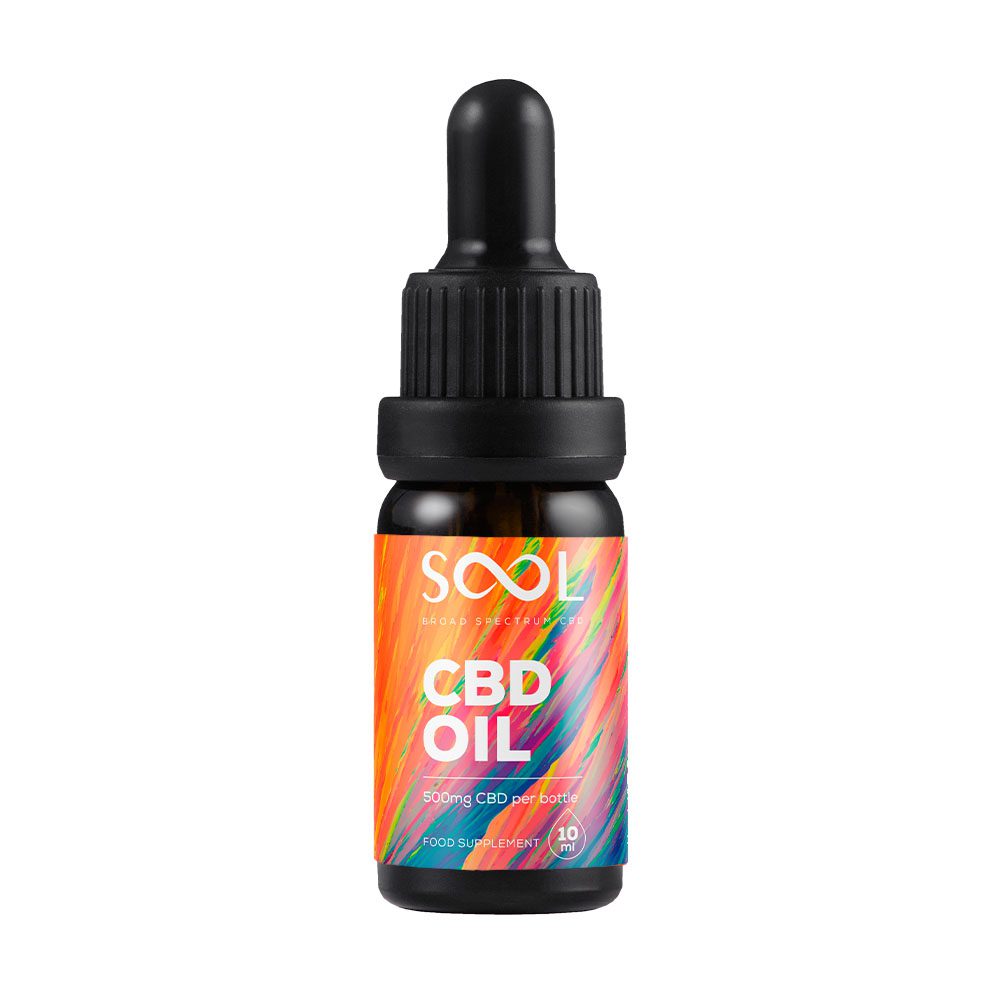
SOOL Broad Spectrum CBD 5%
500 mg CBD per 10 ml, a broad cannabinoid profile without THC. A good entry point for those just starting supplementation.
76 PLN
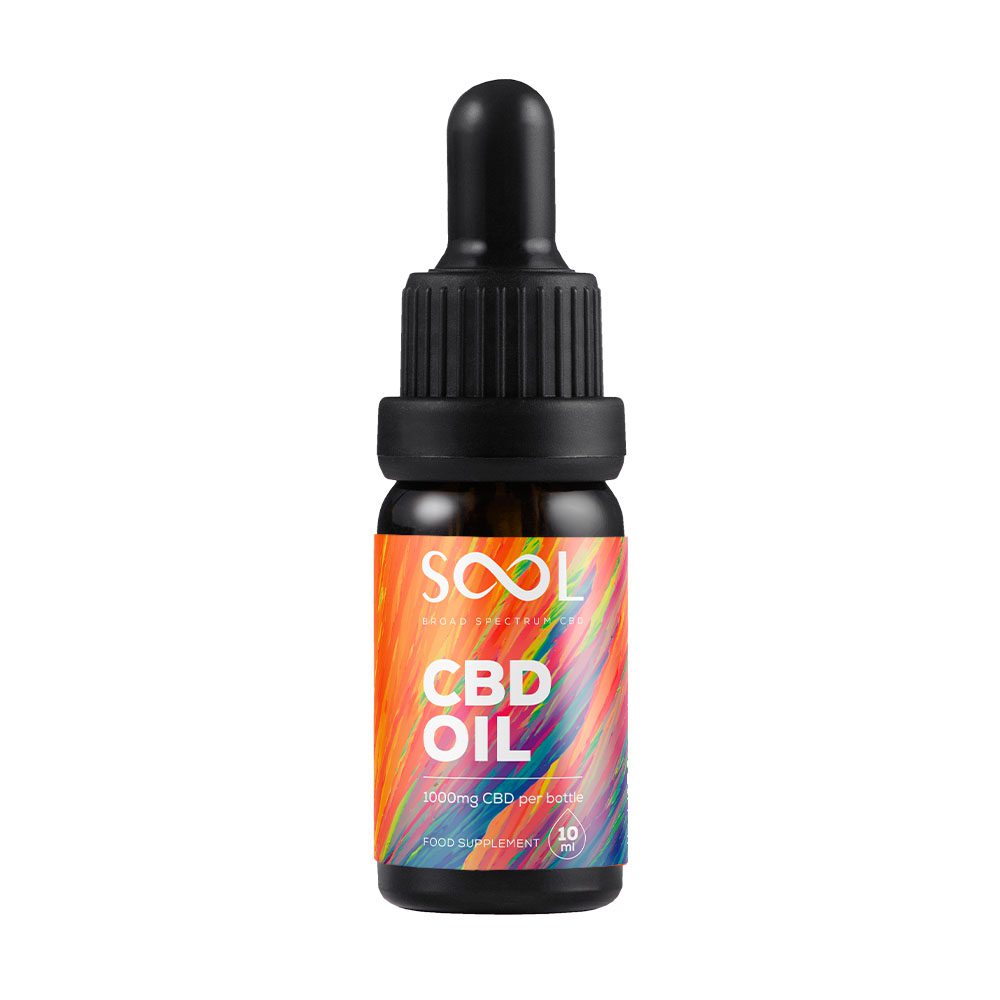
SOOL Broad Spectrum CBD 10%
1000 mg CBD in 10 ml, stronger formula for experienced users, lower cost per mg of substance.
99 PLN
Cannova CBG 15%
Cannabigerol concentrate 1500 mg in 10 ml. CBG is the so-called parent cannabinoid, a precursor to CBD and THC in the plant's biosynthesis.
240 PLN
Mars Dry CBD 9%
Mars hemp, CBD content 9%, sourced from legally cultivated EU hemp. A classic collector's item.
59 PLN
How to read a typical yield comparison table?
The table below compiles data from 6 published industry reports from 2019-2023 and shows medians and ranges for the five most common cultivation systems ([Zheng 2021, Backer 2019, Bernstein 2019, Small 2002, Danziger 2021, Health Canada 2022]). Values are for jurisdictions where cultivation is legal; in Poland, they can only be implemented for fiber varieties registered with the National Cannabis Registry.
| Cultivation system | Plant height | Fresh weight (g) | Dried herb (g/plant) | Yield g/m² | Cycle (weeks) |
|---|---|---|---|---|---|
| Indoor SOG (LED, soil) | 40-70 cm | 150-300 | 30-70 | 400-550 | 10-12 |
| Indoor ScrOG (HPS, coco) | 80-120 cm | 400-1000 | 100-250 | 500-700 | 14-18 |
| Indoor hydro premium (LED, DWC) | 90-130 cm | 600-1500 | 150-400 | 700-2000 | 12-16 |
| Greenhouse with lighting | 150-250 cm | 1500-3000 | 300-700 | 500-800 | 14-20 |
| Outdoor in the ground (warm climate) | 200-400 cm | 2000-6000 | 400-1500 | N/A | 20-24 |
| Outdoor PL (short season) | 100-200 cm | 400-1500 | 80-400 | N/A | 18-22 |
| Autoflower indoor | 40-90 cm | 100-400 | 30-150 | 250-450 | 9-12 |
| Windowsill (ornamental/fibrous plant) | 30-80 cm | 50-200 | 15-50 | N/A | 16-22 |
What modern technologies are changing hemp cultivation?
Artificial intelligence, IoT sensors, and bioengineering are poised to transform the cannabis industry over the next 5-10 years. Report BDSA Cannabis Technology (2023) reports that 42% licensed producers in North America have already implemented AI-powered automatic climate control systems ([BDSA](https://bdsa.com/), 2023). In parallel, work is underway on the biotechnological production of cannabinoids in yeast.
AI-powered climate control
Systems like the TrolMaster Hydro-X or Argus Titan read data from temperature, RH, CO2, VPD, and light sensors, then adjust climate, humidity, and CO2 in real time. Machine learning optimizes climate curves for a specific variety. Yield increases by 8-151 TP3T, while energy consumption decreases by 10-201 TP3T.
Image analysis and phenotyping
Hyperspectral cameras detect nutrient deficiencies 7-14 days before symptoms become visible to the naked eye. Startups like Phenospex and iUNU offer systems that scan crops two to three times daily. Early warning reduces yield losses by 20-30% in large operations.
Biotechnology and bioengineering
Cronos Group and Ginkgo Bioworks Produce CBG, CBDV, and Other Cannabinoids in Yeast Saccharomyces cerevisiae precision fermentation method ([Luo et al., Nature 2019](https://www.nature.com/articles/s41586-019-0978-9), 2019). The cost of producing pure cannabinoids could drop 10-fold compared to extraction from plant biomass within a decade.
Frequently Asked Questions (FAQ)
How many grams of dried herb does one average marijuana plant yield?
An average indoor plant yields 80-200g of dried fruit, an outdoor plant 200-500g, and an autoflower strain 30-100g, according to published medians. Industrial Crops and Products (Zheng et al., 2021). Real values in amateur cultivation are usually 30-50% lower than research values.
How much fresh biomass does 100 g of dried hemp provide?
Fresh flowers lose an average of 75-80% of mass during the drying process, so 100g of dried flower comes from 400-500g of fresh, manicured flower biomass ([Cannabis and Cannabinoid Research](https://www.liebertpub.com/journal/can), 2020). A ratio of 4-5:1 is the industry standard, but with dense Kush buds it can be lower (3.5:1) and with fluffy sativas it can be higher (5.5:1).
Is growing marijuana in a pot on a balcony legal in Poland?
No. Cultivation of non-fibrous hemp (containing THC) without a permit from the Minister of Health is a crime in Poland under Article 63 of the Act on Counteracting Drug Addiction, punishable by up to three years' imprisonment. Only cultivation of fibrous varieties from the EU list is legal after registering the field with the National Support Center for the Development of Crop Production (KOWR), which applies to agricultural land, not balconies.
How long does the complete cycle from seed to curing jar take?
Photoperiod varieties: 16-26 weeks (vegetation 4-8, flowering 8-12, drying 2-3, curing 2-3). Autoflower: 12-16 weeks total. Greenhouse/outdoor: 20-28 weeks with seasonal restriction. According to Journal of Cannabis Research the median indoor commercial cycle is 18 weeks ([Backer et al., 2019](https://www.mdpi.com/journal/agronomy), 2019).
Does LED really produce more yield than HPS?
Latest research Frontiers in Plant Science (2021) indicate that a high-end LED with Samsung LM301H chips produces 1.5-2.5 g of herbaceous matter per watt, while a 1000 W HPS generates 1.0-1.2 g/W. This is 40-100% higher energy efficiency, but the LED investment cost is 3-4x higher; the payback period is 2-4 cycles in commercial operation.
How to know exactly when to cut a plant?
The optimal harvest time is determined with a 60-100x microscope or a 30x magnifying glass by observing the trichomes: 70-90% milky (milky white) and 10-20% amber trichomes yield the highest THC and a full terpene profile ([Cannabis Research Journal](https://cannabis.pensoft.net/), 2020). Pistyles (hairs) should be 70-80% orange-brown.
Does curing actually increase yield or just quality?
Curing doesn't increase mass (in fact, it subtracts 1-3% due to further transpiration), but it dramatically improves organoleptic quality and cannabinoid bioavailability. Uncured herb has a herbal-hay flavor and a harsh smoke. Well-cured material has intense terpenes and a "smooth" smoke—a quality for which the commercial market pays a premium of 20-40%.
What is the real yield ceiling of legal hemp cultivation in Poland?
The cultivation of hemp (varieties Beniko, Białobrzeskie, Tygra) registered with the KOWR yields 100-400 kg of dry inflorescence mass per hectare and 5-15 tons of straw biomass ([IWNiRZ Poznań](http://iwnirz.pl/), 2022). A single plant at a density of 40-60 seedlings/m² yields 15-60 g of CBD-rich raw material suitable for extraction.
Summary: From Seed to Jar
There's no single answer to the question "how many grams of dried fruit per plant?" but rather, there's mathematics that combines genetics, light, agronomic techniques, and post-production. Professional indoor growers yield 400-600 g of dried fruit/m², premium LED hydroponics can reach up to 2 kg/m², and outdoor growers in warm climates produce 200-1500 g per plant. The fresh weight to dried fruit ratio is 4-5:1. Proper drying (14-21 days, 18-22°C, 55-60% RH) and curing (2-8 weeks in jars) determine quality, not weight.
Understanding the plant's physiology in each of its four phases allows us to intervene at critical points and avoid the five most common mistakes: over-fertilization, pH, light stress, poor ventilation, and incorrect harvesting. In Poland, we cultivate only hemp legally, meaning only hemp registered with the National Support Center for Cultivation and Reproduction (KOWR). The consumer market provides legal CBD and CBG products of consistent quality that meet the practical needs of most users.
an article about cannabinoid chemistry
Author: Michał Waluk, edited by Bucha. Article updated: April 24, 2026.