
How to Take CBD: 4 Most Popular Methods and Dosage 2026
How to take CBD? Comparison of 4 methods: sublingually (13-19%), orally (6-15%), inhalation (30-35%), topically. Duration of action and dosing (PMC, 2020).
The question 'how to take CBD' is being asked by more and more people who have purchased their first oil or hemp flower. In Poland, in 2024, over 1.8 million adult consumers reached for products containing cannabidiol (Project CBD, 2024). However, the CBD molecule has its own pharmacokinetic properties, so the method of administration determines whether you will feel the effect after 10 minutes or after 2 hours.
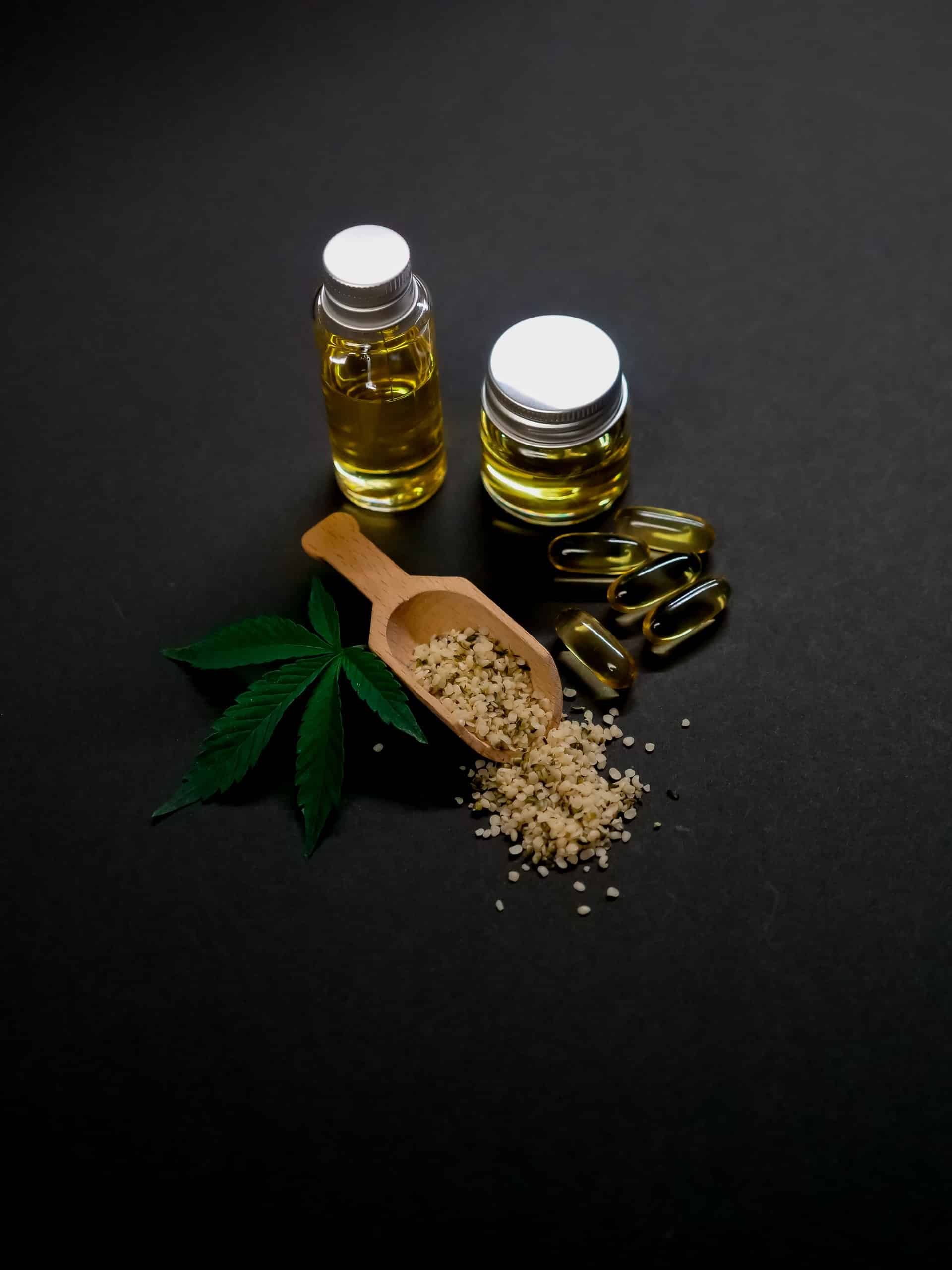
The four most popular methods are: sublingually (CBD oils), orally (capsules, gummies, food with added oil), inhalation (vaporizing flower or CBD vapor), and topically (creams, balms, ointments). Each method has different bioavailability, onset time, and duration of effect. Differences can reach up to six times in terms of absorption.
In this guide, we compare all four methods based on studies published in PMC, Frontiers in Pharmacology, and the European Journal of Clinical Pharmacology. You will find specific doses, protocols for combining methods, common application mistakes, and tips on how to match the form to your own needs. pillar on CBD oils
KEY INFORMATION
- The sublingual bioavailability of CBD is 13-19%, oral 6-15%, inhaled 30-35%, and topical practically zero systemically (Frontiers in Pharmacology, 2020).
- The sublingual method takes effect after 15-30 minutes, oral after 60-120 minutes, inhaled after 5-10 minutes, and topical in 20-40 minutes on the skin.
- The duration of the inhalation effect is only 2-3 hours, while the oral effect can last up to 6-8 hours.
- 60% of users in Poland start with 5% broad spectrum CBD oil in sublingual form.
- Mixing CBD oil with beverages above 60 degrees Celsius degrades cannabidiol.
Why does the method of taking CBD matter so much?
CBD bioavailability ranges from a few percent to over thirty, depending on the route of administration (Frontiers in Pharmacology, 2020). This means that the same dose of 20 mg of CBD can actually provide the body with 1.2 mg (capsule on an empty stomach) or 7 mg (vaporization). The method of administration influences the effect more than the actual milligram dose.
Bioavailability is the percentage of the substance that reaches the systemic circulation. The more CBD reaches the blood, the more molecules reach the receptors of the endocannabinoid system. Low bioavailability does not mean lack of action, but requires a correspondingly higher dose and longer time to achieve the effect.
Three factors influence absorption. First, the first-pass effect through the liver, where cytochrome P450 enzymes metabolize a significant portion of CBD before it reaches the blood. Second, the lipophilicity of cannabinoids, which are poorly soluble in water and require fatty carriers. Third, the absorption surface, which is the size of the membrane or skin through which the substance passes.
Therefore, the same bottle of CBD oil can provide completely different experiences depending on how you use it. Drops held under the tongue bypass the liver, a capsule lands in the stomach, and vapor reaches the lungs. Each of these routes has different pharmacokinetic parameters described in the literature.
CBD Pharmacokinetics in Brief
CBD is absorbed through the mucous membranes of the oral cavity, the digestive tract, pulmonary alveoli, or the skin, depending on the form. It then binds to over 95% with plasma proteins and distributes to fatty tissues. Metabolism occurs mainly in the liver through CYP2C19 and CYP3A4 enzymes (PMC, European Journal of Clinical Pharmacology, 2019).
The half-life of CBD is 18-32 hours with regular dosing. This is longer than it seems to users who focus on subjective feeling. Full stabilization of blood concentration occurs after 5-7 days of regular use. Therefore, testing a method should always last at least a week.
The curve of the "dose-effect" for CBD takes the shape of an inverted U. In a 2019 study on social anxiety, the best effect was achieved with a dose of 300 mg, while higher doses (600 mg and 900 mg) produced weaker effects (PMC, 2019). This is typical for receptor modulators, unlike classic drugs that are dosed linearly.
What does this mean for choosing a method?
Choosing a method is a question of three variables. How quickly should it take effect? How long should the effect last? Do you need local or systemic action? The answers differentiate the use of sublingual oil (prevention), vaping (quick intervention), capsules (night), and balm (topical).
Example: a person with social anxiety before a meeting needs a quick start, so they choose vaporization or sublingual form 30 minutes beforehand. Someone with sleep issues will benefit more from an oral capsule in the evening, which will spread the effect over the entire night. An athlete with a sore shoulder will benefit from a topical cream without burdening the liver.
CBD bioavailability varies fivefold between methods of administration: 6-15% orally, 13-19% sublingually, 30-35% inhalation, and practically zero systemically with topical application (Frontiers in Pharmacology, 2020). Choosing a method is a compromise between the speed of onset and the duration of effect.
How to take CBD sublingually? Method 1
The sublingual method involves placing drops of oil under the tongue and holding them for 60-90 seconds before swallowing. Bioavailability reaches 13-19%, and the effect appears after 15-30 minutes with a maximum at 60-90 minutes (Frontiers in Pharmacology, 2020). This is the most commonly recommended starting form.
Under the tongue, there is a dense network of blood vessels. CBD dissolved in MCT oil, hemp oil, or hemp seed oil penetrates through the thin mucous membrane directly into the blood. Bypassing the liver means that we do not lose CBD to the first-pass effect, which doubles absorption compared to swallowing.
Which oil to choose? For beginners, a concentration of 5% (500 mg CBD in 10 ml) works well, where one drop contains about 2.5 mg. Experienced users reach for 10% (1000 mg) or higher. Broad spectrum oil (without THC) is the standard for those who need to avoid traces of THC, such as professional drivers or amateur athletes.
Step by step: proper sublingual application
The first step is to measure the dose with a dropper. Start with 4-8 drops of 5% CBD oil, which gives 10-20 mg of cannabidiol. Second, lift your tongue and place the drops directly underneath it, not on the tongue. Under the tongue, there is denser vascularization, so absorption goes faster and more effectively.
The third step is to hold the oil under your tongue for at least 60 seconds, ideally 90 seconds. During this time, do not drink, eat, or speak. Fourth, swallow the remaining amount of oil. Part of the CBD will pass through the sublingual route, and part through the oral route. This two-step profile provides a quick start plus longer maintenance of the effect.
The effect usually appears in 15-30 minutes. The peak concentration in plasma occurs at 60-90 minutes. The duration of the effect is 4-6 hours, depending on the dose, metabolism, and presence of food. On an empty stomach, the start is faster, but the peak is lower.
Common mistakes with the sublingual method
Mistake one: drops on the tongue instead of under the tongue. The upper surface of the tongue has significantly fewer blood vessels than the lower mucous membrane beneath it. Mistake two: swallowing the oil immediately. In this variant, we lose the sublingual route and only have an oral effect with a bioavailability of 6-15%.
Mistake three: taking the oil with warm tea or coffee. Temperatures above 60 degrees Celsius degrade CBD and reduce its activity (European Journal of Clinical Pharmacology, 2020). If you want to drink something with the oil, wait until the beverage cools down to lukewarm or drink cold water.
Fourth mistake: lack of regularity. CBD works on the endocannabinoid system through accumulation, not like paracetamol for acute pain. The full effect appears after 2-4 weeks of daily intake. A single "trial" dose rarely shows the true potential of the method.
The sublingual method provides CBD bioavailability of 13-19% and onset of action in 15-30 minutes (Frontiers in Pharmacology, 2020). Holding the drops under the tongue for 60-90 seconds allows the mucous membranes to absorb the molecule before it reaches the stomach and liver, where it would undergo intense first-pass metabolism.
How to take CBD orally? Method 2
The oral form includes gelatin capsules, gummies, bars, cookies, and oil added to food. Bioavailability is 6-15%, onset of action is 60-120 minutes, but the duration of effect is as long as 6-8 hours (Frontiers in Pharmacology, 2020). This is the longest of the four methods, the most predictable in dosing.
CBD taken orally passes through the stomach, intestines, and liver before reaching the blood. Cytochrome P450 enzymes in the liver metabolize a significant portion of the molecule in the first pass. Hence, lower bioavailability than with the sublingual form, but also more stable and prolonged release.
The oral form works best in long-term scenarios. Sleep issues, chronic nervous tension, inflammation, muscle pain in the hours following training. A capsule taken in the evening will ensure stable CBD concentration throughout the night, which is harder to achieve with the inhalation form with a short duration of action.
Types of oral products
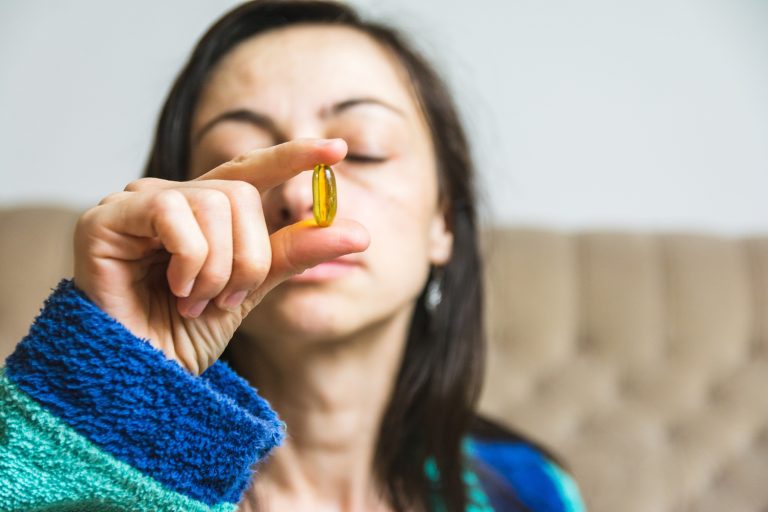
Softgel capsules are the simplest form. They contain CBD oil in a gelatin shell, packaged in factory-measured doses of 10, 25, or 50 mg. Plus: no taste, repeatable dosing. Minus: slower action than powdered capsules, as the shell must dissolve in the stomach.
Gummies and gummies are edible products with added CBD isolate or extract. Popular abroad, rarer in Poland. Plus: taste, convenience, discretion. Minus: often contain sugar, so they are not suitable for diabetics. Bioavailability is similar to capsules, with additional variability depending on the matrix composition.
Oil added to food is the third option. Drops of CBD oil mixed into yogurt, salad, smoothie, hummus. Condition: the dish cannot be hot. Fat in the meal increases bioavailability by up to 3-5 times (PMC, 2019). Therefore, a meal with avocado, nuts, or olive oil provides better absorption than CBD oil alone on an empty stomach.
From the Bucha editorial office: From conversations with customers over the past 12 months, we see a clear pattern. People with chronic sleep issues respond better to 25 mg capsules taken 2 hours before sleep than to sublingual drops just before going to bed. The oral form reaches peak concentration around the third phase of REM sleep, which subjectively improves the continuity of rest.
When does the oral form win?
Scenario one: "wake-up" insomnia between 2 and 4 AM. A 25-40 mg CBD capsule taken an hour before sleep provides stable levels throughout the night. The sublingual form would peak in 60-90 minutes, then the concentration would drop more quickly.
Scenario two: inflammation after training. A single oral dose of CBD 25-30 mg after a heavy workout works for 6-8 hours, covering the critical recovery window. A 2021 study showed a 27% reduction in DOMS (delayed onset muscle soreness) markers with oral doses of 20-25 mg (Cannabis and Cannabinoid Research, 2021).
Scenario three: chronic stress. Two 15 mg capsules split between morning and evening provide 12-hour coverage. This is simpler than taking drops every few hours, especially for working individuals who do not want to return to the oil bottle several times a day.
Common mistakes with the oral form
Mistake one: expecting an effect after 15 minutes. Capsules need 60-120 minutes to take effect. Taking another dose after an hour without effect is a common mistake. The first dose starts working first, then the second is added, and the effect can be stronger than we planned.
Mistake two: empty stomach. A CBD capsule taken on an empty stomach has bioavailability reduced by up to half. It is optimal to take it with a meal containing fats: full-fat yogurt, avocado, nuts, olive oil. Fats create micelles that facilitate the absorption of lipophilic CBD.
Mistake three: high temperature. Adding CBD oil to hot soup, brewed tea, or coffee causes degradation of cannabidiol. Oxidation occurs at temperatures above 60-70 degrees Celsius (European Journal of Clinical Pharmacology, 2020). Add the oil only when the dish has cooled to lukewarm or room temperature.
The oral form of CBD has the longest duration of action (6-8 hours) with bioavailability of 6-15% and delayed onset of 60-120 minutes (Frontiers in Pharmacology, 2020). Fats in the meal increase absorption by 3-5 times, so a capsule or oil consumed with yogurt or avocado provides a better concentration in the blood than the same milligrams on an empty stomach.
How to take CBD by inhalation? Method 3
The inhalation form includes vaporizing hemp flower (CBD flower) and vaporizing extract in pen or cartridge vaporizers. Bioavailability is 30-35%, the highest of all methods, and the effect appears in 5-10 minutes (Frontiers in Pharmacology, 2020). However, the duration of action is short, 2-3 hours.
The mechanism is simple. Vapor penetrates through the pulmonary alveoli, where the vast surface area of capillaries (60-80 square meters) allows for rapid absorption. CBD molecules bypass both the liver and the digestive tract, reaching the blood and then the brain almost immediately.
Vaporization differs from smoking in that the temperature for releasing cannabinoids is 180-210 degrees Celsius, which is below the combustion point of plant material (about 230 degrees). No tar, carbon monoxide, or other pyrolysis products are produced. A 2021 review of studies confirmed no significant changes in the lungs of regular users of cannabis vaporizers (Cannabis and Cannabinoid Research, 2021).
CBD flower vs CBD vapor, which to choose?
Hemp flower in a dry herb vaporizer is the most natural form. It retains the full spectrum of cannabinoids and terpenes, which generates a stronger entourage effect. A good flower vaporizer costs 400-900 PLN one-time, and 9% CBD flower provides 3-5 sessions from one scoop.
CBD vapes (pen, cartridge, disposable) are a more convenient form. The cartridge contains CBD extract dissolved in a carrier, usually VG/PG or MCT. Plus: discretion, no burnt smell, one device ready immediately. Minus: narrower spectrum of ingredients, long-term cost higher than flower.
How to use a vaporizer? Load the chamber with 0.1-0.3 g of flower (for 9% CBD flower, this is 9-27 mg of CBD per session). Set the temperature to 180-200 degrees for releasing CBD without degradation. Inhale slowly for 3-5 seconds, hold for 2-3 seconds, exhale. One session usually consists of 5-10 puffs, after which you assess the effect.
When does vaporization have an advantage?
Scenario one: panic attack or acute tension. Vaporization works in 5-10 minutes, which is comparable to benzodiazepines in terms of speed of onset. Of course, CBD will not replace medications for serious anxiety disorders, but it can support situational episodes.
Scenario two: localized migraine pain. Sublingual drops will only take effect after 20-30 minutes, which can be too long for someone with migraines. Vaporization delivers CBD to the blood in a few minutes. An observational study in 2021 noted subjective symptom relief in 41% of migraine patients after inhalation (Cannabis and Cannabinoid Research, 2021).
Scenario three: testing the body's reaction before a larger purchase. Vaporization allows you to feel the effect of CBD quickly, so if there is no reaction after the session, you can reorganize your strategy. Sublingual drops require a week of testing, vapor takes an hour.
Mistakes and pitfalls of vaporization
Mistake one: too high a temperature. Above 230 degrees, plant material burns and harmful compounds are formed. Quality flower vaporizers have precise temperature control. Cheap devices from the market rarely provide this precision.
Mistake two: smoking instead of vaporizing. Joints with CBD flower are a form of smoking with combustion products, not vaporization. Bioavailability is lower (20-25%), and exposure to tar and CO is higher. If you decide on an inhalation form, choose a vaporizer, not a hemp cigarette.
Third mistake: unknown sources of CBD vapors. The "EVALI" scandal in the USA (2019-2020) was linked to the presence of vitamin E acetate in illegal vape cartridges. Only buy vapors from Polish stores with COA certificates. Avoid products without ingredient declarations and laboratory tests.
Unique observation: CBD vaporization is the only method that allows for "on-demand titration". You can stop after 2 inhales, assess the effect after 10 minutes, add another inhale, and evaluate again. No other form provides such real-time dosage control. This makes vaporization the ideal method for individuals testing their personal "optimal zone" of CBD.
CBD vaporization has the highest bioavailability among the four methods, 30-35%, with onset of action after 5-10 minutes (Frontiers in Pharmacology, 2020). The short duration of effect (2-3 hours) makes vaporization suitable for immediate support of acute tension, migraines, or pain, rather than for long-term prevention.
How to take CBD topically? Method 4
Topical application of CBD includes creams, balms, ointments, massage oils, serums, and shampoos. CBD is absorbed only into the layers of the skin, not reaching significant concentrations in the bloodstream (Frontiers in Pharmacology, 2020). This is a "local" method, without systemic effects, dedicated to the skin and the muscles beneath it.
The mechanism of action is based on the activation of CB2 receptors in the skin and immune cells. CBD interacts with sebocytes (reducing sebum production), keratinocytes (regenerating the stratum corneum), and inflammatory cells (reducing pro-inflammatory cytokines). The effect is confirmed action in acne, atopic dermatitis, psoriasis, and localized pain.
In a 2019 clinical study, CBD ointment applied twice daily reduced acne lesions in 58% of participants after 3 months (PubMed, 2019). This confirms the dermatological application of CBD in dedicated topical forms. CBD shampoos and conditioners have weaker evidence, closer to wellness than medical.
Cream, balm, or ointment, which form is best?
CBD cream is a light water-oil emulsion, absorbs quickly, and works well in daily care. Balm is thicker, more oily, better for areas requiring protection from drying (elbows, knees, heels). Ointment is the thickest form, often based on waxes, used topically on painful muscles or joints.
CBD serum is a concentrated preparation for application under cream. It usually has a higher concentration of CBD per ml but a smaller volume. Massage oil combines CBD with carrier oils (almond, coconut) and is suitable for recovery after training, full-body massage, or trigger point massage.
Does CBD shampoo work? The contact time with the scalp is short (1-2 minutes), so the amount of CBD absorbed is minimal. Other ingredients in the formula (e.g., hemp extract, vitamins, provitamin B5) play a larger role. Do not expect dermatological effects comparable to a cream applied twice daily.
When to choose the topical method?
Scenario one: acne and skin problems. CBD cream with added niacinamide and salicylic acid provides a synergy of anti-inflammatory and keratolytic action. The topical form allows for targeted action without systemic burden, which is important in daily, long-term therapy.
Scenario two: painful muscles after training. CBD ointment massaged into the shoulder, forearm, shoulder, thigh provides relief in 20-40 minutes. It will not replace oral CBD in the context of systemic inflammation, but it works clearly locally. Many runners and gym-goers use CBD cream right after exercise.
Scenario three: painful joints (knee, elbow, wrist). CBD balm with menthol, camphor, or arnica provides a quick feeling of coolness and relaxation, without distracting systemic effects. This is particularly valuable for those who do not want or cannot use CBD orally (e.g., due to interactions with medications).
What will not work with the topical method
Anxiety disorders, insomnia, nervous tension, mood improvement. All "systemic" effects of CBD require the molecule to enter the bloodstream, which a cream does not do. If someone expects calming effects from massaging balm into their temples, the effect will be placebo.
Exception: aromatherapy. CBD products with added essential oils (lavender, lemon balm) can provide a psychoactive effect through scent, not through CBD. Lavender massage oil works psychosomatically, but that is the effect of linalool, not cannabidiol. It is worth separating these mechanisms in your mind.
Topically applied CBD (creams, balms, ointments) works exclusively locally, without significant systemic absorption, through CB2 receptors in the skin and immune cells (Frontiers in Pharmacology, 2020). A 2019 study showed a reduction in acne lesions in 58% of patients after 3 months of using CBD ointment twice daily (PubMed, 2019).
How to combine methods of taking CBD? Practical protocols
About 47% of regular CBD users in Europe use two or more methods simultaneously (Project CBD, 2023). The combinations are not chaotic but based on the pharmacokinetic profile of each form. The most common logic: one method builds a baseline concentration, the other intervenes in acute moments.
The "base plus peak" protocol combines sublingual or oral form (steady background) with vaporization (quick response). Example: in the morning, 15 mg of CBD sublingually, in the evening, 25 mg in a capsule, and vaporization of 5-10 inhales only in acute stress situations. This scheme provides 24-hour coverage with the option to respond to sudden stimuli.
The "systemic plus local" protocol combines CBD oil taken orally with an ointment applied locally to painful areas. There are no interactions between the methods, as the cream does not enter the bloodstream. The systemic action supports overall inflammation, while the local action targets a specific muscle or joint. A typical scheme for amateur athletes.
Sports protocol: CBD before, during, and after training
Before training (45-60 minutes): 10-15 mg of CBD sublingually. Reduces starting tension without drowsiness. Bioavailability of 13-19% provides sufficient concentration in the blood for the warm-up. Do not mix with pre-workouts containing high doses of caffeine, as the interaction is not well studied.
After training (up to 30 minutes): 20-30 mg of CBD orally in a capsule or with food. The long duration of action covers the recovery window of 6-8 hours, when DOMS develops most strongly. Additionally: CBD ointment topically on the most stressed muscles (quadriceps, shoulders, forearms).
In the evening of the same day: if anxiety or sleep problems arise, optionally vaporization of 5 puffs or an additional 10-15 mg sublingually. Such a full protocol uses three methods simultaneously, allowing for comprehensive care without excessive accumulation of a single route of administration.
Anxiety protocol: stable base plus intervention
Daily base: 15-20 mg of CBD divided into morning and evening (10 mg capsule after breakfast, 10 mg sublingual oil in the evening). Builds a stable concentration in the blood, which after 2-3 weeks provides a reduction in baseline anxiety levels. The dose is low to avoid drowsiness during the day.
Emergency intervention: 5-10 mg of CBD sublingually or 3-5 puffs of vapor during anxiety episodes. The sublingual form works in 15-30 minutes, vaporization in 5-10 minutes. The choice depends on the situation (at work, rather sublingually; at home, you can decide on vapor).
After 4-6 weeks, we assess the effect. If the base works well, the dose can be reduced. If there are no results, increase to 30-40 mg daily or add a second molecule (e.g., CBG for concentration support, CBN for deeper sleep). comparative article on cannabinoids
Bucha data Q1 2026: In our order summaries, customers who purchase both CBD oil and CBD ointment in the same month return to the store 2.3 times more often than customers who buy only one form. This suggests that combining methods not only provides better subjective effects but also builds long-term satisfaction with the product.
Which methods of taking CBD for whom?
The choice of method depends on the user's profile, not on trends. A 2023 survey showed that 68% of people choose the CBD method intuitively, without consulting a pharmacist or seller (Project CBD, 2023). The result: frequent disappointments, abandoning therapy after 2-3 weeks, inadequate doses.
First profile: beginner, "I want to try CBD". Recommendation: broad spectrum 5% oil sublingually, 5-10 mg daily for 2 weeks, then assessment. This is a safe start with a low dose and predictable bioavailability. After this period, one can increase or change the method.
Second profile: a person with chronic issues (sleep, stress, tension). Recommendation: a combination of sublingual oil in the morning and oral capsule in the evening. Dose 25-40 mg daily. Time to full effect: 3-4 weeks of regular use. Logic: stable background plus long nighttime action.
Profile: amateur athlete
An amateur athlete needs recovery after training, without burdening the liver or interacting with supplements. Recommendation: sublingual oil 10-15 mg after training plus CBD ointment topically on the muscles. Optionally, a 20 mg capsule in the evening before strength training the next day.
Important: CBD has not been banned by WADA since 2018, but other cannabinoids (THC, HHC) remain on the banned list. Athletes competing in events should choose only broad spectrum products with COA certification confirming the absence of THC. Full spectrum with 0.2% THC may not yield results in a doping test, but theoretically poses a risk.
Profile: person with skin issues
For acne, atopic dermatitis, psoriasis, eczema, the priority is the topical form. CBD cream or serum applied twice daily, along with classic dermatological care. If the problem is severe, an oral oil in a dose of 20-30 mg daily can be added for systemic inflammatory support.
For the combined option: a 2019 study showed that combining topical CBD with oral CBD yielded better results than either method alone (PubMed, 2019). This makes sense, as dermatosis has both a local component (skin) and a systemic component (immune system, hormones).
Profile: senior seeking support for sleep and joints
For seniors, the most recommended set is 25 mg CBD capsules in the evening (long-lasting effect on sleep) plus CBD ointment applied to the knees, hips, and lower back. Vaping is omitted (impractical) and a minimal amount of sublingual oil is used (which may be motorically difficult).
Caution regarding interactions with medications. Older individuals often take medications metabolized by CYP3A4 (statins, warfarin, calcium channel blockers). CBD inhibits the same pathway, which can raise the concentration of medications in the blood. Consultation with a doctor or pharmacist is particularly important here.
What mistakes do CBD users most often make?
An analysis of 500 reports from hemp store customers in Western Europe showed that 72% of dissatisfaction with CBD stemmed from application errors, not from low product quality (Project CBD, 2023). This is an important message: before changing oils, check if you are using it correctly.
Mistake number 1: too quick resignation. Users give up after 3-5 days, while the effect of CBD builds over 2-4 weeks. The mechanism of modulating the endocannabinoid system takes time, unlike prescription medications that work directly. The minimum testing time is 14 days.
Mistake number 2: starting with too high doses. The principle of "start low, go slow" is universal. Start with 5-10 mg, increase by 25% every 3-7 days until the effect is achieved. High starting doses (50-100 mg) can cause drowsiness, dry mouth, and even paradoxical stimulation, without increasing benefits.
Mixing CBD with warm drinks and meals
This is one of the most common mistakes, particularly popular in "CBD coffee" or "CBD tea". Temperatures above 60-70 degrees Celsius degrade cannabidiol. Pharmacokinetic studies show that CBD oxidizes and loses activity at elevated temperatures (European Journal of Clinical Pharmacology, 2020).
What to do? If you want to combine CBD with coffee or tea, wait until the drink cools to 40-50 degrees (warm but not hot). Or better: drink the coffee, and after 20-30 minutes, take the oil sublingually. Temporal separation is safer than mixing.
Add oil to dishes at the end, after cooking. Frying, baking, or boiling CBD oil destroys the molecules. For cold salads, yogurt, smoothies, hummus, guacamole, pesto, cold soup. There, CBD will retain its activity and additionally gain a fatty carrier that increases absorption.
Swallowing oil instead of holding it under the tongue
The second very common mistake. The user drips oil onto the tongue and immediately swallows, which reduces bioavailability from 13-19% to 6-15%. The effect also appears twice as slowly. It’s the same bottle and the same dose, but half the absorption.
The correct technique requires a moment of practice. Draw a dropper full, lift your tongue, place the drops underneath it, lower your tongue, wait 60-90 seconds without speaking or drinking. The first few days may be uncomfortable, but after a week it becomes a routine that takes a minute.
Alternative: CBD spray. Sublingual sprays with a dispenser are appearing on the Polish market, increasing dosing repeatability. You press once, twice, three times, depending on your need. Each press is a set amount of milligrams of CBD. Less precise than a dropper, but more convenient for some people.
Ignoring interactions with medications
CBD inhibits cytochrome P450 enzymes, mainly CYP3A4 and CYP2C9, which affects the metabolism of about 50% of medications on the market (PMC, European Journal of Clinical Pharmacology, 2019). This is particularly important with warfarin, statins, antiepileptics, antidepressants, and some heart medications.
What to do? First, consult CBD with a doctor or pharmacist if you take medications chronically. Second, separate the intake of CBD and the medication by at least 2 hours. Third, monitor the effects (whether the medication works normally, or if new side effects appear).
Particular caution for: children with epilepsy (interaction with clobazam), transplant patients (tacrolimus, cyclosporine), pregnant and breastfeeding women. In these groups, CBD should not be used without medical supervision, regardless of the method of administration.
How to check the quality of a CBD product, regardless of the method?
Product quality determines the effectiveness of the method. In a study by independent laboratories in 2022, about 43% of CBD oils available online contained doses deviating by more than 20% from those declared on the label (PMC, 2022). Informed choice is key, regardless of the chosen route of administration.
First filter: COA (Certificate of Analysis). Reputable manufacturers publish COA for each batch, with results from an independent laboratory. The following are checked: CBD content, absence/presence of THC, terpene profile, presence of heavy metals, pesticides, solvents, mycotoxins.
Second filter: labeling "broad spectrum" or "full spectrum" and detailed composition. CBD isolate is 99% pure cannabidiol, without the entourage effect. Broad spectrum contains all cannabinoids except THC. Full spectrum is a complete extract with THC up to 0.3%. Each form has its applications.
What does the expiration date of CBD oil mean?
CBD oil loses activity over time, even with proper storage. The standard shelf life is 12-18 months from the production date. After opening the bottle, it is recommended to use it within 6-12 months. Exposure to light, oxygen, and high temperatures accelerates degradation.
How to store? In a cool, dark place, in the original bottle (usually dark glass). Not in the fridge (too low temperature can cause cloudiness), not in the bathroom (high humidity), not in the car (extreme temperatures). The optimal temperature is 15-20 degrees Celsius.
Signs of old oil: color change to dark brown or black, bitter, rancid taste, lack of effect at a dose that previously worked. Oil from an expired bottle is not dangerous but ineffective. Discard and buy fresh. purchasing guide
When to return CBD oil and file a complaint?
Signals for complaints: the label differs from the COA, lack of mention of laboratory tests, inability to verify the batch, intense smell of solvents, THC content above 0.3% (in broad spectrum products without THC), separation of layers in the bottle since purchase.
A reputable Polish hemp store provides COA on request or directly on the product page. If the seller does not want to show the document or delays the return, it is a red flag. Buying from pharmacies, reputable brick-and-mortar stores, or verified e-commerce reduces the risk of encountering a poor product.
Frequently Asked Questions
How to take CBD to work the fastest?
The fastest onset of action is provided by the inhalation method (vaporizing CBD flower or CBD vapor) with an effect in 5-10 minutes and bioavailability of 30-35% (Frontiers in Pharmacology, 2020). The sublingual form works in 15-30 minutes. Capsules and gummies require 60-120 minutes, as they pass through the digestive system and liver.
How many drops of 5% CBD oil to take sublingually?
One drop of 5% CBD oil contains about 2.5 mg of cannabidiol, so 4 drops equal 10 mg. A typical starting dose is 10-20 mg daily, increased every 3-7 days until the effect is achieved (Project CBD, 2023). Hold the drops under your tongue for 60-90 seconds before swallowing.
Can different methods of taking CBD be combined?
Yes, combining methods is clinically justified. A typical protocol is sublingual oil as a preventive base (twice daily) plus vaporization in moments of acute tension or pain (Cannabis and Cannabinoid Research, 2021). Topical CBD creams are added pointwise to muscles or skin without systemic interactions.
Why should CBD oil not be mixed with warm tea?
Temperatures above 60 degrees Celsius degrade cannabidiol and reduce its bioavailability. Pharmacokinetic studies show that CBD oxidizes and loses activity already at 70-80 degrees (European Journal of Clinical Pharmacology, 2020). Add oil to a lukewarm drink after it has cooled down or take it sublingually.
Do topical CBD creams enter the bloodstream?
No, creams and balms with CBD work locally and do not reach significant concentrations in the bloodstream. Absorption stops at the level of the epidermis and dermis, where CBD interacts with CB2 skin receptors (Frontiers in Pharmacology, 2020). Therefore, CBD creams do not provide systemic effects such as relaxation or drowsiness.
How long does CBD taken orally last?
The oral form (capsules, gummies, food with oil) provides the longest duration of action, usually 6-8 hours, although with a late onset of 60-120 minutes and bioavailability of 6-15% (Frontiers in Pharmacology, 2020). Thanks to slow release from the digestive tract, the concentration remains stable, which is effective in sleep prevention.
Is vaporizing CBD flower harmful to the lungs?
Vaporization at 180-210 degrees releases cannabinoids without burning and is much safer than smoking. A 2021 review of studies confirmed no significant changes in the lungs of regular users of cannabis vaporizers (Cannabis and Cannabinoid Research, 2021). However, avoid CBD liquids with vitamin E acetate.
What method of taking CBD should beginners choose?
For beginners, the recommended form is sublingual broad spectrum oil 5%. It combines predictable bioavailability of 13-19%, quick onset of action of 15-30 minutes, and easy dose control (Frontiers in Pharmacology, 2020). After 2-4 weeks, you can consider adding other methods, depending on your needs.
Summary: how to take CBD for maximum effect?
The four methods of taking CBD differ in bioavailability, onset time, and duration of action. Sublingually: 13-19%, 15-30 minutes onset, 4-6 hours effect. Orally: 6-15%, 60-120 minutes onset, 6-8 hours effect. Inhalation: 30-35%, 5-10 minutes onset, 2-3 hours effect. Topically: no systemic absorption, works locally 20-40 minutes after application.
For a beginner user, the safest start is 5% broad spectrum CBD oil sublingually, 10-20 mg daily, for at least 14 days. For someone with chronic sleep issues, a better choice may be a combination of an evening capsule plus oil in the morning. Athletes benefit from combining the oral method with topical ointment for sore muscles.
Common mistakes: swallowing oil instead of holding it under the tongue, mixing with hot drinks above 60 degrees, too quick resignation, too high starting doses, ignoring interactions with medications metabolized by CYP3A4. Eliminating these mistakes increases effectiveness without increasing the dose or cost.
CBD is not a magic pill, but a proven wellness support tool for many people. The key to success: understanding your own needs, matching the method, patience during the first 2-4 weeks, verifying product quality through COA. Consult CBD with a doctor if you take medications chronically or are in a particularly sensitive group. pillar CBD oils
Aktualny asortyment znajdziesz w kategorii hemp jellies - inventory levels are changing continuously.
This article is for informational and educational purposes and does not constitute medical advice. Before starting to use cannabis or CBD for therapeutic purposes, consult a doctor, especially if you are taking other medications, are pregnant, or breastfeeding. The bioavailability and action times described in the article refer to population data, and individual reactions may differ from the average.
Author: Michał Waluk, Editor of the Bucha blog
Publication date: April 23, 2026
Last update: April 23, 2026