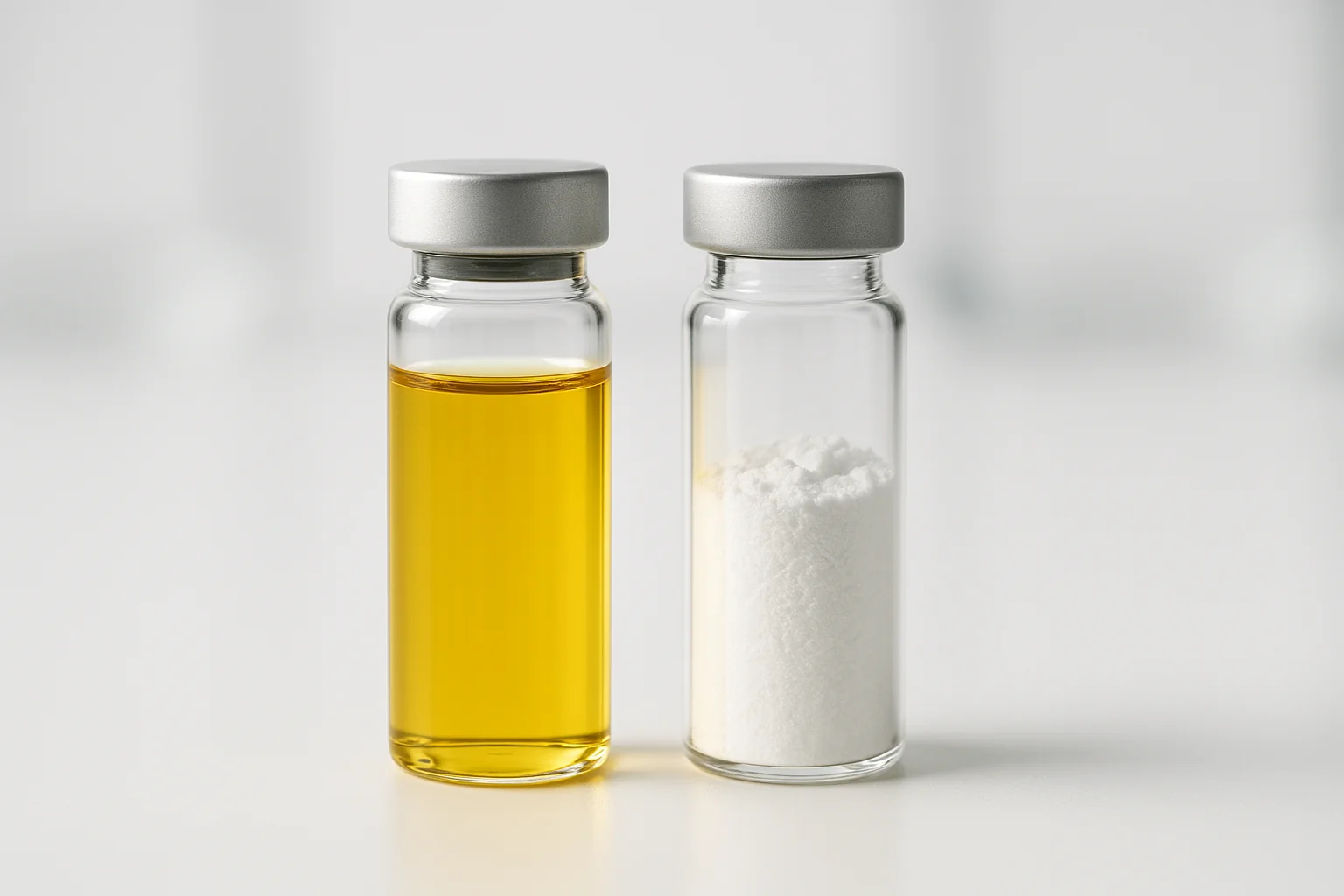

Hemp distillate vs isolate - what are the differences (table)
Destylat konopny vs izolat: porownanie, roznice i co wybrac. Tabela od u Bucha.
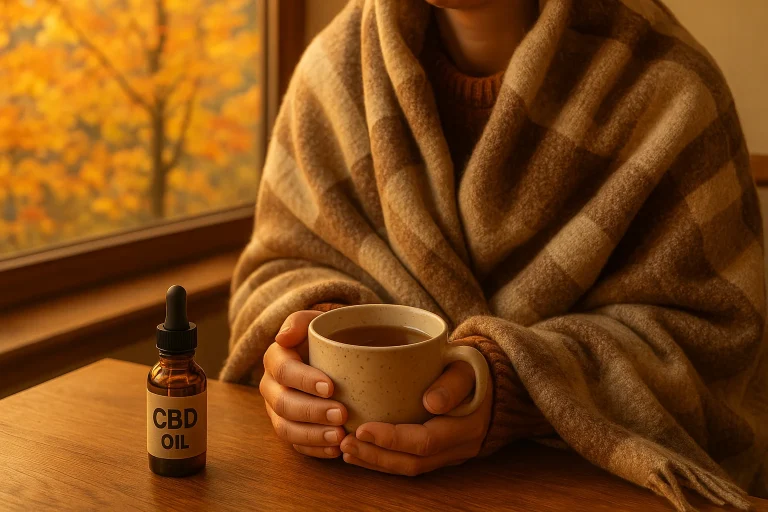
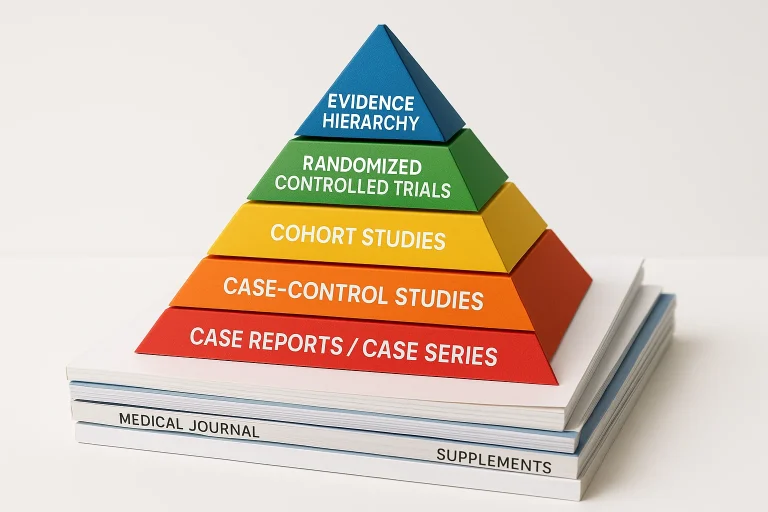
If you read CBD oil labels carefully, you come across terms like "distillate", "isolate", "full-spectrum", and "broad-spectrum" - and it is not always clear what they mean. This is not just a marketing issue: CBD distillate and isolate are two different forms of the same substance, obtained through different methods and having different practical properties. Russo's 2019 study published in Frontiers in Plant Science showed that full-spectrum hemp extract - of which distillate is one form - exhibits a stronger biological effect than isolated CBD at the same dose (Russo, Front. Plant Sci., 2019). This article compares both forms from the ground up - from the production process, through composition, to practical applications.
KEY INFORMATION
• Hemp distillate is a concentrated extract of 70-90% CBD, retaining some terpenes and other cannabinoids.
• CBD isolate is 99%+ pure cannabidiol - without terpenes, without other cannabinoids, without THC.
• Full-spectrum distillate benefits from the entourage effect - the synergy of phytonutrients - which may enhance its action (Russo, 2019).
• Isolate is preferred for drug testing, precise dosing, and neutral taste of products.
• Both require a CoA certificate - the isolate to confirm the absence of THC, the distillate for a full cannabinoid profile.
How is hemp distillate produced?
The production of hemp distillate starts with raw extract - most often obtained through supercritical CO2 extraction or ethanol extraction. The raw extract contains not only cannabinoids but also waxes, chlorophyll, lipids, and other plant components. Distillation aims to separate these unwanted fractions from valuable phytonutrients.
The most commonly used method is short-path distillation or vacuum distillation. In the short-path method, the raw extract is heated under reduced pressure to a temperature at which different components evaporate sequentially - according to their boiling point differences. Cannabinoids (CBD, CBG, THC) have similar boiling points, so precision is required. The resulting distillate is usually a light yellow or amber liquid with high viscosity.
Broad-spectrum distillate undergoes an additional step to remove THC - usually through chromatography (high-pressure liquid chromatography, HPLC). This technique selectively "catches" THC molecules while retaining CBD, CBG, CBC, and other cannabinoids. Broad-spectrum also retains terpenes, although some of them degrade during the distillation process due to their low boiling points.
How is CBD isolate produced?
CBD isolate is produced through further purification of the distillate. The most common method is crystallization: the distillate with a high concentration of CBD is mixed with a solvent (e.g., pentane), cooled, and subjected to slow crystallization. CBD crystallizes as white flakes or powder, while other compounds remain in the solution. After filtering the crystals and removing the solvent (an important step - residual solvents are tested in the CoA), an isolate with a purity of 99.0-99.9% is obtained.
An alternative method is column chromatography, where the cannabinoid mixture flows through a bed that selectively binds CBD and allows other components to pass through. The chromatographic method is more expensive but yields more predictable results and a lower risk of residual solvents. The final effect is identical: a colorless or whitish powder with no taste, smell, or color.
Comparison table - distillate vs CBD isolate
The table below compares both forms of CBD based on characteristics important for choosing a product or raw material for further production. One note: the term "distillate" in trade is sometimes used for both full-spectrum and broad-spectrum products - it is important to check the cannabinoid profile in the CoA, not just the name on the label.
| Feature | Hemp distillate (full-spectrum) | Broad-spectrum distillate | CBD Isolate |
|---|---|---|---|
| CBD purity | 60-85% | 70-90% | 99-99,9% |
| THC content | up to 0.3% (EU legal limit) | below the detection threshold or ND | ND (not detected) |
| Terpenes | Preserved (partially) | Preserved (partially) | None |
| Other cannabinoids (CBG, CBC, CBN) | Present | Present (without THC) | None or trace |
| Taste and smell | Distinct, herbal | Mild, herbal | Neutral (none) |
| Color | Amber / dark | Golden / light | White / colorless |
| Entourage effect | Full | Partial | None |
| Risk of drug test | Low (at typical doses) | Very low | Minimal |
| Popularity in end products | Premium CBD oils | THC-free CBD oils | Gummies, cosmetics, DIY |
| Raw material price | Medium | Medium-high | Low-medium |
Data updated: May 04, 2026
Entourage effect - why might distillate work better than isolate?
The entourage effect is a concept described by pharmacologists Raphael Mechoulam and Shimon Ben-Shabat in 1998, and further developed by Ethan Russo in the following decades. It involves the synergistic action of various components of the cannabis plant - cannabinoids, terpenes, flavonoids, and fatty acids - which together produce a stronger or more complex effect than each component alone.
Specific data: a clinical study on patients with neuropathic pain showed that full-spectrum hemp extract required lower doses to achieve the same analgesic effect as isolated CBD (Gallily et al., Pharmacology & Pharmacy, 2015). The authors also observed that the response to CBD isolate exhibited a "plateau" in the dose-effect relationship (above a certain dose, the effect did not increase), while the full-spectrum extract showed a linear dose-effect relationship - meaning a larger dose produced a stronger effect.
Terpenes play a significant role here: myrcene (sedative), linalool (relaxing), beta-caryophyllene (binding to CB2 receptors), and alpha-pinene (potentially memory-enhancing) are terpenes naturally present in cannabis that can be partially preserved in distillate, while absent in isolate. Beta-caryophyllene is the only terpene also classified as a dietary cannabinoid due to its direct binding to endocannabinoid receptors.
When to choose isolate and when to choose distillate?
The choice between distillate and isolate should stem from a specific goal, not from prestige or a simple scheme of "more natural = better". There are situations where the isolate is clearly the better choice, and others where the distillate has the advantage.
CBD isolate is better when: you are regularly subject to drug tests (professional sports, employer, traffic police) and want to ensure no THC in your system. The isolate is also effective when you want to control the CBD dose precisely and do not need the entourage effect. If you are making your own products (gummies, creams, DIY oils) and need a neutral taste and smell - the isolate is more convenient. Children and individuals with sensitivity to terpenes or other cannabis phytonutrients may tolerate the isolate better.
Full-spectrum or broad-spectrum distillate is better when: you are looking for maximum biological effect at the lowest possible dose of CBD. Patients using CBD for therapeutic support (sleep, tension, pain) often report better effects with full-spectrum products. Distillate is also better if you appreciate the natural taste and aroma of cannabis - terpenes give the product a distinctive profile, which for many users is a signal of quality and authenticity.
How to read labels and distinguish product types?
The CBD market in Poland is full of products whose names do not always match their contents. Several terms require clarification to avoid being misled by labels. "Full-spectrum" should mean a full profile of hemp phyto-substances, including THC up to 0.3%. "Broad-spectrum" is full-spectrum without THC - but check the CoA to ensure that THC is indeed below the detection threshold (ND), not just "below 0.3%". "Distillate" without specification can mean full-spectrum or broad-spectrum - it requires clarification. "Isolate" should indicate 99%+ CBD without other components.
In practice, many of the cheapest CBD oils on the market are produced from isolate dissolved in a carrier oil (MCT, sunflower), and sold with images of hemp plants suggesting "naturalness". Such a product is not a bad product - isolate in MCT oil is a correct form of CBD - but it is neither full-spectrum nor broad-spectrum. If the manufacturer does not publish a CoA with a full cannabinoid profile, it is unclear what raw material is used.
The only reliable way to verify is through the CoA certificate. In the "Cannabinoid Profile" section, look for the presence (or absence) of CBG, CBC, CBN, CBDV, delta-8-THC, and delta-9-THC. The presence of multiple cannabinoids indicates a distillate or full-spectrum extract. Only CBD without traces of other cannabinoids indicates an isolate or a product made from isolate.
What is broad-spectrum and where does it fit between distillate and isolate?
Broad-spectrum CBD is an intermediate form between full-spectrum distillate and isolate. It contains a full spectrum of cannabinoids (CBD, CBG, CBC, CBN) and terpenes, preserving the entourage effect potential, but with THC selectively removed - which eliminates the risk of psychoactivity and minimizes the risk of a positive drug test. Broad-spectrum is produced by additional purification of full-spectrum distillate using chromatographic methods or selective crystallization of THC.
Broad-spectrum is an emerging market standard for several reasons. First, it eliminates the legal risk associated with THC in products intended for sports, children, and countries with zero tolerance for THC. Second, it preserves terpenes and minor cannabinoids, providing a possible entourage effect similar to full-spectrum. Third, it is more convenient for formulation without the need to declare THC content on the label.
A key issue with broad-spectrum is confirming in the CoA that THC is indeed "ND" (not detected), not just "below 0.3%". The difference is technically significant: "below 0.3%" can mean THC at a level of 0.29%, while "ND" means below the detection threshold of the method (usually below 0.01%). Only "ND" provides real certainty of the absence of THC when using before tests.
How can the taste and color of CBD oil indicate the type of extract?
Although the CoA is the only reliable verification tool, several organoleptic clues can suggest the type of extract. Full-spectrum distillate oil is usually dark brown or amber with a distinct, herbal-bitter taste and characteristic cannabis aroma - terpenes and chlorophyll are responsible for the intense color and flavor. Broad-spectrum distillate oil after purification has a golden to light yellow color and a milder, less intense aroma.
Isolate oil mixed with MCT oil is practically colorless or pale yellow (the color comes from the carrier oil) and almost devoid of taste or smell - MCT has a neutral organoleptic profile, and CBD isolate has no distinct odor. This is an important clue: if a product described as "full-spectrum" is colorless and odorless, it is most likely produced from isolate, not from a full extract, regardless of the label.
However, these clues have limitations. Some manufacturers intentionally decolorize and deodorize full-spectrum or broad-spectrum extracts to obtain a neutral product. Such oils can be full-spectrum despite their light color. Therefore, the CoA remains the only reliable source of information - appearance and taste may suggest but not confirm the type of extract.
Frequently Asked Questions
What is hemp distillate?
Hemp distillate is an extract obtained through short-path or vacuum distillation of raw hemp extract. The process removes waxes, chlorophylls, and lipids, concentrating cannabinoids and terpenes. Distillate achieves a purity of 70-90% CBD and can be full-spectrum (with THC up to 0.3%) or broad-spectrum (without THC). It is the basis for most commercial CBD oils.
What is CBD isolate?
CBD isolate is the purest form of cannabidiol - a white powder or crystals with a purity of 99%+ pure CBD without any other cannabinoids, terpenes, or chlorophyll. It is obtained through crystallization or chromatography from distillate. It has no taste or smell and is popular in the production of gummies, creams, and DIY preparations.
Which is more effective - distillate or CBD isolate?
Research suggests that full-spectrum or broad-spectrum distillate may be more effective due to the entourage effect - the synergy of cannabinoids, terpenes, and flavonoids. Study Gallily et al. (Pharmacology & Pharmacy, 2015) showed a linear dose-response relationship for full-spectrum extract, while the isolate exhibited a plateau above a certain dose.
Is CBD isolate safer than distillate?
In terms of THC content, isolate is safer - it contains no THC, minimizing the risk of a positive drug test. Both have a similar safety profile with certified sources. The risk of heavy metals and pesticides affects both forms equally - it depends solely on the quality of the raw material and having an up-to-date CoA with ICP-MS testing.
What is distillate used for, and what is CBD isolate used for?
Distillate is the basis for most premium commercial CBD oils - it is mixed with MCT oil or olive oil. Isolate is used where zero THC content is required (WADA tests, employer), precise dosing, and neutral taste - in gummies, creams, food products, and DIY supplements.
How to distinguish a distillate product from an isolate product on the label?
The key word is the CoA certificate with a full cannabinoid profile. A product from full-spectrum or broad-spectrum distillate contains detectable amounts of CBG, CBC, CBN, and other cannabinoids alongside CBD in the CoA. A product from isolate shows only CBD in the CoA - without traces of other cannabinoids. If the manufacturer does not publish the CoA, it is unclear what is in the bottle.
Can you make CBD oil from isolate at home?
Technically yes - CBD isolate is a powder that can be dissolved in a carrier oil (MCT, extra virgin olive oil) in a chosen proportion. With 1000 mg of isolate in 10 ml of MCT oil, you get a 10% CBD oil. CBD isolate is legally available in Poland as a raw material for supplements. Key: use isolate with a CoA confirming 99%+ purity and no THC, weigh precise portions with a laboratory scale (accuracy 0.01 g), and store the finished product in a dark, airtight bottle in the refrigerator.
This article is for informational and educational purposes and does not replace consultation with a doctor. If you are pregnant, breastfeeding, taking medications, or have chronic conditions, consult the use of supplements or herbs with a specialist.
Author: Michał Waluk · Published: 2026-05-04 · Updated: 2026-05-04