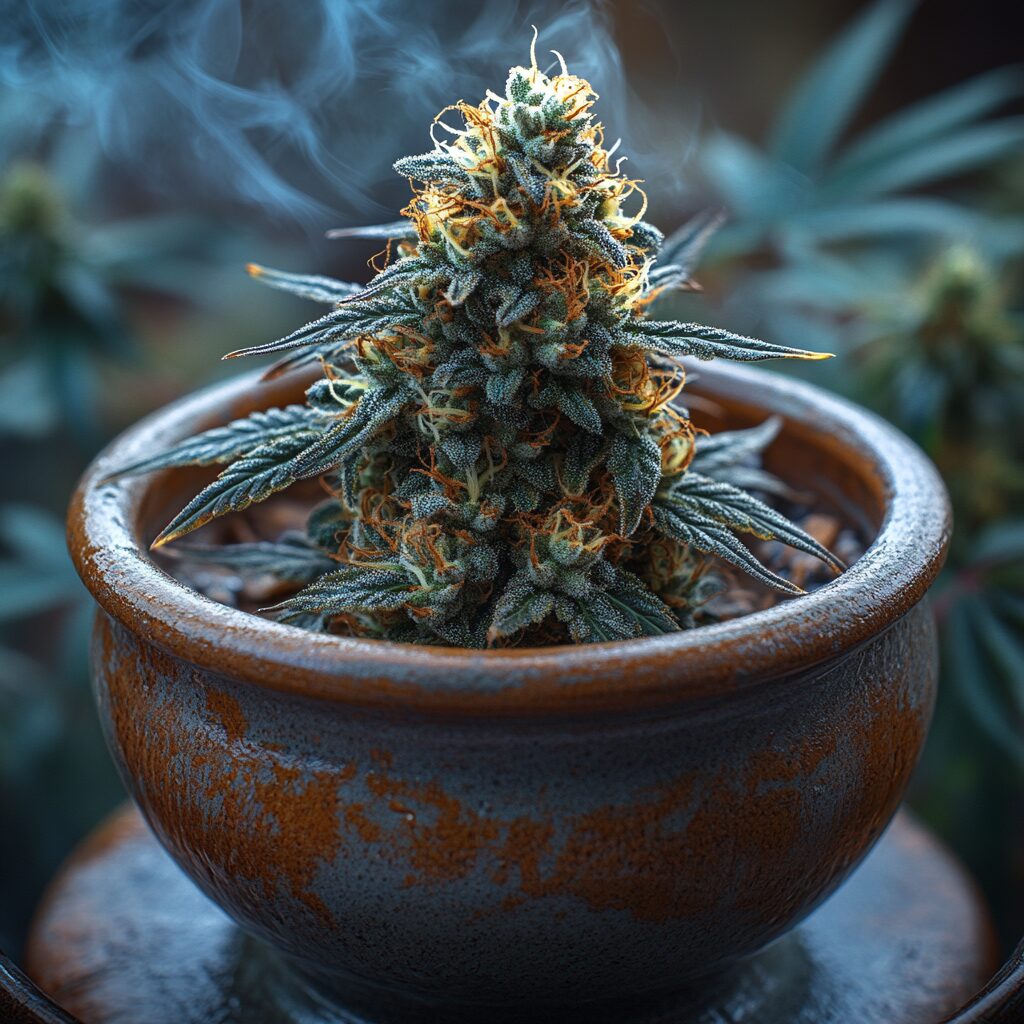

Cannabis Decarboxylation Step by Step – What Is It? How to Decarboxylate Hemp and Marijuana?
Cannabis Decarboxylation Step by Step - What is it? How to Decarboxylate Hemp and Marijuana?
Have you ever wondered how to prepare hemp to maximize its potential? If so, you've come across a topic that's crucial for anyone interested in cannabis: decarboxylation. While this process may not seem complicated, if done correctly, it can significantly impact the effectiveness and performance of cannabis products, both recreational and therapeutic.
In this comprehensive guide, you'll learn exactly what cannabis decarboxylation is, why it's so important, what methods you can use, and how to avoid common mistakes. We'll present you with practical tips, application examples, and interesting market facts that will help you consciously enjoy the benefits of cannabis.
What Is Cannabis Decarboxylation? The Basics and Importance of the Process
Decarboxylation is a chemical process that involves removing the carboxyl group (-COOH) from cannabinoid acids naturally occurring in fresh cannabis. In practice, this converts the inactive form of THC-A (tetrahydrocannabinolic acid) into psychoactive THC, and CBDA into CBD – compounds with significantly stronger and more desirable effects.
Without decarboxylation, most cannabinoids remain in their acidic form, which has limited therapeutic and psychotropic effects. Therefore, this process is absolutely essential for achieving maximum potency and effectiveness from cannabis products such as oils, extracts, and vaporized herbs.
Why is decarboxylation so important?
- Cannabinoid activation: Without this process, THC and CBD remain in an inactive form, significantly reducing their effects.
- Increased bioavailability: Decarboxylation facilitates the absorption of cannabinoids by the body, which translates into faster and more intense effects.
- Versatile applications: Activated cannabinoids are essential for the production of most hemp products – from oils to cosmetics to food products.
- Effects control: It allows for better control of the dose and effect, which is crucial especially in the case of medical therapies.
It's worth noting that not only THC and CBD require decarboxylation – other cannabinoids and terpenes also change their properties when heated, which affects the final profile of the cannabis effect.
How does the decarboxylation process work? Step by step.
To properly decarboxylate, it's important to pay attention to the proper temperature and heating time. Too high a temperature or too long a time can destroy valuable compounds, while too low a temperature can inhibit the full process. The correct method will preserve the aroma, flavor, and full potency of the cannabinoids.
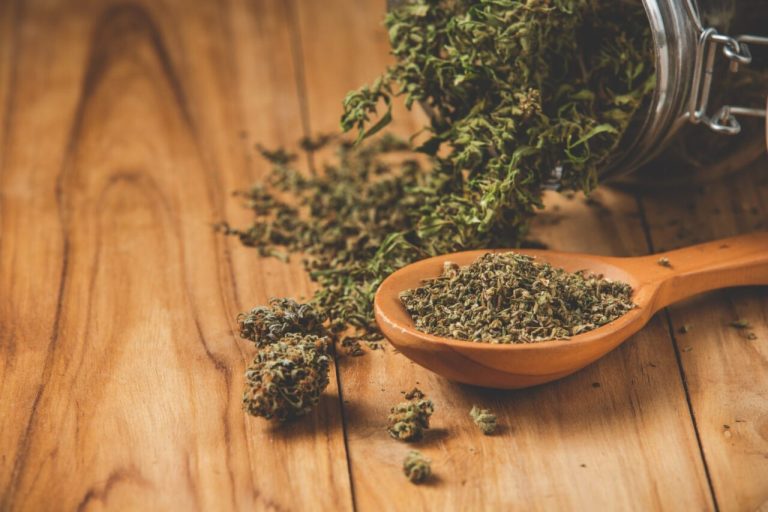
Step 1: Preparing dried hemp
- The herb should be well dried, but not over-dried – optimal humidity affects even heating.
- Crush the herb into small pieces or crush it slightly to increase the surface area in contact with the heat, but avoid making the powder too fine, which may burn.
- Place the dried herbs on a flat baking tray lined with baking paper or in an ovenproof dish.
Step 2: Selecting the appropriate temperature and time
The most commonly used parameters are:
- Temperature: 105–115°C
- Time: 30–45 minutes
These values allow for effective carboxyl group separation while preventing THC and CBD degradation. It's important to use an oven with an accurate thermometer, as many devices can exceed the set temperature.
Step 3: Heating Process
- Place the dried herbs in a preheated oven.
- Leave to heat for the set time, during which you can gently stir the herb to distribute the heat evenly.
- Once the process is complete, remove the herb and allow it to cool at room temperature.
Thanks to this, the herb is ready for further use – in a vaporizer, for the production of oils, or as an addition to dishes and hemp infusions.
Alternative methods of cannabis decarboxylation – what is worth knowing?
Besides the traditional oven, there are other techniques for activating cannabinoids that can be convenient and effective:
Vaporization – quick and effective activation
Vaporizers are devices designed to heat herb to a temperature that allows for the evaporation of active compounds without burning the plant material. Temperatures in the 160–210°C range activate THC and CBD while preserving the flavor and aroma of cannabis.
Heating in a water bath (decarboxylation of oil and butter)
- The dried hemp is placed in oil or butter and then heated in a water bath at a temperature of approximately 90–100°C for 1–2 hours.
- This method is very popular when preparing homemade extracts and food products.
Microwave – a quick but risky method
Although sometimes used, heating herbs in a microwave can be unpredictable and can lead to incomplete decarboxylation or even burning. Therefore, this method is less recommended by experts.
How to check if decarboxylation has been carried out correctly?
At first glance, it is difficult to judge whether the process was successful, but there are a few clues:
- The dried material changes color to a lighter, golden brown.
- The characteristic scent becomes more intense and aromatic.
- When heated, the herb becomes more brittle and crumbles easily.
In professional settings, laboratory tests are used to confirm THC and CBD levels after the process. In the comfort of your own home, the best verification is the noticeable effects and effectiveness of products prepared from decarboxylated herb.
Benefits and uses of activated dried hemp
Decarboxylation opens the door to widespread use of hemp in many areas. Here are the key benefits and application examples:
1. Production of CBD/THC oils and extracts
Activation of cannabinoids is necessary for oils and extracts to have their full effect, used both in rehabilitation, pain therapy, inflammation, and for recreational purposes.
2. Vaporization of herbs
Vaporization allows you to quickly achieve results without the need for smoking or generating toxic substances produced during combustion.
3. Food products and cosmetics
Decarboxylated herb can be incorporated into various culinary recipes, such as hemp butters, infusions, cookies, and sweets. Cosmetics enriched with active cannabinoids also gain in effectiveness in skincare.
4. Medicine and supplementation
In medical therapy, precise control of the decarboxylation process is crucial to provide patients with a stable and predictable dose of active substances.
The most common decarboxylation mistakes – what to avoid?
Despite the simplicity of the process, there are some common mistakes that can be made that will reduce the quality and effectiveness of the final product:
- Temperature too high: above 120°C may lead to loss of THC and CBD through thermal decomposition.
- Heating time too long: causes degradation of cannabinoids and loss of aroma.
- Uneven heating: e.g. failure to mix the herb may result in local burning.
- Inappropriate humidity: too wet herbs do not activate properly, too dry herbs burn easily.
- No temperature control: Using an oven without a thermometer may cause the material to overcook.
Practical tips and best practices for home decarboxylation
- Use a convection oven for better heat distribution.
- Always use a kitchen thermometer to monitor the baking temperature.
- After preheating the oven, wait a few minutes before putting in the dried goods – this will avoid sudden temperature changes.
- Spread the dried product thoroughly in one layer, do not apply it thickly.
- If you are unsure about time and temperature, start with shorter periods and lower values and then adjust to suit your needs.
- Once the process is complete, allow the herb to cool completely before using it again – high temperatures may affect the extraction quality or taste.
Frequently Asked Questions (FAQs) About Cannabis Decarboxylation
1. Can you decarboxylate herbs without an oven?
Yes, you can use additional methods such as heating in a water bath or vaporizing, but the oven remains the simplest and most controllable method.
2. What is the difference between fresh herb and decarboxylated herb?
Fresh herb contains cannabinoids in their acidic form (THC-A, CBD-A), which do not produce a psychoactive effect and have different bioactivity. Decarboxylated herb contains the active forms THC and CBD, which act more strongly and quickly when ingested or inhaled.
3. Does decarboxylation affect the taste and aroma of cannabis?
Yes, heating releases terpenes and changes the aromatic profile of the herb, often enhancing the intensity of the scent, although too high a temperature can also cause the loss of delicate fragrance notes.
4. Can any type of cannabis be decarboxylated?
Yes, the process applies to both sativa and indica varieties – however, the cannabinoid profile and required parameters may differ.
5. How to store decarboxylated herb?
Preferably in an airtight, dark and cool place to prevent degradation of the active ingredients due to exposure to light and air.
Summary – why is it worth mastering cannabis decarboxylation?
Decarboxylation is key to fully utilizing the potential of hemp. For both amateurs and professionals, mastering this process means greater control over the quality, potency, and effectiveness of hemp products. With proper heating, you can create oils, extracts, aromatic infusions, and edibles with potent and predictable effects.
Don't let your cannabis remain dormant in its acidic state – activate it consciously and enjoy all the benefits nature offers. Remember precision, patience, and the right tools – and decarboxylation will become a simple, enjoyable, and satisfying step in your cannabis preparation.
Safety and legality of the decarboxylation process
When working with hemp and the decarboxylation process, it's crucial to follow safety guidelines and be familiar with applicable laws. The legal status of hemp and its derivatives varies significantly in many countries and regions, so it's important to be aware of local legislation.
Safety during decarboxylation
- Room ventilation: Heating dried hemp can release strong odors and small amounts of vapors, so it is best to do the process in a well-ventilated area.
- Using appropriate utensils: Use ovenproof cookware that is resistant to high temperatures and does not release toxins.
- Temperature control: Use a thermometer and timers to avoid overheating and the risk of fire.
- Avoiding open fire: Do not use open flames or direct contact with flames when handling dried herbs, as spontaneous combustion may occur.
Legal aspects
In Poland and many other countries, it is legal to possess and process hemp (Cannabis sativa L.) with low THC content (below 0.21 TP3T or 0.31 TP3T, depending on regulations). However, the possession, cultivation, or processing of higher THC varieties is regulated or prohibited.
Before decarboxylation, make sure that:
- You have herb of legal origin.
- You are not violating local laws regarding psychoactive substances.
- You use the process only for lawful purposes, such as medical or recreational use in countries where it is permitted.
Best practices for storage and further use of decarboxylated herbs
Once the decarboxylation process is complete, it is important to store the herb properly to preserve its properties and prevent degradation of cannabinoids and terpenes:
- Airtight packaging: Use airtight containers made of dark glass or high-quality plastic to protect the product from air.
- Store in a cool and dark place: Avoid sunlight and high temperatures, which accelerate the breakdown of THC and CBD.
- Avoiding excessive moisture: An environment that is too humid favors the growth of mold and bacteria, which reduces the quality of the dried product.
- Regular checkup: Check your herbs for smell and appearance to make sure they are in good condition.
Inspirations and ideas for using decarboxylated herbs
Once decarboxylation has been successfully completed, numerous possibilities for using hemp herb open up:
- Teas and infusions: Add the decarboxylated herb to hot water and brew it as an aromatic infusion with a relaxing effect.
- Homemade butters and oils: Prepare butter or hemp oil, which you can use for cooking, baking, or as an ingredient in cosmetics.
- Capsules and supplements: You can place ground herb or extract in capsules, which makes dosing and consumption easier.
- Skin care products: Add to creams, lotions or masks to benefit from the anti-inflammatory and moisturizing effects of cannabinoids.
Summary and encouragement to experiment
Decarboxylation of cannabis is the foundation upon which the plant's effective use in its many forms and applications rests. By mastering this process, you gain not only greater control over the potency and effects of your products but also the freedom to create your own personalized preparations.
We encourage you to experiment and adjust the parameters to your needs, while keeping safety and legality in mind. Proper decarboxylation will allow you to fully utilize nature's potential and enjoy the benefits of cannabis every day.