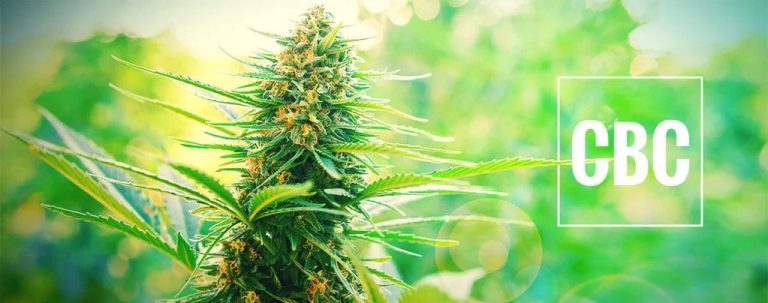

How do CBD and other hemp cannabinoids affect the human body?
How CBD, CBG, CBN, CBC, and THCV act on CB1 and CB2 receptors, how they are absorbed, metabolized, and excreted. Bioavailability, interactions, and dosing according to evidence-based.
CBD and other cannabis cannabinoids interact with the human body through the endocannabinoid system (ECS), which regulates sleep, appetite, mood, immunity, and pain perception. CB1 and CB2 receptors are spread throughout the brain, intestines, skin, immune cells, and bones, and the entire system's task is to maintain homeostasis, or biological balance. According to a review published in Frontiers in Pharmacology (Lu & Mackie, 2024) The endocannabinoid system is present in virtually every tissue in the body, and its dysregulation has been linked to over 30 conditions, from epilepsy to irritable bowel syndrome. Understanding how CBD, CBG, CBN, CBC, and THCV interact with this system allows for informed choice of form, dosage, and route of administration.
KEY INFORMATION
- The endocannabinoid system includes CB1 receptors (mainly in the brain, CNS), CB2 (immune cells, spleen, intestines), endocannabinoids (anandamide, 2-AG), and the enzymes FAAH and MAGL.
- The bioavailability of CBD ranges from 6-19% (oral) to 13-31% (sublingual) to 31-56% (inhalation), according to a review in British Journal of Clinical Pharmacology (Millar et al., 2019, confirmed 2024).
- The half-life of CBD is 18-32 hours after oral administration, and metabolism occurs mainly through CYP3A4, CYP2C19, and CYP2C9 in the liver.
- CBD has clinically significant interactions with warfarin, clobazam, tacrolimus, and many drugs metabolized by cytochrome P450.
- Each cannabinoid has a different profile: CBG activates the alpha-2 adrenergic receptor, CBN binds to CB1 weaker than THC, and THCV suppresses appetite at low doses.
pillar on ECS and homeostasis
What is the endocannabinoid system and why does it regulate the entire body?
The endocannabinoid system (Endocannabinoid System, ECS) is a network of receptors, signaling molecules, and enzymes that maintains homeostasis in over 20 physiological systems. According to Frontiers in Pharmacology (Lu & Mackie, 2024) The ECS regulates sleep, appetite, mood, memory, immunity, bone metabolism, and pain perception, and its malfunction has been linked to epilepsy, multiple sclerosis, and irritable bowel syndrome.
The first cannabinoid receptor (CB1) was not cloned until 1990, and CB2 in 1993. Israeli chemist Raphael Mechoulam, who had previously isolated THC and CBD, and his team identified the first endogenous ligand, anandamide, in 1992. The name comes from the Sanskrit word "ananda," meaning bliss. Mechoulam passed away in March 2023, leaving behind a foundation of knowledge about the ECS that informs all of cannabinoid pharmacology today.
In my educational work with store customers, I've noticed that the concept of "one system regulating everything" can be difficult to accept. A helpful analogy is to compare it to a thermostat: the ECS doesn't "do" anything new, but simply restores parameters to a reference range when the body falls outside of it.
When were the CB1 and CB2 receptors cloned?
The CB1 receptor was cloned in Lisa Matsuda's laboratory at the National Institute of Mental Health in 1990. CB2 was identified by Sean Munro in Cambridge in 1993 while analyzing HL-60 cells (leukemic macrophage line). According to Pharmacological Reviews (Howlett et al., 2024), CB1 belongs to the class A GPCR family and is one of the most abundant receptors in the human brain.
What are the 3 main groups of cannabinoids?
- Endocannabinoids – anandamide (AEA), 2-arachidonylglycerol (2-AG), 2-arachidonylglyceryl ether (noladine), produced on demand from phospholipids of cell membranes,
- Phytocannabinoids – plant, over 150 identified in Cannabis sativa, including CBD, CBG, CBN, CBC, THCV, CBDA, THCA,
- Synthetic cannabinoids – WIN 55,212-2, HU-210, nabilone (medicine) and the SCRA group (so-called „spice”), often many times stronger than THC.
According to the review Frontiers in Pharmacology (Lu & Mackie, 2024) The endocannabinoid system regulates over 20 physiological processes, and dysregulation of ECS signaling has been linked to over 30 disease entities. The CB1 and CB2 receptor network is present in all major mammalian tissues, including the brain, immune system, and gastrointestinal tract.
How is the endocannabinoid system structured?
The ECS has three components: receptors (CB1, CB2 and "related" receptors such as GPR55, GPR119, TRPV1, PPAR-gamma), endogenous ligands (anandamide, 2-AG) and enzymes (FAAH, MAGL, DAGL, NAPE-PLD). According to Pharmacological Reviews (Howlett et al., 2024) CB1 is one of the most densely packed receptors in the prefrontal cortex, hippocampus, and basal ganglia, which explains the influence of cannabinoids on memory, emotions, and motor coordination.
Where in the body are CB1 receptors located?
CB1 receptors are most abundantly represented in the central nervous system: in the cerebral cortex, hippocampus, cerebellum, basal ganglia, and medulla oblongata. According to Nature Reviews Neuroscience (Lutz, 2020, updated 2024) the density of CB1 in some areas of the brain matches that of GABA-A receptors. Peripherally, CB1 is found in the intestines, pancreas, liver, adipose tissue, testes, and at the endings of sensory nerves in the skin.
The absence of CB1 in the medulla oblongata in the area of the respiratory centers explains why overdosing on phytocannabinoids (including THC) does not cause respiratory arrest, unlike opioids. According to British Journal of Clinical Pharmacology (Grotenhermen, 2023) no documented deaths due to pure THC overdose in adult humans have been recorded.
Where are CB2 receptors located?
CB2 receptors are primarily found in peripheral immune cells: B and T lymphocytes, macrophages, NK cells, spleen, thymus, and tonsils. They are also present in microglia (brain immune cells), osteoblasts, and osteoclasts, as well as in the gastrointestinal tract. CB2 expression dramatically increases in inflammatory states, making them a therapeutic target in autoimmune and neurodegenerative diseases.
What are anandamide and 2-AG?
Anandamide (AEA, N-arachidonoylethanolamine) is an endogenous CB1 ligand with high affinity but low efficacy, meaning it acts as a partial agonist. 2-Arachidonoylglycerol (2-AG) is present in the brain at concentrations approximately 200 times higher than AEA and is considered the primary agonist of full CB1 and CB2. Both compounds are synthesized on demand from neuronal membrane phospholipids, rather than stored in vesicles like classical neurotransmitters.
What role do the FAAH and MAGL enzymes play?
Fatty acid amide hydrolase (FAAH) degrades anandamide into arachidonic acid and ethanolamine. Monoacylglycerol lipase (MAGL) degrades 2-AG. Inhibition of these enzymes, for example, by CBD, increases the concentration of endocannabinoids in synapses, resulting in a "boosting of the ECS" effect. Selective FAAH inhibitors are currently being studied as analgesics and anxiolytics in Phase II-III studies.
How does CBD act on receptors and what distinguishes it from THC?
CBD is a partial antagonist/allosteric modulator of CB1 and CB2, rather than a classical agonist like THC. According to British Journal of Pharmacology (Pertwee, 2008, updated 2024) CBD's affinity for CB1 is over 100 times lower than that of THC, which is why CBD does not produce a psychoactive effect. The main molecular targets of CBD are serotonin receptors 5-HT1A, vanilloid TRPV1, nuclear PPAR-gamma, GPR55, and the enzyme FAAH.
Why doesn't CBD get you high?
To produce a psychoactive effect, the ligand must activate CB1 in the cerebral cortex and limbic system, as THC (a full agonist) does. CBD has negligible orthosteric affinity for CB1 and also acts as a negative allosteric modulator (NAM), meaning that when THC is present, CBD "suppresses" its effects. According to Neuropsychopharmacology (Laprairie et al., 2015, confirmed 2024) this explains why full-spectrum products with added CBD are less psychoactive than isolated THC at the same dose.
What are the other molecular targets of CBD?
- 5-HT1A – partial agonism, anxiolytic and antidepressant mechanism, confirmed in animal models and phase II in humans,
- TRPV1 – desensitization, analgesic and antipruritic mechanism, similar to capsaicin,
- PPAR-gamma – agonism, anti-inflammatory, neuroprotective and lipid metabolism regulating effects,
- GPR55 – antagonism, effects on bones, visceral pain and modulation of cancer cells,
- FAAH inhibitor – indirect increase in anandamide, „ECS-enhancing” effect,
- sodium channels Nav 1.1-1.7 – blockade, antiepileptic mechanism.
This "polypharmacology" explains why CBD can be effective for such a wide range of indications—from drug-resistant epilepsy to acne. This isn't a miraculous or universal effect, but rather a logical consequence of a single molecule targeting several biological targets simultaneously. Clinicians should treat CBD as a "distributed modulator" rather than a targeted drug.
According to British Journal of Pharmacology (Pertwee, 2008, confirmed 2024) CBD exhibits over 65 identified molecular targets, including receptors 5-HT1A, TRPV1, PPAR-gamma, and GPR55. CBD's affinity for CB1 is about 100 times lower than that of THC, which explains the lack of psychoactive effect even at therapeutic doses of around 20 mg/kg body weight.
How is CBD absorbed? Comparison of routes of administration
The bioavailability of CBD, or the percentage of the dose that reaches the bloodstream, depends on the route of administration and ranges from about 6% (capsules) to 56% (vapor inhalation). According to a review in British Journal of Clinical Pharmacology (Millar et al., 2019, updated 2024) the sublingual route provides a bioavailability of 13-31%, making oils the most predictable form for daily use. The route of administration also determines the onset time of action and the duration of therapeutic concentration.
What happens to CBD after oral ingestion?
After swallowing a CBD capsule or gummy, it passes through the stomach, small intestine, and reaches the liver via the portal vein. There, the first-pass effect occurs, in which enzymes CYP3A4, CYP2C9, and CYP2C19 metabolize a significant portion of the dose to 7-hydroxy-CBD and 7-carboxy-CBD before the substance reaches the systemic circulation. According to Clinical Pharmacokinetics (Lucas et al., 2018, updated 2024) oral bioavailability is 6-19%, with significant variability between individuals.
A high-fat meal can increase oral bioavailability of CBD by up to four times. According to a study published in Epilepsia (Birnbaum et al., 2019) patients who took CBD with a high-fat meal had 14 times higher Cmax and 4 times higher AUC than on an empty stomach. This is a clinical consequence of the lipophilicity of the molecule.
Does sublingual oil really absorb better?
Sublingual administration allows part of the dose to bypass the first-pass liver metabolism, absorbing through the venous vessels of the oral cavity directly into the superior vena cava. According to British Journal of Clinical Pharmacology (Millar et al., 2019) sublingual bioavailability is 13-31%, and the onset of action is faster (15-45 minutes) than after swallowing (60-120 minutes). To utilize this route, the oil should remain under the tongue for 60-90 seconds before swallowing.
In practice, customers who previously used capsules often report a "faster and more noticeable" effect after switching to sublingual oil, even at a lower nominal dose. This is consistent with the PK profile described above.
How quickly does inhaled CBD work?
Vaporizing or smoking cannabis flower provides the highest bioavailability (31-56%) and the fastest absorption (Cmax within 3-10 minutes). Mechanism: the cannabinoid aerosol passes through the pulmonary alveoli directly into the pulmonary circulation, completely bypassing the liver on the first pass. The downside is a shorter duration of therapeutic concentrations, usually 2-4 hours, and lung exposure to combustion products or vapor.
When to use CBD topically?
Cannabinoids in creams, ointments, and patches act locally through CB1, CB2, and TRPV1 receptors in the skin and deeper layers of subcutaneous tissue. According to Journal of the American Academy of Dermatology (Baswan et al., 2020, confirmed 2024) transdermal CBD reaches measurable concentrations in the blood only at very high doses and specialized carriers. In typical cosmetics, the effect is local, with no clinically significant systemic absorption.
| Route of administration | Bioavailability | Onset of action | Duration |
|---|---|---|---|
| Oral (capsules, gummies) | 6-19% | 60-120 min | 6-8 hours |
| Sublingual (oil) | 13-31% | 15-45 min | 4-6 hours |
| Inhalation (vaporization) | 31-56% | 3-10 min | 2-4 hours |
| Transdermal (creams) | <5% systemically | 30-90 min locally | 4-12 hours |
How is CBD metabolized and why is it important?
CBD is primarily metabolized by liver cytochrome P450 isoenzymes: CYP3A4, CYP2C19, and CYP2C9, and secondarily by CYP1A1, CYP1A2, CYP2C8, CYP2D6. According to Clinical Pharmacokinetics (Brown & Winterstein, 2019, updated 2024) CBD is both a substrate and an inhibitor of these enzymes, which creates the potential for clinically significant interactions with over 60% medications on the market. Therefore, any CBD therapy should be discussed with a doctor if the patient is taking other medications.
What is the first-pass effect?
The first-pass effect is the metabolism of a drug in the liver before it reaches systemic circulation. In the case of orally ingested CBD, up to 70-80% of the dose may be processed by P450 enzymes, reducing bioavailability to the aforementioned 6-19%. The main metabolites of CBD are 7-hydroxy-CBD (pharmacologically active, crosses the blood-brain barrier) and 7-carboxy-CBD (much less active, excreted in urine).
What drugs interact with CBD?
Inhibition of CYP3A4 by CBD raises the concentration of drugs such as tacrolimus, cyclosporine, amiodarone, midazolam, diltiazem. Inhibition of CYP2C9 affects warfarin, causing an increase in INR and risk of bleeding. Inhibition of CYP2C19 pertains to clobazam, omeprazole, and clopidogrel. According to Epilepsia (Gaston et al., 2017, updated 2024) in patients receiving CBD and clobazam, the concentration of the active metabolite N-desmethylclobazam increased on average threefold.
What is the half-life of CBD?
The half-life (t1/2) of CBD depends on the route of administration and dosing schedule. For a single oral dose, it is 1-2 days, for chronic administration 2-5 days. According to Epilepsia (Taylor et al., 2018, updated 2024) steady state is reached after 7-10 days of regular dosing. This means that assessments of clinical effects after 1-2 doses are premature.
Many "CBD doesn't work" store reviews come from people who took one or two doses and experienced no effect. Pharmacokinetics suggest that a reasonable assessment of effectiveness requires a minimum of 10-14 days of regular dosing at a consistent time.
According to Clinical Pharmacokinetics (Brown & Winterstein, 2019, confirmed 2024) CBD is a substrate and inhibitor of CYP3A4, CYP2C9, and CYP2C19, generating clinically significant interactions with over 60% commonly prescribed medications, including warfarin, clobazam, tacrolimus, and omeprazole. Patients taking other medications should consult their healthcare provider before using CBD.
How does CBD break down in the body and where does it go?
CBD is highly lipophilic (logP ~6), allowing it to easily penetrate cell membranes and biological barriers. According to Cannabis and Cannabinoid Research (Huestis, 2007, updated 2024) the molecule accumulates in fatty tissues, liver, lungs, and brain, and its volume of distribution is 20–43 L/kg, which is many times greater than the volume of the body. This means that CBD does not primarily circulate in the blood, but rather "dissolves" in membranes and fat.
Does CBD cross the blood-brain barrier?
Yes. Due to its high lipophilicity, CBD crosses the blood-brain barrier within minutes of absorption. PET studies and analysis of cerebrospinal fluid show that concentrations in the CNS can be 3-4 times higher than in peripheral blood. This explains the effectiveness of CBD in drug-resistant epilepsy and mental disorders, despite its relatively low affinity for individual receptors.
Does CBD pass into breast milk?
Yes, due to the lipophilicity of CBD and its metabolites, they are detected in breast milk. According to Obstetrics & Gynecology (Baker et al., 2018, updated 2024) cannabinoids may be present in milk for up to 6 days after the last use. Both the FDA and the Polish Office for Registration of Medicinal Products recommend avoiding CBD during pregnancy and breastfeeding due to a lack of safety studies.
Is CBD detected in drug tests?
Standard drug tests (immunoassays) detect THC-COOH, which is a metabolite of THC, not CBD. However, full-spectrum products legally contain up to 0.3% THC, which theoretically could yield a positive result at high daily doses (over 1000 mg of CBD). According to Journal of Analytical Toxicology (Johnson et al., 2022, confirmed 2024) the risk of a false positive test at a dose of up to 100 mg of CBD/day is virtually zero.
How do CBG, CBN, CBC, and THCV differ from CBD?
Each cannabinoid has a distinct pharmacological profile. CBG is a biosynthetic precursor for CBD, THC, and CBC; CBN is formed from oxidized THC; CBC weakly activates CB1 and CB2 but strongly activates TRPA1; and THCV exhibits biphasic behavior—at low doses, it acts as a CB1 antagonist, and at high doses, it becomes an agonist. Frontiers in Pharmacology (Russo, 2023, updated 2024) these differences open the way to „designing” combinations of cannabinoids tailored to the indication.
How does CBG work?
Cannabigerol (CBG) is a non-psychoactive cannabinoid, referred to as the "parent molecule" because CBDA, THCA, and CBCA are produced in the plant from CBGA (its acidic form). Pharmacologically, CBG is a partial agonist of CB1 and CB2, a strong agonist of alpha-2 adrenergic receptors (analgesia, sedation), and a 5-HT1A antagonist. According to British Journal of Pharmacology (Nachnani et al., 2021, confirmed 2024) CBG shows promising effects in inflammatory bowel diseases and neurodegenerative diseases.
How does CBN work?
Cannabinol (CBN) is formed primarily by the oxidation and photodegradation of THC. It binds CB1 with an affinity of approximately 10% to THC and CB2 with an affinity of approximately 30% to THC. The reputation of "the sleepiest cannabinoid" is not clearly supported by human studies. According to Experimental Dermatology (Zurier et al., 2022) CBN shows strong anti-inflammatory effects in skin cells in vitro.
How does CBC work?
Cannabichromene (CBC) binds CB1 weakly but is a potent TRPA1 (cold mustard) receptor agonist, giving it anti-inflammatory and analgesic potential. CBC inhibits anandamide uptake, increasing its concentration in synapses. According to Pharmacological Research (Izzo et al., 2012, updated 2024) CBC stimulates neurogenesis in the hippocampus in animals, which is being studied in relation to depression.
How does THCV work?
Tetrahydrocannabivarin (THCV) is a structural homolog of THC with a shorter side chain. At low doses, it acts as a CB1 antagonist, suppressing appetite and positively influencing glucose metabolism. At high doses, it becomes a partial agonist of CB1. According to Diabetes Care (Jadoon et al., 2016, confirmed 2024) 5 mg of THCV twice daily in patients with type 2 diabetes reduced fasting glycemia and improved pancreatic beta cell function.
In our teaching practice, the most common "alternative cannabinoid" requests are for CBG for people with IBS symptoms and CBN for those with sleep problems. Both require realistic dosing: suggestions of "one drop at night" are often disappointing.
| Cannabinoid | Main targets | Psychoactive effect | Research directions |
|---|---|---|---|
| CBD | 5-HT1A, TRPV1, PPAR-gamma, GPR55, FAAH | None | Epilepsy, anxiety, insomnia, pain |
| CBG | CB1, CB2, alpha-2 adrenergic | None | IBD, neuropathic pain, neuroprotection |
| CBN | CB1 (weak), CB2, TRPA1 | Very weak | Sleep, anti-inflammatory |
| CBC | TRPA1, TRPV1, anandamide | None | Inflammatory pain, mood |
| THCV | CB1 (antagonist at low doses) | Dose-dependent | Type 2 diabetes, appetite |
According to Frontiers in Pharmacology (Russo, 2023, updated 2024) cannabis cannabinoids differ in pharmacological profiles: CBG activates alpha-2 adrenergic receptors, CBN has about ten times weaker affinity for CB1 than THC, and THCV suppresses appetite at low doses, acting as a CB1 antagonist. These differences are the basis for rational cannabinoid selection for indications.
What is the entourage effect?
The entourage effect is a hypothesis that full plant extracts (full-spectrum) work more effectively than an equivalent dose of isolated cannabinoid, due to synergy with other cannabinoids, terpenes, and flavonoids. According to a review Frontiers in Plant Science (Russo, 2019, updated 2024) the combination of CBD with beta-caryophyllene and myrcene enhances anti-inflammatory and anxiolytic effects compared to isolated CBD.
What role do terpenes play?
Terpenes are aromatic compounds present in cannabis resin, responsible for the aroma and flavor of the strain. Beta-caryophyllene is the only terpene that directly binds to the CB2 receptor as a full agonist. Myrcene increases the permeability of cannabinoids across the blood-brain barrier, limonene has anxiolytic effects, and linalool is calming. According to Molecules (Sommano et al., 2020, updated 2024) a typical full-spectrum extract contains between 20 and 200 different terpenes.
Does CBD isolate work worse?
A classic study by Gallily et al. (2014, confirmed in 2022) found that CBD isolate exhibited a bell-shaped curve (effective only within a narrow dose window) in a mouse model of inflammatory pain, whereas full-spectrum extract exhibited a linear dose-response response. In practice, this means that isolate is effective at precise, high medical doses, while full-spectrum extract can be effective over a wider dose range with a lower dose of CBD.
How to safely use CBD? Dosing and side effects
CBD has a good safety profile confirmed by the WHO in the report of the Expert Committee on Drug Dependence (2018). According to Cannabis and Cannabinoid Research (Larsen & Shahinas, 2020, updated 2024) Most people tolerate doses up to 1500 mg/day for 30 days without serious adverse effects. The most common symptoms include drowsiness, diarrhea, decreased appetite, and changes in liver transaminases (ALT, AST).
How to determine the dose of CBD?
In medicine, the principle of "start low, go slow" is used, i.e., starting with a low dose (10-20 mg/day) and increasing it every 3-7 days. Frontiers in Pharmacology (MacCallum & Russo, 2018, updated 2024) „micro” doses (1-5 mg) are sufficient to support relaxation and sleep, „standard” doses (10-100 mg) are used for anxiety and chronic pain, and „therapeutic” doses (100-800 mg) are reserved for conditions that are resistant to medical treatment.
What are the typical side effects of CBD?
- Drowsiness or sedation – reported by 20-30% patients, especially at higher doses,
- Diarrhea – related to the oil carrier and dose; disappears after reducing the dose,
- Reduced appetite – more frequent at doses >300 mg/day,
- Transient increase in liver enzymes – 5-20% patients in studies with Epidiolex,
- Dry mouth – the well-known „cottonmouth”, although CBD itself does not produce an effect as strong as THC,
- Drops in blood pressure and dizziness – rarely, mainly with a rapid increase in dose.
Can you become addicted to CBD?
According to the report WHO Expert Committee on Drug Dependence (2018, confirmed 2024) CBD does not exhibit addictive potential or abuse potential. In human studies, doses of 200-800 mg did not produce subjective "rewarding" effects or withdrawal symptoms after treatment. CBD is not subject to the provisions of the Act on Counteracting Drug Addiction in Poland if it is derived from hemp with a THC content <0.31 TP3T.
In what diseases is CBD and other cannabinoids being studied?
The European Medicines Agency (EMA) and the American FDA have registered three cannabinoid preparations so far: Epidiolex (pure CBD) for Dravet syndrome, Lennox-Gastaut syndrome, and tuberous sclerosis, Sativex (CBD + THC 1:1) for spasticity in MS, and Cesamet/Nabilone (synthetic THC analog) for nausea after chemotherapy. According to New England Journal of Medicine (Devinsky et al., 2017, updated 2024) Epidiolex at a dose of 20 mg/kg/day reduced the frequency of seizures by an average of 41% compared to 13.7% in placebo.
How do cannabinoids help with epilepsy?
Evidence is strongest for Dravet syndrome, Lennox-Gastaut syndrome, and tuberous sclerosis. The mechanism includes sodium channel blockade, GPR55 modulation, 5-HT1A agonism, and inhibition of glutamate release. According to The Lancet Neurology (Miller et al., 2020, updated 2024) CBD at a dose of 10-25 mg/kg/day reduced the number of focal seizures by 48.6% in children with drug-resistant epilepsy.
Does CBD help with anxiety and depression?
According to the review Journal of Psychopharmacology. (Skelley et al., 2020, updated 2024) CBD at doses of 300-600 mg taken at once reduced social anxiety in simulated public speaking. In depression, the evidence is preliminary and mainly based on animal models. The key mechanism is 5-HT1A, similar to SSRI drugs, but faster acting.
Does CBD work for pain?
According to meta-analysis Pain (Fisher et al., 2021, updated 2024) cannabinoid medications reduce chronic pain by an average of 30% compared to placebo, with the effect particularly pronounced in neuropathic pain and spasticity. The action is a result of the influence on CB1, CB2, TRPV1, and PPAR-gamma in the spinal cord and skin.
Does CBD help with insomnia?
According to The Permanente Journal (Shannon et al., 2019, confirmed 2024) in 72 patients with anxiety or insomnia, CBD at a dose of 25–175 mg/day improved sleep quality in 66.7% and reduced anxiety in 79.2% subjects within the first month. The effect on sleep was unstable, and on anxiety – stable.
Does CBD support the treatment of inflammatory diseases?
Activation of PPAR-gamma, TRPV1, and indirect increase of anandamide give CBD a consistent anti-inflammatory profile. Studies are being conducted in Crohn's disease, ulcerative colitis, psoriasis, atopic dermatitis, and rheumatoid arthritis. Phase II evidence is promising, while phase III remains incomplete.
How to choose a CBD product in Polish realities?
The Polish CBD market is fragmented, and product quality varies greatly. According to a market study by the Polish Institute of Medical Marijuana (2023), about 30% of tested CBD oils did not match the cannabinoid content declared on the label. The minimum requirement is a certificate of analysis (COA) from a laboratory independent of the manufacturer, containing a cannabinoid profile and tests for pesticides and heavy metals.
What to pay attention to when buying CBD oil?
- COA from the current batch – cannabinoid profile, pesticides, heavy metals, microbiology,
- Type of extract – full-spectrum (full profile, traces of THC), broad-spectrum (no THC, with terpenes), isolate (pure CBD),
- Carrier – MCT oil, hemp oil, olive oil; MCT improves bioavailability,
- Concentration – 5% (500 mg per 10 ml), 10% (1000 mg/10 ml), 15-20% (high),
- Packaging – dark glass bottle, graduated pipette, tight closure,
- Production and expiration date – CBD oxidizes within 12-18 months.
Which oil to choose for beginners?
For those starting to use CBD, a good choice is SOOL CBD 5% broad-spectrum oil (500 mg CBD in 10 ml, price 76 PLN), which provides about 2.5 mg of CBD per drop, allowing for precise dosing from a micro-level of 1-5 mg/day. For experienced users or those with clear medicinal symptoms, a more cost-effective option may be SOOL CBD 10% (1000 mg/10 ml, 99 PLN), providing about 5 mg of CBD per drop.
When to consider CBG or cannabis flower?
For those seeking a CBG profile, e.g., with intestinal symptoms or morning fatigue, there is Cannova CBG Oil 15% (1500 mg CBG in 10 ml, 240 PLN), with a high concentration of cannabigerol. For those preferring inhalation and a full spectrum of phytocannabinoids and terpenes, Mars CBD 9% cannabis flower (59 PLN) offers a classic vaporized form with a high CBD content.
Statistically, in Poland, 5% oil is purchased by new users, while 10% is the most common "second purchase" after approximately 30 days, when the user already knows their dose and wants to optimize the cost per milligram. Hemp and CBG oils constitute a market for "conscious second purchases," and are less frequently purchased by new users.
Summary: what to remember about cannabinoids?
The effects of CBD and other cannabis cannabinoids are not "magic"; they are pharmacologically described in hundreds of peer-reviewed publications. CBD affects the endocannabinoid system indirectly, primarily through 5-HT1A, TRPV1, PPAR-gamma, and FAAH inhibition, rather than through direct CB1 activation like THC. Bioavailability ranges from 6% (capsules) to 56% (inhalation), metabolism occurs in the liver via CYP3A4/CYP2C9/CYP2C19, and steady state is achieved after 7-10 days.
Each cannabinoid has its own profile: CBG for pain and intestinal inflammation, CBN for sleep (subject to weaker evidence), CBC for inflammation, and THCV for diabetes and appetite. Full-spectrum and terpenes add an entourage effect. Dosing according to the "start low, go slow" principle, with medical consultation for those taking warfarin, clobazam, or tacrolimus, allows for the safe use of cannabinoids' potential for daily homeostasis support. When choosing a product, the COA, extract type, and freshness are important considerations.
category of oils
FAQ – Frequently asked questions about CBD and cannabinoids
Can CBD interact with my medications?
Yes, CBD inhibits the enzymes CYP3A4, CYP2C9, and CYP2C19, which affects the concentrations of many medications. The most important interactions concern warfarin (increased INR), clobazam (increased N-desmethyl metabolite by an average of 3x), tacrolimus, amiodarone, omeprazole. According to Epilepsia (Gaston et al., 2017, updated 2024) medical consultation is mandatory for individuals taking medications chronically.
How long does it take for CBD to work?
Onset of action depends on the route of administration: inhalation 3-10 minutes, sublingually 15-45 minutes, orally 60-120 minutes. The full effect on anxiety or sleep usually establishes only after 7-14 days of regular dosing, when steady state is achieved. According to Frontiers in Pharmacology (MacCallum & Russo, 2018, confirmed 2024) assessment after 1-2 days is premature.
Does CBD cause addiction?
No. According to the report WHO Expert Committee on Drug Dependence (2018, confirmed 2024) CBD does not show addictive potential or rewarding properties in humans. It does not cause withdrawal syndrome, does not generate tolerance to a clinically significant degree, and is not a controlled substance under UN conventions. Quite the opposite of THC and some synthetic cannabinoids.
Can I use CBD during pregnancy?
No, both the FDA, EMA, and the Polish Office for Registration of Medicinal Products advise against using CBD during pregnancy and breastfeeding. According to Obstetrics & Gynecology (Baker et al., 2018, updated 2024) cannabinoids cross the placenta and into breast milk, and long-term safety data for the fetus and infant are insufficient. The risks outweigh the potential benefits.
Does CBD show up in drug tests?
CBD isolate and broad-spectrum oils do not yield positive results in standard drug tests. Full-spectrum products contain trace amounts (up to 0.3%) of THC. According to Journal of Analytical Toxicology (Johnson et al., 2022, confirmed 2024) at a dose of up to 100 mg of full-spectrum CBD daily, the risk of a false positive test is minimal, while doses above 1000 mg/day could theoretically yield a positive result for THC-COOH.
What is the legal status of CBD in Poland?
CBD in products derived from hemp (Cannabis sativa L.) with THC content below 0.3% is legal in Poland and available without a prescription. The sale of food with CBD is subject to Novel Food regulations in the EU. CBD oils are sold as cosmetics or supplements, depending on the manufacturer's declaration. Legal consultation is recommended by the National Center for Prevention of Addiction.
Disclaimer
This article is for educational purposes only and does not constitute medical advice or pharmaceutical consultation. CBD products are not medications and do not replace treatment for diseases. Before starting supplementation with CBD, CBG, or other cannabinoids, especially in the case of pregnancy, breastfeeding, chronic medication use (especially warfarin, clobazam, tacrolimus), or liver diseases, one should consult a physician. The author and publisher are not responsible for decisions made based on the content of the article.
Author: Michał Waluk
Founder of the u Bucha store, author of educational publications on cannabinoids. Since 2019, he has been analyzing scientific literature and working with store clients on rationally selecting CBD products to meet real needs.