Medical Cannabis and CBD Product Regulation Issues
Entry
Medical cannabis and CBD (cannabidiol) products have gained popularity in recent years. The development of scientific research and the increasing use of these substances in medicine have contributed to growing public awareness of their potential benefits. At the same time, the regulation of CBD products requires a balance between liberalization of regulations and ensuring product safety and quality. This requires international cooperation, scientific research, and dialogue between governments, the pharmaceutical industry, and the medical community. Ultimately, targeted regulation of CBD products can not only improve the availability of cannabis-based therapies but also contribute to a better understanding of their potential benefits and risks.
What is Medical Cannabis?
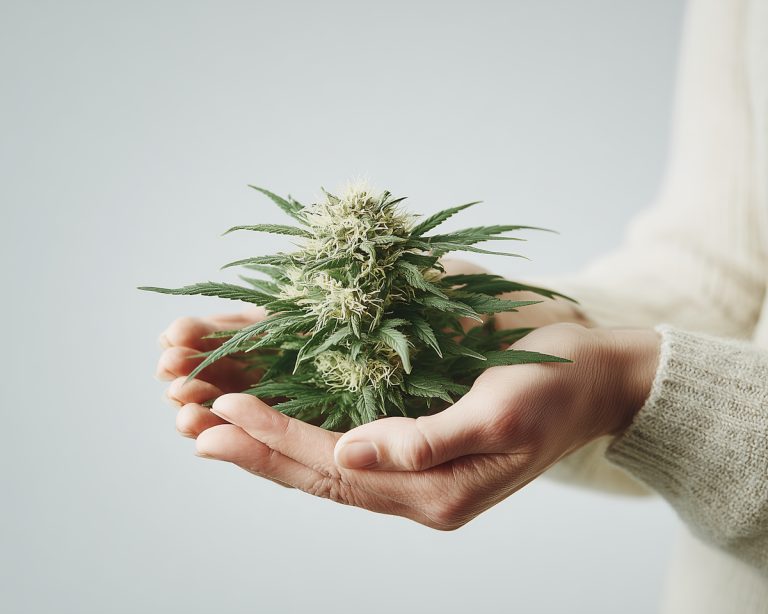
Medical cannabis is a cannabis plant cultivated specifically for medical purposes. It contains various chemical compounds called cannabinoids, the most well-known of which are THC (tetrahydrocannabinol) and CBD (cannabidiol). THC is primarily responsible for the psychoactive effects, while CBD has no such effects. Both substances have potential medical applications.
Health Benefits of Medical Hemp and CBD Products
Scientific research suggests that medical cannabis and CBD products may provide health benefits in treating a variety of conditions, such as:
- Chronic pain: CBD has analgesic properties and may be effective in relieving pain.
- Seizures: CBD shows potential in the treatment of epilepsy, including rare pediatric forms.
- Anxiety and depression: Preliminary research suggests that CBD may be helpful in relieving the symptoms of these conditions.
- Neurodegenerative diseases: Cannabinoids may have the potential to slow the progression of diseases such as Alzheimer's and Parkinson's.
CBD Product Regulation Issues
The regulation of CBD products is a complex issue that covers many aspects:
- Definition and Classification: Different countries have different definitions of what constitutes a CBD product. This can impact product availability and quality.
- Testing and Certification: Many countries require products to be tested for THC, which is a controlled substance in many jurisdictions. This process can be time-consuming and expensive.
- Quality Standards: The lack of uniform quality standards can lead to discrepancies in the effectiveness and safety of CBD products.
- Patient Education and Information: Many people are unaware of the risks associated with using CBD products, which may lead to inappropriate use or interactions with other medications.
Impact of Regulation on Industry and Patients
Regulations have a direct impact on the CBD industry and the patients who use these products:
- Product Availability: Tighter regulations could limit the availability of CBD products, which could make it harder for patients to access potentially effective treatments.
- Prices: Regulations can affect product prices, which is important for people on lower incomes.
- Innovation: Overly restrictive regulations can stifle innovation in CBD products and research into their medical applications.
International Cooperation and Dialogue
To effectively regulate the CBD products market, international cooperation and dialogue between various entities is essential:
- Governments and regulatory agencies: The need to develop a coherent legal framework at national and international levels.
- Pharmaceutical industry and manufacturers: Collaborating to ensure product quality and safety and promote innovation.
- Medical Community: Engage physicians and researchers in the regulatory process to ensure CBD products are properly researched and safe for patients.
Summary
Regulating CBD products is a complex task that requires a balance between liberalization and public health protection. Appropriate regulation can improve access to cannabis-based therapies while ensuring patient safety and product quality. International cooperation and dialogue between governments, the pharmaceutical industry, and the medical community are crucial to achieving these goals. As medical cannabis research continues to evolve, regulations should be flexible to respond appropriately to new information and advances in the field.