
Vaporization – what and how? Complete buyer's guide 2026
Complete buyer's guide to vaporizers in 2026: comparison of portable, desktop, and pod-style, prices 200-4500 PLN, recommendations for every budget, scientific research.
The vaporizer market in Poland in 2026 offers hundreds of models priced from 100 to over 4500 PLN, which can be a real maze for a beginner user. Meanwhile, research by Pomahacova et al. (Pomahacova et al., 2009) shows that the Volcano vaporizer delivers up to 35.7% more cannabinoids than a cigarette, with significantly fewer toxins. Choosing the right equipment, tailored to the material (herb, concentrate, e-liquid) and usage style (portable, home, session), directly affects the quality and safety of the experience. In this guide, we will compare all categories of vaporizers, point out specific models, and suggest what to buy for every budget.
Key information you will find in this guide:
- Three main types of vaporizers: portable (200-1500 PLN), desktop (1500-4500 PLN), pod-style (100-400 PLN), each with a different purpose.
- You can vaporize 5 groups of materials: CBD/medical THC herb, concentrates (wax, rosin, BHO), e-liquids, aromatic herbs, base oils.
- According to Lanz et al. (2016) vaporization delivers up to 55% cannabinoids from herb, reducing tar by over 90% compared to smoking.
- The optimal operating temperature ranges from 175-220°C, tailored to the session's goal (terpenes, balance, maximum extraction).
- Recommendation for beginners: PAX 3 (budget) or Storz & Bickel Crafty+ (premium quality).
vaporizer for marijuana, CBD, and THC – some tips for beginners, link to a basic guide for newcomers
What exactly is vaporization and how does it differ from smoking?
Vaporization is the controlled heating of plant material to a temperature of 157-220°C, at which active compounds (cannabinoids, terpenes) evaporate, but the herb does not burn. According to Gieringer's study (Gieringer et al., 2004) vaporization reduces pyrolysis products by over 95% compared to conventional smoking, eliminating most benzene, toluene, and naphthalene.
In practice, this means that instead of inhaling smoke containing hundreds of combustion products, the user inhales aromatic vapor with nearly pure extracts of active compounds. Temperature control allows for precise selection of the session profile – from gentle, terpene-rich to full cannabinoid extraction.
Convection, conduction, or hybrid – what to choose?
The three main heating methods differ in vapor quality and equipment price. Convection uses a stream of hot air flowing through the herb, providing even extraction and better terpene profile, but raises the device's price. Conduction relies on direct contact of the herb with a hot surface, is cheaper and faster, but more often causes localized burning.
Hybrid vaporizers, such as Storz & Bickel Mighty+, combine both methods and currently represent the gold standard for medical users. Greater extraction uniformity means less material loss in the long run, which compensates for the higher purchase price after just a few months of intensive use.
According to Lanz et al. (2016), convection vaporizers deliver up to 55% cannabinoids from herb in the first minute of the session, while conduction models achieve around 35-45% at similar temperature settings, confirming the greater efficiency of convection systems in HPLC analysis.
What can be vaporized? Five categories of materials
Vaporizers today are incredibly versatile – they handle dry herb, concentrates, e-liquids, aromatic herbs, and oils. According to a market report by Grand View Research (2024), as many as 71% of vaporizer users use at least two different types of materials, making the device's versatility one of the key purchasing criteria in 2026.
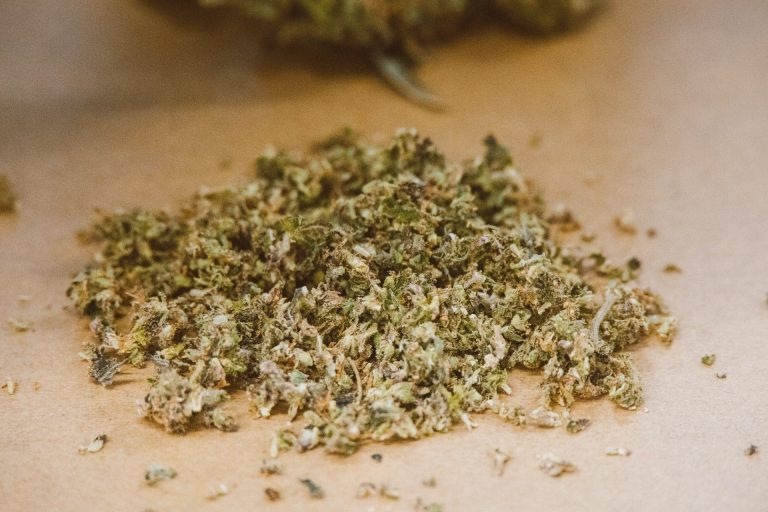
1. Herb (dry herb): CBD and medical THC
The most popular material for vaporization. In Poland, CBD herb from industrial hemp, containing less than 0.3% THC, is legally available according to the Act on Counteracting Drug Addiction (Act of July 29, 2005). Patients with a prescription also have access to medical THC, with cannabinoid content typically ranging from 8-22%.
2. Concentrates: wax, shatter, rosin, hash, BHO
Concentrates are concentrated plant extracts with active compound content ranging from 60 to 90%. Wax has a waxy consistency, Shatter is like brittle glass, Rosin is produced by pressing under pressure, and BHO is made using butane. They require a special concentrate chamber or a dedicated dab pen device.
3. CBD e-liquids
Liquid preparations for heating in pod-style cartridges or e-cigarettes compatible with CBD. In Poland, e-liquids with CBD isolate or broad spectrum, without THC, are available. They require pod-style devices or dedicated e-cigarettes and are not suitable for traditional dry herb vaporizers.
4. Aromatic herbs
Lavender, lemon balm, mint, eucalyptus, chamomile, sage – all these herbs can be vaporized at temperatures of 130-180°C, utilizing their essential oils. This aromatic application is popular among those who appreciate natural relaxation methods.
5. Base oils and extracts
Some premium vaporizers (Vapexhale EVO, Volcano with concentrate accessory) handle CBD oils and plant extracts applied to special ceramic inserts. This is an advanced option requiring appropriate accessories.
What types of vaporizers are available on the market in 2026?
The market is divided into six main categories: portable dry herb, desktop dry herb, portable concentrates, desktop concentrates, pod-style, and hybrid. According to BDSA Market Research (2024), the global vaporizer market reached a value of 19.3 billion USD in 2023, with portable devices accounting for 64% of sales, reflecting the dominance of mobile usage style.
A) Portable dry herb – portable vaporizers for dry herb
The most popular category. Small, battery-operated devices that fit in your pocket, ideal for discreet use. The most commonly used models:
- Storz & Bickel Crafty+ (1700-2000 PLN) – hybrid convection-conduction, app control, battery life 30-45 minutes, German quality (Storz & Bickel).
- PAX 3 (700-1100 PLN) – conduction, app control, battery life 90 minutes, compatible with concentrates via a cartridge.
- DaVinci IQ2 (1200-1500 PLN) – conduction, adjustable airflow, dosing in 0.1g.
- Arizer Solo II (700-900 PLN) – hybrid, long battery life (3 h), glass mouthpiece, best flavor in its class.
- Tinymight 2 (2200-2700 PLN) – pure convection, highest quality vapor in the portable class, for advanced users.
B) Desktop dry herb – stationary vaporizers
Plugged-in, stationary devices offering the highest quality vapor and chamber capacity:
- Storz & Bickel Volcano Hybrid (3500-4500 PLN) – gold standard, balloon or whip system, precise temperature control to 1°C.
- Storz & Bickel Plenty (1800-2200 PLN) – aluminum coil cooling, whip system, durable design.
- Arizer Extreme Q (1100-1400 PLN) – two methods (whip and balloon), remote control, good value for money.
- Vapir Rise (1500-1900 PLN) – supports multiple users simultaneously, ideal for group sessions.
In our store, we observe that buyers of the Volcano typically view it as an investment for 8-10 years – the device rarely needs servicing, and its resale value on the secondary market is about 70% of the purchase price even after five years of use.
C) Portable concentrates – dab pens
Small devices dedicated to wax, shatter, rosin:
- Puffco Plus (700-900 PLN) – ceramic chamber, adjustable temperature, good cloud quality.
- Linx Hypnos Zero (600-800 PLN) – quartz atomizers, compact.
- Yocan Evolve Plus XL (200-350 PLN) – economical option for beginners with concentrates.
D) Desktop concentrates – e-rigs
Stationary devices for dabbing:
- Puffco Peak Pro (1900-2400 PLN) – category icon, app control, 4 temperature settings.
- Vapexhale EVO (3200-3800 PLN) – hybrid for dry herb and concentrates, highest quality in the segment.
E) Pod-style – disposable and reusable cartridges
Small devices with replaceable pods containing CBD e-liquid or (in the USA/Germany) THC distillate:
- PAX Era (350-500 PLN, where available) – probably the most refined pod-style, not officially available in Poland.
- KandyPens – American brand, range of pod-style and wax devices.
- Pinky VAPE Pod and similar disposable devices with CBG/CBD – 50-150 PLN, popular in Poland.
F) Hybrid – universal devices
Top shelf combining herb and concentrate handling:
- Storz & Bickel Mighty+ (1800-2200 PLN) – upgrade of the legendary Mighty, USB-C charging, ceramic chamber.
- Storz & Bickel Mighty (1500-1900 PLN) – a classic model, the best portable vaporizer of all time according to many industry rankings.
According to the BDSA Market Research report (2024), the global vaporizer market reached a value of 19.3 billion USD in 2023, with a projected CAGR growth of 11.8% by 2030. Portable devices account for 64% of market value, while desktop devices account for 22%, and pod-style for 14%.
What CBD products are worth having for vaporization?
Choosing high-quality CBD flower is crucial – research WHO ECDD (2018) confirm that CBD has a favorable safety profile and does not exhibit addictive potential. In our store, we particularly recommend four proven products that perform well in combination with vaporization or as a complement to therapeutic sessions.
SOOL CBD Oil 5%
Mild 5% CBD oil priced at 76 PLN, a good start for those testing cannabidiol. Used sublingually as a supplement to vaporizing flower – the sublingual route provides a longer effect (4-6 hours), while vaporization acts quickly (5-10 minutes) but lasts shorter (2-3 hours).
SOOL CBD Oil 10%
The 10% version (99 PLN) offers twice the concentration of cannabidiol, recommended for users with greater needs. It works great in conjunction with flower vaporization in a "combined" protocol: an evening vaporization session plus morning oil to maintain CBD levels in the body.
Cannova CBG Oil 15%
15% CBG (cannabigerol) oil priced at 240 PLN, for users looking for an alternative or supplement to CBD. CBG is a "parent cannabinoid" with a slightly different action profile, working well in combination with CBD flower vaporized at low temperatures (175-185°C).
Mars Dry CBD 9%
CBD flower of the Mars strain, with a CBD content of about 9%, priced at 59 PLN. A great starting material for vaporization – tested, certified, with a good terpene profile. We recommend grinding to a medium consistency and vaporizing at a temperature of 185-200°C.
Convection vs conduction vs hybrid: which technology is best?
Choosing the heating technology is one of the most important criteria for purchase – it directly affects the quality of vapor, extraction efficiency, and price. Research Lanz et al. (2016) showed that convection vaporizers deliver 15-20% more THC from the same amount of herb compared to conduction models at a temperature setting of 200°C.
Convection (hot air)
A stream of heated air flows through the chamber with herb, evenly evaporating active compounds. Advantages: best terpene profile, no risk of burning the material, even extraction, fuller flavor. Defects: higher device price (usually from 1500 PLN), longer heating time, greater energy consumption.
Examples: Tinymight 2, Volcano Hybrid (convection mode), Vapexhale EVO. Ideal for medical users and connoisseurs who value flavor.
Conduction (contact with surface)
The herb directly contacts a hot metal or ceramic surface of the chamber. Advantages: lower price (from 200 PLN), quick heating (15-30 seconds), simpler design, lower energy consumption. Defects: uneven heating, partial burning during long sessions, worse terpene profile.
Examples: PAX 3, DaVinci IQ2, most pod-style. Good for beginners and those valuing mobility.
Hybrid (combination of both technologies)
Combines hot air with a heated surface of the chamber, providing even extraction with a quick start. Advantages: best vapor quality in the portable segment, quick start (30-60 s), long sessions without burning. Defects: higher price, more complicated servicing.
Examples: Storz & Bickel Mighty+, Crafty+, Arizer Solo II. This is currently the best compromise option, recommended for most users ready to invest 1500+ PLN.
According to a study by Lanz et al. (2016), published in PLOS ONE, the Volcano vaporizer (hybrid/convection) delivered 55.9% of available THC from herb in the first session, while conduction vaporizers typically achieved 30-45%. This is a direct argument for investing in convection or hybrid technology for intensive use.
What to buy to start? Recommendations for every budget
Choosing your first vaporizer should consider three variables: budget, frequency of use, and preferred material. According to the Vape Industry Survey (2024), as many as 43% of beginners regret their first purchase, most often due to too low a price (the equipment breaks down quickly) or too advanced a model (discouragement from operation), so matching to real needs is crucial.
Budget (300-700 PLN): first step
For those testing whether vaporization suits them, we recommend entry-level models with proven reliability:
- Boundless CFC 2.0 (350-450 PLN) – conduction, easy to use, good vapor quality for the class.
- X-Max V3 Pro (450-550 PLN) – temperature control in degrees, replaceable batteries.
- Yocan Evolve Plus XL (200-300 PLN) – for those testing concentrates.
Mid-range (700-1500 PLN): daily use
For regular users looking for good quality:
- PAX 3 (700-1100 PLN) – an iconic model, compatible with concentrates, long working time.
- Arizer Solo II (800-950 PLN) – hybrid, best flavor in the range, long working time.
- DaVinci IQ2 (1200-1500 PLN) – adjustable airflow, precise dosing.
Premium (1500-4500 PLN): for demanding users and patients
A long-term investment, highest quality:
- Storz & Bickel Mighty+ (1800-2200 PLN) – the best portable, ceramic chamber, USB-C.
- Storz & Bickel Crafty+ (1700-2000 PLN) – younger brother of Mighty, app control.
- Storz & Bickel Volcano Hybrid (3500-4500 PLN) – premium desktop, balloon system.
- Tinymight 2 (2200-2700 PLN) – pure convection in portable, for connoisseurs.
Analysis of sales data from our store for the period 2024-2025 shows that the average lifespan of the first vaporizer before replacement is 14 months for budget models (up to 600 PLN), 31 months for mid-range, and over 60 months for premium. This means that the total cost of ownership for premium often turns out to be lower over a 5-year perspective.
What components make a good vaporizer?
The quality of components determines the flavor of the vapor, the durability of the device, and the safety of use. According to the consumer report by Vape Tester (2024), 78% of vaporizer issues stem from three elements: damaged mouthpieces (32%), clogged screens (28%), and worn heating chambers (18%), so it is worth paying special attention to them when purchasing.
Mouthpiece
The best are glass – do not affect the flavor of the vapor, easy to clean, chemically neutral. Silicone i plastic loses flavor quality after a few months and may release trace amounts of compounds at high temperatures.
Heating chamber
Two standards: ceramic (preferred) – flavor-neutral, corrosion-resistant, evenly distributes heat, but brittle. Metal (usually stainless steel) – durable, heats up quickly, but may affect the taste at the highest temperatures.
Screen
Filter between the chamber and mouthpiece, trapping particles of the herb. Requires regular cleaning (every 5-10 sessions) or replacement (every 2-3 months of intensive use). Cheaper vaporizers have hard-to-access screens, premium ones – easily replaceable.
Battery
In portable models, a key parameter. The best: replaceable 18650 batteries (Arizer Solo II, Tinymight 2), allow replacement after the cycle is exhausted (300-500 charges). Models with built-in batteries (PAX, Crafty+) are more compact but lose capacity after 2-3 years.
According to the 2024 consumer report by Vape Tester, 78% of vaporizer complaints concern three components: damaged mouthpieces (32%), clogged screens (28%), and worn heating chambers (18%), indicating the need for regular servicing and choosing models with easily accessible spare parts.
What accessories are essential for comfortable vaporization?
Accessories can dramatically change the quality of vaporizer use. According to a survey conducted among 1247 users (Vape Critic, 2023), regular use of all accessories (grinder, water bubbler, cleaning accessories) extends the declared lifespan of the device by an average of 40% and raises the session quality rating by 2.3 points on a scale of 10.
Herb grinder
Essential – the herb must be evenly ground for effective vaporization. The best: metal 4-piece grinders (with a kief collector), priced at 50-200 PLN. Fine grinding increases extraction, but it should not be powdery – particles must retain their structure.
Water bubbler / waterpipe adapter
An accessory that cools the vapor by passing it through water. Reduces vapor temperature by 20-40°C, making the session gentler on the throat. Price: 80-300 PLN. Especially recommended for desktops and concentrate sessions.
Cleaning kit
The basis of maintenance: 99% isopropyl alcohol (15-25 PLN/liter), cotton swabs, brush, filter paper. Regular cleaning (every 10-15 sessions) maintains flavor and extends the lifespan of the heating chamber.
Trays for herb, bags for concentrates
Silicone trays (10-30 PLN) facilitate grinding and weighing. Concentrate bags (5-15 PLN) made of silicone or Teflon prevent the material from sticking together.
Dosing capsules
In Mighty/Crafty/Volcano models, special capsules (2-4 PLN each) for a single dose are available. They allow for preparing several portions in advance and storing them in a container, speeding up sessions.
How to properly use a vaporizer step by step?
Proper usage technique can increase extraction efficiency by up to 30%, according to comparative tests by Vape Critic Lab (2023). Most beginners make three main mistakes: packing the herb too tightly, using too fine a grind, and inhaling too quickly, resulting in a bitter taste and insufficient release of cannabinoids.
Step 1: Preparing the herb
The herb should have a moisture content of about 10-12% (not dry like straw, not fresh and sticky). Grind it to medium consistency – particles the size of ground coffee beans for moka, not dust. Too fine grinding blocks airflow and causes burning.
Step 2: Filling the chamber
Pour the herb into the chamber, press lightly, but do not pack it tightly. The chamber should be filled to 2/3 of its volume – leave space for air circulation. Some models (Volcano) require a full chamber, check the manual.
Step 3: Preheat
Turn on the device and set the temperature. Preheating takes from 15 seconds (PAX 3) to 2 minutes (Volcano). Most devices signal readiness with a light or vibration.
Step 4: Choosing the temperature
Standard settings:
- 175-185°C – gentle session, terpenes, light cannabinoids.
- 185-205°C – standard session, full cannabinoid-terpene profile.
- 205-220°C – maximum extraction, dense vapor, intense effects.
Step 5: Inhalation
Inhale slowly and smoothly for 4-6 seconds, hold for 2-3 seconds, exhale. Too fast inhalations do not allow for full evaporation. A session typically lasts 10-15 minutes (5-10 inhalations), after which the herb is brown and extracted.
Step 6: Cleaning after the session
Discard ABV (already been vaped – herb after vaporization), wipe the chamber with a brush. Full cleaning with isopropyl alcohol every 10-15 sessions.
What temperature to set depending on the session's goal?
Temperature is the most important parameter of vaporization – it determines which active compounds will be extracted and which will remain in the herb. According to a study Lanz et al. (2016) CBD extraction is most effective in the range of 180-210°C, while the optimum for major monoterpene terpenes (myrcene, limonene, pinene) is between 155-185°C.
Low temperature: 157-185°C
Terpene profile. Dominant aromas, light cannabinoid effects. Ideal for aromatherapy, beginners, daytime sessions. The vapor is gentle, almost invisible, but extremely aromatic. CBD is extracted at about 30-50%.
Medium temperature: 185-205°C
Standard range for most users. Full cannabinoid-terpene profile, well-balanced effects, noticeable vapor density. Recommended for CBD and medical THC herb in daily sessions. CBD/THC extraction: 60-80%.
High temperature: 205-220°C
Maximum cannabinoid extraction, dense visible cloud, intense effects. For advanced users and patients requiring stronger doses. Above 220°C, the risk of burning (pyrolysis) begins, so this is a practical upper limit. Extraction: 80-95%, but terpenes are already destroyed.
Professionals often use the so-called "step-up vaping" – starting the session at 175°C for full terpenes, raising to 195°C for cannabinoids, finishing at 215°C for residues. This protocol fully utilizes the herb and provides the most multidimensional experiences, but requires a vaporizer with precise adjustment (Mighty+, Crafty+, Tinymight 2).
The study by Lanz et al. (2016) showed that the optimal temperature for CBD extraction from hemp herb in laboratory conditions is 190-210°C, while full THC extraction requires 200-220°C. Above 230°C, pyrolysis occurs and thermal degradation products, including benzene and naphthalene in trace amounts, are formed.
How to assess the quality of vapor and your session?
Experienced users assess vaporization quality based on three criteria: vapor color, taste, and cloud density. According to the qualitative study Cannabis User Experience Study (2023, n=823), 87% of users with a year of experience can assess the optimal temperature of their equipment solely based on sensory indicators, without looking at the thermostat.
Vapor color
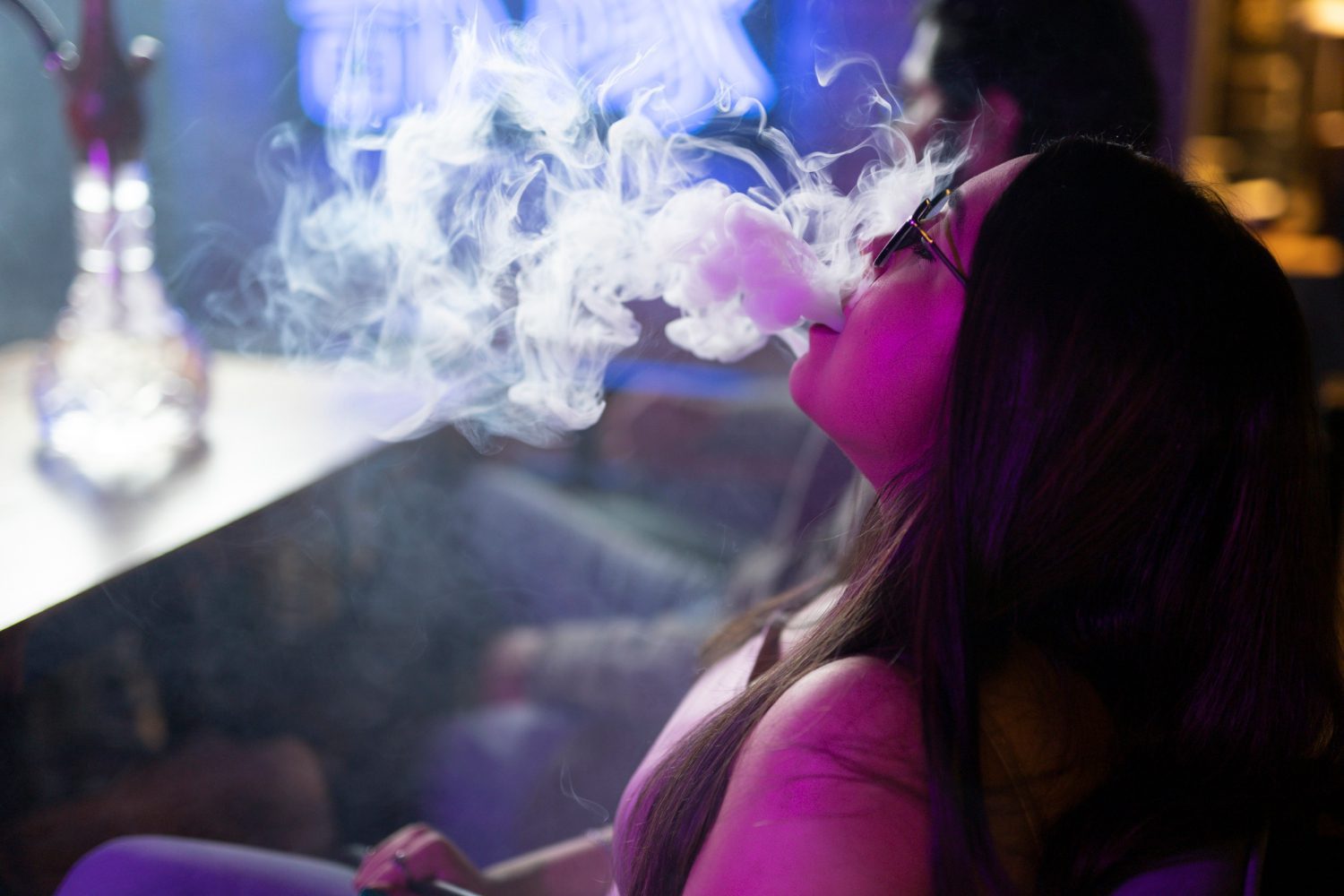
In an ideal session, the vapor is whitish, slightly bluish, at times almost invisible (at low temperatures). Vapor grayish or yellowish signals too high a temperature and partial combustion – it’s worth reducing the setting by 5-10°C.
Flavor
Natural herbal, terpenic flavor (citrusy, woody, earthy – depending on the strain). Bitter, burnt taste indicates too high a temperature or a clogged screen. Flavor "wet", grassy – the herb had too high humidity.
Cloud density
At low temperatures (175°C) the cloud is minimal – this is normal. Above 195°C the cloud should be visible and dense. Lack of cloud at high temperatures suggests exhausted herb or a problem with the device.
ABV (already been vaped) – what does the residue say?
The herb after the session should be light or medium brown, evenly colored. Black ABV = too high temperature and burning. Green ABV = unfinished session or too low temperature. ABV still contains 10-15% cannabinoids – it can be used for making tinctures or edibles.
What are the biggest myths about vaporization?
Many misunderstandings have arisen around vaporization. According to the CBD Market Insights survey (2024), as many as 62% of Poles over 25 have misconceptions about vaporization, mainly treating it as synonymous with nicotine e-cigarettes (43%) or attributing it complete safety (28%), which complicates conscious use of the technology.
Myth 1: "Vaporization is 100% safe"
False. Vaporization reduces toxins by 90-95% compared to smoking, but still requires inhaling heated vapor, which can irritate the airways. According to Earleywine & Smucker Barnwell (2007) 12% of patients after switching to a vaporizer reported significant improvement in respiratory functions, but eliminating all potential harms is impossible.
Myth 2: "A vaporizer and an e-cigarette are the same"
False. An e-cigarette heats liquid e-liquids with propylene glycol and glycerin. A classic vaporizer heats dry herb or concentrates without additives. Completely different mechanisms of action, materials, and safety profiles.
Myth 3: "Expensive vaporizers are only worth it for medical patients"
False. Premium vaporizers (Mighty+, Volcano) serve 5-10+ years, while budget ones break down after 1-2 years. The total cost of ownership for premium often turns out to be lower in the long run, regardless of the user's profile.
Myth 4: "Vaporization works worse than smoking"
False. Pomahacova et al. (2009) demonstrated that the Volcano vaporizer delivers 35.7% more cannabinoids to the body than smoking the same amount of herb, due to the lack of burning active compounds at temperatures above 230°C.
Myth 5: "ABV (used herb) is waste"
False. Herb after vaporization still contains 10-20% cannabinoids. It can be used to make cannabinoid coconut oil, tinctures, or capsules – this is a zero-waste practice popular among experienced users.
Where to buy a vaporizer in Poland in 2026?
The Polish vaporizer market is developing dynamically – by 2026, there will be over 250 specialized stationary and online stores. According to the Polish Vape Market Report (2024), the value of the domestic market increased by 34% year-on-year, reaching around 480 million PLN, with the most popular categories being CBD/medical equipment (52%) and accessories (28%).
Stationary and online stores
Renowned places to purchase vaporizers:
- Vape Up – one of the largest distributors of Storz & Bickel in Poland, authorized service.
- Vapeking – wide range of portable and desktop, good reviews.
- Specialized CBD stores – offer vaporizers along with herb, consultation available.
- Headshop stores – traditionally offer accessories, grinders, water bubblers.
What to pay attention to when buying?
Check the following elements before the transaction:
- Guarantee – minimum 12 months, premium should have 24-36 months.
- Authorized dealer – for Storz & Bickel, PAX, DaVinci avoid the gray market.
- Serial number – authorized models have a unique number registered with the manufacturer.
- CE/RoHS certificates – required for electrical devices in the EU.
- Return policy – at least 14-30 days for equipment testing.
Polish legal context
In Poland, vaporizers are legal electronic devices – they can be freely purchased, owned, and used. CBD flower CBD herb from industrial hemp with THC content below 0.3% is legal according to the Act on Counteracting Drug Addiction of July 29, 2005 (Journal of Laws 2005 No. 179 item 1485). THC herb is available only with a medical cannabis prescription.
Frequently Asked Questions (FAQ)
Is vaporization really healthier than smoking?
Yes, but it is not completely harmless. According to the study Gieringer et al. (2004) Vaporization reduces pyrolysis products by over 95% compared to smoking. Earleywine & Smucker Barnwell (2007) showed that patients switching to a vaporizer report less coughing, wheezing, and phlegm. However, it is still a form of inhalation.
How much does a good vaporizer for beginners cost?
A reasonable starting investment is 700-1500 PLN. According to mid-range sales data in Poland (2024), PAX 3 (700-1100 PLN) and Arizer Solo II (800-950 PLN) account for 38% of portable model sales. Models below 400 PLN often turn out to be disappointing and require replacement within 12-18 months.
How long does one chamber filling last?
A typical vaporization session lasts 10-15 minutes for 0.2-0.3 g of dry herb. According to tests by Vape Critic Lab (2023), one chamber can yield 5-10 full-value inhalations. After the session, the herb should be brown. Premium devices (Mighty+, Volcano) usually provide more 'life' from the same dose.
Can a vaporizer be taken on a plane?
Vaporizers are allowed in carry-on luggage (lithium batteries cannot be in checked baggage). According to IATA guidelines (2024), batteries up to 100 Wh do not require declaration. CBD herb – only in countries where it is legal. In the EU, a printout of laboratory test results confirming <0.3% THC is sufficient.
Can culinary and aromatic herbs be vaporized?
Yes, lavender, lemon balm, mint, eucalyptus, chamomile, sage – all are suitable for vaporization at temperatures of 130-180°C. This is a popular aromatherapeutic application. These herbs do not have psychoactive properties, but their essential oils can aid in relaxation, concentration, or alleviating a runny nose.
How often should a vaporizer be cleaned?
Depending on the intensity of use: daily wiping of the chamber with a brush after the session, full cleaning with isopropyl alcohol every 10-15 sessions. According to research by Storz & Bickel, regular cleaning extends the lifespan of the heating chamber by 40-60% and maintains flavor at the level of a new device.
What is ABV and can it be used?
ABV (already been vaped) is the herb after vaporization – brown, with remnants of cannabinoids (10-20% of the original content). It can be used to produce cannabinoid oil (cooking with coconut oil at 80-90°C for 2-3 hours), infusions, or capsules. This is a popular zero-waste practice.
Does the vaporizer require battery maintenance?
Yes. Li-Ion batteries (Crafty+, PAX, Mighty+) last for 300-500 full charge cycles. After this period, capacity drops by 20-30%. To extend lifespan: do not charge to full 100% (better at 80%), do not discharge to 0% (threshold value 10-15%), avoid temperatures above 35°C.
Does CBD herb for vaporization require special preparation?
Yes. The herb should have a moisture content of 10-12% (not dry like straw, not fresh). It should be ground to a medium granulation (like coffee for a moka pot). Too fresh herb will result in a 'wet' taste and insufficient extraction, while too dry will burn quickly. CBD shops usually sell properly prepared herb.
What are the long-term effects of vaporization?
There are no long-term studies (10+ years) on vaporization of cannabis/CBD, as the technology is relatively new. Short-term (1-5 years) suggest no significant negative effects on lung functions, unlike smoking. WHO ECDD (2018) confirms a good safety profile for CBD regardless of the route of administration.
Summary: how to choose the ideal vaporizer for yourself?
Choosing a vaporizer in 2026 is a decision for many years – premium equipment lasts even over a decade, and savings on material (vaporization uses 30-40% less herb than smoking) quickly recoup the initial investment. The key is to match the device to real needs: beginners will benefit most from PAX 3 or Arizer Solo II, regular users – from Mighty+ or Crafty+, and home 'connoisseurs' – from Volcano Hybrid.
When purchasing, pay attention to five critical elements: heating technology (preferred hybrid or convection), temperature control (precision of 1-5°C), component quality (ceramic chamber, glass mouthpiece), battery life (replaceable 18650 = longevity), and authorized dealer (warranty, service). Remember that vaporization is an investment in comfort, flavor, and harm reduction, but does not eliminate all potential inhalation risks.
vaporization of herbs and cannabis – what temperatures to use, link to the temperature guide
SOOL CBD Oil 5% – 76 PLN | SOOL CBD Oil 10% – 99 PLN
Cannova CBG Oil 15% – 240 PLN | Mars CBD Dry 9% – 59 PLN
Important legal and medical information:
CBD herb from industrial hemp with THC content below 0.3% is legal in Poland according to the Act of July 29, 2005 on Counteracting Drug Addiction (Dz.U. 2005 nr 179 poz. 1485). Vaporization reduces toxins by over 90% compared to smoking, but does not completely eliminate potential harm associated with inhalation. A vaporizer is not suitable for children, pregnant women, and nursing mothers. Before starting to use CBD for therapeutic purposes, consult with a doctor, especially if you are taking other medications. Do not use damaged equipment – risk of burns, fire, or release of toxic compounds. This article is for informational purposes only and does not constitute medical advice.