
Dyshidrotic eczema and cannabis - do they alleviate symptoms (FAQ)
Wyprysk potnicowy: odpowiedzi na najczestsze pytania i co mowia badania. u Bucha.
Dyshidrosis (pompholyx, dyshidrotic eczema) is a chronic skin condition affecting the hands and feet, characterized by recurrent episodes of small, itchy blisters. The condition affects approximately 1-2% of the population, with a higher frequency in individuals prone to atopy and contact allergies. There is an increasing question online: can hemp oil or CBD alleviate itching and inflammation in dyshidrosis? This article gathers answers based on available research and explains when cannabis may be helpful - and when it may not.
KEY INFORMATION
• Dyshidrosis is a dermatological condition requiring diagnosis and treatment under the supervision of a dermatologist - cannabis products may serve as complementary care, not a substitute.
• CBD has documented anti-inflammatory properties in preclinical studies and can modulate CB2 receptors in the skin.
• Hemp seed oil contains GLA and LA fatty acids that support the skin barrier - helpful in regenerative care after an episode.
• During the active phase (open blisters), do not apply any cosmetic preparations without consulting a doctor.
• Individuals with nickel allergy should avoid hemp seeds in their diet - they contain nickel, which can exacerbate dyshidrosis.
What is dyshidrosis - a brief introduction
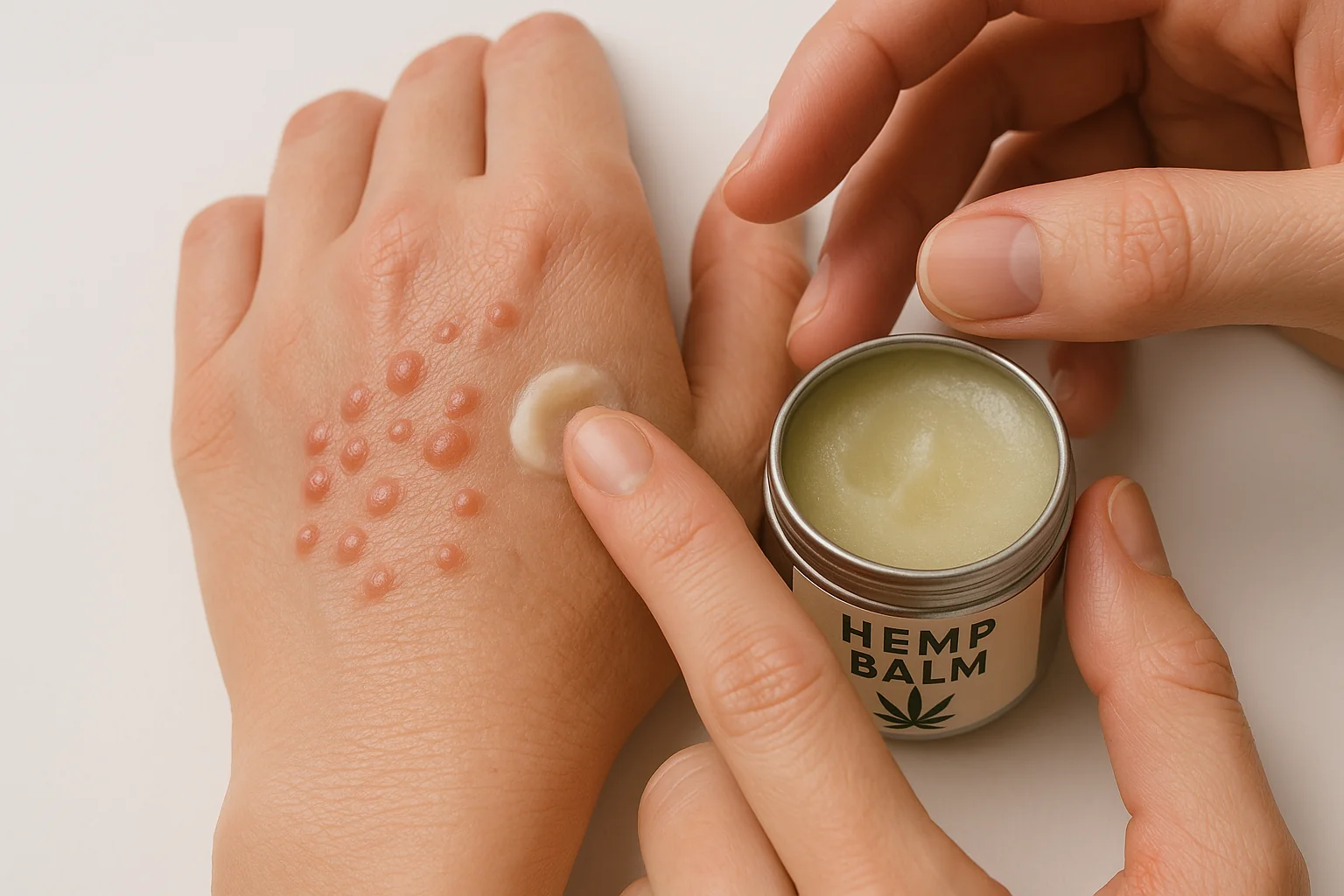
Dyshidrosis (pompholyx, dyshidrotic eczema) is a form of contact or endogenous eczema that manifests as symmetrically distributed, small blisters on the lateral surfaces of the fingers, palms, and soles of the feet. The blisters are deeply embedded in the skin, intensely itchy or burning, and after 2-3 weeks, they dry out and peel, revealing new, often dry and cracked skin.
The etiology of dyshidrosis is multifactorial. Triggering factors include: psychological stress, excessive sweating (hyperhidrosis), contact allergens (nickel, cobalt, chromium - metals in jewelry and some food products), fungal infections (tinea pedis can trigger dyshidrosis on the hands via an id reaction), medications (vaccines, aspirin, oral contraceptives), warm and humid environments. The condition often coexists with asthma and rhinitis.
Treatment of dyshidrosis depends on the severity of episodes. Mild forms respond to topical corticosteroids and intensive moisturizing. Severe forms may require PUVA phototherapy, cyclosporine, or other systemic therapies. Any therapeutic decision is up to the dermatologist.
Cannabis and skin - what studies say
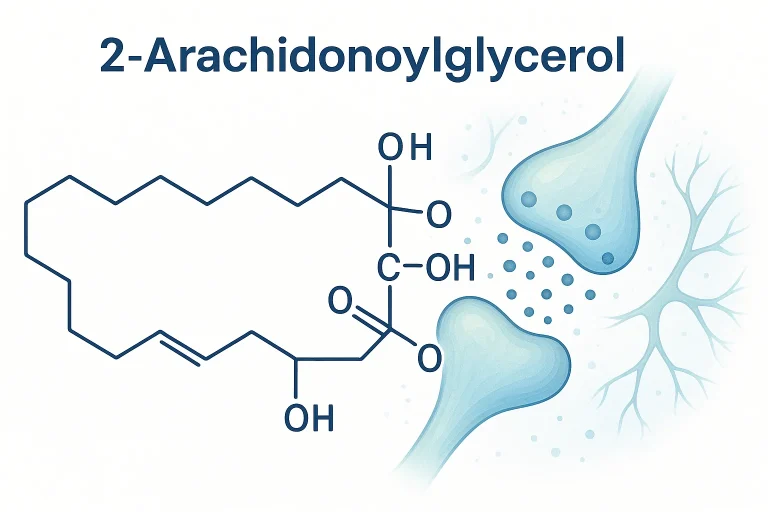
Human skin has its own endocannabinoid system (ECS) - CB1 and CB2 receptors in keratinocytes, Langerhans cells, mast cells, and dermal fibroblasts play a role in regulating inflammation, cell proliferation, and skin barrier permeability. This is the biological basis for the interest in CBD in dermatology.
A study by Oláh and colleagues published in Journal of Dermatological Science in 2014 showed that CBD inhibits keratinocyte proliferation and exhibits anti-inflammatory properties through CB2 and TRPV1 receptors (Oláh et al., JDS, 2014). The study focused on psoriasis, but the mechanisms may be relevant more broadly in other inflammatory skin conditions.
Review published in Molecules In 2019, Martinez and colleagues indicated the potential use of CBD in atopic dermatitis - another condition that shares inflammatory mechanisms and skin barrier disturbances with dyshidrosis (Martinez et al., Molecules, 2019). However, the authors emphasize that randomized clinical trials are needed.
Hemp seed oil contains gamma-linolenic acid (GLA) and linoleic acid (LA) - omega-6 fatty acids involved in the synthesis of epidermal ceramides. Ceramides are a key component of the skin barrier; their deficiency is characteristic of both atopic dermatitis and dyshidrosis. Topical GLA supplementation may theoretically support barrier reconstruction after an episode.
| Hemp component | Mechanism of action | Application in dyshidrosis | Level of evidence |
|---|---|---|---|
| CBD (topically) | Anti-inflammatory (CB2, TRPV1), regulation of keratinocyte proliferation | Potentially alleviates itching and inflammation outside of the active phase | Preclinical, no RCT for dyshidrosis |
| Hemp seed oil | Emollient, provides GLA and LA for ceramides | Skin barrier care after an episode | Indirect evidence from studies on atopic dermatitis |
| CBD (systemically) | Modulation of the stress response (HPA axis, ECS) | Indirect - reducing stress as a triggering factor | Clinical studies for anxiety, not for dyshidrosis |
How to use cannabis products for dyshidrosis - practical tips
If the dermatologist has approved the use of cannabis products as complementary care, a few principles help maximize the effect and minimize the risk of irritation. Rule one: apply the cannabis product only to skin without active blisters - never on open lesions, fresh injuries, or oozing areas. Rule two: less is more - a thin layer of well-massaged product works better than a thick layer that cuts off air access. Rule three: consistency - moisturizing the skin barrier is a long-term job, not a one-time application.
Care protocol between episodes: in the morning and evening, apply a small amount of hemp seed oil product to the hands and fingers. After washing hands - reapply, as soap and water destroy the lipid barrier. Night is the best time for more intensive moisturizing - apply a bit more product, wear cotton gloves for 30-60 minutes or overnight (the so-called "wet wrap" without bandaging). This technique, known in dermatology as occlusion, increases the penetration of emollient ingredients.
The water temperature when washing hands matters - warm or hot water destroys the skin barrier faster than cool water. For dyshidrosis, washing hands with lukewarm water and quickly drying with a soft towel is recommended. Alcohol-based disinfectants are particularly irritating - if possible, replace them with low pH soap and quickly apply a moisturizing product after drying.
Potassium and magnesium may influence the frequency of episodes in some patients with dyshidrosis - although clinical evidence is weak, some dermatologists recommend checking the levels of these elements in recurrent disease. Hulled hemp seeds are a good source of magnesium (about 210 mg/100 g), but individuals with nickel allergy must exclude them - as mentioned above.
Frequently Asked Questions
What is dyshidrosis (dyshidrotic eczema) and where does it come from?
Dyshidrosis (pompholyx) is a chronic or recurrent skin disease characterized by small, fluid-filled blisters on the hands, fingers, and feet. The causes are multifactorial - triggering factors include stress, sweat, contact allergens (nickel, cobalt), fungal infections, and warm, humid environments. The condition affects about 1-2% of the population and often coexists with atopy.
Can CBD and hemp oil alleviate itching and inflammation in dyshidrosis?
Preclinical studies document the anti-inflammatory properties of CBD through CB2 receptors in the skin (Oláh et al., JDS, 2014). Hemp seed oil provides GLA and LA that support the skin barrier. However, there are no clinical studies on CBD specifically for dyshidrosis. Any use should be agreed upon with a dermatologist.
What hemp product may be helpful for dyshidrosis?
In dyshidrosis, after the acute episode subsides, the safest option to explore with a dermatologist is a cream or balm with hemp seed oil - it moisturizes the skin and supports the skin barrier. CBD products (ointment, cream) may have anti-inflammatory effects. Use fragrance-free and alcohol-free products - irritating substances may exacerbate symptoms.
Is hemp butter or hemp ointment safe with active blisters?
During the active phase (open blisters or oozing lesions), do not apply any ointments or balms to the affected areas without consulting a dermatologist - the risk of bacterial infection is real. Use cannabis products prophylactically on healthy skin or after the acute episode has subsided, as preventive care against further recurrences.
Does stress exacerbate dyshidrosis and can CBD help indirectly?
Yes, stress is one of the documented exacerbating factors for dyshidrosis. CBD modulates the endocannabinoid system involved in regulating the stress response. A study published in Neurotherapeutics (Blessing et al., 2015) showed that CBD reduces subjective anxiety (PMC4604171). Stress reduction may indirectly alleviate the frequency of flare-ups, although direct studies for dyshidrosis do not document this.
Which cannabis products should be avoided in dyshidrosis?
Avoid products containing: alcohol (irritates the skin), strong fragrances and essential oils (potential contact allergens), preservatives methylisothiazolinone and formaldehyde, lanolin (possible allergen). Choose products with a short list of INCI ingredients. Test each new product on a small area of healthy skin before applying it to affected areas.
Can cannabis replace dermatological treatment for dyshidrosis?
No. Dyshidrosis may require treatment with topical corticosteroids, calcineurin inhibitors, or phototherapy in severe cases. Cannabis products may be considered as complementary care under the supervision of a dermatologist - never as a substitute for treatment. Any decision to change therapy is up to the doctor.
Can diet affect dyshidrosis and do hemp seeds help?
A low-nickel diet is sometimes recommended for dyshidrosis related to nickel allergy. Important: hulled hemp seeds and hemp seed oil contain nickel. Individuals with confirmed nickel allergy should avoid them as part of their diet - they may exacerbate dyshidrosis symptoms. This is an example of how the same product can be helpful for one person and harmful for another.
When should you contact a doctor regarding dyshidrosis?
Contact a dermatologist if: the blisters are very numerous, extensive, or painful; a bacterial infection is present (abscess, increased redness, fever); symptoms do not resolve after 4-6 weeks; dyshidrosis recurs frequently and significantly affects daily functioning. Self-treatment with cosmetic products - including cannabis products - does not replace diagnosis.
How long does a dyshidrosis episode last and can cannabis care shorten this time?
A typical episode lasts 2-4 weeks - fluid-filled blisters gradually dry out and peel. Regular moisturizing care with hemp seed oil may help shorten the skin recovery time after an episode and reduce itching during the drying phase, but there are no clinical studies confirming a reduction in the duration of the episodes themselves.
This article is for informational and educational purposes and does not constitute medical advice. Before starting to use cannabis or CBD for therapeutic purposes, consult a doctor, especially if you are taking other medications, are pregnant, or breastfeeding.
Author: Michał Waluk · Published: 2026-05-04 · Updated: 2026-05-04