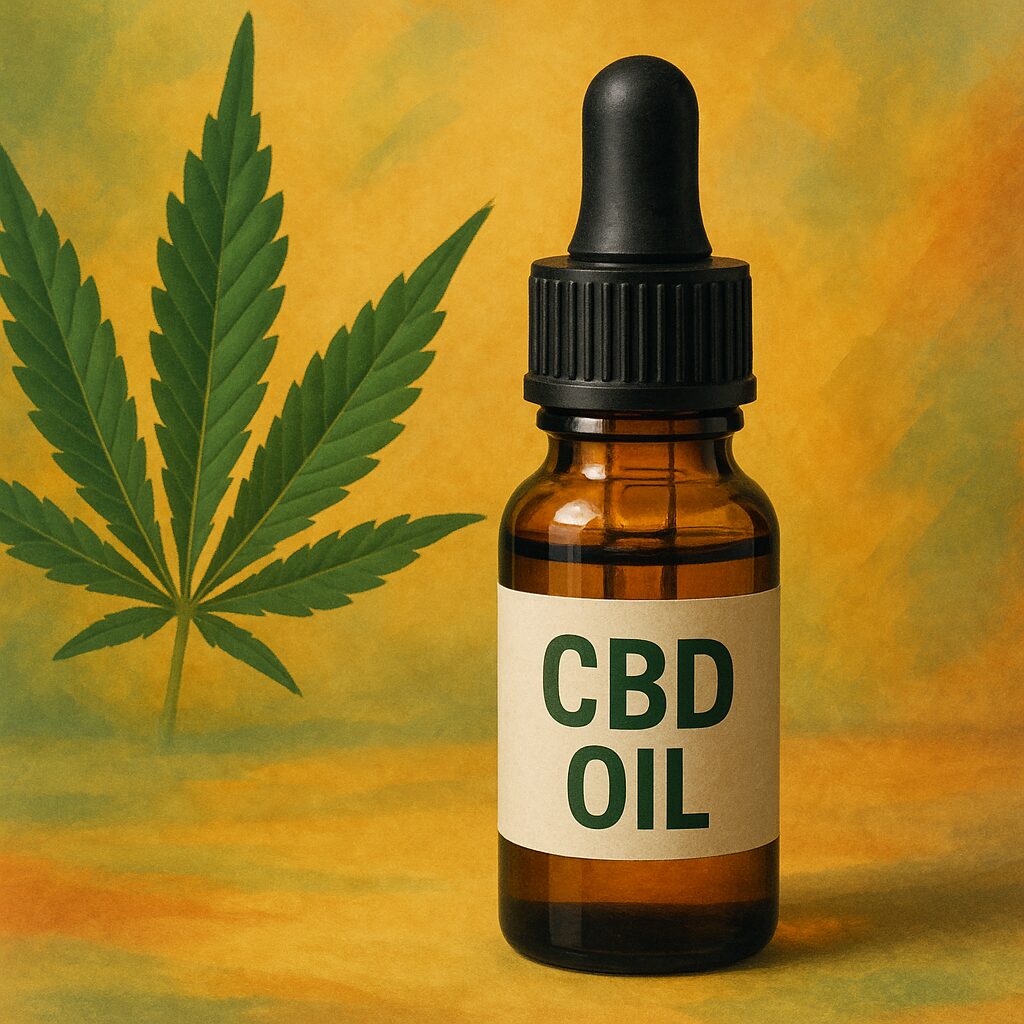

Which CBD Oil to Choose? A Guide to CBD Oil Types
Which CBD Oil to Choose? A Guide to CBD Oil Types
In recent years, CBD oil has gained immense popularity as a natural supplement supporting health and well-being. More and more people are turning to it for relief from stress, pain, and sleep problems. However, the sheer number of products available can be overwhelming – how do you choose the right one?
In this article, we'll explain what CBD oil is, its properties, the different types, and how to make an informed choice. Whether you're a beginner or an experienced user, you'll find practical tips to help you find the perfect product.
What is CBD oil?
CBD oil is a product obtained from hemp (Cannabis sativa), which is a legal variety of cannabis with low levels of THC—the psychoactive substance responsible for the high. Cannabidiol (CBD) is one of over 500 chemical compounds found in hemp, known for its potential health benefits. The CBD oil production process involves extracting cannabidiol from the plant's flowers and leaves, most often using CO2, which ensures high purity. CBD is then dissolved in a carrier oil such as hemp oil, MCT oil, or olive oil, making it easier to use.
In Poland, CBD oil is legal provided the THC content does not exceed 0.21 TP3T, in accordance with European Union regulations and the Polish Act on Counteracting Drug Addiction. It's important to choose products from reputable manufacturers who provide certificates of analysis confirming the composition and safety. CBD oil differs from hemp seed oil, which does not contain cannabinoids but is rich in omega fatty acids.
Properties and benefits of CBD oil
Cannabidiol affects the endocannabinoid system, which regulates numerous bodily functions, such as mood, sleep, appetite, and immune response. Research indicates that CBD may offer a variety of benefits, although many require further study. Potential properties of CBD include:
- Analgesic effect: May relieve chronic pain, such as arthritis or fibromyalgia.
- Reduction of inflammation: Helps with autoimmune diseases thanks to its anti-inflammatory properties.
- Mental health support: Reduces anxiety and stress, which is especially valuable in today's fast-paced life.
- Improved sleep: It makes falling asleep easier and improves the quality of sleep, as confirmed by users and preliminary studies.
- Neuroprotective effect: It may support nervous system health, which holds promise in the context of neurodegenerative diseases.
It's important to remember that CBD's effects are individual and depend on factors such as weight, metabolism, and health status. Consulting a doctor before using it, especially in conjunction with medications, is recommended, as CBD may affect the metabolism of some medications.
Types of CBD oils
CBD oils vary in composition, which influences their effects and uses. There are three main types available on the market: full-spectrum, broad-spectrum, and isolate. Each has unique characteristics that are worth understanding before purchasing.
Full Spectrum
Full-spectrum oils contain all the cannabinoids naturally found in hemp, including CBD, CBG, CBN, CBC, and trace amounts of THC (less than 0.21 TP3T). Additionally, they contain terpenes, flavonoids, and other plant compounds that can enhance the effects of CBD through a synergistic effect (entourage effectThis effect involves the ingredients mutually reinforcing each other, which can increase the product's effectiveness. Full-spectrum oils are recommended for those seeking maximum therapeutic benefits without worrying about minimal amounts of THC.
Broad Spectrum
Broad-spectrum oils are similar to full-spectrum, but the THC is completely removed through distillation. They contain other cannabinoids, terpenes, and flavonoids, which still allows for some synergy, although slightly weaker than full-spectrum. They are an ideal choice for those who want to avoid THC, for example, due to drug testing or personal preference.
Isolate
CBD isolates are the purest form of cannabidiol, typically containing 99% CBD without other cannabinoids, terpenes, or THC. They are suitable for those who prefer to take CBD exclusively, for example, due to allergies to other plant compounds or the need for precise dosing. Isolates may be less effective in some cases because they lack synergistic effects, but they are a safe choice for beginners.
Other differences
In addition to type, CBD oils vary in concentration (from 5% to 30% or more, e.g., 500mg to 6000mg per 10ml) and carrier oil (e.g., MCT, hemp, olive). Some products contain additives like melatonin for sleep or turmeric for immune support. The choice depends on individual needs and taste preferences.
How to choose the right CBD oil?
Choosing the right CBD oil requires considering several key factors to ensure effectiveness and safety:
- Purpose of useConsider why you want to use CBD. For example, if you're looking for sleep support, choose an oil with melatonin or full-spectrum for a more relaxing effect. For chronic pain, full-spectrum may be more effective due to its synergistic effect.
- Oil type: Decide whether you prefer full spectrum (with THC), broad spectrum (no THC), or isolate (pure CBD). Those undergoing drug testing should choose broad spectrum or isolate.
- Concentration: Beginners should start with a low concentration, such as 5% (500 mg in 10 ml), which allows for easy dose adjustments. More experienced users can choose higher concentrations, such as 15% or 20%, depending on their needs.
- Product quality: Look for oils from certified organic farming, free from pesticides, molds, and heavy metals. Reputable producers provide certificates of analysis (COAs) confirming the product's composition and purity. The CO2 extraction method is considered the best, ensuring high quality and purity.
- Price and reviews: Compare prices, but avoid the cheapest products, which may be of poor quality. Check reviews from other users to assess the effectiveness and reliability of the brand.
- Carrier oil: Some carrier oils, like MCT, can improve CBD absorption, while hemp oil provides additional nutrients like omega fatty acids.
The table below summarizes the key selection factors:
| Factor | Description |
|---|---|
| Purpose of use | Specify whether you are using CBD for sleep, pain, stress, or other ailments. |
| Oil type | Full spectrum, broad spectrum or isolate depending on your needs. |
| Concentration | Start with 5% for beginners, increase as needed. |
| Quality | Certificates, organic farming, CO2 extraction method. |
| Price | Compare, but avoid the cheapest products. |
| Carrier oil | MCT for better absorption, hemp for nutritional value. |
CBD oil dosage
CBD dosage is individual and depends on weight, metabolism, purpose of use, and oil concentration. There's no universal dose, but general guidelines suggest starting with 10-20 mg of CBD per day, divided into 1-2 doses. For example, in 5% oil (500 mg in 10 ml), one drop contains approximately 2.5 mg of CBD, so 4-8 drops per day is a good starting point.
The most effective method is sublingual administration: place the drops under the tongue, hold for 30-60 seconds, and then swallow. This ensures rapid absorption through the mucous membranes. Studies indicate that taking CBD after a meal containing healthy fats may increase its absorption.
Start with a small dose and monitor your body's response for 3-7 days. If the effects are insufficient, increase the dose by 5-10 mg every few days until you find the optimal amount. Keep a record of your observations to further adjust your dosage. Consult a doctor if you have a serious medical condition or are taking medication, as CBD may interfere with the metabolism of some medications.
FAQ
Is CBD oil legal in Poland?
Yes, CBD oil is legal in Poland if it contains less than 0.2% THC and is derived from hemp.
Does CBD oil cause high?
No, CBD oil does not cause a high because it contains minimal or no THC, depending on the type (broad spectrum or isolate).
How to use CBD oil?
It is best to use the sublingual method: place the drops under the tongue, hold for 30-60 seconds, then swallow for better absorption.
What is the recommended dosage of CBD oil?
Start with 10-20 mg daily, adjusting the dose individually. Increase gradually to see results.
Are there any side effects of using CBD oil?
Side effects are rare but may include drowsiness, dry mouth, or changes in appetite. These are usually mild and transient.
Can I use CBD oil with other medications?
CBD may affect the metabolism of some medications, so consult your doctor before use.
What is the difference between CBD oil and hemp seed oil?
CBD oil comes from the flowers and leaves of the hemp plant and contains cannabinoids, while hemp seed oil is extracted from the seeds and does not contain CBD but is rich in omega fatty acids.
Choosing the right CBD oil requires understanding your needs, knowing the different types of oils, and paying attention to the quality of the product. Full-spectrum, broad-spectrum, and isolate offer different benefits, and the appropriate concentration and dosage depend on individual preferences. Always choose products from reputable, laboratory-certified suppliers and, if necessary, consult a doctor. With an informed approach, you can fully utilize the potential of CBD oil for your health and well-being.