

What Should We Know About Marijuana? Comprehensive Guide 2026
What should we know about marijuana in 2026? Cannabinoids, the endocannabinoid system, medical marijuana with a Rpw prescription, CBD with 0.3% THC. WHO data: 209 million users.
Marijuana is the most commonly used psychoactive substance of plant origin in the world. According to the World Health Organization, about 209 million people worldwide regularly use cannabis (WHO, 2023). In Poland, the conversation about marijuana is entering a new phase, where the medical context is increasingly separated from the recreational.
Since 2017, patients in Poland have been able to legally use medical marijuana with a Rpw prescription. Standardized cannabis flowers with various proportions of THC and CBD are available. According to data from pacjent.gov.pl, the number of Rpw prescriptions issued annually exceeded 300,000 in 2024. At the same time, the market for CBD products from hemp is thriving, where the THC content does not exceed 0.3%.
This guide describes marijuana from a scientific, legal, and practical perspective. We explain what cannabinoids are, how the endocannabinoid system works, what consumption methods are most commonly used, and when marijuana becomes a medicine. We base our information on data from PubMed, WHO, EMCDDA, Lancet, and Polish sources from the Ministry of Health.
KEY INFORMATION
– Medical marijuana in Poland has been legal since 2017 and is dispensed only with a Rpw prescription. In 2024, over 300,000 such prescriptions were issued (patient.gov.pl, 2024).
– The consumer market is divided into CBD from industrial hemp (THC below 0.3%, without a prescription) and medical flower (THC 5-22%, prescription only).
– The plant contains over 100 cannabinoids. The most important are THC (psychoactive) and CBD (non-psychoactive) (PMC, Frontiers in Pharmacology, 2020).
– The human endocannabinoid system (ECS) was discovered only in the 1990s. It regulates sleep, appetite, pain, mood, and immunity.
– The risk of marijuana dependence is 9% in adults and 17% in teenagers (NIDA, 2020).
What is marijuana and where does it come from?
Marijuana consists of the dried flowers and leaves of female Cannabis sativa (Cannabis sativa L.) plants, containing psychoactive cannabinoids, primarily THC. The plant originates from Central Asia and has been used by humans for at least 5,000 years. The oldest archaeological evidence of cannabis use comes from China (PubMed, 2019).
The cannabis plant is divided into three basic botanical variants: sativa, indica, and ruderalis. In therapeutic and recreational contexts, the differences between them relate to the cannabinoid and terpene profiles. Sativa is associated with stimulating and creative effects, while indica is linked to relaxing and sedative effects. However, modern strains are mainly hybrids of both lines.
Historical uses of marijuana include traditional medicine in China, India (where it holds the status of a sacred plant in Ayurveda), ancient Greece, and Egypt. In 19th-century Europe and the USA, cannabis was a standard medicine in pharmacopoeias, used for pain, insomnia, and seizures. Prohibition was introduced in the 20th century under the pressure of prohibitionist policies.
Today, the distinction between "industrial hemp" (with low THC content) and "marijuana" (with higher THC content) is legal, not botanical. Both forms are the same plant Cannabis sativa L. The difference lies solely in the cannabinoid profile cultivated by humans over decades of genetic selection.
Botany and genetics of cannabis
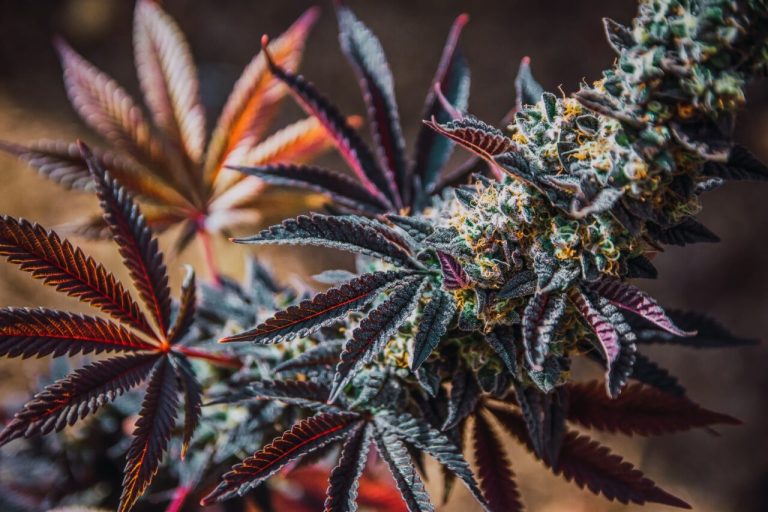
Cannabis sativa L. is a dioecious annual plant. This means that male and female plants are separate, and only female plants produce flowers rich in cannabinoids. Trichomes, tiny resin glands on the surface of flowers and leaves, are the sites of THC, CBD, and over 500 other chemical compounds synthesis (Nature, 2021).
Genetic selection since the 1960s has led to a significant increase in THC content in recreational marijuana. The average THC content in samples seized by the DEA rose from about 1% in 1970 to 15-22% in 2020 (PubMed, 2021). This has significant health and legal implications.
Differences between hemp and marijuana
Hemp plants (hemp) have a THC content below 0.3%, according to EU law and most countries. Traditionally grown for fiber, seeds, and oil, today also as a source of CBD. They do not produce psychoactive effects and are not controlled like narcotic substances under Polish law.
Marijuana is cannabis with a THC content above 0.3%, usually 5-25%. In a medical context, production occurs in sterile conditions, according to GMP standards. The flowers have standardized concentrations, indicated on the packaging. This is a key difference from the illegal market, where the consumer does not know the exact cannabinoid content.
In Poland, recreational marijuana remains illegal, while hemp with a THC content below 0.3% is allowed for trade (Dz.U. 2005 nr 179 poz. 1485). Medical marijuana requires a Rpw prescription since 2017 and is dispensed in pharmacies with the appropriate permit.
What cannabinoids does marijuana contain?
Marijuana contains over 100 different cannabinoids, about 200 terpenes, and 20 flavonoids. The two most important cannabinoids are THC (tetrahydrocannabinol) and CBD (cannabidiol). In typical medical marijuana, the THC content is 5-22%, and CBD is 0.5-15% (PMC, Frontiers in Pharmacology, 2020). The remaining cannabinoids usually occur in trace amounts.
THC is the only strongly psychoactive cannabinoid. It is responsible for the feeling of "high", altered perception of time, increased appetite, and euphoria. CBD does not produce psychoactivity and often modifies the effects of THC, reducing anxiety and paranoid symptoms. This explains why the THC:CBD ratio is crucial in medical marijuana.
Other cannabinoids, known as minor cannabinoids, include CBG (cannabigerol), CBN (cannabinol), CBC (cannabichromene), and THCV (tetrahydrocannabivarin). Each has a unique action profile. CBN is mildly sedative and is formed from the oxidation of THC. CBG is a precursor to other cannabinoids and activates different receptors than CBD.
THC – how does the psychoactive component work?
THC binds to the CB1 receptor, primarily located in the central nervous system. The highest concentration of CB1 is found in the hippocampus (memory), cerebellum (coordination), cerebral cortex (perception), and striatum (motivation). Activation of CB1 by THC explains the entire range of psychoactive effects (PMC, Journal of Neuroscience, 2012).
Doses below 5 mg of THC usually produce mild effects: relaxation, increased appetite, and altered perception. Doses of 5-10 mg lead to the classic "high" with euphoria and concentration disturbances. Doses above 20 mg, especially in new users, can induce anxiety, paranoia, and psychotic symptoms (Lancet Psychiatry, 2019).
CBD – a non-psychoactive modulator
CBD does not produce psychoactive effects because it binds weakly and indirectly to CB1 and CB2 receptors. It mainly acts by modulating anandamide, activating the 5-HT1A (serotonin) receptor, and influencing TRPV1 ion channels. It has documented anxiolytic, anti-inflammatory, and anticonvulsant effects (WHO, 2018).
In 2018, the FDA approved Epidiolex, a pure CBD drug, for the treatment of resistant forms of childhood epilepsy (Dravet syndrome and Lennox-Gastaut syndrome). This is the first non-psychoactive cannabinoid in history to gain drug status. Effect: a reduction in seizure frequency by 36-44% in children (New England Journal of Medicine, 2018).
Terpenes and the Entourage Effect
Terpenes are aromatic organic compounds responsible for the smell of marijuana. The most important are myrcene (earthy, sedative scent), limonene (citrus, mood-enhancing), linalool (lavender, calming), beta-caryophyllene (peppery, anti-inflammatory), and pinene (pine, concentration-enhancing). They work synergistically with cannabinoids.
The entourage effect is a phenomenon where the full profile of cannabinoids and terpenes provides a stronger and more subtle effect than individual compounds (PMC, British Journal of Pharmacology, 2011). Therefore, medical flowers usually have a broader effect than THC or CBD in isolate form.
Unique observation: The difference between medical and recreational marijuana is not just about legality. It concerns dose control. Pharmacy-grade flowers have a label with the exact THC and CBD content, origin, batch number, and laboratory analysis date. This is like the difference between a standardized drug and a herb from a market. The same molecule, but different predictability of effect.
How does the human endocannabinoid system work?
The endocannabinoid system (ECS) is a cell signaling system, discovered only in the 1990s during THC research. It regulates sleep, appetite, mood, pain, memory, reproduction, and immunity. It consists of receptors (CB1 and CB2), endogenous ligands (anandamide and 2-AG), and metabolic enzymes (FAAH and MAGL) (PMC, Cold Spring Harbor Perspectives, 2019).
CB1 receptors are primarily located in the central nervous system, with the highest density in the hippocampus, cerebellum, and basal ganglia. CB2 receptors are mainly located in immune cells, the spleen, tonsils, and to a lesser extent in the peripheral nervous system. This asymmetrical distribution explains the diversity of cannabinoid actions.
Anandamide and 2-AG are endogenous cannabinoids produced by our body in response to various stimuli. They act as "dampeners" of nerve signals. When a neuron sends too strong a signal, endocannabinoids work through retrograde signaling to reduce the intensity of transmission. This is crucial for homeostasis regulation.
ECS and chronic pain
CB1 receptors in the spinal cord and brain modulate pain perception. Activation of CB1 by THC reduces the transmission of pain signals at the spinal level. In a meta-analysis of 28 clinical studies from 2015, THC demonstrated effectiveness in treating chronic pain comparable to codeine (JAMA, 2015). Relief was experienced by 37% of patients.
CBD acts on pain mainly through TRPV1 (capsaicin) receptors and by inhibiting the COX-2 enzyme (inflammation). The different mechanisms of THC and CBD explain why the combination of both is more effective than either alone. This is the basis for rational formulation of medical marijuana.
ECS and mental health
The CB1 receptor modulates the release of mood-related neurotransmitters: dopamine, serotonin, GABA, and glutamate. ECS disorders are observed in depression, generalized anxiety disorder, PTSD, and schizophrenia (PMC, 2019).
The paradox: low doses of THC reduce anxiety, while high doses increase it. This is a classic "biphasic" profile. A dose of 2.5-5 mg of THC has anxiolytic effects, while 15-20 mg can trigger panic anxiety. CBD does not exhibit such a profile and consistently reduces anxiety across a wide range of doses from 25-600 mg.
ECS and appetite
THC stimulates appetite by activating CB1 in the hypothalamus, which is responsible for regulating hunger. This well-known phenomenon of "munchies" has practical medical applications for cancer patients with cachexia and for HIV/AIDS patients. Dronabinol (synthetic THC) has been an officially registered appetite stimulant in the USA since the 1980s.
The endocannabinoid system regulates key physiological processes through CB1 (CNS) and CB2 (immune system) receptors. Discovered in the 1990s during THC research, it is now one of the fastest-growing areas of neuropharmacology (PMC, Cold Spring Harbor Perspectives, 2019).
What are the methods of consuming marijuana?
Methods of consuming marijuana vary in bioavailability, onset speed, and duration of effect. The most popular are inhalation (smoking), vaporization, sublingual oils, and edible products. Each method has a different pharmacokinetic profile. Vaporizing flowers has the highest bioavailability of THC, 30-35%, compared to 6-20% for oral forms (Frontiers in Pharmacology, 2020).
The choice of consumption method depends on the therapeutic goal. A quick effect (pain attack, chemotherapy nausea) requires inhalation or vaporization. A long-lasting effect (chronic night pain, insomnia) is better achieved through edible products or oils. In medical marijuana, several forms are often combined to cover the entire day.
Inhalation, or classic smoking
Smoking a joint or pipe is the oldest method of consumption. The effect appears in 2-10 minutes, peaks at 30 minutes, and the total duration of action is 2-4 hours. Bioavailability is 10-35% depending on the smoking technique. Disadvantage: burning creates tar, benzopyrenes, and carcinogens, similar to tobacco smoking (WHO, 2016).
For medical marijuana, smoking is not a recommended form of administration. Doctors prescribing Rpw flowers usually recommend a vaporizer, which provides a clean therapeutic effect without combustion products. Smoking remains a recreational form and, as mentioned, is illegal in Poland.
Vaporizing flower
A vaporizer heats the flowers to a temperature of 180-210 degrees Celsius, releasing cannabinoids and terpenes as vapor without burning plant material. This is a significantly safer form than smoking. The effect appears in 5-15 minutes, bioavailability is 30-35%, and duration of action is 1-3 hours (PMC, 2020).
The vaporizer is currently the standard method of administration in medical marijuana in Europe. It allows for precise dosing through shorter inhalations and lower temperatures. Terpene profiles remain preserved, enhancing the entourage effect. Medical devices (Volcano, Mighty) meet GMP standards.
Sublingual oils and tinctures
Cannabinoid oils (CBD, THC, or mixed) are administered sublingually, held under the tongue for 60-90 seconds for absorption through the mucous membrane. The effect appears in 15-45 minutes, bioavailability is 13-19%, and duration of action is 4-8 hours. This is the most common form of CBD in Poland.
The advantage of oils is precise dosing drop by drop, long duration of action, and no inhalation. Disadvantage: slower onset of effect compared to vaporization. For medical marijuana, oils are available in pharmacies as foreign preparations, less often as ready-made Polish products.
Edible products
Gummies, cookies, chocolates, and drinks with THC or CBD are edibles. They are absorbed through the digestive tract. The effect appears in 60-180 minutes but is significantly stronger and longer-lasting than with inhalation: 6-12 hours. This is due to the metabolism of THC in the liver to 11-hydroxy-THC, which is much stronger psychoactively.
The downside of edibles is the difficulty in dosing. The effect takes time to manifest, so inexperienced users often "adjust" their next dose, leading to overdose. In the USA (where it is legal), the most common hospital reports are related to edibles, not smoking (Annals of Internal Medicine, 2019).
From the Bucha editorial office: In conversations with patients with Rpw prescriptions, questions about vaporizers often arise. Few doctors explain exactly how to adjust the temperature and volume of inhalation. Our observations: for older individuals who have never inhaled, the entry threshold is significantly higher than for those already familiar with vaping. This is important when planning therapy.
Topical products
Ointments, balms, and creams with cannabinoids act locally on the skin, muscles, and joints. They do not significantly enter systemic circulation, so they do not produce psychoactive effects even with THC. Applications: joint pain, muscle tension, skin problems (psoriasis, atopic dermatitis, acne).
What are the indications for medical marijuana?
Medical marijuana is used for strictly defined clinical indications. The most common are chronic pain (about 45% of prescriptions in Poland), spasticity in multiple sclerosis (MS), chemotherapy-induced nausea and vomiting, treatment-resistant epilepsy, and PTSD. Effectiveness in these indications is documented in systematic reviews (BMJ, 2021).
The Polish prescription procedure Rpw is based on the physician's assessment. There is no strict list of "approved indications" as in some countries. The decision about therapy is individual and requires exhausting standard treatment methods. Medical marijuana is usually a second or third-line therapy, not the first choice.
Chronic and neuropathic pain
Neuropathic pain (nerve damage) is the most common indication for medical marijuana. A 2018 Cochrane meta-analysis included 16 studies with 1,750 patients. It showed moderate effectiveness of cannabinoids in reducing neuropathic pain by about 30% compared to placebo (Cochrane, 2018). The effect is comparable to gabapentin.
Chronic pain associated with cancer, fibromyalgia, and endometriosis also finds support in studies. Mechanism: THC acts on CB1 receptors in the spinal cord and brain, while CBD acts through TRPV1 and COX-2. The synergistic effect is key, which is why medical flowers usually have a balance of THC and CBD.
Multiple sclerosis and spasticity
MS is an autoimmune disease of the central nervous system. Spasticity, or excessive muscle tension, occurs in 80% of patients in advanced stages. Sativex (nabiximols), a THC:CBD 1:1 extract-based drug, has been registered in the EU for treating spasticity in MS since 2010 (EMA, 2010).
Studies show that 40-50% of MS patients experience significant relief from spasticity after using Sativex or medical flowers. Other benefits include improved sleep quality and reduced pain. Sativex is not funded by the NFZ in Poland, and the patient bears the cost.
Oncology, nausea, and cachexia
Dronabinol and nabilone (synthetic THC) have been registered antiemetics in chemotherapy in the USA since the 1980s. In Poland, Rpw medical flowers are used in oncology patients for resistant nausea, lack of appetite, and pain. The antiemetic effectiveness of THC exceeds that of metoclopramide in classical cytostatic regimens.
Cachexia (wasting) is a life-threatening condition in patients with advanced cancer. THC stimulates appetite by activating CB1 in the hypothalamus. Maintaining body weight improves prognosis. In clinical studies in 2018, THC increased calorie intake by 23% in cancer patients (PubMed, 2018).
Treatment-resistant epilepsy
Epidiolex (pure CBD) is approved by the FDA and EMA for the treatment of three resistant epilepsy syndromes: Dravet syndrome, Lennox-Gastaut syndrome, and tuberous sclerosis complex. It reduces seizures by 36-44% in children (New England Journal of Medicine, 2018). This is one of the most groundbreaking registrations.
In Poland, Epidiolex is available as an imported drug, usually for targeted import. The cost of monthly therapy is 3000-8000 PLN, rarely reimbursed. For pediatric patients, it is often the only option after exhausting classical antiepileptic drugs.
PTSD and anxiety disorders
Post-traumatic stress disorder (PTSD) has been an official indication for medical marijuana in many states in the USA and several EU countries since 2021. Mechanism: cannabinoids modulate emotional responses in the amygdala and hippocampus. In Poland, PTSD is less frequently indicated on Rpw prescriptions, but it appears in clinical practice.
What is the legal status of marijuana in Poland in 2026?
Recreational marijuana remains illegal in Poland. Possession, cultivation, and trade are punishable under the Act of July 29, 2005, on counteracting drug addiction (Dz.U. 2005 nr 179 poz. 1485). Possession of up to 3 grams may result in a misdemeanor, but larger quantities mean criminal liability with a penalty of up to 3 years in prison.
Medical marijuana has been legal since November 1, 2017, following an amendment to the Act on counteracting drug addiction. It is issued only with a Rpw prescription, which is a prescription for a narcotic drug with a pink copy. The Rpw prescription procedure requires an authorized physician, a specific diagnosis, and fulfillment in a pharmacy with a permit for the trade of narcotic substances.
The market for hemp (CBD) is fully legal in Poland, provided that the THC content in the product does not exceed 0.3%. This includes CBD flowers, CBD oils, cosmetics, food from hemp seeds, and other products. The market is estimated at around 130 million euros annually in 2024, with a forecast growth to 200 million euros by 2028 (Hemp Facts, 2024).
How to obtain a Rpw prescription?
A Rpw prescription for medical marijuana is issued by an authorized physician, usually a specialist in neurology, oncology, anesthesiology, psychiatry, or internal medicine with pain management qualifications. Not every doctor issues Rpw, so the patient often has to look for a clinic specializing in medical cannabis therapy.
The procedure includes: a detailed medical interview, verification of diagnosis, analysis of previous treatments, assessment of safety (mental health controversies, pregnancy, age under 18). After positive qualification, the doctor issues a Rpw prescription with dosage, form (vaporized flower, oil), and quantity for 30 days. The prescription is valid for 30 days from the date of issuance.
How much does medical marijuana therapy cost?
Medical marijuana in Poland is not reimbursed by the NFZ. The patient bears the full cost. The price of medical flowers ranges from 35-65 PLN per gram, depending on the strain and THC/CBD concentration. Average monthly consumption of 30-60 g means a cost of 1050-3900 PLN per month. This is one of the main barriers to access.
A visit to a doctor authorized to issue Rpw usually costs 250-500 PLN. Follow-up visits every 3-6 months cost 150-300 PLN. Some clinics offer consultation packages at a lower price. Additional costs: vaporizer (500-2500 PLN), accessories (grinder, rolling papers, filters).
How to legally buy CBD without a prescription?
CBD products from hemp are sold in specialty stores, pharmacies, and online. They do not require a prescription because the THC content is below 0.3%. Legal categories: CBD flowers, CBD oils, cosmetics, dietary supplements (after EFSA authorization), herbal food products.
Product quality should be confirmed by a certificate of analysis (COA) from an independent laboratory. Good brands publish COA for each batch. They check: cannabinoid content, presence of pesticides, heavy metals, and mycotoxins. Lack of a published COA is a warning sign.
Medical marijuana in Poland has been available since 2017 only with a Rpw prescription, with therapy costs around 1050-3900 PLN per month without NFZ reimbursement (patient.gov.pl, 2024). CBD products from hemp (THC below 0.3%) are legal without a prescription and constitute a market worth 130 million euros annually.
What are the side effects and risks of marijuana?
Marijuana has a safety profile similar to many psychotropic drugs, but it is not without risks. The most common side effects are dry mouth, drowsiness, dizziness, increased appetite, and tachycardia. According to a BMJ review from 2021, 30-40% of patients using medical marijuana report mild side effects in the first weeks of therapy (BMJ, 2021). They subside after acclimatization.
Risks mainly concern THC, not CBD. CBD is considered very safe, with the WHO assessing no significant risk of abuse or psychoactive effects at doses up to 1500 mg per day (WHO, 2018). THC, on the other hand, can induce anxiety, paranoia, psychosis, and addiction, especially in sensitive individuals.
Marijuana addiction
Marijuana is addictive, though to a lesser extent than nicotine or alcohol. The risk of addiction for regular users is 9% in the general population and 17% in those starting in their teenage years (NIDA, 2020). For comparison: nicotine 32%, alcohol 15%, cocaine 17%.
The withdrawal syndrome after marijuana includes irritability, insomnia, decreased appetite, anxiety, and low mood. It lasts 1-2 weeks after cessation. It is less severe than with alcohol or opioids, but real. This is an argument for cautious dosing, especially in sensitive individuals.
Risk of psychosis
A meta-analysis in Lancet Psychiatry from 2019 found that regular use of high-THC marijuana (above 10%) triples the risk of a psychotic episode compared to non-users (Lancet Psychiatry, 2019). The risk is highest in adolescents, whose brains are still developing, and in individuals with a family history of mental illness.
CBD works in the opposite way, reducing the risk of psychosis. Therefore, medical marijuana with a THC:CBD balance is safer than recreational marijuana with just THC. Medical strains labeled as "balanced" (equal proportions) or "CBD-dominant" have the safest profile for mentally sensitive individuals.
Drug interactions
Cannabinoids, including THC and CBD, inhibit cytochrome P450 enzymes (CYP3A4, CYP2C9, CYP2C19). This affects the metabolism of many drugs. Be particularly cautious with: warfarin, statins, anticonvulsants (clobazam, valproate), some antidepressants, immunosuppressants (PMC, 2019).
Before starting medical marijuana therapy, it is necessary to verify current pharmacotherapy. The attending physician should assess the risk of interactions. Sometimes it is enough to change the drug dose, sometimes a temporary deviation (2-4 hours), and sometimes to forgo marijuana in favor of another therapy.
Driving
Driving under the influence of THC is punished in Poland like driving under the influence of alcohol. THC impairs coordination, reaction time, and distance perception. The detection threshold for THC in blood is 1 ng/ml. In urine, THC is detectable 3-30 days after the last use (depending on frequency). This is significant for professional drivers.
Patients on Rpw therapy are not exempt from these regulations. Most doctors recommend not driving at all or at least 8 hours after the last dose of THC. CBD does not produce such effects and is not subject to driving restrictions.
Contraindications for medical marijuana
Absolute: pregnancy and breastfeeding, age under 18 (with pediatric exceptions), active psychosis, unstable cardiovascular disease, allergy to cannabinoids. Relative: depression with suicidal thoughts, bipolar disorder in an acute phase, addiction to other substances, severe liver failure.
The decision about therapy always lies with the attending physician. The patient should provide detailed information about all diseases, medications, and substances used. Concealing medical information is the main cause of complications in cannabinoid therapy.
What is the difference between recreational and medical marijuana?
The difference between recreational and medical marijuana is multidimensional: legal, qualitative, safety, and purpose of use. Medical marijuana is a standardized pharmaceutical product, derived from GMP cultivation, with declared THC and CBD concentrations. Recreational marijuana comes from uncontrolled sources and may be contaminated with pesticides, heavy metals, or synthetic cannabinoids. In Poland, recreational marijuana remains illegal.
The purpose of use is fundamentally different. Medical use serves the therapy of a specific condition under a doctor's supervision. Recreational use serves the effect of "high" without medical oversight. This difference in purpose affects the risk profile, usage patterns, and long-term health consequences.
Quality control and standardization
Medical flowers (e.g., Bedrocan, Tilray, Aurora) are produced according to GMP (Good Manufacturing Practice) standards. Each batch has a certificate of analysis: THC and CBD content (with a tolerance of +/- 5%), terpene profile, tests for pesticides, heavy metals, mycotoxins, microorganisms. The label contains all this information plus the harvest date and expiration date.
The illegal market offers no quality control. Laboratory tests of seized marijuana in the USA and EU show the presence of pesticides in 40-60% of samples, heavy metals in 20%, mycotoxins in 15%, and synthetic cannabinoids (K2, Spice) added without consumer knowledge in 5-10% of samples (EMCDDA, 2022).
Medical supervision vs. self-use
A patient on a Rpw prescription has regular visits to the doctor (usually every 3-6 months). The doctor monitors the effectiveness of therapy, side effects, possible interactions, and the need to change the dosage. This is an essential element of safety. Self-use of marijuana does not have such safeguards.
Medical dosing usually starts from the lowest dose (the "start low, go slow" principle), e.g., 0.1 g of vaporized flower daily, gradually increased. Recreational dosing is chaotic, with "getting used to" higher doses and an increasing risk of psychosis. The pattern of use has a direct impact on health effects.
Market observation at u Bucha Q1 2026: In the store, we notice a clear trend among customers over 50 years old. They increasingly ask about alternatives to medical marijuana, mainly in the context of the costs of Rpw therapy (1000-4000 PLN/month). CBD flowers 5-9% and CBD oils 10-15% are reaching older individuals who hesitate before the full medical procedure or do not have formal indications for Rpw.
Comparison of THC:CBD ratios
Recreational marijuana from the black market today typically contains 15-25% THC and less than 0.5% CBD. This profile maximizes the psychoactive effect but also maximizes the risk of anxiety and psychosis. This is the result of decades of genetic selection for "potency," not safety.
Medical marijuana offers various profiles: THC-dominant (for neuropathic pain), balanced (1:1 THC:CBD for MS spasticity), CBD-dominant (for epilepsy, anxiety), pure CBD (for specific indications). The choice of profile depends on the indication and the patient's tolerance. The doctor selects the strain according to clinical needs.
The most common myths about marijuana
Many myths have arisen around marijuana, both from supporters and opponents. According to a CBOS study from 2023, 58% of Poles have at least one incorrect belief about the effects of medical marijuana (CBOS, 2023). Let's organize the most important facts and separate them from marketing and propaganda.
Myth 1: "Marijuana is completely harmless"
False. Marijuana, like any psychoactive substance, has its risks. Addiction affects 9-17% of regular users. Regular use of high-potency strains increases the risk of psychosis, especially in youth. It affects short-term memory and concentration. It is a substance for responsible use, not trivialization.
Myth 2: "Medical marijuana is just legalized recreation"
False. Medical marijuana is therapy with specific clinical indications, monitored by a doctor. Patients receive a prescription after exhausting standard treatment methods. Sativex, Epidiolex, and dronabinol are registered medications with clinical data comparable to other pharmaceuticals. This is not a "smokescreen" for recreation.
Myth 3: "CBD works the same as THC, just weaker"
False. CBD acts on completely different receptors than THC. It does not induce psychoactivity, does not alter perception, and does not cause a "high." These are two different cannabinoids with different pharmacological profiles. CBD is safe in doses up to 1500 mg daily according to WHO, while THC has a narrower therapeutic window.
Myth 4: "Marijuana cures cancer"
False, in this form. Cannabinoids show anti-cancer activity in vitro and in animal models, but there is no clinical evidence that they cure cancer in humans. They are used as adjuncts: alleviating chemotherapy nausea, supporting appetite, reducing pain. This is supportive treatment, not a replacement for standard oncology.
Myth 5: "CBD flower will show up on a drug test"
Partially true. CBD flowers from hemp contain traces of THC (up to 0.3%). Regular use of large amounts (several grams daily) could theoretically lead to THC accumulation detectable in a test. In practice, the risk is low for the typical user. However, individuals in professions requiring regular testing (drivers, pilots) should avoid products with any THC content.
Myth 6: "Vaporization is as harmful as smoking"
False. Vaporization does not involve combustion, so it does not produce benzopyrene or carbon monoxide. Studies from 2020-2023 show significantly lower levels of harmful products with vaporization than with smoking. This does not mean it is absolutely healthy, but the risk profile is much better than traditional smoking.
Frequently Asked Questions
What is the difference between recreational and medical marijuana?
Medical marijuana is a standardized pharmaceutical flower with known THC and CBD concentrations, dispensed in pharmacies only with a Rpw prescription. Recreational marijuana comes from uncontrolled sources and remains illegal in Poland. According to pacjent.gov.pl, the number of medical patients with Rpw prescriptions exceeded 300,000 in 2024 (patient.gov.pl, 2024).
Is marijuana legal in Poland in 2026?
Recreational marijuana is illegal in Poland. Medical marijuana (cannabis flower) has been legal since 2017 with a Rpw prescription issued by an authorized physician. CBD products with THC content below 0.3% are available without a prescription (Dz.U. 2005 nr 179 poz. 1485).
How does THC affect the brain and the endocannabinoid system?
THC binds to the CB1 receptor in the central nervous system, mainly in the hippocampus, cerebral cortex, and striatum. Activation of CB1 affects memory, mood, appetite, and perception of time. Doses above 10 mg can induce psychotic symptoms in sensitive individuals (Lancet Psychiatry, 2019).
What are the side effects of medical marijuana?
The most common side effects are dry mouth, drowsiness, dizziness, increased appetite, and tachycardia. According to a BMJ review from 2021, 30-40% of patients report mild side effects at therapeutic doses. Physical dependence occurs in 9% of regular users (NIDA, 2020).
How to obtain a Rpw prescription for medical marijuana in Poland?
A Rpw prescription is issued by an authorized physician after diagnosing indications: chronic pain, spasticity in MS, chemotherapy nausea, treatment-resistant epilepsy. The prescription is valid for 30 days, fulfilled in a pharmacy with a permit for the trade of narcotic substances. The patient bears the full cost, 35-65 PLN per gram of flower (patient.gov.pl, 2024).
What is the difference between CBD 0.3% THC and medical marijuana?
CBD from hemp contains a maximum of 0.3% THC, available without a prescription as cosmetics or supplements. Medical marijuana usually contains 5-22% THC and 0.5-15% CBD, available only with a Rpw prescription. The therapeutic effect differs drastically due to the psychoactivity of THC.
Does marijuana cause addiction?
Yes, to a limited extent. The risk of addiction for regular users is 9% in the general population and 17% in those starting in their teenage years (NIDA). The withdrawal syndrome includes irritability, insomnia, and decreased appetite and lasts 1-2 weeks after cessation.
What are the methods of consuming medical marijuana?
The most popular methods are vaporizing flowers (temperature 180-210 degrees C, effect in 5-15 minutes), sublingual oils (effect 30-90 minutes), edible products (60-180 minutes), and inhalation. Vaporization has the highest bioavailability, 30-35%, compared to 6-20% for oral forms (Frontiers in Pharmacology, 2020).
Summary: what is worth remembering about marijuana
Marijuana is a plant with over 5000 years of history in medical and recreational use. It contains over 100 cannabinoids, the most important being the psychoactive THC and the non-psychoactive CBD. Both interact with the human endocannabinoid system, which regulates sleep, appetite, pain, mood, and immunity. This plant is not a "miracle", but it has real clinical applications.
In Poland, recreational marijuana remains illegal. Medical marijuana has been available since 2017 with a Rpw prescription, and the CBD market from hemp (THC below 0.3%) is fully legal without a prescription. These are three different legal and qualitative categories that should be clearly distinguished in discussions about cannabis.
For those interested in therapeutic support: medical marijuana is an option after consulting a doctor. An alternative is CBD products from hemp, available without a prescription, usually cheaper and with a lower risk profile. The decision on the choice depends on the indication, access to a Rpw doctor, and the patient's budget.
Maintain a healthy skepticism towards the promises of a "miracle cure" and towards demonization. Marijuana is a biologically active substance that requires respect and conscious use. Consulting with a doctor, reliable sources of knowledge, and quality-controlled products are the foundation of a safe and effective experience.
This article is for informational and educational purposes and does not constitute medical advice. Before starting the use of medical marijuana, CBD, or other cannabinoids for therapeutic purposes, consult a doctor, especially if you are taking other medications, are pregnant, or breastfeeding. Recreational marijuana is illegal in Poland, and possession is subject to criminal liability.
Author: Michał Waluk, Editor of the Bucha blog
Publication date: April 23, 2026
Last update: April 23, 2026