
CBD for Endometriosis – Can It Help Treat It? 2026 Guide
CBD for endometriosis - mechanisms, dosing, studies. Endometriosis affects 190 million women (WHO, 2023). Read about the ECS, pelvic pain, and scientific evidence.
Endometriosis affects approximately 190 million women and girls worldwide, which is nearly 10% of the reproductive-age population (WHO, 2023). Despite the scale of the problem, the average time to diagnosis in Europe is 7-10 years, and effective causal treatment still does not exist. CBD for endometriosis is increasingly appearing as a supportive therapy for pelvic pain, painful menstruation, and decreased quality of life.
The question "does CBD work for endometriosis" is being asked more frequently than ever. The increase in interest is driven by publications in the Journal of Minimally Invasive Gynecology, Fertility and Sterility, and Human Reproduction. More and more studies show that the endocannabinoid system (ECS) is disrupted in endometrial tissues, and cannabinoids can modulate inflammation, pelvic pain, and the quality of life of patients.
In this article, we discuss the pathophysiology of endometriosis, the role of the ECS, the mechanisms of action of CBD, data from clinical and survey studies, comparisons with NSAIDs, progestogens, and surgery, as well as dosing and limitations of therapy. The text is educational and does not replace consultation with a gynecologist or pain medicine specialist. related article on medical cannabis
KEY INFORMATION
– Endometriosis affects about 190 million women worldwide, which is 10% of the reproductive-age population (WHO, 2023).
– Decreased expression of CB1 receptors has been detected in ectopic endometriosis tissues (Sanchez, Fertility and Sterility, 2016), indicating a disruption of the ECS.
– In a study of 484 women, 94% of medical cannabis users reported pain reduction (Sinclair, Journal of Minimally Invasive Gynecology, 2021).
– CBD modulates TRPV1 and 5-HT1A receptors and inhibits cytokines TNF-alpha, IL-6, and IL-8.
– Typical doses of CBD for chronic pain range from 20-150 mg per day, with a starting phase of 10-20 mg.
– CBD is not recommended during pregnancy and breastfeeding (FDA, 2019; ACOG, 2023).
What is endometriosis and who does it affect?
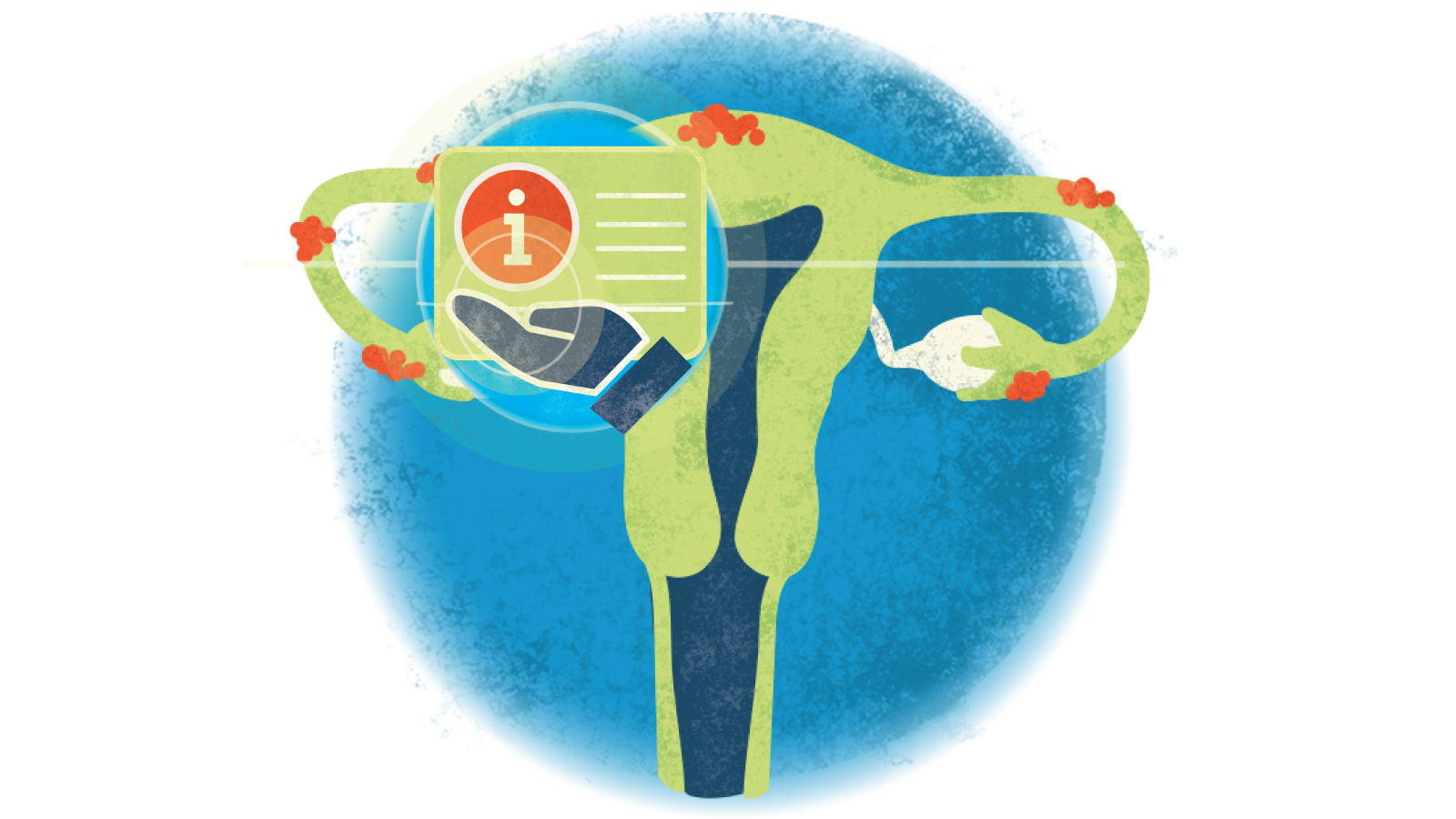
Endometriosis is a chronic, inflammatory gynecological disease in which tissue similar to the endometrium grows outside the uterus, most often on the ovaries, fallopian tubes, pelvic peritoneum, and intestines. It affects approximately 190 million women worldwide, which is 10% of the reproductive-age population (WHO, 2023). In Poland, it is estimated that between 1.5 to 2 million women live with endometriosis.
The disease has a multifactorial background. The most frequently cited is Sampson's theory of retrograde menstruation from 1927, but contemporary works also point to immunological, genetic, and epigenetic factors (New England Journal of Medicine, 2020). Ectopic endometrial lesions respond to the hormonal cycle, bleed, and cause local inflammation. This explains the cyclical nature of pain and the formation of adhesions.
Symptoms vary. The most common are painful menstruation (dysmenorrhea), chronic pelvic pain, pain during intercourse (dyspareunia), painful urination or bowel movements during menstruation, heavy bleeding, and infertility. Endometriosis accounts for 30-50% of infertility cases in women (Fertility and Sterility, 2012). Quality of life decreases drastically.
Stages and location of the disease
The American Society for Reproductive Medicine (ASRM) classifies endometriosis into four stages, from minimal (I) to deep infiltrating (IV). The stage of the disease does not always correlate with the severity of pain. Women with stage I may experience severe pain, while patients with stage IV endometriosis may be diagnosed incidentally during infertility diagnostics.
The most common locations are the ovaries (endometrial cysts, so-called chocolate cysts), pelvic peritoneum, Douglas pouch, sacrouterine ligaments, and intestines. In rare cases, lesions appear in the bladder, diaphragm, and even lungs (so-called thoracic endometriosis). The variety of locations explains the wide range of extrapelvic symptoms.
Why does diagnosis take so long?
The average time from the onset of the first symptoms to diagnosis in Europe is 7-10 years (ESHRE, 2022). The causes are complex. Painful menstruation is often downplayed as "normal." Symptoms resemble irritable bowel syndrome, urinary tract infections, or psychosomatic pain. The gold standard for diagnosis, which is laparoscopy with biopsy, is invasive and not easily accessible.
From the experience of female clients using consultations at the u Bucha store, it appears that many women only begin to show interest in CBD after years of ineffective pharmacotherapy. The question "will CBD help" usually arises after 3-5 unsuccessful treatment regimens. This signals that the gynecological care system needs new tools to support the quality of life for patients with endometriosis.
How does the endocannabinoid system affect endometriosis?
In ectopic endometrial tissues, there is reduced expression of CB1 receptors and altered activity of the enzymes FAAH and NAPE-PLD that regulate anandamide (Sanchez, Fertility and Sterility, 2016). This ECS dysfunction promotes cell proliferation, angiogenesis, and heightened pain perception. The endocannabinoid system thus becomes an attractive therapeutic target.
Normal endometrium exhibits balanced expression of CB1 and CB2. In pathological lesions, the ratios are altered. Low CB1 correlates with poorer control of cell growth and increased influx of inflammatory cells. Anandamide, the main endogenous cannabinoid, is broken down more quickly by FAAH, which reduces its natural analgesic and anti-inflammatory effects.
Preclinical studies indicate that CB1 and CB2 agonists reduce the size of endometrial implants in mice by 40-60% (Dmitrieva, Pain, 2010). This is a hypothesis justifying interest in cannabinoids as a supportive therapy. CBD acts on the ECS indirectly, by inhibiting FAAH and modulating other molecular targets, rather than through direct activation of CB1 (which would be psychoactive).
The role of anandamide and 2-AG
Anandamide (AEA) and 2-arachidonoylglycerol (2-AG) are the two main endogenous cannabinoids. In endometriosis, their levels are disrupted. Some studies show elevated 2-AG in peritoneal fluid, interpreted as a compensatory response of the body to chronic inflammation (Frontiers in Reproductive Health, 2021).
CBD inhibits the FAAH enzyme, which breaks down anandamide. The result is prolonged action of endogenous AEA, which indirectly enhances the analgesic and anti-inflammatory effects of the ECS. This mechanism is one of the arguments for using CBD in conditions with documented "clinical endocannabinoid deficiency," which includes migraines, fibromyalgia, irritable bowel syndrome, and endometriosis.
Receptors TRPV1, 5-HT1A, and GPR55
CBD interacts not only with the classic CB1 and CB2 receptors. Also important are TRPV1 (vanilloid), 5-HT1A (serotonin), and GPR55 receptors. TRPV1 is responsible for the perception of pain and inflammation. 5-HT1A regulates mood and anxiety, often disrupted in women with endometriosis. GPR55 is involved in regulating cell growth and likely embryo implantation.
Modulating these receptors explains why CBD may act in multiple ways. It reduces pain, inhibits inflammation, and improves mood and sleep. All these effects are significant in the therapy of endometriosis, where isolated treatment of pain often proves insufficient.
In ectopic endometriosis tissues, reduced expression of CB1 receptors and dysregulation of FAAH contribute to chronic inflammation and heightened pelvic pain perception (Sanchez, Fertility and Sterility, 2016). CBD, as an ECS modulator, could theoretically restore balance to this system, although clinical studies in larger populations of women are needed.
What are the mechanisms of action of CBD in endometriosis?
CBD exhibits multifaceted effects on inflammatory and pain pathways. In cell models, it inhibits the release of pro-inflammatory cytokines TNF-alpha, IL-6, and IL-8 by 30-60% (PMC, Cannabis and Cannabinoid Research, 2018). These cytokines play a key role in the pathogenesis of endometriosis and are responsible for local inflammation in the pelvic cavity.
The mechanisms of CBD in endometriosis can be divided into four main axes: anti-inflammatory, analgesic, anti-proliferative, and neuromodulatory. Each of them acts on a different aspect of the disease. Together, they create a "holistic" effect, which in survey studies translates into improved quality of life, reduced number of days with severe pain, and decreased use of NSAIDs and opioids.
It is important to emphasize that CBD does not replace causal treatment. It acts on symptoms and pathological mediators, not on the hormonal background of the disease. Therefore, in the therapy of endometriosis, CBD is a supportive tool alongside hormonal contraception, progestogens, NSAIDs, or laparoscopic procedures. Its added value is particularly evident in pain resistant to standard medications.
Anti-inflammatory effect
In endometriosis, elevated levels of TNF-alpha, IL-6, IL-8, and prostaglandins are found in peritoneal fluid (Fertility and Sterility, 2003). CBD inhibits NF-kappaB, the main transcription factor responsible for the activation of pro-inflammatory genes. In vitro studies reduce TNF-alpha production by 40-60%.
Additionally, CBD affects COX-2 enzymes, similar to NSAIDs, but through a different mechanism. This means that CBD can be combined with ibuprofen or naproxen without simply summing gastric toxicity. Many patients in survey studies report a reduction in NSAID use by 30-50% after 2-3 months of CBD supplementation.
Analgesic effect
Pelvic pain in endometriosis has nociceptive, inflammatory, and neuropathic components. CBD acts on all three. Through TRPV1, it reduces nerve sensitization; by inhibiting FAAH, it enhances the action of anandamide; and through 5-HT1A, it modulates descending pathways that inhibit pain in the spinal cord and brain (PMC, Frontiers in Pharmacology, 2020).
In animal models of neurogenic inflammation, CBD reduces pain sensitivity by 40-50%. In humans, data mainly come from survey studies. In an Australian study of 484 women with endometriosis, medical cannabis users rated the effectiveness in reducing pelvic pain at 7.6/10, and improvement in sleep at 8.0/10 (Sinclair, Journal of Minimally Invasive Gynecology, 2021).
Anti-proliferative action
Cannabinoids, including CBD, exhibit anti-proliferative activity in cell models of endometriosis. In vitro studies show that CBD inhibits the growth of ectopic endometrial cells by 25-40% at concentrations of 5-20 uM (Armour, Reproductive BioMedicine Online, 2019). The mechanism involves the activation of PPAR-gamma and the induction of apoptosis.
These are preclinical data that do not automatically translate to efficacy in humans. The concentrations used in vitro are difficult to achieve orally. However, the signal is promising and justifies further clinical research on cannabinoids as a potential anti-proliferative therapy in endometriosis.
Neuromodulatory action
Many women with endometriosis struggle with anxiety, depression, and sleep disorders. These are not "psychosomatic" symptoms, but consequences of chronic pain and disrupted neurochemistry. CBD acts anxiolytically through the 5-HT1A receptor and indirectly improves sleep quality by reducing sympathetic nervous system arousal.
In the Sinclair 2021 study, 76% of women using medical cannabis reported mood improvement, and 71% reported improved sleep (Journal of Minimally Invasive Gynecology, 2021). The effect is closely linked to pain reduction, showing that pain, sleep, and mood in endometriosis create a mutually reinforcing mechanism that can be modulated in multiple ways by CBD.
Unique observation: In endometriosis, we deal with a "fifth inflammatory organ," meaning scattered foci of varying locations that respond to the hormonal cycle. Traditional NSAIDs act locally on acute pain but do not stop cyclical inflammation. CBD, through ECS modulation and TNF-alpha inhibition, may act more holistically. However, this is a hypothesis that requires confirmation in randomized clinical trials involving hundreds of patients.
What do clinical studies say about CBD in endometriosis?
The most important data comes from the Australian survey study by Sinclair in 2021, which included 484 women diagnosed with endometriosis and experience using medical cannabis or CBD. 94% of participants reported pain reduction, 71% reduced use of pain medications, and the average effectiveness rating was 7.6/10 (Sinclair, Journal of Minimally Invasive Gynecology, 2021). This is one of the largest studies on the subject.
Preclinical studies provide mechanisms. Armour and colleagues published a paper in 2019 on the activity of CBD in cell models of endometriosis, showing inhibition of proliferation and migration of ectopic cells (Armour, Reproductive BioMedicine Online, 2019). Dmitrieva in 2010 demonstrated a reduction in endometrial implants in mice after CB1 agonists (Pain, 2010).
Work is ongoing on randomized clinical trials. Several projects investigating CBD and tetrahydrocannabivarin (THCV) in endometriosis are listed on the ClinicalTrials.gov platform. Results from the first RCTs are expected in 2026-2028. Until then, the evidence base remains observational studies and preclinical models, which requires cautious interpretation.
Details of the Sinclair 2021 study
The study was conducted online in Australia, where medical cannabis is legal. Participants had an average age of 33, and 76% had surgically confirmed endometriosis. The most commonly used form was CBD oil (43%) and cannabis flowers for inhalation (41%). CBD doses ranged from 10-200 mg daily.
The most commonly reported side effects were dry mouth (40%), drowsiness (16%), and increased appetite (14%). None of the participants reported serious side effects. 71% of women reduced doses of other medications, including NSAIDs (37%), opioids (25%), and benzodiazepines (6%). This is a strong clinical signal, although without a control group and randomization.
The Armour study and subsequent works
Mike Armour from Western Sydney University has published a series of papers on cannabis in endometriosis. In a 2019 study on endometrial cells in vitro, he showed that CBD at a concentration of 10 uM inhibits proliferation by 30% and migration by 40% (Reproductive BioMedicine Online, 2019). In a subsequent study in 2021, he analyzed the profile of medical cannabis users and compared their quality of life with a non-cannabinoid-using group.
The results showed that women using cannabinoids had statistically better quality of life measured by the SF-36 scale and lower pain levels. A limitation was the selection of the sample (people for whom CBD does not work simply stop using it). Randomized studies are therefore necessary for definitive conclusions.
Other relevant publications
A study from Human Reproduction in 2022 analyzed endocannabinoid levels in the peritoneal fluid of 42 women with endometriosis vs. a control group. It showed reduced AEA and elevated 2-AG in endometriosis (Human Reproduction, 2022). This confirms the hypothesis of "endocannabinoid deficiency" in this disease.
A paper published in BMC Complementary Medicine and Therapies in 2020 reviewed 40 studies on cannabinoids in pelvic pain. The authors pointed to promising data but emphasized the urgent need for RCTs with adequate statistical power (BMC Complementary Medicine, 2020). This is the current state of knowledge in 2026.
In an Australian survey study of 484 women with endometriosis, 94% of medical cannabis users reported pain reduction, and 71% reduced use of pain medications after 3-6 months of use (Sinclair, Journal of Minimally Invasive Gynecology, 2021). This is the largest observational study on cannabinoids in this disease to date.
How does CBD help manage endometriosis pain?
Pelvic pain in endometriosis is chronic, cyclical, and multilayered. In the Sinclair 2021 study, women rated the effectiveness of CBD for pelvic pain at 7.6/10, for dysmenorrhea at 7.8/10, and for dyspareunia at 7.3/10 (Journal of Minimally Invasive Gynecology, 2021). This indicates that CBD may support various types of pain in endometriosis.
Pain is divided into three categories. Dysmenorrhea refers to painful menstruation, characterized by typical uterine contractions radiating to the lower back. Dyspareunia refers to pain during intercourse, particularly deep pressure in the Douglas pouch. Chronic pelvic pain encompasses complaints lasting at least 6 months, independent of the menstrual cycle. Each corresponds to different pathophysiological mechanisms.
CBD acts on these mechanisms in parallel. It reduces neurogenic inflammation, modulates spinal sensitization, and inhibits inflammatory cytokines. The effect is already visible after 2-4 weeks of regular use. The full therapeutic effect develops after 2-3 months, which is why short-term trials (a few days) do not make sense in assessing CBD for chronic pain.
Dysmenorrhea (painful menstruation)
Painful menstruation affects 50-90% of women with endometriosis. The mechanism involves overproduction of prostaglandins in the endometrium, uterine contractions, and local ischemia. Standard treatment involves NSAIDs taken 1-2 days before expected bleeding, but for many women, effectiveness decreases over time.
CBD may support dysmenorrhea therapy by inhibiting COX-2 and reducing TNF-alpha. In practice, an increased dose of CBD (40-80 mg daily) is used for 3-5 days before menstruation and in the first 2-3 days of bleeding. Some women additionally use oils topically on the lower abdomen. Survey data indicate subjective pain reduction in 70-80% of users.
Dyspareunia (pain during intercourse)
Deep dyspareunia is a common symptom of endometriosis, especially with lesions in the Douglas pouch or on the sacrouterine ligaments. It causes a decrease in sexual quality of life and tension in relationships. Standard treatment includes hormone therapy and urogynecological physiotherapy.
CBD in this indication mainly works by reducing local tension and hyperalgesia. It is taken orally at 20-40 mg of CBD 1-2 hours before planned intercourse. Some women also use an intimate gel with CBD. There are no well-designed RCTs in this indication, but survey data is promising.
Chronic pelvic pain
Chronic pelvic pain (CPP) is pain lasting at least 6 months, often with a neuropathic component resulting from central sensitization. Treatment is challenging and requires a multimodal approach: pharmacotherapy, physiotherapy, and psychotherapy. CBD may be a component of this therapy.
In CPP, doses are higher, typically 50-150 mg of CBD daily, divided into 2-3 doses. The effect develops over 4-8 weeks. It is worth combining with pelvic floor muscle physiotherapy and cognitive-behavioral therapy. Monotherapy with CBD in CPP is minimally effective. A multimodal approach yields the best results.
How does CBD differ from NSAIDs, progestogens, and surgery?
Standard treatment for endometriosis includes NSAIDs (for acute pain), hormonal contraception, and progestogens (cycle suppression), GnRH analogs (advanced suppression), and laparoscopic surgery (removal of lesions). Each method has a different profile of efficacy and side effects. Data from ESHRE shows that the recurrence of symptoms after surgery is 20-40% within 5 years (ESHRE, 2022). CBD has a different action profile.
CBD is not a registered drug for endometriosis. It is positioned as a supportive tool, not a replacement for primary treatment. The main advantage is a favorable safety profile in the short term. The main disadvantage is a limited clinical evidence base and lack of dosing standardization. The decision to include CBD should be consulted with a gynecologist.
In practice, CBD works best in two scenarios. The first: supplementation of hormonal therapy in women still experiencing pain despite treatment. The second: an alternative for women who cannot or do not want to use hormones (e.g., due to migraines with aura, post-thrombotic states, reproductive plans). In both cases, CBD is not a "magic cure," but one element of the plan.
CBD vs NSAIDs
NSAIDs (ibuprofen, naproxen, ketoprofen) inhibit cyclooxygenase and act analgesically and anti-inflammatorily. They are effective in acute menstrual pain, but long-term use causes gastropathy, kidney damage, and cardiovascular risks (Mayo Clinic, 2023). 20-40% of patients report insufficient efficacy of NSAIDs in endometriosis.
CBD acts more slowly, with effects appearing after 2-4 weeks. It does not cause stomach damage. It can be combined with NSAIDs without simply summing toxicity. In practice, the protocol looks like this: NSAIDs for acute pain episodes, CBD as a constant base reducing overall inflammation and frequency of episodes. The combination yields better results than either therapy alone.
CBD vs progestogens and hormonal contraception
Combined hormonal contraception and progestogens (dienogest, noretindrone) suppress the menstrual cycle and reduce the growth of endometrial lesions. They are first-line hormonal treatment. Side effects include increased risk of thrombosis, mood changes, decreased libido, and gastrointestinal disturbances. Despite their effectiveness, 30-50% of women discontinue therapy due to side effects (ACOG, 2023).
CBD does not affect the menstrual cycle or the growth of lesions. It acts solely symptomatically, mainly on pain and inflammation. It may complement progestogens in women still experiencing discomfort. It is not an alternative for hormones in women with rapidly progressing endometriosis. Therapeutic decisions must consider the overall clinical picture.
CBD vs laparoscopic surgery
Laparoscopy is a procedure to remove endometrial lesions. It is effective in 60-80% of cases, but symptom recurrence occurs in 20-40% of women within 5 years (ESHRE, 2022). Surgery is particularly indicated in women with infertility, endometrial cysts, or deep infiltrating endometriosis. It requires hospitalization and recovery.
CBD does not replace surgery in cases where it is indicated. However, it may support postoperative recovery and reduce pain intensity before potential reoperation. Some women use CBD to delay the decision for surgery and buy time for procreation or consideration of options. This approach requires close gynecological care and monitoring of progression.
Bucha data Q1 2026: Among clients reporting endometriosis, the most common choice is 10% broad spectrum CBD oil (64% of orders), followed by 5% oil as a starter (23%) and CBG oil or hemp flower as a supplement (13%). The average reported time of use before feeling a noticeable effect is 6-8 weeks. This aligns with medical literature indicating 2-4 weeks to the first effects and 2-3 months for a full therapeutic response.
How to dose CBD in endometriosis?
Typical doses of CBD for chronic pain and inflammatory conditions range from 20-150 mg daily, with a starting phase of 10-20 mg and gradual increases every 3-7 days (Project CBD, 2023). The WHO in a 2018 review assessed CBD as well-tolerated in humans at doses up to 1500 mg daily (WHO, 2018). Most women in the Sinclair 2021 study used 10-100 mg of CBD.
Dosing in endometriosis requires individual adjustment. Individuals with low body weight and a sensitive ECS may respond to as little as 10 mg per day. Those with advanced endometriosis and severe pain often need 80-150 mg per day. The key is the "start low, go slow" protocol and observing the body's response over 2-4 weeks.
The method of administration matters. Sublingual oil provides 13-19% bioavailability and effects within 15-45 minutes. Capsules act more slowly, taking 60-120 minutes, with lower bioavailability. Inhalation of flower provides a quick effect (5-10 minutes) but a shorter duration of action. In endometriosis, sublingual oil is most often used as a base, while inhalations serve as a "rescue" in acute episodes.
Starting phase (week 1-2)
Start with 10-20 mg of CBD daily, divided into 2 doses (morning and evening). For 5% oil, this is 4-8 drops daily; for 10% oil, it's 2-4 drops. Monitor the response: sleep, mood, pain, any side effects. The most common in this phase are mild drowsiness, dry mouth, and slight dizziness. These usually resolve after 3-5 days.
In this phase, do not expect a full therapeutic effect. CBD requires time to modulate the ECS and influence inflammatory processes. The goal of weeks 1-2 is to establish the body's tolerance and rule out atypical reactions. If concerning symptoms arise, consult a physician.
Therapeutic phase (weeks 3-8)
Increase the dose every 3-7 days by 5-10 mg until a noticeable effect is achieved. For most women with endometriosis, an effective dose falls within the range of 40-80 mg of CBD daily. Doses above 100 mg daily require consultation with a physician, especially when concurrently using other medications.
During the days around menstruation (1-2 days before and the first 2-3 days), the dose can be increased by 50%. This is a "cyclical protocol" that optimizes action during the phase of greatest pain. Some women also apply oil topically to the lower abdomen for additional local effect, although transdermal bioavailability is limited.
Maintenance phase
After achieving the effect (usually after 8-12 weeks), stabilize the dose at an optimal level. Every 3-6 months, assess the need for continuation in collaboration with a physician. Some women may gradually reduce the dose if their clinical condition improves (e.g., after laparoscopic surgery). Others remain on a steady dose for years.
There is no evidence of tolerance development to CBD, unlike opioids or benzodiazepines. Women taking CBD for 2-3 years do not require dose increases. This is a significant advantage of CBD over some classic pain medications.
Drug interactions
CBD inhibits cytochrome P450 enzymes, mainly CYP3A4 and CYP2C9 (PMC, 2019). This affects the metabolism of about 60% of drugs available on the market. In endometriosis, important interactions include: hormonal contraception (potential increase in estradiol levels), warfarin (increased bleeding risk), NSAIDs (mild), SSRIs and SNRIs (enhanced effect). Before starting CBD, consult your medication list with a pharmacist or physician.
Is CBD safe for women with endometriosis?
CBD has a favorable safety profile for short-term use. The WHO report from 2018 recognized CBD as well-tolerated in humans, with no potential for addiction and no serious side effects at doses up to 1500 mg daily (WHO, 2018). The most common side effects in endometriosis are dry mouth (40%), drowsiness (16%), and increased appetite (14%), according to the Sinclair 2021 study.
Long-term safety (beyond 2 years) is less well documented. There are no large observational studies involving tens of thousands of users taking CBD for years. Therefore, women of reproductive age should regularly consult therapy with a gynecologist, especially in the context of reproductive plans.
There are situations where CBD is contraindicated or requires special caution. These include pregnancy, breastfeeding, severe liver disease, interactions with drugs with a narrow therapeutic index, and planned surgical procedures (discontinue 7-14 days prior). Each of these situations requires individual assessment.
CBD during pregnancy and breastfeeding
The FDA and ACOG unequivocally advise against using CBD during pregnancy and breastfeeding (FDA, 2019; ACOG, 2023). Cannabinoids cross the placenta and enter breast milk. There is a lack of long-term studies on the impact on fetal nervous system development, hence the principle of caution applies.
Women with endometriosis planning pregnancy should discontinue CBD at least 3 months before planned conception. During the attempt to conceive, pelvic pain can be alleviated by other methods: physiotherapy, local heat, NSAIDs as recommended by a physician, and behavioral therapy. During pregnancy, endometriosis often paradoxically alleviates due to menstrual cycle suppression.
Contraindications and precautions
Absolute contraindications: pregnancy, breastfeeding, allergy to CBD or carrier (MCT oil, hemp). Relative contraindications: severe liver failure, warfarin treatment without INR monitoring, anti-epileptic therapy without neurologist consultation. In these situations, the decision regarding CBD requires a full specialist evaluation.
Particular caution is advised for women taking hormonal contraception. CBD may raise the level of ethinyl estradiol in the blood, theoretically increasing the risk of thrombosis. Clinical data are not conclusive, but consultation with a gynecologist is recommended before introducing CBD in smokers, women with migraines with aura, or a history of cardiovascular diseases.
When to discontinue CBD?
Discontinue CBD in case of: reproductive plans (3 months prior), confirmation of pregnancy, planned surgery (7-14 days prior), occurrence of serious side effects (worsening dizziness, mood changes, coagulation disorders), significant change in medication therapy requiring reassessment of interactions. Discontinuation of CBD does not require gradual dose reduction, but it is better to taper over 5-7 days to avoid subjective worsening of well-being.
How to choose a CBD product for endometriosis?
Key criteria for choosing CBD oil include: quality of extract, absence of THC (or only traces), certificate of analysis (COA), Polish registration, and transparency of the manufacturer. According to a market analysis by Project CBD, about 70% of products in Europe meet basic quality requirements, but only 40% have a full COA published by the manufacturer (Project CBD, 2023). In endometriosis, it is advisable to choose products from the higher segment.
In endometriosis, the standard is broad spectrum oil (without THC) at a concentration of 5-10% CBD. Women with a sensitive nervous system start with 5%, while advanced users choose 10% for smaller volume doses. Full spectrum (with THC up to 0.3%) is an option for those not subject to drug testing, but provides a stronger entourage effect.
CBD flower is an alternative for women using vaping or cannabis infusions. Inhalation provides a quick effect in acute menstrual pain (5-10 minutes). Cannabis infusion acts more slowly but lasts longer. It is worth noting that in Poland, CBD flower is legal, but should not be confused with medical THC flower available only by prescription.
Broad spectrum vs full spectrum vs isolate.
Broad spectrum contains CBD and other cannabinoids (CBG, CBN, CBC) and terpenes, but without THC. This is the safest form for women subject to testing (professional drivers, policewomen, athletes). The entourage effect is largely preserved.
Full spectrum contains a complete extract with natural proportions, including THC up to 0.3%. Some studies suggest stronger analgesic effects than broad spectrum, but the differences are subtle. For most women with endometriosis, broad spectrum is sufficient and safer.
Isolate is 99% pure CBD, without other cannabinoids and terpenes. In endometriosis, it is less effective due to the lack of entourage effect. It is mainly chosen by individuals with allergies to plant ingredients or in strictly monitored research protocols. In everyday use, broad spectrum yields better results at a similar price.
What to check in the COA?
The Certificate of Analysis (COA) should include: a full cannabinoid profile (CBD, CBG, CBN, CBC, THC), terpene profile, tests for heavy metals (lead, cadmium, mercury, arsenic), pesticides, and microorganisms. The testing date should be no older than 12 months. The CBD content declared on the label should match the COA within a tolerance of +/- 10%.
Lack of a published COA is a red flag. The best companies publish COAs with batch numbers on their websites. At u Bucha, customers can request a COA for every product in the store. This is a standard in the premium CBD industry in Poland, although still not widespread.
What are the limitations of CBD in treating endometriosis?
CBD has real limitations that need to be discussed honestly. It does not treat endometriosis causally. It does not reverse adhesions or cysts. It does not inhibit the growth of endometrial lesions comparably to hormone therapy. According to current ESHRE guidelines, cannabinoids are not recommended as first-line treatment for endometriosis (ESHRE, 2022). They are a supportive tool.
The evidence base is limited. Most data comes from survey studies and preclinical models. Randomized clinical trials with appropriate statistical power are underway, but results are expected only in 2026-2028. Until then, CBD in endometriosis remains in the category of "promising adjunctive therapy with limited evidence base."
The cost of long-term use is another issue. The monthly cost of 10% CBD oil at a dose of 40-60 mg daily is about 200-300 PLN. Over a year, this amounts to 2400-3600 PLN. For many women, this is a significant budget burden, especially since CBD is not reimbursed by the National Health Fund. A well-designed therapy plan should consider the financial realities of the patient.
Lack of randomized clinical studies
In 2026, there are still no large RCTs on women with endometriosis. Most data comes from surveys (Sinclair 2021) and preclinical models (Armour 2019, Dmitrieva 2010). These studies show a signal of efficacy but are not the gold standard of evidence. Therefore, cautious formulation of conclusions is key.
Research is ongoing on the ClinicalTrials.gov platform. Australian and American teams are recruiting patients for RCTs comparing CBD with placebo in endometriosis pain. Results from the first studies are expected in 2026-2027. Until then, we remain in the realm of "medicine based on observations and mechanisms," which is normal for many emerging therapies.
Variability of individual response
CBD does not work identically for every woman. Individual ECS receptor density, polymorphisms of P450 enzymes, presence of comorbidities, active hormone therapy, other medications taken, age, body weight, and lifestyle all influence therapeutic response. In 10-20% of women, CBD does not produce a noticeable effect even with proper dosing and sufficient trial time.
This is not a failure of CBD, but rather the nature of therapies modulating the ECS. The same is true for many classic medications (e.g., SSRIs in depression work in 60-70% of patients). In practice, it is worth setting a trial window of 8-12 weeks. If no effect is seen after this time, CBD is unlikely to be the right solution for that patient.
When CBD is not enough
In women with severe endometriosis, deep infiltrating forms, large endometrial cysts, or infertility, CBD cannot replace specialized treatment. In these cases, consultation with a gynecologist is necessary, and often laparoscopic surgery is required. CBD may support perioperative therapy and alleviate postoperative pain, but it is not an alternative to surgery.
Warning signs requiring urgent consultation: sudden worsening of pain, fever, bleeding outside of menstruation, severe pain preventing daily functioning, symptoms of bowel obstruction. In these situations, one should not rely solely on CBD. Imaging diagnostics (ultrasound, MRI) and a specialist's decision on further treatment are required.
Frequently Asked Questions
Can CBD help in treating endometriosis?
CBD does not treat endometriosis causally, but it may alleviate symptoms. In an Australian survey study of 484 women with endometriosis, 94% of medical cannabis users reported pain reduction, and 71% reduced use of pain medications (Sinclair, Journal of Minimally Invasive Gynecology, 2021). CBD acts by modulating the endocannabinoid system, TRPV1, and 5-HT1A receptors.
How to dose CBD for endometriosis?
The typical range is 20-150 mg of CBD daily, with a starting phase of 10-20 mg and gradual increases every 3-7 days (Project CBD, 2023). Doses above 50 mg daily require medical consultation. Sublingual oil offers 13-19% bioavailability (PMC, Frontiers in Pharmacology, 2020), which is why it is preferred over capsules in chronic pelvic pain therapy.
How is the endocannabinoid system (ECS) related to endometriosis?
In ectopic endometrial tissues, there is reduced expression of CB1 receptors compared to normal endometrium (Sanchez, Fertility and Sterility, 2016). This ECS dysfunction promotes cell proliferation, inflammatory state, and heightened pain perception. Modulation of the ECS by CBD may indirectly reduce these pathological processes, although further clinical studies are needed.
Can CBD be used together with hormonal contraception?
CBD inhibits cytochrome P450 enzymes (mainly CYP3A4 and CYP2C9), which metabolize synthetic hormones in contraception (PMC, 2019). At doses below 50 mg daily, interactions are usually clinically insignificant, but require consultation with a gynecologist. Do not discontinue contraception or progestogens without agreement with the attending physician.
Does CBD reduce pelvic pain in endometriosis?
In the Sinclair 2021 study, women with endometriosis using medical cannabis rated the effectiveness of CBD for pelvic pain at 7.6/10, and overall well-being improvement at 8.0/10 (Journal of Minimally Invasive Gynecology, 2021). The mechanism includes modulation of TRPV1 receptors, reduction of inflammatory cytokines TNF-alpha, and influence on pelvic nerve sensitization.
Is CBD safe during pregnancy with endometriosis?
No. The FDA and ACOG advise against using CBD during pregnancy and breastfeeding due to a lack of safety data for the fetus (FDA, 2019; ACOG, 2023). Cannabinoids cross the placenta and enter breast milk. Women planning pregnancy should discontinue CBD at least 3 months before conception.
How does CBD differ from NSAIDs in treating endometriosis pain?
NSAIDs (ibuprofen, naproxen) inhibit cyclooxygenase and mainly act in acute pain, but with long-term use, they damage the gastric mucosa (Mayo Clinic, 2023). CBD acts longer (2-4 weeks), modulates the ECS and 5-HT1A and TRPV1 receptors, and does not cause gastropathy. It may serve as a supplement, not a substitute for NSAIDs in acute pain episodes.
Does CBD affect fertility in women with endometriosis?
There is a lack of clinical studies in humans. Animal models suggest that high doses of cannabinoids may disrupt ovulation and embryo implantation (Human Reproduction Update, 2020). Women trying to conceive should discontinue CBD at least 3 months before planned conception and consult therapy with a reproductive medicine specialist.
Summary: can CBD help in endometriosis?
Endometriosis is a chronic disease affecting 190 million women worldwide, for which causal treatment still does not exist (WHO, 2023). CBD fits into the therapeutic gap, offering ECS modulation, anti-inflammatory, and analgesic effects. In a study of 484 women, 94% reported pain reduction, and 71% reduced medication use (Sinclair, Journal of Minimally Invasive Gynecology, 2021). This is a promising signal.
CBD is not a miracle drug. It does not replace hormone therapy or surgery in cases where these are indicated. It is a supportive tool, acting symptomatically on pain, inflammation, and quality of life. It works best in a multimodal model, together with physiotherapy, behavioral therapy, and standard gynecological care. The decision to include it should be consulted with a physician.
Practical conclusions are clear. Start with a low dose (10-20 mg of CBD daily) and gradually increase to 40-80 mg daily. Choose broad spectrum products with a certificate of analysis. Give yourself 8-12 weeks for a full assessment of the effect. Monitor interactions with contraception and other medications. Discontinue CBD 3 months before planned pregnancy. In every situation, stay in contact with your attending gynecologist.
The CBD market in Poland is growing, and awareness among women with endometriosis about this option is steadily increasing. The coming years will bring results from randomized clinical trials that will resolve open questions. Until then, CBD remains a promising supportive therapy worth considering in dialogue with a physician, while maintaining realistic expectations and awareness of limitations.
This article is informational and educational and does not constitute medical advice. Before starting to use CBD for therapeutic purposes, consult with your physician or attending gynecologist, especially if you are taking hormonal, anti-epileptic, anticoagulant medications, or suffer from chronic conditions. CBD is not recommended during pregnancy and breastfeeding (FDA, 2019; ACOG, 2023). Women planning pregnancy should discontinue CBD at least 3 months before planned conception. In case of sudden worsening of pain, fever, or bleeding outside of menstruation, urgent medical consultation is necessary.
Author: Michał Waluk, Editor of the Bucha blog
Publication date: April 23, 2026
Last update: April 23, 2026