
What is CBD herb?
What is CBD herb?
What is CBD herb?
This question is being asked by a growing number of people in Poland and around the world. In recent years, products containing cannabidiol (CBD) have gained immense popularity, yet many myths and misconceptions still surround hemp. This article aims to comprehensively explain all the issues related to CBD, its properties, uses, safety, and legality. In line with the latest guidelines for educational content, we have prepared a comprehensive guide to build comprehensive awareness of this form of hemp.
CBD hemp is the dried flowers of the hemp plant (Cannabis sativa), which are distinguished by their high content of cannabidiol – a natural compound belonging to the cannabinoid group – and trace amounts of tetrahydrocannabinol (THC). In Poland, legal hemp cannot contain more than 0.21 TP3T THC, meaning it does not produce an intoxicating effect. Due to its negligible content of psychoactive THC, CBD hemp is considered a dietary supplement or aromatherapy product, not an intoxicating substance.
Cannabidiol is one of over a hundred identified cannabinoids. CBD and THC are structurally similar but have different effects on the body. THC binds to CB1 receptors in the brain and produces a feeling of euphoria, while CBD has a more gentle effect, modulating the activity of endocannabinoid system receptors without causing intoxication. Therefore, CBD is enjoying growing popularity among those seeking natural ways to relax and support their health without losing their sobriety.
Additionally, CBD herb contains terpenes and flavonoids—aromatic and colorful compounds that give cannabis its characteristic aroma and contribute to the synergistic "entourage effect." In the following sections, we'll discuss how these components interact with cannabinoids to create the complex effects of CBD herb.
Hemp and Cannabis Sativa – Differences and Similarities
To understand what CBD is, it is worth knowing the differences between the two main species of cannabis: Cannabis sativa (hemp) and Cannabis indica (Cannabis sativa), from which legal CBD is produced, has been cultivated in many regions of the world for thousands of years. It has a tall stem and narrow leaves, and its chemical composition is characterized by low THC content and relatively high CBD content. In contrast, cannabis has a shorter habit, thicker leaves, and a significantly higher THC concentration. It is this chemical difference that makes cannabis used for recreational or medical purposes as a source of marijuana and produces its psychoactive effects.
In practice, these differences have fundamental legal significance. CBD hemp produced from hemp is legal in Poland and many European Union countries, as long as the THC content does not exceed a certain limit. By comparison, medical marijuana produced from cannabis can contain several percent THC and is available only with a prescription. Some jurisdictions have different THC limits (e.g., the Netherlands has 0.051 TP3 T THC, the United States 0.31 TP3 T), and several countries have zero tolerance. This regulatory distinction is intended to protect consumers from the intoxicating effects of THC while still allowing them to benefit from the beneficial properties of CBD.
It's worth noting that there are numerous cultivars of hemp, differing in terpene profile, cannabinoid content, and aroma. Some varieties are grown indoors, others outdoors or in greenhouses. Cultivation methods influence the quality of the dried product, including the intensity of its aroma, flower size, and purity.
The chemical composition of CBD herb
CBD is a complex of many natural compounds. Besides its main ingredient, cannabidiol, hemp also contains dozens of other phytocannabinoids, terpenes, and flavonoids. The interaction of these components can influence the effects experienced by users.
Cannabinoids
Cannabinoids are a class of chemical compounds that interact with the endocannabinoid system in the human body. The most well-known include:
- CBD (cannabidiol) – has relaxing, anti-inflammatory and anti-anxiety properties, does not cause a high
- THC (tetrahydrocannabinol) – the main psychoactive ingredient of marijuana, responsible for euphoria and intoxication
- CBG (cannabigerol) – has antibacterial and neuroprotective potential
- CBN (cannabinol) – produced from the oxidation of THC, has a calming effect
- CBC (cannabichromene) – has potential anti-inflammatory and antidepressant properties
- THCV, CBDV and others – less common cannabinoids with researched properties
Although CBD is the main component of dried herb, the presence of smaller concentrations of other cannabinoids can enhance the effects through the so-called entourage effect, in which the effects of compounds are greater than the sum of their individual properties. Full-spectrum preparations contain all natural cannabinoids and terpenes, while isolates are highly purified products containing only CBD.
Terpenes
Terpenes are aromatic organic compounds that give plants their characteristic scent. In cannabis, they occur as volatile essential oils. Terpenes not only contribute to the aromatic bouquet but can also interact with cannabinoids, modulating their effects. For example:
- Limonene – a citrus terpene with mood-boosting properties
- Linalool – a compound found in lavender, with relaxing properties
- Myrcene – a terpene also found in hops; potentially increases the penetration of cannabinoids across the blood-brain barrier
- Pinene – a terpene with a fresh, pine aroma and anti-inflammatory potential
- Beta-caryophyllene – gives a spicy aroma, affects CB2 receptors and has anti-inflammatory properties
The terpene profile depends on the cannabis variety, growing conditions, and drying method. High terpene content often indicates good quality.
Flavonoids and other ingredients
Flavonoids are a group of compounds with antioxidant and anti-inflammatory properties. Quercetin and apigenin are found in hemp. Although present in smaller quantities than cannabinoids or terpenes, they support the overall antioxidant potential of the herb. The herb also contains chlorophyll, fatty acids, and plant sterols, which give the flowers their green color and influence the flavor of infusions.
The Endocannabinoid System – How Does CBD Work?
When discussing the effects of CBD on the human body, we need to understand how the endocannabinoid system (ECS) works. This is a network of receptors, enzymes, and endocannabinoids found throughout the body, responsible for maintaining homeostasis. CB1 receptors are located primarily in the central nervous system, while CB2 receptors are found primarily in the immune system and peripheral tissues.
The body itself produces endocannabinoids, such as anandamide and 2-AG, which interact with receptors to regulate physiological processes—from mood and sleep to appetite and immune responses. CBD indirectly affects the endocannabinoid system by inhibiting enzymes that degrade endocannabinoids, increasing their availability. Furthermore, by modulating serotonin receptors (5-HT1A) and the vanilloid receptor TRPV1, cannabidiol may alleviate pain and stress. Importantly, CBD does not bind directly to CB1 receptors, therefore it does not produce the euphoria characteristic of THC.
Thanks to this mechanism, CBD is being studied as a potential regulator of the nervous, immune, and endocrine systems. While the results are promising, research in many areas is still ongoing.
History of hemp cultivation and use
Hemp is one of the oldest plants cultivated by humans. Archaeological evidence indicates its use in Central Asia several thousand years ago. It was originally used to produce fibers and ropes, as well as a food source. Hemp was valued in ancient China, India, and the Middle East not only as a textile material but also as a component of traditional medicine, used to treat pain, inflammation, and stomach problems.
In Europe, hemp has been widely cultivated since the Middle Ages. In Poland, it was a valuable agricultural resource in the 19th and 20th centuries. Rope, canvas, paper, and oils were made from hemp. Hemp cultivation was drastically restricted in the 20th century due to the global treatment of hemp as a narcotic. Only in recent years, with the growing interest in non-psychoactive compounds such as CBD, has hemp experienced a renaissance. Today, Poland is one of the European countries that permits hemp cultivation, provided strict standards are met.
Traditional uses for hemp extended beyond fiber and oils. In folk medicine, dried flowers were used in infusions and ointments, and hemp oil was used for skin care. Over time, science began to study isolated cannabinoids, leading to the discovery of the endocannabinoid system in the 1990s. This discovery sparked a wave of research on CBD and other cannabinoids, contributing to our understanding of the health potential of cannabis.
CBD Product Forms and Their Differences
CBD can be taken in various forms: oils, capsules, creams, foods with added hemp extracts, and dried. Each has its pros and cons. Focusing on dried CBD, it's worth knowing that it's one of the most natural forms of cannabidiol – it contains the full spectrum of plant compounds and requires no additional carriers.
CBD herb
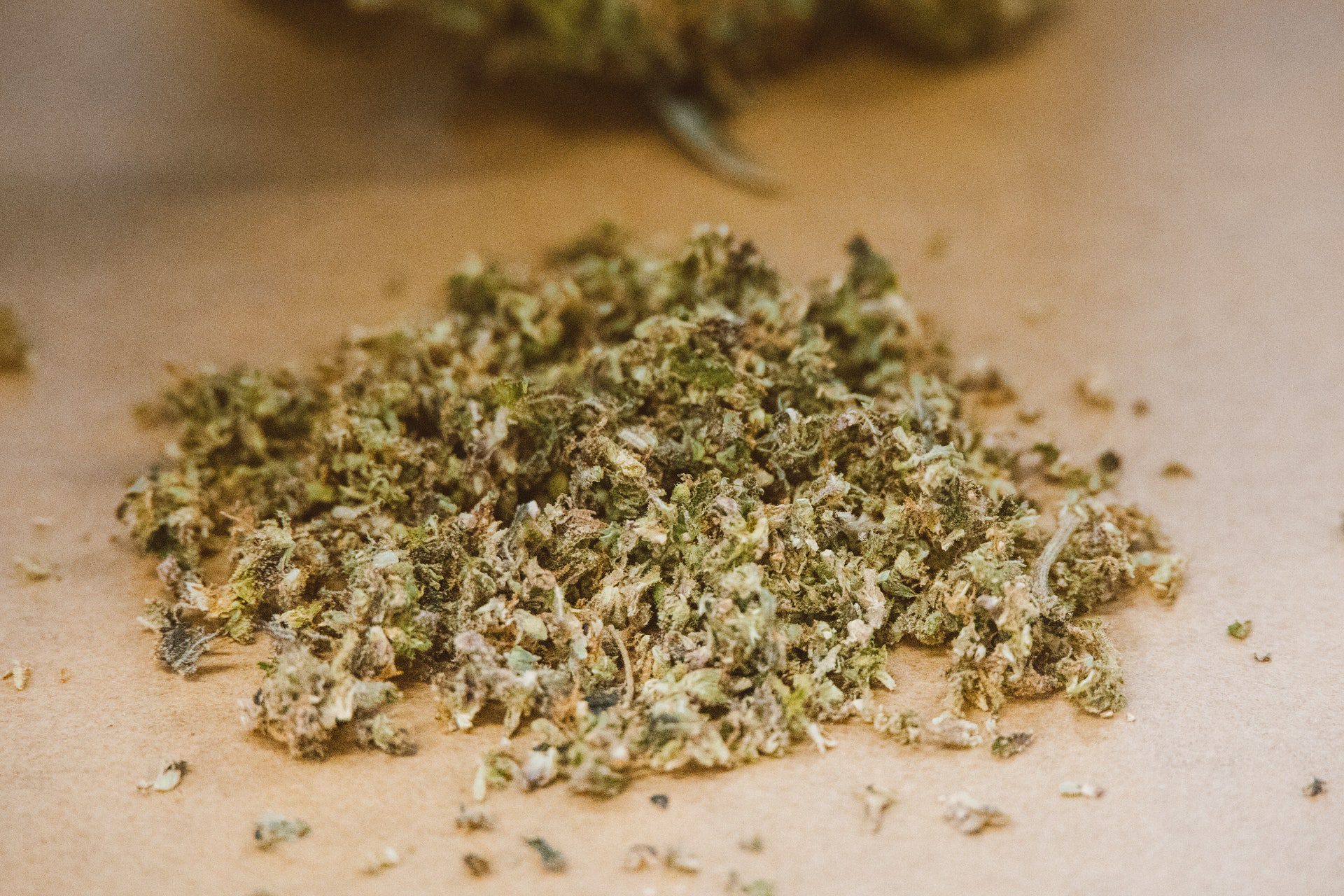
Herbs are dried and often meticulously trimmed hemp flowers. Users can smoke or vaporize them, and also use them to prepare infusions. The advantages of herbs include a rapid onset of action upon inhalation and a full terpene profile. However, drawbacks include the need for accessories such as a grinder or vaporizer, and a more pronounced aroma, which may not be to everyone's liking.
CBD oils
Oils are CBD extracts dissolved in a carrier oil (e.g., olive oil, MCT oil). They are convenient to dose and can be administered sublingually or added to food. Absorption is slower than inhalation, but the effects may be longer. CBD oils are available in various concentrations, allowing for more precise supplementation.
Capsules and oral forms
CBD oil capsules are a solution for those who value ease of use and a tasteless feel. CBD-infused gummies, chocolates, and drinks are also available on the market. Oral forms offer the advantage of discretion, but they take longer to work because they must pass through the digestive system.
CBD cosmetics
Cannabidiol in cosmetics supports skin care thanks to its anti-inflammatory and antioxidant properties. Balms, creams, ointments, and shampoos containing CBD can soothe skin inflammation, eczema, and acne. Topical application minimizes systemic absorption and drug interactions, making hemp cosmetics a safe addition to skincare.
Each of the above forms has a different duration of action, bioavailability, and intended use. The choice depends on preferences, expectations, and possible medical indications.
Properties and potential benefits of CBD herb
CBD research is ongoing, and the results are promising, though often preliminary. It's important to remember that CBD isn't a cure-all, and its effects in many areas require further research. The following sections discuss the potential benefits of CBD.
Reducing stress and anxiety
One of the most common reasons for using CBD is to reduce stress and anxiety. Research suggests that CBD may affect 5-HT1A serotonin receptors and modulate limbic system activity, contributing to a sense of calm. For social anxiety, a dose of approximately 300 mg of cannabidiol reduced public speaking anxiety compared to a placebo in some studies. However, other studies did not confirm CBD's effect on cortisol levels or blood pressure. Consequently, researchers suggest further, long-term clinical trials are needed to determine CBD's effectiveness in reducing anxiety.
Support for healthy sleep
Insomnia and sleep problems affect a large portion of the population, particularly in developed countries. CBD may help improve sleep quality by reducing anxiety and relieving tension. Some studies indicate that regular use of CBD products can shorten the time it takes to fall asleep and extend the phases of deep sleep. People who use CBD herb often describe a state of relaxation, but reactions can vary from person to person and depend on the dose.
Analgesic and anti-inflammatory effects
Cannabinoids, including CBD, influence pain perception by interacting with TRPV1 receptors and modulating inflammatory processes. Some laboratory and clinical studies indicate that CBD may alleviate neuropathic pain and reduce inflammation. However, large-scale clinical trials confirming CBD's effectiveness in treating chronic pain are still lacking. Therefore, CBD is often used as a supplement to traditional therapies rather than as a primary pain reliever.
Support for the nervous system
CBD has neuroprotective properties, which is why it is being studied in the context of neurological disorders. The strongest evidence supports the use of CBD-containing pharmaceuticals in the treatment of severe forms of epilepsy, such as Dravet syndrome and Lennox-Gastaut syndrome. These preparations, administered in doses determined by a physician, help reduce the frequency of seizures. The potential use of CBD in Parkinson's disease, multiple sclerosis, and other neurodegenerative diseases is also being investigated, but conclusive conclusions are lacking in these areas.
Impact on mental health
In addition to its anti-anxiety effects, CBD is being studied as a supportive treatment for depression and schizophrenia. In some studies, CBD has demonstrated antipsychotic effects comparable to conventional medications, with fewer side effects. However, results are limited and often contradictory, and experts emphasize that CBD will not replace standard pharmacotherapy. The use of CBD for mental disorders should be consulted with a physician.
Immune and cardiovascular systems
By modulating CB2 receptors and inhibiting inflammation, CBD may support immune system function. Scientific literature suggests that CBD may lower blood pressure and have a beneficial effect on the circulatory system. However, further research is needed to determine the mechanisms and indications for the use of CBD in cardiovascular diseases.
Effect on the skin
Cosmetics containing CBD exhibit anti-inflammatory, antibacterial, and antioxidant properties, which can aid in the treatment of acne, eczema, and atopic dermatitis. Topically applied CBD products help maintain skin hydration and support regenerative processes. CBD can also be used as a vapor or infusion for aromatherapy, promoting relaxation and improving overall skin condition by reducing stress.
Antioxidant potential
CBD and other cannabinoids have antioxidant properties, meaning they can neutralize free radicals. Free radicals are factors that lead to cell aging and inflammation. CBD, as a source of cannabinoids and flavonoids, can support the body's natural defenses against oxidative stress.
Possible side effects and interactions
Although CBD is considered relatively safe, side effects can occur, especially at high doses. The most common include dry mouth, drowsiness, changes in appetite, diarrhea, and dizziness. Most of these symptoms are mild and subside after reducing the dose.
CBD-drug interactions are a crucial issue. Cannabidiol is metabolized by cytochrome P450 enzymes (primarily CYP3A4), which are responsible for the breakdown of approximately 60% drugs available on the market. Taking CBD concurrently with drugs metabolized by CYP3A4 may slow the breakdown of these drugs, leading to accumulation and an increased risk of adverse effects. Therefore, individuals taking ongoing therapies (e.g., antiepileptic, anticoagulant, antidepressant, or immunosuppressant medications) should consult a doctor before supplementing with CBD. Seniors, pregnant and breastfeeding women, and adolescents should exercise particular caution.
It's also worth noting that CBD products may slightly increase drug test results, especially if even minimal THC content is detected. Although CBD herb legally shouldn't exceed 0.21 TP3T THC, individuals subject to drug testing (e.g., commercial drivers) should ensure the product they use is certified and tested by independent laboratories.
Ways to use CBD herb
CBD can be used in several ways, each with its own advantages and limitations. The method chosen depends on user preference, desired speed of action, and therapeutic goals.
Vaporization
Vaporization involves heating the herb at a temperature sufficient to release the active compounds in vapor form, but below combustion temperature. Unlike traditional smoking, vaporization does not generate smoke or tar. The user inhales a vapor rich in cannabinoids and terpenes. This method ensures rapid bioavailability – the effects are felt within minutes – and a high degree of active ingredient utilization (up to 96%). Vaporization requires a vaporizer that maintains precise temperature control. Optimal settings vary depending on the strain, but are most often in the range of 160–200°C. Lower temperatures accentuate terpene aromas, while higher temperatures increase the amount of cannabinoids released.
Smoking in a paper or pipe
Traditionally, CBD herb is smoked in a rolling paper (joint) or pipe. This method is technically the easiest, but it has the disadvantage of destroying some of the compounds and inhaling tar. When smoking in a rolling paper, the bioavailability of cannabinoids is approximately 20%, which is significantly lower than when vaporizing. Therefore, those concerned about their health and effectiveness should consider investing in a vaporizer.
Teas and infusions
CBD can also be brewed as a tea or infusion. To prepare an infusion, pour hot water (approximately 95°C) over a measured portion of the herb and let it steep, covered, for a few minutes. It's worth adding a bit of fat (e.g., plant-based milk or coconut oil) to the infusion, as cannabinoids dissolve more readily in fat than in water. The infusion has a mild hemp flavor and its effects take longer to manifest than with inhalation, as the active ingredients must pass through the digestive tract. Infusions are a good alternative for those who prefer not to inhale the herb.
Decarboxylation and extractions
CBD in raw hemp is primarily present in the acid form – CBDA. To activate cannabidiol and other cannabinoids, the hemp must be decarboxylated, meaning it must be heated to approximately 105–110°C for 30–40 minutes. Vaporizing and smoking automatically decarboxylate the compounds, but if you plan to extract oil or make hemp cookies, it's worth preheating the hemp in the oven. Home hemp extraction involves soaking the decarboxylated flowers in fat (e.g., butter, olive oil), which allows you to create your own hemp oil for culinary purposes. However, be careful with the dosage and even mixing of the ingredients to avoid excessively high concentrations.
Dosage and phasing
There's no single universal dose of CBD. The amount needed to achieve the desired effect depends on body weight, individual sensitivity, tolerance, and the CBD concentration in the herb. Beginners are advised to start with small doses—for example, 10 mg of CBD per serving—and gradually increase, observing their body's response. If the herb contains 5% CBD, 0.2 g of the herb provides approximately 10 mg of cannabidiol. Individuals with a higher weight or higher tolerance may require higher doses. It's crucial to avoid excessive amounts, which may not necessarily produce a better effect and may cause drowsiness or weakness.
Choosing the right CBD herb
There are many CBD products available on the market, varying in quality, aroma, and potency. To make an informed choice, it's worth considering a few key factors.
CBD and THC content
The most important parameter is the CBD content, expressed as a percentage. Most legal herbal products offer concentrations ranging from 3% to 15% CBD, although higher-content varieties are emerging. Users should choose the concentration based on their needs: lower for everyday relaxation, higher for specific ailments. THC content is equally important – according to Polish law, the limit is 0.2%. Products with higher THC content are illegal and may cause psychoactive effects.
Cannabinoid spectrum
Herbs are divided into full-spectrum products and isolates. Full-spectrum contains all natural cannabinoids and terpenes, which can act synergistically, while isolates are CBD-dominated and devoid of other compounds. Those seeking a stronger therapeutic effect often choose full-spectrum products. Isolates, on the other hand, are preferred by users who need to avoid even trace amounts of THC.
Cultivation method
The cultivation method has a huge impact on the taste, aroma, and quality of the herb. Indoor cultivation allows for controlled environmental conditions (lighting, humidity, soil composition), leading to dense, terpene-rich flowers. Indoor herb can be more expensive, but it has an intense aroma and fewer leaves. Outdoor cultivation is cheaper, and the flowers may have fewer terpenes and more seeds, although this isn't always the case. The greenhouse method combines the advantages of both approaches – plants benefit from natural light while being partially protected from changing weather conditions.
Purity and certificates
When purchasing CBD, ensure it comes from a certified farm free of pesticides, heavy metals, and other contaminants. Reputable producers provide laboratory test results confirming the product's chemical composition and safety. It's worth choosing stores that provide detailed information about the origin of the product and offer products from a legal source.
Terpene Profile and Aromas
CBD buds come in many varieties with varying terpene profiles. Citrus, pine, fruity, herbal, or even sweet aromas result from a mix of terpenes. For example, strains with a dominant limonene will have a citrusy scent, while those with a predominance of linalool will have a more relaxing effect. Choosing a strain should depend on your aromatic preferences and desired effects.
Types of strains – Sativa, Indica and hybrids
CBD herbs include Sativa, Indica, and hybrid varieties. Seed varieties are usually derived from the species Cannabis sativa, but through crossbreeding, diverse chemical profiles are created. While the terms "Sativa" and "Indica" in the context of marijuana describe psychoactive effects, in the case of CBD herb, they refer more to the dominant terpenes. "Sativa" strains often have a citrus aroma and an energizing effect, while "Indica" strains are characterized by an earthy scent and a more relaxing effect. Hybrids combine characteristics of both types.
Variety and experimentation
The world of CBD herbs is incredibly diverse. Varieties are available in fruity, herbal, and even exotic flavors, such as "Amnesia," "AK-47," and strawberry and chocolate hybrids. Experimenting with different terpene profiles allows you to find the aromas and effects that best suit your needs. This diversity is a significant advantage for those seeking a pleasant sensory experience during aromatherapy.
Storage and preservation of CBD herb
Properly storing CBD flower is crucial to preserving its properties. Flowers are sensitive to light, moisture, and temperature. Here are a few rules to follow:
- Store your herb in an airtight, preferably glass, container to limit oxygen exposure.
- Keep the container in a dry, cool, and shaded place. Light and high temperatures can degrade cannabinoids and terpenes.
- Maintain proper humidity. There are special humidity-regulating sachets (e.g., 62%) that help keep your flowers in perfect condition—not too dry, not too wet.
- Avoid plastic bags for long-term storage as they can attract pollen and terpenes statically.
- Don't grind your herb too early – grinding just before use helps preserve the aroma.
Following the above rules will ensure that the herb retains its strength, taste and aroma for a long time.
Comparison of CBD with other forms of hemp
To better understand the place of CBD in the hemp world, it is worth comparing it with other hemp products: medical marijuana, CBD oil, hashish, CBG herb, and synthetic cannabinoids.
CBD herb and medical marijuana
Medical marijuana is dried cannabis flowers that contain both CBD and significant amounts of THC. It's used to treat chronic pain, nausea, and multiple sclerosis, but it requires a doctor's prescription. CBD is non-psychoactive, so it can be used without the risk of a high. While medical marijuana can cause side effects typical of THC (e.g., euphoria, impaired concentration), CBD offers a more gentle form of support.
CBD herb and CBD oil
CBD oil is a cannabinoid extract dissolved in a fatty carrier. Oils are easy to use and discreet, and doses can be precisely measured. Absorption occurs through the mucous membrane under the tongue or through the digestive system. Compared to herbal tea, the effects of oil are slower and longer. CBD, on the other hand, allows for a fuller experience of the aromas and a faster onset of action.
CBD herb and hashish
CBD hashish is made from the concentrated resin of cannabis flowers. It contains a higher concentration of cannabinoids than herbal tea and is often used for vaporization or smoking in small doses. Because it is more concentrated, it requires careful dosing. CBD herbal tea is more gentle and its effects are easier to control.
CBD herb and CBG herb
CBG (cannabigerol) is another cannabinoid with potential anti-inflammatory and antibacterial effects. CBG herb is new to the market and typically has a lower concentration of CBG than CBD herb, which contains CBD. The choice between CBD and CBG herb depends on the desired effect and preference – some users combine both herbs to achieve a broader range of effects.
CBD herb and synthetic cannabinoids
Synthetic cannabinoids are laboratory compounds that mimic the effects of natural cannabinoids, but they often carry a high risk of adverse effects. In the past, they have appeared on the market as "legal highs" and have been responsible for numerous cases of poisoning. CBD is a natural product and, if obtained from a legal source, is significantly safer. Synthetic substances should never be used when natural, tested alternatives exist.
CBD Herbs in Various Contexts
The potential uses of CBD herb extend beyond stress reduction and sleep improvement. The following sections discuss the situations in which it can be used, but it's always important to remember that it doesn't replace medical treatment.
Support for athletes
Physically active people are increasingly turning to CBD for recovery. Compounds found in the herb can soothe muscle micro-injuries, reduce inflammation, and aid post-workout relaxation. CBD may also support sleep, which is crucial for recovery. However, before including CBD in their supplementation, athletes should ensure the product does not exceed the THC limit to avoid problems during drug testing.
Women's health
CBD is being studied for its ability to alleviate symptoms associated with premenstrual syndrome (PMS), endometriosis, and menopause. Its anti-inflammatory and analgesic effects may help reduce menstrual cramps and improve mood. CBD can be used as a herbal tea or inhaler for natural support, but every woman should consult a doctor before using CBD for gynecological issues.
Aging support
In older adults, CBD can support sleep quality, alleviate joint pain, and improve well-being. Thanks to its neuroprotective properties, CBD is being studied for its ability to delay neurodegenerative processes. However, seniors should be especially mindful of possible interactions with medications and consult a doctor before using CBD.
The use of dried herb in the treatment of mental disorders
CBD is sometimes used as a complementary therapy for anxiety disorders and depression. Some studies suggest that CBD affects neurogenesis in the hippocampus, which may be important in the treatment of depression. Studies comparing CBD with antipsychotic medications are underway for schizophrenia. Although initial results seem promising, CBD use should always be supervised by a specialist.
CBD herb for animals
CBD products for pets, including dogs and cats, are appearing on the market. However, CBD products should not be administered to animals without consulting a veterinarian. Animals have different metabolisms and may react differently to cannabinoids. Special oils with lower concentrations are typically used, specifically for animals.
Mistakes and myths about CBD herb
There are many myths surrounding CBD. Here are the most common misconceptions that need to be dispelled:
- Myth: CBD herb acts like marijuana and is intoxicating. The truth: legal weed contains negligible amounts of THC and doesn't cause a high.
- Myth: The higher the dose, the better the effects. Truth: Increasing the dose beyond a certain threshold does not necessarily increase the benefits and may increase drowsiness or other side effects.
- Myth: CBD cures all diseases. Truth: CBD has broad potential, but it is not a substitute for medical therapy and requires further research.
- Myth: CBD herb can be purchased from any source. Truth: The quality of dried herbs depends on cultivation and processing. Choose certified products.
- Myth: CBD is completely safe for everyone. Truth: CBD may interact with medications and cause side effects; people taking medications should consult a doctor.
- Myth: CBD herb does not require decarboxylation. Truth: CBD is activated during vaporization or smoking; heating is necessary when preparing infusions or extracts.
Being aware of these myths helps you approach CBD in a responsible and fact-based manner.
Best practices and recommendations
If you decide to incorporate CBD herbs into your routine, follow a few proven rules:
- Start with small doses and gradually increase them, observing your body's response.
- Choose products from reputable manufacturers who provide laboratory test results.
- Consult your doctor, especially if you are taking medication or have a chronic illness.
- Use a vaporizer instead of smoking through paper to reduce tar inhalation and increase bioavailability.
- Store your herb in appropriate conditions to maintain its freshness and potency.
- Experiment with different terpene profiles to find the aroma and effects that are right for you.
- Do not drive or operate machinery immediately after using the herb until you know how your body reacts.
- Treat CBD as a support for a healthy lifestyle by incorporating proper diet, sleep, and physical activity into your routine.
Following these recommendations will help you achieve optimal results and avoid potential problems.
The Future of CBD Research and the Market
The CBD market is developing rapidly, and scientists around the world are exploring new applications for cannabinoids. The coming years will see progress in product standardization, new delivery methods (e.g., transdermal patches, aerosols), and a better understanding of the mechanisms of action. Legal developments will also be crucial – discussions are underway in the European Union to raise the permissible THC level in hemp products to 0.31 TP3T.
Scientists are focusing on the potential use of CBD in autoimmune diseases, cancer, and heart disease. Research is examining interactions between various cannabinoids (CBG, CBN) and terpene compounds to understand synergistic effects. In the future, we may also see a growing number of products combining CBD with other natural substances, such as adaptogens and vitamins, to enhance their effects.
From a consumer perspective, it will be important to approach purchases consciously and understand that while CBD offers many potential benefits, it is not a panacea. The future of the CBD market also lies in education – the more reliable knowledge, the easier it will be to make informed choices.
Frequently Asked Questions (FAQ)
Is CBD herb legal in Poland?
Yes, CBD is legal as long as it contains less than 0.21 TP3T THC. Products must come from licensed hemp farms and meet quality standards. Exceeding the THC limit makes the product illegal.
Is CBD herb addictive?
Cannabidiol is not addictive. Unlike THC, it doesn't cause euphoria or cravings. However, caution should be exercised and CBD should be used in moderate doses.
How long do the effects of CBD herb last?
Effects depend on the method of administration. Inhalation works quickly (5–15 minutes), but the effects last for about 2–3 hours. Infusions and edibles begin working after 30–90 minutes and can last for 4–6 hours.
Can I drive a car after using CBD herb?
CBD doesn't cause psychoactivity, but it may cause drowsiness and impair concentration. Before getting behind the wheel, test how your body reacts to cannabis. If in doubt, postpone driving until later.
Does CBD herb have side effects?
Possible side effects include dry mouth, drowsiness, changes in appetite, diarrhea, and dizziness. These are usually mild and subside with a reduced dose. If you experience any disturbing symptoms, discontinue use and consult your doctor.
What are the differences between CBD herb and CBD oil?
CBD herb is natural hemp flower that can be inhaled or infused. Oils are extracts dissolved in a fatty carrier. Herbs act faster but for a shorter period of time, while oils act slower but last longer. The choice depends on your preferences and desired effect.
Can CBD herb cause a positive drug test result?
The risk of a positive test is small, but it does exist due to trace amounts of THC. To minimize this risk, choose certified products and ensure the THC content does not exceed the legal limit.
How to store CBD herb so that it does not lose its properties?
Store dried flowers in an airtight glass jar in a cool, dark place. Avoid excess moisture and exposure to air. Use humidity-regulating sachets to maintain freshness.
How to choose the right dose of CBD herb?
Start with small amounts—around 10 mg of CBD—and gradually increase the dose, observing your body's response. When choosing a dose, consider the CBD concentration in the herb, body weight, and individual tolerance.
Can I brew CBD herb like tea?
Yes, you can brew the herb as an infusion. It's recommended to add a small amount of fat (e.g., milk or oil) to the water to increase the solubility of the cannabinoids. An infusion will have a slower effect than inhalation.
Is CBD herb suitable for children?
CBD use in children should only be under medical supervision. CBD preparations are used for some severe forms of epilepsy, but dosages and safety must be closely monitored. Self-administration of CBD to children is not recommended.
What are the most important criteria for choosing high-quality dried herbs?
The most important factors are: legal THC content, high CBD percentage, certificates confirming purity, cultivation method (preferably indoor or greenhouse), fresh aroma, lack of impurities and the presence of laboratory tests.
Does CBD help with chronic pain?
CBD has potential analgesic properties by modulating pain receptors and reducing inflammation. However, evidence is limited and often involves small study groups. CBD can be used as a complement to therapy but is not a substitute for pain medication.
Can CBD herb be mixed with tobacco?
Combining CBD with tobacco is not recommended. Tobacco contains nicotine and tar, which are harmful to health. Vaporizing or pure inhalation of the herb avoids additional toxins.
What is the entourage effect?
The entourage effect is the phenomenon of synergistic action of various cannabinoids and terpenes present in cannabis. This means that the combination of compounds produces a more potent effect than either compound alone. Therefore, full-spectrum products may offer a broader spectrum of effects than isolates.
Can I use CBD herb while pregnant?
Pregnant and breastfeeding women should avoid using CBD and other hemp products. There is insufficient scientific evidence to support the safety of CBD during these periods, so caution is advised.
How long does it take to decarboxylate CBD herb?
Decarboxylation is the process of activating cannabinoids. To decarboxylate the herb, it must be heated to approximately 105–110°C for 30–40 minutes. During vaporization and smoking, decarboxylation occurs automatically.
Do different varieties of CBD herbs have different effects?
Yes, strains vary in their terpene profile and concentration of individual cannabinoids. Limonene-dominant strains can be stimulating, while those rich in linalool can be more relaxing. It's worth trying different strains to find the one that best suits your needs.
Can CBD herb help you quit smoking?
Some studies suggest that CBD may reduce nicotine cravings by modulating the nervous system. Users report that replacing cigarettes with CBD vaporization helps reduce smoking. However, its effectiveness in smoking cessation is not conclusively proven and requires further research.
Can you combine CBD herb with alcohol?
Combining CBD with alcohol may increase the sedative effects, leading to increased drowsiness. Drinking alcohol while taking CBD is not recommended, especially if you plan to drive or operate machinery.
This comprehensive guide provides comprehensive knowledge about CBD herb—from its definition, chemical composition, mechanism of action, potential benefits, and safe use guidelines. Please note that the information contained herein is for educational purposes only and does not replace medical advice. CBD herb can be a valuable support for a healthy lifestyle if used consciously, responsibly, and always in moderation.