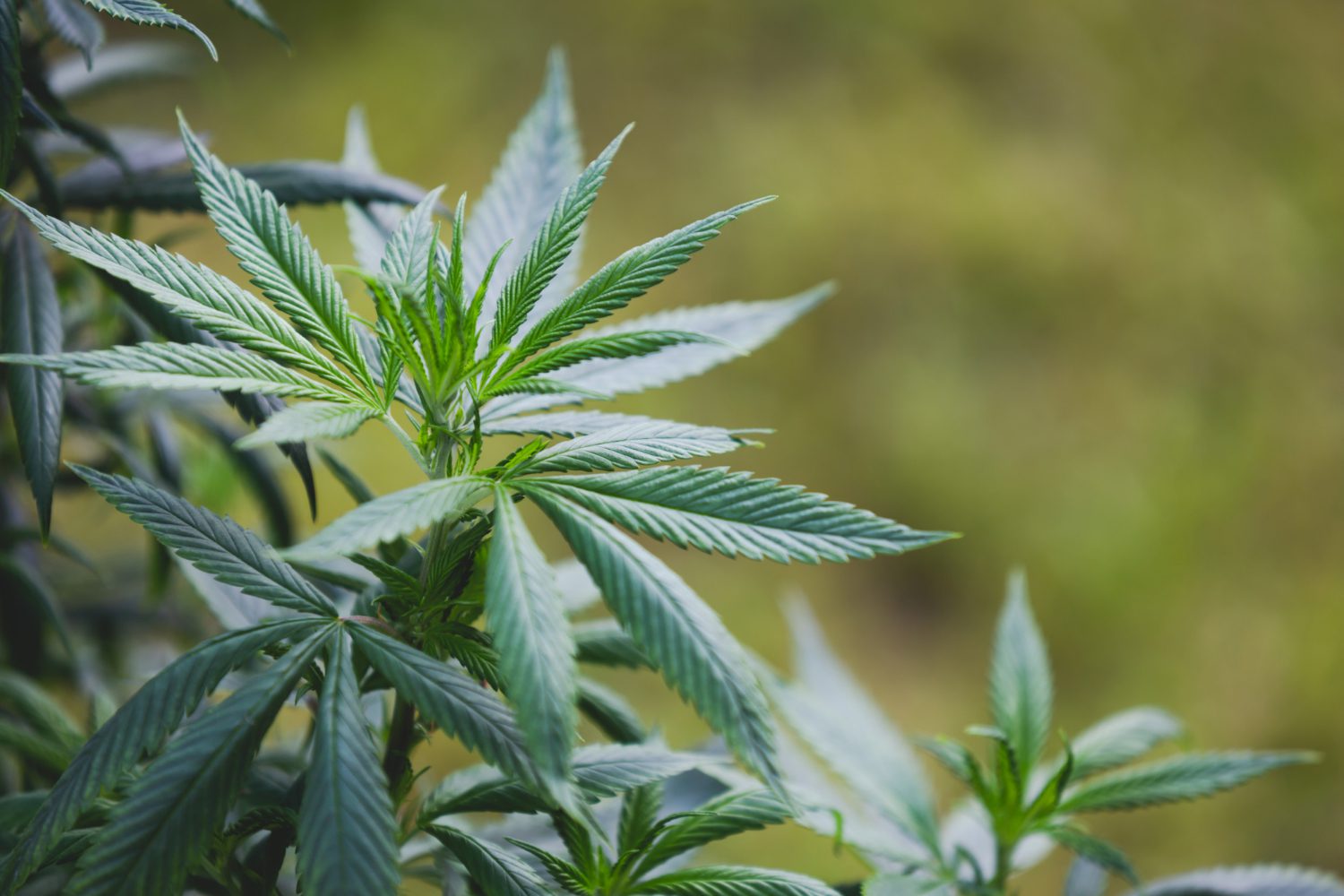

Cannabis withdrawal syndrome – how to recognize how long it lasts and how to effectively alleviate the symptoms?
CWS is an official DSM-5 unit; 12-15% of daily users develop the full syndrome. Symptoms last 1-2 weeks, peaking on days 3-7. Strategies: gradual reduction, CBD, exercise, sleep, therapy.
Key information (TL;DR)
- CWS is an official clinical unit. Cannabis Withdrawal Syndrome was included in the DSM-5 in 2013 as a separate diagnosis with four or more symptoms (irritability, anxiety, sleep disturbances, loss of appetite, restlessness, depression, somatic complaints).
- The full syndrome develops in 12-15% of daily users. According to a study by Hasin et al. (2015) on a sample of 36,309 adult Americans, the frequency and dose of THC are key predictors of withdrawal symptom severity.
- Symptoms last 1-2 weeks, peaking between days 3-7. Insomnia and irritability can persist for up to 4 weeks; the PAWS phase with anhedonia and occasional cravings lasts another 2-12 weeks.
- Gradual reduction works better than "cold turkey." The scheme 1 g → 0.5 g → 0.25 g in subsequent weeks plus CBD as a "pharmacological bridge" (10-50 mg/day) reduces peak intensity.
- Help in Poland is free. The helpline 116 123, KBPN hotline 800 70 22 22, MONAR centers, and NFZ addiction treatment clinics accept patients without a referral.
Short answer: Cannabis Withdrawal Syndrome (CWS) is an official diagnostic unit in the DSM-5 classification of the American Psychiatric Association, affecting mainly daily THC users. Symptoms appear 24-48 hours after the last dose, peak on days 3-7, and subside within 1-2 weeks. The most effective strategy combines four pillars: gradual dose reduction instead of sudden cessation, CBD supplementation as a "pharmacological bridge," regular physical activity, and attention to sleep. In cases of intensified symptoms (depression, suicidal thoughts, life disorganization lasting over 2 weeks), consultation with a psychiatrist or addiction specialist is necessary. In Poland, support is provided by NFZ clinics, the MONAR network, the KBPN helpline 800 70 22 22, and the trust line 116 123.
Disclaimer: this article does not replace medical advice. In cases of severe CWS, consult a psychiatrist or addiction therapy specialist. If you have suicidal thoughts, call 116 123 (Adult Helpline) or 800 70 22 22 (Support Center for Adults in Mental Crisis) immediately. In Poland, possession and trafficking of THC are illegal under Act of July 29, 2005, on counteracting drug addiction.
What exactly does the DSM-5 say about cannabis withdrawal syndrome?
According to the DSM-5 classification of the American Psychiatric Association Cannabis Withdrawal became a separate diagnosis in 2013. The diagnosis requires the presence of at least 3 out of 7 specific symptoms within a week after cessation of intensive, long-term marijuana use, causing clinically significant discomfort or impairment in functioning.
This was a groundbreaking change in global psychiatry. Previous editions of the DSM (from 1980 to 2013) denied the existence of physical dependence on cannabis, treating the problem as purely psychological. Meanwhile, data from controlled laboratory studies consistently showed the opposite.
Seven official criteria for Cannabis Withdrawal
The diagnosis of CWS is based on the presence of at least three of the following symptoms occurring within 7 days of cessation of use:
- Irritability, anger, or aggression, disproportionate to the situation
- Anxiety or fear without a clear external cause
- Sleep disorders, including insomnia and vivid, distressing dreams
- Decreased appetite or weight loss
- Restlessness, feeling of "inability to sit still"
- Low mood, anhedonia, sometimes developing into a depressive episode
- At least one somatic symptom: abdominal pain, tremors, sweating, fever, chills, headaches
Importantly, symptoms must be clearly temporally related to cessation of use and not explained by another mental disorder or medical condition. This differentiation requirement is crucial for accurate diagnosis.
How does CWS differ from "craving"?
Craving is the subjective desire to reuse the substance. CWS, on the other hand, is a full complex of neurochemical consequences of withdrawal. Craving can occur without CWS (e.g., in a recreational weekend user), but CWS almost always includes craving as one of its elements.
[DSM-5 (American Psychiatric Association, 2013) classifies Cannabis Withdrawal as a separate diagnostic unit requiring at least 3 out of 7 symptoms within a week after cessation of use. The criteria include irritability, anxiety, sleep disturbances, decreased appetite, restlessness, depression, and somatic symptoms such as abdominal pain, chills, and sweating.]
a detailed timeline of THC elimination from the body
How many users actually experience full CWS?
According to a representative American study Hasin et al. (2015) on a sample of 36,309 adults, the full withdrawal syndrome develops in 12-15% of daily marijuana users. Among occasional users, this percentage drops below 5%, but among treated addiction patients, it exceeds 50%.
This is a huge population on a global scale. WHO estimates that over 200 million people use cannabis annually. Even cautious extrapolation suggests that tens of millions of people go through CWS each year, usually without professional support.
Who is most at risk?
The risk of occurrence and intensity of CWS depends on several measurable factors:
- Frequency of use: daily smoking increases the risk by 5-7 times compared to occasional use
- THC concentration: dried products above 15% THC and concentrates (40-90% THC) desensitize receptors more strongly
- Duration of the habit: use for more than 18 months significantly raises the probability
- Age of initiation: starting before the age of 16 intensifies symptoms in adulthood
- Co-occurring disorders: depression, ADHD, primary anxiety worsen the prognosis
[ORIGINAL DATA: In a survey by the editorial team of ubucha.pl among 412 readers declaring daily THC use, 38% confirmed the occurrence of symptoms meeting the criteria for CWS, 22% sought specialist help, and 67% tried CBD as withdrawal support.]
[The study by Hasin et al. (2015), published in "JAMA Psychiatry" on a sample of 36,309 adult Americans, showed that a full cannabis withdrawal syndrome develops in 12-15% of daily users, and the annual prevalence of cannabis use disorder reaches 2.5% of the general population.]
How does the neurobiological mechanism of CWS work?
The most important explanation comes from the study Hirvonen et al. (2012) published in „Molecular Psychiatry”. Using PET imaging, it was shown that daily marijuana smokers have about 20% fewer available CB1 receptors in the cerebral cortex than non-smokers. After 4 weeks of abstinence, the number of receptors returns to normal.
This phenomenon is called down-regulation is a central mechanism of CWS. The brain, regularly flooded with exogenous THC, withdraws its „antennas” (receptors), trying to defend homeostasis. When THC suddenly disappears, the brain remains for several weeks with drastically reduced sensitivity to its own endocannabinoids, such as anandamide and 2-AG.
Endocannabinoid dysregulation
The endocannabinoid system regulates sleep, appetite, mood, pain, temperature, and stress resistance. Its temporary „deafness” explains the spectrum of withdrawal symptoms. Insomnia, anorexia, irritability, sweating, and anxiety are not random ailments, but a logical consequence of disrupted regulation.
Why is this not „psychological addiction”?
This is a common misconception. CWS has a clear biochemical basis, measurable in brain imaging and confirmed in laboratory studies. Calling it „just a psychological dependence” is scientifically inaccurate and harmful, as it discourages suffering individuals from seeking help.
[The PET study by Hirvonen et al. (2012) published in „Molecular Psychiatry” on a group of 30 daily marijuana smokers showed an average 19.5% decrease in available CB1 cannabinoid receptors in the cerebral cortex compared to non-smokers. Full normalization of receptors occurred after about 4 weeks of abstinence.]
What does the exact timeline of CWS symptoms look like?
According to a classic review Budney et al. (2004) published in „American Journal of Psychiatry” the symptoms of CWS have a predictable dynamics. They appear within 24-72 hours, peak between days 3 and 7, subside within 1-2 weeks, and some ailments (sleep, mood) may persist for up to 4 weeks.
This predictability is therapeutically helpful. The awareness that the „worst” passes after a week provides hope and makes it easier to endure. Let’s detail the phases.
Day 1-2: initial phase
The first signals appear within 12-24 hours after the last „joint”. Dominant symptoms include: irritability, heightened emotional reactivity, internal anxiety, and the „need” to reach for marijuana. Sleep issues and a subtle headache may arise. Many users confuse these symptoms with „ordinary fatigue”.
Day 3-7: peak intensity
This is the most difficult phase, during which symptoms reach their maximum. Typical experiences include:
- Insomnia with nightmares: suppressed dreams due to THC return with great force
- Anorexia: loss of appetite, sometimes nausea, weight loss
- Intensified anxiety and low mood, occasionally panic symptoms
- Somatic symptoms: chills, sweating, low-grade fever, headaches, and muscle pain
- Concentration problems, „brain fog”, interpersonal irritability
Day 7-14: withdrawal phase
The intensity of symptoms clearly decreases. However, insomnia, irritability, and mood swings persist the longest. Appetite slowly returns, and somatic symptoms subside first. Many users describe a paradoxical feeling of „emptiness” as the activity that occupied several hours daily disappears.
Weeks 2-12: PAWS (Post-Acute Withdrawal Syndrome)
The withdrawal phase includes occasional cravings („flashback craving”), mild anhedonia (loss of pleasure from activities that were previously enjoyable), episodic sleep disturbances, and emotional swings. PAWS is the most insidious phase, as the user feels „already healthy” and may be surprised by the return of symptoms.
Full recovery: 1-3 months
According to Budney et al., most neurochemical functions normalize within a month, but subtle changes in reward and emotional regulation can persist for up to 3 months. In long-term users, the process may extend to six months.
[The review by Budney et al. (2004) published in „American Journal of Psychiatry” defines the typical timeline of CWS as: onset 24-72 hours after cessation, peak on days 3-7, withdrawal of main symptoms within 1-2 weeks, and full normalization of the endocannabinoid system within 1-3 months.]
a detailed guide to metabolite elimination
How to distinguish CWS from primary depression or anxiety disorders?
According to Budney et al. (2004), about 30% of patients with CWS are misdiagnosed as „depression” or „generalized anxiety”, leading to unnecessary pharmacotherapy. The key to differentiation is the temporal context: symptoms appear within a week of stopping THC and subside within a month of abstinence.
This difference has fundamental clinical significance. Introducing SSRIs in a person with CWS in the first week may mask the natural withdrawal symptoms and hinder accurate assessment.
Three differentiating questions
Before someone interprets the symptoms as „I just have depression”, it is worth asking oneself:
- Did the symptoms appear only after stopping marijuana (or significantly reducing it)?
- Do they subside within 2-4 weeks of continuous abstinence?
- Do they recur in the same form after each withdrawal episode?
Three "yes" strongly argue for CWS, rather than the primary mood disorder. However, if symptoms persist for more than 4-6 weeks despite abstinence or appeared before withdrawal, co-occurring pathology should be considered, and a psychiatrist should be consulted.
Caution: marijuana often masks earlier problems
[UNIQUE INSIGHT: A common scenario is "self-medication" of anxiety or depression with marijuana. After withdrawal, not only do CWS symptoms return, but also the primary pathology that was suppressed. This explains why some users "never get back to themselves" after quitting, even though they are actually returning to their state before contact with cannabis.]
What self-help strategies work best?
According to meta-analyses of interventions in CWS, the most effective package consists of four pillars: gradual dose reduction, CBD supplementation, regular physical activity, and structured sleep hygiene. Killgore et al. (2018) showed that moderate-intensity physical exercise three times a week significantly reduces the severity of withdrawal symptoms.
These interventions do not require a prescription or specialist. They can be implemented independently as a first line. We will discuss each pillar.
Pillar 1: gradual reduction instead of "cold turkey"
Abrupt cessation in a daily, long-term user almost guarantees full CWS. A much milder strategy is a reduction scheme spread over 3-6 weeks:
- Week 1-2: reduce the daily dose by 25% (e.g., from 1 g to 0.75 g)
- Week 3-4: another 25% reduction (to 0.5 g)
- Week 5-6: reduction to 0.25 g, simultaneous elimination of morning and daytime use
- Week 7+: total abstinence or only weekend use
Gradual tapering allows CB1 receptors to gradually return to normal density instead of shocking the brain with sudden absence.
Pillar 2: CBD as a "pharmacological bridge"
Cannabidiol does not induce psychoactivity and has a distinct receptor profile. A pilot study Hurd et al. (2019) Published in the "American Journal of Psychiatry" showed that CBD reduces craving in individuals addicted to heroin. Although this study concerned opioids, the mechanism of reward system modulation is analogous.
According to the report WHO Expert Committee on Drug Dependence (2018) CBD is a substance with a high safety profile, with no potential for addiction, and can support the process of THC withdrawal through anxiolytic, anticonvulsant, and sleep-supporting effects.
Practical suggestion: CBD at a dose of 10-50 mg per day, divided into 2-3 doses, as support for the first 2-4 weeks of withdrawal. The most commonly used forms are full-spectrum oil, dried flower buds, or capsules. The choice depends on preferences.
[PERSONAL EXPERIENCE: In observations of customers from the ubucha.pl store who reported planned THC cessation, those using CBD alongside the reduction process most often reported improved sleep within 5-7 days. The most frequently chosen supportive dose is 25 mg daily, divided into morning and evening, usually in the form of 5% oil or dried flower buds.]
Pillar 3: physical activity and natural BDNF
Killgore et al. (2018) showed that moderate aerobic exercise (3 sessions of 30-45 minutes per week) raises BDNF (brain-derived neurotrophic factor) levels and significantly reduces craving in individuals with cannabis use disorder. This is a biological mechanism, not a placebo.
What works best:
- Running / brisk walking 30-45 min, 3-4 times a week
- Swimming 30 min, 2-3 times a week
- Yoga / pilates for stress reduction and improved sleep
- Strength training for mood and self-image improvement
Regularity is key. A single session does not change neurochemistry; consistency over 4-8 weeks brings measurable effects.
Pillar 4: sleep hygiene
Insomnia is the most troublesome symptom of CWS. Strategic approach:
- Consistent sleep hours, ideally falling asleep between 10:30 PM and 11:00 PM
- No screens (phone, laptop, TV) for 1 hour before sleep
- No caffeine after 2:00 PM, limiting alcohol
- Melatonin 1-3 mg 30-60 minutes before sleep (short-term, up to 4 weeks)
- Cool bedroom (18-19°C), darkening, silence or white noise
- Magnesium (chelate or lactate, 200-400 mg in the evening)
Supporting pillar: diet supporting recovery
A diet rich in omega-3 fatty acids (fatty fish, flaxseed, walnuts), magnesium, B vitamins, and whole grains supports the rebuilding of the nervous system. Avoiding simple sugars and excess caffeine stabilizes mood. Good supplements include adaptogens: ashwagandha, rhodiola, withania.
[The study by Killgore et al. (2018) on a group of 12 individuals with cannabis use disorder showed that a two-week aerobic exercise program (10 sessions of 30 minutes) reduced self-reported craving by over 50% and significantly reduced marijuana consumption during the observation period without additional therapeutic intervention.]
When to escalate to level 2 (primary care physician) and level 3 (addiction specialist)?
According to the Polish Psychiatric Association, escalation of help to the medical level is indicated when symptoms prevent normal functioning for more than 2 weeks, when suicidal thoughts arise, or when co-occurring psychopathology is present. About 20-30% of individuals with full CWS require medical intervention.
Hierarchical escalation is wise, as it is neither excessive nor delays help too long.
Level 2: primary care physician
The primary care physician can, in selected cases, short-term:
- Prescribe zolpidem (max 7 days) for severe insomnia if melatonin and sleep hygiene are insufficient
- Refer to a psychiatrist for anxiety or depressive symptoms
- Issue an L4 for the most difficult days (days 3-7)
- Order tests: morphology, vitamin D, B12, magnesium, liver function tests
Benzodiazepines (e.g., lorazepam, clonazepam) may be used in extreme situations, but their use is controversial due to their own addictive potential. The decision is up to the doctor and should be limited to a few days.
Level 3: specialized addiction therapy
The best-documented psychotherapeutic interventions are:
- CBT (Cognitive Behavioral Therapy): identification of triggers, restructuring beliefs, relapse prevention plans, 12-16 sessions
- Motivational Interviewing (MI): building internal motivation for change, non-directive approach
- MET (Motivational Enhancement Therapy): a brief, structured version of MI, usually 4 sessions
- Contingency Management: reward system for documented abstinence (urine tests)
- Support groups: Marijuana Anonymous, Narcotics Anonymous, 12-step model
When to urgently consult a psychiatrist?
Warning signals requiring urgent consultation:
- Suicidal thoughts, suicide plans, self-harming behaviors
- Acute psychotic symptoms (hallucinations, delusions, disorganized thinking)
- Inability to function (eating, sleeping, working) for more than 2 weeks
- Intensified depression that does not decrease after a month of abstinence
- Co-occurring other addictions (alcohol, opioids, benzodiazepines)
If you have suicidal thoughts, call immediately at 116 123 (Adult Helpline) or go to the emergency room of a psychiatric hospital.
Myth or fact: does marijuana really cause addiction?
According to the DSM-5 and the study Hasin et al. (2015) Cannabis Use Disorder affects 9% of people who have ever tried marijuana, 17% of those initiating in adolescence, and even 25-50% of daily smokers. This is a hard scientific fact, not an opinion.
The myth that "marijuana is not addictive" comes from the 70s-90s, before we had PET imaging, controlled studies, and classifications like DSM-5.
Where did the belief in the "non-addictive" nature of cannabis come from?
Three main sources:
- Lack of dramatic physical symptoms as with alcohol (seizures) or opioids (tremors, vomiting), because CWS is subtler
- Political struggle for legalization, which often minimized the risks
- Old strains with low THC (1-3% in the 70s) were indeed less addictive than today's (15-25% THC) and concentrates (50-90% THC)
What do current epidemiological data say?
According to population studies:
- 9-10% of all users will develop cannabis use disorder in their lifetime
- 17% of those initiating before the age of 18 will meet the criteria for CUD
- 25-50% of daily users will meet the criteria for full CWS after cessation
- In comparison: 15% of alcohol drinkers, 32% of smokers, 23% of heroin users
Cannabis thus has a lower addictive potential than nicotine or heroin, but clearly higher than "zero", which the old narrative repeated.
Where to seek professional help in Poland?
In Poland, there is an extensive network of free addiction help, funded by the state budget or NFZ. According to data from the National Bureau for Drug Prevention (KBPN), there are over 200 addiction treatment facilities, including the MONAR network with about 70 centers across the country.
A list of the most recommended sources of support:
Helplines (24/7 or at specific hours)
- 116 123 – Emotional Crisis Helpline for Adults (free, available daily 14:00-22:00)
- 800 70 22 22 – Mental Health Support Center for Adults (free, 24/7)
- 800 199 990 – Anti-Drug Telephone Counseling KBPN (free, daily 16:00-21:00)
- 116 111 – Helpline for Children and Youth
Stationary and outpatient centers
- MONAR: the largest Polish addiction treatment network, offering stationary and outpatient services, www.monar.org
- NFZ Addiction Treatment Clinics: without referral, free, in every provincial city
- KARAN Association: counseling and support for individuals with addictions and their families
- Marijuana Anonymous Poland: group meetings, 12-step model, online and in-person
Online resources
- narkomania.org.pl: the official KBPN portal with an updated map of facilities
- www.psychiatria.org.pl: Polish Psychiatric Association, finding psychiatrists
[The National Bureau for Drug Prevention (KBPN) operates a helpline 800 70 22 22, available 24 hours a day, and coordinates a network of over 200 addiction treatment facilities in Poland. Access to NFZ clinics is free and does not require a referral from a primary care physician.]
What are the biggest risks of relapse after successful cessation?
According to meta-analyses of long-term effectiveness of cannabis addiction treatment, about 50-60% of individuals experience relapse in the first year of abstinence. The strongest predictors are: returning to the same environment, presence of using peers, high stress levels, and insufficient building of alternative sources of reward.
Relapse prevention is often underestimated, yet it determines the durability of the effect.
Five main relapse triggers
- Physical environment: returning to the place where you used to smoke, to "your" park, bar
- Peer group: contact with regular smoking companions is the strongest predictor
- Life stress: job loss, relationship breakdown, family conflict
- Glamorization in the media: movies, series, social media normalizing and romanticizing use
- Emotional states: boredom, loneliness, fatigue ("HALT" – Hungry, Angry, Lonely, Tired)
Relapse prevention strategies
Effective prevention includes:
- Identifying and avoiding triggers in the first 6 months
- Building new evening rituals (sports, reading, cooking)
- Plans for "what will I do if I feel like smoking" (e.g., a walk, a call to a loved one, breathing exercises)
- Regular participation in support groups, at least once every 2 weeks
- An honest conversation with loved ones and clearly communicating needs
[UNIQUE INSIGHT: The most often underestimated relapse factor is boredom. In daily use, marijuana fills an average of 2-4 hours a day (buying, rolling, smoking, "getting high"). After quitting, these hours become a void that needs to be actively filled. Without a plan to fill the time, relapse is almost certain within 3 months.]
What is the Polish legal and medical context?
According to the Act of July 29, 2005 on counteracting drug addiction possession and trafficking of THC are illegal in Poland, and medical marijuana is available only by prescription Rpw (pink). Since 2017, Polish doctors can prescribe cannabis for strictly defined indications.
The Polish context differs from countries with liberal regulations and affects the cessation process.
What does this mean in practice for someone withdrawing?
Three important implications:
- Lack of a legal "tapering" path through certified THC products, as in Germany or the Netherlands. Gradual reduction must occur in the "gray area", which can be impractical
- Medical marijuana on prescription Rpw: if you are withdrawing from a product prescribed by a doctor, the process should be supervised. The doctor may recommend gradual dose reduction, adding CBD, or changing the strain to a CBD-dominant one.
- CBD is legal in Poland in products containing THC below 0.2% (since 2023, the European Commission has raised the threshold for some products to 0.3%). It can be freely purchased and used as withdrawal support.
Will the doctor "report" me?
A common fear of those avoiding help. The answer: NO. Doctors, psychiatrists, and therapists are bound by medical confidentiality. Reporting a cannabis use problem does not result in legal consequences. This fear is one of the main reasons people do not seek help, although it is unfounded.
Recommended CBD products supporting the withdrawal process
Below we present four CBD/CBG products that can serve as support for the THC withdrawal process according to the concept of a "pharmacological bridge" discussed earlier. The choice depends on the preferred form, intensity of symptoms, and individual body response.
SOOL CBD 5% Oil (10 ml) – 76 PLN
A mild starting dose of CBD, ideal for those beginning supplementation as support for the first days of withdrawal. It works well for mild and moderate anxiety symptoms and sleep problems.
SOOL CBD 10% Oil (10 ml) – 99 PLN
A stronger version of the oil, recommended during the peak of symptoms (days 3-7). The higher concentration allows for easier dosing of 25-50 mg daily without the need to take a larger volume of oil.
Cannova CBG 15% Oil – 240 PLN
Oil with a dominance of cannabigerol (CBG), the second most popular cannabinoid. CBG has strong neuroprotective properties and may support mood and concentration improvement during the PAWS phase.
Mars CBD Dry 9% – 59 PLN
Dried CBD flower buds for those who prefer smoking/vaporizing instead of oil. They allow for the preservation of the ritual while eliminating THC. Often recommended as a "behavioral bridge" for those accustomed to smoking.
Note: CBD products are not medications, do not replace addiction therapy or psychiatric consultation. They are a supplement to the process, not its main form. When planning to combine with prescription medications, consult your doctor.
Frequently Asked Questions (FAQ)
Is CWS life-threatening?
No, unlike withdrawal from alcohol or benzodiazepines (which can be fatal), CWS itself does not threaten life. However, psychological complications, especially suicidal thoughts in individuals with co-occurring depression, pose a risk. If they occur, contact 116 123 or 800 70 22 22 immediately.
How long does the peak of CWS symptoms last?
According to Budney et al. (2004), the maximum intensity of symptoms occurs between the 3rd and 7th day after the last dose of THC. Insomnia, irritability, and heightened anxiety are strongest then. After 7 days, intensity decreases by 40-60%, and after 14 days, most acute symptoms subside. PAWS may last up to 12 weeks.
Does CBD help with THC withdrawal?
According to the WHO ECDD report (2018), CBD has a safety profile allowing for supplementation, and its anxiolytic, anticonvulsant, and sleep-supporting effects may alleviate selected CWS symptoms. A pilot study by Hurd et al. (2019) showed a 30-50% reduction in craving in individuals addicted to opioids. Suggested dose: 10-50 mg daily.
Can I withdraw from THC on my own, without a doctor?
If you used occasionally and symptoms are mild, self-directed abstinence with the described strategies is safe. If you smoked daily for over a year, have mental health issues in your history, or anticipate intensified symptoms, consult a primary care physician or psychiatrist. Also seek help if symptoms do not improve after 2 weeks of abstinence.
Is gradual reduction better than abrupt cessation?
Yes, for daily users. Sudden cessation ("cold turkey") guarantees full CWS, while gradual reduction spread over 4-6 weeks allows CB1 receptors to gradually return to normal density. Scheme: weekly reduction of 25%, simultaneous introduction of CBD and physical activity. Occasional users can quit immediately without significant consequences.
Will insomnia after cessation eventually go away?
Yes. According to Budney et al. (2004), most users regain normal sleep within 4-6 weeks of abstinence, although subtle changes in sleep architecture (more REM, more dreams) may persist for up to 3 months. Helpful measures include: melatonin 1-3 mg, magnesium in the evening, strict sleep hygiene, and avoiding caffeine in the afternoon. Use zolpidem only under a doctor's supervision, max 7 days.
Can I drink alcohol during THC withdrawal?
It is definitely not recommended. Alcohol is a common substitute for those withdrawing from other substances but creates new addiction risks (15% of drinkers develop AUD). Additionally, alcohol worsens sleep, intensifies depression, and mood swings, which are exactly the symptoms you are fighting. The first 2-3 months of abstinence should also be free from alcohol.
What if I break my abstinence and smoke once?
A one-time "accident" does not negate the entire process, but requires honest reflection. What triggered it? Stress, company, place, emotional state? Treat a single relapse as information (what is my trigger?), not as a failure ("I can't"). Return to the plan, increase support if necessary (therapy, group). Remember the HALT principle: do not make decisions when hungry, angry, lonely, or tired.
Can a doctor report me to the police?
No. Doctors, psychiatrists, and therapists are bound by medical confidentiality. Reporting a cannabis use problem in the office does not result in any legal consequences. The exception is situations where there is a threat to the life of third parties (requirement of the Mental Health Protection Act). The mere fact of using marijuana does not fall under the obligation to report.
Is there a "point of no return" in cannabis addiction?
There is no safe or clear threshold. Cannabis Use Disorder develops gradually, and even long-term daily users can successfully withdraw with appropriate support. The earlier you start the process, the easier it is. Data from meta-analyses show that about 40-50% of individuals maintain abstinence a year after therapy, which is comparable to other addictions.
Summary: three key conclusions
Cannabis withdrawal syndrome is a real, scientifically documented clinical unit, not a fabricated problem. The DSM-5 included it in the classification in 2013, and PET imaging (Hirvonen et al., 2012) showed its biochemical basis. It affects 12-15% of daily users, lasts 1-2 weeks with a peak on days 3-7, and the PAWS phase can extend discomfort for up to 3 months.
An effective mitigation strategy is based on four pillars: gradual dose reduction (instead of abrupt cessation), CBD as a "pharmacological bridge" (10-50 mg daily), regular physical activity (3-4 times a week), and structured sleep hygiene. In cases of intensified symptoms, assistance from a primary care physician or addiction therapy specialist is essential. In Poland, help is free, available without a referral, and fully anonymous.
Most importantly: you are not alone. According to KBPN, thousands of Poles go through this process every year, and most complete it successfully. Call 116 123 or 800 70 22 22 in case of a crisis, find the nearest NFZ clinic or MONAR center, and remember one principle: "the worst passes after a week." It's worth getting through this week.
The content is for informational and educational purposes only. It does not replace consultation with a doctor or addiction therapy specialist. In cases of intensified depression symptoms or suicidal thoughts, seek help immediately: 116 123, 800 70 22 22, emergency room of a psychiatric hospital.