
Red eyes after cannabis use – mechanism, duration, ways to limit it
Red eyes after cannabis result from vasodilation of the conjunctival vessels induced by THC. The effect lasts 1-12 hours and is harmless in the short term.
KEY INFORMATION
- Red eyes after cannabis are the result of vasodilation of the conjunctival and scleral vessels caused by THC, which activates CB1 receptors in the smooth muscles of the vascular walls (Stanley et al., British Journal of Clinical Pharmacology, 2013).
- THC lowers intraocular pressure by an average of 25-30 percent within 60-90 minutes of inhalation, which constitutes a therapeutic effect historically used in glaucoma (Tomida et al., Journal of Glaucoma, 2006).
- The redness usually lasts 1-4 hours after inhalation and up to 12 hours after edibles. In the short term, the symptom is harmless and does not cause vision damage.
- Eye pain, photophobia, worsening vision, or persistent red eyes lasting more than 24 hours require urgent ophthalmological consultation. Possible causes: conjunctivitis, iritis, glaucoma.
- Broad-spectrum CBD and CBG products, free of THC, do not cause conjunctival vasodilation and are a safe choice for aesthetically sensitive individuals.
Important medical information (ophthalmology): This article is for educational and informational purposes only and does not replace consultation with an ophthalmologist. Red eyes after cannabis are usually harmless but can mask other conditions requiring diagnosis: bacterial or viral conjunctivitis, iritis, dry eye syndrome, allergic conjunctivitis, and in older individuals, angle-closure glaucoma. The reduction of intraocular pressure by THC is one of the historically described therapeutic effects, but modern ophthalmology does not recommend cannabis as a first-line treatment for glaucoma due to its short duration of action and psychotropic effects. If redness is accompanied by eye pain, photophobia, worsening visual acuity, seeing rainbow halos around lights, nausea, or vomiting, one should immediately consult an ophthalmologist or go to the emergency room. The contents of this text do not apply to patients under 18 years of age and to pregnant or breastfeeding women.
Red eyes after cannabis are one of the most characteristic yet often misunderstood side effects of using products containing tetrahydrocannabinol (THC). Contrary to popular belief, redness does not result from smoke or irritation, but from a precise pharmacological mechanism described in the ophthalmic literature since the 1970s. In this pillar guide, we explain why the whites of the eyes turn red, how long the effect lasts, what science says about the therapeutic use of THC in glaucoma, what strategies can help reduce redness, and when the symptom requires urgent ophthalmological consultation.
The article was prepared by Michał Waluk based on peer-reviewed medical publications (Stanley et al. 2013, British Journal of Clinical Pharmacology; Tomida et al. 2006, Journal of Glaucoma; Hepler and Frank 1971, JAMA; Russo 2017, Frontiers in Pharmacology; Polish Ophthalmological Society; American Academy of Ophthalmology; National Institutes of Health; PubMed Central; ACS Chemical Neuroscience; Cannabis and Cannabinoid Research).
What are red eyes after cannabis and why do they occur?
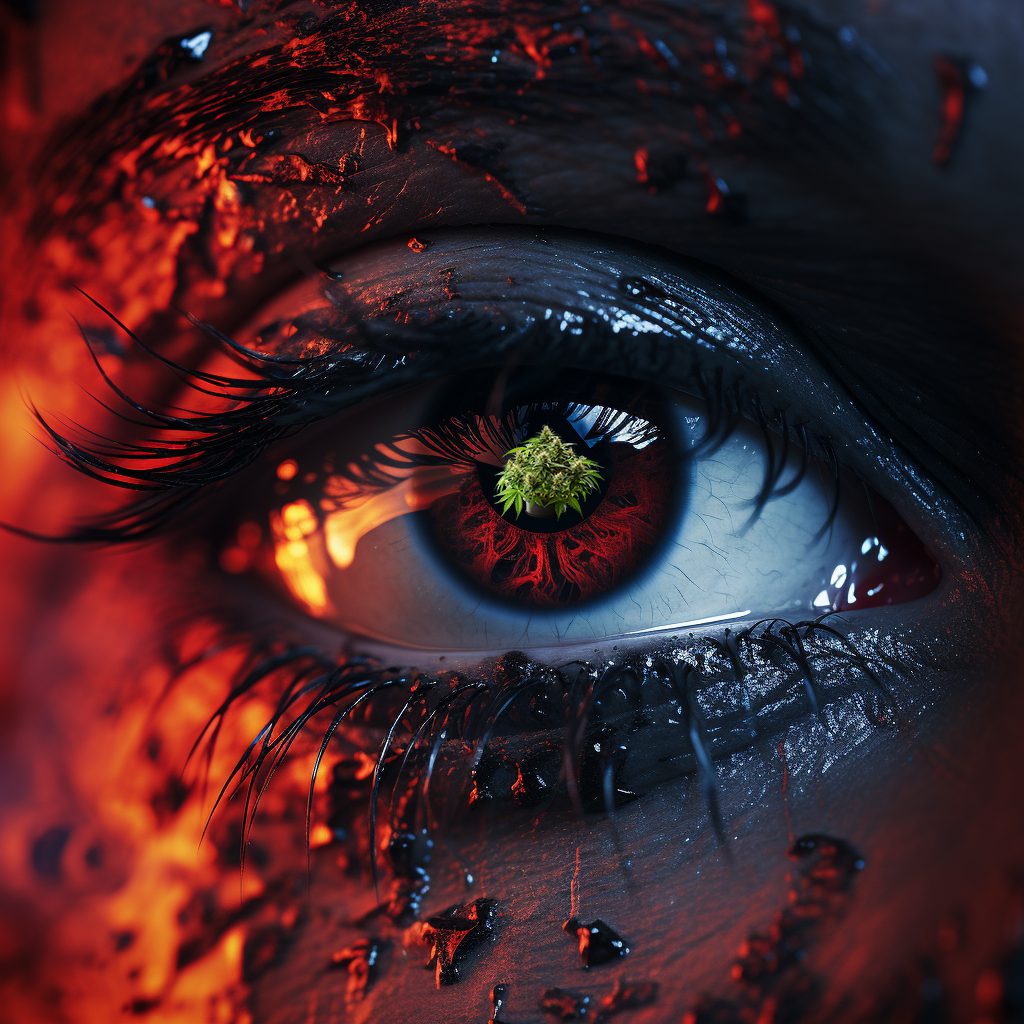
Red eyes after cannabis is a colloquial term for conjunctival hyperemia (hyperaemia conjunctivalis) caused by the dilation of superficial blood vessels in the whites of the eyes under the influence of THC. According to the review by Stanley et al. in British Journal of Clinical Pharmacology (2013) the effect affects about 70-85 percent of recreational marijuana users and appears within 5-15 minutes after inhalation.
This mechanism is fundamentally different from redness caused by alcohol, tobacco smoke, or allergens. THC activates CB1 cannabinoid receptors located in the smooth muscles of the vascular walls of the conjunctiva, leading to relaxation of these muscles and an increase in the diameter of the vascular lumen. As a result, more blood flows through these same vessels, and the dark red pigment of hemoglobin becomes clearly visible against the white sclera.
Citation Capsule: Conjunctival hyperemia after cannabis results from the activation of CB1 receptors in the smooth muscles of the conjunctival vessels by THC, leading to vasodilation and increased blood flow through the superficial network of the sclera. The effect affects 70-85 percent of users and lasts 1-4 hours after inhalation (Stanley et al., British Journal of Clinical Pharmacology, 2013).
pillar article on the side effects of THC and CBD
The difference between redness after THC and allergic
Redness of the conjunctiva after THC has a uniform, even distribution across the entire surface of the white of the eye and is not associated with itching or discharge. Allergic conjunctivitis, as described in the guidelines of the Polish Ophthalmological Society, is additionally characterized by itching, tearing, eyelid swelling, and mucoid-watery discharge. This difference aids in differential diagnosis at home.
In informal observations from customers of CBD cannabis shops in Poland reported in commercial correspondence (estimated n several hundred annually), conjunctival hyperemia from products with trace THC below 0.3 percent is not reported as a significant aesthetic problem, suggesting that the threshold for vasodilation depends on an absolute dose of THC exceeding 2-5 mg per session.
What is the exact physiological mechanism of red eyes after THC?
THC activates CB1 receptors in the smooth muscles of the conjunctival vessels, leading to a decrease in intracellular calcium concentration and reduced phosphorylation of myosin light chains. The result is muscle relaxation and vessel dilation. According to the work of Pate et al. in Journal of Ocular Pharmacology and Therapeutics (1998) CB1 receptors are present in high density in the ciliary body, retina, and conjunctival vessels, which explains the ophthalmic effects of cannabinoids.
The role of the endocannabinoid system in the eye
The endocannabinoid system is present throughout the structure of the eye. CB1 receptors are found in the cornea, ciliary body, smooth muscles of the vessels, and retina. CB2 receptors dominate in the choroid and conjunctiva. Endogenous ligands, anandamide and 2-arachidonoylglycerol, regulate blood flow, aqueous humor production, and the inflammatory response. THC, as an exogenous agonist, mimics the action of anandamide but with greater potency.
Vasodilation as the main mechanism
Activation of CB1 in the smooth muscles of the vascular walls decreases intracellular calcium concentration and lowers the phosphorylation of myosin light chains. The effect is muscle relaxation and vessel dilation. According to the study by Randall et al. in British Journal of Pharmacology (2004) cannabinoids induce dilation of arterial vessels in various vascular beds, including the ocular microcirculation.
Why does blood become more visible?
The sclera of the eye is a white, opaque structure with a network of superficial conjunctival vessels. When these vessels are at rest, they have a diameter of a few micrometers and are difficult to notice. After vasodilation, their cross-section increases by 30-60 percent, and red blood becomes clearly visible against the white background. This optical contrast explains the drastic change in the appearance of the eyes.
Attention: The intensity of redness does not correlate with the strength of the psychoactive effect. Some individuals with a dense network of conjunctival vessels have very red eyes even at low doses of THC, while other users with a lower density of vessels show virtually no change in the appearance of their eyes even at high doses.
How does THC lower intraocular pressure?
THC lowers intraocular pressure (IOP) by an average of 25-30 percent within 60-90 minutes of inhalation, according to the classic study by Hepler and Frank in JAMA (1971). The mechanism involves decreased production of aqueous humor in the ciliary body and increased outflow through the filtration angle and uveoscleral pathway. This is the same effect that has historically been considered as an adjunctive treatment in glaucoma.
Are red eyes after cannabis dangerous to health?
In most cases, red eyes after cannabis are completely harmless and represent a transient pharmacological effect without long-term consequences for vision. According to the review by Thomas et al. in Ophthalmology (American Academy of Ophthalmology, 2017) short-term conjunctival vasodilation does not damage the structures of the eye nor lead to permanent vascular changes.
Short-term safety
Redness resolves spontaneously within 1-4 hours after inhalation and up to 12 hours after oral consumption. The conjunctival vessels constrict as the THC concentration in the plasma falls below the threshold for activating the CB1 receptor. There are no reports of permanent dilation of the conjunctival vessels in occasional marijuana users. In this short time frame, the symptom is purely cosmetic.
Long-term risks for regular users
Long-term daily use of cannabis has been studied for ocular vascular changes in several cohort studies. A meta-analysis in Current Eye Research (2020) did not show a significantly increased risk of retinopathy, macular degeneration, or chronic conjunctivitis in cannabis users compared to a control group, although the authors note methodological limitations and the need for further prospective studies.
When do red eyes require urgent consultation?
Redness of the eyes is not always a result of cannabis. If the symptom is accompanied by eye pain, photophobia, worsening visual acuity, seeing rainbow halos around light sources, nausea, or vomiting, urgent ophthalmological consultation is necessary. These symptoms may indicate an acute angle-closure glaucoma attack, iritis, keratitis, or uveitis.
When to see an ophthalmologist or go to the emergency room:
- Eye or head pain lasting more than 2 hours
- Worsening visual acuity, blurred vision lasting more than 4 hours
- Photophobia, tearing, visible swelling of the eyelids
- Seeing rainbow halos around lights (halo)
- Persistent redness lasting more than 24 hours after the last dose
- Nausea, vomiting in conjunction with eye pain
Are vasoconstrictor drops safe?
Drops containing tetrahydrozoline, naphazoline, or brimonidine constrict the dilated conjunctival vessels and restore the white color of the whites of the eyes within minutes. However, the American Academy of Ophthalmology warns against their long-term use. After 3-5 days of continuous use, a rebound effect occurs, in which redness becomes more persistent than before starting the therapy.
supplementary article on the safe application of eye drops
How long do red eyes last after different consumption methods?
The duration of eye redness primarily depends on the pharmacokinetics of the consumption method. According to Huestis's review in Journal of Analytical Toxicology (2007) inhalation peaks plasma THC concentration at 5-10 minutes with an effect lasting 2-4 hours, while oral consumption shifts the peak to 60-120 minutes with an effect lasting 4-12 hours.
Smoking joints, bongs, and pipes
Smoking releases THC the fastest. Redness appears within 5-10 minutes of the first puff and peaks at 30-60 minutes. The total duration of redness is 1-3 hours for occasional users and shorter for those with higher tolerance. Smoke additionally mechanically irritates the conjunctiva, which may exacerbate the effect in sensitive individuals.
Vaporizing flower and extracts
A vaporizer heats the flower or extract to a temperature of 180-210 degrees Celsius, releasing cannabinoids without burning the plant material. Redness appears as quickly as with smoking (5-15 minutes), but its intensity is usually lower due to the lack of irritation from smoke. The duration is 1-2 hours. Vaporization is the most commonly recommended method for aesthetically sensitive individuals.
Edibles and oral capsules
Edible products undergo first-pass hepatic metabolism, in which THC is metabolized to 11-hydroxy-THC. This metabolite is 2-3 times more psychoactive than THC and remains active longer. Redness appears with a delay of 60-120 minutes, peaks after 2-4 hours, and can last up to 12 hours. In inexperienced users, the effect is often more intense than with inhalation due to dosing errors.
Sublingual tinctures and oils
Sublingual application partially bypasses the first hepatic pass due to absorption through the mucous membrane. Onset of action occurs in 15-45 minutes, and redness lasts 2-4 hours. Intensity depends on the ratio of THC to CBD in the product. Broad-spectrum CBD oils with trace THC below 0.2 percent, such as SOOL Broad Spectrum 5 percent, do not cause significant conjunctival vasodilation.
Dabbing and concentrates
Dabbing is the inhalation of vapor from concentrates with very high THC content (60-90 percent). Redness is immediate and intense, often the strongest of all methods. The duration is similar to smoking (2-3 hours), but the peak effect is significantly higher. This method is not recommended for beginners and aesthetically sensitive individuals.
Citation Capsule: The pharmacokinetics of THC determine the duration of conjunctival redness. Inhalation (smoking, vaporization) peaks at 5-15 minutes and maintains the effect for 1-4 hours. Edibles start after 60-120 minutes but can maintain vasodilation for up to 12 hours due to the active metabolite 11-hydroxy-THC (Huestis, Journal of Analytical Toxicology, 2007).
What factors influence the intensity of redness?
The intensity of red eyes after cannabis is a function of THC dose, individual receptor sensitivity, consumption method, hydration status, and coexisting environmental factors. According to Russo's analysis in Frontiers in Pharmacology (2017) the density of CB1 receptors in ocular tissues varies individually by as much as 10 times, which explains the drastic differences between users.
THC dose and the ratio of THC to CBD
The higher the THC dose in a session, the more intense the redness. The threshold for visible hyperemia in most users is 2-5 mg of THC. Doses above 10 mg in a single session almost always cause noticeable vasodilation. CBD in a ratio of 1:1 or 2:1 to THC partially mitigates the effect by modulating the CB1 receptor but does not eliminate it completely.
Tolerance and frequency of use
Regular users develop receptor tolerance (CB1 desensitization), resulting in weaker redness at the same dose compared to a cannabis-naive person. The work of Hirvonen et al. in Molecular Psychiatry (2012) showed a decrease in the availability of CB1 receptors by about 20 percent in daily users, which correlates with a weakening of peripheral effects, including conjunctival vasodilation.
Metabolism and genetics
The rate of THC metabolism by hepatic cytochromes CYP2C9 and CYP3A4 is genetically variable. Individuals with the slow variant of CYP2C9 have a prolonged half-life of THC and a longer duration of redness. Additionally, polymorphisms in the CNR1 gene (encoding the CB1 receptor) affect receptor density and sensitivity in ocular tissues.
Hydration and overall condition
Dehydration reduces tear volume and increases dryness of the eyes, which enhances the subjective feeling of discomfort but does not significantly affect vasodilation itself. Drinking water before a session improves comfort but does not eliminate redness. Higher baseline blood pressure partially counteracts vasodilation, which is why individuals with hypertension sometimes experience less redness.
Environmental factors
Tobacco smoke, low humidity, working at a computer screen, dust, and pool chlorine mechanically and chemically irritate the conjunctiva. After inhaling THC, these same factors combine with vasodilation, resulting in stronger subjective redness. Good ventilation and protective sunglasses help mitigate environmental impact.
In interactions with customers at the cannabis shop, a recurring theme is the observation that the same package of flower causes noticeable redness in one person and minimal in another. Individual variability is often underestimated, and customers frequently attribute the difference to the strain, while the real impact comes from individual CB1 receptor density and current tolerance.
What are the differences in the effects of THC and CBD on the eyes?
THC and CBD have fundamentally different action profiles on the vascular structure of the eye. THC is a direct agonist of the CB1 receptor and induces vasodilation of the conjunctiva, while CBD acts modulatory and does not cause significant redness. According to the work of Tomida et al. in Journal of Glaucoma (2006) CBD at a dose of 40 mg sublingually did not significantly change intraocular pressure, and a dose of 20 mg caused a slight, clinically insignificant increase.
THC as a CB1 agonist
THC binds directly to CB1 receptors located in the smooth muscles of the vascular walls. Activation of the receptor leads to inhibition of adenylate cyclase, a decrease in cAMP concentration, and relaxation of the smooth muscle. The vascular effect is strong, rapid, and predictable. Additionally, THC decreases the production of aqueous humor in the ciliary body, leading to a reduction in intraocular pressure.
CBD as an allosteric modulator
CBD does not bind directly to the orthosteric site of the CB1 receptor but acts as a negative allosteric modulator. It also affects TRPV1, 5-HT1A, GPR55, and PPAR-gamma receptors. In the context of the eye, this means a lack of direct vasodilation of the conjunctiva. CBD may even slightly increase intraocular pressure in some patients, which according to Tomida's analysis makes it an undesirable candidate for glaucoma treatment.
Broad-spectrum products and their impact on the eyes
Broad-spectrum products (broad spectrum CBD) contain a full profile of cannabinoids and terpenes excluding THC. Oils such as SOOL Broad Spectrum CBD 5 percent or 10 percent do not cause conjunctival hyperemia because the THC content is below 0.2 percent (trace level compliant with Polish law). For aesthetically sensitive or professional individuals, this is a safe therapeutic choice.
CBG, CBN, CBC and their ophthalmic effects
Smaller cannabinoids such as CBG, CBN, and CBC have different interaction profiles with the endocannabinoid system of the eye. CBG acts as a partial agonist of CB1 and CB2, but with low potency, which does not cause significant redness. Single-cannabinoid products like Cannova CBG 15 percent are a good choice for those seeking adaptogenic effects without visible changes in the appearance of the eyes.
Comparative summary:
- THC: strong vasodilation of the conjunctiva, noticeable redness, effect lasting 1-12 hours depending on the method
- CBD: no significant redness, possible minimal increase in IOP
- CBG: no redness, minimal peripheral effect
- CBN: no redness, profile similar to CBG
When do cannabis products lower intraocular pressure and does it matter in glaucoma?
THC lowers intraocular pressure (IOP) by an average of 25-30 percent within 60-90 minutes of inhalation, which is a historically documented therapeutic effect. According to the pioneering work of Hepler and Frank in JAMA (1971), which first described this effect, the reduction in IOP after marijuana lasts 3-4 hours, after which it returns to baseline values.
Historical therapeutic background
The 1970s were a period of intense research into the use of marijuana in glaucoma. The American National Eye Institute conducted a grant program funding the analysis of THC's effect on IOP in patients with primary open-angle glaucoma. The results were promising in the short term, but limitations were noted even then: short duration of action (requiring 6-8 doses daily), psychotropic effects, and the development of tolerance.
Why does modern ophthalmology not recommend cannabis for glaucoma?
The American Academy of Ophthalmology in an official statement from 2014 (updated in 2022) does not recommend cannabis as a first-line treatment for glaucoma. The reasons are practical. To maintain a therapeutic level of IOP reduction, a patient would need to inhale marijuana every 3-4 hours, 24 hours a day, including at night, which is impractical and dangerous. Additionally, the psychotropic effects hinder normal functioning.
Modern glaucoma medications
Contemporary glaucoma pharmacotherapy is based on prostaglandin analogs (latanoprost, bimatoprost, travoprost), beta-blockers (timolol), carbonic anhydrase inhibitors (dorzolamide, brinzolamide), and alpha-2 agonists (brimonidine). These medications work 12-24 hours after a single topical application, have no psychotropic effects, and are safe for long-term use. Cannabis cannot compete with them.
Does CBD help with glaucoma?
CBD does not lower intraocular pressure, and in some studies, it even raises it. According to the analysis by Tomida et al. in Journal of Glaucoma (2006), CBD at a dose of 20 mg sublingually caused a slight increase in IOP. Therefore, CBD is not recommended as an adjunctive therapy for patients with glaucoma. Patients should consult the use of CBD products with their ophthalmologist.
Citation Capsule: THC lowers intraocular pressure by 25-30 percent for 3-4 hours, which has been historically studied in glaucoma (Hepler and Frank, JAMA 1971). However, the American Academy of Ophthalmology does not recommend cannabis as a first-line treatment due to its short duration of action and psychotropic effects. The modern standard is topical prostaglandin analogs.
pillar article on the therapeutic applications of THC
How to effectively reduce red eyes after cannabis?
Redness of the eyes can be effectively reduced by a combination of pharmacological, mechanical, and behavioral strategies. According to practical guidelines from the American Academy of Ophthalmology, vasoconstrictor drops (decongestants) work the fastest, but their use should be limited to 3-5 days due to the rebound effect described in EyeSmart AAO.
Decongestant drops (as needed)
Drops containing tetrahydrozoline (Visine Classic, Dacrose), naphazoline (Naphazolin POS), or brimonidine (Alphagan) constrict the dilated conjunctival vessels within 2-10 minutes. The effect lasts 4-8 hours. They should be used a maximum of 2-3 times a day and not longer than 5 consecutive days. Long-term use leads to rebound hyperemia, where redness returns stronger after stopping the drops.
Artificial tears (safe for long-term use)
Moisturizing preparations with hypromellose, sodium hyaluronate, or trehalose alleviate dryness of the conjunctiva and improve comfort, but do not constrict vessels. They are safe for long-term use. Recommended preservative-free preparations: Systane Ultra, Hyabak, Thealoz Duo. Application 3-4 times a day improves comfort and reduces the subjective feeling of redness.
Cold compresses
Cold induces vasoconstriction through the activation of TRPM8 receptors in the skin of the eyelids. A cold compress on closed eyelids for 5-10 minutes gently and safely reduces redness. Gel packs from the refrigerator, cucumber slices, soaked green tea bags, or simply a clean chilled cloth can be used. This method has no contraindications.
Caffeine
Caffeine is a natural vasoconstrictor. A cup of strong coffee or tea 30-60 minutes after a session may partially constrict vessels and alleviate redness. The effect is moderate but noticeable in sensitive individuals. Moderation is advised, as high doses of caffeine combined with THC may exacerbate tachycardia and anxiety.
Hydration and avoiding alcohol
Good hydration does not eliminate redness but improves subjective comfort and alleviates dryness of the eyes. Alcohol dilates blood vessels and dehydrates the body, enhancing the effect after THC. Combining marijuana with beer or wine always results in more pronounced redness and a longer duration.
Sunglasses
Sunglasses with dark lenses visually mask redness and additionally protect the eyes from bright light, wind, and dust that could exacerbate irritation. This is a temporary, cosmetic solution but effective in social situations.
Changing the method of consumption
Switching from smoking to vaporization reduces irritation from smoke and usually results in less intense redness. Choosing strains or products with a higher CBD content mitigates the effect of THC. Microdosing (doses below 2.5 mg of THC) reduces vasodilation to a practically unnoticeable level. Broad-spectrum CBD products without THC are a redness-free option.
Which cannabis products do not cause red eyes?
Products with THC content below 0.2 percent do not induce significant conjunctival vasodilation and are safe for aesthetically sensitive individuals. According to Polish Law on Counteracting Drug Addiction and EU regulations, CBD products in retail have a statutory limit of 0.2 percent (in some countries 0.3 percent), which is below the pharmacological threshold for visible redness.
SOOL Broad Spectrum CBD 5 percent oil 10 ml
SOOL Broad Spectrum CBD 5 percent oil contains 500 mg of CBD in 10 ml of MCT oil carrier along with a full profile of smaller cannabinoids (CBG, CBC, CBN) and terpenes. THC is removed below the detection limit. The product does not cause conjunctival hyperemia or psychoactive effects. The retail price is 76 PLN. This is a balanced option for those starting their journey with CBD.
SOOL Broad Spectrum CBD 10 percent oil 10 ml
The 10 percent version contains 1000 mg of CBD in 10 ml, which is twice the cannabinoid concentration per volume. Broad-spectrum profile without THC. The product is recommended for individuals with greater therapeutic needs regarding sleep, anxiety, or chronic pain. It does not cause red eyes. Retail price 99 PLN. An optimal compromise between potency and cost per drop.
Cannova CBG 15 percent 10 ml
Cannova Natural CBG 15 percent oil contains 1500 mg of cannabigerol in 10 ml. CBG is a so-called mother cannabinoid from which THC, CBD, and others are biosynthetically derived. It has antibacterial, anti-inflammatory, and neuroprotective effects without psychoactive properties. It does not cause redness of the eyes. Price 240 PLN. This is a premium product for advanced users.
Mars CBD Hemp Herb 9%
Mars hemp flower from the Konopny Buch brand contains 9 percent CBD and trace amounts of THC below 0.2 percent. Intended for vaporization (not smoking) or brewing as an infusion. It does not cause significant conjunctival hyperemia at typical doses. Price 59 PLN per package. An alternative for users who prefer the form of flower over oils.
Good consumer practice: When choosing a CBD product, always check the certificate of analysis (COA) from an independent laboratory with THC content below 0.2 percent. Full-spectrum products may contain 0.3-0.5 percent THC, which in sensitive individuals or at higher doses may cause subtle redness.
broad spectrum category in the store
How to distinguish red eyes after cannabis from conjunctivitis?
Conjunctivitis has a different clinical picture than redness after THC and requires differential diagnosis. According to the guidelines of the Polish Ophthalmological Society (2020), bacterial conjunctivitis is characterized by purulent discharge, viral by watery discharge and lymphadenopathy, and allergic by itching and eyelid swelling. Redness after THC has none of these symptoms.
Bacterial conjunctivitis
Symptoms: thick, purulent discharge of greenish or yellow color, eyelid sticking in the morning, foreign body sensation, moderate redness. Most common pathogens: Staphylococcus aureus, Streptococcus pneumoniae, Haemophilus influenzae. Treatment: topical antibiotics (moxifloxacin, tobramycin) after consultation with an ophthalmologist. The symptom does not resolve spontaneously and requires antibiotic therapy.
Viral conjunctivitis
Symptoms: watery discharge, intense tearing, enlargement of the parotid lymph nodes, bilateral redness, often accompanying upper respiratory tract infection. Most common pathogen: adenovirus. Treatment: symptomatic (cold compresses, artificial tears), hygiene of contacts, as it is highly contagious. Resolves spontaneously after 7-14 days.
Allergic conjunctivitis
Symptoms: intense itching, watery tearing, eyelid swelling, often bilaterally, redness against the background of seasonal allergens (pollen, dust mites) or contact allergens (cosmetics, contact lenses). Treatment: antihistamine drops (olopatadine, ketotifen), avoiding the allergen, artificial tears. In the case of pollen allergies to cannabis, symptoms may appear upon contact with the plant.
Dry eye syndrome
Symptoms: burning, feeling of sand under the eyelids, slight redness, worsening in the evening, after long work at the computer or in air-conditioned rooms. THC exacerbates dryness by acting on the lacrimal glands, which can confuse the picture. Treatment: artificial tears 4-6 times a day, hygiene of the eyelid margins, supplementation with omega-3 fatty acids.
When is diagnosis necessary?
A visit to the ophthalmologist is necessary when: redness persists for more than 24 hours after the last dose of cannabis, is accompanied by pain, photophobia, worsening vision, purulent discharge, eyelid swelling, unilateral symptoms, or when the user wears contact lenses. Diagnosis usually includes examination with a slit lamp and possible culture of the discharge.
Citation Capsule: Differentiating conjunctival hyperemia after THC from conjunctivitis is based on the presence or absence of discharge, itching, pain, and photophobia. Redness after cannabis is dry, painless, bilateral, and resolves in 1-12 hours. Any other clinical picture requires ophthalmological consultation (Polish Ophthalmological Society, 2020).
What are the myths about red eyes after cannabis?
Many misconceptions have arisen around the phenomenon of red eyes after cannabis, which hinder informed consumption and can lead to ineffective remedial strategies. According to educational materials from the National Institute on Drug Abuse (NIDA) a significant portion of users mistakenly attribute redness to the action of smoke, diverting attention from the actual pharmacological mechanism.
Myth: redness is a result of smoke
Fact: redness also occurs after edibles, capsules, and sublingual oils, where there is no contact with smoke. The mechanism is vasodilation by THC, not irritation from particulate matter. Smoke may exacerbate the subjective feeling of irritation, but it is not the cause of redness.
Myth: drinking water eliminates the problem
Fact: hydration improves comfort and alleviates dryness but does not reduce vasodilation of the conjunctival vessels. Water has no vessel-constricting properties. Immediate restoration of the white color of the whites of the eyes requires decongestant drops or waiting for the THC concentration in the plasma to decrease.
Myth: CBD causes redness like THC
Fact: CBD does not induce significant vasodilation of the conjunctiva. Products containing only CBD or broad-spectrum without THC do not cause eye redness. This myth arises from equating all cannabinoids with the effects of THC, which is incorrect.
Myth: tolerance completely eliminates redness
Fact: regular users have weaker redness due to desensitization of CB1 receptors, but the effect does not disappear completely. At higher doses or after a long break from use, even veterans can have red eyes. Tolerance is a reduction, not an elimination.
Myth: red eyes damage vision
Fact: short-term conjunctival vasodilation does not damage the structures of the eye and does not lead to permanent vascular changes. There is no evidence linking regular cannabis use with retinopathy, macular degeneration, or glaucoma. The risks are social and legal, not medical.
Myth: decongestant drops can be used daily
Fact: long-term (over 5-7 days) daily use of drops with tetrahydrozoline or naphazoline leads to rebound hyperemia. The American Academy of Ophthalmology recommends as-needed, not regular use. For daily needs, artificial tears are a better choice.
The most common practical mistake is using decongestant drops in individuals with undiagnosed glaucoma. Brimonidine, naphazoline, and tetrahydrozoline can lead to paradoxical increases in intraocular pressure in patients predisposed to acute angle-closure glaucoma. Therefore, before regularly reaching for vasoconstrictor drops, it is advisable to measure IOP with an ophthalmologist.
Can red eyes be a professional and legal problem?
Visible red eyes after cannabis can have social, professional, and legal consequences, especially in professions requiring customer contact or driving. According to the Polish Road Code (art. 45 and 87), driving under the influence of intoxicants is punishable, and visible redness of the eyes may constitute grounds for a THC test.
The legal situation in Poland
In Poland, recreational marijuana remains illegal (Law on Counteracting Drug Addiction 2005). Medical marijuana has been available by prescription since 2017. Possession of trace amounts is not a crime (art. 62a), but possession of a small amount for private purposes is an offense. Red eyes may provide grounds for police checks, although they are not evidence in proceedings.
Driving a vehicle
THC affects reaction time, spatial perception, and coordination, leading to an increased risk of accidents. According to a meta-analysis in BMJ (Asbridge et al., 2012) the risk of a traffic accident after using cannabis is 1.9 times higher than for sober drivers. One should not drive for at least 4-6 hours after inhalation and 12 hours after edibles.
Professional work and THC testing
Some industries (transport, medicine, police, military) use screening urine tests for THC metabolites (THC-COOH), which can be positive even up to 30 days after the last use in regular consumers. Visible red eyes at work can raise suspicions and lead to testing. Medical employees using cannabis should carry their prescription.
Social stigma
In Polish social environments, using marijuana is still associated with negative stereotypes, despite growing social acceptance and medical legality. Visible red eyes can lead to misunderstandings in families, at work, and among friends. For aesthetically sensitive individuals, choosing THC-free CBD products completely eliminates this problem.
Legal safety: Never drive after inhaling THC (minimum 6 hours break) or after edibles (minimum 12 hours). Medical marijuana patients should carry their prescription and keep the medication packaging. In the workplace, adhere to regulations regarding substances.
How should users behave in different situations?
The strategy for dealing with red eyes should be tailored to the context of use: recreational, medical, social, or professional. According to practical educational recommendations (Cannabis and Cannabinoid Research, 2021), informed consumption based on the principle of start low, go slow, and choosing a product suited to the circumstances minimizes unwanted effects, including conjunctival vasodilation.
Recreational users
Individuals using cannabis recreationally can employ a full range of strategies to reduce redness: as-needed drops, cold compresses, sunglasses, vaporization instead of smoking, and choosing strains with higher CBD content. Planning sessions for evenings and days off minimizes social and professional exposure. Do not combine with alcohol.
Medical patients
Patients using medical marijuana by prescription should consult issues of red eyes with their attending physician. In individuals treated for glaucoma, redness is a sign of therapeutic action, not an adverse effect. In patients treated for other reasons (chronic pain, spasticity, epilepsy), vasodilation is a side effect that can be mitigated by choosing a strain or method.
Seniors
In individuals over 65 years of age, the vascular system is more sensitive to THC. Redness may be more intense, and systemic effects (blood pressure drop, dizziness, risk of falls) stronger. Seniors should start with very low doses (2.5 mg of THC or less), prefer CBD-dominant products, and use under medical supervision. Regular IOP measurements are recommended.
Individuals with eye diseases
Patients with existing glaucoma, dry eye syndrome, allergic conjunctivitis, or corneal disease should consult the use of cannabis with an ophthalmologist. In open-angle glaucoma, THC may theoretically provide benefits, but it is contraindicated in closed-angle glaucoma. Contact lenses should be removed before a cannabis session.
Pregnant and breastfeeding women
Using THC during pregnancy is contraindicated regardless of its effects on the eyes. According to the position of the American College of Obstetricians and Gynecologists (ACOG 2019), cannabinoids pass through the placenta and into breast milk, and the long-term consequences for the child's neurological development are not sufficiently studied. Pregnant and breastfeeding women should strictly avoid products with THC.
In contact with pregnant clients, we regularly recommend THC-free products (CBD oils, CBG oils) only after consultation with the attending physician. No cannabinoid, even CBD, has a full safety profile during pregnancy, and caution is paramount over temporary symptomatic relief.
Frequently Asked Questions (FAQ)
How long do red eyes last after cannabis?
Red eyes after inhalation (smoking, vaporization) last 1-4 hours, while after edibles or sublingual oils they can last up to 12 hours. The peak intensity occurs 30-90 minutes after the dose. Duration depends on the THC dose, individual tolerance, and consumption method (Huestis, Journal of Analytical Toxicology, 2007).
Does all cannabis consumption lead to red eyes?
No. The threshold for visible redness in most users is 2-5 mg of THC. Products with only CBD (broad-spectrum or isolate) do not cause conjunctival hyperemia. Individuals with low CB1 receptor density in ocular tissues or with high tolerance may not show a noticeable reaction even at higher doses of THC.
Are red eyes from cannabis dangerous?
In the short term, they are completely harmless and do not damage the structures of the eye. Attention is required in situations where redness is accompanied by pain, photophobia, worsening vision, or persists for more than 24 hours. Such symptoms may indicate conjunctivitis, iritis, or glaucoma attack and require urgent ophthalmological consultation.
How to quickly get rid of red eyes?
The fastest method is vasoconstrictor drops (tetrahydrozoline, naphazoline, brimonidine), which act in 2-10 minutes with an effect lasting 4-8 hours. Cold compresses, caffeine (coffee, tea), artificial tears, and sunglasses are also helpful. Decongestant drops should not be used for longer than 5 days due to the rebound effect (American Academy of Ophthalmology).
Does drinking water help reduce redness?
Hydration alleviates dryness of the eyes and improves comfort, but does not reduce vasodilation of the conjunctival vessels. Water has no vessel-constricting properties. Drinking water before a session improves overall well-being but does not prevent redness. For the physical restoration of the white color of the whites of the eyes, decongestant drops or time for THC elimination are needed.
Do CBD products cause red eyes?
No. Products containing only CBD or broad-spectrum (without THC) do not induce significant conjunctival vasodilation. CBD acts as an allosteric modulator of CB1, not an agonist, and therefore does not cause hyperemia. SOOL Broad Spectrum CBD 5 percent or 10 percent oils, as well as Cannova CBG 15 percent, are aesthetically safe.
Do edibles cause less redness than smoking?
Edibles often cause longer and more intense redness because THC metabolized in the liver converts to the stronger 11-hydroxy-THC. Onset is delayed (60-120 minutes), but the peak and duration are longer than after inhalation. Smoking provides a faster, shorter effect. Peak intensity is often comparable, differing in dynamics.
Can decongestant drops be used daily?
No. The American Academy of Ophthalmology recommends vasoconstrictor drops (tetrahydrozoline, naphazoline) as needed, a maximum of 2-3 times a day, and not longer than 5 consecutive days. Long-term use leads to rebound hyperemia. For daily application, artificial tears with hypromellose or sodium hyaluronate are safe.
Can red eyes indicate a cannabis allergy?
Cannabis allergy is rare but possible. It is characterized by itching, eyelid swelling, watery discharge, and sometimes rash or rhinitis. Redness after THC does not have these symptoms. If redness is accompanied by itching or rash, use should be discontinued and an allergist consulted. Skin tests can confirm or rule out allergy.
Do red eyes damage vision in the long term?
Current epidemiological data do not indicate that occasional cannabis use leads to permanent vision damage. Short-term vasodilation is reversible and does not alter the structures of the eye. Long-term intensive use of marijuana requires further cohort studies. Regular users should undergo periodic ophthalmological examinations every 2-3 years.
Summary and practical recommendations
Red eyes after cannabis are a characteristic but essentially harmless side effect of THC resulting from the activation of CB1 receptors in the smooth muscles of the conjunctival vessels. The effect lasts 1-12 hours depending on the method of consumption, dose, and tolerance. In the short term, redness does not damage vision and is purely an aesthetic or social issue.
For aesthetically sensitive individuals, the most effective strategy is to choose broad-spectrum CBD products without THC or with minimal THC content below 0.2 percent. SOOL Broad Spectrum CBD 5 percent or 10 percent oils, Cannova CBG 15 percent, and Mars CBD 9 percent flower for vaporization are noteworthy options that do not cause conjunctival vasodilation.
For users of THC products, helpful strategies include as-needed decongestant drops, regular artificial tears, cold compresses, caffeine, hydration, and choosing vaporization over smoking. It is important to remember the risk of rebound effect with long-term use of vasoconstrictor drops.
Key warning signs requiring urgent ophthalmological consultation include: eye pain, photophobia, worsening vision, seeing rainbow halos around lights, nausea with vomiting, and persistent redness lasting more than 24 hours after the last dose. These symptoms may indicate conjunctivitis, iritis, or glaucoma.
In case of doubt, always consult an ophthalmologist. Every cannabis user, especially regular ones, should undergo periodic ophthalmological examinations with intraocular pressure measurements every 2-3 years. Medical patients using prescription Rp-w should collaborate with both their attending physician and ophthalmologist.
SOOL Broad Spectrum CBD 5% 10ml – PLN 76
SOOL Broad Spectrum CBD 10% 10ml – PLN 99
Cannova Natural CBG 15% 10ml – PLN 240
Mars CBD Hemp Seeds 9% – PLN 59