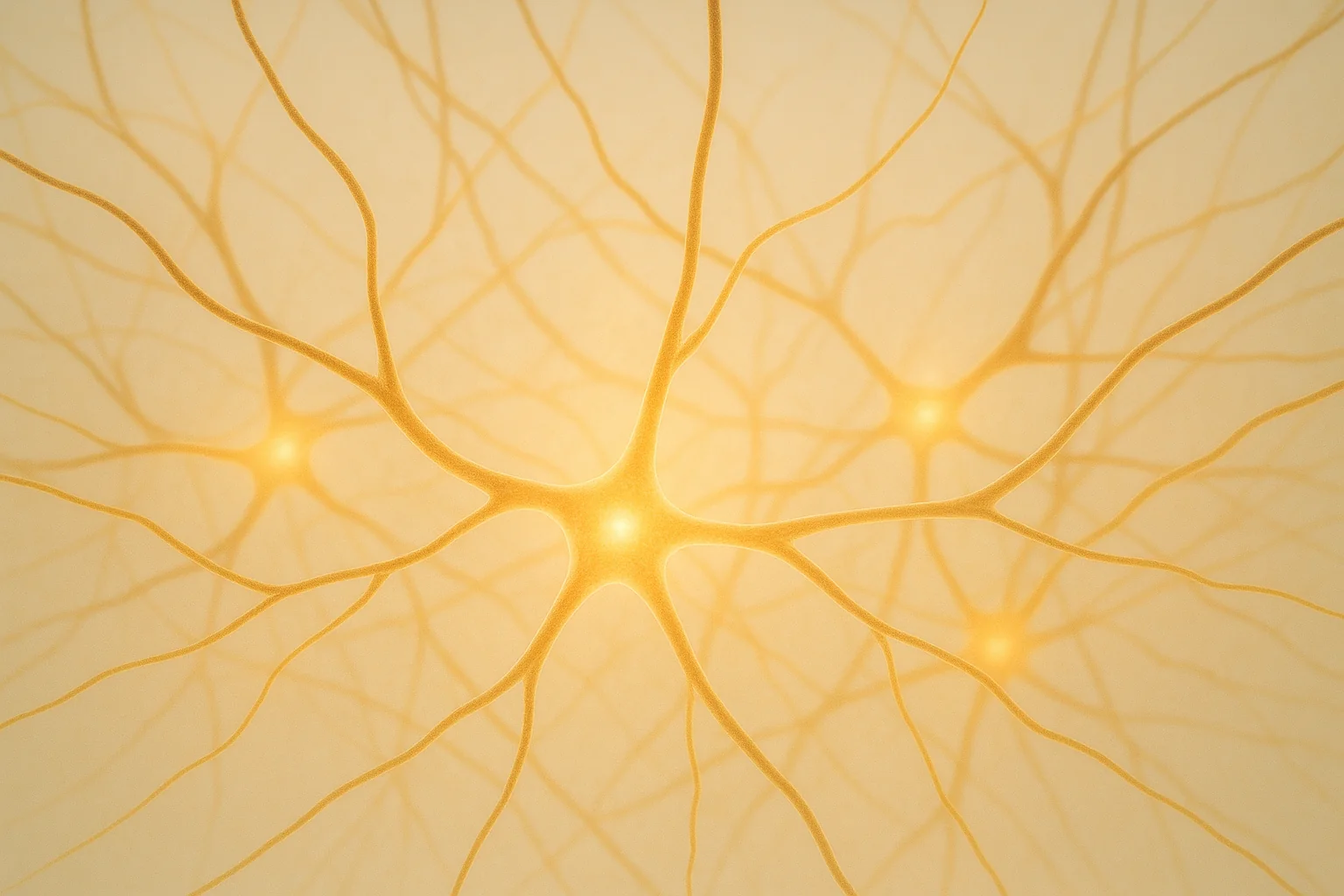

Psilocybin in depression - results from Johns Hopkins studies and phase 3 COMPASS
Psylocybina w depresji — co to, co mowia badania i status prawny w Polsce. u Bucha.
Treatment-resistant depression - a form that does not respond to at least two different antidepressants - affects about 30 percent of patients with depression and remains one of the most challenging issues in modern psychiatry. Over the past five years, two institutions - the Johns Hopkins University Psilocybin Research Center and the pharmaceutical company COMPASS Pathways - have published results that have changed the trajectory of psychopharmacology. This article cites specific data from these studies, explains the mechanism of action of psilocybin, and places everything in the legal context applicable in Poland.
KEY INFORMATION
• The Johns Hopkins study (Davis et al., JAMA Psychiatry, 2021) showed a 71% response and 54% remission of severe depression after two psilocybin sessions - effects lasted for a year.
• The phase 3 COMPASS study (COMP360, 2024) showed a 29.1% remission in the 25 mg group vs. 7.6% in the control group (p=0.002) - the first large phase 3 RCT in treatment-resistant depression.
• The mechanism works through the 5-HT2A receptor, increasing BDNF and neuroplasticity - not through continuous chemical stimulation like SSRIs.
• Psilocybin is a controlled substance in group I-P in Poland - there are no legal therapeutic programs.
What is psilocybin and how does it differ from classic antidepressants?
Psilocybin (4-phosphoryloxy-N,N-dimethyltryptamine) is a prodrug naturally occurring in over 200 species of mushrooms from the genus Psilocybe and several other types. After ingestion, it undergoes enzymatic dephosphorylation in the liver and brain, creating the active metabolite - psilocin - which is a strong agonist of the 5-HT2A and 5-HT2C receptors (Nichols, Pharmacological Reviews, 2016).
The antidepressant mechanism of psilocybin is fundamentally different from selective serotonin reuptake inhibitors (SSRIs). SSRIs work by continuously increasing the availability of serotonin in the synaptic cleft - the clinical effect takes weeks, and the drug must be taken daily. Psilocybin induces a one-time, profound psychological experience, after which lasting neuroplastic changes occur in the brain. The effect does not result from the presence of the substance in the body - psilocin is eliminated within hours, and clinical improvement can last for months or years.
Three key neurobiological mechanisms: first, activation of the 5-HT2A receptor in the prefrontal cortex triggers a signaling cascade leading to increased BDNF (brain-derived neurotrophic factor) expression and the formation of new dendrites. Second, destabilization of the hyperactive default mode network (DMN) - the structure underlying rumination and negative self-justification characteristic of depression. Third, the intense emotional and cognitive experience during the session, which many patients describe as one of the most significant experiences of their lives, paves the way for lasting perspective change.
Badania Johns Hopkins - co konkretnie zmierzono?
The Johns Hopkins University Center for Psychedelic Research published in 2021 in JAMA Psychiatry the results of an open study on 24 adults with severe depression (Davis et al., JAMA Psychiatry, 2021). Participants underwent two psilocybin sessions (20 mg and 30 mg, one week apart) preceded by preparation and followed by psychotherapeutic integration.
Results: in the fourth week after the session, 71% of participants met the response criterion (change in GRID-HAMD scale above 50%) and 54% were in remission (score below clinical threshold). The effects were dramatically faster than with SSRIs - often appearing within a week. Most importantly, long-term observation showed that after 12 months, the effects persisted in a significant majority of participants without the need for additional sessions.
This was an open-label study without a control group - which means we cannot fully exclude the placebo effect and participants' expectations. That is why subsequent, more rigorous studies with a control group were crucial.
| Study | Population | Response outcome | Remission outcome |
|---|---|---|---|
| Davis et al. (JHU, 2021) | Severe depression, n=24 | 71% | 54% |
| Carhart-Harris et al. (NEJM, 2021) | Treatment-resistant depression, n=59 | Comparable to escitalopram | Comparable to escitalopram |
| COMP360 phase 3 (COMPASS, 2024) | Treatment-resistant depression, n=233 | Statistically significant vs. 1 mg | 29.1% vs. 7.6% (p=0.002) |
We noticed that the Carhart-Harris study comparing psilocybin with escitalopram (NEJM, 2021) is often misinterpreted. Both drugs achieved similar results on the main QIDS-SR scale - but psilocybin consistently performed better on scales measuring well-being, meaning in life, and emotional satisfaction. This suggests that the mechanism of action is qualitatively different, not just quantitatively comparable.
Faza 3 COMPASS Pathways - COMP360
The phase 3 COMP360 study conducted by COMPASS Pathways is a crucial step towards the registration of psilocybin as a medication. Results were published in 2024 and were widely discussed at psychiatric congresses. The study included 233 patients with treatment-resistant depression (no response to ≥2 medications), randomly assigned to groups: 25 mg of psilocybin (therapeutic dose), 10 mg, or 1 mg (active control).
Primary endpoint: change in MADRS (Montgomery-Åsberg Depression Rating Scale) at week 6. The 25 mg dose was significantly better than 1 mg (p=0.002). Remission rate: 29.1% vs. 7.6%. The 10 mg dose achieved an intermediate result that did not reach statistical significance with the assumed multiple testing correction.
An important limitation of the study: the single-session design (one psilocybin session) differs from the multi-session protocols used in the Hopkins studies and may not fully utilize the therapeutic potential of the multi-session approach. COMPASS is currently planning another study with a two-session protocol. Submission of an application to the FDA and EMA is planned for 2025-2026.
Safety and risks of psilocybin therapy
In controlled clinical conditions, psilocybin has a favorable safety profile. A meta-analysis of 8 clinical studies (Dos Santos et al., Expert Opinion on Drug Safety, 2022) did not show significant somatic adverse effects at therapeutic doses (Dos Santos et al., 2022). Psilocybin is not neurotoxic, does not cause physical dependence, and does not have toxic effects on organs at the doses used.
Main psychological risks: intense and sometimes difficult experiences during sessions (challenging experiences, formerly known as "bad trips") - which paradoxically can be therapeutically valuable in a properly supported context. Transient increases in blood pressure during sessions require monitoring in patients with cardiovascular diseases. The most serious risk: triggering or exacerbating psychosis in predisposed individuals - which is why all studies rigorously exclude patients with a personal or family history of schizophrenia, affective psychoses, or type I bipolar disorder.
From our editorial experience: interest in therapeutic psilocybin in Poland is growing very rapidly, often faster than reliable information is available. We see many inquiries from individuals with treatment-resistant depression seeking options beyond standard pathways. We understand this motivation - and that is why precise information about what studies have shown and what is still unknown is crucial here.
Psilocybin vs. SSRIs - can they be combined and what does science say about the sequence of treatment?
One of the most important practical questions for those interested in psilocybin therapy concerns interactions with currently taken antidepressants. Clinical studies consistently indicate that SSRIs reduce the subjective effects of psilocybin - likely due to desensitization of the 5-HT2A receptors with prolonged exposure to serotonin. The Carhart-Harris et al. study (2021) showed that participants who had previously taken SSRIs had a slightly weaker therapeutic response, although the difference was not dramatic (Carhart-Harris et al., NEJM, 2021).
In the clinical trial protocols of MAPS and Hopkins, participants are asked to gradually discontinue SSRIs before psilocybin sessions - under strict psychiatric supervision. This is a risky step for patients with severe depression and should not be done independently. There is also the question of serotonin syndrome when combining MDMA/psilocybin with SSRIs - with psilocybin, the risk is low (psilocin is an agonist, not a reuptake inhibitor), but with MDMA - which massively releases serotonin - the combination with SSRIs is contraindicated.
Sequential perspective: several research groups are exploring a model in which psilocybin therapy serves as a "reset" opening a new chapter in pharmacotherapy, while SSRIs or supportive psychotherapy continue the work in the synaptic plasticity window opened by psilocybin. This is a promising direction, but requires prospective studies with comparative groups - for now, it is a concept, not an established clinical practice.
For those interested in participating in clinical trials with psilocybin in Poland or Europe: the current registry of studies is maintained by the site ClinicalTrials.gov and the European EUDRACT. Several academic centers in Germany, the Netherlands, and the Czech Republic are actively recruiting participants with treatment-resistant depression for phase 2 studies. Qualification criteria usually include documented ineffectiveness of at least two lines of treatment.
Frequently Asked Questions
What is psilocybin and how does it affect depression?
Psilocybin is a prodrug activated to psilocin, a strong 5-HT2A agonist. The antidepressant mechanism includes increased BDNF, enhanced neuroplasticity, and destabilization of the hyperactive DMN underlying rumination. The action is one-time and catalyzes lasting psychological changes - unlike SSRIs, which require daily intake (Nichols, Pharmacological Reviews, 2016).
What have Johns Hopkins studies shown about psilocybin?
The study by Davis et al. (JAMA Psychiatry, 2021) on 24 patients with severe depression showed a 71% response and 54% remission after two psilocybin sessions with psychotherapy. The effects persisted after 12 months. Limitation: no control group (open-label study) (Davis et al., JAMA Psychiatry, 2021).
What were the results of the COMPASS phase 3 (COMP360) study?
The phase 3 COMP360 study (n=233, treatment-resistant depression) showed a 29.1% remission for the 25 mg dose vs. 7.6% for 1 mg (p=0.002) at week 6 on the MADRS scale. This is the first large phase 3 RCT confirming the efficacy of psilocybin in treatment-resistant depression. COMPASS plans to submit a registration application to the FDA and EMA in 2025-2026.
Is psilocybin safe?
In controlled clinical conditions - yes, with appropriate patient selection. A meta-analysis of 8 studies did not show significant somatic adverse effects (Dos Santos et al., 2022). Main risks: difficult psychological experiences during sessions and triggering psychosis in predisposed individuals. Studies exclude individuals with a history of psychosis.
What is the legal status of psilocybin in Poland?
Psilocybin and Psilocybe mushrooms are controlled substances in group I-P under the Act on Counteracting Drug Addiction (Dz.U. 2023). Possession and trade are illegal. There are no legal therapeutic programs in Poland - access is only in clinical trials with special regulatory permission.
This article is for informational and educational purposes and does not replace consultation with a doctor. If you are pregnant, breastfeeding, taking medications, or have chronic conditions, consult the use of supplements or herbs with a specialist.
Author: Michał Waluk · Published: 2026-05-04 · Updated: 2026-05-04