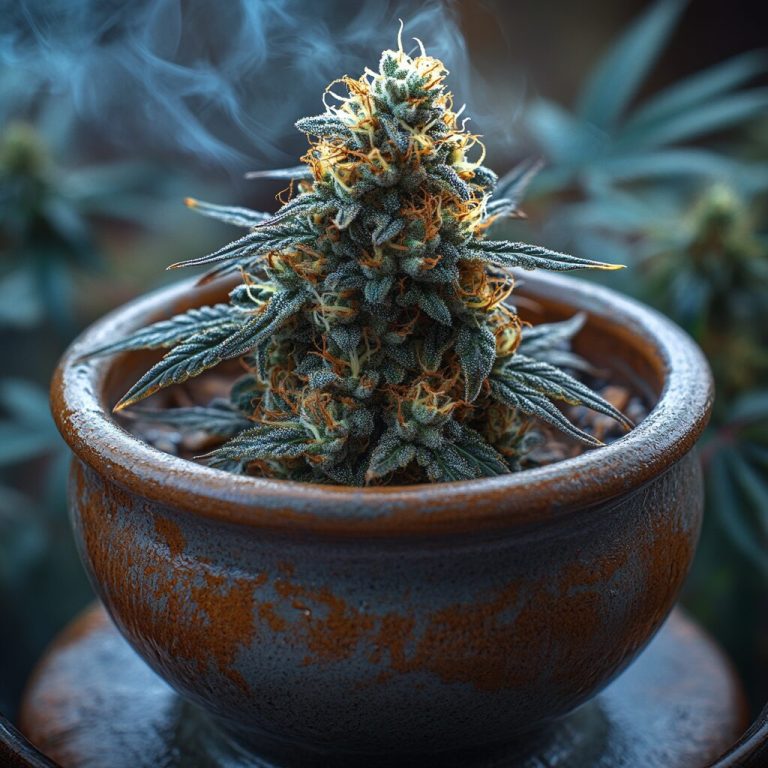

How Long Does CBD Last in Urine? A Complete Guide to CBD Detection Times
What is CBD and why does its detection matter?
Cannabidiol, or CBD, is one of the most well-known and widely used cannabinoids derived from the cannabis plant. Unlike THC, it has no psychoactive properties, meaning it doesn't cause a "high." CBD is gaining popularity due to its health-promoting properties—it soothes inflammation, reduces stress, and promotes sleep and mental well-being.
However, many people who use CBD products wonder how long the compound remains detectable in the body, especially in the context of urine tests. This is especially important for employees undergoing regular drug testing, athletes, drivers, or those undergoing random checks.
Why are CBD tests rare and THC tests common?
Standard urine tests, used in work or sports, for example, typically detect the presence of THC or its metabolites, not CBD itself. This is because THC is a psychoactive substance whose presence in the body is strictly regulated. CBD, on the other hand, which does not produce intoxicating effects, is not on the list of prohibited substances and is rarely the subject of toxicology tests.
This doesn't mean that taking CBD leaves no traces in the body. Depending on the product, its quality, and the extraction method, CBD preparations may contain trace amounts of THC—a key aspect that can affect test results.
How long does CBD stay in the body? Metabolism and elimination
CBD metabolism in the human body is a complex process dependent on many factors. After ingestion, the substance is broken down in the liver, where various metabolites are produced, which are then excreted primarily in urine and feces.
Approximate duration of CBD retention in urine
- CBD will usually disappear from your body within 2–5 days of taking it.
- With regular, daily use, this time may be extended to up to 1–2 weeks.
- For single doses and small amounts, CBD is usually detectable for up to 48–72 hours.
It is worth emphasizing that individual differences are of great importance here – such as body weight, age, metabolic rate, hydration, and kidney and liver function.
What factors influence the detection time of CBD in urine?
- Dose and form of the product: Highly concentrated CBD oils, capsules, or hemp can stay in the body longer than a single dose of CBD gummies.
- Frequency of use: With regular use of CBD, the substance accumulates in fatty tissue, which prolongs its elimination time.
- Individual metabolism: People with faster metabolisms clear CBD faster.
- Hydration and physical activity: Good hydration and exercise can speed up the removal of substances from the body.
- Presence of THC in the product: Products containing trace amounts of THC may test positive for cannabis, even if CBD itself is detected for a shorter time.
CBD vs. THC – a key distinction for urine tests
The distinction between CBD and THC is fundamental, especially in the context of drug testing. THC (tetrahydrocannabinol) is a psychoactive substance that causes the mental and physical effects associated with marijuana use.
Drug tests most often test for THC metabolites, such as THC-COOH, which can be detected in urine for up to 30 days after consumption, and even longer in heavy and long-term users. In comparison, CBD is not detected in standard drug tests and is not a banned substance.
Why might tests detect THC if you only use CBD?
This is a question many people legally using CBD products ask themselves. It all depends on the quality and purity of the product. Legal CBD oils containing less than 0.21 TP3T THC (in Poland) typically don't trigger a positive test result. However, some low-quality products or those based on full-spectrum extracts, which contain the entire range of cannabinoids, may contain trace amounts of THC, which accumulate in the body.
Here it is worth considering choosing CBD isolate products, which contain virtually no THC, minimizing the risk of detecting the psychoactive substance in tests.
How is the urine cannabinoid test performed?
Urine tests detect THC metabolites and rarely target CBD. Basic screening tests (immunoenzymatic) primarily detect THC-COOH – the inactive metabolite of THC that remains in the body the longest.
The testing procedure is simple and common, used both in the workplace and in sports. If the screening result is positive, confirmatory testing is performed using gas or liquid chromatography coupled with mass spectrometry (GC-MS, LC-MS), which is more precise.
What does a negative or positive result mean?
- Negative result: No detectable THC metabolites above the test sensitivity threshold.
- Positive result: The presence of THC metabolites above the diagnostic threshold, meaning that the person has consumed psychoactive cannabis or products with a high THC content.
CBD itself is not the target of such tests and should not produce a positive result.
Practical advice for those using CBD and concerned about urine tests
If you use CBD and have a drug test coming up, here are some tips to help you avoid any unpleasant surprises:
- Choose high purity products: Choose CBD isolates or certified oils with a confirmed THC content below legal limits.
- Avoid full spectrum products if you want 100% certainty: Although they have a broader spectrum of action, they may contain traces of THC.
- Follow the dosage recommendations: Smaller doses mean less cannabinoid accumulation.
- Stay hydrated and active: They help speed up the metabolism and elimination of CBD.
- If possible, plan a break before the test: Discontinuing CBD for a few days (minimum 5–7) reduces the risk of THC being detected.
FAQ – Frequently Asked Questions about CBD and Urine Tests
Is CBD detected in standard urine tests?
Standard drug tests do not detect CBD, but rather THC metabolites. Therefore, the mere presence of CBD in the body should not result in a positive test result.
How long is CBD detectable in urine?
CBD typically remains in urine for 2 to 5 days after a single use, but with regular use this time can extend to approximately 2 weeks.
Can I test positive for THC if I only use CBD oils?
Yes, if a CBD product contains trace amounts of THC (especially full-spectrum products), this can affect the test result. Choosing a CBD isolate minimizes this risk.
Which forms of CBD are eliminated from the body the fastest?
Products such as gummies or capsules taken once are eliminated faster than full spectrum oils used regularly.
Summary – What to remember about CBD detection time in urine
CBD is an increasingly popular ingredient in hemp products, offering numerous health benefits without any psychoactive effects. Unlike THC, CBD is not a target for standard urine tests, making it a safe choice for those undergoing drug testing.
However, due to possible trace amounts of THC in products, it's worth choosing high-quality preparations and consciously planning your CBD use, especially with upcoming urine tests. Remember that CBD typically remains in the body for a few days, and may last slightly longer with regular use.
With this knowledge, you can enjoy the benefits of cannabidiol without worrying about unforeseen consequences during testing. However, always be aware of the source and quality of the products you purchase, as your safety and comfort depend on it.
We encourage further education and informed use of CBD.
If you want to learn more about CBD products, their uses, and safety, stay up-to-date with the latest research and practical advice. Knowledge is the key to health, comfort, and peaceful use of cannabis in your daily life.
CBD Legality and Drug Testing
In Poland and many other countries, the legality of CBD products is closely linked to THC content. According to current regulations, products must contain no more than 0.21 TP3T THC to be considered legal and safe for use.
However, it's worth remembering that exceeding this limit, even slightly, can result in a positive THC test result. Therefore, when purchasing CBD oils or other supplements, always check the certificates and laboratory analysis results (so-called COA – Certificate of Analysis), which confirm the product's composition and purity.
The impact of CBD metabolites on the body – can they cause side effects?
Although CBD is considered safe and well-tolerated, cannabidiol metabolites may slightly affect liver enzymes and interact with other medications. Therefore, individuals taking medications regularly should consult a doctor before starting CBD supplementation.
CBD side effects are generally mild and may include dry mouth, fatigue, or mild dizziness. However, these side effects are not associated with the presence of metabolites in urine or drug test results.
Methods to accelerate the elimination of CBD from the body
If you want to speed up the removal of CBD and any trace amounts of THC from your body, you can use several proven methods:
- Increasing physical activity: Exercise helps burn fat tissue where cannabinoids can accumulate.
- Good hydration: Drinking plenty of water helps dilute urine and speeds up the excretion of substances.
- Healthy diet: A diet high in fiber supports the digestive system and the elimination of metabolites through the feces.
- Avoiding re-ingestion of CBD: Taking a break from supplementation allows the body to cleanse itself naturally.
However, it is worth remembering that no method guarantees the immediate removal of CBD or THC from the body and will not replace natural metabolism.
Research prospects for CBD detection
Advances in technology and growing interest in cannabinoids mean that in the coming years we can expect more precise tests capable of detecting various cannabinoids, including CBD, regardless of the presence of THC. This may impact company and institutional policies regarding the acceptability of cannabis products.
Currently, however, standard testing focuses on THC, and CBD remains a substance that is not subject to routine drug testing.