
Shelled hemp seeds - 15 ways to use them daily in the kitchen
15 ideas on how to use hulled hemp seeds in everyday cooking – breakfasts, lunches, desserts, drinks. A complete list with recipes.
Two tablespoons of shelled hemp seeds added to oatmeal provide as much protein as a whole egg - and that's just the beginning. Hemp seeds, also known as hemp hearts, are one of the most complete plant sources of protein: 31.56 g per 100 g, with a full profile of 9 essential amino acids. They require no cooking, soaking, or grinding - ready to eat straight from the package. They are also neutral enough in flavor to fit into everything: from breakfast oatmeal to dinner salad. If you're looking for one ingredient you can add to 15 different dishes tomorrow morning - here it is. Here are 15 specific ways.
KEY INFORMATION
• Shelled hemp seeds contain 31.56 g of protein per 100 g - a complete profile of 9 essential amino acids, digestibility >88% (USDA / PMC, 2024).
• Stosunek omega-6 do omega-3 wynosi ok. 3:1 - optymalny wg WHO dla zdrowia sercowo-naczyniowego.
• The seeds are ready to eat without processing: no soaking, grinding, or cooking.
• The THC content in shelled seeds is below EU limits (3 mg/kg) - safe for all adults.
What are shelled hemp seeds and what makes them nutritionally unique?
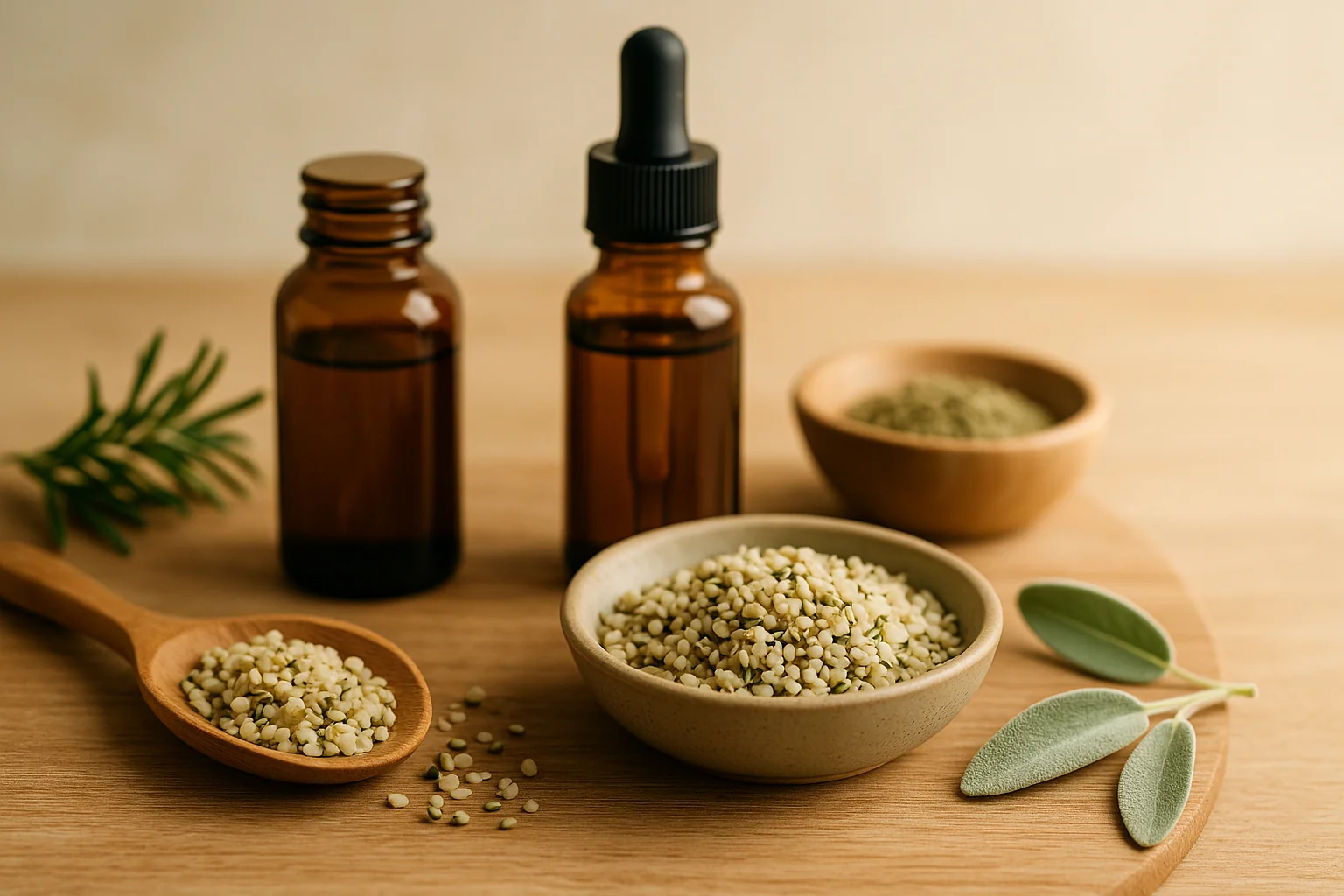
Shelled hemp seeds (hemp hearts) are seeds from the hemp plant (Cannabis sativa L.) devoid of a hard outer shell. The shell contains insoluble fiber, but hinders the absorption of nutrients from the inside - once removed, a soft, creamy interior full of protein, fats, and minerals remains.
The nutritional profile is impressive: according to USDA FoodData Central 100 g of shelled seeds provides 31.56 g of protein, 48.8 g of fat (mainly PUFA), 8.67 g of carbohydrates, and 4 g of fiber. The energy value is about 553 kcal/100 g. Compared to other superfoods - chia (16.5 g protein/100 g), flaxseed (18.3 g), and even almonds (21 g) - hemp seeds win in protein and amino acid profiles.
Hemp seed protein consists mainly of edestin (60-80%) and albumin - both globular, exceptionally well-absorbed proteins. PMC review (2022) indicates in vitro digestibility above 88%, bringing them close to egg and soy protein. Edestin is a unique protein - structurally similar to human blood proteins, which facilitates its use by the body for the synthesis of structural and enzymatic proteins.
How do 2 tablespoons (20 g) of hemp seeds fit into the daily nutritional budget? They provide: about 6.3 g of protein, 9.8 g of fat, 110 kcal, 140 mg of magnesium (35% RDA), 1.6 mg of iron, and 2 mg of zinc. This is a real nutrient boost without powdered supplements and without changing the rest of your diet.
15 ways to use shelled hemp seeds in everyday cooking
Each of the following methods is a specific, proven application - not a vague 'add to food'. For each, I provide the flavor context, proportion, and practical tip:
- Morning oatmeal. Add 2 tablespoons of hemp seeds to the prepared oatmeal just before serving. The nutty flavor pairs perfectly with cinnamon and fruits. Do not cook the seeds with the flakes - raw seeds retain the full omega acid profile.
- Greek yogurt with seeds. 200 g of yogurt + a handful of hemp seeds + a tablespoon of honey + fresh berries. The seeds add crunch, protein, and omega acids without overpowering the yogurt's flavor. An ideal breakfast in 2 minutes.
- Green smoothie with hemp hearts. Spinach + banana + plant milk + 2 tablespoons of hemp seeds. Blend together - the seeds will smoothly incorporate into the smoothie, adding creaminess and protein without a noticeable texture.
- Homemade baked granola. Add 100 g of hemp seeds to a mixture of oats, nuts, and honey before baking (170°C, 20 min). A short time in the oven is enough - the seeds lightly toast and develop a more intense, nutty aroma.
- Salad sprinkled with seeds. Any salad (arugula, spinach, mesclun mix) + 1 tablespoon of hemp seeds per serving as a "topping" instead of croutons or nuts. They add protein, fat, and a subtle nutty note without changing the character of the salad.
- Hemp pesto. Replace pine nuts in classic pesto with hemp seeds (1:1 ratio). Basil + parmesan + garlic + seeds + olive oil = a pesto richer in protein and with a better omega profile than traditional.
- Hemp sandwich spread. Blend 100 g of hemp seeds + 2 tablespoons of olive oil + lemon juice + garlic + salt. You will get a creamy spread with a flavor similar to tahini, containing complete plant protein. A good substitute for peanut butter for those allergic to nuts.
- Cream soup with topping. Any cream soup (pumpkin, broccoli, tomato) + a tablespoon of hemp seeds on the plate before serving. A contrasting texture and visual enhancement - instead of croutons, which raise the dish's GI.
- Plant-based patties with seeds. Add 50 g of hemp seeds to the patty mixture made from lentils, beans, or chickpeas. The seeds bind, add protein and a nutty flavor, improving the final texture.
- Pancakes with seeds. Add 2 tablespoons of hemp seeds to the pancake batter (for every 200 g of flour). The seeds fry together with the pancake and lightly toast - the result: a nutella-like crunch and additional protein.
- Homemade energy bars. Dates + hemp seeds + cocoa + cashews - blend, shape, chill. Hemp seeds add complete protein to the bar, which would otherwise be primarily a sugary treat made from nuts.
- Pasta sprinkled with seeds. Instead of Parmesan - or alongside - 1 tablespoon of hemp seeds per serving of pasta with tomato sauce or pesto. The neutral flavor of the seeds does not interfere with any sauce, while adding texture and nutritional value.
- Rice or groats with seeds. Add a tablespoon of hemp seeds to cooked rice or groats before serving. It works particularly well with millet - both ingredients have a neutral, slightly nutty flavor and complement each other well in terms of minerals.
- Homemade hemp milk. 3 tablespoons of hemp seeds + 500 ml of water + a pinch of salt - blend and optionally strain. Ready plant milk without preservatives and thickeners. More details: recipe for homemade hemp milk.
- Topping for roasted vegetables. Roasted sweet potatoes, carrots, or cauliflower + a tablespoon of hemp seeds + olive oil + herbs. The seeds toast on top, creating a crunchy layer instead of breadcrumbs. A gluten-free topping with a protein bonus.
We noticed in culinary tests that hemp seeds change character depending on the temperature. When cold (yogurt, salad), they are soft and delicate. When heated (granola, pancakes, baking), they take on a more intense nutty aroma and a slight crunch. Both variants are valuable, but it's worth remembering this distinction when planning their use - for dishes where you want crunchiness, use lightly toasted seeds. For creamy dishes (smoothies, yogurt), use raw seeds.
How to plan weekly consumption of hemp seeds?
For hemp seeds to truly impact your lipid profile and amino acid delivery, they need to be consumed regularly - daily for at least 4-6 weeks. This is not a one-time supplementation, but a part of a consistent diet. How to build a habit without getting tired of the same taste?
Weekly strategy: assign a different "anchor point" for seeds to each day of the week. Monday: oatmeal. Tuesday: smoothie. Wednesday: salad. Thursday: sandwich spread. Friday: rice or groats. Weekend: granola and pancakes. Effect: 7 different applications, so neither the taste nor the form gets boring, and building the habit is easier than repeating the same dish.
Storing hemp seeds is simple: a dry, dark place (kitchen cabinet), room temperature. In their original sealed packaging, they stay fresh for up to 12 months. After opening - up to 3 months in an airtight container. Seeds can also be frozen (up to 12 months), which is economical when buying larger quantities. They do not require refrigeration like hemp oil - this is a significant convenience for daily use.
What is the optimal amount per day? Nutritional studies typically operate on a serving of 30 g (3 tablespoons), which provides: about 9.5 g of protein, 14 g of fat (PUFA), and 210 mg of magnesium. This is a realistic supplement for almost any diet. A serving of 2 tablespoons (20 g) is the minimum that makes sense for supplementation. More than 5-6 tablespoons a day is already a significant caloric portion of the diet - it's worth considering.
Our observations indicate that hulled hemp seeds have one of the lowest taste adaptation thresholds among all "superfoods". Flaxseed requires getting used to, chia - overcoming the gel-like texture, hemp seeds - practically nothing. Dozens of people testing them for the first time rated the taste as "surprisingly neutral and pleasant". This is one of the easiest ways to enrich the diet with plant protein that does not require any taste compromises.
Hemp seeds fit into a broad ecosystem of hemp products in the kitchen. If you want to understand how to combine them with hemp oil, flour, and hemp protein in one diet, check out the complete guide to hemp in the kitchen.
Hemp seeds vs other popular "superseeds" - comparison
The superfoods market is full of seeds promising miracles. How do hemp seeds perform in practical comparison with chia and flaxseed - the three most popular "superseeds"?
Protein: Hemp seeds win decisively - 31.6 g/100 g vs 16.5 g (chia) and 18.3 g (flaxseed). More importantly, hemp protein is complete and better absorbed than chia or flaxseed protein.
Omega-3: Flaxseed dominates (22 g ALA/100 g). Chia has 17 g. Hemp seeds - about 8 g ALA, but they complement this with GLA (rare omega-6), which is absent in chia or flaxseed.
Fiber: Chia wins (34 g/100 g), flaxseed second (27 g), hemp seeds third (4 g). But hemp seeds do not require soaking or grinding - chia forms gel without water, flaxseed requires grinding for full absorption.
Taste and versatility: Hemp seeds win. Chia is almost tasteless but gels in moist dishes. Flaxseed has a distinct, sweetish-floury taste. Hemp seeds - gently nutty, fit everywhere without compromises.
Price: Chia is the cheapest, flaxseed the cheapest of the three, hemp seeds are more expensive - but the nutritional density (protein + omega + minerals) justifies the higher cost.
Practical conclusion: hemp seeds are the best choice if the priority is plant protein and flavor versatility. Flaxseed - if you want omega-3 and fiber for minimal money. Chia - if you like puddings and drinks with a gel-like texture. Optimal strategy? Use all three, rotating them between meals - each complements what the others are weaker in. Hemp seeds in the morning for oatmeal, flaxseed for lunch as a binder, chia in the evening for pudding - this is how complete "superseeds" supplementation looks without monotony.
Do hemp seeds fit into a sports diet? Definitely yes. PMC Review (2024) Research on hemp food as functional food indicates the potential of seeds in athletes' diets due to their complete amino acid profile (including BCAAs: leucine, isoleucine, valine) necessary for muscle recovery, high magnesium supporting muscle contractions, and a favorable PUFA profile that reduces inflammation after exercise. A serving of 3-4 tablespoons post-workout is a natural substitute or complement to protein powder.
Frequently Asked Questions
How many hemp seeds should I eat daily?
The optimal daily portion is 2-4 tablespoons (20-40 g). This amount provides 6-13 g of protein, about 1-3 g of ALA (omega-3), and a significant portion of the daily requirement for magnesium and zinc, according to the data USDA FoodData Central. Larger amounts are safe but caloric - 100 g is about 553 kcal.
Do hemp seeds contain THC?
Hulled seeds have trace amounts of THC - below the EU limits of 3 mg/kg for seeds, as specified in Regulation (EU) 2022/1393. This is a safe level, with no psychoactive effect. The seeds do not contain psychoactive cannabinoids - these are present in the flowers and leaves of the plant.
What do shelled hemp seeds taste like?
Gently nutty, reminiscent of pine nuts with a subtle grassy note. Much more neutral than flaxseed or chia. They do not dominate in dishes - they fit into oatmeal, salads, smoothies, and sauces without altering the main dish's flavor. This is one of their greatest culinary advantages.
Do hemp seeds need to be ground?
No - hulled hemp seeds are ready to eat without processing. Unlike flaxseed (which requires grinding for full absorption of omega acids), hemp seeds absorb well whole. They can of course be blended into pastes or hemp milk, but this is not necessary.
Can hemp seeds be heated?
Yes, up to about 150-160°C without significant loss of protein and minerals. Omega-3 fatty acids may oxidize slightly with prolonged heating. For maximum nutritional benefits from fatty acids, add raw seeds to prepared dishes - in granola and pancakes, a short time in heat is acceptable.
How do hemp seeds differ from chia and flaxseed?
Hemp seeds win in protein (31.6 g vs 16.5 g chia and 18.3 g flaxseed) and completeness of the amino acid profile. Chia and flaxseed have more fiber. Hemp seeds do not require soaking or grinding and have a more neutral taste - making them the most versatile culinary option of the three.
This article is for informational and educational purposes and does not replace consultation with a doctor. If you are pregnant, breastfeeding, taking medications, or have chronic conditions, consult the use of supplements or herbs with a specialist.
Author: Michał Waluk · Published: 2026-05-04 · Updated: 2026-05-04