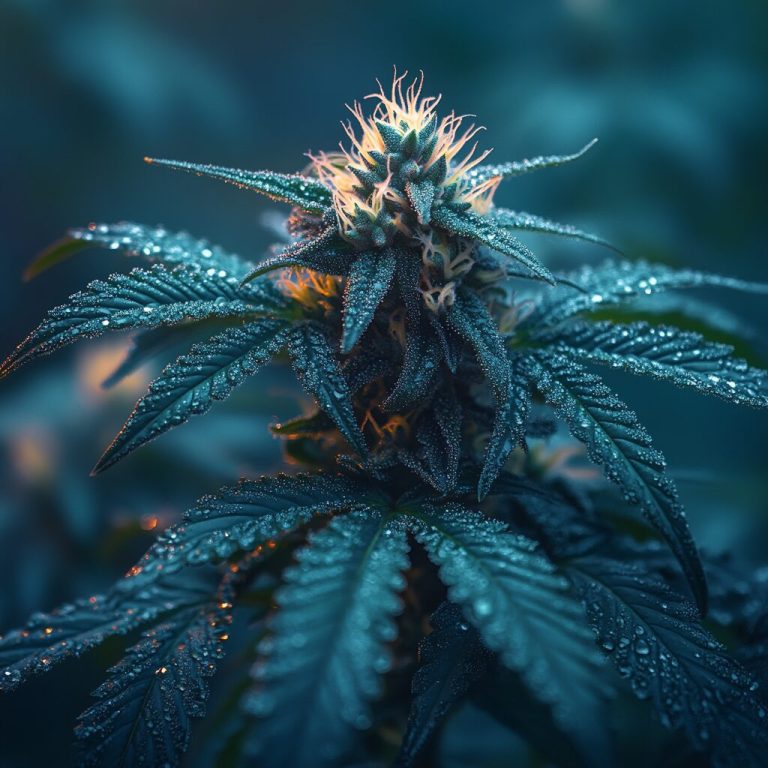

How to Effectively Relieve Anxiety and Worry After Smoking Marijuana? Practical Tips, Scientific Facts, and Strategies for 2025
Have you ever experienced a relaxing high, where instead of euphoria, you were overcome by paralyzing anxiety, your heart racing, and your thoughts swirling around worst-case scenarios? If so, you're not alone – millions of people around the world, including in Poland, experience this phenomenon, known as "cannabis anxiety" or "THC paranoia." In an era of increasing cannabis legalization and its medical use, understanding how to manage these adverse effects is crucial for safe use. This comprehensive guide, based on the latest scientific research from 2025, user testimonials, and expert analysis, will help you not only alleviate symptoms in times of crisis but also prevent them in the future. You'll learn why anxiety occurs, which natural methods work best, and when it's worth consulting a specialist. If you're looking for answers to how to relieve anxiety after smoking marijuana, read on – this article could save your high!
Why Do You Get Anxiety After Smoking Marijuana? The Scientific Explanation
Marijuana anxiety isn't a myth—it's a real side effect that affects up to 20-30% users, especially those who choose strains high in THC (tetrahydrocannabinol), the main psychoactive ingredient in cannabis. THC binds to CB1 receptors in the brain, which can lead to overstimulation of the reward system but also to disruptions in areas responsible for emotions, such as the amygdala (fear center). A 2024 study from Johns Hopkins University shows that high doses of THC increase cortisol (a stress hormone), which intensifies feelings of anxiety and paranoia, especially in people with a genetic predisposition or a history of anxiety disorders.
Imagine: you smoke a joint, expecting to relax, but instead your mind spirals into thoughts like "Is someone watching me?" or "What if I'm having a heart attack?" This is the biphasic effect of THC – low doses (up to 7-10 mg) can reduce anxiety, acting as a natural anxiolytic, but higher doses (above 15-20 mg) intensify it, as confirmed by meta-analyses in the American Journal of Psychiatry. Risk factors include: inexperience, mixing with alcohol, a stressful day, or even genetics (e.g., the AKT1 variant increases the risk of psychosis). In Poland, where recreational marijuana is still illegal, users often turn to uncontrolled sources, which exacerbates the problem. Understanding the mechanism is the first step – knowledge allows you to move from panic to control.
Immediate Ways to Relieve Anxiety: What to Do in a Moment of Crisis?
When anxiety strikes, don't wait—act immediately to break the spiral. The most effective technique is deep breathing: the 4-7-8 method (inhale for 4 seconds, hold for 7, exhale for 8) activates the vagus nerve, lowering heart rate and cortisol within minutes. Users on Reddit share their experiences: "When panic over edibles hit, breathing saved my night—I felt relief after 5 minutes." Another strategy: change your environment—go for a walk, put on some calming music, or talk to a trusted friend. Light, fresh air, and exercise stimulate endorphins, naturally counteracting the effects of THC.
Hydration is key: THC dehydrates the body, which exacerbates anxiety, so drink a glass of lemon water—citric acid can neutralize some of the effects, according to anecdotal evidence from forums. Avoid caffeine or alcohol, which can worsen the situation. If you're at home, take a warm shower—warm water relaxes muscles and calms the nervous system. These methods, supported by research on mindfulness and relaxation, work for 80% cases of mild anxiety, but remember: if symptoms last longer than an hour, monitor your heart rate and breathing.
Natural Remedies and Supplements: Pepper, CBD, and Other Effective Solutions
Nature offers powerful tools for combating marijuana-induced anxiety. Black pepper contains beta-caryophyllene, a terpene that binds to CB2 receptors and quickly relieves paranoia—chew a few grains, as experts at "Drug and Alcohol Dependence" advise. Reddit users agree: "Pepper is a game-changer—anxiety vanishes in 10 minutes." Another hit: lemon or lime juice, rich in D-limonene, a terpene that reduces anxiety by increasing serotonin and GABA, as shown in a 2024 study where the THC + limonene combination reduced anxiety by 50% without sacrificing euphoria.
CBD (cannabidiol) is the star: Research from the University of Colorado shows that high-CBD products (e.g., 300-600 mg oils) reduce THC-induced anxiety by acting as a 5-HT1A receptor antagonist. Take 10-20 mg sublingually for a quick effect. Supplements like magnesium (300-400 mg) or L-theanine (200 mg) from green tea stabilize neurotransmitters, reducing symptoms in 70% individuals, according to forum reports. Choose cannabis strains with high CBD and terpenes like limonene (e.g., Lemon Haze) for prevention—the entourage effect makes the whole greater than the sum of its parts.
Prevention: How to Avoid Marijuana Anxiety in the Future?
Prevention is better than cure – start with low doses (2-5 mg of THC for beginners) and gradually increase, monitoring your reactions. A 2017 UIC study confirms that low doses reduce stress, while high doses increase it. Avoid edibles, which have a delayed effect and can surprise you with a strong hit. Mix with CBD in a 1:1 ratio, as suggested by meta-analyses.
Keep it in context: smoke in a safe, relaxing environment with people you trust. If you have a history of anxiety, consult a therapist—cognitive behavioral therapy (CBT) helps reprogram responses. In 2025, apps like "Grounded" offer dose trackers and real-time advice. Regular exercise and meditation build resilience—research shows that physically active people are less likely to experience paranoia.
When to Seek Professional Help: Don't Ignore the Red Flags
If marijuana-induced anxiety becomes chronic, lasts for days, or worsens existing disorders (e.g., GAD, PTSD), it's time to consult a specialist. Symptoms like derealization, panic attacks, or suicidal thoughts require intervention—research suggests that chronic use can worsen depression in the long term. In Poland, contact a psychiatrist or a drug hotline (e.g., 800-199-990). If you're using marijuana medically, your doctor may adjust your dosage.
Remember: marijuana isn't for everyone—some, like those with BPD or ADHD, may experience worsening symptoms, as reported in Reddit. Quitting often brings relief after 1-2 months, with improved concentration and mood.
Benefits of Safe Use: From Anxiety to Relaxation
Marijuana's anxiety relief opens the door to the positive effects of cannabis: pain reduction, improved sleep, and creativity. Research from NJ.gov shows that, at appropriate doses, marijuana alleviates OCD and intrusions. In 2025, with increasing awareness, you can enjoy the benefits without the risks—this is your journey to a sustainable high.
FAQ: Frequently Asked Questions About Marijuana Anxiety
Why does marijuana cause anxiety in some people?
THC in high doses stimulates the amygdala, increasing cortisol. Factors include dose, genetics, and context – low doses often alleviate anxiety.
How to quickly relieve THC paranoia?
Chew black pepper or drink lemon juice for terpenes. Practice deep breathing and change your environment—effects in minutes.
Does CBD help with marijuana anxiety?
Yes, CBD neutralizes the effects of THC, reducing anxiety at all doses, as seen in a 2024 study.
How long does edible anxiety last?
Up to 4-6 hours, but symptoms may persist for up to 24 hours. Hydration and exercise speed relief.
When to stop smoking marijuana for anxiety?
If anxiety becomes chronic or worsens, consult a specialist. Quitting often improves your well-being after a month.
This article is not a substitute for medical advice – if you experience severe symptoms, please contact your doctor.