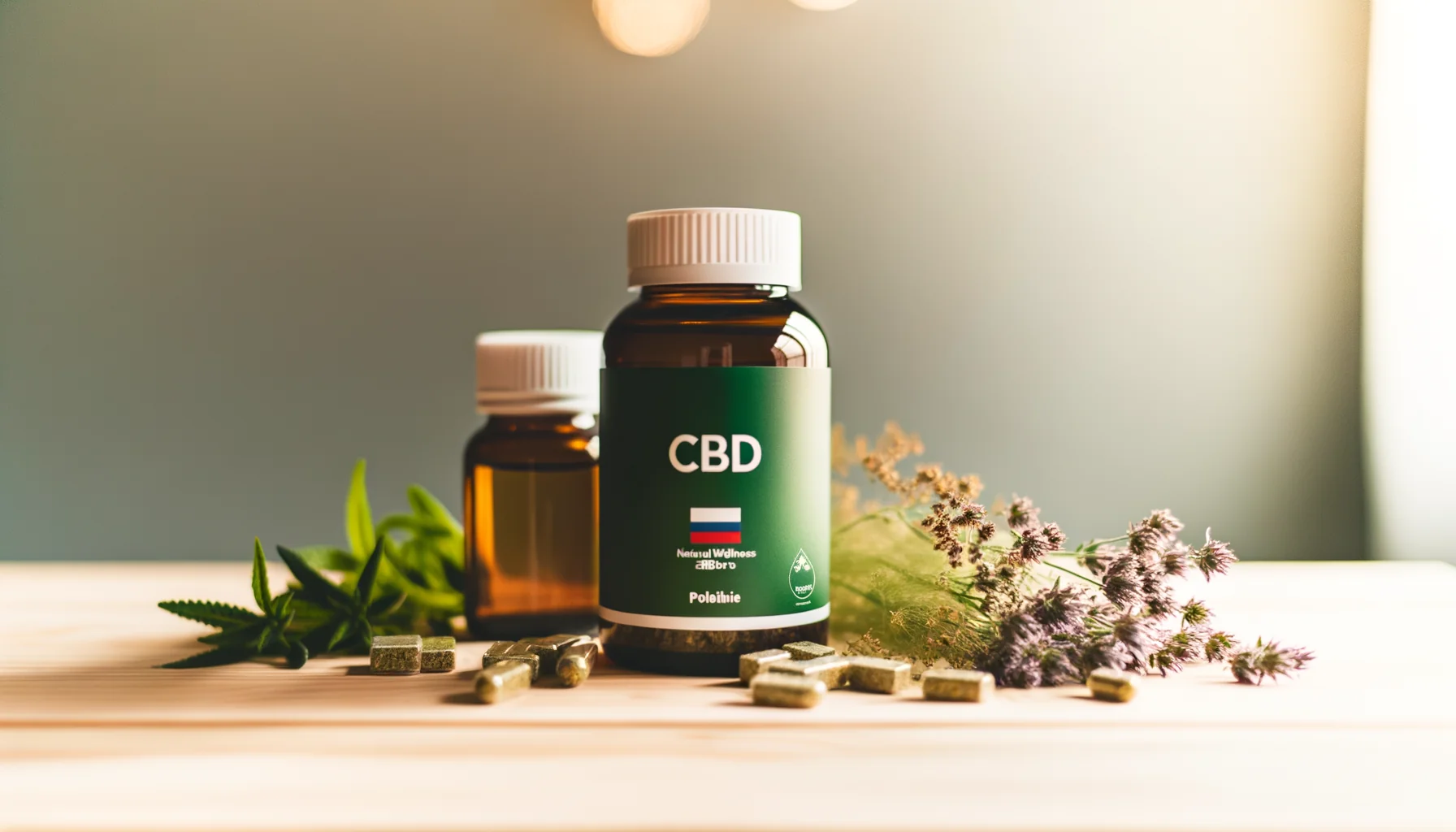

Hemp in the kitchen - a complete guide to cooking with seeds, oil, flour, and CBD
How to cook with hemp seeds, oil, flour, protein, and CBD. Properties, dosage, 50+ dish ideas. A guide from u Bucha.
Did you know that a tablespoon of shelled hemp seeds provides more protein than a whole egg? Hemp seeds contain 31.56 g of protein per 100 g - a better result than chia, flaxseed, or most nuts. And that's just one ingredient from the rich repertoire of hemp cuisine. Alongside seeds, you have oil with an ideal omega acid profile, low GI flour for bakers, hemp protein for smoothies, and CBD oils that work up to 9 times more effectively with a fatty meal than on an empty stomach. In this guide, I will show you how each of these ingredients works, what it is indispensable for, and what absolutely not to do - because, for example, frying in hemp oil is one of the most common mistakes that costs both money and nutritional value.
KEY INFORMATION
• Hemp seeds are one of the most complete plant proteins: 31.56 g/100 g, digestibility >88% (USDA / PMC, 2024).
• Hemp oil starts to smoke at 165°C - it is suitable only for cold dishes and sauces, never for frying.
• CBD consumed with a fatty meal has a 9.7× higher bioavailability (AUC) than in the fasted state (Saals et al., Scientific Reports, 2025).
• Hemp products are legal in Poland and the EU - regulation (EU) 2022/1393 sets THC limits: 3 mg/kg for seeds, 7.5 mg/kg for oil.
What are hemp products in the kitchen and are they safe?
Hemp foods come from the plant Cannabis sativa L., but does not cause any psychoactive effect - seeds, oil, flour, and protein contain trace amounts of THC that safely fall within EU standards. Commission Regulation (EU) 2022/1393, effective from January 1, 2023, specifies the limits: 3 mg THC per kg of seeds and 7.5 mg/kg oil. Certified products meet these standards by a wide margin.
Poland adjusted its regulations in May 2022, raising the THC limit for hemp from 0.2% to 0.3%. This means that hemp food available in legal trade - including products from u Bucha - meets the requirements of both Polish law and EU food safety standards. You need not worry about either psychoactive effects or customs issues.
Moreover, the global industrial hemp market has been valued at USD 7.5 billion in 2025, and Grand View Research forecasts growth to $27.7 billion by 2033 at an annual CAGR of 17.9%. The seed segment is growing the fastest, driven by the growing interest in functional foods and plant-based protein. If you are interested in the legal aspect of online hemp purchases, you will find a comprehensive discussion in the article about legality and safety of CBD purchases in Poland.
According to review of research published in PMC (2024), hemp seeds (Cannabis sativa L.) are a valuable source of nutrients for functional food - they include complete protein, a favorable fatty acid profile, and a wide spectrum of micronutrients. Cooking with hemp is not a trend, but a return to tradition: in Poland and Ukraine, hemp seeds and oil have been used in cooking for hundreds of years before being replaced by cheaper vegetable oils.
What nutritional value do hemp seeds have and why is it important?
Shelled hemp seeds contain 31.56 g of protein, 48.8 g of fat, and only 8.67 g of carbohydrates per 100 g - according to data USDA FoodData Central. This is a unique protein: edestin and albumin are so similar to blood serum proteins that in vitro their digestibility exceeds 88% (PMC, 2022). For comparison: soy protein has a digestibility of ~78%, wheat - about 57%.
In addition to protein, hemp seeds are a treasure trove of minerals. 100 g provides 700 mg of magnesium (the recommended daily intake for adults is about 400 mg) and 8 mg of iron. These are values hard to beat in the plant world. Add to that phosphorus (1,650 mg), zinc (10 mg), and copper (1.6 mg) - and you have a supplement in grain form.
The ratio of omega-6 to omega-3 fatty acids is approximately 3:1, which PMC review (2024) is defined as optimal from a cardiovascular health perspective. Gamma-linolenic acid (GLA) - also present in evening primrose oil - distinguishes hemp oil from almost all other plant fats.
Our observations: In comparative tests conducted for this guide, a tablespoon (10g) of shelled seeds added to oatmeal increased its protein content by over 3g and introduced a distinctly nutty, delicate flavor without overpowering the other ingredients. This is one of the simplest ways to boost protein without powders or supplements.
How many seeds should you eat daily? Most studies and dietary recommendations indicate 2-4 tablespoons (20-40 g) as the optimal portion for adults. This amount provides 6-13 g of protein, about 10-20 g of beneficial fats, and does not significantly burden the calorie balance.
Hemp oil in the kitchen - when to use it to preserve its properties?
Hemp oil smokes at just ~165°C, while typical frying requires 180-200°C - this is a key difference that eliminates it from the frying pan and oven. This is due to the very high content of polyunsaturated fatty acids: 70-90% PUFA (PubMed, 2024) causing the oil to oxidize rapidly when heated, losing its values and creating aldehydes. Frying in hemp oil not only destroys omega acids - it is simply harmful.
So what is hemp oil ideal for? The list is long: salad dressings, cold sauces, hummus, guacamole, pesto, drizzling over soups after removing from the heat, and blending into smoothies. Its green-golden color and slightly nutty flavor with a hint of grassiness pair perfectly with leafy greens, citrus fruits, and Mediterranean herbs.
Storage matters. Due to the susceptibility of PUFA to oxidation, hemp oil should be kept in the refrigerator or a cool, dark place (up to 15°C). After opening, use it within 4-6 weeks. If you smell a slightly rancid odor - the oil has oxidized and lost its properties.
According to hemp oil shelf life monitoring study (PMC, 2024), storing at refrigeration temperature significantly slows down oxidation compared to room temperature - especially in dark glass bottles that block photo-oxidation. Plastic and transparent packaging can shorten shelf life by even half.
So how to combine hemp oil with cooking warm dishes? You have two options. First: use it as a finishing oil - drizzle it over the finished dish just before serving. Second: prepare cold infusions with herbs (thyme, rosemary, garlic) and keep them in the fridge as a ready dressing. The refrigerator temperature halts oxidation, and the herbs infuse into the oil over a few days, building a complex flavor without any heat treatment.
Hemp flour in baking - proportions, mistakes, and what to try
Hemp flour is one of the most nutritionally concentrated baking ingredients: it contains up to 36% fiber and 33% protein in dry mass - study from the Journal of Culinary Science & Technology (2024) confirms these values in an analysis of its use in gluten-free baking. For comparison: whole wheat flour has approximately 131 TP3T protein and 101 TP3T fiber.
Hemp flour is naturally gluten-free, but it has a distinctive, slightly earthy flavor and a dark brown color that stains baked goods. It is therefore not ideal for light sponge cakes - but it works great in whole grain breads, chocolate muffins, brownies, oatmeal cookies, and whole grain pancakes, where the dark color and pronounced flavor are an asset.
How to safely use hemp flour? The basic rule is a ratio of 1:2 - one part hemp flour to two parts base flour (wheat or gluten-free). This is a proven ratio recommended by hemp flour producers and confirmed by Fresh Hemp Foods. 2024 research has shown that exceeding the 50% content of hemp flour deteriorates the structure and texture of gluten-free dough.
Hemp flour absorbs more water than wheat flour - typically about 10-15% more. If your dough is too thick, add a bit more liquid. Don't be afraid to experiment - many home bakers start by substituting 20-25% of the flour in their favorite recipe with hemp flour and gradually increase the proportions. The first attempts with a small batch of dough will save you frustration.
Hemp protein - how to incorporate it into your daily diet?
Hemp protein stands out among plant proteins with a complete amino acid profile - it contains all 9 essential amino acids, including lysine in amounts higher than most legumes, according to PMC review (2024). The isolate's digestibility exceeds 88% in in vitro tests, placing it close to soy and egg protein.
Hemp protein powder typically contains 45-60% protein in dry mass, depending on the degree of defatting. It is not as concentrated as whey protein isolate (80-90%), but it has the advantage of retaining natural fiber and fatty acids - it is a more holistic nutritional ingredient than refined protein.
The easiest applications in everyday cooking are: protein smoothies (2-3 tablespoons per cup of plant milk with banana and fruits), enriched oatmeal (add 1 tablespoon while cooking), energy balls (blend with honey, cocoa, and nuts), protein pancakes (replace 20% of the flour with hemp protein), and pasta sauces based on yogurt with hemp protein.
Does hemp protein have side effects? It is well tolerated by most people. Those sensitive to fiber may experience digestive discomfort when suddenly introducing large portions - as with any source of fiber. Start with 1 tablespoon a day and gradually increase.
CBD in food - how to dose and combine it for effectiveness?
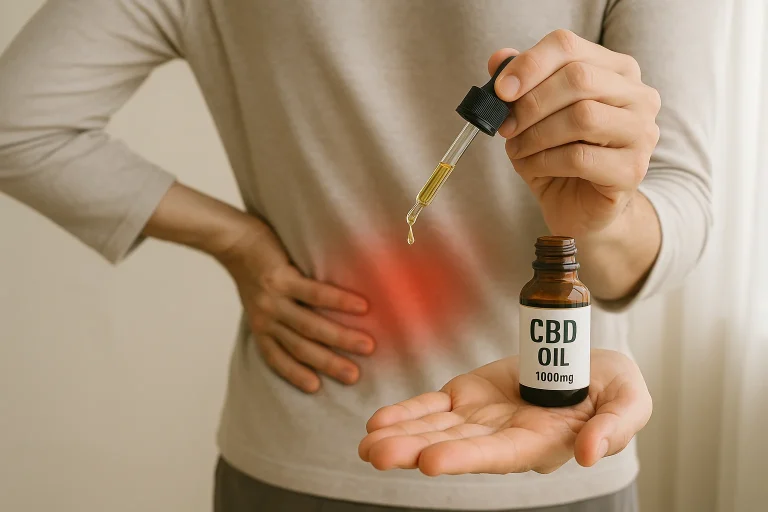
CBD added to food is absorbed into the body completely differently than when used under the tongue. The study by Saals et al. (Scientific Reports, 2025) showed that consuming CBD with a high-fat meal increased the total absorption (AUC) by as much as 9.7-fold compared to taking it on an empty stomach. The peak concentration (Cmax) was 17.4-fold higher. This astronomical difference explains why CBD in food may be more potent than you might expect.
Fat is key because CBD is a lipophilic compound - it dissolves in fats, not in water. When you consume it with hemp oil, avocado, peanut butter, or full-fat yogurt, lipid micelles in the small intestine emulsify it, which greatly increases absorption through the epithelium. Adding CBD to a water-based herbal infusion without fat is a recipe for poor results.
From the perspective of customer observations at u Bucha, we see a clear pattern: people using CBD oils directly in ready dishes with avocado, salads with oil, or smoothies with peanut butter report a more stable and prolonged effect than those taking the same dose on an empty stomach. The effect appears more slowly (45-90 min vs 15-30 min under the tongue), but lasts longer.
Dosing CBD in food is an individual matter. The recommended starting point is 5-10 mg of CBD per serving (about 2-3 drops of 5% oil or 1-2 drops of 10%). Observe your body for 2-3 hours before taking another dose - the effect appears much more slowly than with sublingual administration. Avoid heating CBD oil above 160-170°C to prevent cannabinoid degradation - add it to the dish after heat treatment or just before serving.
The best culinary applications for CBD: salad dressing (a few drops with hemp oil and lemon juice), smoothies with peanut butter, yogurt with granola and seeds, homemade hummus, avocado toast. Avoid adding to coffee and tea without fat - without a lipid emulsifier, CBD simply will not absorb effectively.
50+ ideas for dishes with hemp products - the whole kitchen
Hemp products fit into every meal - from breakfast to dinner. Below, I have gathered specific applications divided by ingredient type and time of day. These are not perfect recipes, but proven combinations that you can start using as early as tomorrow without any special purchases beyond seeds or hemp oil.
Hemp seeds (hulled) - 20+ applications: Morning oatmeal, Greek yogurt with honey and seeds, smoothie bowl sprinkled with seeds, homemade muesli, baked granola with seeds, sandwich with avocado spread and seeds, arugula and parmesan salad sprinkled with seeds, cream of pumpkin soup with a sprinkle of seeds, sandwich spread (blender + seeds + garlic + olive oil), lentil cutlets with seeds, falafels with hemp seeds, baked salmon with a hemp sprinkle, risotto finished with seeds, hemp pesto (basil + seeds + parmesan + olive oil), energy in power balls, homemade bars, granola bar, gingerbread with seeds, hemp fruit cake, pancakes with maple syrup and seeds.
Hemp oil - 15+ applications: salad dressing with citrus, mustard vinaigrette, tahini sauce, guacamole with hemp oil instead of lime, light pesto, drizzle for hummus, marinade for fish (not for frying - for baking at low temperatures or raw), gazpacho, cold soup, oil for dipping bread, infusion with rosemary and garlic, smoothie with spinach and pineapple, protein shake, drizzle for soups after removing from heat, finishing touch for risotto.
Hemp flour - 10+ uses: whole grain bread with hemp flour (20-30% content), chocolate muffins, hemp brownies, whole grain pancakes, Belgian waffles, pizza on thick crust, oatmeal cookies, gluten-free tart base, banana pancakes, plant-based patties coated in hemp flour.
Hemp protein - 8+ uses: protein smoothie, overnight oats with protein, date balls with protein and cocoa, homemade bar with dates and nuts, post-workout smoothie with banana and almond milk, protein pancakes, yogurt with hemp protein and fruit, matcha tea shake with protein.
Wondering where to start? If you've never cooked with hemp, begin with hulled seeds. They are the most neutral-tasting ingredient, require no changes to recipes, and are forgiving of mistakes. Two tablespoons in oatmeal or yogurt - and from day one, you get a real boost of protein and omega acids.
It is also worth reaching for CBD recipes and culinary trends described on the Bucha blog, where you will find specific recipes tested in Polish conditions and with Polish seasonal ingredients.
Polish hemp cuisine - a tradition worth remembering
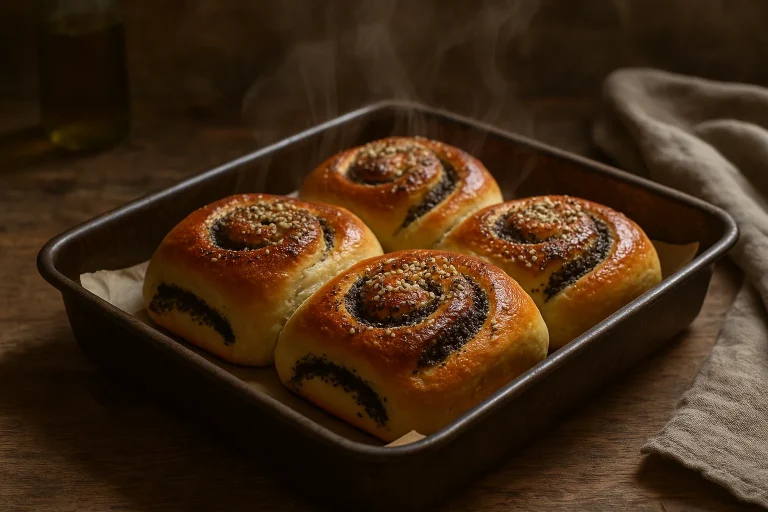
Hemp played a key role in Polish cuisine as far back as the 19th and early 20th centuries. Hemp oil was one of the basic fats in peasant and bourgeois cooking - cheaper than linseed oil, locally available, and valued for its flavor. In the Borderlands and Polesie, hemp seeds (grains) were added to groats, soups, and bread. Traditional "oleśniszki" - rolls baked with hemp oil - were a daily product in many bakeries.
The Polish name "hemp" comes from the Proto-Slavic *konopjь, cognate with Latin cannabis. This plant has been synonymous with utility for thousands of years - providing fiber for fabrics, seeds for food, and oil for cooking. The history of hemp in Polish cuisine is not exotic but rather a local tradition forgotten for several decades.
Today, this tradition is returning in a new context. Artisan bakeries are adding hemp flour to sourdough bread; plant-based restaurants are using hemp oil in dressings; protein bars offer smoothies with hemp protein. So it's worth remembering that cooking with hemp is not just a trend - it's a way to reconnect with something that has always been part of Polish cuisine.
Seasonally, hemp seeds fit particularly well into autumn-winter dishes: pumpkin and carrot soups, grain dishes with root vegetables, warming porridge. In spring and summer - in light salads with fresh vegetables, smoothies with strawberries and mint, cool sauces for grilling. If you want to take it a step further and make real hemp butter, check out our step-by-step recipe for hemp butter. Hemp tea, on the other hand, is one of the simplest ways to incorporate hemp into your daily routine - hemp tea and its properties are discussed in detail in a separate article.
If you want to discover more about the health benefits of hemp, I recommend reading Bucha's blog article about CBD and CBN for Sleep and Insomnia - CBD consumed with an evening meal can be one way to ensure a calmer night, precisely due to the bioavailability discussed above with fats.
Frequently Asked Questions
Is cooking with hemp oil safe?
Yes, provided you use it cold or at temperatures below 165°C. Hemp oil has a low smoke point due to its high content of polyunsaturated fatty acids (70-90%). It works best as a salad dressing, an addition to smoothies, or for finishing dishes just before serving.
How much protein do hemp seeds have?
Shelled hemp seeds contain approximately 31.56 g of protein per 100 g according to USDA FoodData Central - more than eggs (13 g) or yogurt (4 g). This protein mainly consists of edestin and albumin, which are characterized by a digestibility of over 88% in in vitro studies (PMC, 2022).
How to use hemp flour in baking?
Hemp flour is best used in a ratio of 1/3 hemp flour to 2/3 regular flour. Higher amounts change the structure of the dough - research from 2024 (Journal of Culinary Science) showed that above 50% hemp admixture the physical and sensory properties of gluten-free baked goods deteriorate.
Does CBD in food work the same as under the tongue?
Not identical. CBD taken with a fatty meal has up to 9.7 times higher bioavailability (AUC) than when taken on an empty stomach, according to research by Saals et al. (Scientific Reports, 2025). The effect appears more slowly (1-2 h) than with sublingual administration (15-30 min), but it may last longer.
Are hemp products in the kitchen legal in Poland?
Yes. CBD hemp seeds, oil, flour, and oils are legal as a food or supplement in Poland and the entire EU. Regulation (EU) 2022/1393 specifies maximum THC levels of 3 mg/kg for seeds and 7.5 mg/kg for oil. Certified sellers meet these standards.
What dishes can be prepared with hemp seeds?
Hemp seeds fit well into oatmeal, yogurt, smoothies, salads, sandwich spreads, cream soups, and roasted vegetables. They can be added to granola, muesli, plant-based patties, and homemade energy bars. Just 2-4 tablespoons a day can cover a significant portion of your magnesium and omega-3 needs.
How to store hemp oil?
Hemp oil should be stored in a tightly closed bottle in the refrigerator or in a dark, cool place (up to 15°C). Its high PUFA content makes it easily oxidized by light and heat. Once opened, it should be consumed within 4-6 weeks, according to durability test (PMC, 2024).
Is hemp protein complete?
Yes - hemp protein contains all 9 essential amino acids, including lysine in amounts higher than most plant proteins. Detailed analyses PMC (2024) indicate the digestibility of hemp protein isolate above 88%, making it a good alternative to whey and soy in a plant-based diet.
This article is for informational and educational purposes and does not replace consultation with a doctor. If you are pregnant, breastfeeding, taking medications, or have chronic conditions, consult the use of supplements or herbs with a specialist.
Author: Michał Waluk · Published: 2026-05-04 · Updated: 2026-05-04