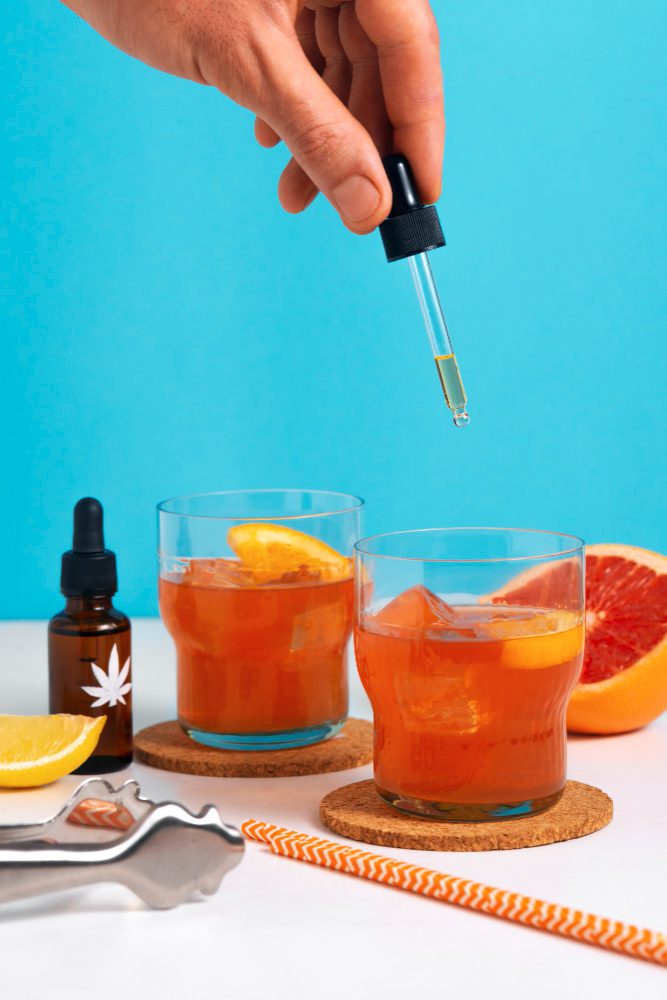

Mixing Alcohol and Marijuana: A Comprehensive Guide (Interactions, Risks, Harm Reduction)
Mixing alcohol and marijuana: pharmacology of interactions, crossfading, greening out, harm reduction, and Polish law. A comprehensive guide with citations of studies.
Key information at a glance
- Short answer: mixing alcohol and marijuana (commonly known as “crossfading”) significantly increases serum THC concentration, enhances sedation, raises heart rate, and increases the risk of poisoning. In a controlled study by Lukas, the average THC concentration after smoking a joint was almost twice as high, when volunteers first consumed a dose of alcohol (Lukas and Orozco, 2001).
- Order matters: alcohol BEFORE marijuana often ends in “greening out” (nausea, dizziness, cold sweats); marijuana before alcohol does not eliminate synergy but suppresses the vomiting reflex, which paradoxically increases the risk of acute ethanol poisoning.
- CBD and alcohol: CBD does not enhance intoxication in a way comparable to THC, and in animal models, it shows protective effects for the liver (Yang et al., 2014). However, this does not exempt humans from caution.
- Law (Poland): THC is illegal under Act of July 29, 2005, on counteracting drug addiction. There is zero tolerance for THC in traffic and a limit of 0.2 per mille of alcohol.
- First aid for “greening out”: fresh air, water, established side position, DO NOT give alcohol or coffee. In case of loss of consciousness, seizures, or respiratory disturbances, call 112.
Mixing alcohol and marijuana this is not an innocent combination of two “light” substances. From a pharmacological perspective, it is a simultaneous intervention in three systems: GABAergic (alcohol), endocannabinoid (THC), and hepatic first-pass metabolism. According to meta-analyses, drivers with both THC and alcohol detected have several times higher risk of an accident than individuals under the influence of ethanol alone (Ramaekers et al., 2011). This guide collects scientific evidence, describes the mechanism of “crossfading”, explains why the order of consumption matters, and shows practical harm reduction principles if someone decides to combine despite being aware of the risks. The text is not medical advice, and in Poland, possession of THC remains prohibited.
What is crossfading and why does it raise so many questions?
Crossfading means the conscious or accidental combination of alcohol with THC in one session. According to CDC studies, about 17% of cannabis users admit to simultaneous alcohol consumption in the past month (Subbaraman and Kerr, 2015). This trend is increasing with the liberalization of cannabis regulations, but the health effects are not neutral.
The term comes from sound mixing, where “crossfade” means the smooth transition from one track to another. In the context of substances, it describes a state where the effects of ethanol and THC overlap and enhance each other. Users often do not notice the boundary beyond which control disappears, as each substance distorts the ability to assess one's own state. Synergy works faster than reflex.
How do alcohol and THC work separately?
Ethanol is a central nervous system depressant. It enhances GABA activity, inhibits glutamate, at low doses produces euphoria and disinhibition, and at higher doses, sedation, dyscoordination, speech and memory disturbances. The effect of ethanol is biphasic: up to about 0.5 per mille, stimulation predominates; above that, sedation.
THC binds to CB1 receptors in the brain, modulating dopamine release in the nucleus accumbens, glutamate, and GABA in the cortex. The effect is also biphasic: low doses calm and relieve anxiety, while higher doses amplify anxiety, paranoia, and tachycardia. Endocannabinoids regulate mood, appetite, pain perception, and the vomiting reflex. The latter detail becomes crucial when combined with alcohol.
Definitions worth knowing before further reading
- Biphasic alcohol: low doses stimulate, higher doses inhibit. Individual threshold, usually 0.4-0.6 per mille.
- Biphasic cannabis: low doses of THC reduce anxiety, high doses increase it, sometimes leading to panic attacks.
- Crossfading: simultaneous or temporally close consumption of alcohol and THC with a synergistic effect.
- Greening out: an acute episode of malaise after THC, most often with excess and a mixture with alcohol. Pallor, cold sweats, nausea, vomiting, dizziness.
- Aldehyde dehydrogenase (ALDH): a liver enzyme that removes acetaldehyde, a toxic metabolite of ethanol.
- CYP3A4: a key cytochrome P450 enzyme that metabolizes THC and many drugs.
what is CBD – a guide to cannabinoids
In a controlled, randomized study from 2001 (Lukas, Orozco), sixteen men smoked a joint with 16 mg of THC after placebo or after a dose of alcohol at a concentration of 0.07%. In the alcohol group, the average THC concentration in plasma reached values about twice as high and appeared significantly faster, documenting the pharmacological enhancement of the effect (Pubmed 11343689).
What does the pharmacology of alcohol and THC interactions show?
The alcohol-THC interaction is not merely additive. Ethanol modifies THC absorption, and cannabinoids affect ethanol metabolism. In the study by Lukas and Orozco from 2001, peak THC values in plasma were 95-100% higher, when smoking was preceded by a dose of alcohol, compared to the placebo group (Lukas and Orozco, 2001). This is the first hard data worth remembering.
Why does alcohol increase the bioavailability of THC?
Ethanol dilates blood vessels in the mucous membranes of the mouth, bronchi, and intestines. Blood circulates faster, and the transfer of THC from smoke or the digestive tract to plasma is more efficient. Additionally, ethanol increases the permeability of cell membranes, facilitating the diffusion of lipophilic THC. In practice, the same joint after beer “hits” harder and faster than if it were smoked sober.
In the study by Hartman et al. from 2015, participants who consumed low doses of alcohol (0.5 per mille) and smoked a joint achieved significantly higher THC concentrations in the blood than the placebo group, and their results in the driving simulator test were clearly worse (Hartman et al., 2015). This is evidence that even a moderate dose of alcohol alters the pharmacokinetics of THC.
How does THC modify ethanol metabolism?
THC does not significantly block alcohol dehydrogenase, but it affects CB1 receptors in the nucleus accumbens, modulating dopamine release. This translates to a subjective enhancement of reward, meaning the pleasure from drinking is greater, but the body's warnings (nausea, dizziness) are weaker. Marijuana also has strong antiemetic properties, so the natural protective mechanism against ethanol poisoning is muted.
This is no pharmacological joke. In clinical settings, THC is used as an antiemetic in cancer patients. The same mechanism in the context of a party means that a person who should have vomited excess alcohol does not and accumulates a toxic dose.
The role of CYP3A4 and hepatic interactions
THC is primarily metabolized by CYP3A4 and CYP2C9 to 11-OH-THC, an active metabolite stronger than the parent cannabinoid. Ethanol competes for the same enzymatic pathways and induces CYP2E1, which produces reactive oxygen species. The overall burden on hepatocytes increases linearly. In chronically drinking and smoking individuals, the risk of fatty liver (Sherer et al., 2008) is significantly higher than in the group drinking without THC.
Often overlooked in popular guides is the role of 11-OH-THC, the active metabolite produced in the liver. The more intense the liver's work (which ethanol forces), the higher the ratio of 11-OH-THC to THC, which accounts for the stronger “high” after edibles. When combined with alcohol, this metabolite accumulates faster and lasts longer.
how THC is metabolized in the liver
Does the order of consumption really matter?
Yes, the order is one of the most important risk factors. In surveys from university centers in the USA, over 70% of “greening out” episodes involved individuals who first drank alcohol and then reached for a joint or edibles. The mechanism is predictable: increased bioavailability of THC plus weakened dose control.
Alcohol before marijuana, the most risky scenario
This is the most common scenario at parties. After two or three drinks, disinhibition occurs, and a joint circulating in the group seems like a natural addition. At this point, all amplifying mechanisms activate: alcohol has already dilated blood vessels, THC enters the bloodstream faster and more intensely. Subjectively, this is not the same joint that was smoked sober yesterday.
Consequences appear within 5-15 minutes. Sudden paleness, cold sweats, saliva in the mouth, nausea, sometimes vomiting. This is classic “greening out”. In extreme cases, there may be a loss of consciousness, though it is rarely prolonged. However, it is dangerous that a person lying on their back and vomiting may choke.
Marijuana before alcohol, suppression of vomiting as a trap
Some participants in university studies believe that reversing the order is “safer”. This is not true, although the clinical picture looks different. After a joint, THC suppresses the vomiting reflex by acting on CB1 receptors in the brainstem. A person drinking alcohol in this state does not feel natural warnings. Drinking continues longer, and the concentration of ethanol rises until it exceeds the toxicity threshold.
From our consultations with people working in cannabis shops in Poland, it appears that customers most often ask about combining with wine at evening gatherings, less often about strong spirits. This pattern suggests that low concentrations of ethanol are underestimated, even though Hartman showed a significant effect already at 0.5 per mille in 2015.
What do population studies say about the order?
Subbaraman and Kerr in 2015 analyzed data from a large American sample (NESARC) and showed that individuals combining alcohol with marijuana have 1.5-2.5 times higher risk of negative social consequences (conflicts, job troubles, accidents) than those drinking alcohol without THC (Subbaraman and Kerr, 2015). The order was one of the significant predictive variables.
In the meta-analysis by Ramaekers from 2011, the risk of a fatal traffic accident for a driver detected with alcohol (≥0.5 per mille) and THC was several times higher than for a driver with alcohol alone at the same concentration. The authors conclude that combining substances generates a super-additive effect in the domains of attention and reaction time (Pubmed 21333372).
What symptoms does the mixture of alcohol and THC provoke?
The symptom profile is characteristic and more dramatic than for either substance alone. In the study by Hartman et al., participants combining low doses of alcohol with THC had 50-100% worse results in divided attention and reaction time tests than control groups (Hartman et al., 2015). Subjectively, a set of somatic symptoms also appears.
Acute symptoms in the first hour
- Tachycardia: heart rate of 100-130 beats per minute, even at rest.
- Low orthostatic pressure: dizziness when standing up, the sensation of 'black spots'.
- Spinning sensation: the feeling of the room spinning, especially with closed eyes.
- Nausea and vomiting: a classic sign of greening out, sometimes recurring.
- Pallor, cold sweats, chills: an autonomic reaction to a sudden drop in blood pressure.
- Anxiety, paranoia, panic attacks: THC at higher doses amplifies amygdala activity.
- Speech and coordination disturbances: slurred speech, problems walking.
- Short-term loss of consciousness: in extreme cases, usually 30-90 seconds.
What distinguishes greening out from alcohol poisoning?
Alcohol poisoning develops more slowly and provides constant sedation. Greening out after crossfading is abrupt, with a dominant autonomic reaction and often panic. The skin is pale and cold, not flushed as in classic intoxication. A person usually does not lose contact for long, but is terrified of their condition.
Differentiation has practical significance. In ethanol poisoning, the most important thing is to monitor breathing and establish a side position; in greening out, in addition to that, calming and ventilating the room. Both states can occur together.
When do symptoms require calling an ambulance?
Call 112 if a person loses consciousness for more than 1-2 minutes, has seizures, breathes less than 8 times a minute, has cyanosis of the lips or fingers, cannot be awakened, has repeated vomiting with a risk of choking, or experiences chest pain. Don't wait for it to 'pass on its own.' If in doubt, it's better to call.
[CALLOUT: in emergencies, clearly call 112; do not give alcohol, coffee, painkillers, or 'home remedies']
Greening out, how to provide first aid?
Greening out is a state that usually resolves within 30-90 minutes but requires active assistance from witnesses. According to a Eurobarometer survey from 2017, only 23% of young Europeans knew how to properly respond to acute symptoms of marijuana poisoning, and most mistakenly provided coffee or more alcohol.
What to do step by step?
- Open a window, provide fresh air. Oxygenation helps with dizziness and nausea.
- Sit or lay the person in a stable side position. Prevents choking in case of vomiting.
- Give water or an isotonic drink in small sips. Hydration and electrolytes stabilize blood pressure.
- Stay calm and speak in a calm voice. Anxiety worsens symptoms, panic escalates tachycardia.
- If available, give a few drops of CBD oil under the tongue. CBD is a partial CB1 antagonist and may alleviate acute highs.
- Try freshly ground black pepper. It contains beta-caryophyllene, which binds to CB2 and may subjectively alleviate paranoia, anecdotal but harmless.
- Monitor breathing and heart rate for 30-60 minutes.
What absolutely NOT to do?
- Do not give another drink of alcohol 'to calm down.' It deepens sedation and the risk of respiratory depression.
- Do not give coffee or energy drinks. They mask sedation but do not eliminate toxicity.
- Do not leave the person alone, especially if they fall asleep on their back.
- Do not give painkillers or benzodiazepines 'just in case.'
- Do not induce vomiting in a person with impaired consciousness.
How long does it take to fully recover?
Subjective symptoms usually pass within 2-4 hours. Full psychomotor efficiency returns after 6-12 hours, depending on the dose and individual metabolism. However, THC is detectable in blood and urine much longer, from days to several weeks in regular users. Therefore, after crossfading, do not drive even the next day.
Hartman and Huestis (2015) showed that even 0.5 per mille of alcohol consumed before a low-potency joint (16 mg THC) raises the maximum THC concentration in serum by about 41-65% compared to placebo, while also lowering performance in driving simulator tests by over 30% (Pubmed 26044530).
What are the long-term risks of regular mixing?
A single episode of crossfading usually does not leave lasting marks on a healthy adult. Repeating this pattern is a different story. In the cohort of Sherer et al. (2008), individuals with chronic use of alcohol and marijuana had significantly higher rates of liver damage (increased ALT, AST, GGT) than control groups (Sherer et al., 2008).
Liver, double metabolic burden
The liver metabolizes ethanol mainly through ADH and CYP2E1, and THC through CYP3A4 and CYP2C9. The combined burden forces a greater demand for cofactors (NAD+, glutathione) and generates more reactive oxygen species. In individuals with existing risk factors (obesity, HCV, hepatotoxic drugs), combining accelerates progression to steatosis and fibrosis. Sherer showed that the risk of steatosis increases in a super-additive manner.
Brain, neuroplasticity, and addiction risk
CB1 receptors and the dopaminergic system in the nucleus accumbens connect with the reward system. Repeated stimuli from two sources (ethanol and THC) increase tolerance and decrease sensitivity to natural rewards (food, social contact). In young adults, whose brains mature until about age 25, regular crossfading correlates with worse performance in working memory and attention tests (Subbaraman and Kerr, 2015).
Mental health, anxiety, depression, psychosis
Individuals with a genetic predisposition to psychotic disorders (especially schizophrenia) are particularly at risk of exacerbating symptoms after high doses of THC. Alcohol lowers the threshold for emotional responses. The combination increases the risk of acute anxiety-depressive episodes and the entrenchment of unhealthy coping patterns. In young men (15-25 years), the risk of psychosis after high-THC strains is significantly higher.
THC and mental health, what does science say
Decisions, social and professional risks
Subbaraman and Kerr showed that individuals combining alcohol with marijuana have a higher rate of negative consequences at work, legal troubles, and family conflicts. The logical interpretation: two impairments of judgment and impulse control produce a super-additive effect of executive deficits. This is not moralizing; it is a conclusion from a large population study.
What does the law say about combining THC and alcohol in Poland?
In Poland, possession of THC remains a crime under Act of July 29, 2005, on counteracting drug addiction. There is zero tolerance for THC in traffic and a limit of 0.2 per mille of alcohol. According to police statistics from 2023, in traffic accidents in Poland involving psychoactive substances, about 15-20% of cases involve the combination of alcohol with other substances, including THC.
Traffic code and criminal consequences
A blood alcohol concentration of 0.2 to 0.5 per mille qualifies as a state after alcohol use (an offense). Above 0.5 per mille is a state of intoxication (a crime). Detection of THC at any concentration can lead to criminal liability for the driver. Sanctions include loss of driving license, fines, and in the case of causing an accident, imprisonment for up to 12 years.
Possession and trafficking of THC
Possession of even a small amount of cannabis with THC above 0.3% is a crime punishable by up to 3 years in prison (Article 62 of the Act). In practice, in the case of a negligible amount for personal use, the prosecutor may discontinue the proceedings (Article 62a), but this depends on the decision of the authority. Medical marijuana by prescription has been legal since 2017.
Status of CBD in Poland
CBD products with THC content below 0.3% are legal for retail sale. According to the WHO ECDD critical report from 2018, pure CBD does not exhibit addictive potential or significant health risks in therapeutic doses (WHO ECDD, 2018). Nevertheless, driving after a large dose of CBD is not recommended, as some products contain trace amounts of THC.
the legality of CBD in Poland, current legal status
According to the WHO Expert Committee on Drug Dependence critical report from 2018, cannabidiol (CBD) in its pure form does not exhibit abuse potential, does not cause physical dependence, and has no significant profile of adverse effects at doses up to 1500 mg/day in healthy adults (WHO ECDD, 2018).
Is CBD and alcohol a safer combination than THC and alcohol?
CBD is not psychoactive in the sense of THC, does not strongly activate CB1 receptors, and rather modulates the endocannabinoid system. In the study by Yang et al. from 2014 in a mouse model, CBD showed protective effects on the liver in conditions of induced alcoholic steatosis (Yang et al., 2014). However, results from animal models do not automatically translate to humans.
What do studies specifically show?
Yang and his team administered ethanol in high doses to mice for several weeks and compared groups with additional CBD and without. The livers of animals in the CBD group had fewer steatoses, lower concentrations of damage markers (ALT), and less oxidative stress. The mechanism was explained by the antioxidant and anti-inflammatory action of CBD and modulation of hepatocyte autophagy.
In humans, there are no analogous large controlled studies. Individual studies suggest that CBD may alleviate some withdrawal symptoms and reduce cravings in patients with substance use disorders. This is a promising direction, but it is not evidence that one can drink more if they have taken CBD.
When is CBD reasonable support?
Reasonable uses include reducing anxiety symptoms after an evening party, supporting sleep after a stressful day, aiding recovery. CBD does not replace water, sleep, and meals, and its effect is subtle. Most people respond to doses of 10-30 mg daily, although some may need more.
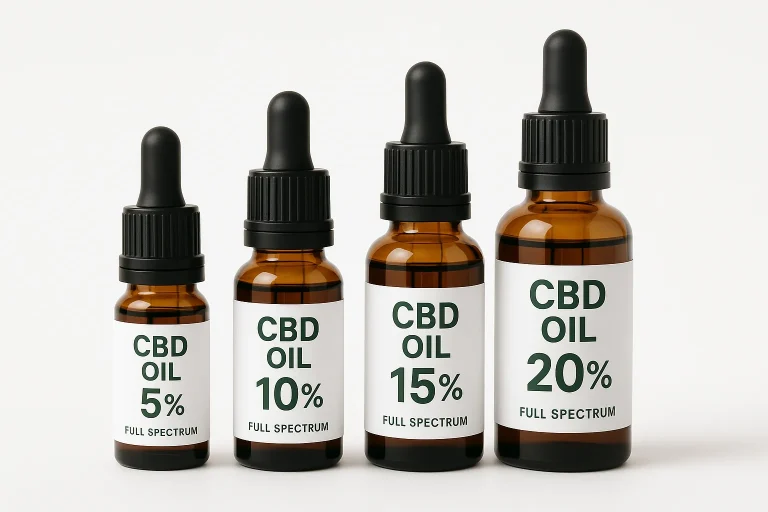
SOOL CBD Oil 5% (76 PLN) – a gentle introduction to CBD, useful for beginners.
SOOL CBD Oil 10% (99 PLN) – a stronger concentration for evening relaxation.
Cannova CBG 15% (240 PLN) – high CBG content, alternative support for the day.
Mars CBD Flower 9% (59 PLN) – high-quality flower for vaporization.
What will CBD not do?
CBD does not 'detox' the liver from alcohol in the sense of speeding up ethanol metabolism. It does not protect against a DUI charge. It does not reduce THC levels if someone has smoked at the same time. It cannot replace sleep and hydration. It is a supplement, not a magic shield. Caution is advised when combining with drugs metabolized by CYP3A4 (e.g., some statins, anticoagulants); CBD may increase their concentration.
CBD and alcohol, a comprehensive review of studies
What harm reduction principles are worth applying?
Harm reduction is an approach that assumes that instead of moralizing about total abstinence, it is better to provide tools to minimize risk. According to the report from the European Monitoring Centre for Drugs and Drug Addiction (EMCDDA), implementing harm reduction principles in the student population reduces the risk of acute poisoning by 30-50%.
Seven principles that realistically reduce risk
- DO NOT DRIVE CARS OR MACHINES. This is the overriding principle. In Poland, there is ZERO tolerance for THC and 0.2 per mille for alcohol. After crossfading, do not drive for at least 24 hours.
- Start with smaller doses of both substances. Half a standard serving of alcohol and a few smaller puffs from a vaporizer. Wait 30-60 minutes before making another decision.
- Stay actively hydrated. A glass of water for every serving of alcohol. Isotonic drinks replenish sodium and potassium, which are crucial during dehydration.
- Eat a nutritious meal beforehand. Fats (avocado, nuts, fish) slow down alcohol absorption and stabilize THC absorption.
- Have a sober companion. At least one person in the group should be completely sober, ready to call 112 if the situation gets out of control.
- Avoid if you are stressed, depressed, or sleep-deprived. Set and setting determine whether the experience will be bearable or catastrophic.
- Never with SSRIs, benzodiazepines, opioids. These interactions are genuinely life-threatening.
Signals that you need to stop immediately
- Pallor, cold sweats, sudden drowsiness.
- Heart rate above 130 or below 50.
- Difficulty breathing, cyanosis of the lips.
- Repeated vomiting.
- Anxiety or panic exceeding self-regulation ability.
- Altered consciousness (the person 'zones out,' does not respond to their name).
Safe alternatives to crossfading
If the goal is relaxation, consider one of the substances in moderate amounts or completely different paths: a hot bath with Epsom salt, a breathing session, an evening walk, a conversation with a loved one, a light dinner with protein and carbohydrates. Many people report that after switching to a single substance (most often quitting alcohol), sleep quality and mood improved within a few weeks.
From the accounts of bartenders and waiters in Warsaw clubs, it appears that evenings where guests start with strong drinks and then go out for a THC cigarette after an hour generate the most security interventions. This is anecdotal observation but aligns with Hartman's data on the role of order.
Medical marijuana and alcohol, additional risks
Patients using medical marijuana in Poland represent a growing population. According to data from 2024, over 200 thousand prescriptions for medical cannabis are registered annually. Combining cannabis therapy with alcohol is not an abstract question; it is a real clinical situation.
Why should a medical patient avoid alcohol?
The dose of THC in medical therapy is individually tailored, often in oils or flowers for vaporization. Alcohol disrupts the pharmacokinetics and pharmacodynamics of the drug, which can undermine the therapeutic effect and increase side effects. In cancer, neurological, and psychiatric patients, the mixture is particularly risky due to other medications in therapy (chemotherapy, anticonvulsants, antidepressants).
What to tell the attending physician?
Any occasional episode of alcohol consumption should be reported to the doctor, especially if new symptoms have appeared (nausea, dizziness, sleep disturbances). The doctor may adjust the dosage, order liver tests, or recommend a change in protocol. Self-modifications are risky.
Frequently Asked Questions
Is mixing alcohol and marijuana safe?
No, simultaneous consumption increases the bioavailability of THC and enhances sedation. In the study by Lukas and Orozco from 2001, the peak THC concentration after smoking a joint was nearly twice as high when preceded by alcohol. The risk of greening out, traffic accidents, and acute poisoning clearly increases.
What is 'crossfading' and where did the term come from?
Crossfading refers to the conscious combination of alcohol and THC in one session with a synergistic effect. The term comes from 'crossfade' in sound mixing, where one track smoothly transitions into another. According to Subbaraman and Kerr (2015), this practice is associated with 1.5-2.5 times higher risk of negative social consequences.
How to recognize greening out and what to do?
Pallor, cold sweats, nausea, dizziness, and anxiety after combining THC with alcohol are classic symptoms. Sit the person in a stable side position, provide fresh air, give water in small sips, and stay calm. In case of loss of consciousness for more than 1-2 minutes, seizures, or respiratory depression, call 112.
Can CBD alleviate the effects of combining alcohol and THC?
CBD is a partial CB1 antagonist and may subjectively alleviate acute highs. According to the WHO ECDD report from 2018, CBD has no significant abuse potential. In the mouse model, Yang et al. (2014) demonstrated liver protection. This does not exempt humans from caution, but CBD is a safer option than THC when combined with alcohol.
Can you drive after a small amount of alcohol and CBD?
We do not recommend it. In Poland, the alcohol limit is 0.2 per mille, and some CBD products contain trace amounts of THC, for which there is zero tolerance. According to Ramaekers' meta-analysis (2011), even low doses of THC combined with alcohol increase the risk of accidents several times. The safe boundary is time.
How long after crossfading should you not drive?
A minimum of 24 hours for occasional users, longer for regular ones. THC is lipophilic, accumulates in fat tissue, and can be detectable days to weeks after consumption. Alcohol slows its metabolism. According to Hartman (2015), psychomotor impairments last longer than the subjective feeling of 'being sober.'
Does the variety of marijuana matter when combining with alcohol?
Yes. High-THC strains (above 18%) generate a stronger psychoactive effect and a greater risk of greening out. Strains with higher CBD content are milder because CBD modulates the action of THC. Nevertheless, any combination with alcohol carries risk, regardless of the strain.
Are edibles with THC safer than smoking in combination with alcohol?
No, they are riskier. Edibles have a delayed effect (60-120 minutes), leading to the mistake of 'I don't feel anything, I'll take a second dose.' Combining with alcohol masks early signals and increases the activity of 11-OH-THC, a stronger metabolite. The risk of acute THC poisoning significantly increases.
Does marijuana help with a hangover?
There is no scientific evidence for this. THC may temporarily alleviate nausea due to its antiemetic properties, but it slows alcohol metabolism and exacerbates dehydration. The best methods are water with electrolytes, sleep, and a light meal with protein and complex carbohydrates.
Is combining alcohol and marijuana legal in Poland?
Possession of THC is illegal under the Act of July 29, 2005, on counteracting drug addiction. Consuming alcohol is legal for individuals over 18 years of age. The combination itself is not separately regulated, but the mere fact of possessing THC constitutes a crime. In traffic, there is ZERO tolerance for THC.
Summary and practical conclusions
Mixing alcohol and marijuana is not an innocent variation of the evening. From a pharmacological perspective, it is a simultaneous strike on three regulatory systems (GABA, endocannabinoid, hepatic metabolism), which generates synergy rather than a simple sum of effects. Controlled studies clearly show: alcohol increases the bioavailability of THC, THC suppresses natural defense mechanisms against excess ethanol, and drivers detected with both THC and alcohol have several times higher risk of fatal accidents (Ramaekers, 2011).
The key practical takeaways are: zero tolerance for driving, awareness of the order of consumption, the 'start low, go slow' principle, having a sober companion, avoiding crossfading in stress, depression, and for those taking SSRIs or benzodiazepines. In Poland, possession of THC remains a crime, so education and harm reduction are crucial, not liberalization combined with a lack of knowledge. CBD is a safer alternative, but not a magic shield.
If you notice that combining substances is becoming a routine or affecting work, relationships, and health, seek professional help. In Poland, MONAR centers, AA groups, and psychiatric consultations under the NFZ are available. In case of acute symptoms after crossfading, calling 112 is a decision that no one should be ashamed of.
Disclaimer
This article is for informational and educational purposes. It is not medical or legal advice. Mixing alcohol and marijuana INCREASES HEALTH AND LEGAL RISKS. In Poland, possession of THC is illegal under the Act of July 29, 2005, on counteracting drug addiction. In traffic, there is zero tolerance for THC and a limit of 0.2 per mille of alcohol. DO NOT mix alcohol and cannabinoids with SSRIs, benzodiazepines, opioids, or drugs affecting CYP3A4. In case of acute poisoning, call 112. Help for addiction: MONAR (monar.org), Alcoholics Anonymous (aa.org.pl), Alcohol Problems Helpline (801 033 242).