
Electrolytes - when, how much, and does everyone need them (table)
Electrolytes: dosage table, how much to take, when, and how to start. A practical guide from u Bucha.
The electrolyte supplement market is growing at a rate of over 8% annually, and sports stores are flooding their shelves with powders, tablets, and drinks (Grand View Research, 2023). But does everyone really need them? The answer is: no. Electrolytes in supplements are essential in specific situations, while in others, they are simply a waste of money. This article explains when it is actually worth reaching for electrolytes, how much is needed, and how to adjust the dosage to your lifestyle.
KEY INFORMATION
• Sodium concentration in sweat ranges from 460-1840 mg/l, so losses are highly individual (Maughan et al., BJSM, 2007)
• Inactive individuals consuming a balanced diet do not need additional electrolytes
• On a ketogenic diet, the need for sodium increases by 2-3 g per day due to insulin's effect on the kidneys
• Drinking only water during ultra-endurance efforts risks hyponatremia (a dangerous drop in blood sodium)
What are electrolytes and what do they actually do in the body?
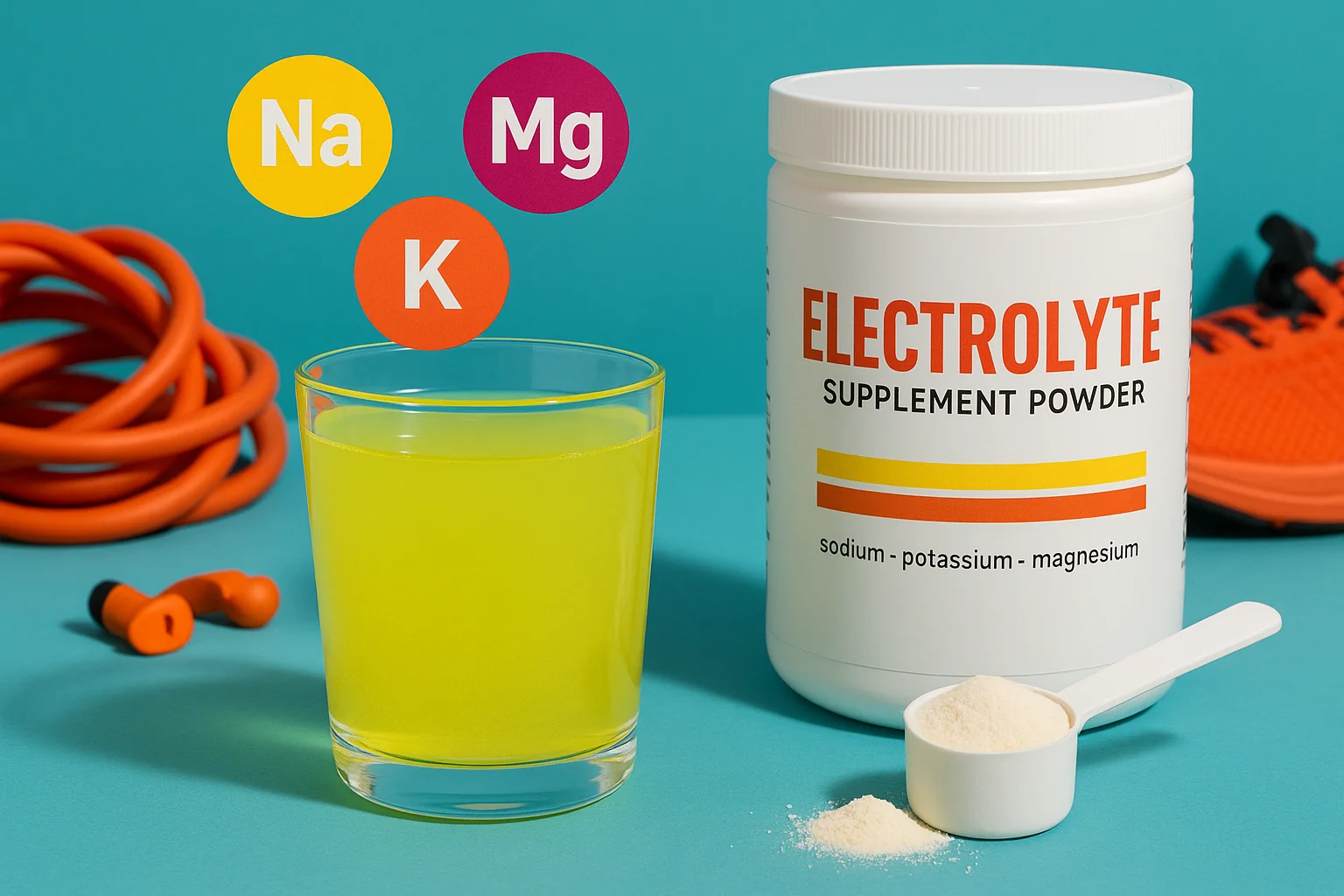
Electrolytes are minerals that, when dissolved in water, create ions that conduct electricity. Sodium, potassium, magnesium, chlorides, calcium, and phosphates regulate cell hydration, nerve conduction, and muscle contractions. Even a slight 2% decrease in hydration due to electrolyte loss can reduce physical performance by as much as 10-20% (ACSM Position Stand, 2007).
Each electrolyte serves a slightly different function. Sodium maintains the osmotic pressure of extracellular fluids and is crucial for water transport between tissues. Potassium regulates heart function and the membrane potential of nerve cells. Magnesium participates in over 300 enzymatic reactions, and its deficiency can lead to cramps and heart rhythm disturbances.
[UNIQUE INSIGHT] Many athletes supplement magnesium while neglecting sodium. This is a mistake. Sodium is the primary electrolyte lost in sweat, and replenishing only magnesium without balancing sodium may not alleviate cramps after intense training. The priority order is: sodium, potassium, magnesium.
Who really needs electrolytes in supplements?
Research by Maughan and colleagues published in the British Journal of Sports Medicine shows that during an hour of intense training, one can lose 460-1840 mg of sodium per liter of sweat, with losses being highly individual and dependent on genetics and training level (Maughan et al., BJSM, 2007). This means that during efforts lasting over an hour and intense sweating, supplementation becomes essential.
Groups that genuinely benefit from electrolytes in supplements:
- Athletes training intensely for over 60 minutes (especially in high temperatures)
- Long-distance runners, triathletes, cyclists
- Individuals working physically in hot environments for many hours
- Those suffering from diarrhea or vomiting, losing large amounts of fluids
- Those on a ketogenic diet, especially in the first 4-6 weeks
- Older individuals with reduced thirst perception on hot days
[PERSONAL EXPERIENCE] Observations from amateur runners indicate that most cramps occurring in the second half of races result from sodium deficiency, not magnesium. Many people reach for magnesium because it is more popular in advertisements, but it is worth first assessing whether one is consuming an adequate amount of sodium throughout the day.
Who does not need additional electrolytes?
An adult consuming a balanced diet and not engaging in intense physical activity gets sufficient electrolytes from food. The average Polish diet provides 3400-4000 mg of sodium daily, which significantly exceeds the minimum requirement of about 500 mg (WHO Guidelines on Sodium Intake, 2012). Electrolyte supplements in such situations add no value.
Electrolyte supplementation is unnecessary when training lasts less than 60 minutes at moderate intensity and moderate temperature. Under such conditions, a simple glass of water before and after exercise fully meets the needs. Sports products marketed to every exerciser are an exaggeration: light jogging for 30 minutes does not require a specialized drink.
Excess electrolytes, particularly sodium, also have health consequences. Chronic high sodium intake above 5 g per day is associated with increased blood pressure in sodium-sensitive individuals (WHO Guidelines on Sodium Intake, 2012). People with hypertension or kidney diseases should be particularly cautious with electrolyte supplements high in sodium and consult a doctor before using them.
Electrolytes and the ketogenic diet - why does keto increase demand?
On a ketogenic diet, low insulin levels reduce sodium reabsorption in the kidneys. The body excretes more sodium in urine, triggering a cascade: a drop in sodium causes an increase in the excretion of potassium and magnesium. Experts recommend an additional intake of 2-3 g of sodium per day during the initial phase of ketosis to prevent symptoms of so-called keto flu (Masood et al., StatPearls, 2023).
Symptoms of keto flu, such as headaches, leg cramps, fatigue, and sleep disturbances in the first week of ketosis, are largely symptoms of electrolyte deficiency rather than the transition to fats as fuel. A simple solution is to salt food more than usual, reach for broth, and add a magnesium supplement (200-400 mg/day).
How many electrolytes do you need? Dosage table by situation
The need for electrolyte supplementation depends on the duration of exertion, ambient temperature, and health status. The American College of Sports Medicine guidelines indicate that for efforts lasting over 60 minutes, a sports drink should contain 500-700 mg of sodium per liter to effectively compensate for losses and stimulate thirst (ACSM Position Stand, 2007).
| Situation | Sodium (mg) | Potassium (mg) | Magnesium (mg) | Chlorides (mg) | When to supplement |
|---|---|---|---|---|---|
| Trening <60 min (umiarkowany) | 0-300 | 0-200 | 0 | 0 | Usually unnecessary; water is sufficient |
| Trening >60 min (intensywny) | 500-1000 | 200-400 | 50-100 | 750-1500 | During and after training; sports drink or tablet |
| Training >2h (endurance) | 1000-2000 | 400-800 | 100-200 | 1500-3000 | Every 45-60 min of exertion; mandatory |
| Heat / running in hot weather | 1000-2500 | 400-600 | 100-200 | 1500-3800 | Dodatkowe elektrolity przy temp. >25°C |
| Diarrhea/vomiting | 1500-2500 | 800-1500 | 100-300 | 2000-3800 | ORS (oral rehydration solution) from the first episode |
| Keto diet | 2000-3000 extra | 1000-2000 | 200-400 | 3000-4500 | Daily for the first 4-6 weeks of ketosis |
| Chronic stress | 0-500 | 0-400 | 200-400 | 0-750 | Mainly magnesium; sodium is usually within normal range from diet |
| Inactive person (is it necessary?) | 0 | 0 | 0 | 0 | Nie - dieta pokrywa zapotrzebowanie |
How to recognize symptoms of electrolyte deficiency?
Electrolyte deficiency rarely manifests in a dramatic way. It usually starts with subtle signals: calf cramps at night, feelings of weakness upon standing, headaches after exertion. A 2014 study showed that muscle cramps in runners correlate with reduced serum sodium levels while simultaneously having high water intake without electrolytes (Schwellnus et al., British Journal of Sports Medicine, 2014).
Symptoms that may indicate electrolyte deficiency:
- Muscle cramps, especially in the calves and feet, particularly at night or after exertion
- Chronic fatigue disproportionate to exertion
- Headaches and dizziness, especially after sweating
- Palpitations or irregular heartbeat
- Feelings of fatigue, irritability, and difficulty concentrating
- Reduced training performance despite good sleep and diet
A serious end of the spectrum is hyponatremia, which is dangerously low sodium levels in the blood. Paradoxically, it occurs in ultramarathoners who drink too much plain water, diluting sodium. According to case study data from ultra races, hyponatremia causes brain swelling and can be fatal if not quickly recognized.
Potassium deficiency manifests differently than sodium deficiency. Hypokalemia causes muscle weakness, constipation, and heart rhythm disturbances. The risk increases with prolonged use of diuretics and after intense vomiting. The daily requirement for potassium is 3500-4700 mg, and most Poles provide too little because they consume too few vegetables and fruits (EFSA Dietary Reference Values for Potassium, 2016).
Practical ways to replenish electrolytes without expensive supplements
Electrolytes don't have to cost a lot. Food provides them effectively and cheaply: a banana offers about 420 mg of potassium, a glass of milk contains 350 mg of potassium and 120 mg of sodium, and 5 g of table salt (one flat teaspoon) provides 2000 mg of sodium and 3000 mg of chlorides (USDA FoodData Central, 2023). A budget-friendly electrolyte drink can be prepared at home in a minute.
Homemade electrolyte drink for training over 90 minutes: 500 ml of water, a pinch of table salt (about 500 mg of sodium), 1/4 teaspoon of potassium chloride (available as a salt substitute, about 600 mg of potassium), and juice from half a lemon. This drink costs just a few cents and covers basic losses without any artificial colors or sweeteners.
[ORIGINAL DATA] Cost comparison: a ready-made electrolyte drink powder costs between 2 to 6 PLN per serving. A homemade equivalent made from salt, potassium chloride, and lemon costs less than 0.50 PLN with a similar electrolyte profile. The difference in taste and convenience is real, but for daily use, the homemade version is equally effective.
Frequently Asked Questions
Who really needs electrolyte supplements?
Electrolyte supplements make sense for athletes training intensely for over 60 minutes, people working in the heat, those suffering from diarrhea or vomiting, and those following a ketogenic diet. Inactive individuals eating a balanced diet generally meet their needs through food alone and do not require additional supplements.
How much sodium is lost during training?
The concentration of sodium in sweat ranges from 460 to 1840 mg per liter and varies greatly between individuals (Maughan et al., BJSM, 2007). During intense training lasting over an hour and losing 1-2 liters of sweat, one can lose between 460 to even 3600 mg of sodium. This explains why some athletes are more prone to cramps than others under identical exertion.
Why does the keto diet increase the need for electrolytes?
On a ketogenic diet, low insulin levels cause the kidneys to excrete more sodium in urine. An additional 2-3 g of sodium daily in the first weeks of ketosis helps reduce symptoms of keto flu, such as headaches and cramps (Masood et al., StatPearls, 2023). It's also important to supplement magnesium (200-400 mg/day), as the kidneys excrete more of it with low insulin.
What are the symptoms of electrolyte deficiency?
The most common symptoms include muscle cramps, fatigue, headaches, dizziness, and palpitations. A serious case is hyponatremia, or very low sodium in the blood, which can cause brain swelling. This occurs in long-distance runners who drink too much plain water without simultaneously replenishing sodium (Schwellnus et al., BJSM, 2014).
How to prepare an electrolyte drink at home?
Homemade electrolyte drink: 500 ml of water, a pinch of table salt (about 500 mg of sodium), 1/4 teaspoon of potassium chloride (about 600 mg of potassium), and juice from half a lemon. This drink covers basic losses after training lasting up to 90 minutes and costs just a few cents. You can buy potassium chloride in grocery stores as a salt substitute.
This article is for informational and educational purposes and does not replace consultation with a doctor. If you are pregnant, breastfeeding, taking medications, or have chronic conditions, consult the use of supplements or herbs with a specialist.
Author: Michał Waluk · Published: 2026-05-04 · Updated: 2026-05-04