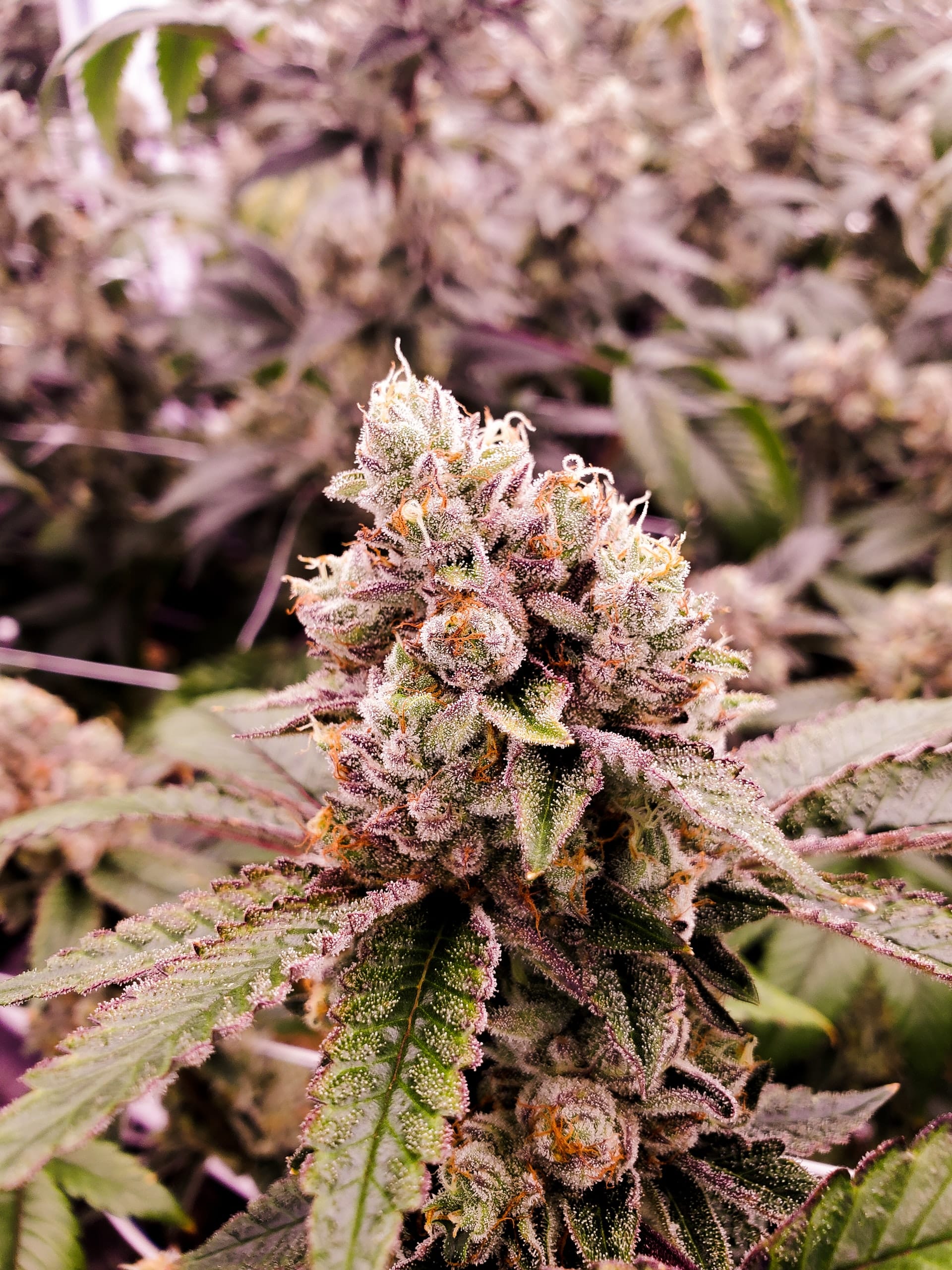

CBG, what is this cannabinoid?
CBG, what is this cannabinoid?
CBG (cannabigerol) is a cannabinoid found in the cannabis plant. Unlike THC and CBD, CBG has no psychoactive effects. However, it does have some potential therapeutic benefits, such as reducing inflammation and pain.
CBG is believed to be involved
interact with the body's endocannabinoid system, which is involved in regulating many different functions, including mood, appetite, pain, and inflammation. While more research is needed to understand the full scope of CBG's potential health benefits, it shows promise as a potential treatment for various conditions. CBG is found in very small amounts in most cannabis strains. However, there are a few strains that have higher levels of CBG.
These strains can be hard to find, but they may be worth seeking out if you are interested in trying CBG for its potential health benefits.
When purchasing CBG products, it's important to pay attention to the label. Make sure you're buying a product that contains pure CBG and no other artificial additives. Also, be sure to check the dosage to ensure you're taking the correct amount.
CBG has many potential health benefits, including reducing inflammation, relieving pain, and reducing anxiety. It may also help improve sleep and appetite. If you're interested in trying CBG for its potential health benefits, talk to your doctor first to see if it's right for you.
What is CBG?
CBG, or cannabigerol, is a cannabinoid found in cannabis plants. similar to CBD and THC, but it doesn't produce the same psychoactive effects as THC. This means you won't feel "high" after taking CBG.
CBG works by binding to receptors in your body called cannabinoid receptors. These receptors are found in the brain and throughout the body. When CBG binds to these receptors, it can help reduce inflammation, pain, and anxiety. It may also help improve sleep and appetite.
The potential health benefits of CBG are still being researched. Research so far suggests that CBG may be helpful in treating a number of conditions, including:
– Inflammation
- Pain
– Fear
– Sleep disorders
– Appetite disorders
CBG is available in various forms, including oils, tinctures, capsules, and topical creams. CBG can also be found in some strains of marijuana. However, because CBG is a relatively new compound, finding products containing it can be difficult.
CBD and CBG are cannabinoids, compounds found in cannabis plants. Both CBD and CBG interact with the body's endocannabinoid system, which helps regulate various functions, including:
- Appetite
- Mood
- Pain perception
- Inflammation
- Dream
However, there are some key differences between CBD and CBG.
First, CBG is a non-toxic compound, meaning it doesn't produce the "high" associated with marijuana use. Furthermore, research suggests that CBG may be more effective than CBD in treatment certain conditions, such as inflammation and pain. Finally, because CBG is a newer compound, there is less research on its potential benefits and side effects. Therefore, more research is needed to determine the safety and effectiveness of CBG.
So far, available evidence suggests that CBG is a promising compound with a wide range of potential health benefits. However, more research is needed to confirm these effects and establish dosage recommendations. If you're interested in trying CBG, be sure to talk to your doctor first to ensure it's safe for you.
Unlike THC, the most well-known compound found in cannabis, CBG doesn't produce psychoactive effects. This means it won't make you feel "high." However, early research suggests that CBG may have a number of potential health benefits, including relieving pain and inflammation, reducing anxiety, and improving appetite.
CBG belongs to a class of compounds called cannabinoids. Cannabinoids are compounds that interact with the body's endocannabinoid system (ECS). The ECS is responsible for regulating several important functions, including sleep, appetite, mood, and pain sensation. CBD and THC are two other known cannabinoids.
CBG is sometimes called the "mother" or "stem cell" of cannabinoids.
because it is believed to be a precursor compound from which other cannabinoids, such as CBD and THC, are formed. CBG is found in very small amounts in most marijuana strains. It is estimated that CBG makes up less than 1% of the total cannabinoid content in a given cannabis plant.
The low concentration of CBG in most cannabis strains is due to its rapid conversion into other cannabinoids, such as CBD and THC. This process is known as biosynthesis. Biosynthesis is a chemical reaction that occurs when enzymes convert one compound into another.
In the case of CBG, biosynthesis converts it into other cannabinoids, such as CBD and THC. The reason why CBG is converted into other cannabinoids is not fully understood, but it is believed to be the plant's way of regulating the production of these compounds.
CBG has been shown to have many potential therapeutic benefits. For example, studies have shown that CBG can help reduce inflammation and pain. It has also been shown to have antibacterial and antifungal properties.
Despite its potential therapeutic benefits, CBG is currently not used medicinally due to its low concentrations in most cannabis strains. However, there is growing interest in developing CBG-rich cannabis strains. Such strains could potentially be used to treat a variety of conditions.
Like other cannabinoids, CBG interacts with the body's endocannabinoid system (ECS). The ECS is a network of receptors and chemicals that play a role in numerous physiological processes, including pain, inflammation, and mood.
Although CBG is present in most cannabis strains in very small amounts (usually below 1%), there is growing interest in its potential therapeutic benefits. For example, studies have shown that CBG can help reduce inflammation and pain. It has also been shown to have antibacterial and antifungal properties.
Despite the potential therapeutic benefits
CBG is not currently used medicinally due to its low abundance in cannabis strains. However, breeding programs are underway to create new cannabis strains with higher CBG content. What is CBD?
CBD is a cannabinoid found in both hemp plants, and marijuana. Unlike THC, CBD does not produce psychoactive effects. Instead, it is believed to have therapeutic benefits, including reducing inflammation and pain. CBD is currently being researched for potential use in the treatment of various conditions, including epilepsy, anxiety and cancer.
So what is the difference between CBG and CBD?
Both cannabinoids offer potential therapeutic benefits, but they act differently in the body. CBG is believed to act directly on the endocannabinoid system, while CBD indirectly affects endocannabinoid receptors. CBD is more prevalent in cannabis strains than CBG. However, breeding programs are underway to create new cannabis varieties that are higher in CBG.
So, if you're looking for a cannabinoid with potential therapeutic benefits, CBG or CBD may be worth considering. However, more research is needed to understand the full effects of both cannabinoids. CBG, or cannabigerol, is a cannabinoid found in the cannabis plant. It's believed to have potential therapeutic benefits, but more research is needed to understand its full effects.
CBG is present in very small amounts in most cannabis strains, but breeding programs are underway to create new varieties with higher concentrations of this cannabinoid. CBD, or cannabidiol, is another cannabinoid found in cannabis.
In contrast to CBG, CBD does not directly affect the endocannabinoid system. However, it indirectly affects endocannabinoid receptors and is thought to have potential therapeutic benefits. CBD is more prevalent in hemp varieties than CBG, but both cannabinoids may be worth considering for their potential health benefits.CBG and CBD are cannabinoids found in hemp.
CBG is found in low concentrations in most cannabis strains, but new strains with higher concentrations of this cannabinoid are being developed. CBD doesn't directly affect the endocannabinoid system like CBG, but indirectly affects endocannabinoid receptors. CBD is more prevalent in hemp varieties than CBG, but both cannabinoids may have potential therapeutic benefits.
CBG is a cannabinoid found in the cannabis plant. It's similar to CBD and THC but doesn't produce the psychoactive effects of THC. CBG isn't intoxicating, meaning it won't make you feel "high" or "stoned." However, it does interact with the endocannabinoid system, meaning it may have some therapeutic effects.
CBG is being studied for its potential to treat various conditions, including:
- Pain relief
- Inflammation
- Bow
- Depression
- Nausea and vomiting
- Muscle cramps
- Attacks
- Cancer
CBD is found in low concentrations in most cannabis strains, but new strains with higher concentrations of this cannabinoid are being developed. CBD does not directly affect the endocannabinoid system like CBG, but indirectly affects endocannabinoid receptors. CBD is more prevalent in cannabis strains than CBG, but both cannabinoids may have potential therapeutic benefits.
There is currently no direct evidence that CBG can directly treat any specific conditions. However, early research suggests it may have potential therapeutic benefits for a number of conditions, including:
- pain relief
- reducing inflammation
- treatment of anxiety and depression
- stimulating appetite
- slowing the progression of Huntington's disease
- treating glaucoma reducing the symptoms of multiple sclerosis
CBD, on the other hand, doesn't bind directly to cannabinoid receptors. Instead, it activates or inhibits other compounds in the body, known as endocannabinoids. This indirect action makes CBD more difficult to study than CBG.
At this point, further research is needed to confirm the potential therapeutic benefits of CBG and CBD. However, initial studies suggest that these compounds may offer a range of health benefits.
CBG works by interacting with the body's endocannabinoid system (ECS). The ECS is a network of receptors and chemicals that help regulate many important functions in the body, including mood, sleep, appetite, inflammation, and pain.
CBG is believed to have many potential health benefits. Some of these include reducing inflammation, relieving pain, reducing anxiety, and improving sleep and appetite. However, more research is needed to confirm these potential health benefits.