
CBD for endometriosis - what does science say 2026
What is really known about cannabidiol and endometriosis: the endocannabinoid system, the only large survey, ESHRE guidelines, and the risk of interactions with hormonal treatment.
Endometriosis affects about 10% of women and girls of reproductive age, which is approximately 190 million people worldwide, and the average time from the first symptoms to diagnosis is between 4 to 12 years (WHO, 2025). With such a long wait, many patients seek anything that will help them get through the day. Hence the question about cannabidiol, asked today more often than ever, usually somewhere between one appointment and the next. This text does not answer it with a promise or denial. It shows exactly what has been measured, in which studies and on how many individuals, where the evidence ends and the hypothesis begins, what European cannabinoid guidelines do not mention at all, and why the decision to use cannabidiol in diagnosed endometriosis is made by the attending physician, not a guide.
KEY INFORMATION
• Endometriosis affects about 10% of women of reproductive age, and WHO states directly that there is no cure for it (WHO, 2025).
• There is no randomized clinical trial of cannabidiol in endometriosis. The most frequently cited work is a survey, not a study with a control group.
• EFSA states that the safety of cannabidiol cannot be established in individuals taking medications, in pregnant and breastfeeding women, and in individuals under 25 years of age.
• This text does not provide any dosages. In diagnosed disease, the attending physician determines them.
What is endometriosis and who does it affect?
It is a chronic disease in which tissue similar to the endometrial lining occurs outside its cavity, causing inflammation, pain, and scarring. According to the World Health Organization, it affects about 10% of women and girls of reproductive age, which is about 190 million people, and there is currently no known way to cure it (WHO, 2025).
The clinical picture can vary widely. Some patients have few or no symptoms, while others experience pelvic pain so severe that it prevents work and study. Menstrual pain is often accompanied by pain outside of menstruation, pain during intercourse, and gastrointestinal and bladder issues. For many women, the first reason for seeking medical attention is difficulty conceiving.
The guidelines from the European Society of Human Reproduction and Embryology from 2022 describe this diversity as a fundamental challenge. The document contains 109 recommendations and covers diagnosis, pain management, and infertility treatment, as well as separate situations such as endometriosis in teenagers and post-menopause (Becker, Human Reproduction Open, 2022).
It is worth noting how cautious the tone of this document is. The authors state that based on existing evidence, it has not been possible to formulate definitive recommendations regarding the choice of the most appropriate treatment, and for some issues, there is too little evidence to base a recommendation on at all. This serves as a reference point for everything this text discusses further about cannabidiol.
Why does it take so many years to diagnose endometriosis?
The leading symptom, namely painful menstruation, is often treated as normal, and imaging studies do not always show changes. The World Health Organization states that the average time to diagnosis now ranges between 4 and 12 years. This is a span that encompasses the entire youth of the patient, along with professional and family decisions made without knowledge of the disease.
An Australian survey from 2020 gives this a specific dimension. Out of 409 responses, 340 came from individuals with a diagnosed endometriosis, and the average delay in diagnosis in this group was eight years. However, the authors noted a significant decrease in both this delay and the number of doctors visited before diagnosis among those presenting in later years (Armour, Scientific Reports, 2020).
The same study compared the impact of the disease on life among those with a diagnosis and those without. Both groups reported moderate to severe menstrual pain and pelvic pain outside the cycle, as well as a significant negative impact on social relationships, education, and intimate life. Thus, diagnosis does not change the burden of symptoms itself; it only opens the way to treatment.
For the topic of this article, this has one practical consequence. A supplement taken on one's own before a diagnosis can alleviate the symptom that is the only signal prompting a visit. Lengthening an already long path to diagnosis is a real cost that is not visible at the moment of decision-making.
Is laparoscopy still the gold standard for diagnosis?
Not to the extent that most guides suggest. The guidelines from 2022 directly challenge laparoscopy and histopathological examination as standard diagnostic tests and shift the focus towards clinical diagnosis and imaging studies (Becker, Human Reproduction Open, 2022). This is one of several changes after which the authors expected a transformation in clinical practice.
The notion of laparoscopy as the gold standard still circulates in texts about endometriosis today and is sometimes accompanied by a reference to these guidelines. The reference then leads to a document that states something contrary. This is a good example of a situation where merely checking whether a source exists and whether it is credible does not resolve anything.
The practical difference is significant for the patient. If the diagnosis can be based on clinical presentation and imaging studies, waiting for a procedure ceases to be a condition for starting treatment. A negative imaging result does not exclude the disease, so persistent complaints remain a reason for further diagnostics rather than its closure.
The guidelines also describe what possible actions concern: pain management, pharmacotherapy, and surgery, and in the case of infertility, procedures or assisted reproductive techniques. Symptomatic support outside this list, including cannabidiol, is not included in any of these recommendations, not because it was rejected, but because there was nothing to evaluate.
Is the endocannabinoid system altered in endometriosis?
Yes, and this is one of the better-documented observations in this field. In a study involving 27 women with a diagnosis confirmed by laparoscopy and 29 women without endometrial pathology, levels of endocannabinoids in plasma and the expression of their receptors in endometrial stromal cells were measured (Sanchez, Reproductive Sciences, 2016).
The results are more complex than the simplified version circulating on the internet suggests. Systemic levels of anandamide, 2-arachidonoylglycerol, and oleoylethanolamide were elevated in endometriosis during the secretory phase compared to the control group. At the same time, the expression of the CB1 receptor in endometrial stromal cells was higher in healthy women than in those with the disease during the same phase.
The authors interpreted this comparison as a possible negative feedback: elevated circulating mediators with reduced local receptor expression may lose the ability to control pain. They also noted that patients with more severe painful menstruation and pain during intercourse had higher levels of anandamide and palmitoylethanolamide, respectively.
An earlier review of the same group described a broader picture. CB1 and CB2 receptors and the enzymes responsible for the synthesis and breakdown of endocannabinoids are regulated differently depending on the phase of the cycle, are present in deep endometrial nodules, and also in sensory and sympathetic neurons innervating the foci (Sanchez, Molecular Human Reproduction, 2012). Changes in the menstrual cycle are described in a separate text about the endocannabinoid system in the cycle.
Is endometriosis a disease of endocannabinoid deficiency?
The data do not fit this narrative. The clinical endocannabinoid deficiency hypothesis was formulated for migraines, fibromyalgia, and irritable bowel syndrome, and its author presents evidence precisely from these areas: differences in anandamide levels in cerebrospinal fluid in individuals with migraines and imaging indications of reduced system function in post-traumatic stress disorder (, 2016). The hypothesis suggests that migraine, fibromyalgia, and irritable bowel syndrome may result from reduced ECS tone., 2016). There is no endometriosis in this set.
Moreover, measurements in endometriosis go in the opposite direction than a simple version of this hypothesis would require. Endocannabinoid levels in plasma turned out to be elevated, not reduced. A study of peritoneal fluid taken during laparoscopy from 23 patients and 19 women from the control group showed the same: in individuals with non-cyclic abdominal pain, the level of 2-arachidonoylglycerol was higher throughout the cycle (Andrieu, Pain, 2022).
In the same study, the level of 2-arachidonoylglycerol positively correlated with prostaglandin E2, and the ratio of anandamide to 2-arachidonoylglycerol correlated with defensins. The authors considered this a possible bridge between the endocannabinoid system and inflammatory pain, while also noting that the causal relationship cannot be determined without further research.
The distinction is important because it determines the meaning of the entire reasoning. The statement "the endocannabinoid system is dysregulated in endometriosis" is supported by measurements. The statement "there is a lack of endocannabinoids in endometriosis, so they need to be supplemented" is not supported and, in light of the cited works, is false.
Where does the pain in endometriosis come from?
From at least three overlapping sources, not just from the mere presence of foci. The first is the inflammation occurring around the lesions, the second is their innervation, and the third is the sensitization of the nervous system by pain persisting for years. This is why the size of the foci visible in imaging does not directly translate to the intensity of complaints.
The innervation of the foci is the most underestimated point here. A review dedicated to the connections of the cannabinoid system with endometriosis indicates that CB1 and CB2 receptors and the enzymes responsible for the synthesis and breakdown of endocannabinoids are present not only in deep endometrial nodules but also in sensory and sympathetic neurons that innervate these foci (Sanchez, Molecular Human Reproduction, 2012). Thus, the change is not a passive accumulation of tissue but a structure connected to the nervous system.
The inflammatory component is visible in measurements of peritoneal fluid. The level of 2-arachidonoylglycerol positively correlated with prostaglandin E2, a mediator responsible for pain and inflammation, and the ratio of anandamide to 2-arachidonoylglycerol correlated with defensins, which are proteins of the immune response (Andrieu, Pain, 2022). The authors interpreted this as a possible bridge between the studied system and pain of an inflammatory nature.
The last component is not local in nature and is therefore often overlooked. Pain lasting for years changes the way stimuli are processed, and in the Australian survey, individuals with chronic pelvic pain reported a significant negative impact of the disease on social relationships, education, and intimate life regardless of whether they had a diagnosis. Treatment focused solely on the foci does not address this part of the problem.
How does cannabidiol work at the molecular level?
More cautiously than usual. A systematic review of the literature on the molecular pharmacology of cannabidiol identified over 65 described molecular targets, but after critical evaluation, concluded that many of them only manifest at supraphysiological concentrations, which are difficult to achieve in the body (Ibeas Bih, Neurotherapeutics, 2015).
The authors' conclusion is stronger than it might seem. They considered it very unlikely that cannabidiol exerts effects in neurological diseases through modulation of the endocannabinoid system. Some of the targets described in the literature were shown using methods demonstrating correlation rather than causation. After filtering out such entries, only a small number remained, related to the regulation of intracellular calcium.
This finding pertains to neurological diseases, not endometriosis, and that is why it is worth mentioning. Popular explanations describe the action of cannabidiol as an indirect modulation of cannabinoid receptors and inhibition of the enzyme that breaks down anandamide. The review that critically examined this literature considers this pathway unlikely under physiological conditions.
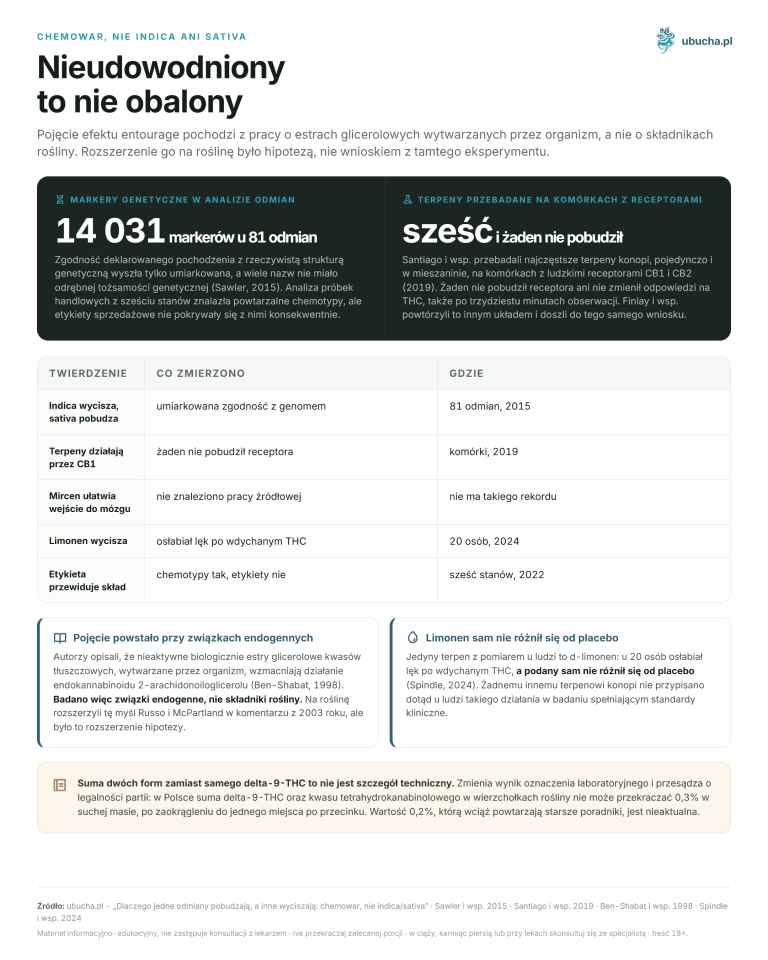
Cannabidiol is not the same as THC, which acts as a strong agonist of the CB1 receptor and produces psychoactive effects. In Poland, the threshold for hemp is 0.3% and is calculated as the sum of delta-9-THC and tetrahydrocannabinolic acid based on dry mass, according to Article 4 point 5 of the Act of July 29, 2005, on counteracting drug addiction, as amended by the Act of March 24, 2022 (Dz.U. 2022 poz. 763).
What did the survey on cannabis among women with endometriosis show?
The most frequently cited work on this topic is an Australian online survey published in 2020. The analysis included 484 responses from women aged 18 to 45 with surgically confirmed endometriosis, recruited through social media of patient organizations (Sinclair, Journal of Obstetrics and Gynaecology Canada, 2020).
The numbers are often misquoted, so it's worth stating them accurately. Among all respondents, 76% used any methods of self-managing symptoms in the past six months. From this group, 13% indicated cannabis. So it’s not about 484 women using cannabis, but a distinctly smaller subset.
Among those using cannabis, self-assessment of effectiveness in reducing pain was high, averaging 7.6 on a ten-point scale. This is an assessment of effectiveness, not a measured decrease in pain intensity from one value to another. Additionally, 56% of respondents managed to reduce their medication intake by at least half, with the greatest improvement reported in sleep as well as nausea and vomiting. Adverse effects were rare and mild, reported by 10% of participants.
The authors formulate a cautious conclusion. Women report good effectiveness of cannabis in reducing pain and other symptoms with few adverse effects, but further clinical studies are necessary to determine the actual effectiveness in alleviating symptoms of endometriosis. Even where medical cannabis is more readily available, evidence of its clinical effectiveness for this indication is still lacking.
What does this survey not say?
First of all, it says nothing about cannabidiol alone. The questions pertained to cannabis as a whole, which also includes THC, which has a completely different action profile and legal status. Transferring the results of such a study to a bottle of THC-free oil is substituting the subject of the study, not interpreting the result.
Secondly, this is a survey without a control group and without random assignment. Respondents were individuals who saw an announcement in patient organization channels and considered the topic relevant to themselves. It's hard to find a selection more conducive to positive responses. It is impossible to separate pharmacology from expectations and from the natural course of the disease, which fluctuates on its own.
Thirdly, all measures are subjective and collected retrospectively. A rating of "7.6 out of 10" is a recollection of effectiveness, not a measurement taken in real-time validated by a tool. In a disease with variable intensity, such recollection is particularly unreliable, which the authors themselves indicate as a limitation.
However, none of this invalidates the experiences of the patients. The survey shows a real phenomenon: women with endometriosis turn to cannabis, and many of them believe it helps them. This is valuable information about the scale of the phenomenon and the unmet need. However, it is not evidence of effectiveness, and the authors do not present it as such.
Is there a clinical study on cannabidiol in endometriosis?
There is no published randomized study with a placebo group that would examine cannabidiol alone in endometriosis. This is the most important statement of this article and also the most frequently overlooked in texts on this topic. Everything below is a description of premises, not evidence of effectiveness.
A review dedicated to the significance of endocannabinoids in pain management in endometriosis describes the endocannabinoid system as an important pharmacological target and discusses pain mechanisms that could be subject to its modulation (Bouaziz, Cannabis and Cannabinoid Research, 2017). This is a review article, formulating a direction for research, not a report from a clinical trial.
Preclinical studies yield ambiguous results. In experimental models, selective cannabinoid receptor agonists limited cell proliferation and alleviated pain symptoms, but the migration of endometrial cells was rather stimulated by the agonists. The authors of the 2012 review summarized this with the statement that the mechanisms are just beginning to be clarified and further work is needed to assess whether this system is a promising target in endometriosis.
What is lacking can be precisely enumerated: trials with random assignment and placebo, with validated endpoints including pain intensity and quality of life, with observation long enough to cover several cycles, and with safety data for women simultaneously undergoing hormonal treatment. Until such a study is conducted, any number presented as "effective dose in endometriosis" is fabricated.
Do the guidelines mention cannabinoids or other non-medical methods?
Cannabinoids are not mentioned at all. A search of the full text of the 2022 guidelines finds not a single occurrence of a word denoting cannabis or cannabinoids throughout the document, despite it containing 109 recommendations and covering pain management, infertility, and management of disease recurrence.
This does not mean that cannabidiol has been rejected by the guidelines. It means that there was no material for assessment: literature reviews covered works published up to December 1, 2020, and there was no randomized study of cannabidiol in endometriosis at that time, and there still isn't. The silence of the document is therefore information about the state of evidence, not a verdict.
The guidelines discuss non-medical methods, but their assessment is also cautious. The authors recommend that doctors talk to patients about non-medical strategies supporting quality of life and mental well-being. However, they immediately note that for no specific method can a recommendation be formulated, as potential benefits and harms remain unclear.
The list covered by this caveat is long and includes Chinese medicine, dietary interventions, electrotherapy, acupuncture, physiotherapy, physical activity, and psychological interventions (Becker, Human Reproduction Open, 2022). The same statement is repeated by the authors separately regarding infertility, adding that there is no clear evidence that any of these methods increases the chance of pregnancy. It is worth remembering this when reading texts that attribute documented effectiveness to anti-inflammatory diets or yoga.
What will cannabidiol definitely not do?
It will not remove endometrial lesions and will not cure the disease. The World Health Organization states directly that a cure for endometriosis is currently unknown, and symptoms can be treated pharmacologically or, for some women, surgically. No work cited in this article describes the reversal of anatomical changes under the influence of cannabidiol.
It will not replace treatment conducted by a gynecologist either. The 2022 guidelines list among the options for pain management analgesics, pharmacotherapy, and surgical procedures, and for infertility, surgical treatment or assisted reproductive techniques. Cannabidiol is not included in any of these recommendations, so treating it as a substitute means giving up the only methods that are mentioned in these guidelines.
It will not resolve situations where a diagnosis is not yet established. In cases of severe painful menstruation without an established cause, the first step is a visit to a gynecologist, not a supplement. Alleviating a symptom before diagnosis deprives the doctor of information on which to make decisions, and adds time to an already long journey to diagnosis for the patient.
Finally, there is no basis for treating it as an option during pregnancy, breastfeeding, and when planning pregnancy. The EFSA panel states that the safety of cannabidiol cannot be established in pregnant and breastfeeding women, in individuals under 25 years of age, and in those taking medications simultaneously, and the review noted the substance's ability to cross the placenta (EFSA, 2026).
What risks does combining cannabidiol with endometriosis treatment carry?
The main risk is pharmacokinetic and concerns medications, not the supplement itself. Cannabidiol is metabolized in the liver and may inhibit enzymes and transporters responsible for the metabolism of other substances, thereby altering their concentration in the blood. A documented example of such an interaction is the inhibition of the metabolism of clobazam (Lucas, British Journal of Clinical Pharmacology, 2018).
For a patient with endometriosis, this has direct implications, as the primary treatment for this condition is usually hormonal and chronic. This does not mean that an interaction will definitely occur or that it will be clinically significant. It means that the direction and scale of change cannot be predicted without knowledge of the specific medication, which is held by the attending physician, not the seller or the author of the article.
The EFSA's position on this point is clear. The panel states that data from human studies indicate the potential for liver damage, particularly when cannabidiol is used in conjunction with other medications, and animal studies have shown consistent liver toxicity. This is precisely why safety in individuals taking medications could not be established.
Separately, it is worth remembering the perioperative period. If a procedure is planned, information about all medications being taken should be provided to the anesthesiologist, as some anesthetic drugs undergo transformations in the same liver pathways. The safety review of cannabidiol notes that its impact on liver enzymes and drug transporters remains insufficiently studied (Iffland, Cannabis and Cannabinoid Research, 2017).
When does pelvic pain require an urgent visit, rather than a supplement?
Always when the presentation deviates from the previous course of the disease or appears suddenly. The following situations require contact with a doctor, rather than reaching for anything off the shelf. This list does not replace a medical assessment and is not exhaustive, but it includes signals where delay can be most costly.
- Sudden, severe abdominal pain with an abrupt onset, especially with nausea or fainting.
- Bleeding from the genital tract outside of menstruation, of unknown cause.
- Fever accompanying pelvic pain.
- Suspected pregnancy with simultaneous severe unilateral pain.
- New symptoms that were not present before, such as rectal bleeding during menstruation, blood in urine, or pain radiating to one leg.
- Pain that worsens despite ongoing treatment.
The reason for this caution is simple. Endometriosis can involve new locations, and some of the above presentations have causes unrelated to it at all, including those where time is of the essence. A symptom suppressed by a pain-relieving preparation remains a symptom, just harder to detect, even by the doctor during a visit.
The same principle applies to less abrupt but persistent changes. Pain that worsens despite treatment and complaints appearing in a new location indicate the need for re-evaluation, rather than increasing anything on your own. Regular check-ups with a gynecologist remain fundamental in this condition, as its course changes over time.
How to talk about cannabidiol with a gynecologist?
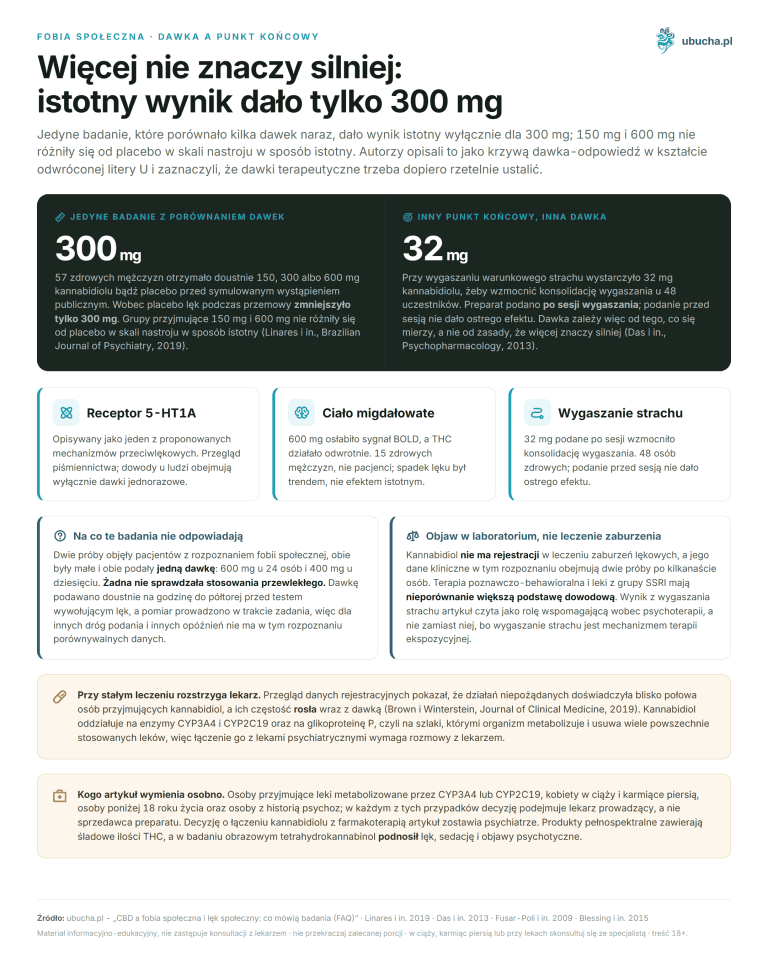
The simplest and most straightforward way is to prepare specifics in advance. It helps to have the name of the preparation, its composition along with THC content, batch analysis certificate, planned time of administration, and a clearly stated goal, such as improving sleep or reducing background pain. Discussing dosage makes sense only when led by a doctor who knows the complete list of medications being taken.
It is important to provide a complete list of medications and supplements, including over-the-counter ones. From the perspective of interactions, it does not matter whether the preparation was purchased at a pharmacy or a herbal store. What matters is the metabolic pathways it goes through and whether it shares them with a medication whose concentration needs to remain stable.
A good resource for such a conversation is a symptom diary kept before making any decisions. Recording pain intensity on a numerical scale over several cycles, sleep quality, days absent from work, and the number of pain-relieving medications taken provides a picture that no memory can replace. This is also the only way to later assess whether anything has changed.
If the doctor advises against cannabidiol, it is worth asking for the reason, as it may be specific and pertain to your treatment. Medical caution in this matter is not a prejudice: in the absence of studies with a control group and in the context of chronic hormonal pharmacotherapy, the responsibility for the consequences of interactions lies with the treating physician. The experiences of other patients are collected in the text CBD for endometriosis: does it help, and a broader overview of the topic can be found in the article Cannabis for endometriosis.
Frequently Asked Questions
Does CBD cure endometriosis?
No. The World Health Organization states that a cure for endometriosis is currently unknown, and symptoms are treated pharmacologically or surgically. No study describes the reversal of endometrial lesions under the influence of cannabidiol. Diagnosed endometriosis requires management by a gynecologist, not self-supplementation.
Is there a clinical study on CBD in endometriosis?
There is no published study with random assignment and a placebo group that has tested cannabidiol alone in this disease. The most frequently cited work is an Australian online survey from 2020 regarding cannabis as a whole, without a control group and with respondents selected by patient organizations.
What did the Sinclair survey really show?
Of the 484 respondents, 76% used any methods of self-managing symptoms, and among them, 13% indicated cannabis. The self-assessment of effectiveness in reducing pain was 7.6 out of 10, and 56% reduced their medication intake by at least half. This is a subjective assessment, not a measurement.
Are endocannabinoids lacking in endometriosis?
Measurements indicate the opposite. In a study of 27 patients and 29 women in the control group, levels of anandamide and 2-arachidonoylglycerol in plasma were elevated in endometriosis during the secretory phase, alongside lower expression of the CB1 receptor in the endometrial stromal cells. This is a dysregulation, not a simple deficiency.
Is laparoscopy the gold standard for diagnosing endometriosis?
The guidelines from the European Society of Human Reproduction and Embryology from 2022 challenge laparoscopy and histopathological examination as standard diagnostic tests, shifting the focus to clinical diagnosis and imaging studies. However, a negative imaging result does not rule out the disease if symptoms persist.
Is CBD safe with hormonal contraception or dienogest?
This cannot be determined generally. Cannabidiol inhibits liver enzymes and transporters, so it may alter the concentration of chronically taken medications. EFSA states that the safety of cannabidiol cannot be established in individuals taking medications. The decision is made by the attending gynecologist, who knows the complete list of products.
How much CBD should I take for endometriosis?
This article intentionally does not provide any dosages. There is no clinical study that would determine an effective dose for this disease, and EFSA states that safety cannot be established in individuals taking medications, which is typical for a patient diagnosed with endometriosis. The dosage is determined by the attending physician.
Can CBD be used before a diagnosis is made?
This is the least favorable moment. According to WHO, the average time to diagnose endometriosis is between 4 to 12 years, and alleviating menstrual pain may extend this time, as it removes the signal prompting a visit. In cases of severe pain without an established cause, the first step is gynecological diagnostics.
Summary: what is known and what is not known
It is known that the endocannabinoid system is altered in endometriosis and that these changes are associated with pain intensity. This has been shown by measurements of concentrations in plasma and peritoneal fluid, as well as analyses of receptor expression in tissue. This is a real biological rationale that justifies conducting research on the modulation of this system.
It is also known what has not been demonstrated. There is no controlled study that has examined cannabidiol in endometriosis. The most frequently cited work is a survey about cannabis, not about cannabidiol, and the authors themselves state that there is a lack of evidence for clinical efficacy in this indication. The guidelines from 2022 do not list cannabidiol among treatment options.
Finally, it is known where the risk lies. In a condition treated chronically with hormones, the issue is not the supplement itself, but its impact on the concentration of medications whose effects need to remain predictable. EFSA was unable to establish the safety of cannabidiol in individuals taking medications, which describes the situation for most patients diagnosed with endometriosis.
An honest summary is therefore as follows: the direction of research is sensible, there is no evidence of efficacy, and the decision rests with the attending physician who knows your treatment. If you are considering cannabidiol for diagnosed endometriosis, bring the preparation's composition and symptom diary to your appointment. If you do not yet have a diagnosis, start with diagnostics.
This article is for informational and educational purposes only and does not constitute medical advice. Before starting to use hemp or CBD for therapeutic purposes, consult your doctor, especially if you are taking other medications, are pregnant, or breastfeeding.
Author: Michał Waluk · Opublikowano: 2026-05-11 · Aktualizacja: 2026-08-10