
Marijuana decarboxylation – what is it?
Marijuana decarboxylation - what is it?
In the world of hemp and hemp-based products, we often hear about a process called decarboxylation. But what exactly is marijuana decarboxylation? Why is it so important for both recreational and medical users? And how can it be done at home to maximize the potential of the active substances contained in cannabis? In this comprehensive article, we'll explore this topic from many perspectives—from chemistry basics, through practical tips, to common mistakes and expert advice.
If you're wondering how to properly prepare herbs or extracts to maximize the effects of THC, CBD, and other cannabinoids, this article is for you. You'll learn not only the theory but also practical methods you can immediately use to enhance your cannabis experience.
What is decarboxylation? A step-by-step explanation of the process.
Decarboxylation is a chemical process that involves removing the carboxyl group (-COOH) from cannabinoid acids such as THCA (tetrahydrocannabinolic acid) or CBDA (cannabidiolic acid). In raw, fresh cannabis, most cannabinoids are present in these inactive forms, which have no psychoactive or therapeutic effects. Only after decarboxylation do they become active, transforming into THC and CBD, respectively.
This process occurs naturally during combustion (smoking), but this method is inefficient and wasteful. Therefore, to control the quality and potency of products, it is worth subjecting the herb or extract to appropriate heat treatment, which will activate the cannabinoids without losing their aromatic and therapeutic properties.
Why is decarboxylation necessary?
Without decarboxylation, hemp has limited properties. Raw cannabis contains mostly cannabinoid acids, which:
- They have no psychoactive effects (e.g. THCA does not cause a high);
- They have a different, less intense therapeutic effect;
- They are less bioavailable to the body.
Therefore, to fully utilize cannabis' potential, it's essential to activate cannabinoids. For example, research shows that decarboxylation affects:
- Increase in THC concentration by up to 30-40% compared to raw herb;
- Increasing the effectiveness of CBD in the fight against pain, inflammation and anxiety;
- Better performance of hemp extracts and oils.
The natural course of decarboxylation
Many people think that decarboxylation is solely a laboratory or industrial process. In fact, it also occurs during everyday cannabis use, such as vaporizing or smoking. However, this method is less precise and often leads to the loss of valuable terpenes—compounds responsible for aroma and additional therapeutic properties.
How does marijuana decarboxylation work? Methods and techniques
Decarboxylation can be performed in several ways, from simple home methods to more advanced techniques used in the cannabis industry and laboratories. Learn about the most popular methods, their advantages, and potential pitfalls.
1. Decarboxylation in the oven – a home classic
The most common method, especially among those preparing their own herbs or extracts, is heating the cannabis in an oven. This method is simple, inexpensive, and effective, provided the appropriate time and temperature parameters are maintained.
The basic guidelines are:
- Temperature: approximately 110-120°C (maximum 130°C to avoid THC decomposition);
- Time: 30-45 minutes, depending on the moisture content of the dried material and its fineness;
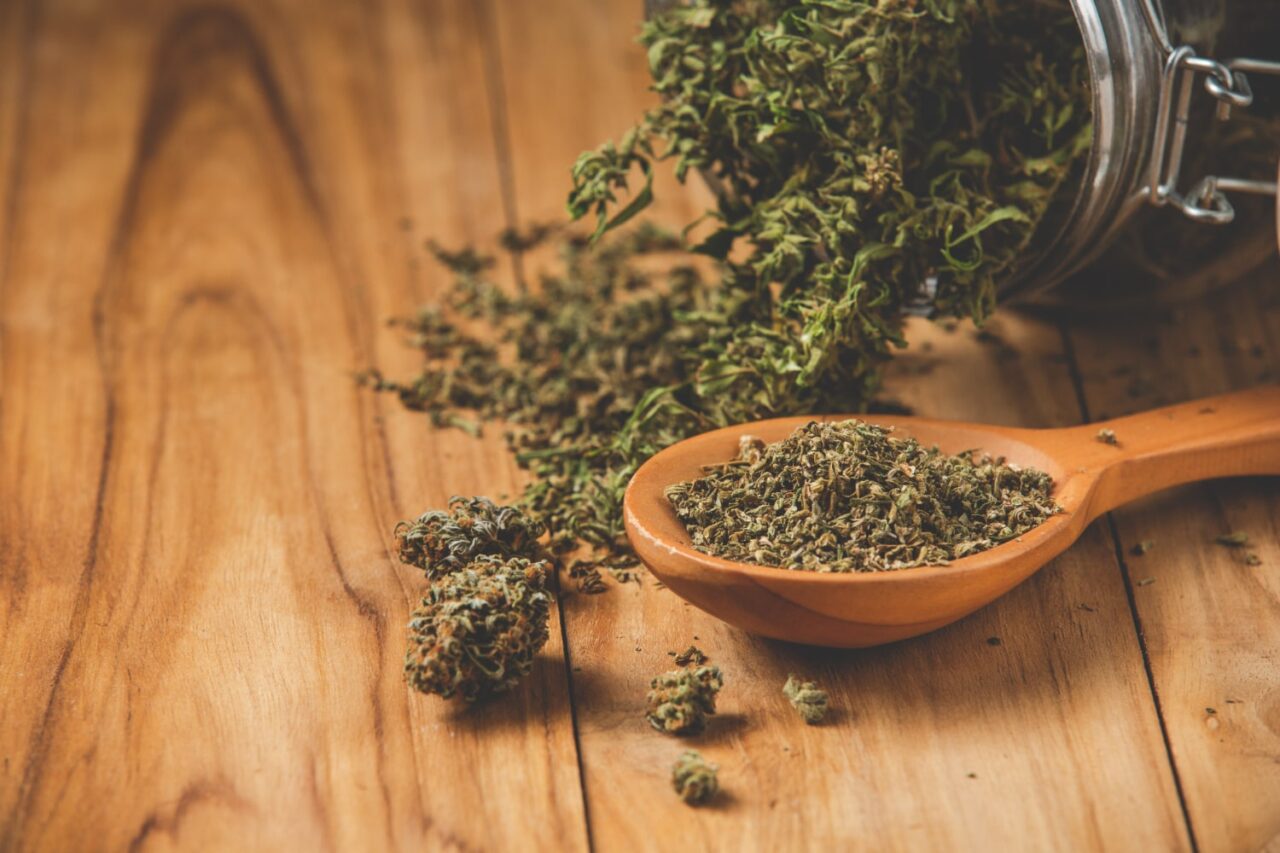
- Spread the dried herbs in a thin layer on baking paper or a perforated baking tray;
- The herb is lightly crushed, but not ground into powder, to allow for even heating.
After this process, the hemp acquires a characteristic, slightly roasted smell and a golden-brown hue, which indicates that decarboxylation has taken place correctly.
2. Vaporization – quick and smokeless activation of cannabinoids
Vaporizers are devices that allow you to heat your herb to a temperature slightly below combustion, activating cannabinoids without producing smoke or toxic combustion products. They're a healthy and convenient alternative to traditional smoking.
Typical temperatures for decarboxylation in a vaporizer are:
- about 160-180°C for THC;
- around 180-200°C for CBD and other cannabinoids;
Although decarboxylation in a vaporizer primarily occurs during inhalation, the device can also be used to heat whole herbs to prepare extracts or oils. This method is quick, clean, and allows for process control.
3. Industrial and laboratory methods
The hemp industry uses advanced decarboxylation techniques such as:
- Heating in special dryers and ovens with humidity and temperature control;
- Vacuum processes that limit oxidation and degradation of cannabinoids;
- Microwave and ultrasonic technologies to accelerate the reaction;
- Chromatographic analyses confirming complete decarboxylation.
Thanks to these methods, manufacturers obtain the highest quality products, certified power and operational stability.
Practical tips: how to decarboxylate at home?
If you want to prepare your own hemp or hemp extract with maximum strength, it is worth following a few simple tips:
Preparation of the herb before decarboxylation
- Grind the dried herb into small pieces – not into dust, so as not to lose the substance;
- Make sure the herb is dry – humidity affects the quality of the process;
- Use baking paper or a silicone mat to easily collect the dried herbs after heating;
- Do not cover the herb tightly to allow steam to escape.
Oven Decarboxylation Process – Step by Step
- Preheat the oven to 115°C (you can check with a kitchen thermometer, as ovens often vary in the set temperature).
- Spread the dried fruit evenly on a baking tray lined with baking paper.
- Place the baking tray in the preheated oven and leave for 40 minutes.
- Once the process is complete, remove the tray and leave the dried fruit to cool.
- You can use the finished herb for vaporization, preparation of oils, extracts or other products.
What to watch out for?
- Do not exceed 130°C to avoid losing THC (decomposition begins at higher temperatures);
- Do not over-dry the herb to avoid destroying the terpenes and aromas;
- Avoid storing decarboxylated herb for long periods without airtight packaging – it loses its potency easily;
- Use an accurate thermometer to be sure of the process temperature.
Decarboxylation and extraction – how do these processes work together?
Nowadays, hemp extracts are gaining popularity – CBD oils, THC concentrates, hashish, and resins. To be effective, extracts must be based on properly decarboxylated raw materials. Why?
Extraction involves extracting active substances from dried material or flowers that are soluble in oil, alcohol, or other solvents. If the raw material is crude and inactive, the extract will primarily contain cannabinoid acids, which have limited effectiveness.
To sum up:
- Decarboxylation prior to extraction significantly increases the concentration of THC and CBD in the extract;
- This process can take place before or after extraction – each method has its advantages and disadvantages;
- Decarboxylation after extraction requires gentle heating to avoid damaging the oil or extract base;
- The best results are achieved by using both processes in the appropriate order and under the appropriate conditions.
Table: Comparison of Marijuana Decarboxylation Methods
| Method | Temperature | Time | Advantages | Defects |
|---|---|---|---|---|
| Oven | 110-130°C | 30-45 minutes | Easy, available, cheap, effective | Risk of overheating, loss of terpenes |
| Vaporization | 160-200°C | a few minutes | Smoke-free, fast, retains aromas | Requires specialized equipment |
| Industrial methods | Controlled (often vacuum) | Varies (depending on technology) | The highest quality and precision | High costs, not available to individual users |
Benefits of properly performed decarboxylation
If you decide to consciously prepare cannabis through decarboxylation, you can count on a number of benefits:
- Higher product efficiency – the potency of the substance is significantly increased;
- Better use of dried herbs – less plant material needed to achieve the desired effect;
- Dosage optimization – it is easier to control the dosage and avoid unpleasant surprises;
- Greater variety of applications – from culinary recipes with oils, through cosmetics, to medical extracts;
- Protection of aromas and terpenes – at the appropriate temperature, the process does not destroy the valuable substances accompanying cannabinoids.
Marijuana Decarboxylation FAQs
- 1. Is decarboxylation necessary if I smoke herb?
- When smoked, decarboxylation occurs automatically as high temperatures break down the cannabinoid acids. However, this method is less economical and more harmful than controlled decarboxylation in an oven or vaporizer.
- 2. Can I decarboxylate hemp oil?
- Yes, decarboxylation can also be performed on oil, but it requires lower temperatures and longer periods of time to avoid damaging the oil. It's best to do this at around 100°C for 1-2 hours, monitoring the process.
- 3. How can I tell if decarboxylation has been carried out correctly?
- Correct decarboxylation is manifested by a change in the color of the herb to golden brown, a characteristic roasted smell and increased potency in practice.
- 4. Can I use too high a temperature to decarboxylate the herb faster?
- No. Excessive temperatures will degrade THC to CBN (a less potent compound) and cause loss of terpene aromas. It's best to stick to the proven range of 110-130°C.
- 5. What about terpenes during decarboxylation?
- Terpenes are very sensitive to high temperatures. Therefore, it is important that the process is carried out under controlled conditions to preserve their aroma and beneficial synergistic effects with cannabinoids.
Potential mistakes and how to avoid them
Many cannabis enthusiasts make mistakes during self-decarboxylation that can compromise the overall positive effects of the procedure. Here are the most common mistakes and how to avoid them:
- Inappropriate temperature: too high causes degradation, too low – incomplete activation;
- Heating time too short or too long: too short a time does not activate all cannabinoids, too long a time reduces their concentration;
- Inappropriate grinding of dried herbs: dust burns easily, large pieces do not decarboxylate fully;
- No humidity control: too wet dried material will result in an ineffective process;
- Storing decarboxylated herb in poor conditions: light, air and moisture quickly destroy active compounds.
Inspirations and practical applications of decarboxylated herbs
Decarboxylated herb and extracts are the foundation of many hemp products you can make yourself or purchase. Here are a few examples of how to put this knowledge into practice:
Homemade hemp oils and tinctures
After decarboxylation, you can successfully prepare your own oils by maceration in a carrier oil (e.g., coconut oil, olive oil). This results in a natural extract with significantly greater potency and effectiveness than the raw herb.
Culinary experiments with hemp
You can add decarboxylated herb to a variety of dishes—cakes, sauces, drinks, and salads. Remember that fats facilitate the absorption of cannabinoids, so adding oil is recommended.
Vaporization and aromatherapy
Using decarboxylated herb in a vaporizer is a healthy alternative to smoking, allowing you to enjoy the full flavor and effects of cannabis without harmful tar.
Preparation of extracts for medical applications
Patients using medicinal cannabis often choose oils and concentrates with precisely defined THC and CBD concentrations. Decarboxylation is therefore a necessary step in obtaining effective, safe products.
Summary: Why is it worth knowing and using decarboxylation?
Decarboxylation of marijuana is a process that significantly increases the value and effectiveness of cannabis products. It allows for the conversion of inactive cannabinoid acids into their active forms, which is crucial for both recreational and medical cannabis users.
Understanding the mechanism and acquiring practical skills in decarboxylation gives you complete control over the quality and potency of your herb or extract. This allows you to prepare products tailored to your needs, achieving better therapeutic effects and greater user satisfaction.
We encourage you to experiment with the decarboxylation process at home, using proven methods and paying attention to detail. This way, you'll discover a new dimension of cannabis and fully utilize its potential!
Safety and Legality of Marijuana Decarboxylation
Before decarboxylation, it's also worth considering legal and safety considerations. In many countries, the cultivation, possession, and processing of marijuana are strictly regulated. Therefore, always ensure you comply with applicable laws in your region.
When it comes to safety when decarboxylating at home:
- Use efficient and well-adjusted equipment to avoid fire or overheating;
- Do not leave the oven unattended during the process;
- Ensure good ventilation of the room, as heating the herb may produce a characteristic odor;
- Protect your products from children and pets.
Development of decarboxylation technology – what awaits us in the future?
The hemp industry is developing rapidly, and with it, there's growing interest in modern decarboxylation methods, which allow for even better preservation of cannabinoid and terpene properties. The future may bring:
- New home appliances equipped with precise temperature and time control, allowing each user to optimize the process;
- Automation and integration with extraction, which will simplify the preparation of finished products;
- Application of innovative physical techniques, such as sonication or microwave decarboxylation, shortening time and minimizing losses;
- Greater product personalization thanks to the analysis of the cannabinoid and terpene profile, allowing the process to be tailored to the individual health needs and preferences of the user.
Expert recommendations and sources of knowledge
If you want to deepen your knowledge of decarboxylation and other cannabis-related processes, it is worth reaching for materials prepared by specialists:
- Scientific publications and research in the field of cannabinoid chemistry;
- Online guides and courses offered by hemp labs and companies;
- Forums and discussion groups for cannabis enthusiasts where experiences and practical tips are exchanged;
- Consultations with certified medical marijuana specialists who will help tailor the process to your individual needs.
Remember that responsible and conscious use of cannabis is the key to safety and satisfaction with its effects.