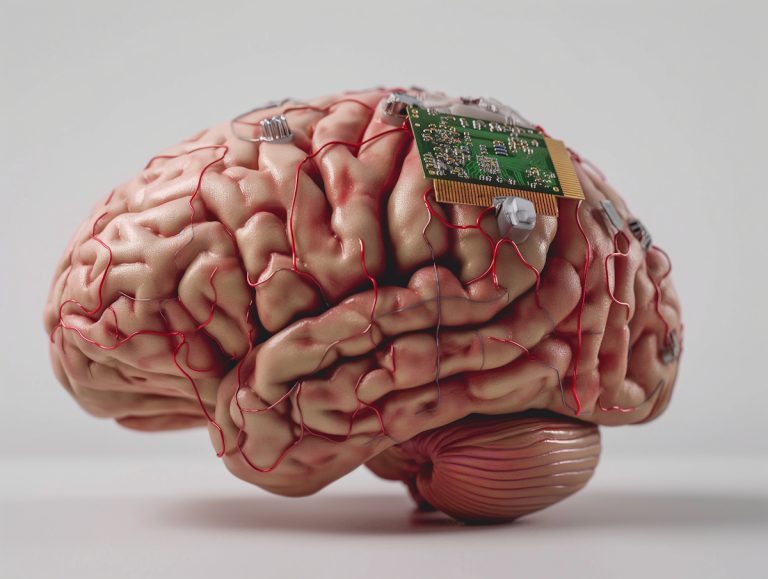

The effect of marijuana on music perception
The effect of marijuana on music perception
In today's world, where marijuana is becoming increasingly common and legal in many countries, scientists around the world are undertaking research on various aspects of its impact on human experience. One fascinating area of this research is the impact of marijuana on music perception—an aspect that touches on both individual emotions and aesthetic appreciation, as well as popular culture and public health.
Introduction to the topic
There has long been an intuitive belief that marijuana can influence the way we experience music. Listeners often describe feelings of deeper immersion in the sounds or a different perception of a composition after consuming it. With the growing popularity of marijuana legalization in many countries, research into its effects on music perception is gaining importance. This research constitutes a key source of information for the musical and medical communities, allowing for a better understanding of the mechanisms by which this substance influences human aesthetic experiences.
Research and methodology
Description of the study group: volunteers diverse in terms of age, gender, and experience in marijuana use
The study group consisted of 150 volunteers ranging in age from 18 to 65. Among them, 75 were men and 75 women, ensuring gender balance. The volunteers varied in their experience with marijuana use, ranging from those who had never used the substance to those who were regular users. This diversity allowed for a thorough examination of the effects of marijuana on music perception across a broad range of experiences.
Measurement methods: perception tests, subjective assessment questionnaires, neuroimaging techniques
To thoroughly investigate the effects of marijuana on music perception, several measurement methods were used. Volunteers participated in perceptual tests that measured their ability to recognize and evaluate various musical elements, such as melody, rhythm, and harmony. Additionally, to obtain participants' subjective impressions, questionnaires were used, in which respondents rated their auditory and emotional experiences after exposure to music.
Advanced neuroimaging techniques, such as functional magnetic resonance imaging (fMRI), have enabled the study of brain activity during music listening, both at rest and after marijuana consumption. These methods have identified brain regions involved in musical processing and changes in neural activity induced by the psychoactive substance.
Statistical analysis: statistical significance tests, regression analysis, control for confounding variables
To interpret the collected data and draw conclusions, a series of statistical tests were conducted. Statistical significance tests (e.g., two-sample t-test, ANOVA) allowed for comparison of results between different study groups and determination of the statistical significance of observed effects.
Regression analysis was used to examine the associations between variables such as marijuana use and subjective assessments of music perception. Controlling for confounding variables (e.g., age, gender, stress level) was crucial to ensure the reliability of the results and avoid confirmatory bias.
Study conclusions: the effect of marijuana on various aspects of musical perception, compared with a control group not using marijuana
Research findings have shown that marijuana use significantly impacts various aspects of musical perception. Volunteers reported changes in their perception of melody, rhythm, and harmony, suggesting modulation of auditory processing by the psychoactive substance. Neuroimaging analysis revealed increased activity in brain regions responsible for emotion and cognition, which may explain the participants' subjective experiences.
Comparison with a non-marijuana-using control group confirmed significant differences in music perception between the two groups. These results provide valuable information on the effects of marijuana on auditory processing and may have implications for the treatment of mental disorders such as depression and anxiety.
The scientific studies conducted provide solid evidence for the effects of marijuana on musical perception. The use of a diverse group of volunteers and rigorous measurement and statistical analysis methods allowed for the precise determination of these effects and their implications for mental health. Further research in this area could contribute to a better understanding of the mechanisms of marijuana's action and potential therapeutic applications in music therapy.
Neurobiological and psychological mechanisms: The role of cannabinoid receptors in music perception
Music has been an integral part of human culture and an expression of emotions for centuries. In recent years, increasing attention has been paid to the role music can play in the treatment of mental disorders. One interesting aspect of this topic is the effect of marijuana on musical perception. This article aims to present the results of the latest research on this phenomenon and discuss the potential therapeutic benefits of marijuana in the treatment of mood disorders and other mental health issues.
The role of cannabinoid receptors in the process of music perception:
The endocannabinoid system plays a key role in modulating the processing of sensory information, including auditory information. Cannabinoid receptors are found not only in the brain but also in other parts of the body, making this system extremely broad and influential in our experience of the world. Studies have shown that activation of cannabinoid receptors can alter the way the brain processes sound, directly impacting music perception.
The effect of marijuana on emotions, attention, memory and aesthetic evaluation of musical pieces:
Marijuana is known to induce changes in the perception of time, space, and emotion. In the context of music, these changes can lead to different aesthetic evaluations of works. Studies show that under the influence of marijuana, people may be more able to perceive subtle nuances in music, but they may also be more susceptible to being misled by auditory illusions. These phenomena have significant implications for artists and composers, as well as for people suffering from mental health conditions who may benefit from music therapy.
The relationship between marijuana use and auditory sensitivity:
Marijuana use can alter our sensitivity to auditory stimuli, which impacts the quality of musical experience. Some studies suggest that marijuana users may enhance their perception of tonality and harmony in music, which may have applications in music-based occupational therapy. However, these same changes can lead to hypersensory perception or difficulty distinguishing real sounds from hallucinations, which is important to consider in a therapeutic context.
Potential therapeutic benefits of marijuana on music perception:
The use of medical marijuana in the treatment of mood disorders such as depression and anxiety is a promising area of research. Music has a long history as a therapeutic tool, and its impact on patients' emotions and well-being is well-documented. Combined with the effects of marijuana, music therapy may offer the added benefit of better tailoring therapy to individual patient needs. However, research on the effectiveness of this method is still in its early stages and requires further clinical trials.
The effect of marijuana on musical perception is a complex phenomenon that has the potential to expand the scope of treatments for mental disorders. Although concerns remain about potential side effects, such as sensory overexposure or difficulty distinguishing reality from hallucinations, research suggests that marijuana may be an effective treatment for some mental disorders. Further research is necessary to better understand the mechanisms of action of marijuana in the context of music therapy and to develop safe and effective treatments.
Music and cannabis, while they may seem like an unlikely pairing in a therapeutic context, are proving to be promising partners in the treatment of mental disorders. Their combination could open up new possibilities for people suffering from depression, anxiety, and other emotional issues. As research on these interactions advances, therapists will be able to increasingly tailor their methods to individual patient needs, providing effective and satisfying treatment.
Social and Cultural Implications: The Role of Marijuana as a Catalyst for Aesthetic Experience in Popular Music
Influence on musical creativity: Artistic inspiration, experimenting with new forms and sounds
Marijuana has long fascinated not only music lovers but also artists themselves. Its ability to modulate sensory perception has become a source of inspiration for many artists, who have used it to explore new sonic horizons. In popular music, marijuana's influence on experimentation with forms and sounds is particularly evident, resulting in the emergence of genres such as psychedelic rock and acid jazz.
Such work is often characterized by rich sonic layers, rhythmic and harmonic complexity, and sophisticated use of effects and sound processing. Artists who openly acknowledge their marijuana inspiration emphasize its role in expanding the boundaries of musical perception and enabling the creation of more innovative and profound compositions.
A discussion on the ethical aspects of using marijuana for recreational and therapeutic purposes.
The question of the ethics of marijuana use is complex and multifaceted. On the one hand, a growing body of research points to its potential therapeutic benefits, such as alleviating post-traumatic stress symptoms, supporting chronic pain management, and improving the quality of life of cancer patients. On the other hand, recreational marijuana use is controversial and can lead to abuse and negative health consequences, especially among adolescents.
These ethics become even more complicated in the context of popular music, where the line between entertainment and therapy can be blurry. While marijuana consumption at concerts or music festivals is often perceived as an integral part of the aesthetic and social experience, its impact on the mental and physical health of attendees requires further research.
Comparison of the study results with other psychoactive substances, such as alcohol or drugs, in the context of music perception
It's worth noting that marijuana isn't the only psychoactive substance that influences musical perception. Alcohol, with its relaxing and euphoric properties, has accompanied musical events for centuries, often contributing to increased emotional and social openness. However, unlike marijuana, alcohol is a highly addictive substance that negatively impacts cognitive functions and motor coordination.
Hallucinogenic drugs such as LSD and psilocybin also play a significant role in shaping musical experiences, leading to profound and often transformative emotional experiences. However, their effects on sound perception are much more intense and unpredictable than those of marijuana, underscoring the need for caution in their use.
In summary, marijuana as a catalyst for aesthetic experience in popular music presents both advantages and challenges. Its ability to modulate sensory perception may inspire creators to explore new forms of artistic expression, but its impact on society requires further research and ethical consideration. Comparisons with other psychoactive substances demonstrate the diversity of ways in which people enhance their musical experiences and underscore the need for conscious and responsible use of such substances.
We'd like to encourage you to form your own opinion about marijuana. Remember that each substance can have different effects on different people and situations. We encourage you to discuss and reflect on the information below.
1. What is marijuana?
Marijuana is the dried flowers and leaves of the cannabis plant (Cannabis sativa L.). It contains psychoactive substances such as THC (tetrahydrocannabinol), which are responsible for most of the psychotropic effects.
2. How does marijuana affect the brain?
Marijuana works through cannabinoid receptors in the brain, which regulate various functions such as mood, memory, and sensory perception.
3. How does marijuana affect emotions?
Yes, marijuana can intensify or diminish the experience of music. For some people, this can be a source of pleasure, for others, discomfort.
4. Does marijuana affect concentration?
This depends on the dose and individual sensitivity. A low dose may improve concentration, while a higher dose may impair it.
5. Does marijuana change the way you hear music?
Yes, some people report feeling better able to distinguish musical sounds and textures under the influence of marijuana.
6. How does marijuana affect rhythm perception?
Yes, some users describe a more pronounced and pulsating rhythm under the influence of marijuana.
7. Does marijuana affect the interpretation of song lyrics?
Yes, some people report deeper and more emotional interpretations of lyrics under the influence of marijuana.
8. How long does the effect of marijuana on music perception last?
The effects can last from several hours to up to 24 hours, depending on the dose and individual tolerance.
9. Does marijuana affect musical preferences?
However, under the influence of marijuana, some people may discover new types of music or perceive already known songs differently.
10. What are the potential risks of using marijuana while listening to music?
Yes, this may include an increased risk of confusion or unpleasant experiences for people with sensitivity to psychoactive substances.
11. Can marijuana affect the quality of music performance?
Yes, some people report improved coordination and concentration under the influence of marijuana, which can positively impact the quality of their musical performance.
12. Are there any scientific studies confirming the effect of marijuana on music perception?
Yes, there are many studies that suggest that marijuana can affect music perception and other aspects of sensory experiences.
13. Do different types of marijuana have different effects on music perception?
Yes, different strains of marijuana can have slightly different effect profiles, which may impact individual experiences.
14. Are there any legal restrictions on using marijuana while listening to music?
Yes, many countries have different laws regarding the possession and use of marijuana, which may include restrictions in public or private places.
15. How can you safely use marijuana while listening to music?
Yes, it's important to know your tolerance, avoid mixing marijuana with other substances, and create an environment and mindset that promotes relaxation and a pleasant experience.
I hope this information was helpful! If you have any more questions or would like to discuss any of these topics in more detail, please let me know.