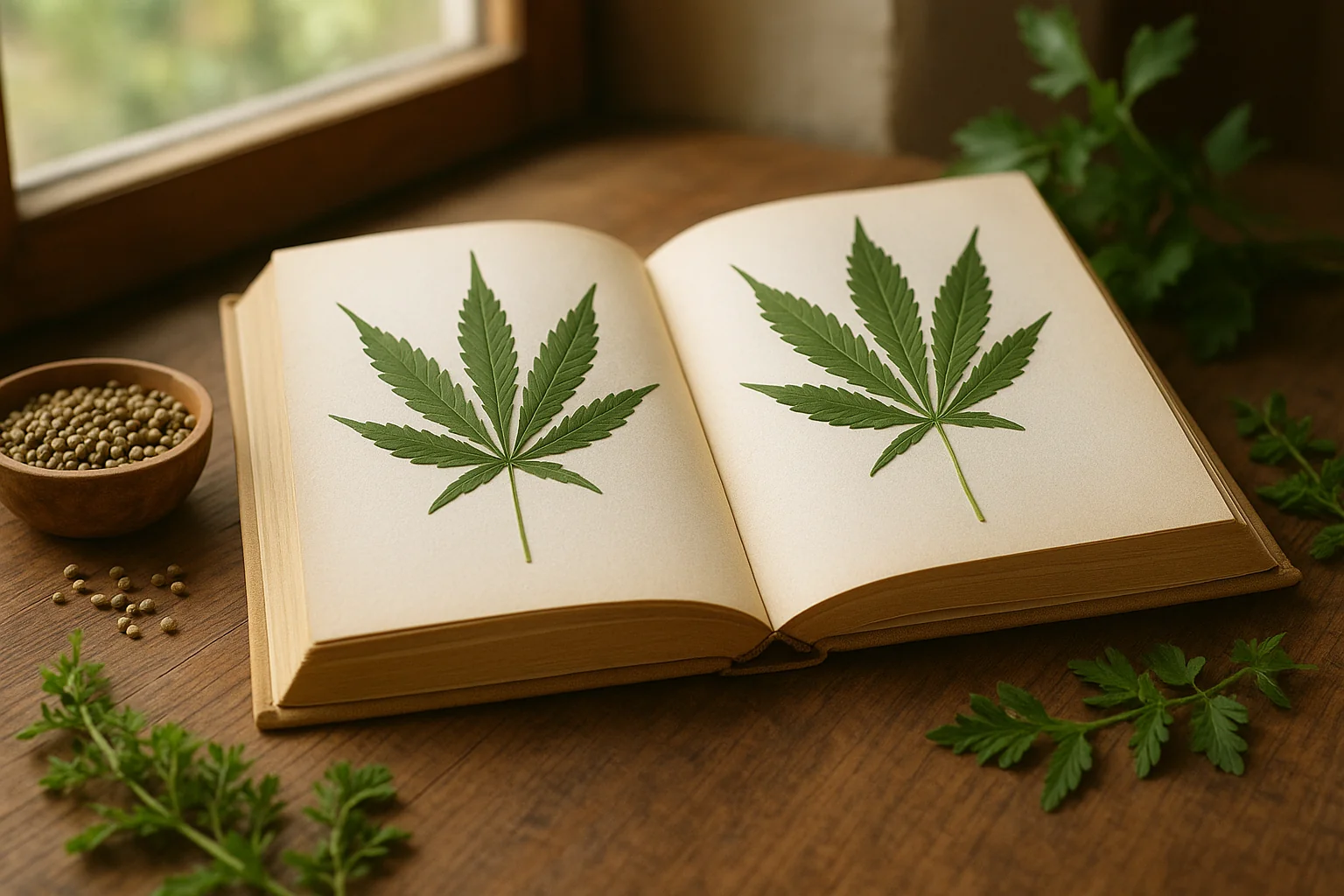

Cannabis connoisseur's dictionary - terms from the cannabis kitchen and culture
A connoisseur's dictionary of hemp — what it is, how it works, and what it's for. A guide from u Bucha.
The world of hemp has its own language. Someone who first enters a hemp store or reads an article about CBD encounters dozens of terms: full spectrum, terpenes, endocannabinoid, isolate, decarboxylation, entourage effect. Without a dictionary, it's hard to understand what you're reading. This guide organizes the most important concepts from the hemp kitchen and hemp culture - in Polish, with explanations and context for use.
KEY INFORMATION
• Hemp terminology mixes botanical, chemical, culinary, and cultural concepts - it's worth knowing the division into these four areas.
• Hemp seed oil and CBD oil are two different products - culinary oil vs. supplement with phytochemicals.
• Terpenes are aromatic compounds responsible for the scent and partially for the effects of cannabis - each strain has a different terpene profile.
• Full spectrum, broad spectrum, and CBD isolate differ in their content of phytochemicals - each format has its advantages.
• "Edibles" are edible products containing cannabis phytochemicals - metabolized differently than CBD taken sublingually.
A-Z Dictionary: botany and chemistry of cannabis
Before we move to the kitchen, here are a few concepts from the botany and chemistry of cannabis that frequently appear in conversations and articles.
| Concept | What it is | Where you will encounter it |
|---|---|---|
| Cannabis sativa L. | The Latin name for hemp - the species from which most cannabis products available legally in the EU are derived. | Product labels, scientific articles |
| Phytonutrients / Phytocannabinoids | Chemical compounds produced naturally by cannabis plants - CBD, CBG, CBC, CBN, THC, and others. | Cannabis shops, scientific literature |
| Endocannabinoids | Endocannabinoid-like substances produced by the human body - anandamide and 2-AG. They act on the same receptors as CBD and THC. | Articles about the ECS system |
| Terpenes | Organic aromatic compounds in cannabis responsible for the scent and flavor of different strains. Myrcene, linalool, limonene, beta-caryophyllene are the most important. | Strain descriptions, perfumery |
| THC (delta-9-tetrahydrocannabinol) | The main psychoactive substance in cannabis. In products legal in the EU, the THC content is below 0.2-0.3%. | Law, labels, research |
| CBD (cannabidiol) | A non-psychoactive phytonutrient from cannabis, widely used in supplementation. The WHO confirmed its safety (WHO Critical Review, 2018). | Everywhere in the cannabis industry |
| CBG (cannabigerol) | "Mother of cannabinoids" - a biochemical precursor from which the plant synthesizes CBD and THC. Considered to support cognitive functions. | CBG oils, scientific articles |
| ECS system | The endocannabinoid system - a network of CB1 and CB2 receptors and endocannabinoids that regulates many functions of the body. | Educational articles about CBD |
| Decarboxylation | A thermal process (heating) that converts CBDA into CBD and THCA into THC. Important in cannabis cooking - dry cannabis herbs require decarboxylation. | Cannabis cuisine, vaporization |
Cannabis cooking dictionary - from seeds to edibles.
Cannabis cuisine is a rich field with its own terminology. The dictionary below covers the most important culinary concepts you will encounter in recipes and stores.
Hemp seed oil (hemp seed oil) - oil pressed from hemp seeds. Contains no CBD or THC. Rich in omega-3 (ALA) and omega-6 (LA) fatty acids in a 1:3 ratio, which EFSA considers beneficial for maintaining normal cholesterol levels. Suitable for salads, smoothies, dips - not for frying (low smoke point, approx. 165°C). Color: dark green. Flavor: slightly nutty.
Hemp flour (hemp flour) - a byproduct after oil is pressed from seeds. Contains 30-40% protein and up to 40% fiber (depending on the degree of defatting). Gluten-free - does not form the structure of dough by itself, used as a substitute for 20-30% of wheat flour. Colors baked goods a light greenish-beige. Flavor: nutty, slightly grassy.
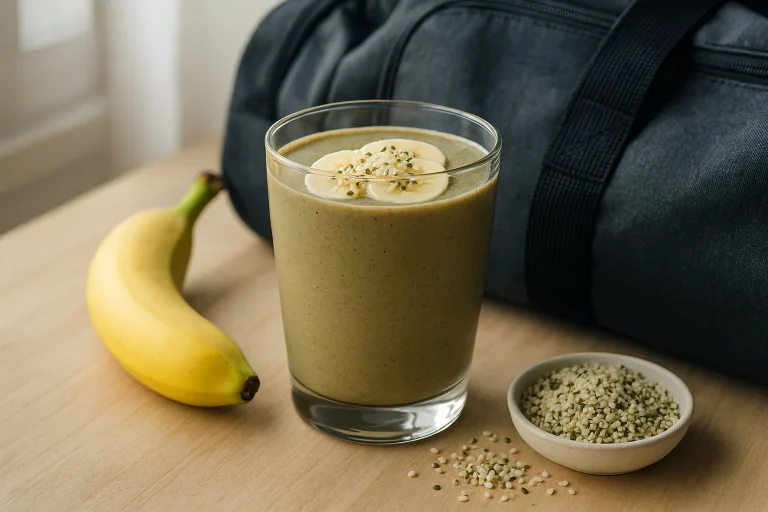
Shelled hemp seeds (hemp hearts) - hemp seeds without the hard shell. Contain about 31-33 g of protein per 100 g of product, with a complete amino acid profile (all 9 essential amino acids). Added to oatmeal, salads, smoothies. Do not require cooking. Flavor: mild, nutty.
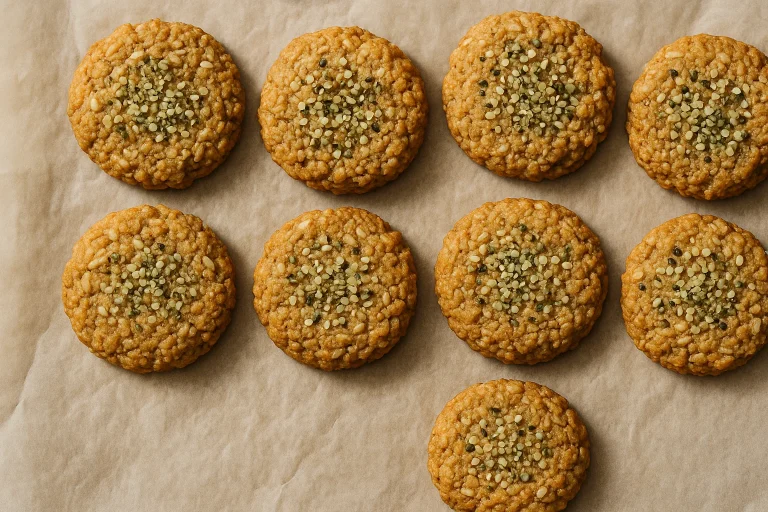
Hemp butter / infused butter - butter enriched with cannabis flower extract or CBD. Used in cannabis cooking for baking (cookies, brownies, bread). Requires proper decarboxylation and precise dosing - the concentration of CBD per serving can be difficult to control.
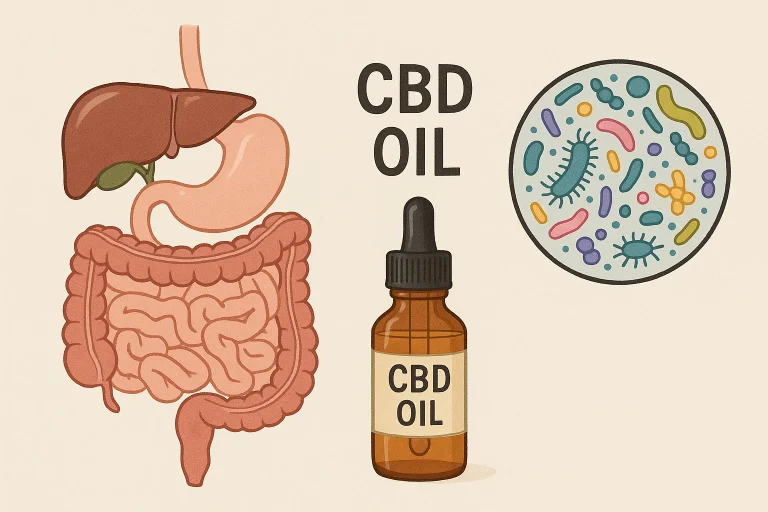
Edibles - the English term for edible products containing cannabis phytochemicals (CBD or other cannabinoids). Gummies, cookies, chocolate, capsules, beverages. Metabolized by the liver - they act more slowly (30-120 minutes) and last longer (4-8 hours) than oil taken sublingually.
Hemp tincture (tincture) - cannabis extract in alcohol or oil. A traditional form of using cannabis in herbalism, a predecessor to modern CBD oils. Tinctures in sunflower oil or MCT are popular as an alternative to oils in olive oil.
CBD oil dictionary - formats and quality.
In cannabis stores, you may encounter oils described with various terms regarding spectrum and quality. Below is a summary of the most important concepts.
Full spectrum (full spectrum) - CBD oil retains the full profile of phytochemicals from cannabis: CBD, trace amounts of other cannabinoids (CBG, CBC, CBN), and terpenes. The THC content is below 0.2-0.3% (the legal limit in the EU). Full spectrum advocates point to the entourage effect - the synergistic action of phytochemicals.
Broad spectrum (broad spectrum) - similar to full spectrum, but THC is removed to the limit of detectability. Chosen by those who want to benefit from the entourage effect without even trace amounts of THC.
CBD Isolate (CBD isolate) - a crystalline substance that is 99%+ pure CBD. Lacks terpenes and other cannabinoids. Without the characteristic taste and smell of cannabis - can be added to any food product. Easy to dose precisely.
CO₂ extraction (CO₂ extraction) - a method of obtaining cannabis extract using carbon dioxide under supercritical conditions. Considered one of the cleanest extraction methods - leaves no solvent residues. A premium standard in the industry.
CoA - Certificate of Analysis (certificate of analysis) - a laboratory report confirming the composition and safety of the product. A good manufacturer publishes a CoA from an independent laboratory on each product page. Check: CBD content, cannabinoid profile, absence of pesticides and heavy metals.
MCT oil - a medium-chain triglyceride oil, usually derived from coconut or palm oil. A popular carrier for CBD oils - it increases the bioavailability of CBD due to rapid absorption by the lymphatic system.
Cultural glossary - slang and expressions from the world of cannabis
Beyond botany and chemistry, there is a rich cultural glossary that appears in conversations, social media, and literature related to cannabis.
Gastro phase - a colloquial term for the increased appetite that occurs after consuming cannabis containing THC. Biologically, this is the effect of activating CB1 receptors in the hypothalamus, which amplifies hunger signals. The term comes from English slang.
Wake and bake - an English expression referring to the morning consumption of cannabis right after waking up, before breakfast. In the context of CBD: a morning dose of CBD oil or capsule taken on an empty stomach or with coffee.
Microdosing (microdosing) - a strategy of taking very small doses of a substance - significantly below the threshold of noticeable effects - to achieve subtle effects without sedation or functional impairment. In the context of CBD: 2.5-5 mg daily instead of the standard 10-25 mg.
Stonerchef / Cannabis chef - a term for a chef or cooking enthusiast specializing in dishes with CBD or other cannabinoids. A subculture of cannabis cuisine, particularly active on YouTube and Instagram.
Entourage effect (entourage effect) - the phenomenon of synergistic action of cannabis phytochemicals, where the combination of components produces an effect that is difficult to achieve with a single isolated component. The term was introduced by Israeli researchers Mechoulam and Ben-Shabat in 1998.
Frequently Asked Questions
What is the difference between hemp oil and CBD oil?
Hemp oil is pressed from hemp seeds and does not contain CBD or THC - it is a culinary oil rich in omega-3 and omega-6 fatty acids. CBD oil comes from the flowers and leaves of cannabis, containing cannabidiol and other phytochemicals. These are two completely different products: one culinary, the other supplemental.
What are terpenes and how do they affect the taste of cannabis?
Terpenes are organic aromatic compounds produced by cannabis (and many other plants). They are responsible for the characteristic smell and taste of different strains. Myrcene gives an earthy, balsamic aroma; linalool - floral; limonene - citrus; beta-caryophyllene - spicy. They also influence the entourage effect - the synergistic action of cannabis phytochemicals.
What is the entourage effect and why is it important?
The entourage effect is a phenomenon in which cannabis phytochemicals work synergistically - together differently or more effectively than each alone. The term was described by Israeli researchers Mechoulam and Ben-Shabat in 1998. For this reason, some users prefer full-spectrum oils over CBD isolates - they want to benefit from the full profile of phytochemicals.
What do full spectrum, broad spectrum, and CBD isolate mean?
Full spectrum contains CBD, trace amounts of other cannabinoids, and terpenes. Broad spectrum has a similar profile without THC. CBD isolate is pure CBD (99%+) without any other components. Each form has different properties: full spectrum and broad spectrum can provide the entourage effect, while isolate is easier for precise dosing and lacks the taste of cannabis.
What are edibles and how do they differ from regular cannabis products?
Edibles are edible products containing cannabis phytochemicals (CBD or other cannabinoids) - gummies, cookies, capsules, beverages. They differ from seed-based products in that they contain phytochemicals from cannabis flowers, not from seeds. Metabolized by the liver, they act slower and longer than CBD oil taken sublingually.
This article is for informational and educational purposes and does not replace consultation with a doctor. If you are pregnant, breastfeeding, taking medications, or have chronic conditions, consult the use of supplements or herbs with a specialist.
Author: Michał Waluk · Published: 2026-05-04 · Updated: 2026-05-04