
Psychedelic Therapies: Treating Mental Disorders with MDMA and Psilocybin
Pillar guide on psychedelic-assisted psychotherapy (PAP). Data from phase III MAPP1/MAPP2 studies for MDMA in PTSD (71.2% remission) and COMP001 for psilocybin in treatment-resistant depression. Legal status in Poland, EU, and USA (2024-2026).
KEY INFORMATION
- Psychedelic-Assisted Psychotherapy (PAP) is a model that combines the pharmacological effects of psychoactive substances with psychological sessions, clinically developed since the beginning of the 21st century, primarily in the USA, Canada, and the United Kingdom.
- MDMA in PTSD therapy: in phase III studies MAPP1 and MAPP2, the percentage of patients who lost their PTSD diagnosis was 71.2% in the MDMA group vs 47.6% in the placebo group (Mitchell et al., Nature Medicine, 2023).
- Psilocybin in treatment-resistant depression: a single dose of 25 mg resulted in a significant reduction in the MADRS scale for at least 3 weeks in 36.7% of patients (COMPASS Pathways, NEJM, 2022).
- Legal status in Poland: both MDMA and psilocybin are listed in Schedule I-P of psychoactive substances; use outside of clinical trials is illegal (Act on Counteracting Drug Addiction, Journal of Laws 2005 No. 179 item 1485).
- The FDA rejected the first application for the registration of MDMA-AT in August 2024, requesting an additional phase III study; psilocybin COMP360 is in phase III (COMPASS Pathways, report 2024).
IMPORTANT MEDICAL AND LEGAL DISCLAIMER. This article is for educational and scientific purposes only and does not constitute medical advice, encouragement, or instructions for the use of any controlled substances. In Poland, MDMA and psilocybin are psychoactive substances listed in Schedule I-P according to the Act of July 29, 2005, on Counteracting Drug Addiction. Possession, production, trade, and administration of these substances outside of registered clinical trials are prohibited acts. The described psychedelic-assisted psychotherapy is conducted only within approved research protocols and only by qualified clinicians.
Psychedelics carry real risks, especially for individuals with a personal or family history of psychosis, schizophrenia, bipolar disorder (BD), and severe cardiovascular disorders. Combining MDMA with SSRI, SNRI, MAOI, or tricyclic antidepressants poses a risk of life-threatening serotonin syndrome. Never use these substances alone. If you have mental health issues, contact a psychiatrist or use the Emotional Crisis Helpline for Adults: 116 123.
For a decade, we have been witnessing a quiet revolution in psychiatry. The American FDA granted Breakthrough Therapy Designation for MDMA in PTSD in 2017 and for psilocybin in treatment-resistant depression in 2018 ([FDA BTD Register](https://www.fda.gov/drugs/nda-and-bla-approvals/breakthrough-therapy), 2017-2018). This changes the way medicine thinks about disorders that have been treated primarily with chronic antidepressants of moderate effectiveness for decades. Meanwhile, in Europe, not a single psychedelic preparation has EMA registration. Poland remains marginally involved in this discussion, even though Polish patients qualify for some international research protocols. How does psychedelic psychotherapy differ from classical pharmacotherapy, what do the hardest data from phase III studies show, and what does the Polish regulatory horizon look like? We break this topic down into its components. sister article on psilocybin in psychotherapy
What is psychedelic-assisted psychotherapy (PAP)?
Psychedelic-assisted psychotherapy (psychedelic-assisted psychotherapy, PAP) is a protocol in which a psychoactive substance is administered in a controlled clinical environment, always in the presence of trained therapists. The average MAPS protocol for MDMA-AT includes 3 preparatory sessions, 2 or 3 dosing sessions (8 hours), and 9 integration sessions (MAPS PBC Protocol, 2023).
PAP is not synonymous with "taking mushrooms with a psychologist." It is a structured medical intervention in which the substance itself acts as a catalyst for the therapeutic process. This model derives from the term set and setting coined by Timothy Leary in the 1960s and later developed by centers such as the Johns Hopkins Center for Psychedelic and Consciousness Research (Johns Hopkins CPCR, 2024).
Three phases of the classical PAP protocol
Each verified protocol includes three phases. Preparatory phase (usually 2-4 sessions) builds the therapeutic alliance, educates the patient about what they may experience, and helps identify therapeutic goals. Without this phase, effectiveness and safety drop dramatically.
Dosing phase is a session lasting 6-8 hours, during which the patient usually lies down with an eye mask and headphones playing carefully selected music. Two co-facilitating clinicians (often a mixed-gender team) are present throughout, but verbal interventions are minimal.
Integration phase (6-10 sessions post-dosing) translates insights gained from the session into lasting changes in functioning. It is in this phase that it is determined whether the experiences from the session will translate into lasting remission or dissipate.
Psychedelic-assisted psychotherapy is a structured clinical protocol in which the substance (MDMA, psilocybin) acts as a catalyst for the therapeutic process. According to the MAPS and Johns Hopkins CPCR protocols, it includes three phases: preparation, dosing (6-8 hour session with two therapists), and integration (MAPS PBC, 2023).
Why are classical psychiatric medications insufficient?
The STAR*D study, the largest clinical trial in history assessing depression treatment, showed that only 33% of patients achieve remission after the first SSRI, and after four subsequent attempts, the cumulative remission rate is 67%, but half of them relapse within a year ([STAR*D, Am J Psychiatry](https://ajp.psychiatryonline.org/doi/10.1176/ajp.2006.163.11.1905), 2006). Thus, we have a large group of patients with treatment-resistant depression (treatment-resistant depression, TRD) and similarly in PTSD.
20th-century psychiatry was built on two pillars: fast-acting medications and long-term psychotherapy. Both pillars work, but both have limitations. Antidepressants take 4-8 weeks to take effect, cause side effects, and many patients drop out of treatment.
The problem of treatment resistance in depression and PTSD
According to a review published in The Lancet Psychiatry about 30% of patients with a major depressive episode meet the criteria for TRD after two failed antidepressant therapies ([McIntyre et al., Lancet Psychiatry](https://www.thelancet.com/journals/lanpsy/article/PIIS2215-0366(22)00338-2/fulltext), 2022). In PTSD, the situation is similar: 40-60% of American veterans do not respond adequately to sertraline and paroxetine, the only two drugs registered by the FDA for PTSD (VA/DoD Clinical Practice Guideline, 2023).
It is these two populations: TRD and PTSD non-responders to first-line treatment, that are the main clinical target of psychedelic psychotherapy. Not because psychedelics are meant to replace SSRIs. But because they can trigger change where classical medications have already failed.
Limitations of psychotherapy itself
Cognitive-behavioral therapy (CBT) and prolonged exposure therapy (PE) have solid evidence in PTSD, however, up to 50% of patients drop out of therapy due to its emotional intensity (US VA Clinical Guidelines, 2023). For many, repeated immersion in traumatic memories without additional pharmacological support is simply unbearable.
The STAR*D study showed that only 33% of patients achieve remission after the first SSRI, and 30% of patients with a major depressive episode meet the criteria for treatment-resistant depression (STAR*D, Am J Psychiatry, 2006; McIntyre et al., Lancet Psychiatry, 2022). This creates a therapeutic gap that psychedelic psychotherapy attempts to fill.
The paradox is that PAP does not compete with classical psychotherapy but potentially enhances its effects. The substance reduces anxiety about confronting trauma to a level where the patient is able to participate in the exposure process.
What substances are currently being studied in PAP?
The most advanced clinical programs involve four substances. MDMA (3,4-methylenedioxymethamphetamine) is being studied in PTSD, psilocybin in treatment-resistant depression and cancer-related depression, LSD in generalized anxiety disorders and DMT/5-MeO-DMT in short antidepressant interventions (COMPASS Pathways Pipeline Report, 2024).
MDMA: empathogen, not a classical psychedelic
MDMA is technically an entactogen or empathogen, not a classical psychedelic. It does not cause strong hallucinations or "ego dissolution" like psilocybin. Instead, it releases serotonin, dopamine, and oxytocin, creating a state of increased trust and reduced anxiety ([Mitchell et al., Nature Medicine](https://www.nature.com/articles/s41591-023-02565-4), 2023).
This pharmacological profile makes it an ideal tool in PTSD. The patient can re-experience the traumatic memory without the automatic "fight-or-flight-freeze" response. This enables the process of so-called memory reconsolidation, in which the memory is re-encoded with a different emotional charge.
Psilocybin: classical 5-HT2A agonist
Psilocybin is a classical serotonergic psychedelic, acting as a partial agonist of the 5-HT2A receptor. After ingestion, the body quickly converts it to psilocin, which is the active metabolite. The therapeutic dose of 25 mg in the COMPASS Pathways protocol is about 5-8 times higher than the typical "microdosing" dose (COMPASS Pathways, 2024).
The pharmacological effect lasts 4-6 hours, and the main psychological impact focuses on the so-called mystical experience, which the MEQ30 scale measures in studies. Individuals with higher MEQ30 scores have stronger and more lasting remission of depressive symptoms ([Griffiths et al., J Psychopharmacol](https://journals.sagepub.com/doi/10.1177/0269881116675513), 2016).
LSD, DMT, and ibogaine: early-phase programs
LSD is returning to clinical research after a 50-year hiatus. MindMed is conducting a phase II study of LSD in generalized anxiety disorder (GAD), and preliminary results from 2023 showed a significant reduction in symptoms lasting 12 weeks ([MindMed MMED-101](https://mindmed.co/news/), 2023). DMT and 5-MeO-DMT are commercially attractive because their effects last 15-30 minutes, drastically reducing the cost of a clinical session. Ibogaine, due to its pronounced cardiotoxicity, remains niche and is primarily studied in opioid addiction.
How does MDMA work in PTSD psychotherapy?
In two published phase III studies (MAPP1 and MAPP2), the percentage of patients who lost their PTSD diagnosis after 18 weeks was 71.2% in the MDMA+psychotherapy group vs 47.6% in the placebo+psychotherapy group, with a total sample of 194 patients ([Mitchell et al., Nature Medicine](https://www.nature.com/articles/s41591-023-02565-4), 2023). The average change in the CAPS-5 scale was 23% greater in the active group.
These numbers are atypical for psychiatry. In most antidepressant studies, placebo effects account for 60-80% of measurable clinical response. Here, the difference between the arms was not only statistically significant (p<0.001) but clinically striking. That’s why the FDA granted MDMA-AT breakthrough therapy status.
Mechanism: emotional memory reconsolidation
The most widely accepted hypothesis of the mechanism is based on the concept of memory reconsolidation. When a traumatic memory is actively recalled, it enters a state of lability, in which it can be re-encoded. MDMA, by releasing oxytocin and reducing amygdala activation, allows for the re-encoding of the memory with a lower fear load ([Feduccia & Mithoefer, Prog Neuropsychopharmacol Biol Psychiatry](https://pubmed.ncbi.nlm.nih.gov/29559239/), 2018).
fMRI imaging showed reduced amygdala activity by about 20-30% during MDMA sessions and increased functional connectivity between the prefrontal cortex and limbic structures (Carhart-Harris et al., Int J Neuropsychopharmacol, 2015). This is the neuronal equivalent of what patients describe as "I could finally look at the memory from a distance."
MAPP1 and MAPP2 Protocol: what exactly was done
In MAPP2 (published in Nature Medicine 2023), 104 patients with moderate to severe PTSD were randomly assigned to MDMA-AT or placebo-AT. Each patient underwent 3 dosing sessions spaced about a month apart. The first dose of MDMA was 80 mg, with a supplemental dose of 40 mg after 1.5-2 hours. In subsequent sessions, doses increased to 120+60 mg.
Each dosing session (8 hours) was surrounded by 3 preparatory and 3 integration sessions, totaling 15 therapeutic sessions over 18 weeks. Patients with active psychosis, mania, or unstable heart disease were excluded. Notably, 27% of participants had comorbidities (substance use disorders), making the trial more reflective of real clinical practice.
Safety: what the data really showed
In phase III studies, there were no deaths, no cases of serotonin syndrome in monitored conditions, and no new addiction to MDMA after the protocol ended. The most common adverse effects: transient increase in blood pressure and heart rate, nausea, bruxism, sweating. In 7.6% of participants, suicidal thoughts occurred (vs 4.3% in placebo), with post-hoc analysis showing no association with MDMA in ongoing sessions ([Mitchell et al., Nature Medicine, 2023](https://www.nature.com/articles/s41591-023-02565-4)).
As an author tracking the topic since 2017, I note that the rhetoric of the "safe pill" is misleading. MDMA-AT is relatively safe only in rigid clinical conditions: two therapists, cardiological monitoring, exclusion of high-risk patients. Recreational use of this substance carries a radically different risk profile, including documented deaths from hyperthermia and hyponatremia.
Two Phase III registration studies (MAPP1, MAPP2) showed that 71.2% of PTSD patients treated with MDMA plus psychotherapy lost their diagnosis after 18 weeks, compared to 47.6% in the placebo-AT group (n=194, p<0.001, Mitchell et al., Nature Medicine, 2023). The FDA granted Breakthrough Therapy status for MDMA-AT in PTSD in 2017.
How does psilocybin work in treatment-resistant depression?
In the key COMP001 study published in New England Journal of Medicine a single dose of 25 mg of psilocybin (COMP360) resulted in a significant reduction in the MADRS scale by 6.6 points vs a dose of 1 mg (active placebo) in patients with treatment-resistant depression. The clinical response rate (reduction >50% MADRS) was 36.7% for the 25 mg dose (Goodwin et al., NEJM, 2022). This is the first large, randomized phase IIb study for psilocybin.
Neuroplasticity: the plasticity window hypothesis
Olson's work from UC Davis suggested that psilocybin and other classical psychedelics are strong psychoplastogens. They work by activating 5-HT2A receptors in the prefrontal cortex, triggering the TrkB-mTOR-BDNF signaling cascade, leading to an increase in dendritic spine density (Vargas et al., Science, 2023).
In animal models, a 10% increase in dendritic spine density has been observed, lasting at least a month after a single dose. If this neuroplasticity hypothesis translates to humans, it explains why the effect of one or two sessions may last 6-12 months (Cell Reports, 2021).
Johns Hopkins results: psilocybin vs escitalopram
A groundbreaking comparative study published in NEJM from the Imperial College London compared 2 sessions of psilocybin vs 6 weeks of escitalopram in depression. On the primary endpoint (QIDS-SR-16), the difference was not significant, but on most secondary endpoints (remission, anhedonia, social functioning), psilocybin was better ([Carhart-Harris et al., NEJM](https://www.nejm.org/doi/full/10.1056/NEJMoa2032994), 2021).
Johns Hopkins CPCR in a smaller 2020 study showed that 71% of patients had a clinically significant response after 4 weeks and 54% remitted. The effect persisted after 12 months in over half of the participants (Davis et al., JAMA Psychiatry, 2021).
Mystical experience as a mediator of the effect
A unique feature of psilocybin, absent with MDMA, is the relationship between the intensity of the mystical experience (measured by the MEQ30 scale) and the durability of depression reduction. Patients scoring above the threshold for "full mystical experience" had significantly higher chances of remission ([Roseman et al., Front Pharmacol](https://www.frontiersin.org/articles/10.3389/fphar.2017.00974/full), 2018).
A review of 12 published phase I-IIb clinical studies with psilocybin (2016-2024) indicates that the average effect on the Cohen d scale for depressive symptoms is about 1.2 at the 3-week point and about 0.8 after 12 weeks. For comparison: SSRIs in the TRD population achieve an average of d=0.3.
In the phase IIb COMP001 study, a single dose of 25 mg of psilocybin (COMP360) from COMPASS Pathways reduced the MADRS score by an average of 6.6 points compared to active placebo, with a clinical response rate of 36.7% in treatment-resistant depression (Goodwin et al., NEJM, 2022, n=233). The effect is associated with the activation of the 5-HT2A receptor and BDNF-dependent neuroplasticity.
Why does "set and setting" determine effectiveness?
According to the Johns Hopkins CPCR review, the psychosocial context of the session (so-called. set and setting) is an independent predictor of therapeutic outcome with a strength comparable to the dose of the substance itself. Studies from 2020 showed that patients with low trust in their therapist achieved 40% weaker clinical effects than those with high trust (Johns Hopkins CPCR, 2020).
Set: the patient's mental state
"Set" includes personality, current mood, beliefs about the substance, and motivation for treatment. Individuals with high levels of neuroticism, low openness to experience, or an active life crisis are at higher risk for a difficult session. Therefore, the preparatory phase systematically works on the patient's intentions and expectations.
Setting: the physical and interpersonal environment
"Setting" refers to the physical office, lighting, music, and, crucially, the presence of therapists. The standard in MAPS protocols is two co-facilitating clinicians, often with different specialties (psychiatrist + psychotherapist). Music, usually a specially composed playlist from Johns Hopkins or Imperial College, plays a role in guiding the emotional trajectory of the session.
Integration: an undervalued component
Integration is likely the most undervalued component of PAP. Insights from the psychedelic session tend to "fade" within 2-3 weeks if not actively translated into behavioral changes. The COMPASS Pathways protocol provides for a minimum of 3 integration sessions, while MAPS provides for as many as 9 (MAPS PBC Protocol, 2023).
The psychosocial context (set and setting) is an independent predictor of therapeutic effect in PAP. Patients with high trust in their therapist had a 40% stronger clinical response than those with low trust, according to data from Johns Hopkins CPCR (2020). The standard protocol assumes two therapists present throughout the entire 8-hour session.
What is the regulatory status of MDMA and psilocybin in 2024-2026?
The regulatory situation is complicated and dynamic. In August 2024, the FDA rejected the first registration application from Lykos Therapeutics for the approval of MDMA-AT for the treatment of PTSD, requesting an additional phase III study and addressing the issue of trial blinding (FDA CRL, August 2024). This was a cold awakening for the entire industry.
USA: FDA and DEA
After the rejection of Lykos Therapeutics' application, the company announced plans to launch a new phase III study in 2025 and does not expect registration before 2027-2028. Similarly, psilocybin COMP360 is in phase III (COMP005, COMP006) with planned recruitment completion in 2025. Both programs have Breakthrough Therapy Designation from the FDA since 2017 and 2018, respectively.
The DEA classifies both substances as Schedule I (the most restrictive category). After FDA registration, the substances will likely be moved to Schedule III or IV, which is a requirement for practical clinical use in the USA.
Europe: EMA and a mosaic of national regulations
The European Medicines Agency (EMA) has not yet issued any opinion on MDMA or psilocybin. There is no open registration procedure (as of 2024). Several countries are ahead of the EMA at the national level: Australia was the first in the world to allow MDMA and psilocybin for limited medical use since July 1, 2023 (TGA, 2023), Switzerland maintains a tradition of compassionate use exceptions since the 1990s and Czech Republic is working on frameworks for clinical PAP research.
Poland: MDMA and psilocybin in Schedule I-P
In Poland, both substances are listed in Schedule I-P of psychoactive substances according to the annex to the Act of July 29, 2005, on Counteracting Drug Addiction (Journal of Laws 2005 No. 179 item 1485, as amended). Possession, production, and trade are prohibited under penalty of up to 10 years in prison (ISAP Sejm RP, 2005).
Polish patients can theoretically participate in international clinical trials conducted abroad, but there are currently no active Polish centers conducting phase II-III PAP studies. The Polish Psychedelic Society and the scientific community (including Prof. Jerzy Vetulani until 2017, and currently a group of researchers from the Medical University of Warsaw and Jagiellonian University) are engaged in educational and lobbying activities.
The registration pathway in Poland: what is theoretically possible
After potential EMA registration, the psychedelic drug would have to be included on the Polish list of reimbursed drugs or at least available as a non-reimbursed medication. The procedure would not require changing the list of psychoactive substances, but it would create a significant legal paradox: an illegal substance as such, registered as a drug under a special drug program. A similar model exists for Sativex (nabiximols) available in Poland since 2012.
How does PAP compare to classical antidepressants?
A meta-analysis review published in JAMA Psychiatry compared the effects of SSRIs and PAP in depression. The average effect of SSRIs (Cohen's d=0.3 for the general population, d=0.17 for mild depression) is clearly weaker than that of psilocybin (d=0.8-1.2 in TRD) after 3 weeks, however, the durability and generalizability of these results is lower in PAP ([Cipriani et al., Lancet](https://www.thelancet.com/journals/lancet/article/PIIS0140-6736(17)32802-7/fulltext), 2018; Goodwin, 2022).
Speed of action
The difference in speed of action is one of the greatest advantages of PAP. SSRIs take 4-8 weeks to achieve full effect. Psilocybin shows measurable effects within 24 hours, with maximum symptom reduction in the 3rd week. For patients with suicidal thoughts, this difference can be decisive.
Duration of effect
SSRIs require continuous use for months or years. A single psilocybin session in Johns Hopkins studies maintained its effect in over 50% of patients for 12 months ([Davis et al., JAMA Psychiatry, 2021](https://jamanetwork.com/journals/jamapsychiatry/fullarticle/2772630)). This is a completely different model of treatment, both economically and logistically.
Side effect profile
SSRIs have known issues: sexual dysfunction in 30-70% of patients, weight gain, emotional apathy, withdrawal difficulties. Psilocybin in clinical settings only causes transient nausea, increased blood pressure, and headaches. No physical dependence or permanently pathological personality changes have been observed.
The key difference does not concern a single "dose-for-dose" comparison, but the treatment model. Antidepressants are daily, asymptomatic management of the disease. PAP is a short, intensive intervention with potentially lasting effects. These two models can complement rather than exclude each other.
Costs: who will pay for it?
An analysis published in Journal of Psychopharmacology. estimated the cost of one PAP cycle in the USA at $15,000-25,000, including 15 sessions with two therapists (Marseille et al., J Psychopharmacol, 2022). This is significantly more than the cost of an SSRI course, but less than a year of psychiatric hospitalization or the cumulative costs of work lost due to TRD/PTSD.
Psilocybin in treatment-resistant depression achieves an effect size of Cohen d=0.8-1.2 after 3 weeks, compared to d=0.17-0.3 for SSRIs in moderate depression (Cipriani et al., Lancet, 2018; Goodwin et al., NEJM, 2022). The cost of a full PAP cycle is estimated at $15,000-25,000 in the USA (Marseille et al., J Psychopharmacol, 2022).
What are the risks and contraindications of psychedelic psychotherapy?
In controlled clinical trials, serious adverse events are rare (<5% of patients), however, there are clear risk groups in which PAP is absolutely contraindicated. Typically, individuals with a personal or first-degree family history of psychosis, schizophrenia, or type I bipolar disorder are excluded (Johnson et al., J Psychopharmacol, 2020).
Psychosis and BD: absolute contraindications
Psychedelics can trigger the first psychotic episode in genetically predisposed individuals. Prospective studies show that this risk is highest in individuals with a first-degree relative with schizophrenia. In type I BD, there is documented risk of triggering a manic episode, especially with LSD and psilocybin.
Serotonin syndrome: combining with SSRIs and MAOIs
MDMA with SSRIs, SNRIs, or MAOIs can trigger serotonin syndrome, a potentially life-threatening condition. Symptoms include hyperthermia, muscle rigidity, myoclonus, confusion, and autonomic disturbances. In clinical trial protocols, discontinuation of SSRIs is required at least 2 weeks before the MDMA session, and for fluoxetine, up to 6 weeks (Boyer & Shannon, NEJM, 2005).
Cardiovascular risks
Both MDMA and psilocybin cause a transient increase in blood pressure of 10-25 mmHg and heart rate of 15-25 beats/min. For patients with uncontrolled hypertension, coronary artery disease, or arrhythmias, this is an absolute contraindication. Clinical trials require mandatory ECG and monitoring of parameters during sessions.
Difficult experiences ("bad trips")
Even in clinical settings, 30-60% of patients experience at least short episodes of intense anxiety, disorientation, or sadness during sessions (Barrett et al., J Psychopharmacol, 2016). The difference between clinical research and recreational use is that a trained therapist is present and can help the patient integrate this experience, which paradoxically often enhances the therapeutic effect.
HPPD and long-term perception disorders
Hallucinogen Persisting Perception Disorder (HPPD) is a rare condition in which a person experiences lasting visual perception disturbances after taking a classical psychedelic. The frequency is estimated at less than 1 case per 1000 recreational users, and no confirmed cases have been reported in clinical PAP studies ([Halpern et al., Drug Test Anal](https://onlinelibrary.wiley.com/doi/10.1002/dta.2778), 2018).
Absolute contraindications for PAP include personal or family history of psychosis/schizophrenia, type I BD, and uncontrolled cardiovascular disease (Johnson et al., J Psychopharmacol, 2020). Combining MDMA with SSRIs/MAOIs risks serotonin syndrome; discontinuation of SSRIs is required at least 2 weeks before the session (Boyer & Shannon, NEJM, 2005).
Do CBD and cannabinoids have a place in the treatment of mental disorders?
Unlike MDMA and psilocybin, cannabidiol (CBD) is legal in Poland as an ingredient in supplements and cosmetics (without declared therapeutic properties according to the law). Research on CBD in anxiety and PTSD is not as spectacular as the results of PAP, however, a meta-analysis from 2020 showed a moderate effect in reducing social anxiety (Cannabis Cannabinoid Res, 2020).
This is an important context: in a situation where psychedelic psychotherapy is unavailable in Poland, and treatment for TRD/PTSD using classical methods remains limited, patients are seeking legal supportive products. CBD and CBG (cannabigerol) are likely the most commonly chosen non-psychoactive cannabinoids.
CBD 5% and 10%: daily support for anxiety and sleep
CBD oil at a concentration of 5% (about 16 mg/ml) is a typical entry point for adults seeking support in managing tension. A concentration of 10% (about 33 mg/ml) is often chosen for higher daily doses or sleep issues.
SOOL Broad Spectrum CBD 5% 10ml
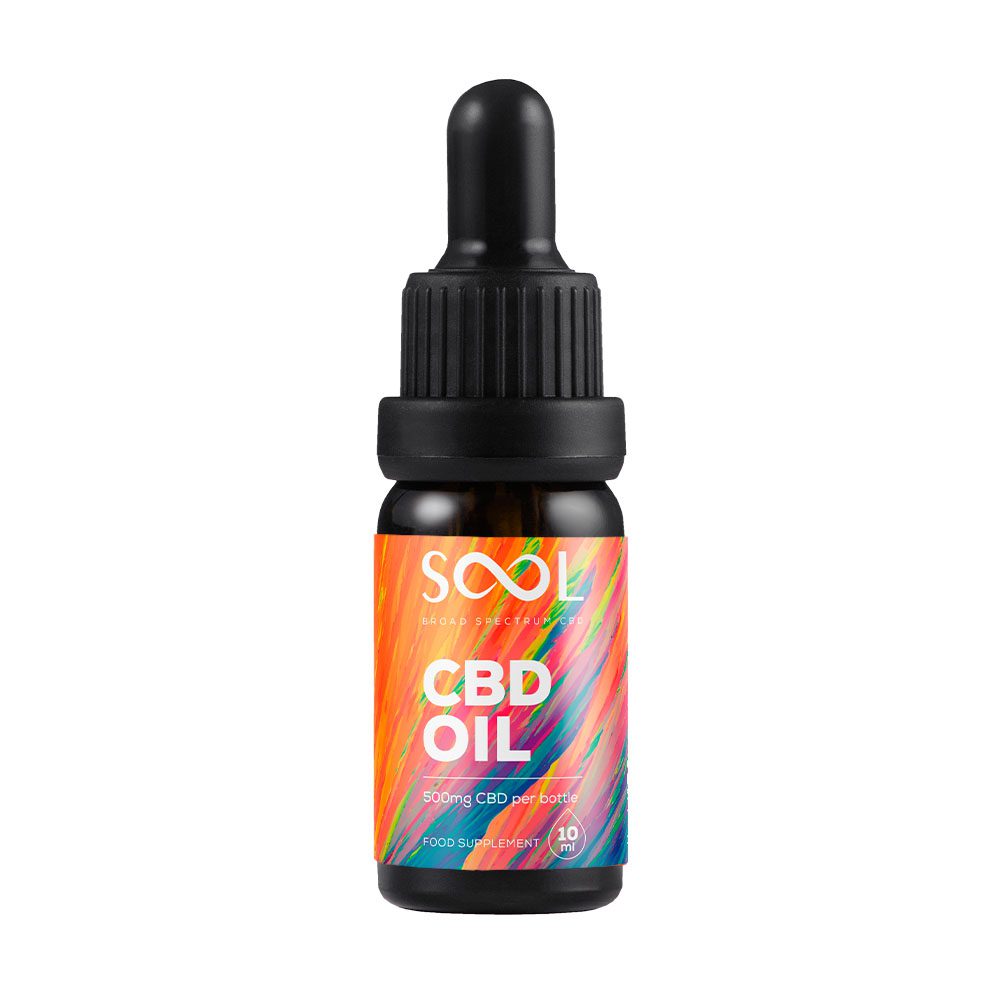
Price: 76 PLN. Broad-spectrum extract without THC, 500 mg of CBD in the bottle.
SOOL Broad Spectrum CBD 10% 10ml
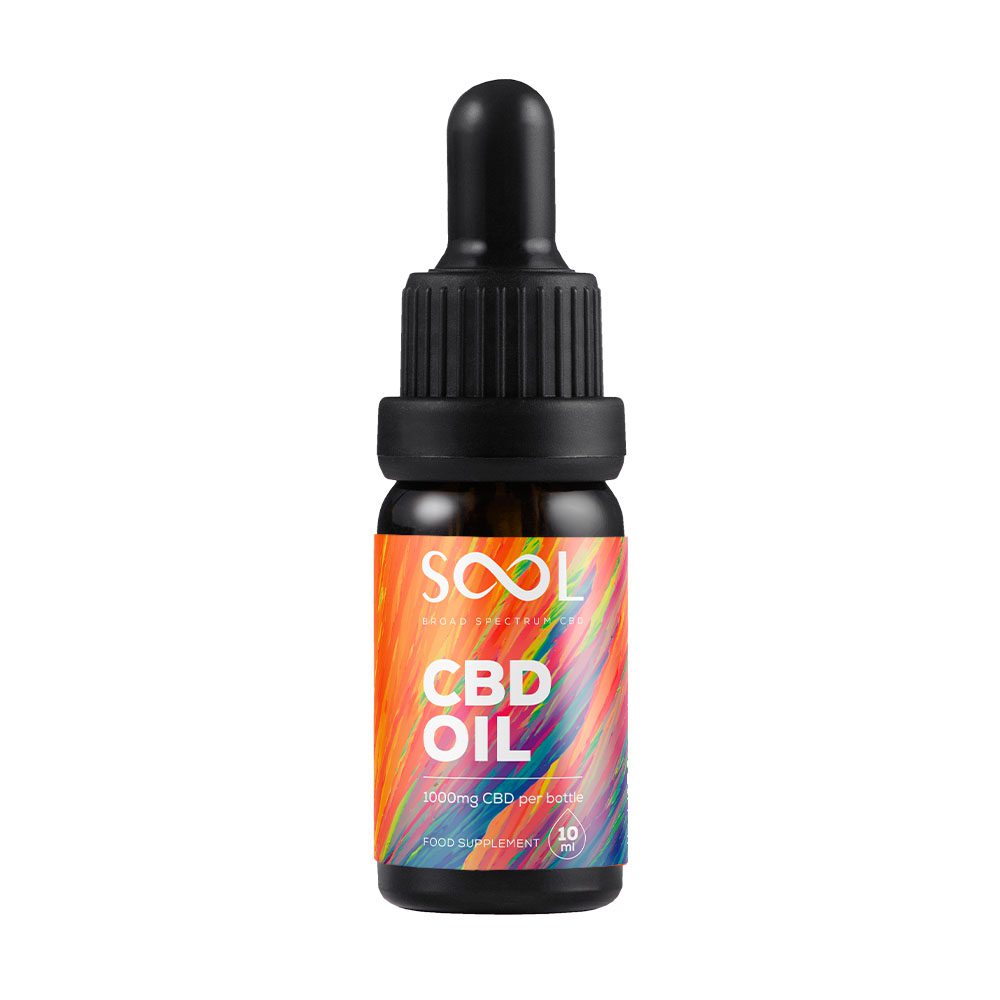
Price: 99 PLN. Higher concentration for those needing a larger daily dose, 1000 mg of CBD.
CBG 15%: mother cannabinoid
Cannabigerol (CBG) is a precursor to the biosynthesis of THC, CBD, and CBC in the cannabis plant. Preclinical studies indicate anxiolytic and neuroprotective effects, but clinical evidence is still limited. The concentration of 15% corresponds to about 50 mg/ml.
Cannova Natural CBG 15% 10ml
Price: 240 PLN. Natural CBG oil with a high concentration of 1500 mg.
CBD hemp flower: inhalation alternative
For those preferring inhalation methods, hemp flower containing 9% CBD (and below 0.3% THC according to regulations) is a legal alternative. Inhalation provides a faster onset of action than oil, but bioavailability depends on the technique used.
Mars CBD Hemp Flower 9% (Konopny Buch)
Price: 59 PLN. Legal hemp flower with low THC, high CBD, brand Konopny Buch.
Important disclaimer: CBD, CBG, or hemp flower are not medications and do not replace classical pharmacotherapy or psychotherapy. In mental disorders, the first step should always be a consultation with a psychiatrist. cbd-czy-pomaga-w-leczeniu-depresji
What does the future hold for PAP in Poland and Europe?
The PAREA report (Psychedelic Access and Research European Alliance) from 2023 estimates that by 2030, 3 to 5 EU countries may have legal frameworks for clinical use of PAP in limited indications. Poland is not in the first group. The realistic pathway leads through EMA registration after potential FDA registration, thus 2027-2030 ([PAREA Policy Report](https://parea.eu/), 2023).
Development scenarios
Optimistic scenario: Lykos Therapeutics obtains FDA registration for MDMA-AT in 2027, COMPASS Pathways for psilocybin COMP360 in 2026-2027, EMA follows with a 2-3 year delay. Poland introduces reimbursement as a special program for severe PTSD and TRD.
Moderate scenario: First FDA registrations in 2028-2029, EMA after 2030. In Poland, available only as non-reimbursed drugs in specialized centers, patient out-of-pocket cost 20-40 thousand PLN per cycle.
Pessimistic scenario: Additional phase III studies reveal weaker effects or more serious adverse effects. Registration is pushed back to 2032+. Poland, like most of the EU, has no registration. Patients seek access abroad (Australia, Switzerland, potentially the Czech Republic).
What is needed in the Polish ecosystem
Without the establishment of Polish centers conducting phase II-III studies, the Polish psychiatric care system will import PAP protocols with a delay of 10+ years. Needed are: training for psychiatrists and psychotherapists in PAP, Polish translations of COMPASS and MAPS protocols, active participation in European research consortia.
The Polish Psychedelic Society has been organizing conferences and training since 2018, but without systemic support from universities or the Ministry of Health, breakthroughs are hard to achieve. It is worth following initiatives such as: Psilocybin Research Poland and activities at the Medical University of Warsaw.
The PAREA 2023 report estimates that by 2030, 3 to 5 EU countries may have legal frameworks for PAP. Poland, with the current status of MDMA and psilocybin in Schedule I-P of psychoactive substances, is not in this group. The realistic pathway leads through EMA registration after FDA approval, horizon 2027-2030.
FAQ: frequently asked questions about psychedelic-assisted psychotherapy
Can I legally participate in MDMA or psilocybin therapy in Poland?
No. MDMA and psilocybin are substances listed in Schedule I-P of the Polish Act on Counteracting Drug Addiction. The only legal way is to participate in a registered clinical trial, and currently, there are no active Polish centers conducting phase II-III PAP. Some Polish patients participate in studies in the Netherlands, Czech Republic, or Australia, but qualification is rigorous and remote participation is not possible (ISAP, status 2024).
Can psilocybin or MDMA be taken together with antidepressants?
No, and this is a key risk. Combining MDMA with SSRIs, SNRIs, MAOIs, or tricyclic antidepressants risks serotonin syndrome, potentially fatal. In clinical trial protocols, discontinuation of SSRIs is required at least 2 weeks before the session, for fluoxetine 6 weeks, under psychiatric supervision (Boyer & Shannon, NEJM, 2005). Self-discontinuation of antidepressants is dangerous.
How much does an MDMA-AT or psilocybin session cost in the USA or Australia?
The entire PAP cycle (3 dosing sessions plus 9-15 therapeutic sessions) costs $15,000-25,000 in the USA, and in Australia after legalization (2023) AUD 10,000-25,000 (Marseille et al., J Psychopharmacol, 2022; TGA, 2024). Costs are not reimbursed by most insurers, although some American plans are beginning to cover PAP for veterans with PTSD.
What is Breakthrough Therapy Designation and what does it mean for MDMA and psilocybin?
Breakthrough Therapy Designation (BTD) is a status granted by the FDA to drugs that preliminary data suggest are significantly better than existing ones. MDMA received BTD for PTSD in 2017, psilocybin for TRD in 2018 (FDA, 2017-2018). BTD accelerates the registration process and allows for early consultations with the agency, but does not guarantee final registration, as shown by the rejection of Lykos' application in August 2024.
What is the difference between psilocybin and magic mushrooms?
Psilocybin is a single molecule found in about 200 species of mushrooms (mainly Psilocybe cubensis, Psilocybe semilanceata). The preparations used in clinical studies (e.g., COMP360) are synthetic, pure psilocybin with precisely measured doses. Mushrooms also contain psilocin, baeocystin, and other alkaloids, resulting in varying potency and unpredictability. For clinical purposes, only synthetic psilocybin provides repeatability (COMPASS Pathways, 2024).
Does microdosing psilocybin have confirmed therapeutic effects?
Evidence from randomized double-blind studies is limited. A meta-analysis from 2023 in Transl Psychiatry did not show a significant difference between microdosing and placebo in mood and creativity in healthy volunteers (Polito & Liknaitzky, 2022). Effects reported in open studies may stem from expectations. Therapeutic PAP is based on macro doses (20-30 mg of psilocybin), not microdosing.
Do the results of studies with MDMA and psilocybin translate to other disorders?
Partially yes. Psilocybin is also being studied in postpartum depression, anorexia nervosa, obsessive-compulsive disorders, and alcohol addiction. MDMA in social anxiety in individuals with autism and in depression (phase II studies). Current data is promising, but significantly less solid than for the main indications (TRD and PTSD). Expected registrations in additional indications are in the second half of the 2030s.ClinicalTrials.gov, 2024).
Summary: what we know, what we don't know
Psychedelic-assisted psychotherapy is neither a trend nor marketing. It is a clinical model based on a growing database from phase II and III studies, with clinical effects many times greater than classical SSRIs in treatment-resistant populations. MDMA in PTSD and psilocybin in TRD have reached a level of evidence sufficient for BTD status from the FDA and serious registration programs.
At the same time, the rejection of the first MDMA-AT application by the FDA in August 2024 serves as a reminder that efficacy alone is not enough. What is needed are: solid trial blinding, long-term safety data, clinical infrastructure and training, legal frameworks, and an economy that will close the gap between price and availability. Poland is a decade behind in this discussion. For Polish patients, the realistic horizon for access to PAP is 2028-2032, and that is in an optimistic scenario.
The most important message for those seeking help today: do not wait for psychedelics. Classical treatment of mental disorders (SSRIs, CBT, prolonged exposure therapy, rTMS, ECT) remains the standard and helps most. If you are treatment-resistant, ask your psychiatrist for evaluation for clinical trials, do not experiment on your own. And if you are looking for legal complementary support, consult with a doctor about considering CBD or other non-psychoactive cannabinoids. depresja-jak-konopie-moga-wspomoc-leczenie
Author: Michał Waluk. This article is for educational and scientific purposes only and does not constitute medical advice. Always consult therapeutic decisions with a doctor. In a crisis situation, call 116 123 (Emotional Crisis Helpline for Adults) or 112.