
Popular Questions About Medical Marijuana. For Patients and Beyond.
Popular Questions About Medical Marijuana. For Patients and Beyond.
Medical marijuana, also known as cannabis, is an increasingly popular therapeutic option for treating a variety of ailments. Despite limited access to this drug in Poland, interest in medical marijuana is steadily growing. Patients seeking alternative treatments want to understand not only the benefits but also the potential risks associated with its use. In this article, we present answers to frequently asked questions about medical marijuana to help understand this form of therapy and support their decision to use it.
Definition of Medical Marijuana
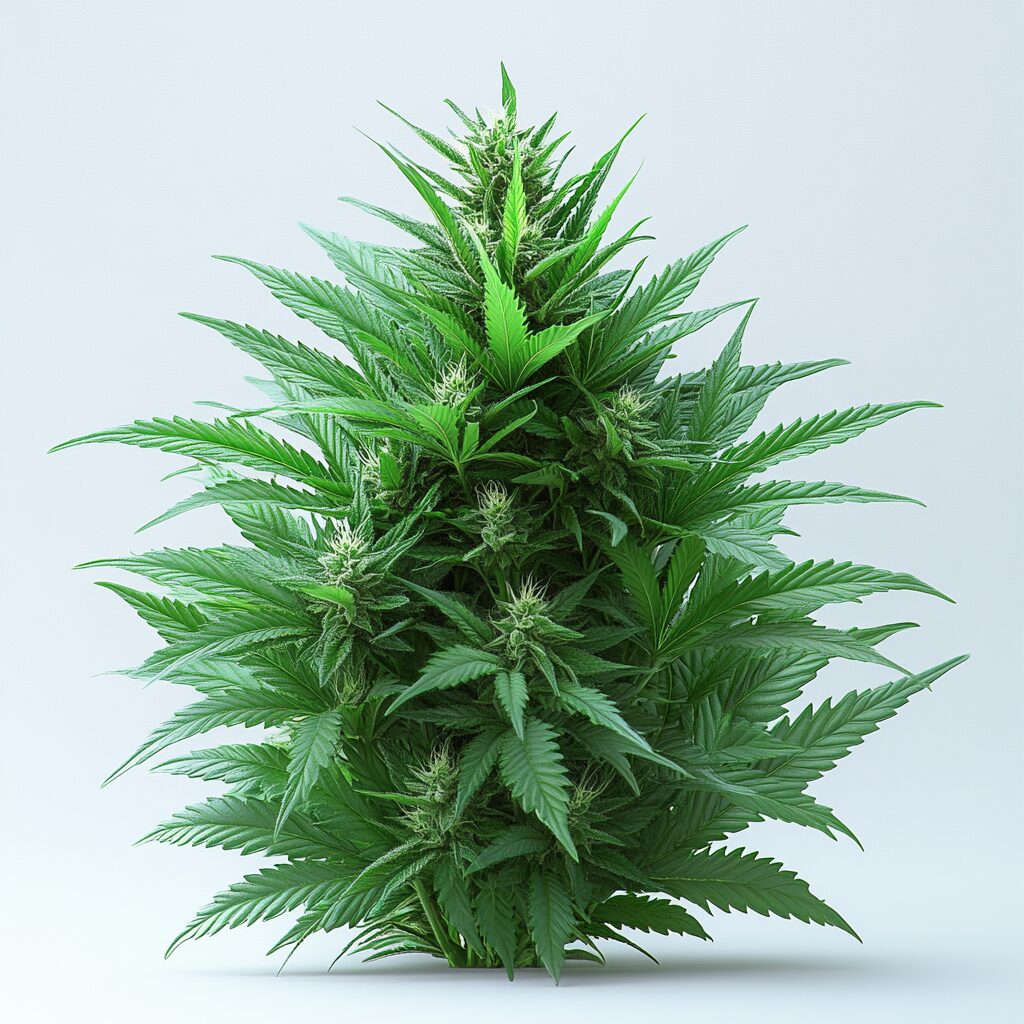
Medical marijuana, also known as cannabis, is a medicine containing active substances derived from the cannabis plant (Cannabis sativa and Cannabis indica). These unique plants have fascinated people with their properties and uses for centuries. Modern medicine is increasingly discovering the therapeutic potential of their compounds, such as cannabinoids (e.g., THC, CBD) and terpenes.
What are Cannabinoids?
Cannabinoids are a group of chemical compounds that interact with the endocannabinoid system in the human body. The most well-known cannabinoids are tetrahydrocannabinol (THC) and cannabidiol (CBD). THC is responsible for the psychoactive effects of marijuana, while CBD has anti-inflammatory, anxiolytic, and antiepileptic properties without causing a "high.".
Legality of Medical Marijuana in the World
Medical marijuana is legally available by prescription in select countries. In the United States, a growing number of states (such as California, Colorado, and Washington) have legalized medical cannabis, allowing patients access to marijuana-based medications for therapeutic purposes. A similar situation exists in Canada, where the Medical Marijuana Program of Canada (MMPR) regulates the sale and use of medical marijuana.
Polish Perspective
Medical marijuana was legalized in Poland in 2017. However, its distribution and use are strictly regulated. Cannabinoid-containing medications are available only by prescription, and their import and sale in Poland are strictly controlled by the state. Under current regulations, medical marijuana can only be used for specific conditions and under strict medical supervision.
What Are the Indications for Using Medical Marijuana?
Medical marijuana is recommended for the treatment of many conditions, such as:
- Neurological diseases (e.g. multiple sclerosis, epilepsy)
- Chronic and neuropathic pain
- Chemotherapy-induced nausea and vomiting
- Parkinson's disease
- Anxiety disorders and depression
- Post-traumatic stress disorder (PTSD)
How Does Medical Marijuana Work?
Cannabinoids contained in medical marijuana act on cannabinoid receptors located in various parts of the brain and body. THC binds to CB1 receptors, which may lead to a reduction in pain, nausea, and muscle spasms. CBD, on the other hand, affects CB2 receptors and other enzyme systems, demonstrating anti-inflammatory and antioxidant effects, among other benefits.
What Are the Potential Risks of Using Medical Marijuana?
Despite its many benefits, the use of medical marijuana carries some risks:
- Possible side effects such as dizziness, drowsiness, dry mouth or short-term memory impairment.
- Potentially increased risk of certain cardiovascular diseases.
- Interactions with other drugs, which may lead to an increase or decrease in the therapeutic effect of other substances.
- Possibility of psychological dependence on THC.
How to Start Medical Marijuana Therapy?
Before beginning medical marijuana treatment, a patient should consult with a specialist experienced in this field. The doctor will conduct a detailed medical history, discuss potential benefits and risks, and determine the appropriate dosage. Regular monitoring of the patient's health during treatment is also important.
Medical marijuana is a promising tool in the treatment of many conditions, but its use requires an individualized approach and close collaboration with a physician. Before beginning therapy, it is important to thoroughly discuss the potential benefits and risks, and consider alternative treatment options. Regular follow-up and monitoring of treatment outcomes is also recommended to ensure maximum effectiveness and patient safety.
- Medical marijuana is currently available in Poland only with an RpW prescription (prescription only for dispensing in pharmacies licensed for medicines containing narcotic drugs or psychotropic substances).
- It is not possible to cultivate medical marijuana in Poland, and the only source of medicines are imported preparations from the Netherlands and Canada.
- If you are diagnosed with THC addiction, you must undergo specialized addiction treatment.
Medical marijuana is still an area of intense research and development, and its role in medicine may change as science and technology advances.
Overview of the Market and Availability of Medical Marijuana in Poland
Introduction to the Market
The medical marijuana market in Poland is undergoing dynamic development, although it still faces certain limitations. The 2018 Polish Act on Counteracting Drug Addiction introduced the possibility of using preparations containing cannabinoids for treatment, although their availability is controlled and regulated.
Prescription Drug Availability
In Poland, patients can obtain prescriptions for medications containing cannabinoids such as THC (tetrahydrocannabinol) and CBD (cannabidiol). However, these products are only available through import from countries with more liberal regulations regarding medical marijuana. For example, preparations from the Netherlands and Canada are imported to Poland to meet patient needs.
Imported Medical Marijuana Preparations
Many patients in Poland use imported medical marijuana preparations. Due to legal restrictions, it is not possible to cultivate cannabis individually or through Polish pharmaceutical companies. Imported products are often more expensive and less available compared to those offered in markets where medical marijuana is common.
Medicines Containing Cannabis Extracts
In Poland, medications containing cannabis extracts that have no psychoactive properties or contain very low concentrations of THC are approved. These preparations, such as Sativex and Epidiolex, are available by prescription and are effective in treating various conditions, such as drug-resistant epilepsy in children and the symptoms of multiple sclerosis.
Legal Regulations and Their Impact on the Market
The 2018 Act on Counteracting Drug Addiction introduced changes that allowed doctors to prescribe medications containing cannabinoids. However, these regulations remain restrictive and prohibit the cultivation of cannabis in Poland or the production of local preparations. This limits availability and increases costs for patients.
The Future of the Medical Marijuana Market in Poland
The medical marijuana market in Poland has the potential to grow, but its further development will depend on legislative changes and openness to new technologies. Growing awareness of the benefits of cannabinoids in medicine and advances in scientific research could contribute to the liberalization of regulations and increased access to these products for patients.
The medical marijuana market in Poland is currently limited by restrictive legal regulations, which impacts product availability and pricing. Imported preparations and medications containing cannabis extracts are the only options for patients seeking relief from certain conditions. As science and medicine continue to advance, changes in Polish regulations are expected, potentially impacting the future of the medical marijuana market.
Increased Patient Interest in Medical Marijuana in Poland
Increased Awareness and Need for Therapeutic Alternatives
In recent years, we have observed a growing interest in medical marijuana among patients in Poland. This trend is fueled by awareness of the potential therapeutic benefits that cannabinoids can provide in treating a variety of conditions. Patients are increasingly seeking alternative methods to alleviate ailments that are not always effectively controlled by conventional medications.
Therapeutic Benefits of Medical Marijuana
Medical marijuana is being seen as an adjunct to chronic pain management, a condition that affects millions of people. Cannabinoids such as THC (tetrahydrocannabinol) and CBD (cannabidiol) can help reduce pain, improving patients' quality of life. Furthermore, medical marijuana is increasingly being used to treat chemotherapy-related nausea and vomiting, a common side effect of cancer treatments.
Medical Marijuana and Neurological Conditions
In neurological conditions such as multiple sclerosis (MS) and epilepsy, medical marijuana may play a role in symptom relief. In MS patients, cannabinoids may reduce muscle spasticity and neuropathic pain, as well as improve sleep quality. In epilepsy, medical marijuana has been shown to be effective in controlling seizures in some patients, particularly when other treatments prove insufficient.
Challenges and Limitations
Despite growing interest, patients in Poland face numerous challenges when trying to access medical marijuana. Legal regulations are restrictive, and availability of products is limited. Furthermore, the issue of treatment financing by the National Health Fund (NFZ) remains unclear, further complicating the use of these therapies.
The Future of Medical Marijuana in Poland
As scientific research provides increasing evidence of the effectiveness of medical marijuana, changes in Polish legislation can be expected. The drive to liberalize regulations and increase the availability of cannabinoid-containing medications is crucial to improving the quality of life for patients suffering from conditions for which traditional treatments fail.
The increased interest in medical marijuana among Polish patients demonstrates the growing demand for therapeutic alternatives in the treatment of various ailments. Despite existing obstacles, the potential of medical marijuana is undeniable, and further developments in research and legal regulations could open up new possibilities for patients seeking relief from suffering.
What are the benefits of using medical marijuana?
Benefits in Treating Chronic Pain
Chronic pain is one of the main reasons patients turn to medical marijuana. Studies show that THC can be an effective painkiller, working by blocking pain signals in the nervous system. Patients with conditions like multiple sclerosis (MS) and fibromyalgia often find relief with medical marijuana.
Nausea and Vomiting Relief
Nausea and vomiting are common side effects of chemotherapy and radiotherapy, significantly reducing the quality of life of cancer patients. Medical marijuana can effectively alleviate these symptoms by stimulating appetite and suppressing gastrointestinal function, which is especially important for those undergoing intensive treatment.
Application in the Treatment of Epilepsy
Epilepsy patients who don't respond to traditional treatments may benefit from medical marijuana. Studies show that CBD may be effective in reducing seizure frequency in children with rare forms of epilepsy, opening up new therapeutic perspectives.
Support for People with Multiple Sclerosis (MS)
People with MS often experience muscle spasms, seizures, and bladder control problems. Medical marijuana can help reduce these symptoms, improving patients' quality of life. THC also has a muscle-relaxing effect, which is beneficial for people with MS.
Impact on Depression and Anxiety
Although the evidence is not yet conclusive, there is some evidence to suggest that medical marijuana may have a positive impact on the treatment of depression and anxiety disorders. THC may have an anxiolytic effect, meaning it alleviates symptoms of anxiety, which holds promise for people with chronic mental health issues.
Mental and Neurological Health Benefits
In addition to its direct therapeutic benefits, medical marijuana can have a positive impact on mental and neurological health. It can improve cognitive function, reduce symptoms of psychosis in patients with schizophrenia, and help manage PTSD (post-traumatic stress disorder).
Various Health Benefits
Medical marijuana offers a wide range of therapeutic benefits that can significantly improve the quality of life for patients with various conditions. From chronic pain to epilepsy and mental health issues, the potential of medical marijuana is enormous. As research on its effectiveness and safety continues, more and more people may have access to this alternative treatment method.
Chronic pain is one of the most common health problems worldwide. It is defined as a long-term condition that can last for months or years and significantly impacts patients' quality of life. Faced with the limitations of conventional treatments, a growing number of people are turning to medical marijuana as an alternative therapy.
Benefits of Medical Marijuana for Treating Chronic Pain
Medical marijuana contains two main active ingredients: THC (tetrahydrocannabinol) and CBD (cannabidiol). THC acts on cannabinoid receptors in the brain, which are responsible for pain modulation. Scientific studies have shown that THC can inhibit the transmission of pain signals in the nervous system, leading to a reduction in pain sensation. CBD, in turn, has anti-inflammatory and anti-anxiety effects, which may also contribute to pain relief.
Many patients report improved pain after using medical marijuana. Case studies and clinical trials support the effectiveness of this form of therapy, particularly for neuropathic pain, fibromyalgia, and multiple sclerosis. Patients often report a reduced need for, or even withdrawal from, opioids thanks to the use of medical marijuana.
Contraindications and Risks Associated with the Use of Medical Marijuana
Despite its potential benefits, medical marijuana use is not without risks. THC can cause psychoactive effects, such as altered perception of time and space, which can be problematic for drivers or those performing responsible tasks. Furthermore, marijuana can interfere with other medications, such as benzodiazepines or antidepressants, potentially leading to adverse interactions.
Some patients may experience side effects such as dry mouth, increased appetite, or short-term memory problems. There are also concerns about long-term effects on mental health, although this has not yet been clearly confirmed in clinical trials.
Comparison with Conventional Treatment Methods for Chronic Pain
Chronic pain management often focuses on opioids, which are effective in reducing pain, but their long-term use carries the risk of addiction and tolerance. Other pain management methods include physical therapy, acupuncture, behavioral techniques, and surgery.
Compared to conventional methods, medical marijuana offers a natural alternative that may be less addictive and cause fewer side effects. However, the effectiveness of this form of therapy varies from case to case and requires further research to determine optimal doses and treatment regimens.
Legal Regulation and Availability of Medical Marijuana
Legal regulations regarding medical marijuana vary significantly from country to country. In some countries, such as Canada, the Netherlands, and the United States, access to medicinal marijuana is broad and regulated by medical guidelines. In Poland, medical marijuana is legal, but its availability is limited, and the price can be relatively high, which constitutes a barrier for some patients.
Medical marijuana may be a promising therapeutic option for chronic pain, offering an alternative to traditional medications. However, a thorough understanding of the potential benefits and risks of this form of therapy is essential. Clinical trials are ongoing to better understand the mechanisms of action of marijuana and to develop standardized treatment protocols that could enhance its effectiveness and safety.
It's also important for patients to consult with their doctors before starting medical marijuana therapy, especially if they are taking other medications or have a history of substance abuse. This will minimize the risk of adverse interactions and more effectively utilize the potential of this natural form of therapy for chronic pain.
What are the potential risks and side effects?
Mechanism of Action and Potential Side Effects
The main active ingredients in marijuana are tetrahydrocannabinol (THC) and cannabidiol (CBD). THC acts on cannabinoid receptors in the brain, influencing mood, memory, and perception. CBD, in turn, has anti-inflammatory, anti-anxiety, and sedative properties. Interactions between these compounds can lead to a variety of side effects.
Side effects are highly individual and can vary depending on dosage, frequency of use, and the user's genetic and psychological characteristics. Some patients experience euphoria and relaxation, while others may experience anxiety, paranoia, or fatigue.
Most Common Side Effects
The most common side effects of medical marijuana use include:
- Motor and balance disorders that can make it difficult to perform daily activities.
- Problems with motor coordination, which is especially dangerous for people driving vehicles or operating machinery.
- Changes in the perception of time and space, which may affect decision-making ability and judgment.
- Increased susceptibility to anxiety and paranoia, which may exacerbate existing mental disorders.
- Dry mouth and throat, which is uncomfortable and can lead to problems with speaking and swallowing.
- Changes in appetite that can impact body weight and overall metabolic health.
Side Effects and Risk Management
To minimize side effects, it's important to tailor the dosage to the individual patient's needs. It's recommended to start with a low dose and gradually increase it under close medical supervision. Regular medical consultations help monitor your condition and adjust therapy as needed.
Education for patients and their loved ones plays a key role in managing side effects. Information about possible reactions, methods for symptom relief, and how to recognize warning signs of chronic use are essential for safe use of medical marijuana.
Medical marijuana can be an effective treatment for many conditions, such as chronic pain, epilepsy, anxiety, and eating disorders. However, to utilize its full therapeutic potential, a conscious and responsible approach to its use is necessary.
Patients should be thoroughly informed about possible risks and side effects, as well as best practices regarding dosing and safety. This requires collaboration between patients, physicians, and other healthcare professionals to ensure maximum therapeutic benefit while minimizing negative consequences.
Further research into the long-term effects of medical marijuana use is essential to better understand its impact on the health and safety of users. Only then will we be able to fully appreciate the potential of this natural remedy in treating a variety of medical conditions.
How often should you use medical marijuana?
The answer to the question "how often should medical marijuana be used?" depends on many factors, including the type of condition, its severity, and the individual patient's response. Generally, it is recommended to start with a low dose and gradually increase it as needed. Dosage may be adjusted every few weeks or months, depending on effects and tolerability.
How to adjust the dose?
Selecting the optimal dose of medical marijuana is an iterative process that often requires collaboration between the patient and a physician or medical marijuana specialist. Monitoring the patient's response to the medication and adjusting the dose based on reported symptoms and side effects is crucial. Factors such as age, body weight, general health, and tolerance can influence how much medication is needed to achieve the desired therapeutic effect.
Effectiveness and safety
Scientific research suggests that medical marijuana can be effective in treating a wide range of conditions, but its use carries certain risks. Inappropriate dosing or abrupt discontinuation can lead to symptoms such as anxiety, paranoia, and short-term memory problems. The long-term effects of medical marijuana use are still being studied, so it's important for patients to be aware of the potential risks and seek professional support.
Tips for users
Education: Learn about different methods of consuming medical marijuana, such as smoking, vaporizing, or consuming THC/CBD-infused edibles, to choose the method that's best for you.
Safe storage: Medical marijuana should be stored in a dry, dark, and cool place, away from children and pets. Avoid exposure to sunlight and high temperatures, which can negatively impact the quality of the drug.
Consultation with a doctor: Before starting medical marijuana therapy, consult your doctor or medical marijuana specialist to assess the potential benefits and risks to your health.
Regular dosage: Using medical marijuana as directed by your doctor helps maintain a constant level of active ingredients in your body and prevents unpredictable effects.
Monitoring side effects: Stay informed about possible side effects and inform your doctor immediately if you notice any worrying symptoms.
Avoiding combinations: Some medications may interact with medical marijuana, so it is important to tell your doctor about all the medications you are taking.
Can medical marijuana be used with other medications? Effects, risks, and challenges of combination therapy..
Medical marijuana, also known as cannabis or cannabinoids, is gaining popularity as a complement to traditional therapies. However, its safe use with other medications raises many questions and concerns. Combination therapy involves administering different medications together to achieve better therapeutic effects than when used alone. In this article, we will discuss both the potential benefits and challenges of using marijuana in combination with other medications.
Basic information about medical marijuana
Medical marijuana contains a variety of components, including cannabinoids (e.g., THC and CBD), terpenes, and flavonoids. Cannabinoids interact with the body's endocannabinoid system, which may provide relief from various conditions, such as chronic pain, migraines, and anxiety.
Interactions between marijuana and other drugs
One of the main challenges in combination therapy is avoiding unwanted drug interactions. Marijuana affects the metabolism of other medications, which can lead to overdose or reduced efficacy. For example, marijuana can inhibit liver enzymes (e.g., CYP3A4 and CYP2D6) responsible for the metabolism of many drugs, increasing their concentration in the blood.
Benefits of combination therapy
Despite potential risks, combination therapy with marijuana and other medications can offer significant benefits. For example, clinical trials have shown that marijuana can reduce opioid doses in patients with chronic pain without negatively impacting quality of life. Furthermore, CBD (a non-psychoactive cannabinoid) has been shown to have synergistic effects with other medications in certain neurological conditions, such as epilepsy.
Examples of combination therapy
Many studies have focused on the use of marijuana in combination with pain medications, antianxiety medications, and anticonvulsants. For example, studies have shown that adding CBD to standard antiepileptic therapy can improve seizure control in children with Dravet syndrome.
Risks and warnings
Due to the lack of sufficient research on the safety of long-term marijuana use, doctors advise caution when prescribing combination therapy. It is also important to monitor patients for side effects and adjust the doses of other medications to avoid adverse interactions.
How to start combination therapy?
Before starting a combination therapy with marijuana and other medications, patients should discuss any concerns with their doctor. This will allow them to assess the potential benefits and risks and tailor the therapy to their individual needs.
Combination therapy with marijuana and other medications may be a promising complement to traditional treatments for many conditions. However, due to potential drug interactions and a lack of full understanding of the long-term effects of marijuana use, this form of therapy should be approached with caution. Collaboration between patient and physician is crucial for the safe and effective use of combination therapy.
What are the forms of medical marijuana use?
Smoking and Vaping: The Traditional Method
Smoking is the most recognizable form of marijuana consumption, but it's not necessarily the healthiest. Inhaling smoke can lead to respiratory irritation and negative health effects, such as respiratory illnesses. Vaporization is a modern alternative to smoking, allowing the inhalation of active substances in marijuana without inhaling smoke. Vaporization devices, such as vape pens and vapor chambers, are becoming increasingly popular among patients seeking less harmful methods of use.
Tablets and capsules: convenient oral form
For those who don't want or can't use cannabis smoked or inhaled, tablets and capsules offer a convenient alternative. These preparations contain cannabis extracts that are gradually released into the bloodstream after ingestion. Tablets and capsules can be easily dosed and used in a variety of life situations, but their effectiveness may be limited by digestive and metabolic processes.
Hemp oils: long-lasting effects
Hemp oils are another popular form of medical marijuana use, particularly appreciated by patients who have difficulty swallowing pills. Oils containing hemp extracts can be administered orally or added to food. Their effects are usually long-lasting, lasting for several hours, allowing for better symptom control throughout the day. However, due to the bitter taste of some oils, their use may be less pleasant for patients.
Concentrates: fast and intense action
Concentrates such as hashish, wax, and hash oils are popular among those seeking a quick and intense effect. These products contain higher concentrations of active cannabis substances, allowing for more effective dosing and a shorter duration of action. They can be smoked or inhaled, but their use may require specialized equipment and greater caution due to their more potent effects.
Creams and ointments: external use
External forms of medical marijuana, such as creams and ointments, are often used to relieve muscle and joint pain. The active substances in cannabis can be absorbed through the skin, allowing for local pain relief without affecting the central nervous system. These preparations are particularly recommended for people with musculoskeletal problems who are unwilling or unable to use oral forms of treatment.
Choosing the right form
Choosing the appropriate form of medical marijuana administration depends on many factors, such as individual patient preferences, the type of condition, the body's metabolism, and the effectiveness of the medication. Collaboration with a medical professional is crucial to finding the best form of therapy that will minimize side effects and maximize effectiveness in treating a specific case. Remember, any form of marijuana administration carries potential risks and should be used according to medical guidelines.
Medical Marijuana – Is It Always Safe? We Discover Contraindications and Risks
Medical marijuana, also known as cannabinoids, is gaining popularity among patients seeking alternative treatments. While its therapeutic potential is unquestionable, there are certain contraindications and risks associated with using marijuana for medical purposes. In this article, we'll take a closer look at situations in which its use may be inappropriate or even harmful.
Contraindications to the use of medical marijuana
a) Mental disorders
- Depression: Marijuana may worsen symptoms of depression and trigger suicidal thoughts, especially in people predisposed to this condition.
- Effects on anxiety and paranoia: THC (the main psychoactive ingredient in marijuana) can cause or exacerbate anxiety and paranoia, which is especially dangerous for people with mental illness.
- Bipolar disorder: Patients with this condition may experience exacerbations of the manic phase after consuming marijuana, which can lead to serious health incidents.
b) Pregnancy and breastfeeding
- Negative effects on the developing brain: Research suggests that THC may have negative effects on the developing nervous systems of fetuses and infants.
- Risk to nursing infants: THC passes into breast milk, which may cause sleep and appetite problems in newborns.
c) Diseases of the heart and blood vessels
- Hypertension: Marijuana use can cause an increase in blood pressure, which is dangerous for people with hypertension.
- Heart disease: THC may affect heart rhythm and cause heart attacks in patients with cardiovascular disease.
d) Metabolic disorders
- Obesity: Some studies suggest that marijuana may affect appetite and lead to weight gain.
- Diabetes: THC negatively affects glucose metabolism, which may make it more difficult for diabetics to control blood sugar levels.
Interactions with other drugs
- Antidepressants and psychotropic medications: THC may enhance the effects of these medications, leading to adverse interactions.
- High blood pressure medications: Marijuana may reduce the effectiveness of some antihypertensive medications, which may lead to health complications.
- Drugs for neurodegenerative diseases: THC may interfere with the action of drugs used to treat diseases such as Alzheimer's and Parkinson's.
Risks of using medical marijuana
a) Addiction
- THC as a Potential Addict: Although marijuana addiction is less common than addiction to alcohol or nicotine, some people can develop tolerance and physical dependence to THC.
- Long-term effects: Long-term use of marijuana can lead to problems with memory, concentration, and overall cognitive functioning.
b) Effect on the respiratory system
- Asthma and other respiratory conditions: Smoking marijuana may worsen the symptoms of asthma and other respiratory conditions.
- Risk of lung infections: Smoke from smoked marijuana contains toxic substances that can damage lung tissue and increase the risk of infection.
Consultation with a doctor
a) Individual risk assessment
- Assessing the patient's medical history: Before prescribing medical marijuana, a physician should carefully assess the patient's health, taking into account comorbidities and current treatment.
- Monitoring for side effects: Patients should be regularly monitored for possible side effects associated with the use of medical marijuana.
b) Alternative treatments
- Considering other treatment options: If there are contraindications to the use of marijuana, your doctor may suggest alternative treatments that will be safer for you.
- Education and support: Patients should be thoroughly informed about the risks associated with the use of medical cannabis and receive appropriate support to manage potential side effects.
Medical marijuana can provide relief for certain ailments, but its use is associated with various risks and contraindications. Before beginning medical marijuana therapy, patients should consult a physician to thoroughly assess their health status and the potential benefits and risks associated with using this substance. Collaboration between patient and physician is crucial for the safe and effective use of medical marijuana in therapy.
Medical marijuana – how long can it be used?
Medical marijuana, or cannabinoids, are increasingly being prescribed by doctors as a supportive treatment for various conditions and ailments. However, the duration of medical marijuana therapy raises many questions and controversy. In this article, we will examine the recommended duration of use and the potential challenges associated with long-term use.
Recommendations for the duration of therapy
Doctors and medical marijuana specialists typically recommend an individualized approach to each patient. The duration of treatment may vary depending on the type of condition, its severity, and the body's response to cannabinoids.
- Short-term therapy: In some cases, such as treating acute pain or short-term side effects of other conditions, medical marijuana may be used for several weeks to a month.
- Medium-term therapy: When treating chronic conditions such as multiple sclerosis or fibromyalgia, medical marijuana may be taken for several months.
- Long-term therapy: Patients with chronic conditions, such as chronic pain or certain symptoms of neurological diseases, may use medical marijuana for many years.
Potential challenges with long-term use
Despite the potential benefits of long-term use of medical marijuana, there are also some challenges and risks:
- Tolerance: Over time, the body can develop a tolerance to cannabinoids, resulting in their reduced effectiveness. In this case, it may be necessary to adjust the dose or change the preparation.
- Addiction: Although the risk of addiction to medical marijuana is lower than with traditional opioid medications, it is possible to develop a psychological or physical dependence.
- Side effects: Long-term use may cause side effects such as dry mouth, changes in appetite, short-term memory problems, and sleep disturbances.
- Interactions with other drugs: Medical marijuana may affect the effects of other medications you are taking, which requires special attention and monitoring by your doctor.
Cooperation with a doctor is the key to effective therapy
To safely use medical marijuana, regular cooperation between patient and doctor is essential:
- Health monitoring: The doctor should monitor the effectiveness of the therapy and possible side effects, adjusting the dose and type of cannabinoids if necessary.
- Patient education: Patients should be thoroughly informed about the potential benefits and risks of medical marijuana therapy in order to be able to make an informed decision about its use.
- Treatment Plan Review: Regular reviews of the treatment plan help adapt therapy to the patient's current needs and changing health circumstances.
The duration of medical marijuana therapy depends on the individual patient's needs, the type of condition, and the body's response to cannabinoids. While long-term use can provide benefits, it is also important to monitor and manage potential challenges. Collaboration between patient and physician is crucial to achieving optimal therapeutic results while minimizing the risk of side effects.