
How to Choose Your CBD Dose: A Complete Guide to Calculations, Drops, and Effects
Cannabidiol (CBD) This naturally occurring compound in hemp has gained immense popularity in recent years as a supplement that supports body balance, reduces stress, and improves sleep quality. Despite widespread interest, many people still have doubts about choosing the right dose, how many milligrams of the substance to take, and how to convert the concentration to the number of drops. This article is a comprehensive step-by-step guide that explains all aspects of CBD dosing based on body weight and intended use. You'll also find practical calculation examples, advice for first-time users, and answers to frequently asked questions.
Why the right dose matters
CBD affects the endocannabinoid system and other body systems, so its effects depend on many factors: body weight, metabolism, health status, intended use, and product concentration. A dose that's too low may be ineffective, while too high leads to unnecessary waste of the supplement and doesn't always provide additional benefits. Precisely adjusting the CBD dose allows you to achieve the desired results, avoid unnecessary expenses, and monitor the effects at every stage of treatment. This guide explains how to calculate the optimal dose based on body weight and how to convert milligrams to drops.
CBD Dose Calculation Basics: Milligrams, Body Weight, and Concentration
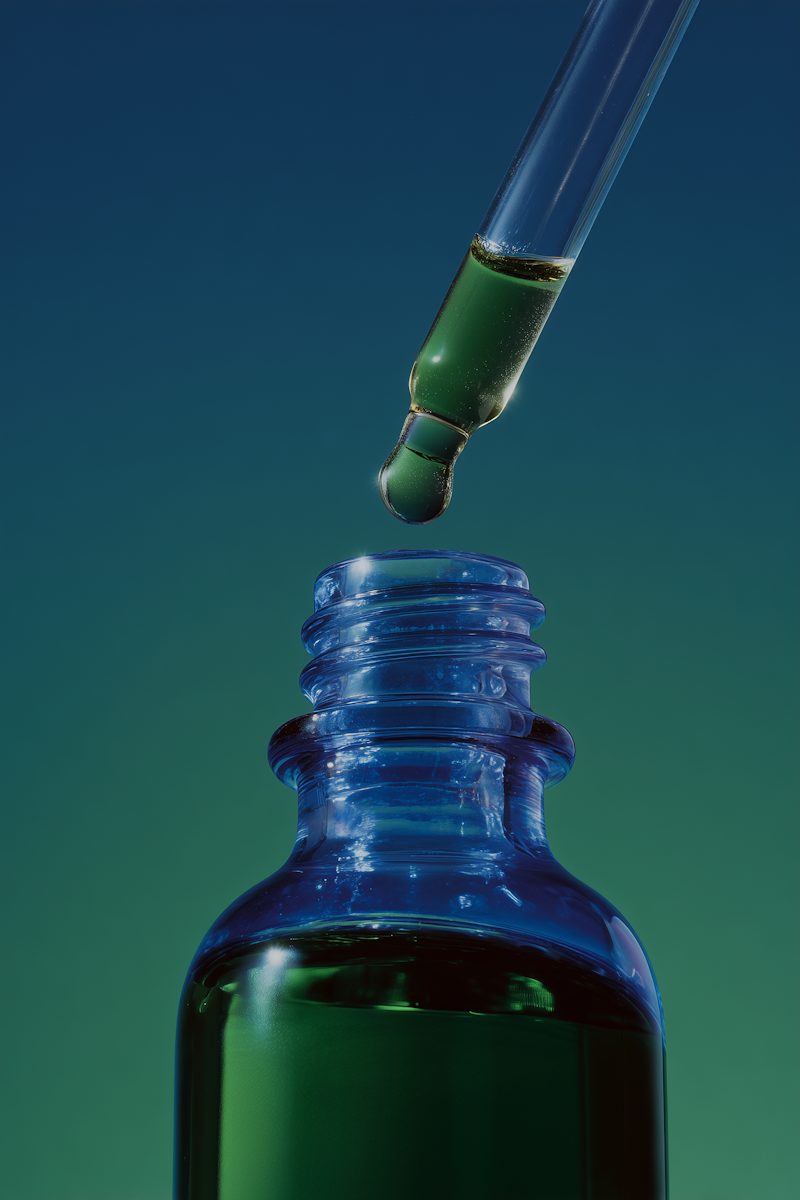
The key unit in determining dosage is the milligram (mg) of pure CBD. Milligrams determine the active ingredient in an oil or capsule. Another parameter is concentration – the percentage of CBD in a given product. 5 % oil contains 500 mg of CBD in 10 ml of liquid, 10 % oil – 1000 mg in 10 ml, and 20 % offers a whopping 2000 mg in the same volume. To understand how many mg are in one drop, calculate the mg content per milliliter (mg/ml) and divide it by the number of drops in 1 ml (assuming there are approximately 30 drops in one milliliter).
Milligrams and oil concentration
The percentage concentration indicates how many grams of CBD are dissolved in 100 ml of oil. In practice, manufacturers list the total mg content in the bottle, which is easy to calculate in mg per milliliter. For example:
- 5 % Oil: 500 mg of CBD in 10 ml (which is 50 mg/ml); one milliliter contains approximately 50 mg of CBD.
- Oil 10 %: 1000 mg CBD in 10 ml; one milliliter contains 100 mg CBD.
- Oil 15 %: 1500 mg in 10 ml; one milliliter contains 150 mg of CBD.
- Oil 20 %: 2000 mg in 10 ml; one milliliter contains 200 mg of CBD.
To find the mg content in a drop, divide the mg/ml value by 30 (the number of drops in 1 ml). For example, if 1 ml contains 50 mg of CBD, one drop is approximately 1.67 mg of the substance. With a 10 % oil, it will be 100 mg/30 ≈ 3.33 mg of CBD per drop, and with a 20 % oil, it will be approximately 6.67 mg.
Dose dependence on body weight
The literature on CBD supplementation offers varying recommendations regarding dosage based on body weight. It is generally accepted that:
- Low power This is approximately 0.2 mg of CBD per kilogram of body weight. This dose is considered "microdosing" and is recommended as a starting point or for those who want to gently support their daily well-being.
- Average power is approximately 0.7 mg/kg. It is used when the goal is to significantly alleviate tension, anxiety, or support the body in states of increased stress. It is a common choice for users with moderate experience.
- High power is approximately 1.3 mg/kg. This dose is chosen by individuals with a higher body weight or those who require intensive support, for example, for chronic sleep problems, pain, or advanced stress. Administration of 1–1.3 mg/kg is used in some therapeutic protocols under specialist supervision.
Please note that the above values are guide points and should be used as a guide. starting compartment. Bodies react differently, so later in this article we will describe how to gradually adjust the dose to individual needs. For those just starting supplementation, the following rule is often applied: 1 mg per kilogram of body weight as a target point, but it is always worth starting with smaller doses.
Example dose calculations in mg
Let's assume we want to calculate the dose for a 70 kg person. Depending on the strength selected, the dose will be as follows:
- Low strength (0.2 mg/kg): 70kg × 0.2mg = 14mg CBD per day.
- Average strength (0.7 mg/kg): 70kg × 0.7mg = 49mg CBD per day.
- High potency (1.3 mg/kg): 70kg × 1.3mg = 91mg CBD per day.
The calculated value represents the total milligrams of pure CBD, which should be divided into several servings throughout the day (usually 2–3 applications) or taken before bed if the goal is to improve sleep quality. In the following sections, we'll show you how to convert mg to drops and how to adjust the dose based on the oil concentration.
Step by Step: How to Calculate Your CBD Dose and Drops
The dosing process can be reduced to four simple steps. It's important to follow them carefully to minimize the risk of errors and optimize the supplement's effectiveness.
Step 1: Determine your goals and the need for
First, consider your intended use of CBD. Different doses are recommended for stress, sleep problems, and chronic pain or inflammation. Weight, gender, lifestyle, and whether you're a beginner also play a role. Determine whether you're looking for gentle sedation, tension relief before bed, or intense pain relief. This decision will help determine your target mg/dose range and the appropriate oil concentration.
Step 2: Choose your oil concentration and calculate mg per drop
Once you've determined your goal, choose the right concentration. Lower-concentration oils (5 %) are suitable for those just starting out or wanting to fine-tune their dosage. Higher concentrations (15–30 %) are convenient when more mg is needed with fewer drops.
Example conversions:
- Oil 5 % (500 mg in 10 ml): 50 mg/ml; 50 mg ÷ 30 drops ≈ 1.67 mg/drop.
- Oil 10 % (1000 mg in 10 ml): 100 mg/ml; 100 mg ÷ 30 drops ≈ 3.33 mg/drop.
- Oil 20 % (2000 mg in 10 ml): 200 mg/ml; 200 mg ÷ 30 drops ≈ 6.67 mg/drop.
- Oil 30 % (3000 mg in 10 ml): 300 mg/ml; 300 mg ÷ 30 drops = 10 mg/drop.
For bottles of a different capacity or unusual concentration, the general formula should be used: mg in the bottle ÷ volume in ml = mg/ml; mg/ml ÷ 30 = mg in a drop. Many manufacturers already provide these values on the label, but doing the calculations yourself will help you understand how much you're actually consuming.
Step 3: Calculate your dose in mg based on your body weight
The previously established mg/kg range allows for calculating the daily dose. For example, an 80 kg person seeking a medium effect (0.7 mg/kg) should take 56 mg of CBD daily. It's worth spreading this dose across several servings throughout the day to maintain stable blood levels of cannabidiol. A sample regimen would be half the dose in the morning and half in the evening, or 1/3 in the morning, 1/3 in the afternoon, and 1/3 in the evening.
Step 4: Convert mg to drops
The final step is to divide your daily dose by the CBD content per drop. Let's say you want to take 30 mg per day using 10 % oil. One drop contains approximately 3.33 mg of CBD, so you'll need about 9 drops per day (30 mg ÷ 3.33 mg ≈ 9). If you're using 20 % oil, one drop is about 6.67 mg, so 4–5 drops will be enough to get 30 mg. With 5 % oil (1.67 mg/drop), that would be about 18 drops. You can spread the number of drops across multiple doses throughout the day.
Example calculations for different weights and concentrations
To make it easier to use, we've prepared sample dose calculations for different body weights and oil strengths. Remember, these are only guidelines – it's always best to monitor your body's response and adjust the dose gradually.
A person weighing 50 kg
- Low strength (0.2 mg/kg): 10 mg of CBD daily. With 5 % oil (1.67 mg/drop) that's about 6 drops daily; with 10 % oil (3.33 mg/drop) that's about 3 drops.
- Average strength (0.7 mg/kg): 35 mg CBD daily. 5 % oil: approx. 21 drops; 10 % oil: approx. 10-11 drops; 20 % oil: approx. 5 drops.
- High potency (1.3 mg/kg): 65 mg of CBD daily. 5 % oil: approx. 39 drops; 10 % oil: approx. 20 drops; 20 % oil: approx. 10 drops.
A person weighing 70 kg
- Low power: 14 mg CBD. 5 % Oil: approx. 8 drops; 10 % Oil: approx. 4 drops; 20 % Oil: approx. 2 drops.
- Average power: 49 mg CBD. 5 % Oil: approx. 29 drops; 10 % Oil: approx. 15 drops; 20 % Oil: approx. 8 drops.
- High power: 91 mg CBD. 5 % Oil: approx. 55 drops; 10 % Oil: approx. 28 drops; 20 % Oil: approx. 14 drops.
A person weighing 90 kg
- Low power: 18 mg CBD. 5 % Oil: approx. 11 drops; 10 % Oil: approx. 5-6 drops; 20 % Oil: approx. 3 drops.
- Average power: 63 mg CBD. 5 % Oil: approx. 38 drops; 10 % Oil: approx. 19 drops; 20 % Oil: approx. 9-10 drops.
- High power: 117 mg CBD. 5 % Oil: approx. 70 drops; 10 % Oil: approx. 35 drops; 20 % Oil: approx. 18 drops.
If the numbers seem large, consider higher-concentration oils or capsules that contain a specific number of milligrams per dose. This makes it easier to reach the required mg without having to count dozens of drops.
CBD Dosage by Purpose: Sleep, Stress, Pain, and More
Different problems require different mg ranges. The following guidelines are guidelines only and should be adjusted to suit your individual needs and body weight. It's a good idea to record your observations and adjust the dose as needed.
CBD for stress and anxiety
Nervous tension and chronic stress are among the most common reasons for reaching for CBD. Users often report calming and improved mood at doses 20–100 mg per day. Beginners should start at the lower end of the range (e.g., 10–20 mg), monitor the effects for a week, and then increase the dose in 5–10 mg increments if necessary. For those weighing over 80 kg, a medium dose (0.7 mg/kg) may be adequate. It is also worth dividing the daily dose into several smaller doses taken throughout the day to maintain an even cannabinoid level and prevent drowsiness.
CBD for sleep and insomnia
Sleep problems often require a larger dose than what works during the day. It is recommended that the dose for sleep be within the range 50–100 mg CBD daily. One method is to divide the dose: take some in the morning or early afternoon, and the larger portion (25–70 mg) about an hour before bed. Some sources suggest that for therapy aimed at restorative sleep, the rule can be followed 1–6 mg CBD per 5 kg of body weight, which at a weight of 60 kg gives you 12 mg to 72 mg per day. It's crucial to monitor your body's response and adjust the dose so that it doesn't cause excessive daytime sleepiness.
CBD for pain and inflammation
In case of acute pain, migraine or inflammation, the doses range from 10 to 100 mg daily. For milder ailments, a few milligrams divided into two or three servings is often sufficient, while for chronic inflammation and severe pain, the dose may reach 100 mg or more. If you experience inflammatory pain, consult your doctor to determine whether CBD can be used in conjunction with other therapies. In some cases, combining CBD with other cannabinoids (e.g., THC in the form of medical marijuana) yields better results – however, this requires specialist supervision.
CBD to improve mood and concentration
People who use CBD to increase concentration, mental clarity, or improve mood typically take smaller doses. 20–50 mg daily is sufficient for most users. It is advisable to start with a minimal dose (e.g., 10 mg) and gradually increase if the effects are insufficient. For this purpose, it may be beneficial to use 5–10 % oils or low-mg capsules, which facilitate precise dosing.
CBD for other conditions
Users turn to CBD to alleviate the symptoms of various ailments—from autoimmune diseases and neurological disorders to chronic anxiety. In these cases, dosages can vary widely, ranging from several dozen to several hundred milligrams per day. This applies to conditions such as epilepsy, multiple sclerosis, and neurodegenerative diseases. Such high doses should only be used after consulting a medical professional.
Individual factors influencing the effects of CBD
CBD's effectiveness isn't just a matter of milligrams per kilogram. There are many variables to consider when planning supplementation. Everyone's body is different, so the same dose may have different effects in different people.
Metabolism and body composition
Metabolism determines how quickly the body absorbs and breaks down CBD. People with faster metabolisms may need more frequent doses to maintain a constant blood level. Fat tissue stores cannabinoids, so individuals with higher body fat may require slightly higher doses to achieve the same effect as lean individuals.
Product form and method of administration
The method of taking CBD is crucial. Sublingual oils provide rapid absorption through the mucosa, with effects visible in just 15–30 minutes. Capsules pass through the digestive system, delaying absorption by 1–2 hours but guaranteeing a precise dose of mg. Vaping herbs or e-liquids provides a nearly immediate effect, but lasts less time and requires more frequent use. Hemp edibles (cookies, drinks) work the slowest, but the effects last longer.
Tolerance and experience
Regular use of CBD can lead to tolerance. This doesn't mean the compound stops working, but rather that the body becomes less sensitive and requires a larger dose for the same effect. Beginners should start with small amounts (0.2 mg/kg) and increase the dose every 5–7 days, while experienced users can rely on a moderate dose (0.7 mg/kg) or increase doses as needed.
Time of day and diet
CBD taken on an empty stomach may be absorbed faster but has a shorter duration of action. However, consuming the oil after a meal rich in healthy fats (e.g., avocado, nuts, olive oil) increases bioavailability and prolongs the effect. The time of day also plays a role: for a stimulating effect, it's best to take a small dose in the morning, and a dose for sleep 1–2 hours before bed.
Drug interactions
CBD affects the CYP450 liver enzymes, which break down many medications. Using cannabidiol may alter their blood levels. If you are taking prescription medications, especially those metabolized by cytochrome P450 (including antidepressants, antiepileptics, statins, and blood pressure medications), consult your doctor before taking CBD. Consultation is also important if you are pregnant, breastfeeding, or have a serious medical condition.
CBD Safety and Side Effects
Scientific studies and user reviews indicate that CBD has a high safety profile. It has not been shown to be addictive or toxic. However, mild side effects may occur, especially at high doses or when interacting with other substances.
Possible side effects
- Dry mouth: CBD may reduce saliva production. Drinking plenty of water and maintaining good oral hygiene can help counteract this effect.
- Drowsiness and fatigue: especially with high doses or in sensitive individuals. It's worth adjusting the time of administration and gradually modifying the dose to avoid excessive daytime sleepiness.
- Lowering blood pressure: After ingestion, a slight drop in blood pressure may occur, resulting in dizziness. This usually lasts for a short time and subsides after a short period of rest.
- Gastrointestinal disorders: At very high doses, diarrhea or abdominal pain may occur. This is most often the result of an inadequate dose or incorrect timing of administration.
When to consult a doctor
Most users can use CBD without medical supervision, but in some situations, consultation is necessary. Consult a specialist if:
- you are taking prescription medications and are unsure if they may interact with CBD;
- you suffer from serious illnesses (epilepsy, liver disease, hypertension);
- you are pregnant or breastfeeding;
- you want to use very high doses (over 100 mg per day);
- You experienced unusual symptoms after taking CBD.
Can you overdose on CBD?
Cannabidiol is considered safe even in very high doses (clinical studies have reported doses in the hundreds of milligrams, sometimes reaching several grams). No fatal overdose has been reported. In practice, however, using large amounts provides no additional benefit and only increases the cost of supplementation and may exacerbate mild side effects. Therefore, it is recommended to stay within reasonable limits and gradually build up the dose based on individual needs.
Natural ways to support CBD and the endocannabinoid system
CBD should be combined with a healthy lifestyle and natural remedies that support the endocannabinoid system (ECS). The ECS is involved in regulating the body's balance and responds to various internal and external stimuli. Here are some ways that CBD can synergistically enhance its effects:
- A healthy diet rich in omega-3 and omega-6 fatty acids: These essential fats are precursors to endocannabinoids. You can find them in fish, flaxseeds, walnuts, and hemp seeds.
- Regular physical activity: aerobic exercise, yoga and stretching stimulate the production of endocannabinoids and act similarly to CBD, improving mood and reducing stress.
- The right amount of sleep: regeneration is crucial for the proper functioning of the ECS. CBD can help you fall asleep, but it's also worth taking care of your sleep hygiene (a dark and cool room, avoiding screens before bed).
- Avoiding excessive stress: stress reduction techniques (meditation, mindfulness, conscious breathing) support nervous system balance and can enhance the effects of CBD.
- Adaptogen supplementation: Herbs like ashwagandha, rhodiola, and reishi help adjust the body's response to stress and may work synergistically with CBD.
- Herbs and spices: lemon balm, chamomile, oregano, cinnamon, black pepper and ginger contain terpenes and flavonoids that affect cannabinoid receptors and support relaxation.
- Regular social contacts: interpersonal relationships have been proven to influence the production of endocannabinoids and improve well-being.
Combining CBD with the above practices helps enhance its effects and maintain balance in the body. However, remember that supplementation will not replace a healthy lifestyle, but only complement it.
Common CBD Mistakes and How to Avoid Them
Despite CBD's widespread popularity, many users make mistakes that can limit the supplement's effectiveness. Here are the most common ones and practical tips on how to avoid them.
Inappropriate dose adjustment
The mistake is taking random amounts of drops without calculating the mg based on concentration and body weight. This can result in no noticeable results or rapid product consumption. To avoid this, follow the formulas described above and start with smaller doses, observing your body's response.
Expecting immediate results
While vaporizing herbs produces results within minutes, most products, especially oils and capsules, are more subtle and require regular use. It can take several days to several weeks to see the full effects. Give your body time before increasing the dose.
Ignoring product quality
Low-quality CBD oils may be low in concentration, contain contaminants, or untested additives. Choose products with a certificate of analysis (COA) and information about THC and other cannabinoid content. A reputable manufacturer provides laboratory test results and transparent information about the ingredients.
Mixing CBD with alcohol and other substances
Alcohol and some psychoactive substances may interact with CBD. Although cannabidiol is not psychoactive, combining it with alcohol may increase drowsiness and increase the risk of impaired motor coordination. Avoid taking CBD and alcohol simultaneously, especially at high doses. Consult your doctor if you are taking other herbs, supplements, or medications.
Improper storage of the oil
Heat, sunlight, and moisture accelerate cannabinoid oxidation. Store the oil in a cool, dark place (e.g., refrigerator) and always tighten the cap after use. Pay attention to the expiration date—using the product after the expiration date may reduce its effectiveness.
Research Perspectives and the Future of CBD Supplementation
The cannabinoid market is growing rapidly. Scientists are studying a wide range of compounds, including new cannabinoids such as CBN, CBC, CBT Whether THCv. New applications are being discovered in the treatment of neurological, metabolic, and psychiatric diseases. In the future, we can expect personalized preparations in which the CBD dose will be adjusted to the genotype, endocannabinoid levels, and lifestyle. Legal regulations in Europe are slowly adapting to new data – in many countries, the permissible THC level in industrial hemp has increased from 0.2 lTP3T to 0.3 lTP3T. Growing interest and access to clinical trials mean that knowledge about optimal dosing will become increasingly precise.
Summary and conclusions
CBD dosing is a complex process, but with the right tools and knowledge, it can be easily mastered. The key takeaways include:
- Calculate your dose in mg based on your body weight using the intervals of 0.2 mg/kg (low strength), 0.7 mg/kg (medium strength), and 1.3 mg/kg (high strength).
- Convert mg to drops based on the oil concentration; remember that 1 ml is approximately 30 drops.
- Start with small doses and gradually increase them, observing how you feel and how your body reacts over a few days.
- Adjust the dosage to your goal: smaller doses are sufficient for stress, higher doses are usually needed for sleep, and for pain, the dose depends on the intensity of the symptoms.
- Consider factors such as body weight, metabolism, product form, time of day, and drug interactions.
- Choose the highest quality products, store them properly and consult a specialist if you have any doubts.
Remember that CBD is not a panacea and will not replace a healthy lifestyle or medical treatment. However, it can be a valuable support in daily care for body balance, stress reduction, and improved sleep. With conscious and responsible use, you can reap its potential safely and effectively.
Frequently Asked Questions (FAQ)
How to calculate CBD dose per kilogram of body weight?
To calculate your dose, multiply your body weight in kilograms by your chosen factor (0.2 mg/kg for low strength, 0.7 mg/kg for medium strength, or 1.3 mg/kg for high strength). The result is the number of milligrams of CBD to consume per day.
How many mg of CBD are in one drop of oil?
The number of mg per drop depends on the product's concentration. Calculate the mg/ml content by dividing the total amount of CBD in the bottle by its capacity. Then, divide this value by 30, as one ml contains approximately 30 drops. For example, 10 % oil contains 100 mg/ml, so one drop provides approximately 3.33 mg of CBD.
Is the percentage on the package the same as mg?
The percentage concentration indicates how many milligrams of CBD are contained in 100 ml of liquid. Mg is the absolute amount of the active ingredient in the product. Two oils with the same percentage may have different volumes and therefore differ in total mg. Always check both the concentration and the number of mg in the bottle.
How many drops of CBD for sleep?
Sleep-enhancing doses typically range from 50–100 mg of CBD per day. To calculate the number of drops, divide your chosen dose by the mg per drop in your oil. For example, a 60 mg dose with 10 % oil (3.33 mg/drop) is approximately 18 drops, which can be divided into two doses—a smaller dose during the day and a larger dose before bed.
How many drops of CBD for stress and anxiety?
For nervous tension, doses range from 20–100 mg daily. Start with 10–20 mg and increase every few days, observing how your body responds. If you're using 5 % oil (1.67 mg/drop), 20 mg is about 12 drops spread throughout the day.
Can you exceed the CBD dose?
CBD is considered safe, and large doses don't cause serious side effects. However, exceeding the dose can increase drowsiness, lower blood pressure, or cause gastrointestinal discomfort. Therefore, it's best to gradually increase the number of milligrams until you find the lowest effective dose.
How long does it take to see CBD effects?
When taken sublingually, effects can appear within 15–30 minutes and last for several hours. Capsules and hemp edibles take longer to work (1–2 hours), but the effect is longer-lasting. Full results may take several days of regular supplementation, so patience is key.
Is CBD safe for children and pets?
There are CBD products for children and animals, but their use should be supervised by a veterinarian or pediatrician. Dosage is typically much lower than for adults and depends on body weight and health status.
Does CBD interact with medications?
CBD may affect the metabolism of some medications by affecting liver enzymes. If you are taking prescription medications, talk to your doctor before starting supplementation. In some cases, monitoring drug levels in your blood and adjusting dosages may be necessary.
How to choose the strength of CBD oil?
When choosing an oil strength, consider body weight, target mg dose, and ease of use. Low concentrations are good for beginners, allowing for precise adjustments. Oils with a concentration of 15–30 % are practical for higher doses because they require fewer drops.
Is CBD psychoactive?
CBD has no psychoactive effects and does not cause a feeling of intoxication. Unlike THC, it does not bind strongly to CB1 receptors in the brain, so it does not induce euphoria. Users experience mild sedation and an improved sense of well-being.
What is the difference between full spectrum, broad spectrum and isolate?
Full spectrum contains a full profile of cannabinoids, terpenes and flavonoids, including trace amounts of THC (up to 0.2–0.3 %). Broad spectrum is devoid of THC but retains other cannabinoids and terpenes. CBD isolate It's pure CBD without other phytochemicals. Full spectrum can provide an entourage effect, while isolate is suitable for those who want to avoid THC.
Can you combine CBD with alcohol?
Combining CBD with alcohol may increase sedative effects and lead to decreased concentration. If you consume alcohol, it is recommended to wait a few hours before taking CBD or use it on different days. Avoid using high doses of both substances simultaneously.
How to store CBD oil?
Store the oil in a cool, dark, and dry place—preferably in a cupboard or refrigerator. Make sure the bottle is tightly closed and do not expose it to direct sunlight or high temperatures.
Can you drive after consuming CBD?
CBD itself is non-psychoactive and, in most cases, won't affect your driving ability. However, if you're taking high doses or are sensitive to sedative effects, wait a few hours and make sure you feel fully focused and alert.
Can CBD give a positive result on a drug test?
Most drug tests detect THC, not CBD. Full-spectrum products contain small amounts of THC (up to 0.2–0.3 lTP3T), which can theoretically accumulate in the body with regular use. If you're concerned about the test, choose broad-spectrum CBD oil or isolate, which doesn't contain THC.
How often can CBD be used?
CBD can be used daily. Typically, the daily dose is divided into 2–3 smaller doses. There is no strict upper limit, but it's worth sticking to the mg/kg recommendations and monitoring your body's response.
Can CBD be used while pregnant or breastfeeding?
There are no clinical studies on the safety of CBD during pregnancy and lactation. Therefore, experts recommend avoiding cannabinoids during this period or using them only after consulting a doctor.
Can you mix CBD with other supplements such as adaptogens?
CBD can be combined with adaptogens and other natural supplements, but it's best to start with lower doses and observe your body's response. Some combinations can enhance each other's calming effects, so it's best to introduce new substances one at a time.
How quickly should I increase the dose if I don't feel an effect?
Typically, the dose is increased every 5–7 days by 2–5 mg to give your body time to adapt. If you don't notice any changes after two weeks of use, consider increasing the dose by another 5–10 mg. Remember, everyone's body is different, and the rate of dose adjustment may vary.
Can I split the CBD dose in half and take it several times a day?
Yes, dividing your dose into several servings helps maintain stable CBD levels in your blood and prevents mood and energy swings. This is especially helpful for medium to high doses or when the goal is to reduce stress throughout the day.