
Natural CBD Supplements in Poland: A Complete Guide Before You Buy
CBD (cannabidiol) is a non-psychoactive compound from hemp that generates a market worth hundreds of millions of zlotys in Poland – even though no CBD product has yet been granted Novel Food authorisation in the EU. The World Health Organization stated in a 2017 report that "CBD does not exhibit effects indicative of abuse or dependence potential" and is "generally well tolerated with a good safety profile." At the same time, in February 2026, EFSA set a provisional safe level of consumption at just 2 mg per day for a person weighing 70 kg – which the industry considers „tantamount to a ban.” This guide provides all the information you need to make an informed purchase: from product types, through mechanisms of action and legal status, to specific clinical studies and market data.
Types of CBD products available in Poland
There are more than a dozen forms of CBD available on the Polish market, each with varying bioavailability, speed of action, and price. The most popular form remains CBD oils, accounting for the largest share of sales in the nutraceuticals segment (Grand View Research, 2024).
CBD oils (administered sublingually) offer bioavailability 12–35% when absorbed sublingually and work after 15–30 minutes. They are available in concentrations from 5% (500 mg/10 ml) to 30% (3000 mg/10 ml), in three spectrum variants: full, broad and isolate. Prices on the Polish market in 2025 range from 50–150 PLN for 5% to 300–600 PLN for 30% (10 ml). They have a distinct hemp flavor, which may not appeal to everyone.
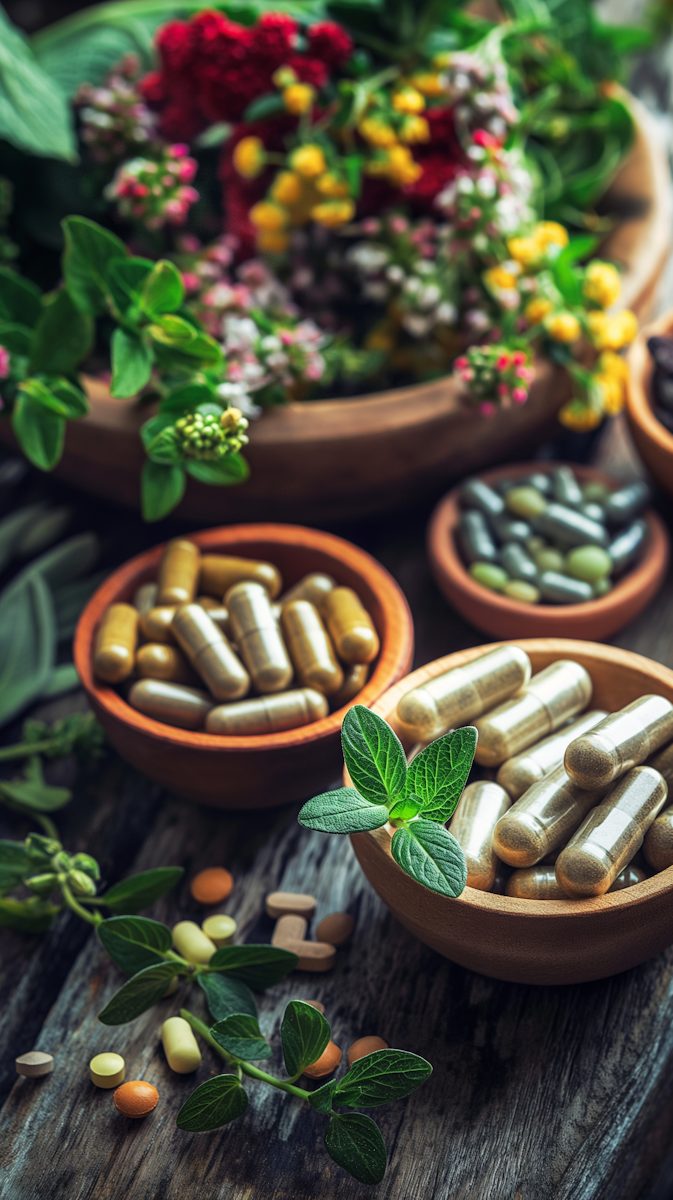
CBD capsules provide precise, measured doses (typically 10 mg or 25 mg), eliminate taste problems, and are discreet in use. Their disadvantage is lower bioavailability—only 6–15% (oral route with first-pass effect through the liver) — and a slower onset of action (30–120 minutes). Consumption with a fatty meal increases absorption even 4–5 times. Some advanced formulas (e.g. NovaSOL technology) claim 16 times faster absorption.
CBD teas They are the gentlest introduction to CBD, but they deliver very little cannabidiol—CBD is lipophilic (log P >5) and does not dissolve well in water. To improve extraction, adding fat (butter, coconut oil) is recommended. Prices are 15–40 PLN for the packaging. CBD cosmetics (creams, balms, serums) act locally on CB2 and TRPV1 receptors in the skin without being absorbed into the bloodstream. The CBD skincare segment has been 57,3% Polish CBD market in the consumer health category in 2024 (Grand View Research).
They are also becoming more and more popular CBD gummies (approx. PLN 48–55 for 250 mg), vaporization (highest bioavailability: ~30–40%, action within minutes), CBD paste (highly concentrated, 20–30%+), transdermal patches and CBD crystals (isolate 99%+).
How CBD Works Through the Endocannabinoid System
The endocannabinoid system (ECS), discovered between 1988 and 1992, is a biological system that maintains homeostasis It consists of three components: CB1 and CB2 cannabinoid receptors, endocannabinoids (anandamide and 2-AG), and the enzymes that degrade them (FAAH and MAGL). CB1 receptors predominate in the brain and central nervous system, regulating pain, mood, appetite, and memory. CB2 receptors are found primarily in immune system cells and modulate inflammatory responses.
CBD does not bind directly to CB1 or CB2 — unlike THC, which is a partial CB1 agonist and produces psychoactive effects. Instead, CBD acts indirectly for more than 65 identified molecular targets. The key mechanisms include: inhibition of the FAAH enzyme (which increases levels of anandamide — the "happiness molecule" discovered in 1992 by Raphael Mechoulam's team), negative allosteric modulation of the CB1 receptor (which explains why CBD weakens the psychoactive effects of THC), and stimulation of endocannabinoid production.
CBD also affects non-cannabinoid receptors, which explains the breadth of its potential effects. 5-HT1A serotonin receptor agonist, which is responsible for the anti-anxiety and antidepressant effects. As full TRPV1 receptor agonist (vanilloid/capsaicin receptor) CBD desensitizes pain channels, reducing neuroinflammation. Acting as GPR55 antagonist, CBD may inhibit bone resorption and cancer cell proliferation. It also activates PPARγ (effect on lipid metabolism) and inhibits adenosine reuptake (anti-inflammatory effect via the A2A receptor — reduces TNF-α, IL-6, COX-2).
CBD's anti-inflammatory mechanisms include NF-κB inhibition, NLRP3 inflammasome suppression, and cytokine modulation. A systematic review of 26 animal studies (PMC 2021) found that CBD consistently reduced proinflammatory cytokine levels in 22 of 26 studies.
CBD vs THC – Key Differences: Both have the same chemical formula (C₂₁H₃₀O₂) but different atomic configurations. THC is psychoactive, can increase anxiety, and can be addictive with chronic use. CBD is non-psychoactive, reduces anxiety, and—as confirmed by the WHO in 2017 and 2018— does not have any addictive potential. In studies, a 600 mg dose of oral CBD did not differ from placebo on addiction scales (Addiction Research Center Inventory). CBD does not cause dopamine release in reward pathways.
Legal status of CBD in Poland for 2025–2026
The legal situation of the CBD in Poland is complex and operates in a "grey zone" at the intersection of several legal acts. CBD is not listed as a narcotic substance in the Act of 29 July 2005 on Counteracting Drug Addiction (LPNA). CBD products are legal as long as they meet two conditions: they are derived from hemp (Cannabis sativa L.) and they contain THC below the established limit.
In May 2022, the LPNA increased the permissible THC content in hemp from 0.2% to 0,3% (in plant material, calculated on a dry matter basis), in accordance with changes in the EU Common Agricultural Policy. However, for finished consumer products a limit applies ≤0.2% THC — this is a key difference that is not always clearly communicated by sellers.
The main regulatory challenge is the status Novel Food. Regulation (EU) 2015/2283 classifies CBD extracts as a novel food because they were not widely consumed in the EU before May 15, 1997. This means they technically require EFSA authorization before being placed on the market as a food or dietary supplement. In early 2026 no CBD product has received such authorization — despite submitting over 200 applications to the European Commission. EFSA published an updated position in February 2026, setting a provisional safe intake level for 0.0275 mg/kg body weight per day (~2 mg/day for a 70 kg person), using an extremely restrictive uncertainty factor of 400 (200 is standardly used).
An important exception is hemp seed products — Cold-pressed hemp oil, hemp flour, and hemp seeds are not Novel Food and can be legally sold. Similarly CBD cosmetics are subject to Regulation (EC) No 1223/2009 on cosmetic products, not Novel Food.
GIS (Chief Sanitary Inspectorate) applies Novel Food guidelines and has taken enforcement action against non-compliant products. Alerts regarding Polish CBD products have been recorded in the RASFF system – in June 2024, unauthorized Novel Food ingredients (CBD/CBG/CBC) were detected in a supplement from Poland, and in April 2025, the sale of unauthorized CBD from an online store was banned. The Chief Sanitary Inspectorate (GIS) may impose fines of up to 500,000 PLN. The 2021 Supreme Audit Office audit revealed that GIS verified only ~11% out of ~63,000 dietary supplement notifications in 2017–2020.
The landmark judgment of the CJEU in the Kanavape case (C-663/18, 19 November 2020) confirmed that CBD is not a drug within the meaning of the UN Convention and benefits from the free movement of goods within the EU. A draft amendment to the LPNA is also underway in Poland (from mid-2024), which would prohibit the sale of CBD products intended for smoking or inhalation and prohibit advertising suggesting such use (proposed Article 20a). The status of this draft in early 2026 is uncertain due to political dynamics.
CBD advertising in Poland is subject to strict restrictions: any health claims are prohibited (Regulation (EC) 1924/2006 – no health claims have been authorized for CBD). It may not suggest medicinal properties, refer to medical recommendations, or compare it to psychoactive substances.
What the clinical studies say
The strongest scientific evidence concerns epilepsy — Epidiolex/Epidyolex is the only CBD-based drug approved by the FDA (June 25, 2018) and EMA (September 19, 2019). In the landmark study by Devinsky et al. (NEJM 2017) of 120 children and young adults with Dravet syndrome, CBD at a dose of 20 mg/kg/day reduced the median seizure frequency by ~39% (from 12.4 to 5.9 per month) versus ~17% in the placebo group. 5% of patients receiving CBD were completely seizure-free (vs 0% placebo). In Lennox-Gastaut syndrome, the reduction in atonic seizures was 44% at a dose of 20 mg/kg/day versus 22% placebo.
In the area fear Bergamaschi and Zuardi's 2011 study (Neuropsychopharmacology) is crucial: a single dose of 600 mg CBD in 24 patients with social phobia significantly reduced anxiety, cognitive impairment and discomfort during simulated public speaking - the reactions of CBD patients were comparable to healthy controls. Masataka (Frontiers in Psychology, 2019) found that 300 mg of CBD daily for 4 weeks significantly reduced anxiety in 37 Japanese adolescents with SAD. Blessing et al. (Neurotherapeutics, 2015—NYU School of Medicine), in a comprehensive review, concluded that preclinical evidence „strongly supports” CBD as a treatment for GAD, panic disorder, SAD, OCD, and PTSD.
Evidence regarding sleep are less consistent. Shannon et al. (The Permanente Journal, 2019) in an open case series of 72 patients reported improved sleep in 66,7% in the first month, but the effect was not stable over 3 months (unlike the improvement in anxiety in 79,2%, which was durable). A 2025 meta-analysis (Neuroscience, Ellis et al.) included 6 RCTs with 1077 patients—sleep improvements appeared to be driven by the multi-ingredient formulations rather than CBD alone.
In research on pain A 2024 systematic review (MDPI Pharmaceuticals) included 40 studies—7 of the 11 clinical trials showed CBD's analgesic properties in osteoarthritis, neuropathic pain, bruxism, and atopic dermatitis. A 2019 Arthritis Foundation survey of 2,600 arthritis patients showed that 79% uses or is considering CBD, and ~75% current users rates them as "effective or very effective." At the same time, the 2025 Cochrane update (21 studies, 2,187 participants) found no "clear evidence of an effect in reducing pain by at least 50%" for CBD-dominant medications.
Mechanisms anti-inflammatory CBD has been described by, among others, Burstein (Bioorganic & Medicinal Chemistry, 2015) and Nichols & Kaplan (Cannabis and Cannabinoid Research, 2020). CBD inhibits proinflammatory cytokines (TNF-α, IFN-γ, IL-1β, IL-6), induces monocyte apoptosis, suppresses the NF-κB pathway, and acts on many receptors independently of CB1/CB2.
A practical shopping guide
Certificate of Analysis (CoA) This is the most important document when purchasing CBD – without it, choosing a product is a gamble. A good CoA from an accredited, independent laboratory should include: a cannabinoid profile (CBD must match the label declaration), heavy metals (arsenic, cadmium, lead, mercury), pesticides (>200 substances), residual solvents, and microbiological analysis. In Poland, the leading accredited laboratory is Cannalabs by EkotechLAB (Gdańsk, accreditation AB 1755), which uses HPLC chromatography and places unique QR codes on reports to verify authenticity.
Red flags in the CoA include: no document at all, analysis from the manufacturer's internal laboratory (not an independent one), mismatched fonts suggesting counterfeiting (a common practice among dishonest sellers, according to GreenPharm.pl), an old date unrelated to the current batch, no contamination tests, and a significant difference between the declared and actual CBD content.
Extraction methods directly impact product quality and price. Supercritical CO₂ extraction is the gold standard—it leaves no solvents, eliminates molds and bacteria, and produces the highest cannabinoid yields, but requires expensive equipment. Ethanol extraction is faster and cheaper, preserves the terpene profile well, but can extract undesirable compounds (chlorophyll) and requires thorough purification. Hydrocarbon extraction (butane/propane) carries the risk of toxic residues and should be avoided.
Product spectrum is a key choice. Full spectrum contains all naturally occurring cannabinoids, terpenes, and flavonoids, utilizing entourage effect The entourage effect is a concept proposed by Professor Raphael Mechoulam in 1998, according to which cannabis compounds work synergistically. A 2015 study from the Lautenberg Center in Jerusalem debunked the previous belief that CBD isolate is more effective than full-spectrum. Broad spectrum retains most compounds while removing THC—a compromise for those sensitive to THC. CBD isolate (99%+ pure CBD) does not provide the entourage effect and requires higher doses.
Price per mg of CBD is the best comparison metric. Formula: Price ÷ Total CBD (mg) = Cost per mg. A good value for full-spectrum products is 0.10–0.25 PLN/mg CBD. A price below 0.08 PLN/mg should raise suspicion – it's probably an isolate being passed off as full spectrum or a diluted product. Approximate prices of quality 10 ml oils in 2025: 5% (500 mg) approx. 100 PLN, 10% (1000 mg) approx. 200 PLN, 30% (3000 mg) approx. 450 PLN (HempKing, SOA.edu.pl, natu.care).
The Ten Most Common Mistakes When Purchasing CBD
The first and most dangerous mistake is no CoA verification — some products tested by independent researchers contained zero CBD despite the label claim. The second is confusing hemp oil with CBD oil: hemp oil (hemp seed oil) is a cold-pressed cooking oil from seeds, containing omega-3 and omega-6, but zero cannabinoids. CBD oil is an extract of hemp flowers and leaves, containing cannabidiol. Many sellers deliberately blur this distinction—if the label says "hemp seed oil," the product does not contain significant amounts of CBD.
The third mistake is buying solely on price — hemp is a bioaccumulator, and cheap raw materials from contaminated soil mean heavy metals in the oil. Fourth — believing in unrealistic health claims: The FTC fined six CBD companies in December 2020 for false claims about treating cancer, heart disease, and Alzheimer's; the FDA issued over 15 warning letters in November 2019 alone. In Poland, the Chief Sanitary Inspectorate (GIS) and the Office of Competition and Consumer Protection (UOKiK) apply similar rules.
The fifth mistake is ignoring the extraction method (if not revealed - red flag), sixth - indistinguishable spectrum (A CoA showing only CBD with no other cannabinoids is an isolate, regardless of the "full spectrum" label.) The seventh is disregard for the quality of the carrier oil (MCT oil ensures the best absorption). Falsified laboratory reports pose a particular threat on the Polish market (manipulations visible when the fonts are enlarged), percentage manipulation (e.g. "30% CBD" meaning 30% of the extract, whose CBD is actually 15%) and confusion with the THC limit (0.3% for the plant vs 0.2% for the product).
CBD Safety and Drug Interactions
WHO in its 2017 and 2018 reports confirmed that CBD is "generally well tolerated" - the most common side effects are drowsiness (36% in the Dravet study), diarrhea (31%), decreased appetite (28%), fatigue (20%), and vomiting (15%). No cases of fatal overdose or physical dependence have been reported.
The key threat is drug interactions via the CYP450 enzyme system. CBD primarily inhibits CYP2C19 (clinically significant from ~300 mg/day), CYP3A4 (metabolizes ~25% of all drugs) and CYP2D6 (It metabolizes many antidepressants.) Rule of thumb: if a drug has a warning about interacting with grapefruit, it likely interacts with CBD (both inhibit CYP3A4).
The best documented interactions include: clobazam (the concentration of the active metabolite increases by 500 ± 300%), warfarin (INR values >10, risk of bleeding), valproic acid (21% of patients on both substances had elevated transaminases >3× the norm), tacrolimus (necessity to reduce the dose by 90% at 2–3 g CBD/day) and methadone (doubling of plasma concentration). Researchers identified 139 drugs potentially affected by cannabinoids, of which 57 could have dangerous concentration changes.
Down risk groups include: pregnant and breastfeeding women (EFSA 2026: "safety cannot be established"; ANSES proposed classifying CBD as a presumed reproductive toxicant in February 2025), people under 25 years of age (EFSA 2026: safety cannot be established), patients with liver disease (CBD is extensively metabolized in the liver) and people taking multiple medications simultaneously. Before starting CBD supplementation, it is necessary consultation with a doctor, especially when using prescription medications.
The Polish CBD market in numbers
The Polish CBD market has experienced spectacular growth: from PLN 210 million in 2019. down PLN 900 million in 2021. — a four-fold jump in two years (Euromonitor International). Prohibition Partners in "The Poland Cannabis White Paper" forecasts a market at EUR 2 billion by 2028. Poland is the fourth largest medical marijuana market in Europe (after Germany) with an estimated value of ~72 million EUR in 2025. In 2024, Polish pharmacies dispensed over 7.8 tons medical marijuana (compared to ~3.2 tonnes in 2023), and the annual import limit increased from 6 million grams (2024) to 20 million grams (2025).
Leading Polish brands are: CannabiGold (HemPoland, Elbląg — acquired by Canadian TGOD for PLN 100 million; founder Maciej Kowalski), HempKing (BIODIO Sp. z o. o., certified organic oils; founder Damian Olędzki), Cannabis Poland SA. (listed on NewConnect) and Mr Hemperek and Essenz. Among the international brands available in Poland, the dominant ones are Cibdol (Switzerland), Nordic Oil (Germany), Endoca (Denmark), and PharmaHemp (Slovenia).
The global CBD market in 2024 reached a value of ~9 billion USD (Grand View Research/Precedence Research), with growth forecast to $22 billion by 2030. at CAGR 15,8%. The European market in 2024 was worth $2.28–2.34 billion (Statista/Cognitive Market Research), with Germany as the leader (EUR 734.77 million). North America is responsible for 86.7–88% global CBD market.
From a consumer perspective, Marygo's September 2021 study revealed that 90% Poles had no knowledge of CBD, and 50% have never heard of it—which indicates the market's enormous educational potential. At the European level, over 2.3 million Poles consumed cannabis (legally and illegally) in 2021 (Euromonitor). The Teraz Polska Foundation stated that quality is the number 1 purchasing criterion for Poles (79.8%), ahead of the price (75.8%).
Dosage: The "start low, go slow" rule„
The universal expert rule is the "start low, go slow" approach: we start with 5–10 mg of CBD per day, maintain for 4–7 days, observing the effects, and then increase by 5–10 mg every 3–7 days until the desired effect is achieved. It's worth keeping a dosing journal.
Doses are divided into three categories: micro (1–20 mg/day) for general wellness and mild stress, standard (20–50 mg/day) for moderate anxiety, stress and sleep problems, and macro (50–200+ mg/day) for severe pain, inflammation, or epilepsy. A 2017 review found that continuous use of CBD, even at a dose 1500 mg/day is well tolerated in humans. At the same time, the UK FSA recommended a provisional limit of 10 mg/day, while EFSA proposed just 2 mg/day in 2026—these discrepancies demonstrate how widely regulators differ in their risk assessments.
Bioavailability varies dramatically depending on the form of administration: sublingual oils 12–35%, capsules orally 6–15%, vaporization 30–40% (up to 56%), topical application to the skin is strictly for topical use. A key factor influencing absorption is consuming CBD with a fatty meal, which may increase oral bioavailability. 4–5 times (confirmed by a 2021 study). Factors influencing the optimal dose include body weight, symptom severity, individual metabolism (CYP450 variants), product type (full spectrum is more effective at lower doses due to the entourage effect), and concomitant medication use.
Key facts and dates
The following data provides verifiable reference points for the article:
- 1940 — Roger Adams (University of Illinois) first isolated CBD from hemp
- 1963 — Raphael Mechoulam and Yuval Shvo (Weizmann Institute/Hebrew University) elucidated the full structure and stereochemistry of CBD
- 1992 — Mechoulam's team discovered anandamide — the first endocannabinoid (from pig brain)
- 1998 — Mechoulam proposed the concept of the „entourage effect”
- 2017 — WHO ECDD (39th meeting, Geneva, 6–10 November): „CBD does not demonstrate effects indicative of abuse or dependence potential”
- June 25, 2018 — FDA Approves Epidiolex (First CBD-Based Drug from a Plant)
- September 19, 2019 — EMA approves Epidyolex in Europe
- November 19, 2020 — CJEU judgment in the Kanavape case (C-663/18): CBD is not a drug
- June 7, 2022 — EFSA: The safety of CBD as a novel food „cannot be established at present”
- February 2026 — EFSA: provisional safe intake level 0.0275 mg/kg bw/day (~2 mg/day)
User statistics: 60% American adults have tried CBD in 2024 (Forbes Health); 64% uses it for pain, 49% for fear, 42% for insomnia (SingleCare). Epidiolex reduces seizures by 39–44% depending on the type of epilepsy. Global CBD market: ~9 billion USD (2024), forecast $22 billion (2030). WHO published the full CBD report: cdn.who.int/media/docs/default-source/controlled-substances/whocbdreportmay2018-2.pdf.
Conclusions and recommendations
CBD is a compound with a promising but still incomplete scientific evidence profile. The only application with "hard" evidence from RCTs is epilepsy (Epidiolex/Epidyolex). Evidence for anxiolytic effects is strong, but based primarily on small trials and acute doses (300–600 mg—many times higher than typical consumer doses). Evidence for improved sleep and pain reduction is promising but inconsistent.
From a practical perspective, consumers should prioritize five things: verifying the CoA from an independent, accredited laboratory, verifying the extraction method (CO₂ or cold ethanol), choosing full spectrum with ambiance, comparing the price per mg of CBD instead of the sticker price, and consulting a doctor if taking any prescription medications. The Polish CBD market is growing rapidly, but it operates in a regulatory gray area—EFSA has not authorized any CBD products as novel foods, and the proposed 2 mg/day limit, if maintained, would fundamentally change the industry landscape. An informed consumer is the best response to this uncertainty.