
Combining cannabis and tobacco is a bad idea – in addition to negatively affecting the lungs, it can increase anxiety levels and worsen symptoms of depression.
Combining cannabis and tobacco is a bad idea – in addition to negatively affecting the lungs, it can increase anxiety levels and worsen symptoms of depression.
Smoking cannabis in combination with tobacco is common, not only among recreational cannabis users but also among those who smoke CBD or medical cannabis for therapeutic purposes. The harmful effects of tobacco on the respiratory system are now widely apparent. New scientific research indicates the negative effects of combining tobacco and cannabis on mental health.
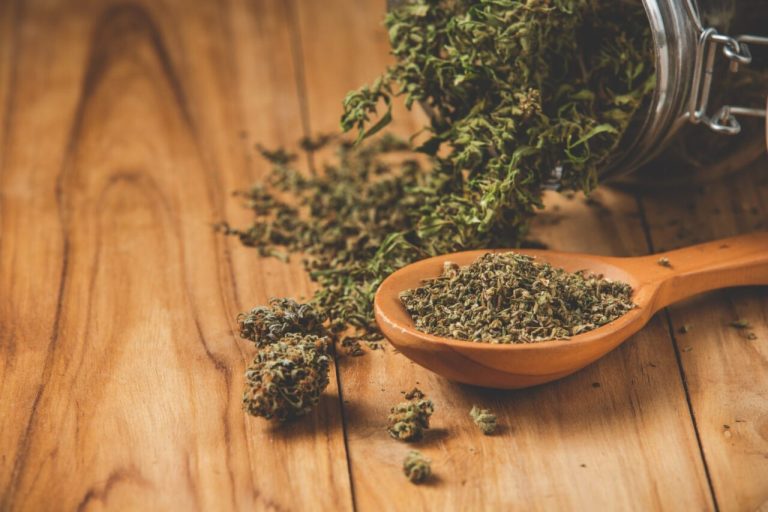
Tobacco and dried hemp
Tobacco and cannabis are among the most commonly used substances in the world, and their combined use is becoming increasingly common due to the increased availability of CBD and medical marijuana, and the growing number of countries legalizing the recreational use of cannabis containing THC.
There's no need to convince anyone about the harmful effects of smoking and secondhand smoke, but for clarity's sake, let's cite some numbers. Tobacco smoke has been on the WHO's list of carcinogenic substances for several decades. According to current data, data, tobacco smoking causes 25% of all cancer deaths worldwide and is the leading cause of lung cancer.
This remains an important public health issue in Europe, where an estimated 186 million people (or 26% of the adult population) currently use tobacco. In men, smoking causes 92% cases of trachea, bronchus, and lung cancer; in women, the figure is 62%. Smokers have a lifetime risk of developing lung cancer that is up to 22 times higher than nonsmokers.
It turns out that, in addition to its carcinogenic effects, tobacco combined with cannabis can also have other adverse consequences. This is particularly true for simultaneous smoking of a mixture of hemp and tobacco, but also for smoking one substance immediately after the other, or using both substances simultaneously within a short period of time.
Combining tobacco and hemp increases anxiety and depression levels
Test published in the open-access journal PLOS in September 2023, indicates a link between concurrent tobacco and cannabis use and increased levels of anxiety and depression.
Analyzing data from the Citizens Health Study on COVID-19, researchers looked at the substance use habits of 53,843 American adults between 2020 and 2022. They found that people who used tobacco and cannabis concurrently were nearly twice as likely to experience depression and anxiety as those who did not use these substances at all.
4.9% participants reported smoking tobacco only, 6.9% reported smoking cannabis containing THC only, and 1.6% reported using both substances concurrently. Among those in the group using cannabis with THC and tobacco concurrently, 26.5% reported anxiety, and 28% reported depression. In contrast, among those who did not smoke either tobacco or cannabis with THC, the rates of anxiety and depression were 10.6% and 11.2%.
Use only cannabis containing THC was also associated with a greater likelihood of developing anxiety, compared to using tobacco alone.
Does smoking cannabis increase anxiety levels?
The answer to this question is complex and depends on the concentration of individual cannabinoids in dried hemp and the amount of herbs being roasted. This applies both to the amount roasted at one time and the frequency of use. dried hemp.
THC and anxiety and depression
Use relationship THC for anxiety is nothing new. In the scientific literature you can find both studies showing anxiolytic effects THC, as well as those describing increased anxiety symptoms in people using this cannabinoid. Subsequent research analyses show that both these claims are true, as the dose of the psychoactive cannabinoid is crucial in this context.
- Low doses of THC, administered at a frequency planned individually with a doctor, relieve stress and reduce anxiety levels, especially social anxiety. Even low doses of this cannabinoid may require gradual development of tolerance to its effects before the patient can reach the recommended therapeutic dose.
- High doses of THC may contribute to the exacerbation of anxiety and depressive symptoms, especially if the cannabinoid is used in an uncontrolled manner and frequently.
CBD and anxiety and depression
CBD, as a non-psychoactive cannabinoid, in every dose tested so far relieves anxiety, stress and has a stabilizing effect on mood – it can help people with depression.
- Two studies conducted in 1974 and 1982 showed that CBD reduces anxiety caused by THC.
- A 1993 study found lower anxiety levels in people who took CBD and then performed a public speaking test.
- People in a small study published in 2003 found that they felt less anxious after taking CBD than those who took a placebo.
- Two studies published in 2011 showed that CBD reduces symptoms in people,
who were diagnosed social phobia.
- A study published in 2019 found that CBD works better than placebo for teenagers suffering from social anxiety.
- In a study published in 2022, young people whose standard anti-anxiety medications didn't work well showed improvement after supplementing CBD therapy.
- Results from the first phase of the ongoing study using CBD and other cannabinoids published in 2022 showed that dried hemp may relieve symptoms within 4 weeks of use.